标签: Oceania

大洋洲

  • New strikes as Trump warns Iran will pay for US troop deaths

    New strikes as Trump warns Iran will pay for US troop deaths

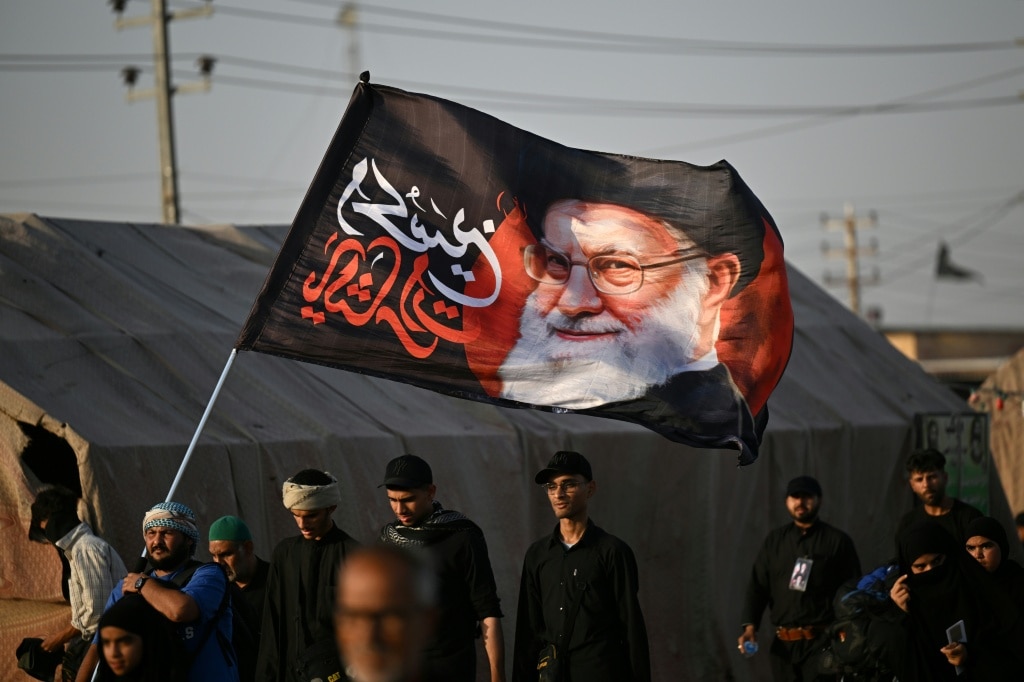
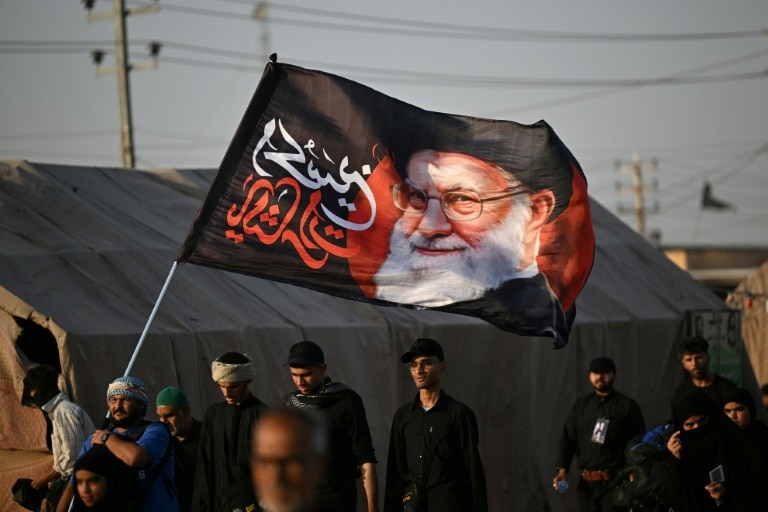
    Tensions between the United States and Iran have surged to new heights this week, with fresh military strikes, stark war rhetoric, and threats of wider regional disruption pushing the decades-long rivalry into one of its most dangerous phases in recent history. The eruption of open conflict follows the collapse of a ceasefire and framework peace deal that held through April and June, leaving regional stakeholders and global energy markets bracing for severe spillover effects.

    The latest escalation was triggered by the deaths of three additional American soldiers, bringing the total confirmed US fatalities in the ongoing conflict to 17. The US Pentagon confirmed Monday that nearly 100 US service members have been wounded since July 7, most suffering minor concussions from drone and missile attacks. In a forceful public warning posted to his Truth Social platform, former US President Donald Trump held Iran directly accountable and pledged harsh retaliation.

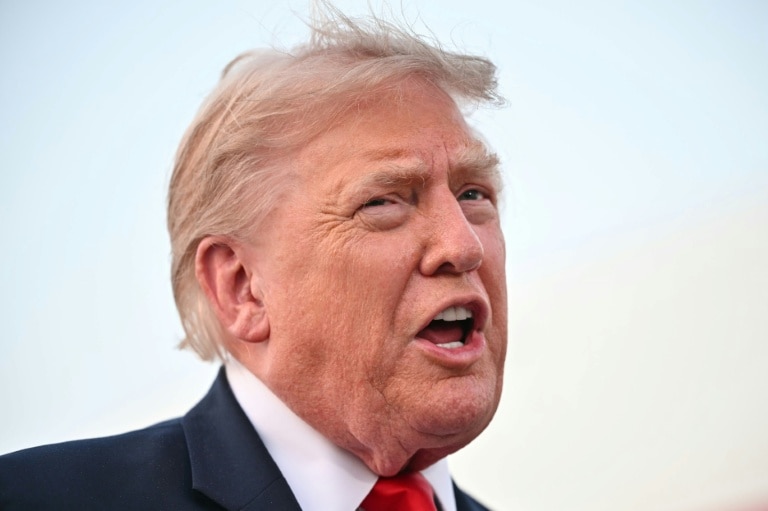
    “Every time Iran kills an American Soldier they will pay for that killing many times over!” Trump stated, adding that the directive had been formally communicated to Secretary of War Pete Hegseth, Chairman of the Joint Chiefs of Staff Daniel Caine, and all senior military leaders. Shortly after Trump’s warning, US Central Command announced a new round of targeted strikes against Iranian military assets, designed to reduce Tehran’s capacity to launch attacks on commercial shipping transiting the Strait of Hormuz.

    As US military action ramped up, top Iranian officials framed the confrontation as an unprecedented full-scale conflict. Iranian President Masoud Pezeshkian confirmed Monday that the conflict with Washington has entered a new, more intense phase, declaring: “The reality is that today the Islamic Republic of Iran is engaged in a full-scale war.”

    Iran has expanded its regional military operations this week, launching drone and missile strikes against sites it claims are linked to US military interests across Bahrain, Jordan, and Syria, according to the Iranian Revolutionary Guards. Jordan’s military reported its air defense systems successfully intercepted and downed three Iranian missiles targeting the kingdom, with no reported injuries or infrastructure damage. Both Kuwait and Bahrain also confirmed they had come under Iranian attack on Monday.

    The conflict has already disrupted critical global energy infrastructure: Tehran reimposed its blockade of the Strait of Hormuz, the chokepoint through which roughly one-fifth of the world’s oil supplies moved in peacetime, after the ceasefire collapsed. The US responded by reimposing its own naval blockade on Iranian ports. The standoff sent global oil prices jumping to a one-month high on Monday as traders assessed the risk to energy supplies.

    A new threat of wider disruption has emerged from Yemen, where Tehran-aligned Houthi rebels have announced plans to blockade Saudi Arabian ports. The move would cut off Saudi Arabia’s alternative export route that has allowed it to continue shipping millions of barrels of crude per day through its Red Sea port of Yanbu, bypassing the closed Strait of Hormuz. A full Houthi blockade of Saudi ports would send major shockwaves through global energy markets, which have already spent months bracing for a return of Houthi attacks on Red Sea shipping that were a hallmark of the group’s operations during the Gaza war.

    Saudi Arabia, which traded direct fire with the Houthis for the first time in years last week, threatening a 2022 truce agreement, has strongly condemned the blockade threat. Riyadh described the Houthis as a “terrorist militia” and reaffirmed its commitment to supporting what it calls the legitimate Yemeni government and the Yemeni people. The Houthis, who have fought a decade-long war against Saudi-led intervention, have not yet detailed how they plan to enforce the proposed blockade.

    Maritime security authorities have reported multiple attacks on commercial vessels in the Strait of Hormuz this week. The UK Maritime Trade Operations (UKMTO) confirmed that sailors abandoned one vessel after it was set ablaze in an attack. The Iranian Revolutionary Guards earlier claimed two oil tankers attempting to transit the strait had exploded and been disabled. UKMTO also reported a second attack on a vessel near the strait off the United Arab Emirates coast, noting all crew members escaped unharmed.

    Despite the rapid escalation of military hostilities, diplomatic channels remain partially open. Iranian foreign ministry spokesman Esmaeil Baqaei confirmed that indirect diplomatic exchanges between Iran and the US are continuing via regional mediators. “Ideas have been conveyed to us by certain mediators,” Baqaei said. A source from Pakistan’s interior ministry confirmed to AFP that Iranian Interior Minister Eskandar Momeni was scheduled to travel to Islamabad Monday, though the purpose of the visit was not formally confirmed.
  • US-Iran strikes: latest developments

    US-Iran strikes: latest developments

    Escalating cross-border strikes between the United States and Iran have plunged the Middle East into deepening instability, with Iranian President Masoud Pezeshkian openly confirming his nation is engaged in a “full-scale war” against Washington. As military confrontations expand from Iranian territory to neighboring Gulf states, multiple interconnected developments unfolded on Monday that have shifted the trajectory of the crisis.

    One of the most consequential announcements came from Yemen’s Iran-aligned Houthi movement, which declared a new maritime blockade against Saudi Arabia. The move marks a major escalation after the two regional rivals exchanged direct fire last week for the first time in several years, ending a years-long truce. While the Houthis have not yet outlined concrete measures to enforce the embargo, a fully implemented blockade would threaten critical Saudi infrastructure: the kingdom’s Red Sea ports have served as key alternative export routes for oil shipments redirected away from the already volatile Strait of Hormuz, creating significant new risks to Saudi Arabia’s oil-dependent economy.

    Separately, maritime security authorities reported a vessel attack off the coast of the United Arab Emirates. The UK Maritime Trade Operations agency confirmed the incident took place 17 nautical miles east of Dibba, just a short distance from the strategic Strait of Hormuz, through which nearly a fifth of global oil supplies pass daily.

    Former U.S. President Donald Trump issued a stark warning to Tehran following the Pentagon’s announcement that three American service members had been killed and one remains missing in recent attacks tied to Iran-aligned groups. “Every time Iran kills an American Soldier they will pay for that killing many times over!” Trump wrote on his Truth Social platform, adding that the directive had been communicated to Secretary of War Pete Hegseth, Joint Chiefs of Staff Chairman Daniel Caine, and all senior U.S. military leadership.

    In southern Lebanon, the Lebanese military launched new security operations in three key border villages identified as “pilot zones”: Froun, Srifa, and Zawtar al-Gharbiya, according to an announcement from the U.S. State Department. The deployment comes as tensions along the Israel-Lebanon border have risen alongside the broader US-Iran crisis.

    French authorities also leveled serious accusations against Iranian security services, with Foreign Minister Jean-Noel Barrot confirming that two French diplomats stationed in Iran were subjected to an “extremely serious act of intimidation,” including physical abuse against one of the envoys.

    Two Gulf states that host U.S. military installations, Bahrain and Kuwait, confirmed they were targeted by Iranian drones over the weekend. Bahrain reported that Iranian unmanned aerial vehicles struck its air navigation systems, though air traffic operations continued without disruption. Both nations have faced repeated attacks since the latest round of US-Iran hostilities began earlier this month.

    Global energy markets reacted sharply to the escalating tensions, with benchmark Brent crude prices surging above $91 per barrel to hit a one-month high not seen since June 11. Prices partially retreated later in the day after Iranian officials confirmed that diplomatic negotiations with Washington were still ongoing through third-party mediators, easing some fears of a full regional conflict that would disrupt global oil supplies.

    In a move linked to ongoing mediation efforts, Iran’s Interior Minister Eskandar Momeni is scheduled to travel to Islamabad, the capital of Pakistan, which has repeatedly served as a mediator between Washington and Tehran. A Pakistani interior ministry source confirmed the upcoming visit to AFP, though no details were provided on whether talks would specifically focus on de-escalating the current conflict.

  • ‘If only people knew what a tick could do’ – the deadly meat allergies caused by tick bites

    ‘If only people knew what a tick could do’ – the deadly meat allergies caused by tick bites

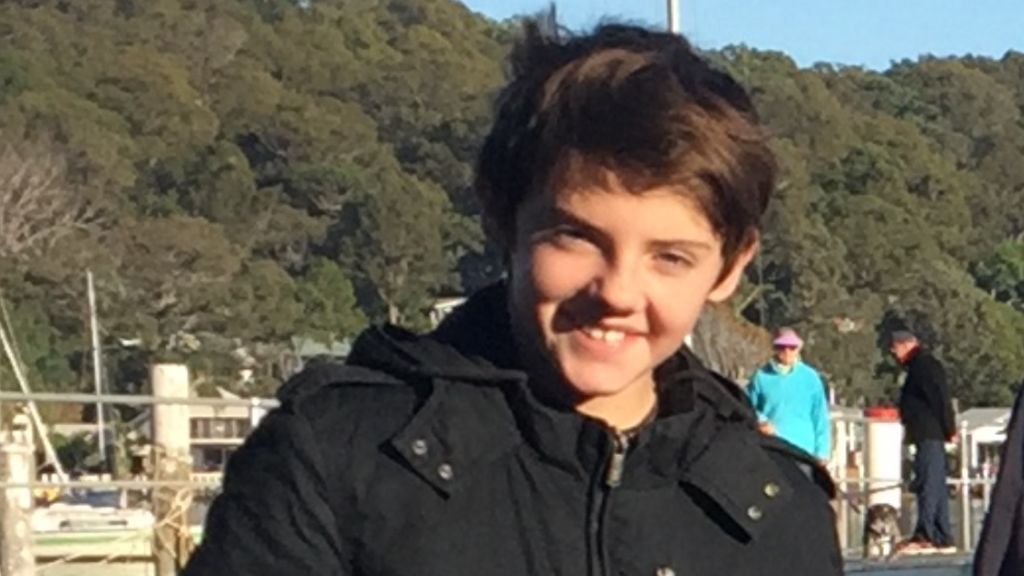
    Five years after a misdiagnosed allergic reaction nearly killed her 15-year-old son, Myfanwy Webb carries a quiet, heavy regret, looking back at the birthday lunch that set off a chain of missed warnings. Hours after the celebration, Jeremy Webb, a lifelong asthma sufferer, developed severe breathing trouble and vomiting. Paramedics rushed him to hospital, where clinicians flagged a possible meat allergy but ultimately chalked the episode up to an asthma flare-up, sending him home the next day without additional testing or a life-saving EpiPen.

    “I made the wrong decision,” Webb said in an interview, reflecting that she should have pushed for more comprehensive testing. Had clinicians confirmed the reaction was anaphylaxis, her son would have left the hospital with the emergency adrenaline auto-injector that could have saved his life a little over a year later.

    In June 2022, 16-year-old Jeremy died on a coastal camping trip north of Sydney, Australia, after eating a single beef sausage. The death was initially ruled an asthma attack, but a coroner’s inquest pushed by the Webb family delivered a final, groundbreaking ruling in February: Jeremy’s death was caused by tick-induced mammalian meat allergy (MMA), also known as alpha-gal syndrome. His death marks the first globally documented fatal case of MMA directly triggered by eating meat, shining a harsh new light on a little-understood, fast-growing allergy that public health experts warn poses an underrecognized deadly threat.

    Decades before Jeremy’s death, in 2007, Australian allergist Professor Sheryl van Nunen first made the landmark connection between tick bites and MMA, after noticing a clear correlation between exposure and patient symptoms at her Sydney clinic. Australia’s east coast, particularly the region north of Sydney where Jeremy grew up surrounded by dense bushland, is one of only two confirmed global hotspots for the condition — the other is the southeastern United States, though cases have now been recorded on every continent where ticks live.

    In Australia, MMA is caused by bites from the eastern paralysis tick, *Ixodes holocyclus*. Professor van Nunen explains that after two bites, half of all people develop antibodies to alpha-gal, a sugar molecule found in tick saliva. Once sensitized, 15 to 20% of these people develop an allergic reaction to red meat and other mammalian products.

    Tick expert Dr. Alex Gofton, who recently led a major study into MMA’s spread in Australia, says there are several leading hypotheses for why the east coast has become such a concentrated hotspot. Over the past three decades, the population of tick-endemic coastal bush regions has grown dramatically, bringing more humans into regular contact with ticks. The 2020–2023 La Niña years, which brought record rainfall to eastern Australia, created ideal breeding conditions for tick populations, while the COVID-19 pandemic pushed thousands of city residents to relocate to regional bush areas, further increasing exposure.

    Diagnosed cases of MMA have risen 22% annually in Australia since 2000, and Dr. Gofton’s research using national lab data confirms more than 5,000 confirmed and suspected cases across the country — a figure he says is a massive undercount of the true prevalence of the condition. In some hotspot areas, rates exceed 700 cases per 100,000 people.

    Despite the growing spread, diagnosing MMA remains notoriously difficult. Symptoms typically develop three to six hours after eating red meat, meaning they often appear overnight, long after most people have finished their evening meal. For asthma sufferers, anaphylaxis symptoms are frequently mistaken for an asthma attack, as was the case with Jeremy, and the allergy is unpredictable: reactions do not happen after every exposure, and severity varies wildly based on factors including the cut of meat, how it is cooked, whether the person drinks alcohol with the meal, exercises after eating, or is sleep deprived. Professor van Nunen calls MMA an “anytime but not every time allergy.”

    For people with severe hypersensitivity, even indirect exposure can trigger life-threatening anaphylaxis. Sensitized people can react to mammalian derivatives ranging from cow’s milk and gelatin to lanolin in beauty products and laundry softeners, and even stearic acid found in some supermarket plastic bags. Fumes from cooking red meat at barbecues, or close contact with domestic pets that have eaten mammal-based pet food, can also trigger reactions.

    Elizabeth Rowley, a mother of three living in the New South Wales mid-north coast, spent more than 15 years seeking a diagnosis for a mysterious set of symptoms that included memory loss, chronic brain fog, chest pain, full-body aches, and frequent fainting from breathing difficulties. Many clinicians dismissed her symptoms as hypochondria, telling her “it’s not anaphylaxis, get over it.”

    “It was just mentally horrendous more than anything, just trying to find out what it was. I thought I was going crazy,” Rowley said. After finally receiving an MMA diagnosis, she launched a popular Facebook support group for undiagnosed and misdiagnosed sufferers. For many, the condition upends every part of daily life: Rowley was forced to leave multiple bookkeeping jobs after workplace triggers, from restaurant fumes in shopping centers to a boss’s daily morning toast with butter, triggered constant severe reactions. Social events like barbecues and restaurant dinners, core parts of Australian community life, are often off-limits, making casual gathering nearly impossible.

    For 23-year-old Sydney psychology student Remy Williams, who was diagnosed with MMA as a child, the constant need for vigilance around food triggered an eating disorder. She says the most traumatic experience was watching her mother, who also lives with MMA, suffer two near-fatal anaphylactic attacks on commercial flights, one of which almost killed her in front of Remy. “It was incredibly scary,” she said.

    Professor van Nunen’s greatest public health concern is the 85% of people who have developed alpha-gal antibodies — meaning they are sensitized to MMA — but have never experienced a reaction after eating meat, and have no idea they carry the allergy. These asymptomatic sensitized people are still at risk of life-threatening anaphylaxis from medical products containing mammalian derivatives, including gelatin-based vaccines and some cancer treatments. At least two confirmed deaths have already been linked to these hidden triggers: one colon cancer patient died after anaphylaxis triggered by the drug cetuximab, and another died after a blood transfusion contaminated with alpha-gal. Professor van Nunen says the true number of MMA-related deaths is far higher than officially recorded, with only two cases well-documented to date: an American commercial pilot who died after eating a hamburger in 2024, and Jeremy Webb.

    Professor van Nunen notes a critical takeaway from Jeremy’s death: 94.8% of people who die from food allergy-induced anaphylaxis have pre-existing asthma, and the allergic reaction triggers a severe, rapid-onset asthma attack called status asthmaticus that can cause respiratory arrest in as little as four minutes without emergency intubation.

    Since her son’s death, Myfanwy Webb has turned her grief into action, drawing on Jeremy’s own famously positive approach to life to drive public health change. “He fitted everything into it, wouldn’t waste a minute,” Webb said of her son, who loved restoring old car motors. Today, she is working to raise global awareness of MMA, improve clinical diagnostic protocols, and prevent other families from enduring the same loss. She has collaborated with the hospital that misdiagnosed Jeremy to develop new clinician training for MMA, and is co-authoring a research paper with Professor van Nunen that will be presented at an international allergy conference later this year.

    “Now Jeremy’s positive spin is actually helping people, even though he’s passed,” Webb said. “I think he’d be really pleased with us.”

    Public Health Guidance to Prevent Tick Bites and MMA:
    1. When visiting bushland or tick-endemic areas, wear long clothing, tuck socks into trousers, and choose light-colored fabrics to make ticks easier to spot quickly
    2. Avoid lying or picnicking directly on bare ground
    3. Use EPA-approved insect repellents containing DEET or picaridin
    4. Check your entire body (and your pets) for ticks after spending time in tick territory
    5. If bitten by a tick, follow the “freeze don’t squeeze” rule: use a commercial tick-killing spray to kill the tick and let it detach on its own, rather than squeezing it with tweezers, which can force additional toxins and alpha-gal into the bloodstream

  • Mexican drug lord ‘El Mayo’ sentenced to life in prison

    Mexican drug lord ‘El Mayo’ sentenced to life in prison

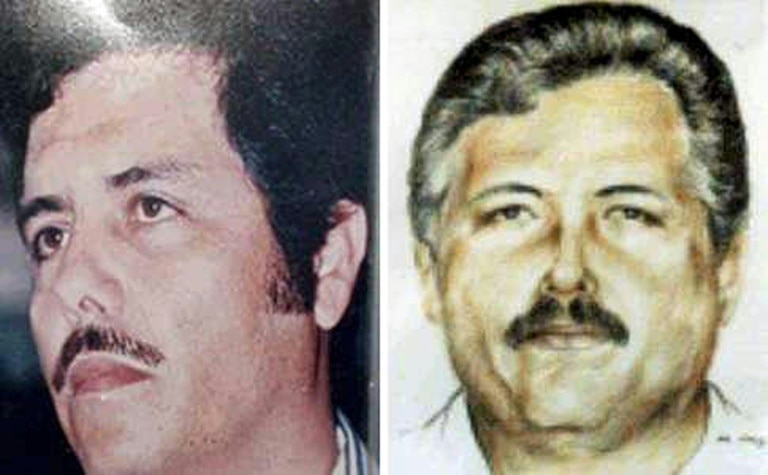
    In a landmark ruling that caps decades of pursuit of one of the world’s most notorious drug traffickers, 76-year-old Ismael “El Mayo” Zambada, co-founder of Mexico’s powerful Sinaloa Cartel, was sentenced to life imprisonment by a United States federal court on Monday. The conviction closes a major chapter in the global fight against transnational drug trafficking, following a years-long investigation and a controversial 2024 arrest that sent shockwaves through Mexican criminal networks.

    Zambada, long the top partner to infamous Sinaloa leader Joaquin “El Chapo” Guzman—who is already serving a life sentence in a Colorado maximum-security prison—was taken into custody under murky circumstances in July 2024 at a Texas airport. Allegations have circulated that he was kidnapped by Joaquin Guzman Lopez, one of El Chapo’s sons, before being transported across the border on a private jet, a claim that has never been formally confirmed by US authorities. His arrest, paired with the detention of Guzman Lopez just weeks later, triggered brutal internal conflict within the cartel, pitting factions loyal to the Guzman family against those aligned with Zambada. The infighting has left more than a thousand people dead or disappeared across Mexico, deepening the country’s ongoing cycle of organized crime violence.

    During Monday’s sentencing in a packed New York federal courtroom, the white-haired, frail Zambada, dressed in a tan correctional jumpsuit, made a rare public acknowledgment of his wrongdoing. Speaking through a prepared statement delivered in Spanish, he called on young people to reject the life of crime that shaped his own decades-long career. “I stand before you today knowing that my actions caused harm,” he told the court. “I chose this path and I understand that today I’m being held accountable for those decisions. I grew up in an environment where violence and crime seemed normal, but now I know that is no excuse. To the next generation I say this: Choose a different path.”

    In addition to the life sentence, Judge Brian Cogan—who also presided over the 2019 trial of El Chapo—ordered Zambada to forfeit $15 billion in illicit profits earned from nearly 40 years of drug trafficking. The judge ruled that the staggering volume of drugs trafficked by the cartel under Zambada’s leadership, paired with the hundreds of killings linked to the organization, made the life sentence fully justified. Zambada had pleaded guilty to multiple conspiracy and trafficking charges in August 2025 under a plea deal that spared him from the possibility of the death penalty, a deal that did not require him to cooperate with authorities by providing information on other cartel members or complicit Mexican officials, a point his defense attorney Frank Perez emphasized during the hearing. Perez also noted that the elderly former drug lord suffers from multiple chronic, unspecified health conditions.

    US law enforcement officials framed the sentencing as a major victory against the transnational criminal networks fueling the ongoing opioid crisis in the United States. The Sinaloa Cartel, founded in the 1980s, is one of Mexico’s oldest and most powerful criminal organizations, infamous for its ability to infiltrate high levels of the Mexican government and build a global supply chain for illicit narcotics. The cartel was formally designated a global terrorist organization during the administration of former US President Donald Trump, and US authorities have repeatedly blamed it for flooding the country with deadly fentanyl, a synthetic opioid that contributes to tens of thousands of overdose deaths across the US each year. “Ismael Zambada Garcia spent nearly four decades poisoning American communities to make billions of dollars in profit and ordering the murders of anyone who stood in his way,” Joseph Nocella Jr., US Attorney for the Eastern District of New York, said in a statement following the sentencing.

    The outcome of the case leaves a major power vacuum at the top of the Sinaloa Cartel, experts say, and is likely to fuel further violence as competing factions fight to seize control of the cartel’s lucrative drug trafficking routes and markets.

  • ‘Legendary’ former Liverpool and England star Keegan dies aged 75

    ‘Legendary’ former Liverpool and England star Keegan dies aged 75

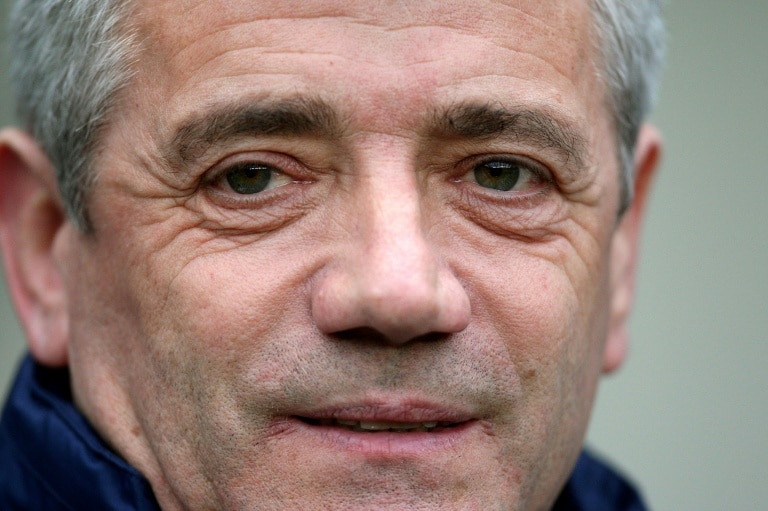
    Global football is in mourning this week after the announcement that Kevin Keegan, one of the most celebrated English footballers and managers of the 20th century, has passed away at the age of 75 following a battle with stage four cancer. His family confirmed the news in a public statement released on Monday, revealing that Keegan died surrounded by his closest loved ones at the end of his months-long treatment for the disease.

    Widely regarded as one of the most gifted players of his generation, Keegan’s decades-long connection to football began with humble origins: he launched his professional career at fourth-tier side Scunthorpe United before earning a move to Liverpool in 1971, where he would cement his legacy as a club icon. Over his six-year spell at Anfield, the dynamic striker, nicknamed “Mighty Mouse” for his compact, energetic playing style, claimed three First Division titles, an FA Cup, and a European Cup, establishing himself as a core part of one of Liverpool’s most successful squads. In a statement confirming Keegan’s passing, Liverpool FC paid tribute to his lasting impact, saying “His indomitable spirit and remarkable contribution will be forever etched in our history and his legacy will live on.”

    Keegan’s success extended far beyond his time in Merseyside. In 1977, he made the move to West German side Hamburg, where he added a Bundesliga title and a European Cup final appearance to his trophy list, and made history by winning the Ballon d’Or in both 1978 and 1979 — making him just one of four English players to ever claim the prestigious award, and one of few to win it twice. Hamburg’s official statement honored Keegan as an “English football icon,” signing off “Rest in peace, ‘Mighty Mouse’.”

    After leaving Hamburg, Keegan returned to England to finish his playing career with spells at Southampton and Newcastle United, retiring from play in 1984 after helping Newcastle earn promotion to the top flight. His 63-cap England career as a player also saw him score 21 times for his country.

    Transitioning to management in 1992, Keegan once again left an indelible mark on English football, most notably at Newcastle United. He led the Magpies to promotion to the newly formed Premier League in 1993, and built an exciting, attacking side dubbed “The Entertainers” that challenged for the Premier League title in the 1995-96 season, finishing runners-up to Alex Ferguson’s Manchester United. His fiery public clash with Ferguson during that title race, which included his iconic “I’d love it if we beat them” rant, remains one of the most memorable moments in Premier League history. For Newcastle supporters, Keegan was far more than a manager: in a statement following his death, the club called him “the beating heart of Newcastle United for generations of supporters,” adding “Kevin gave supporters hope and pride, and led a team whose style, spirit and passion captured the imagination of football fans around the world.”

    Keegan went on to manage Fulham, then took the helm of the English national team from 1999 to 2000, a tenure that ended shortly after a defeat to Germany at Wembley that saw England fail to progress out of the group stage at Euro 2000. He later spent four successful years as manager of Manchester City, where the club credited him with transforming their trajectory, before a brief final spell back at Newcastle in 2008 closed out his managerial career.

    Tributes have poured in from across the football world following the announcement. Prince William, Patron of the Football Association, noted that Keegan was “a truly remarkable footballer and manager who inspired generations with his talent, passion and love of the game.” The FA shared its own condolences, saying it was “incredibly saddened” by the loss.

    Former players who worked with Keegan have also paid homage to his legacy. Ex-Liverpool defender Jamie Carragher called him “one of the greatest players this country has ever produced, a double Ballon d’Or winner shows he was an absolute giant of the English game.” Alan Shearer, the Newcastle and England legend who played under Keegan at both club and country, called Keegan his hero, writing simply: “My Hero. My manager. My friend. Sleep easy Boss.”

    In their statement, Keegan’s family remembered him as a much-loved husband, father, and grandfather, beside his many achievements in football.

  • US-Iran strikes: latest developments

    US-Iran strikes: latest developments

    The long-simmering confrontation between the United States and Iran erupted into broader open hostilities this Monday, with both sides ramping up military operations even as behind-the-scenes diplomatic talks continue through third-party mediators. The rapid escalation has sent ripples across global energy markets and drawn neighboring Gulf states into the conflict, while regional powers work to prevent the crisis from spiraling into a full regional war.

  • Rare identical quadruplets born in Australia

    Rare identical quadruplets born in Australia

    In an extraordinarily rare medical event, a 34-year-old Australian mother has given birth to four identical quadruplets conceived naturally, a milestone that medical professionals describe as nearly unheard of. Jenitar Na’amoana and her husband Jortham, who already share four children between the ages of one and 10, received the life-changing news of their quadruplet pregnancy with overwhelming surprise, according to officials from Brisbane’s Metro North Health, which oversees the Royal Brisbane and Women’s Hospital where the birth took place.

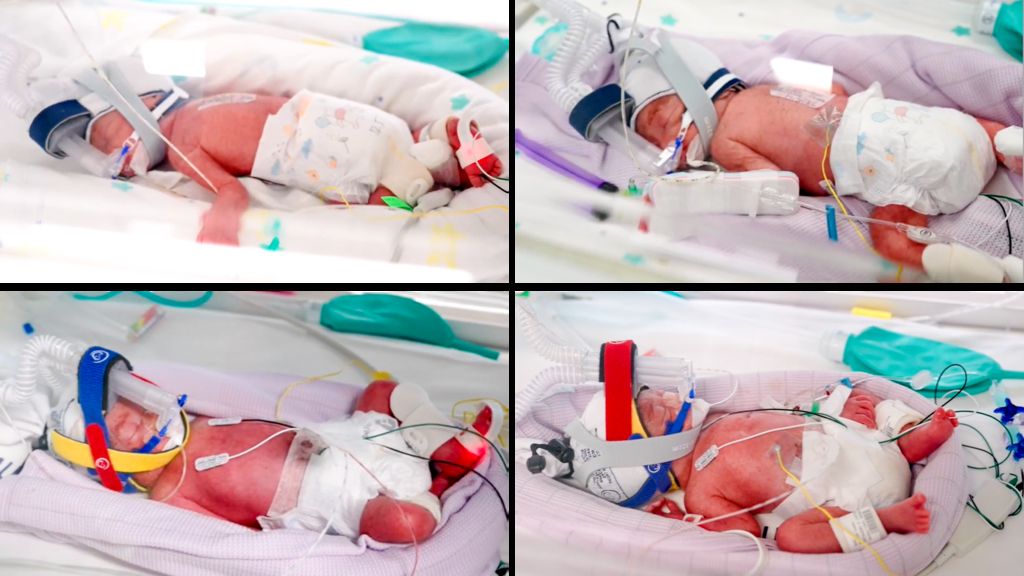
    The four baby girls, delivered via caesarean section on July 14 at 28 weeks and four days gestation, are monozygotic quadruplets, meaning they developed from a single fertilized egg that split into four separate embryos. What makes this case even more exceptional is that all four fetuses shared the same placenta—a combination that maternal-fetal medicine specialist and obstetrician Dr. Alexa Bendall, who managed Na’amoana’s care from the earliest stages of pregnancy, calls unprecedented. Medical data puts the odds of naturally conceived identical quadruplets at roughly one in 15 million pregnancies, with naturally conceived quadruplets of any type already carrying odds of just one in 700,000 births globally.

    From the outset, the pregnancy was classified as extremely high-risk. To ensure constant monitoring of both mother and fetuses, the hospital admitted Na’amoana as an inpatient when she reached 25 weeks gestation. “We always said that if we could get her to 28 weeks, we would be doing well,” Bendall explained in a statement following the birth. “So the fact that we’ve got four beautiful, healthy babies born at 28 weeks and four days is incredible and we’re very happy to be a part of it.”

    Remarkably, Na’amoana avoided every major complication that typically comes with such a high-risk pregnancy, defying all medical expectations. “Jenitar has taken everything in her stride from day one… she has somehow dodged every complication and risk for both herself and her babies,” Bendall added.

    In a touching tribute to the medical team that guided her through the pregnancy, Na’amoana named one of the four girls after Bendall. The newborns are called Emily, Harriet, Catherine, and Alexa—and Bendall says the honor left her deeply moved, calling it “a beautiful tribute.”

    Currently, all four infants are being cared for in the hospital’s neonatal intensive care unit, where they will remain until they reach full term development. Bendall confirmed that as of the latest updates, all four babies “are currently doing extremely well.”

    In the wake of the births, Na’amoana has launched an online crowdfunding campaign via GoFundMe to cover the cost of a new 10-seat van, a necessary adjustment to accommodate her expanded family of 10. Already, the campaign has raised more than 37,000 Australian dollars, equivalent to roughly 19,261 British pounds. In her message accompanying the fundraiser, Na’amoana expressed that while the family is overjoyed by their new additions, caring for four newborns at once has brought unforeseen practical challenges. “Our four precious miracles have arrived safely, and while our hearts are overflowing with gratitude, the reality of caring for four newborns at once has brought challenges we never could have imagined,” she wrote. Both parents have said their gratitude to the medical team and the community that has supported them is overwhelming.

  • One Nation MP Barnaby Joyce loses his cool during fiery interview

    One Nation MP Barnaby Joyce loses his cool during fiery interview

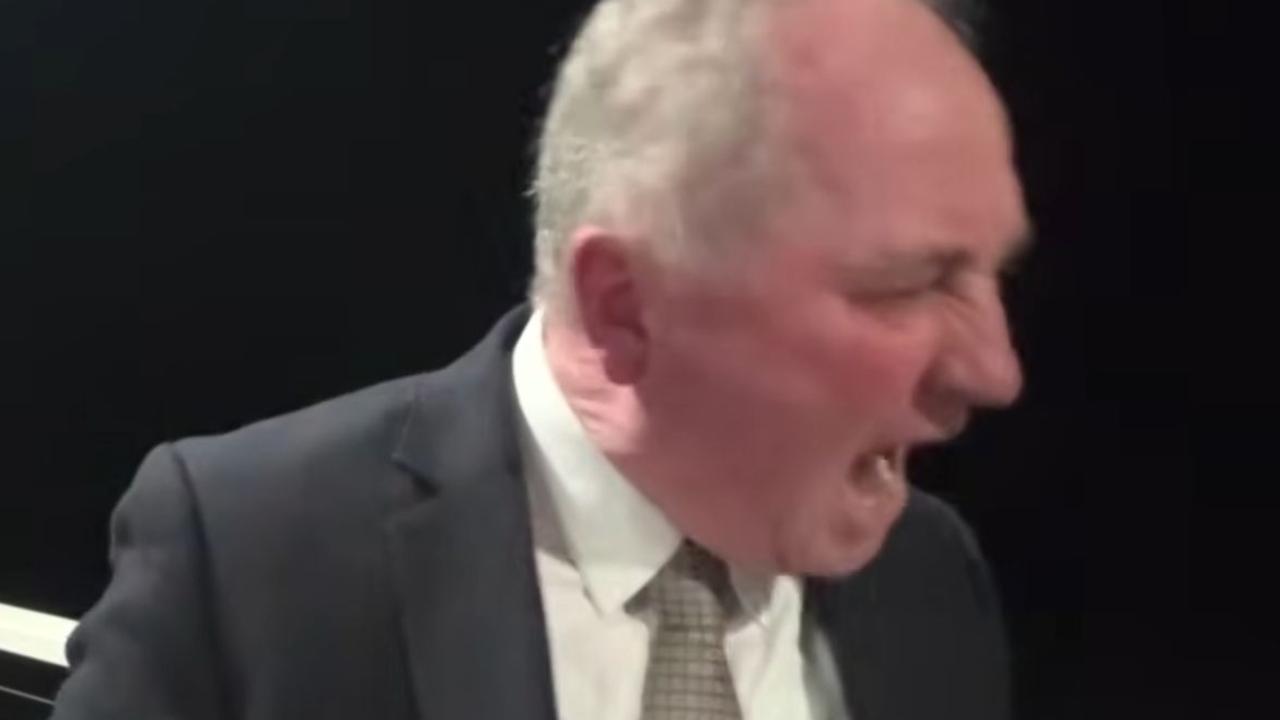
    A routine live political interview on Australia’s public broadcaster ABC took an unexpected, chaotic turn on [recent date], when One Nation MP and former Australian deputy prime minister Barnaby Joyce’s outburst over an unruly off-camera dog ignited a heated exchange with the program’s host.

    Joyce had joined ABC’s flagship current affairs program 7.30 to defend One Nation leader Pauline Hanson against mounting criticism over her controversial choices: a recent podcast interview with far-right extremist Tommy Robinson, inflammatory remarks that revived references to the discriminatory White Australia policy, and public questions over who funded her luxury trip to a Sicilian fashion event. Host Sarah Ferguson probed Joyce on each of these contentious issues, but it was not her tough questioning that pushed the MP to lose his composure.

    Midway through a prepared response, Joyce suddenly cut himself off with a sharp, booming yell of “Sit down!” directed at something out of the camera’s frame. After a stunned pause, he quickly clarified that the command was not for Ferguson, but for his pet dog that had wandered into his interview space. “Sorry, it’s the dog,” he explained, before attempting to resume the conversation.

    Minutes later, the dog began acting up again, forcing Joyce to issue a second apology on his pet’s behalf. “I do apologise for this dog, it’s just started to bail up,” he told the studio. That is when the tension between Joyce and Ferguson boiled over. When Ferguson asked Joyce to set the dog aside and return to answering her question, Joyce snapped, warning the host against what he called rudeness. “Don’t be rude Sarah or this interview will grind to a halt,” he said.

    By the end of the awkward, tension-filled interview, Ferguson attempted to lighten the mood by referencing the chaotic interruption in her closing remarks. “We will say thank you very much for joining us Barnaby Joyce, the dog was no problem,” she said. Joyce, however, remained frustrated, retorting dryly: “It was to me.”

    The incident comes amid growing backlash against Hanson for her recent comments reviving the ideology of White Australia, a 20th-century Australian immigration policy that systematically excluded non-European migrants. Political analysts have noted that the viral dog interruption has drawn even more public attention to the controversial choices that landed Joyce in the hot seat to begin with.

  • Mamamia appoints son of founder Mia Freedman as its new CEO

    Mamamia appoints son of founder Mia Freedman as its new CEO

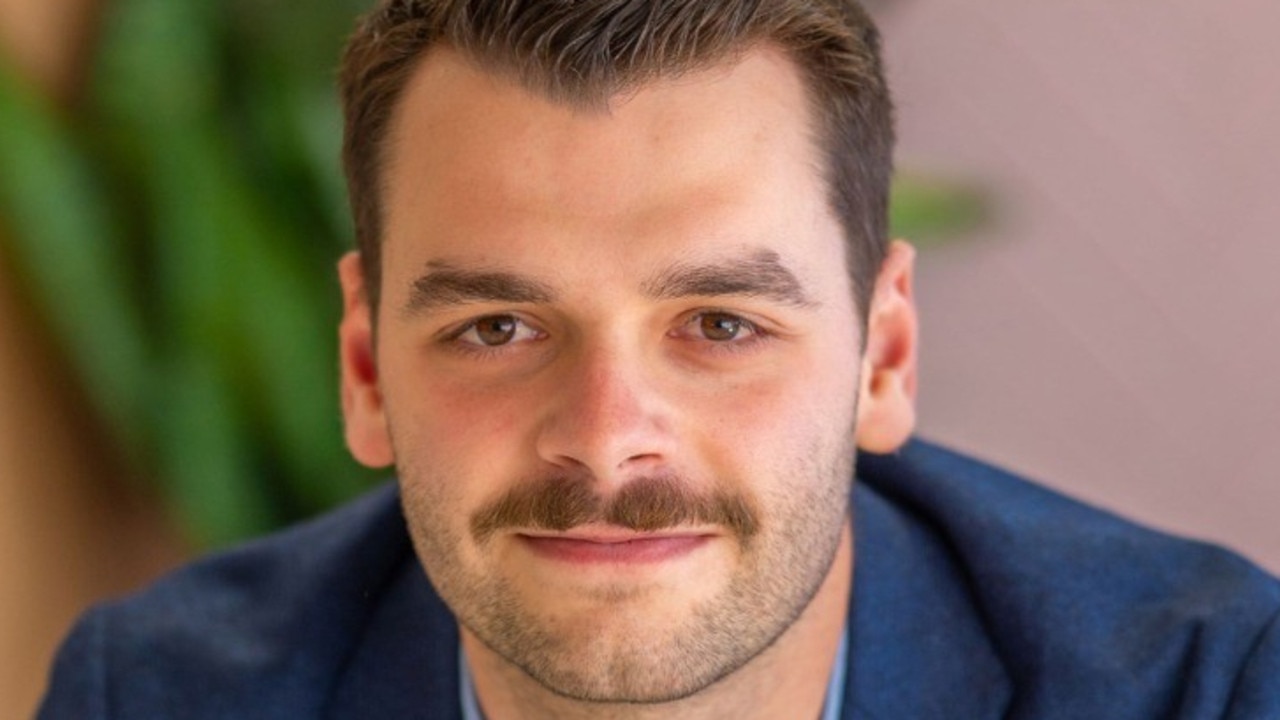
    One of Australia’s biggest independent digital media companies, Mamamia, has ushered in a new era of leadership with the appointment of 28-year-old Luca Lavigne — the son of founder Mia Freedman — as its newest chief executive officer.

    Founded by Freedman in her own living room back in 2007, Mamamia has grown from a small personal project into one of the nation’s most prominent independent media voices focused on women’s content. Lavigne’s rise to the top role is not a sudden handout: he has worked his way up through every tier of the company over the past decade, starting his tenure as an 18-year-old intern straight out of school. After cutting his teeth across multiple departments, he stepped into the chief operating officer role just two years ago, and has now been promoted to the top spot vacated by outgoing CEO Nat Harvey, who departed Mamamia to take up a new leadership position at Southern Cross Media Group.

    The announcement of Lavigne’s appointment was made public during a recent episode of the Mumbrella podcast, where the new CEO opened up about his career trajectory, his connection to the company’s founding team, and his plans for the future. In a candid conversation, Lavigne first paid warm tribute to his predecessor, praising Harvey’s unmatched ability to inspire teams across the organization.

    “CEO really stands for chief energy officer, and Nat is the best example of that,” Lavigne said. “I’ve never met anyone who can get up in front of a group of people and inspire them as Nat can, and I’m going to miss that about her hugely.”

    Ahead of inevitable public and media scrutiny over his family ties to the company’s leadership — Freedman is his mother, and his father Jason Lavigne also serves as a company director — Lavigne was open about how he first joined the company, while pushing back against assumptions that his promotion was unearned. He acknowledged that his family connection gave him the initial foot in the door a decade ago, but emphasized that Mamamia’s culture does not allow leaders to rest on their family connections.

    “Let’s be honest about how I got in the door here 10 years ago, the co-founders and I go back a long time. We’ve known each other a while, I’m not going to insult anyone’s intelligence by pretending otherwise,” he joked. “What I do know is that Mamamia is not a place that you can coast.”

    Outgoing CEO Harvey also publicly defended Lavigne’s appointment, noting that his decade of hands-on experience, relentless work ethic, and proven contributions to the business leave no question about his suitability for the role. “There will be nobody in this business, certainly over the last 12 months, that would question Luca’s work ethic or contribution or ability to do the job,” she said.

    Reflecting on his rapid career progression, Lavigne noted that taking on senior roles earlier than the industry average has become a pattern for him: after starting at 18, he is now taking on the CEO role at 28, and just recently welcomed newborn twins, bringing his total number of children to three. “I found my first grey hair the other day, which I think says a lot about where I’m at in my life,” he joked. “I’ve also just had newborn twins, I’ve got three kids at home. So it seems to be a pattern in my life that I seem to do things a little early.”

  • Starmer ‘proud’ of achievements as Andy Burnham set to become new UK PM

    Starmer ‘proud’ of achievements as Andy Burnham set to become new UK PM

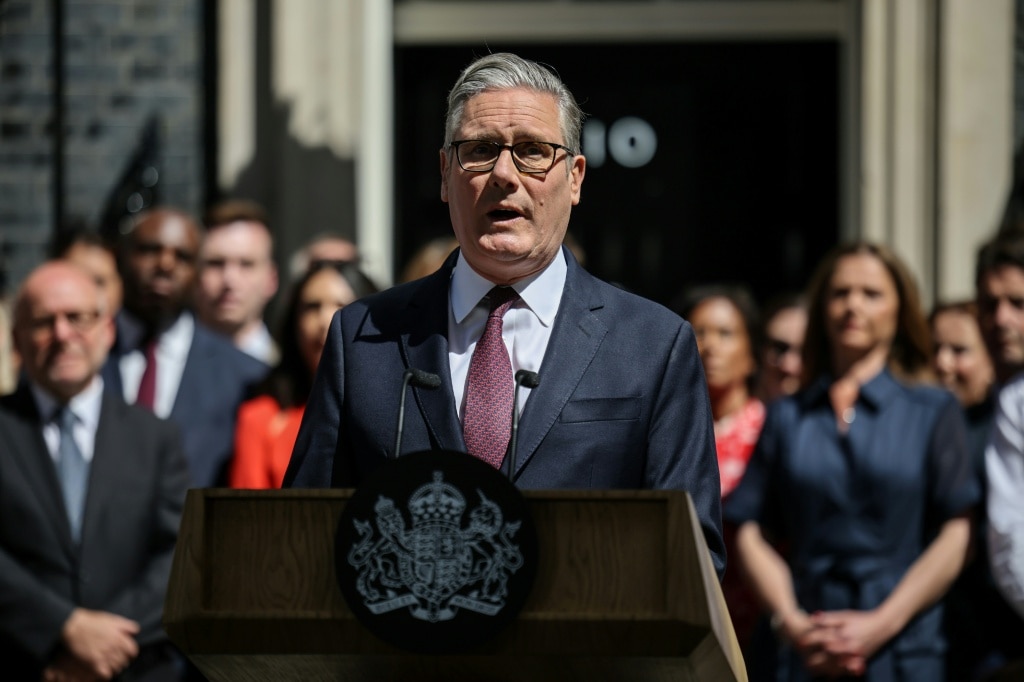
    London — A historic transition of power unfolded in the United Kingdom on Monday, as Andy Burnham accepted King Charles III’s invitation to form a new government, stepping into 10 Downing Street just moments after outgoing Prime Minister Keir Starmer formally tendered his resignation to the monarch. The handover caps a turbulent period for the ruling Labour Party, and leaves Britain’s new leader facing a daunting stack of urgent challenges that have already brought down two previous premierships in less than a decade.

    In his final remarks outside his Downing Street residence before departing for Buckingham Palace, Starmer struck a defiant, positive tone about his two years in office. Elected in a 2024 landslide that ended 14 consecutive years of Conservative Party rule, Starmer said he left office confident that the country had improved under his leadership. “I am confident that Britain is now stronger and fairer than it was two years ago,” Starmer told assembled reporters. “I go with good grace, I go with a smile, and I go proud of everything that we have achieved.”

    Starmer’s resignation came last month, brought on by a cascade of internal scandals, policy missteps and repeated last-minute policy reversals that eroded public and parliamentary confidence in his leadership. At 56, Burnham, the former popular mayor of Greater Manchester who only regained a seat in Parliament four weeks ago, becomes the sixth UK prime minister to enter Downing Street over the past 10 years.

    Labour Party lawmakers tapped Burnham as the party’s new leader and prime minister in large part to counter the rising electoral threat of Nigel Farage’s right-wing, anti-immigration Reform UK party, which has climbed steadily in national polls ahead of the next general election scheduled for 2029. With Reform already leading voting intention surveys, Burnham told supporters ahead of his swearing-in that his leadership represents the “last chance” for Labour to course-correct and retain power.

    From his first day in office, Burnham faces an overflowing in-tray with no time to settle into the role. His most pressing challenges include persistently sluggish economic growth, soaring government borrowing costs, a rapidly expanding public welfare bill, and the ongoing small-boat irregular migration crisis that has fueled much of Reform UK’s electoral gains. Global headwinds add additional instability: unpredictable energy prices driven by ongoing tensions between the United States and Iran, and the volatile policy agenda of U.S. President Donald Trump threaten to upend domestic policy plans from the start.

    In an interview with *The Times* published Sunday, Burnham framed his premiership as a clear break from a decade of political dysfunction that has failed to deliver for British voters. “What we’ve been doing hasn’t been working. That’s the way I see it,” he said. “I am going to try and do things in a different way.”

    That different approach extends to economic policy, where Burnham said he will shift public spending toward long-term early investment and intervention, rather than the reactive spending on failed outcomes that defined previous governments. “We will be much more focused on setting people up for success, and much less paying for failure,” he explained.

    In one of his first policy moves after taking the leadership, Burnham already scrapped Starmer’s signature £1.8 billion national digital ID scheme, a policy that faced widespread criticism over cost and civil liberty concerns. A spokesperson for the new prime minister said the resources earmarked for the three-year project would be redirected to address immediate public needs, primarily easing the financial strain of the ongoing cost-of-living crisis.

    Burnham’s first public address outside 10 Downing Street on Monday is expected to lay out his core policy priorities: restoring public trust in national politics, delivering immediate relief for households struggling with the cost of living, boosting long-term economic growth, and devolving more governing power to regional communities across the UK. Later in the day, he is set to announce his senior cabinet appointments, with widespread political attention focused on who will replace outgoing Chancellor of the Exchequer Rachel Reeves at the head of the finance portfolio.

    Nicknamed the “King of the North” for his popular tenure leading Greater Manchester, Burnham has rebranded himself as a man-of-the-people politician, combining an approachable, folksy public image with a polished modern social media strategy. The former Labour minister served in the Cabinets of Tony Blair and Gordon Brown between 2001 and 2017, giving him decades of Westminster experience ahead of taking the top job. Still, critics have raised questions about the speed of his rise to the premiership — and whether his stated plan to fix Britain’s challenges will hold up amid severe fiscal constraints. Burnham inherits a framework of strict financial rules requiring balanced government spending and limited tax increases, paired with near-stagnant growth and high public debt that leaves him little room for policy maneuvering, with just three years to deliver results before the next general election.