标签: Oceania

大洋洲

  • Rituals of resilience: how Afghan women stay sane in their ‘cage’

    Rituals of resilience: how Afghan women stay sane in their ‘cage’

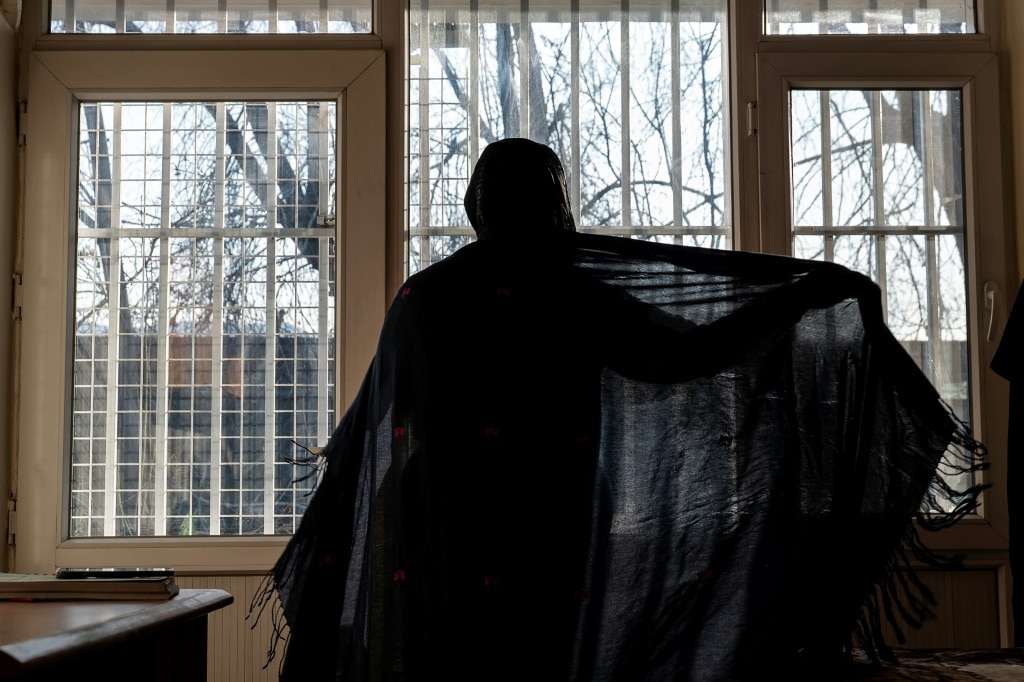
    In the stark reality of Taliban-controlled Afghanistan, women have forged clandestine rituals of psychological survival against systematic oppression. Five women from across the nation, whose identities remain protected for security reasons, reveal their extraordinary methods for preserving sanity amidst what they describe as living in a cage.

    Since the Taliban’s return to power in 2021, women face comprehensive restrictions including education bans beyond age 12, exclusion from public spaces, and mandatory full-body covering. Supreme Leader Hibatullah Akhundzada claims these measures ‘rescue women from oppression,’ while the United Nations characterizes the situation as ‘gender apartheid.’

    The emotional toll is profound. Sanam, 25, who dreamed of medical school, expresses feeling ‘like a bird whose wings have been torn off.’ Yet she risks imprisonment by secretly teaching 30 girls online, finding purpose in their daily anticipation of lessons. Her blue notebook, hidden among clothing, becomes a repository of memories and resistance.

    For Sayamoy, a 34-year-old widow whose husband was killed by Taliban fighters, survival means creating hopeful stories for her children while finding solitary spaces to scream into mountain echoes that return her pain transformed. After being denied housing and told to marry a fighter, these mountainous escapes provide essential emotional release.

    Digital defiance emerges through Hura, 24, who posts videos of herself singing in low-cut dresses despite music being effectively banned. ‘I feel free but I’m also scared,’ she acknowledges, aware of imprisonment risks while maintaining dreams of diplomatic work.

    Shogofa, 22, battles arthritis and educational deprivation by listening to exiled pop stars Aryana Sayeed and Farhad Darya—artists who once symbolized cultural freedom. Their banned music connects her to a world where women could laugh freely.

    Mohjeza, 30, former NGO worker, now volunteers as teacher and advises farmers while reading downloaded stories of resilient women. Despite rejected visa applications and failed asylum claims, she continues seeking light in what she describes as ‘a very dark world.’

    These women represent countless others developing intricate survival mechanisms—from secret education to digital expression—maintaining hope despite mounting restrictions and international isolation that has left them feeling all doors are closed.


  • Former AFL player Nick Stevens facing trial accused of defrauding pool customers in Mildura

    Former AFL player Nick Stevens facing trial accused of defrauding pool customers in Mildura

    A Victorian court is hearing disturbing accounts from homeowners who claim they were defrauded by former Australian Football League (AFL) professional Nick Stevens through his pool installation business. Stevens, who played over 200 games for Port Adelaide and Carlton, stands accused of deceiving six regional families from Mildura, leaving them with either illegally constructed pools or massive excavation pits instead of the promised swimming facilities.

    The prosecution, led by Crown prosecutor Toni Stokes, alleges Stevens systematically obtained over $170,000 from victims while fully aware he lacked proper certification as a registered builder. According to court testimony, the accused operated without necessary permits, major building contracts, or appropriate insurance despite having received formal training on compliance requirements through Leisure Pools, where he completed six supervised installations.

    One complainant, Ben Knight, detailed paying approximately $34,000 for a pool scheduled for November 2017 installation that never materialized. Knight described receiving ‘constant’ and increasingly ‘ridiculous’ excuses regarding delays, including claims of excessive rainfall, delivery truck breakdowns, and legal disputes with suppliers. After months of unfulfilled promises, Knight stated Stevens ceased communication entirely, leaving behind only a ‘big hole’ and substantial mess despite a partial $10,000 refund.

    Another victim, Julie Martin, testified about accepting Stevens’ quote that undercut competitors by $4,000-$5,000. Despite regular site visits, Stevens allegedly repeatedly avoided providing permit documentation with various excuses. The Martins discovered through direct inquiry with Mildura council offices that no permits had ever been issued, resulting in a stop-work order and eventual pool removal. Martin ultimately received a full refund but had to engage another company to complete the project after remedying the abandoned excavation.

    The prosecution contends Stevens was experiencing significant financial difficulties during this period and allegedly utilized customer payments for purposes unrelated to their projects, including funding installations for other clients. Defense barrister Jim Stavris challenged the fraud narrative, suggesting that someone with deceptive intentions wouldn’t provide refunds and urging jurors to carefully examine evidence regarding Stevens’ intentions throughout the business dealings.

    The trial continues as the court examines eighteen charges including obtaining financial advantage by deception, theft, and use of false documents, to which Stevens has entered not guilty pleas.

  • ‘Better man’: Keaon Koloamatangi insists things won’t get ‘weird’ as he prepares for final season at Souths

    ‘Better man’: Keaon Koloamatangi insists things won’t get ‘weird’ as he prepares for final season at Souths

    In a move demonstrating profound personal prioritization, rugby league star Keaon Koloamatangi has finalized a career-defining transition from the South Sydney Rabbitohs to the St. George Illawarra Dragons. The decision, which will see him remain with the Dragons until the end of the 2031 season, was reached through a remarkably pragmatic process: a pros and cons list drafted over dinner with his partner.

    Koloamatangi, a Mascot Jets junior who has spent all six of his NRL seasons with the Rabbitohs, emphasized that the choice transcended mere sporting considerations. His central motivation was the pursuit of personal development to become ‘a better man’ and leader for his family. This necessitated a deliberate exit from his comfort zone, with the Dragons’ offer presenting the optimal path for his family’s future growth.

    The timing of his decision coincides with his career peak. Koloamatangi is arriving from his most successful season yet, a period that earned him Kangaroos selection. Despite a horrific injury crisis at Souths last year, he excelled after a move to the front row, averaging a career-high 131 meters and boasting a formidable four-game stretch where he exceeded 200 meters per game against the world’s premier props.

    Handling the transition with professional integrity, Koloamatangi personally informed Rabbitohs coach Wayne Bennett of his decision before it became public. He maintains a mature perspective on the nature of professional sports, acknowledging that ‘people move clubs every single year’ and that players are ‘always replaceable.’ His focus for his final season with Souths remains unwavering, with a commitment to striving for an ‘eight out of ten’ performance each week as he anticipates his first full pre-season in the front row.

  • ‘We can all move on’: Eels react to massive Zac Lomax news as they look to heap more misery on the Storm in round one

    ‘We can all move on’: Eels react to massive Zac Lomax news as they look to heap more misery on the Storm in round one

    A protracted contractual dispute surrounding rugby league player Zac Lomax has reached its judicial conclusion, with the Supreme Court ruling to uphold the original terms of his release from the Parramatta Eels. The verdict, delivered on Tuesday, formally prohibits Lomax from signing with, training alongside, or playing for any other NRL club until October 31, 2027.

    The saga originated last November when Lomax was granted an early release from the final three years of his contract with the Eels. A critical condition of this release, which the representative star agreed to after seeking legal counsel, was a clause forbidding him from joining a rival NRL team before the October 2028 deadline without written consent from Parramatta.

    The situation escalated when the proposed rebel competition, R360, postponed its launch until 2028. This development prompted Lomax to seek an immediate return to the NRL through a contract with the Melbourne Storm. When the two clubs failed to reach an agreement on financial compensation, the matter was elevated to the Supreme Court for a definitive ruling.

    Parramatta Eels chairman Matthew Beach clarified the club’s position, stating, ‘The legal case was never about preventing Zac from returning to the NRL. It was about ensuring that the terms of Zac’s release, which Zac agreed to after seeking legal advice, were adhered to.’ He emphasized the fundamental importance of honoring contractual agreements within the sport and the wider community.

    For the Eels, the court’s decision is a significant affirmation of their stance on player contracts. The club sought to demonstrate to its fanbase a firm commitment to upholding legal agreements, refusing to capitulate easily when players seek to break them.

    On the field, Eels coach Jason Ryles and the playing squad learned of the verdict during a training session. Ryles expressed relief at the resolution, insisting the protracted saga had not derailed the team’s preparations for their Round One clash against the Melbourne Storm this Thursday. Veteran prop forward Junior Paulo echoed this sentiment, affirming the issue had not been a distraction, though he expressed concern for Lomax’s current mental well-being.

    With the legal matter settled, the Eels can now focus entirely on their season opener—a highly anticipated rematch against the Storm, who decisively defeated them 56-18 in the first round of the 2025 season.

  • New home approvals plunge unexpectedly, putting Australia’s housing accord in jeopardy

    New home approvals plunge unexpectedly, putting Australia’s housing accord in jeopardy

    Australia’s ambitious national housing strategy faces mounting challenges as new data reveals a significant downturn in construction approvals. Fresh statistics from the Australian Bureau of Statistics indicate dwelling approvals plummeted by 7% in January to just 14,564, starkly contradicting market expectations of a 5% increase.

    This decline places the country increasingly off-track from its National Housing Accord objective of constructing 1.2 million new homes by 2029. Achieving this target would require approximately 20,000 monthly approvals, a benchmark now appearing increasingly elusive.

    Economic analysts attribute this construction slowdown primarily to monetary policy concerns. ANZ economist Madeline Dunk explains that the building sector is responding to a higher interest rate environment, with expectations of further tightening from the Reserve Bank of Australia likely to maintain suppressed approval levels. Despite the RBA maintaining steady rates in recent months, Dunk notes that rate expectations have been influencing housing market dynamics for the past quarter.

    The approval downturn reveals particular weakness in multi-unit construction. Apartment approvals experienced a dramatic collapse, falling nearly 50% to just 1,819 units—representing a 60.1% decrease compared to January 2022. Townhouse approvals similarly declined by 39.2% to 1,684 dwellings, continuing a negative trend from December.

    AMP economist My Bui identifies additional headwinds beyond financing costs, citing construction cost inflation driven by labor and material shortages. Bui suggests these combined factors make significant approval recovery unlikely through 2026.

    Both major financial institutions anticipate the RBA will maintain current rates in March before implementing another 25 basis point increase in May, potentially raising the cash rate to 4.10%. This monetary tightening trajectory continues to most acutely affect price-sensitive markets including Sydney and Melbourne, where housing price growth has stagnated since November and investor credit shows early signs of contraction.

  • ‘Blind spots’: Professional women losing confidence in gender pay gap reporting

    ‘Blind spots’: Professional women losing confidence in gender pay gap reporting

    A significant crisis of confidence is emerging among professional Australian women regarding gender equality initiatives, despite groundbreaking transparency laws mandating public disclosure of corporate pay gaps. New research commissioned by HR platform HiBob reveals a dramatic collapse in trust, with only 5% of female employees now believing their employers are actively addressing pay disparity—a staggering drop from 51% just one year earlier.

    The comprehensive survey of 2,000 Australian workers conducted in January 2024 exposes growing skepticism about whether transparency alone can drive meaningful change. Anna Volkova, HiBob’s Head of People and Culture, characterized the findings as revealing ‘a quiet but profound collapse in confidence among women in corporate Australia.’

    This crisis of confidence coincides with the recent release of the third annual gender pay gap data dump from the Workplace Gender Equality Agency, showing Australia’s national pay gap has narrowed to 11.2%. Under reforms enacted since 2012, all organizations with more than 100 employees must now publicly report their gender pay metrics, revealing significant disparities across industries, particularly in finance and insurance sectors.

    The research identifies several critical concerns: a pronounced ‘promotion paradox’ where women increasingly believe men are promoted at higher rates, and a stark perception gap with 75% of men believing roles are paid equally compared to only 59% of women. With April 1 deadlines approaching for larger organizations to submit detailed gender equality policies, experts warn against these measures becoming mere ‘box-ticking exercises’ without substantive action plans.

    Volkova emphasized that ‘visibility without sustained action erodes trust,’ suggesting transparency has reached its limit as a catalyst for genuine equality without corresponding commitment to structural changes and accountability mechanisms within Australian corporations.

  • Strait of Hormuz impasse squeezes world shipping

    Strait of Hormuz impasse squeezes world shipping

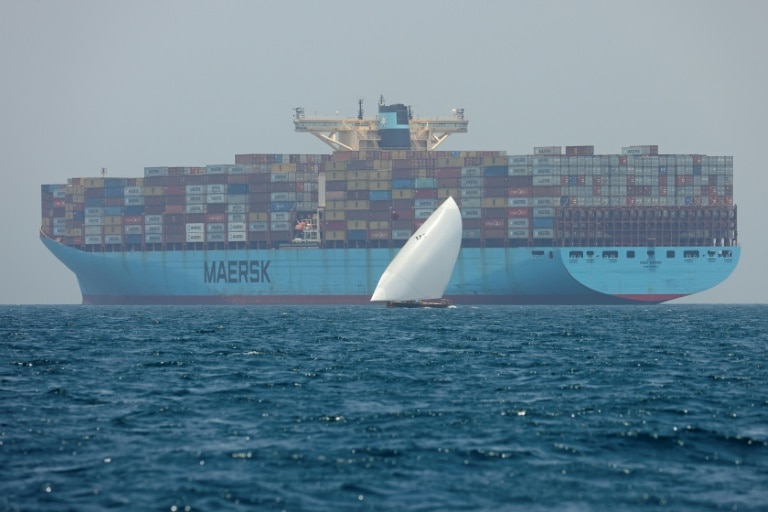
    The strategic Strait of Hormuz, a critical maritime artery for global energy supplies, has become the epicenter of a major shipping crisis as escalating regional conflicts force unprecedented disruptions to commercial navigation. With approximately 20% of the world’s seaborne oil transiting through this narrow passage, the current impasse threatens to reshape global trade patterns and energy logistics.

    Major international shipping conglomerates—including MSC, Maersk, CMA CGM, Hapag-Lloyd, and Cosco—have implemented emergency protocols following recent military strikes by Israel and the United States against Iran. These companies have ordered their vessels to seek safe anchorage, creating visible clusters of idled ships near Kuwait, Dubai, and Bandar Abbas according to Marine Traffic monitoring systems.

    This operational paralysis marks a historic deviation from past conflicts. Unlike during the Iran-Iraq War (1980-1988) when commercial passage persisted despite attacks on tankers, the current situation represents what maritime experts describe as an ‘unprecedented freeze’ in regional shipping activity.

    The economic ramifications extend beyond energy markets. Dubai’s Jebel Ali port, ranking as the world’s tenth-largest container terminal and a crucial redistribution hub for over a dozen nations, faces severe operational constraints. The port serves as a critical transshipment point where container vessels transfer cargo to smaller ships bound for destinations from East Africa to India.

    Trade flows through the strait encompass diverse commodities: Germany transports automobiles, machinery, and industrial equipment; France exports agricultural products, cosmetics, and pharmaceuticals; while Italy ships significant quantities of food products, marble, and ceramics. Conversely, the region exports not only hydrocarbons but also approximately 9% of global primary aluminum production.

    Consumers worldwide are already experiencing consequences, with e-commerce platforms including Temu, Shein, and Amazon warning customers of extended delivery timelines. Freight costs are escalating due to newly imposed risk surcharges, while simultaneous Red Sea disruptions have forced vessels to reroute via South Africa’s Cape of Good Hope—adding approximately 10 days to transit times and increasing costs by nearly 30%.

  • Two men accused of torching Perth home with mum and kids inside

    Two men accused of torching Perth home with mum and kids inside

    Two Western Australian men face serious criminal charges following a deliberately lit house fire that endangered a family just weeks before Christmas. The incident occurred in the early hours of December 10th at a Maddington residence in Perth’s southeastern suburbs.

    Emergency services responded to the Westfield Street property around 4:30 AM after flames engulfed the home, completely destroying the structure. Fire investigators determined the blaze originated in the carport area under suspicious circumstances. Security footage subsequently revealed an individual present near the home at the time the fire began.

    A mother and her three children sustained smoke inhalation injuries during the incident and required urgent hospital treatment. Their rescue was facilitated by neighbor Cory Harsant, who witnessed the emergency from his backyard and took immediate action.

    “I saw the mother and her three boys from my property,” Harsant told reporters. “I went to the back fence that connects our properties, broke it down, and helped them to safety.”

    Police have since charged a 36-year-old man from Wanneroo and a 28-year-old man from Greenwood with criminal damage by fire and endangering life, health, or safety of persons. The Wanneroo suspect is scheduled to appear before Armadale Magistrates Court on Tuesday, while the Greenwood man will face court proceedings next week.

  • Real Madrid superstar Mbappe in Paris for treatment on knee injury

    Real Madrid superstar Mbappe in Paris for treatment on knee injury

    Real Madrid’s star forward Kylian Mbappé has traveled to Paris for specialized medical consultation regarding a persistent left knee injury, with club medical staff accompanying him during the examination process. The Spanish giants have confirmed the diagnosis of a knee sprain and implemented a conservative treatment protocol, explicitly ruling out surgical intervention at this stage.

    The injury involves damage to the external ligament of Mbappé’s left knee, a condition that has been affecting the player since late 2025. The situation escalated when persistent pain during training sessions forced him to miss last week’s crucial Champions League play-off second leg encounter against Benfica.

    Both club and national team medical staff have reached consensus on the treatment approach, dispelling any speculation about disagreements between Real Madrid and the French Football Federation. Real Madrid coach Alvaro Arbeloa emphasized the collaborative nature of the decision, stating that complete recovery rather than rushed return remains the priority.

    The timing of Mbappé’s recovery presents significant challenges for both club and country. Real Madrid faces concerns about his availability for the critical Champions League last-16 tie against Manchester City scheduled for mid-March. Simultaneously, the French national team anxiously monitors his progress with the World Cup approaching in June, where Les Bleus will depend heavily on their captain’s fitness.

    France has scheduled preparatory friendlies against Brazil and Colombia in the United States later this month, potentially providing Mbappé with competitive matches to regain match fitness ahead of the global tournament. The superstar has demonstrated exceptional form this season, netting 38 goals across 33 appearances, making his recovery process crucial to both his club’s silverware ambitions and France’s World Cup campaign.

  • Bombing Iran, Trump has ‘epic fury’ but endgame undefined

    Bombing Iran, Trump has ‘epic fury’ but endgame undefined

    The United States military campaign against Iran, codenamed ‘Epic Fury,’ has entered a critical phase with President Donald Trump demonstrating what officials describe as ‘epic fury’ while maintaining strategic ambiguity about the operation’s ultimate objectives. The joint US-Israeli offensive, launched following coordinated airstrikes that resulted in the death of Iran’s Supreme Leader Ayatollah Ali Khamenei, has triggered significant regional instability and raised questions about long-term geopolitical consequences.

    Initial statements from the White House suggested support for regime change, with President Trump explicitly encouraging Iranian citizens to rise against their government. However, administration officials subsequently clarified that the military operation does not officially seek to overthrow the Iranian government—a position that has created confusion among allies and analysts alike.

    According to Defense Department sources, the campaign’s stated military objectives include the systematic degradation of Iran’s naval capabilities, the destruction of key military infrastructure, the elimination of Tehran’s support network for regional militant groups, and the permanent prevention of nuclear weapons development. The operation has already resulted in significant casualties, with hundreds reported dead in a nation of 90 million people.

    Strategic analysts remain divided on the administration’s true endgame. Matthew Kroenig of the Atlantic Council suggests the operation may represent a limited engagement strategy designed to achieve maximum impact while avoiding prolonged nation-building exercises similar to those in Iraq and Afghanistan. ‘I think they could go home almost at any time and declare this a success,’ Kroenig noted, highlighting the administration’s apparent focus on avoiding extended military commitments.

    Conversely, critics including Negar Mortazavi of the Center for International Policy warn that Iran’s leadership may resist ceasefire negotiations, believing that insufficient retaliation could invite future attacks. From this perspective, Iranian officials might calculate that enduring significant pain represents the only pathway to establishing credible deterrence.

    The Israeli dimension adds another layer of complexity. Prime Minister Benjamin Netanyahu’s government has pursued a consistent strategy of degrading Iranian capabilities during periods of perceived weakness, while simultaneously supporting interim leadership figures like former jihadist Ahmed al-Sharaa. This approach mirrors Israel’s previous operations in Syria and its devastating campaign in Gaza following Hamas’s October 2023 attacks.

    Trita Parsi of the Quincy Institute suggests the administration may be pursuing ‘regime implosion’ rather than outright regime change—a strategy that aims to severely degrade state capabilities without directly installing a new government. This approach reportedly finds favor with Israeli strategists who view the potential collapse of Iranian state structures as preferable to mere leadership changes.

    The political context includes support for Reza Pahlavi, son of the deposed Shah, who has called for popular uprising at what he terms ‘the opportune moment.’ This development occurs against the backdrop of recently suppressed protests that resulted in thousands of civilian casualties.

    Military historian Max Boot summarizes the administration’s approach as strategically ambiguous: ‘I think he’s basically keeping it ambiguous so that whatever happens, he can claim it was a huge victory.’ This ambiguity, while potentially tactically advantageous, raises significant questions about long-term regional stability and the humanitarian consequences of prolonged conflict.