标签: Oceania

大洋洲

  • Trump threatens Spain ties over Iran war refusal

    Trump threatens Spain ties over Iran war refusal

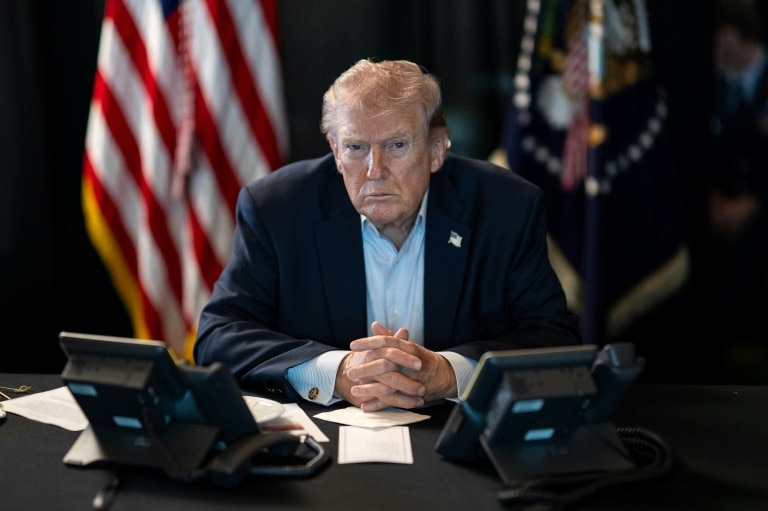
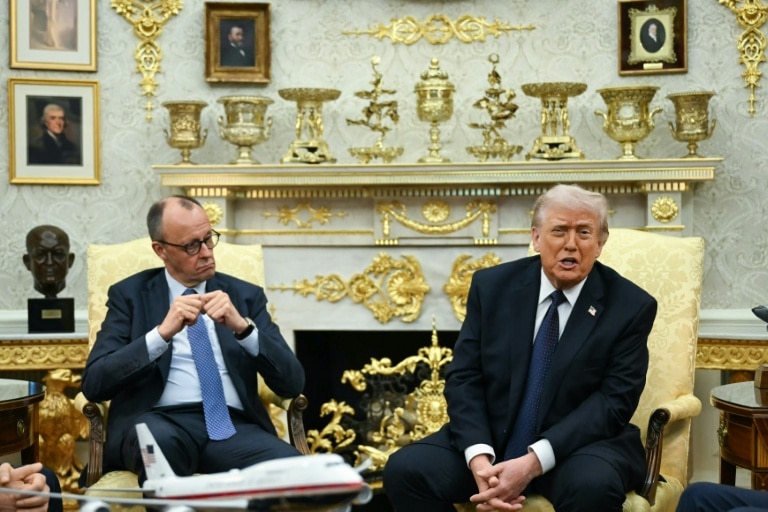
    In a striking diplomatic confrontation, former U.S. President Donald Trump issued severe economic threats against Spain during discussions with German Chancellor Friedrich Merz at the White House. The controversy emerged from Spain’s refusal to permit American military aircraft to utilize its bases for potential offensive operations against Iran.

    Spain’s left-leaning administration under Prime Minister Pedro Sánchez has maintained that U.S. forces may only employ Spanish installations for activities aligning with the United Nations Charter. This stance has positioned Sánchez among Europe’s most resistant leaders toward Trump’s foreign policy initiatives.

    “Spain has been terrible,” Trump declared to assembled journalists, further criticizing Sánchez’s rejection of NATO allies’ commitment to elevate defense expenditures to five percent of GDP—a benchmark aggressively promoted by Trump who contends that the United States shoulders disproportionate alliance costs.

    The former president asserted, “So we’re going to cut off all trade with Spain. We don’t want anything to do with Spain,” claiming he had instructed Treasury Secretary Scott Bessent to terminate all economic engagements with the European nation. Legal experts question Trump’s authority to unilaterally dismantle trade relations, particularly after Supreme Court limitations on his emergency powers regarding arbitrary tariffs.

    Spain’s government promptly responded, emphasizing the “mutually beneficial” nature of existing trade relationships and underscoring that any review must respect corporate autonomy, international law, and established EU-U.S. agreements. Officials confirmed Spain’s preparedness to mitigate potential impacts through sectoral support and supply chain diversification.

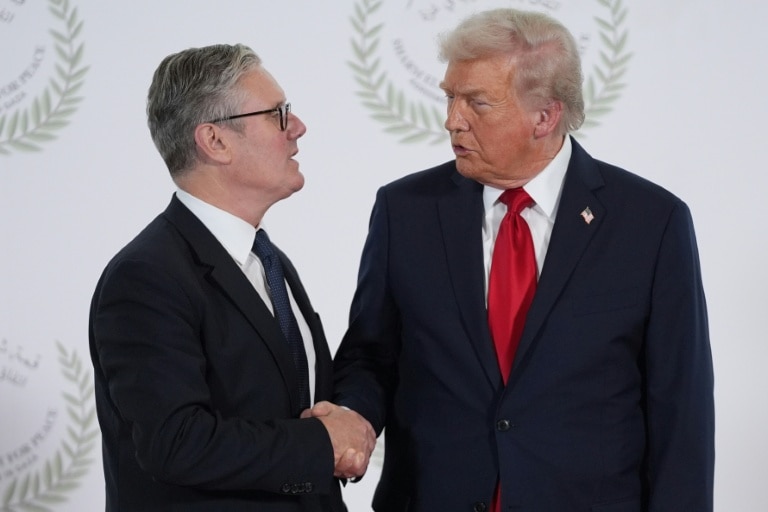
    Simultaneously, Trump expressed dissatisfaction with Britain’s cooperation level, particularly regarding base accessibility. While Prime Minister Keir Starmer permitted limited defensive use of certain facilities, he restricted operations from Cypriot bases following drone incidents. Trump contrasted Starmer’s leadership unfavorably with Winston Churchill’s legacy and criticized British handling of Diego Garcia base negotiations.
  • US says Israel killed Iran’s leader

    US says Israel killed Iran’s leader

    In a significant clarification of US military objectives, Pentagon policy chief Elbridge Colby testified before the Senate Armed Services Committee on Tuesday that the United States was not responsible for the lethal strike that eliminated Iranian Supreme Leader Ayatollah Ali Khamenei. Colby explicitly identified the operation as an Israeli military action, separate from American strategic goals in the region.

    The testimony revealed a notable divergence between the administration’s diplomatic messaging and military objectives. While President Donald Trump has publicly celebrated the elimination of Iranian leadership and encouraged regime change, Colby maintained that official US military operations remain focused specifically on degrading Iran’s capacity to project military power rather than pursuing overt regime overthrow.

    Colby characterized US objectives as ‘scoped and reasonable,’ emphasizing that American operations specifically target Iran’s enhanced missile capabilities, weapons production infrastructure, and naval elements that threaten US forces and regional allies. When pressed by Democratic Senator Jack Reed about how the leadership strike aligned with these stated objectives, Colby reiterated that those operations were conducted by Israel, not the United States.

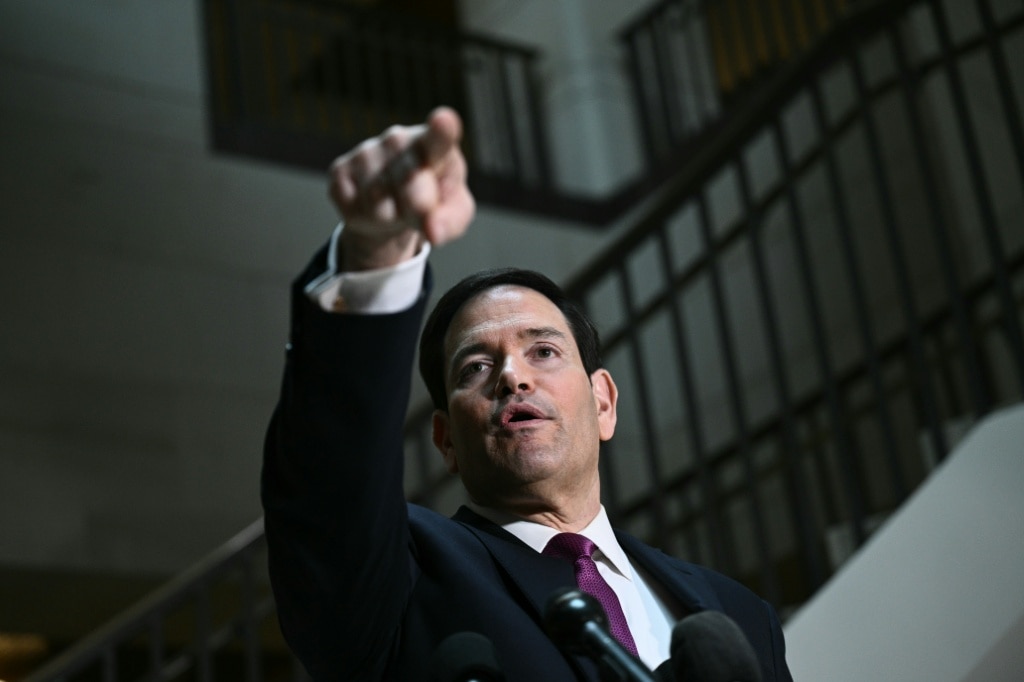
    The administration’s mixed messaging was further complicated by Secretary of State Marco Rubio’s Monday statement suggesting Washington acted only after learning of Israel’s impending strike, positioning US involvement as reactive rather than part of a comprehensive strategic plan. This contrast between Trump’s triumphant rhetoric and the Pentagon’s measured military objectives underscores ongoing questions about the administration’s cohesive strategy toward Iran.

  • Trump says ‘everything’s been knocked out’ in Iran

    Trump says ‘everything’s been knocked out’ in Iran

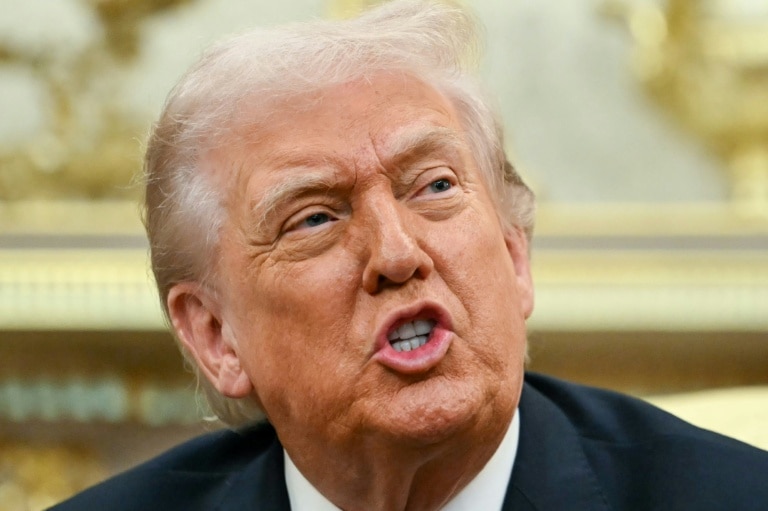
    President Donald Trump asserted widespread devastation across Iranian military infrastructure during his Oval Office meeting with German Chancellor Friedrich Merz on Tuesday, marking his first substantive remarks since the commencement of U.S.-Israel coordinated strikes last Saturday.

    Contradicting earlier administration statements, Trump refuted suggestions that Israel had compelled American military involvement. Secretary of State Marco Rubio had previously indicated that the United States intervened solely upon learning of Israel’s imminent strike plans. The President countered this narrative, stating, ‘Based on the negotiation trajectory, I believed Iran was preparing to initiate an attack. I acted preemptively to prevent that scenario. If anything, I might have influenced Israel’s decision-making process.’

    Addressing mounting criticism regarding post-conflict strategy, Trump conceded uncertainty about Iran’s political future. He expressed concerns about potential leadership succession, noting, ‘The most unfavorable outcome would involve a replacement equally problematic as the previous leadership.’ This commentary followed confirmed reports of Supreme Leader Ayatollah Ali Khamenei’s demise during initial bombardment operations.

    The President revealed that targeted strikes had eliminated numerous figures previously identified as potential successors, including participants in a leadership selection meeting that suffered ‘substantial’ secondary attacks. ‘Most individuals we considered viable alternatives have been neutralized,’ Trump stated. ‘Current intelligence suggests the subsequent group may have suffered similar casualties.’

    Trump additionally advised Iranian protestors to delay demonstrations until stabilization occurs, while simultaneously referencing governmental crackdowns on dissent as partial justification for military intervention.

  • Tehran resembles ghost town as bombs rain down

    Tehran resembles ghost town as bombs rain down

    Tehran, Iran’s normally bustling capital of 10 million people, has been transformed into a virtual ghost town as sustained US-Israeli bombardment enters its fourth consecutive day. The cityscape, typically characterized by vibrant activity, now presents an eerie tableau of deserted streets and shattered infrastructure.

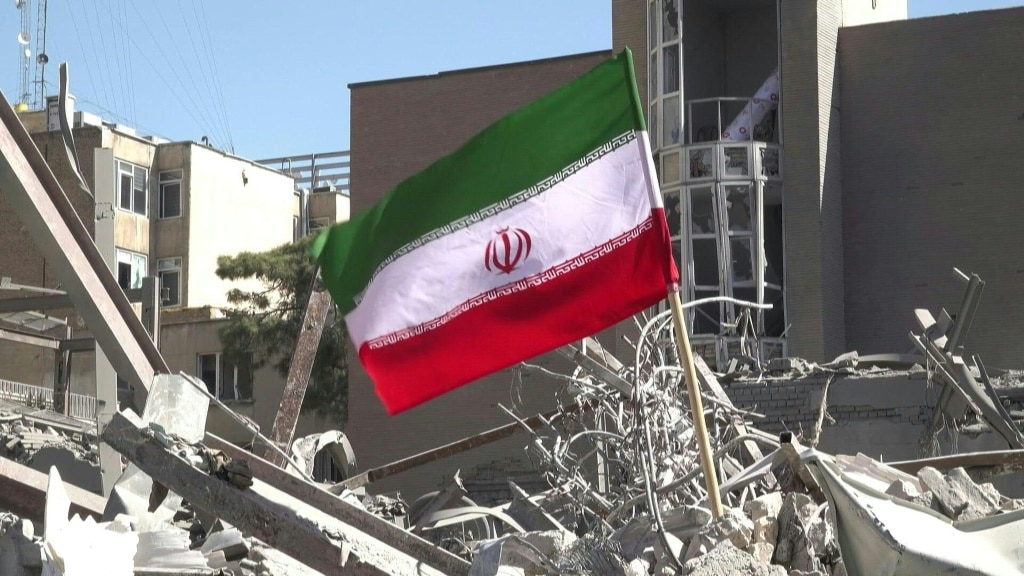
    Central districts housing government power centers—including ministry buildings, judicial courts, and Revolutionary Guards headquarters—have borne the brunt of the aerial assaults. Ferdowsi Square, a major downtown junction, now lies in ruins with buildings blown apart by explosions. Amid the rubble, a flag of the Islamic Republic stands planted as a symbolic gesture of defiance.

    Civilian residents who haven’t evacuated remain barricaded indoors, adopting extreme safety measures. “We slept on the floor with our heads protected in the middle of the apartment,” recounted Amir, 50, describing efforts to position themselves away from windows to avoid glass shattering from shockwaves. The psychological toll is severe, with nurse Samireh, 33, expressing terror at walking deserted streets while “bombs are still falling from the sky.”

    Communication breakdowns have compounded the crisis. Israel’s evacuation warnings via social media platform X went largely unseen due to widespread internet blackouts. Meanwhile, security forces have established checkpoints at major intersections, conducting random vehicle inspections amid heightened military presence.

    The economic and cultural impact is profound. Tehran’s famous Tajrish bazaar, which should be thriving in the lead-up to Nowruz (Persian New Year celebrations at month’s end), remains at a standstill. Shopkeepers face devastating financial losses during what is traditionally their most lucrative period. Upscale northern neighborhoods, typically vibrant with trendy cafes and restaurants, now echo with unusual sounds of meowing cats and birdsong instead of traffic.

    Humanitarian concerns are mounting as families become separated. Nasim, 35, who fled to Turkey with her family, reports having “no news” from parents who remained in Iran. The crisis has forced many to abandon traditional holiday plans, instead focusing on survival amid the ongoing aerial campaign that shows no signs of abatement.

  • US Homeland Security chief grilled over immigration crackdown

    US Homeland Security chief grilled over immigration crackdown

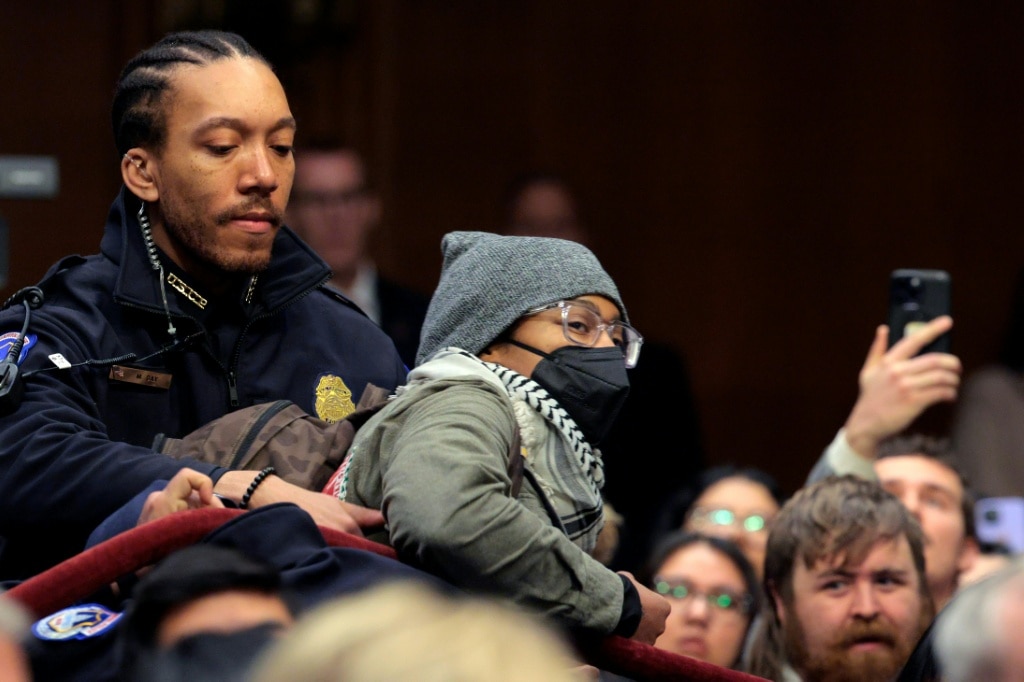
    Homeland Security Secretary Kristi Noem confronted intense congressional scrutiny during a Senate Judiciary Committee oversight hearing on Tuesday, where Democratic lawmakers launched sweeping criticisms against the administration’s immigration enforcement policies. The hearing marked Noem’s first congressional appearance since recent controversial agent-involved shootings during protests.

    Senator Dick Durbin (D-IL) delivered particularly sharp rebukes, accusing the Department of Homeland Security (DHS) of operating “devoid of any moral compass or respect for the rule of law.” Durbin characterized DHS operations as creating widespread havoc through paramilitary-style patrols that allegedly target individuals based on racial profiling and linguistic characteristics.

    The Illinois senator referenced two recent fatal shootings by immigration agents in Minnesota, claiming Noem had subsequently leveled “baseless accusations of domestic terrorism” against the deceased Americans. Noem offered condolences to the families of Renee Good and Alex Pretti while clarifying her previous remarks, stating she had only suggested the incident “appeared to be” domestic terrorism rather than making definitive declarations.

    Secretary Noem staunchly defended her department’s record, highlighting historic achievements including plummeting border crossing numbers and the removal of nearly three million undocumented individuals during the past year. “Our department has delivered historic results and has made our community safer since the start of President Trump’s second term,” Noem testified.

    The hearing revealed stark partisan divisions, with Republican Senator Lindsey Graham praising the administration’s enforcement efforts while blaming the previous Biden administration for creating “absolute chaos” through what he characterized as uncontrolled border policies.

    Democratic Senator Chris Coons raised constitutional concerns, alleging DHS operates under implicit deportation quotas that drive unconstitutional practices including profiling and operations at sensitive locations such as churches, hospitals, and schools. Noem categorically denied operating under any quota system, emphasizing targeted enforcement focused on public safety threats.

    The Secretary additionally addressed the ongoing partial government shutdown, urging lawmakers to reach funding agreements that would restore pay for thousands of furloughed DHS employees. Democrats maintain opposition to funding without significant operational reforms to Immigration and Customs Enforcement (ICE), including curtailed patrols, mask prohibitions for agents, and warrant requirements for private property entries.

  • Germany’s Merz meets Trump for talks eclipsed by Iran war

    Germany’s Merz meets Trump for talks eclipsed by Iran war

    German Chancellor Friedrich Merz convened with U.S. President Donald Trump at the White House on Tuesday, marking the American leader’s first diplomatic engagement with a foreign counterpart since initiating joint military strikes with Israel against Iran—actions that have dramatically escalated into full-scale Middle Eastern conflict.

    Originally intended to address critical issues surrounding the Ukraine war and strained EU-U.S. trade relations, the long-planned bilateral meeting was unexpectedly dominated by the rapidly evolving crisis with Tehran. President Trump’s indication that airstrikes against Iran could extend for several weeks has fundamentally reshaped global priorities, with Iran already launching retaliatory attacks against U.S. bases and regional allies.

    The Chancellor’s arrival notably lacked the customary ceremonial reception typically afforded to visiting leaders, entering through a side entrance without the traditional diplomatic fanfare.

    Merz, who has consistently criticized Iran’s leadership, expressed that Berlin shared the Iranian people’s sense of relief that what he termed the ‘mullah regime is coming to an end.’ However, he deliberately avoided commenting on the legal justification for the U.S.-Israel strikes targeting Iran’s nuclear and missile capabilities.

    This cautious approach reflects Germany’s official position, articulated alongside France and Britain, limiting support to defensive operations only—a stance that has drawn criticism from U.S. officials who characterized the European response to ‘Operation Epic Fury’ as insufficiently robust.

    Despite significant ideological differences between the Christian Democrat leader with multilateral inclinations and the property tycoon turned president, Merz has maintained surprisingly cordial relations with Trump. This rapport stems largely from Germany’s substantial increases in defense spending, fulfilling a key Trump demand regarding NATO commitments.

    Nevertheless, Merz has occasionally challenged the U.S. president, particularly regarding Ukraine policy, while consistently advocating for greater European sovereignty during geopolitical turmoil. During February’s Munich Security Conference, he highlighted the ‘deep rift’ in transatlantic relations and called for joint efforts to ‘repair and revive trust.’

    Beyond security matters, the Chancellor prepared to present the EU’s coordinated position on trade, emphasizing the critical need for predictable business conditions on both sides of the Atlantic. Germany’s Mechanical Engineering industry association specifically urged Merz to leverage his relationship with Trump to secure a comprehensive tariff agreement, despite the current focus on military operations.

  • Trump says US-UK relationship ‘not like it used to be’

    Trump says US-UK relationship ‘not like it used to be’

    Former US President Donald Trump has delivered a stark assessment of American-British relations, declaring the historically robust alliance between the two nations is fundamentally diminished. Trump’s criticism directly targets British Prime Minister Keir Starmer, whom he accused of being uncooperative during recent US-Israeli military operations against Iran.

    The diplomatic friction emerged when Starmer initially refused British involvement in Washington’s conflict with Iran, telling Parliament his government rejects the concept of ‘regime change from the skies.’ Though Starmer later authorized limited use of two British military bases for defensive purposes at US request, the hesitation provoked Trump’s ire.

    In an interview with The Sun newspaper, Trump expressed disappointment: ‘This was the most solid relationship of all. I never thought I’d see that from the UK. We love the UK, but it’s just a much different kind of relationship.’

    The tension occurs against a complex geopolitical backdrop. British officials remain haunted by the legacy of the Iraq War, with Government Minister Darren Jones explicitly referencing learned lessons from ‘the mistakes of Iraq.’ Starmer’s government insists any military cooperation must have clear legal basis and serve British national interests.

    Meanwhile, security concerns escalate as Iranian-made drones attacked a Royal Air Force base in Cyprus, though officials confirmed the facility wasn’t being used by US bombers. UK media reports indicate the government is considering deploying HMS Duncan, a Type 45 destroyer recently trained in drone interception, to the region.

    Foreign policy experts suggest Starmer faces a delicate balancing act. Richard Whitman of the University of Kent warned Trump’s comments might signal a ‘new, not-so-special relationship,’ while think tank director Evie Aspinall noted the critical importance of maintaining US cooperation regarding Ukraine and other global issues.

    Despite the tensions, Starmer’s spokesman maintained that ‘the UK and US remain staunch allies,’ emphasizing decades of cooperation on national security and trade. The relationship, historically built on defense cooperation and intelligence sharing since World War II, now enters a potentially transformative phase.

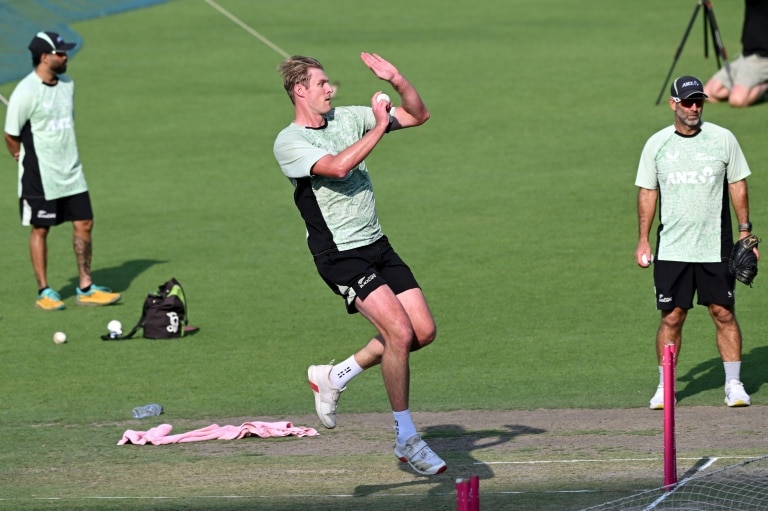
  • ‘We back ourselves’: Underdogs New Zealand eye T20 World Cup final

    ‘We back ourselves’: Underdogs New Zealand eye T20 World Cup final

    Ahead of their crucial T20 World Cup semi-final confrontation, New Zealand’s cricket team embraces its underdog status while expressing unwavering self-confidence against South Africa. Captain Mitchell Santner articulated this mindset during a press briefing at Kolkata’s Eden Gardens, emphasizing their readiness for high-stakes elimination matches.

    Santner openly acknowledged South Africa’s formidable form, referencing their commanding seven-wicket victory over New Zealand during the group stage and subsequent impressive performances against cricket powerhouses India and West Indies. Despite this, the New Zealand skipper highlighted the unique dynamics of single-elimination fixtures where previous records become irrelevant.

    The statistical backdrop reveals contrasting tournament journeys: South Africa enters undefeated while New Zealand secured their semi-final berth narrowly through net run-rate after suffering two defeats, including a Super Eights loss to England. Historically, both nations share the distinction of never capturing a World Cup title in either T20 or 50-over formats, adding psychological dimensions to their encounter.

    New Zealand brings extensive knockout experience to the match, marking their fourth semi-final appearance in the last five T20 World Cups. They reached the 2021 final before falling to Australia, while South Africa achieved their inaugural final earlier this 2024 edition before losing to India.

    Santner noted the parallel narratives between the teams, referencing South Africa’s recent heartbreak and emphasizing that match outcome would depend on adaptability and execution rather than historical context. The captain admitted New Zealand hasn’t yet delivered a complete performance throughout the tournament, suggesting untapped potential that could prove decisive if unleashed during the semi-final.

    Regarding team composition, fast bowler Matt Henry’s return from paternity leave remains uncertain pending a fitness assessment after his arrival in Kolkata Tuesday evening. Santner confirmed the team anticipates South Africa maintaining their successful lineup, presenting a consistent challenge that New Zealand believes they can overcome through strategic adaptation and peak performance timing.

  • Global markets turmoil intensifies on Iran war

    Global markets turmoil intensifies on Iran war

    Financial markets worldwide experienced severe turbulence Tuesday as escalating military conflict with Iran sent shockwaves through global economies. The intensifying warfare has triggered a dual crisis of soaring energy prices and plunging stock values, creating what analysts describe as a perfect storm for international markets.

    Energy markets witnessed extraordinary volatility with Brent crude surging past $85 per barrel for the first time since July 2024, marking an 8% single-day increase. European natural gas prices experienced even more dramatic movements, with the Dutch TTF benchmark contract skyrocketing over 40% to exceed €60 per unit – the highest level since January 2023. This unprecedented energy price surge stems directly from the effective closure of the Strait of Hormuz, a critical maritime corridor through which approximately 20% of global oil shipments transit.

    European equity markets suffered substantial losses, with Frankfurt’s DAX index plunging 3.8%, while Madrid and Milan exchanges each dropped approximately 4%. London’s FTSE 100 and Paris’s CAC 40 declined nearly 3%, reflecting broad-based investor anxiety. Asian markets continued their downward trajectory from Monday, with Seoul’s KOSPI leading the retreat at over 7% loss following a tech-driven rally earlier this year. Tokyo’s Nikkei 225 dropped 3.1%, while Hong Kong and Shanghai markets posted significant declines.

    The conflict originated with joint U.S. and Israeli strikes against Iran over the weekend, prompting immediate retaliatory measures from Tehran. Iranian forces have launched missile and drone attacks across multiple Middle Eastern nations, including Saudi Arabia, Qatar, and Dubai. A senior Revolutionary Guards commander explicitly threatened to ‘burn any ship’ attempting to navigate the Strait of Hormuz, dramatically escalating regional tensions.

    Central bankers worldwide now face a complex policy dilemma, according to financial experts. Rodrigo Catril of National Australia Bank noted, ‘A spike in energy prices creates a fundamental conflict for monetary authorities. Stagflationary conditions make central banks extremely uncomfortable as prolonged energy shocks simultaneously drive inflation while weakening economic growth.’

    The U.S. dollar strengthened significantly against major currencies as investors sought safe-haven assets, while gold surprisingly fell 4% and silver plummeted over 12% as capital flowed toward energy investments and dollar positions. Airline stocks emerged as particularly vulnerable, with Japan Airlines dropping over 6% and multiple carriers across Asia-Pacific recording substantial losses.

  • Drones hit US embassy as vengeful Iran targets Mideast cities

    Drones hit US embassy as vengeful Iran targets Mideast cities

    The Middle East has descended into a dangerous cycle of retaliatory violence, with Tehran launching coordinated drone strikes against diplomatic and industrial targets across the region. On Tuesday, the U.S. Embassy compound in Riyadh sustained direct hits, leaving visible smoke damage on its exterior as Saudi security forces locked down the diplomatic quarter and implemented stringent identification checks.

    The escalation follows last week’s fatal U.S. and Israeli strikes that eliminated Iran’s supreme leader, triggering a full-scale regional conflict. Overnight, powerful detonations rocked Tehran amidst sorties by fighter jets, while President Donald Trump issued stark warnings of a protracted military campaign, stating operations could extend for months.

    Israeli defense forces have resumed aerial bombardments on alleged Hezbollah positions in southern Beirut and advanced into Lebanese territory. Defense Minister Israel Katz authorized troops to seize strategic forward positions to prevent cross-border attacks. In response, Hezbollah claimed targeted strikes on three Israeli bases.

    Iran’s Revolutionary Guards intensified economic threats, with General Sardar Jabbari vowing to “burn any ship” attempting transit through the critical Strait of Hormuz. This declaration sent Brent crude prices soaring as Iranian strikes continued targeting oil infrastructure in Gulf cities and Omani ports.

    The U.S. State Department issued an urgent regional evacuation advisory for American citizens, citing grave security risks. Secretary of State Marco Rubio presented a new narrative, claiming pre-emptive U.S. intervention occurred after intelligence indicated Iran planned retaliatory strikes against American forces following an anticipated Israeli operation.

    Civilian casualties mount across the region, with U.S. Central Command confirming six military fatalities and Iranian media reporting hundreds of casualties, including scores at a girls’ school—though independent verification remains challenging. The U.S.-based HRANA documented 101 casualties within Iran on the conflict’s third day alone.

    Tehran residents exhibit complex reactions, with some fleeing while others express cautious optimism that the government’s stability might be undermined. A local lawyer conveyed the population’s ambivalence: “Every time we hear the noises, we get scared for just a second, but we experience some joy and excitement every time we hear a hit.”