标签: Oceania

大洋洲

  • Armed man shot by police after fleeing Sunshine Coast crash in Woombye

    Armed man shot by police after fleeing Sunshine Coast crash in Woombye

    A tense armed confrontation unfolded on Queensland’s Sunshine Coast today, culminating in police shooting a man allegedly brandishing a firearm. The incident began just before midday when authorities responded to reports of a single-vehicle crash on the Sunshine Motorway on-ramp at Sippy Downs.

    According to Queensland Police statements, the driver fled the initial crash scene, triggering a pursuit that continued approximately 10 kilometers north to Woombye. The situation escalated dramatically on Nambour Connection Road when the suspect exited his vehicle and advanced toward officers while allegedly armed with a gun.

    Police confirmed discharging their weapons during the confrontation, resulting in the suspect sustaining a gunshot wound to his arm. Immediate first aid was administered at the scene before Queensland Ambulance Service personnel transported the man to Sunshine Coast University Hospital. Medical authorities described his injury as serious but reported his condition as stable.

    Eyewitness accounts painted a chaotic scene, with Claire Smith telling the ABC she observed at least four officers surrounding the suspect and heard two distinct gunshots. ‘It just looked like he was taunting the police,’ Ms. Smith recounted, adding that the spectacle of a man waving a firearm amid drawn police weapons seemed profoundly out of place in the typically tranquil community of Woombye.

    The incident caused significant disruption to local traffic, with westbound lanes of Nambour Connection Road temporarily blocked as multiple marked and unmarked police vehicles converged on the area. The investigation remains ongoing as authorities work to determine the full sequence of events leading to the officer-involved shooting.


  • ‘Blessed to be yelled at’: The Roosters ‘fanboy’ who has the toughest and best job in rugby league

    ‘Blessed to be yelled at’: The Roosters ‘fanboy’ who has the toughest and best job in rugby league

    The Sydney Roosters’ newest playmaker Benaiah Ioelu embodies the dream-come-true narrative that fuels rugby league’s enduring appeal. At just 22 years old with only 12 NRL appearances, Ioelu finds himself in the pivotal dummy-half role during Reece Robson’s injury absence, tasked with distributing ball to established stars Sam Walker and Daly Cherry-Evans.

    Ioelu’s journey to the NRL spotlight contrasts sharply with teenage prodigies who burst onto the scene. His path required persistent development and unwavering commitment, making his current position alongside childhood heroes particularly meaningful. The young hooker openly acknowledges his ‘fanboy’ status, recalling how he once watched these same players from the stands and now shares the training paddock with them.

    The Samoa international maintains that his profound appreciation for the game enhances rather than hinders his performance. His perspective remains grounded through strong faith and family support, particularly through conversations with his mother who preserved memories of his grassroots beginnings. Ioelu’s approach combines tactical simplicity learned from veteran players with spiritual resilience that helps him navigate professional pressures.

    Coach Trent Robinson’s decision to start Ioelu ahead of Connor Watson demonstrates confidence in the young gun’s ability to handle high-stakes situations. His recent trial game experience alongside Cherry-Evans provided crucial preparation for the regular season ahead. Ioelu’s story represents both personal achievement and the Roosters’ strategic development of depth within their roster, ensuring competitive stability despite injury challenges.

  • AFL 2026: Essendon has lost a certain starter indefinitely through ankle injury

    AFL 2026: Essendon has lost a certain starter indefinitely through ankle injury

    Essendon Football Club’s pre-season preparations have suffered another significant setback with emerging talent Angus Clarke requiring immediate surgery following a training incident. The promising second-year player sustained a syndesmosis injury to his ankle during a routine tackling drill on Wednesday morning, casting immediate doubt on his availability for the upcoming AFL season.

    The unfortunate timing of Clarke’s injury represents a particularly cruel blow for both player and club. Having demonstrated considerable potential during his debut season, including a memorable three-goal performance in last year’s Dream Time match, Clarke had been positioning himself as a key component of Essendon’s 2025 campaign. Club officials immediately arranged medical scans which confirmed the severity of the injury necessitating surgical intervention.

    Essendon’s General Manager of Football, Daniel McPherson, expressed collective disappointment while emphasizing Clarke’s resilience. “The entire organization shares in Clarkey’s disappointment following this untimely setback,” McPherson stated. “His dedication throughout the pre-season has been exemplary, making this development particularly disheartening. However, we remain confident in his character and determination to overcome this challenge.”

    Clarke’s injury exacerbates an already concerning situation at The Hangar, with eleven players now listed as either confirmed absentees or doubtful participants for Round 1. The growing injury roster includes significant names such as Jordan Ridley (hamstring, 4-5 weeks), Will Setterfield (foot), and Nate Caddy (hamstring), creating substantial selection headaches for coaching staff.

    The Bombers are scheduled to commence their 2025 campaign against traditional rivals Hawthorn at the MCG, though team selection will undoubtedly be compromised by this unprecedented injury crisis that continues to plague the club’s pre-season preparations.

  • RBA: 190,000 more jobless if we followed other nations

    RBA: 190,000 more jobless if we followed other nations

    Australia’s deliberate approach to monetary policy during the global inflation crisis has proven significantly less damaging to employment than the aggressive tactics employed by other Western nations, according to new economic modeling from the Reserve Bank of Australia.

    Chief economist Sarah Hunter, speaking at an international conference in Oslo, Norway, revealed the central bank’s analysis showing that approximately 190,000 additional Australians would have faced unemployment had the RBA mirrored the rapid interest rate increases implemented by the United States, United Kingdom, Canada and New Zealand.

    The research demonstrates that while more aggressive rate hikes would have brought inflation down faster initially, Australia would have experienced a resurgence of price pressures in recent months alongside substantially higher job losses. Australia’s current unemployment rate stands at 4.1 percent, markedly lower than the peaks seen in comparable economies that pursued more restrictive monetary policies.

    “As we all know all too well, in the years following the onset of the Covid-19 pandemic, economies around the world experienced a sharp rise in inflation,” Hunter told the audience. “Australia was no exception, with inflation reaching its highest level in over three decades by late 2022.”

    The RBA’s strategy resulted in a cash rate peak of 4.35 percent, considerably lower than the 5.5 percent that would have been necessary to match other central banks’ approaches. Had the RBA followed this more aggressive path, modeling indicates unemployment would have reached 5.3 percent by late 2025 instead of current projections.

    The analysis also quantified the personal financial impact: a homeowner with a $600,000 mortgage would have faced approximately $500 in additional monthly repayments under the more aggressive rate scenario. While this approach would have brought underlying inflation down to 2.5 percent last year, the RBA determined the employment costs outweighed the benefits of faster inflation reduction.

    Australia’s current underlying inflation rate reached its lowest point at 2.9 percent in June, demonstrating that the more gradual approach ultimately achieved similar price stability outcomes while preserving hundreds of thousands of jobs.

  • Patchy Italy disability access ‘an insult’ ahead of Games

    Patchy Italy disability access ‘an insult’ ahead of Games

    As Italy prepares to host the world’s premier Paralympic athletes this month, the nation faces mounting criticism over its inadequate accessibility infrastructure. The contrast between Olympic-standard venues and everyday urban obstacles reveals a stark accessibility divide across the country.

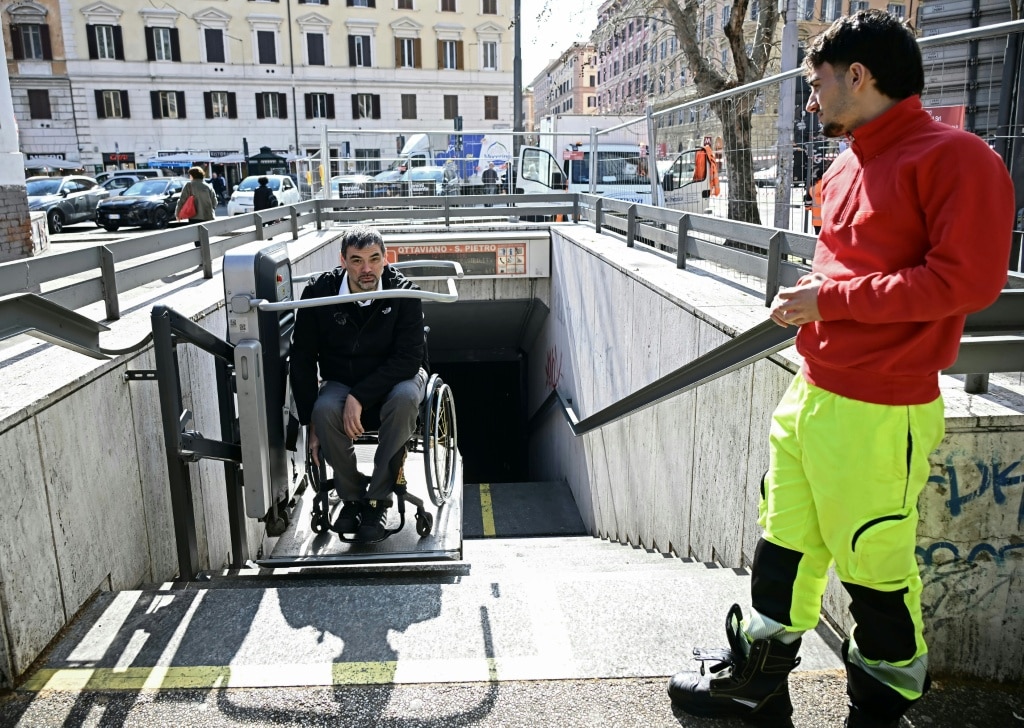
    In Rome, navigating the city’s historic streets presents formidable challenges for wheelchair users. Alessandro Bardini, a 48-year-old lawyer and disability rights activist who became paraplegic following a 1998 motorcycle accident, describes the daily struggle: ‘Sometimes, it’s just easier to ride on the road.’ The city’s iconic Sanpietrini cobblestones, while aesthetically pleasing, offer minimal stability and pose significant risks for mobility devices.

    Despite substantial investments exceeding 55 million euros ($64 million) to enhance accessibility around Milan-Cortina Games venues, Rome’s infrastructure remains problematic. Even newly renovated areas demonstrate insufficient consideration for wheelchair accessibility. At Piazza Pia, recently redeveloped for the Vatican’s 2025 Jubilee Holy Year, Bardini notes the presence of ‘a staircase that could have been a ramp’—a design choice he characterizes as ‘an insult to people with motor disabilities.’

    Public transportation presents additional barriers. While 61 of Rome’s 77 metro stations feature elevators, 13 stations rely solely on stairlifts requiring attendant operation. Some stations, including those near iconic landmarks like the Spanish Steps, remain completely inaccessible. The average commute can extend to 40 minutes for a single stop when accounting for accessibility-related delays.

    Rome’s municipal council reports achieving 80% compliance with accessibility standards across its road network and expanding its fleet of specially adapted taxis from 40 to 250 vehicles over five years. However, responsibility fragmentation across 15 boroughs creates maintenance disparities. Bardini attributes the persistent issues to ‘a lack of willpower’ and expresses skepticism that Paralympic attention will drive lasting change, noting that post-Games ‘the spotlight is turned off… everything goes back to how it was before.’

  • Australian airfares could rise in weeks as Iran conflict drives up oil prices

    Australian airfares could rise in weeks as Iran conflict drives up oil prices

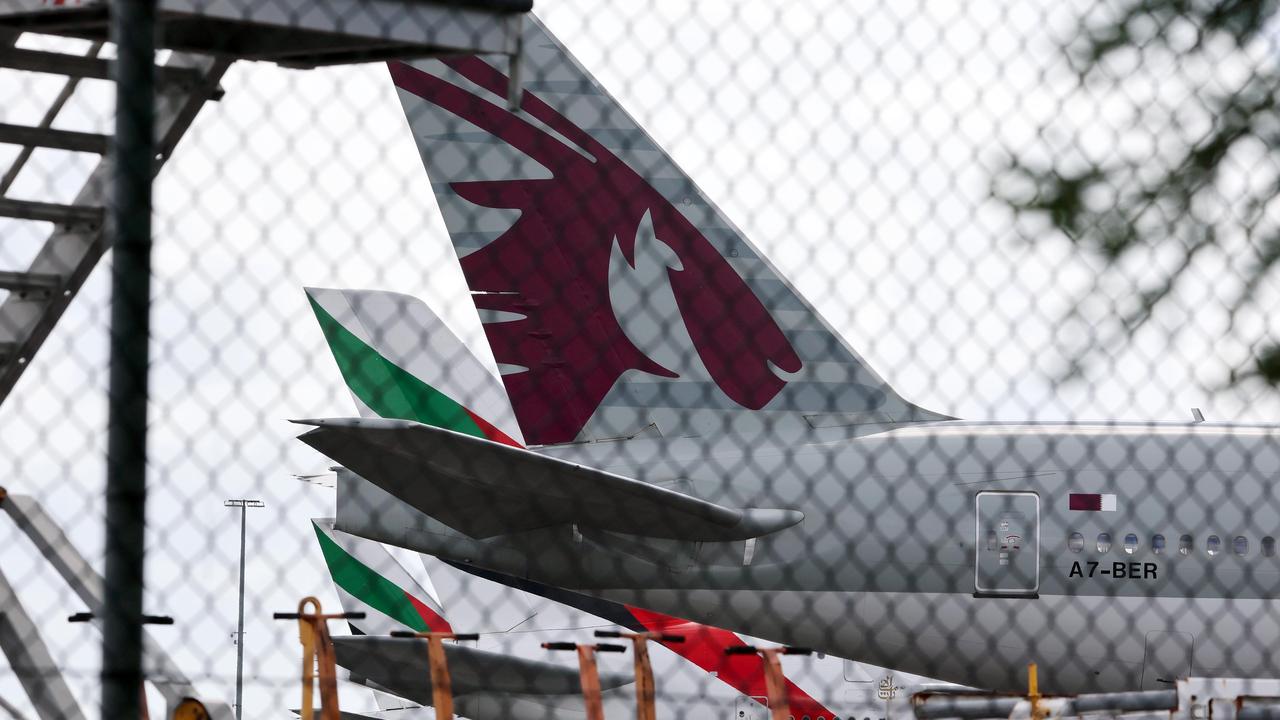
    Australian consumers should brace for significantly higher air travel expenses within weeks as geopolitical tensions in the Middle East drive global oil prices upward, according to economic experts. The escalating conflict involving Iran has precipitated an 11.5 percent surge in Brent crude oil benchmarks over the past five days, directly impacting aviation fuel costs worldwide.

    University of Technology Sydney economics professor Tim Harcourt indicates that while Australian carriers maintain contingency plans for global disruptions, travelers will likely experience rapid price adjustments. “The transmission from oil prices to airfares typically occurs quite swiftly,” Harcourt explained. “Although passengers often book at fixed rates in advance, airlines possess the flexibility to adjust pricing within weeks of travel dates.”

    The situation intensified as Iran substantially restricted traffic through the critical Strait of Hormuz shipping corridor, prompting major airlines to cancel regional flights and monitor fuel cost fluctuations closely. Both Qantas and Virgin Australia have seen notable declines in their share values this week amid the growing uncertainty.

    Market analysts present contrasting perspectives on the crisis management approach. Primara Research analyst Peter Drennan expressed skepticism toward U.S. assurances regarding oil tanker insurance and naval escorts through the Strait, describing maritime insurance as “a complex, niche, specialist area” that cannot be easily replicated. Meanwhile, independent economic analyst Stephen Innes observed that markets have responded methodically rather than panicking, gradually recalibrating risk assessments for energy-centered global economic challenges.

    The U.S. administration’s commitment to securing vital shipping routes has provided some moderating influence on prices, with President Trump’s pledge to ensure tanker safety acting as a temporary market circuit breaker. This intervention signals Washington’s determination to maintain the flow of oil through the world’s most crucial energy artery despite rising geopolitical temperatures.

    As Brisbane motorists already queued for fuel amid price spike concerns, analysts warn that Australia’s limited oil reserves leave the particularly vulnerable to global energy disruptions, potentially accelerating the impact on transportation costs across the nation.

  • Mark Martinaj: Dog abuser escapes jail sentence after ‘appalling’ vigilante attacks

    Mark Martinaj: Dog abuser escapes jail sentence after ‘appalling’ vigilante attacks

    A Victorian court has delivered a landmark ruling that underscores the complex interplay between criminal acts and community retaliation. Mark Martinaj, who previously admitted to two counts of animal cruelty for a vicious pole attack on two neighbor’s dogs, has had his prison sentence overturned on appeal.

    County Court Judge Diana Manova characterized the original offense as a ‘deliberate, intentional and planned’ act of violence that subjected the animals to ‘five long excruciating minutes’ of terror. The December 2023 incident occurred when Martinaj discovered Millie, a Shih Tzu, and Brinny, a Golden Retriever, on his property via CCTV surveillance. Returning home, he barricaded his driveway and proceeded to assault both dogs with a pole.

    The judicial proceedings revealed troubling details: Brinny eventually escaped with psychological trauma but no physical injuries, while Millie disappeared completely and has never been located. Prosecutors notably did not allege Martinaj killed the missing dog.

    Despite acknowledging the severity of the animal cruelty charges—which would normally warrant imprisonment—Judge Manova cited ‘extraordinary and unjust’ mitigating circumstances. Martinaj and his family endured what the court described as an ‘appalling campaign of abuse’ including vehicle vandalism by masked individuals, social media threats, property arson, and abusive graffiti.

    ‘This community-inflicted punishment is so severe it warrants significant penalty reduction,’ Judge Manova stated, emphasizing that imposing additional incarceration would compound the injustice. The court also considered Martinaj’s 44-day wrongful custody in 2012 on ultimately dismissed charges.

    The revised sentence includes a 12-month good behavior bond, an 18-month community corrections order with 50 hours of service, mandatory anger management programs, and a $1,000 donation to the RSPCA. Outside court, dog owners Marcus and Jane Wood expressed dismay at the outcome, calling it ‘so unfair’ while denying any involvement in the vigilante actions against Martinaj.

    The case has sparked broader discussions about community justice and legal proportionality, with the judge noting the situation had escalated into ‘a battle of Shakespearian proportions’ within the community.

  • Iran will not ‘automatically’ fall after Khamenei’s death, shah’s widow tells AFP

    Iran will not ‘automatically’ fall after Khamenei’s death, shah’s widow tells AFP

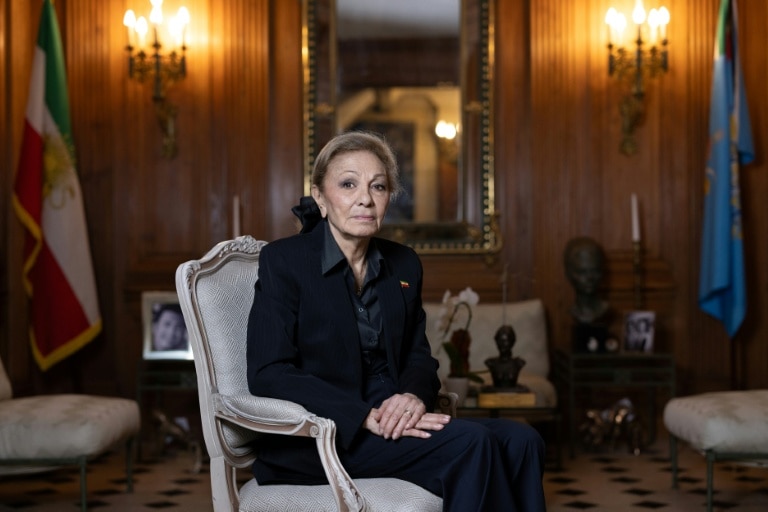
    Farah Pahlavi, the exiled widow of Iran’s last monarch, has delivered a nuanced assessment of Iran’s political future following the death of Supreme Leader Ali Khamenei. In an exclusive interview with AFP conducted from her Paris residence, the former empress emphasized that while Khamenei’s demise represents a moment of profound historical significance, it does not guarantee the automatic dissolution of the Islamic Republic’s governing structure.

    ‘The departure of any single individual, regardless of their centrality within the power framework, does not mechanically precipitate the termination of an entire system,’ Pahlavi stated, referencing recent U.S.-Israeli military actions that resulted in Khamenei’s death. These events have plunged the Middle East into heightened instability while raising fundamental questions about Iran’s political trajectory.

    The 87-year-old royal figure urged the global community to honor Iranian sovereignty and support citizens in determining their own national destiny. She identified the critical factor as ‘the capacity of Iran’s population to coalesce around a peaceful, orderly transition toward a constitutional government operating under established legal principles.’

    Addressing her son’s political aspirations, Pahlavi confirmed that Reza Pahlavi—who has emerged as a potential alternative leader should the current government fall—is actively preparing transition frameworks. The U.S.-based crown prince gained international recognition during nationwide demonstrations earlier this year, where protesters frequently voiced support for the monarchist cause.

    In a parallel development, Reza Pahlavi utilized social media platform X to advocate for national cohesion among Iran’s diverse ethnic communities, many of which face systemic discrimination. He specifically discouraged separatist movements from exploiting the current crisis for territorial fragmentation.

    The former empress, exiled since the 1979 revolution that overthrew her pro-Western husband Mohammad Reza Pahlavi, called for international actors to prioritize Iranian self-determination over geopolitical strategizing. ‘My fundamental desire is for global powers to unequivocally support Iranians’ basic rights: selecting their leadership, expressing opinions freely, and pursuing dignified existence with economic prosperity,’ she articulated.

    Pahlavi additionally appealed to Tehran’s authorities to exercise restraint and avoid violent suppression of dissent. This warning carries particular resonance following January’s unrest, which according to the U.S.-based Human Rights Activists News Agency (HRANA) resulted in over 7,000 fatalities—primarily protesters—with actual numbers likely higher. The organization additionally documented more than 53,000 arrests during this period.

    The former monarch remains convinced that Iran’s protest movement represents an irreversible force whose success would contribute to global peace and security, echoing comments she made during January’s upheaval.

  • War, politics clouding World Cup on 100-day countdown

    War, politics clouding World Cup on 100-day countdown

    With precisely 100 days remaining until the kickoff of the unprecedented 48-team FIFA World Cup 2026, geopolitical conflicts and domestic policy controversies are threatening to overshadow the global football spectacle. The tournament, set to unfold across the United States, Canada, and Mexico, faces mounting challenges as international relations deteriorate under the current U.S. administration.

    The recent aerial assault on Iran resulting in the death of Supreme Leader Ayatollah Ali Khamenei has triggered immediate repercussions in the sporting world. Mehdi Taj, head of the Iranian Football Federation, has indicated potential boycott considerations, stating that his nation “cannot look forward to the World Cup with hope” amidst ongoing hostilities.

    Compounding these international tensions, the U.S. immigration crackdown has created significant barriers for prospective attendees. The visa freeze implemented in mid-January affects citizens from 75 countries, including four World Cup-qualified nations: Iran, Haiti, Senegal, and Ivory Coast. While the White House maintains that tourist visas remain accessible for ticket holders through expedited appointments, widespread apprehension persists regarding border treatment and entry guarantees.

    Domestically, heightened Immigration and Customs Enforcement (ICE) operations have amplified concerns among potential visitors. The fatalities of two U.S. citizens during recent ICE operations in Minneapolis have exacerbated fears that legally compliant fans might face targeting based on ethnic appearance or linguistic characteristics.

    Julien Adonis Kouadio, president of the official Ivorian supporters’ committee, articulated these anxieties: “With this system, we risk not feeling like we’re celebrating football. We must not impose too many restrictions that prevent people from letting loose.”

    Simultaneously, security conditions in host Mexico have deteriorated following military operations against drug cartels. Guadalajara, scheduled to host four matches, experienced a violent weekend resulting in 74 fatalities, casting doubt on safety assurances despite President Claudia Sheinbaum’s insistence of “no risk” to attendees.

    FIFA President Gianni Infantino’s centenary countdown message notably avoided direct conflict references, instead emphasizing the tournament’s unifying potential during “this particular period of time.” However, with plummeting U.S. tourism rates and seven million soccer fans anticipated to revitalize the hospitality sector, the convergence of geopolitical strife and policy controversies presents unprecedented challenges for the quadrennial event.

  • Flights to evacuate stranded travellers in Middle East

    Flights to evacuate stranded travellers in Middle East

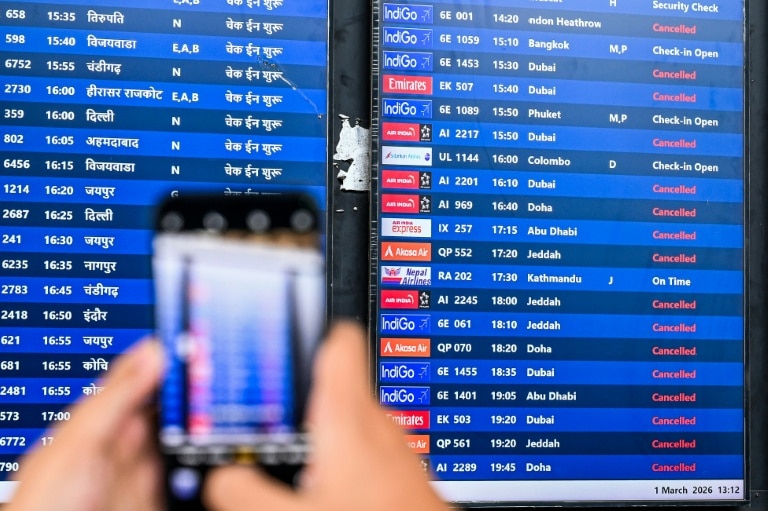
    International governments and airlines have launched coordinated evacuation operations to rescue tens of thousands of travelers stranded across the Middle East following unprecedented airspace closures triggered by regional military conflicts. The crisis emerged after Israel-US strikes on Iran prompted widespread aviation shutdowns, creating what aviation analysts describe as one of the most significant air travel disruptions in recent history.

    According to data from aviation analytics firm Cirium, a staggering 12,903 flights were canceled between Saturday and Monday—representing 40% of all scheduled departures. The cancellations have directly impacted an estimated one million passengers, with Dubai International Airport, the world’s second-busiest aviation hub, experiencing near-total operational suspension during the peak of the closures.

    European nations have spearheaded evacuation efforts, with the Czech Republic, Slovakia, and Romania executing emergency airlifts that returned hundreds of citizens via specially chartered flights. France, facing one of the largest contingents with approximately 400,000 nationals in the region, initiated repatriation flights under direct presidential oversight. Germany organized charter flights from Oman to evacuate some of the 30,000 stranded Germans, while British authorities arranged similar operations from Oman and Jordan.

    The United States confirmed it has facilitated the return of over 9,000 citizens since Saturday through charter flights from Jordan, Saudi Arabia, and the United Arab Emirates. Meanwhile, Russian evacuation teams retrieved nationals who had fled to Azerbaijan from Iran, along with dozens stranded in Egypt.

    Commercial airlines have joined government efforts, with Indian carriers IndiGo, Air India Express, and Akasa Air announcing special evacuation flights. British Airways scheduled a repatriation flight from Oman for Thursday, though numerous carriers including Air France, LOT, Norwegian, SAS, and Finnair have suspended Middle Eastern operations indefinitely, with some cancellations extending through month’s end.

    While Dubai and Abu Dhabi airports resumed limited operations Monday, significant airspace restrictions remain over Iraq, Israel, Kuwait, Libya, and Qatar—where authorities reported blocking an attack on its major aviation hub. Israel announced plans for gradual airspace reopening beginning Wednesday night, initially permitting only repatriation flights for returning nationals.