标签: Oceania

大洋洲

  • Police charge man with multiple offences over suspicious Bondi vest incident

    Police charge man with multiple offences over suspicious Bondi vest incident

    Sydney’s eastern suburbs were thrust into a state of alarm on Sunday evening following a disruptive security incident at Bondi Junction. Authorities initiated a significant emergency response after receiving multiple reports of a man exhibiting suspicious behavior while wearing a vest conspicuously covered with duct-taped objects.

    Police units converged on Oxford Street approximately at 10:10 PM following concerned citizen reports. The situation escalated rapidly with the deployment of the specialized Rescue and Bomb Disposal Unit to assess potential threats. The 33-year-old Victorian man at the center of the incident was promptly detained at the scene.

    Further investigation revealed additional concerning materials. A secondary vest was discovered during a search of the suspect’s vehicle, along with a face mask and a container holding substances believed to be illicit drugs. The bomb squad conducted thorough examinations of both vests, ultimately determining they posed no explosive hazard.

    The individual now faces multiple criminal charges including providing false information that placed persons or property in danger, possession of prohibited drugs, and behaving in an offensive manner in a public space. The judicial process moved swiftly as the accused was denied bail during initial proceedings, with his case scheduled for immediate review before the Local Court on Monday.

    The incident caused temporary disruption in the popular Bondi Junction area, though normal activities resumed following the all-clear from bomb disposal experts. This event marks another instance of public safety resources being deployed in response to suspicious behavior in urban environments.

  • Meta locks 500,000 accounts in Australia but calls for a ‘better way’

    Meta locks 500,000 accounts in Australia but calls for a ‘better way’

    In an unprecedented global move, Australia’s implementation of a social media prohibition for users under 16 has resulted in the mass deactivation of hundreds of thousands of accounts across major platforms. Meta, the parent company of Instagram, Facebook, and Threads, reported disabling approximately 500,000 accounts during the initial enforcement period from December 4-11, 2023.

    The landmark legislation, which took effect on December 10, mandates age restrictions across nine prominent social media platforms including Instagram, Threads, Facebook, TikTok, Snapchat, X, YouTube, Reddit, and Kick. This regulatory intervention automatically deactivates or removes accounts belonging to minors under 16 years of age.

    Prime Minister Anthony Albanese characterized the policy as “one of the biggest social and cultural changes that our nation has faced” during the initiative’s launch. He acknowledged the implementation “won’t be perfect” but emphasized its significance as a “profound reform” expected to influence global approaches to youth digital protection. The Prime Minister noted that several other nations are considering emulating Australia’s regulatory framework.

    The legislative action follows News Corp’s ‘Let Them Be Kids’ advocacy campaign, with government officials stating the primary objective is to provide “greater peace of mind for Australian parents” regarding their children’s online activities.

    Meta, while asserting compliance with the new regulations, has simultaneously advocated for alternative approaches to age verification. The technology corporation proposed that age validation would be more effectively implemented at the app store level rather than within individual applications. This methodology, Meta contends, would prevent the “whack-a-mole effect” of minors migrating to newer, less-regulated platforms to circumvent the restrictions.

    The company further recommended establishing industry-wide incentives to develop “safe, privacy-preserving, age appropriate experiences online” as a more sustainable solution than blanket prohibitions. This position highlights the ongoing tension between regulatory intervention and technological innovation in addressing youth digital safety concerns.

  • Venezuelans demand political prisoners’ release, Maduro ‘doing well’

    Venezuelans demand political prisoners’ release, Maduro ‘doing well’

    Hundreds of demonstrators gathered in Caracas over the weekend as Venezuela’s political landscape undergoes dramatic shifts following the capture of former president Nicolas Maduro. The interim government of Delcy Rodriguez has initiated prisoner releases in what appears to be a carefully orchestrated diplomatic opening toward Washington.

    Interim President Rodriguez, who previously served as Maduro’s vice president, has committed to pursuing “the diplomatic route” with the United States. This policy shift has resulted in the liberation of several prominent opposition figures, though human rights organizations note that approximately twenty individuals have been freed thus far—far fewer than the “large” number initially promised.

    From his detention facility in New York, Maduro conveyed through his son that he remains “doing well” following his dramatic capture on January 3rd. US forces apprehended Maduro and his wife Cilia Flores during overnight airstrikes across Caracas, extraditing them to face trial on drug-trafficking and weapons charges.

    The prisoner release initiative has generated both hope and anxiety among Venezuelan families. Outside notorious detention facilities like El Rodeo and El Helicoide, relatives maintained candlelight vigils while displaying signs bearing names of incarcerated loved ones. The atmosphere turned tragic with reports of a detained police officer’s death in state custody, which opposition group Primero Justicia attributed directly to the Rodriguez regime.

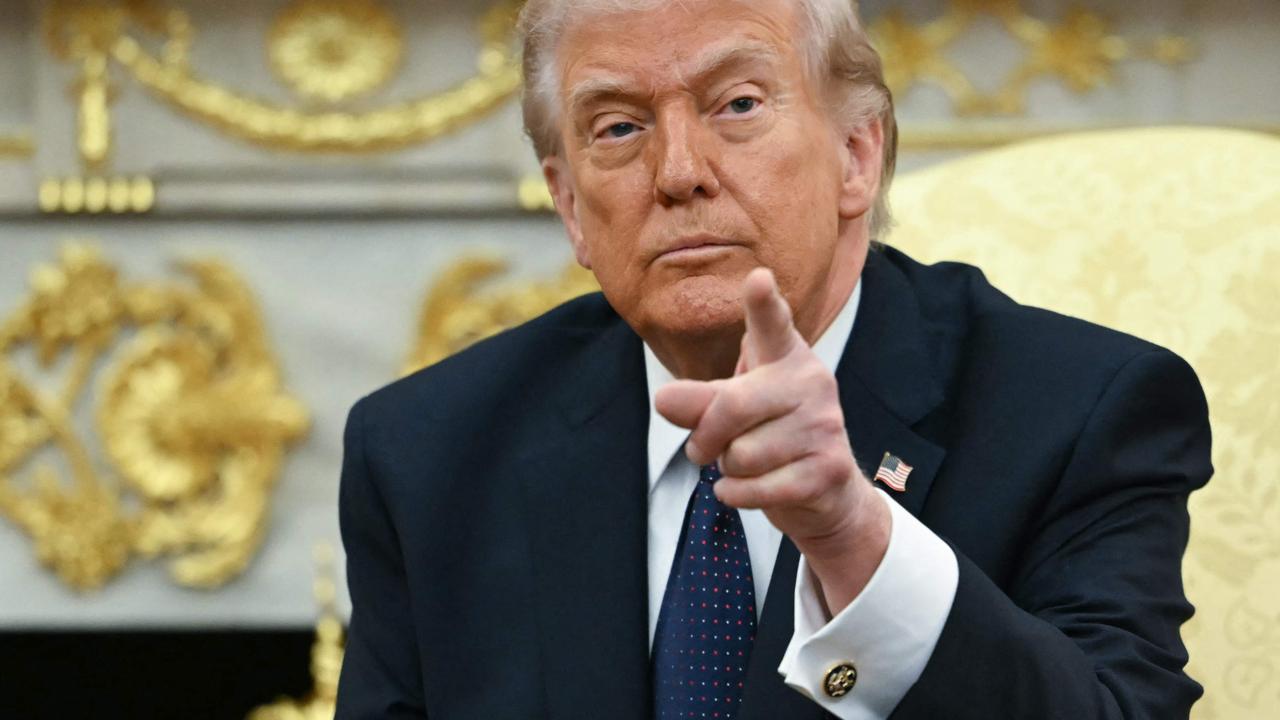
    Meanwhile, former US President Donald Trump claimed credit for Venezuela’s political transformations, announcing on his Truth Social platform that the country had “started the process, in a BIG WAY, of releasing their political prisoners.” Trump administration officials have pressed for access to Venezuela’s substantial oil reserves, though industry executives responded cautiously due to the country’s deteriorated infrastructure following years of mismanagement and sanctions.

    The geopolitical ramifications extended to Cuba, with Trump warning Havana to “make a deal” or face consequences as Venezuelan oil exports diminish. Cuban President Miguel Diaz-Canel responded defiantly, asserting Cuba’s sovereignty and readiness to “defend the homeland to the last drop of blood.”

    Despite organized demonstrations featuring approximately 1,000 supporters waving flags with Maduro’s image, the protests notably lacked participation from top figures within the former administration, signaling potential fractures within the political establishment.

  • Syria govt forces take control of Aleppo’s Kurdish neighbourhoods

    Syria govt forces take control of Aleppo’s Kurdish neighbourhoods

    Syrian government forces have established complete military control over Aleppo’s Kurdish neighborhoods following several days of intense armed conflict, marking a significant shift in the city’s power dynamics. The takeover culminated on Sunday with the evacuation of Kurdish fighters to autonomous regions in northeast Syria under international mediation.

    In the Ashrafiyeh district—the first area to fall under army control—residents cautiously returned to assess substantial property damage, navigating streets littered with shrapnel and shattered glass. Local merchant Yahya al-Sufi reported widespread looting and structural damage to homes, reflecting the violence that displaced civilians earlier in the week.

    The clashes originated from stalled negotiations regarding the integration of Kurdish autonomous administration into Syria’s central government framework. A Syrian security official disclosed that 419 Kurdish combatants, including 59 wounded, were transferred from Sheikh Maqsud neighborhood to Kurdish-controlled zones. Simultaneously, approximately 300 Kurds described variably as fighters or civilians were detained by authorities.

    Contrasting casualty figures emerged from different sources: Syrian officials reported 24 fatalities and 129 wounded since Tuesday, while the Britain-based Syrian Observatory for Human Rights documented 45 civilian deaths plus 60 combatant casualties from both sides. The monitor additionally alleged field executions and body burnings by government forces in Sheikh Maqsud—claims that remain unverified independently.

    The political dimension intensified as Kurdish leader Mazlum Abdi acknowledged international mediation efforts to halt violations against Kurdish communities. U.S. envoy Tom Barrack met with Syrian President Ahmed al-Sharaa, urging a return to dialogue based on last year’s integration agreement. Meanwhile, emotional scenes unfolded in Qamishli where evacuated fighters were greeted by crowds chanting vows of vengeance, accompanied by symbolic defacement of images representing Syrian, Turkish, and American leadership.

    This development echoes earlier phases of Syria’s civil war, particularly the 2016 battle for Aleppo that resulted in government recapture of the city. The current situation underscores ongoing tensions between Damascus’ centralization efforts and Kurdish demands for decentralized governance, with neighboring Turkey monitoring closely due to perceived connections between Kurdish forces and the PKK organization.

  • One person dead and 300 buildings destroyed in Australia bushfires

    One person dead and 300 buildings destroyed in Australia bushfires

    A devastating bushfire crisis has engulfed southeastern Australia, resulting in one confirmed fatality and the destruction of approximately 300 properties across multiple regions. The fires, which have been raging for several days primarily in Victoria state with additional outbreaks in New South Wales, have consumed land areas nearly double the size of Greater London.

    Victoria Premier Jacinta Allan confirmed that 30 active fires were burning across the state as of Sunday, with 10 posing particular concern to authorities. The blazes have already scorched approximately 350,000 hectares of land, prompting the declaration of a state of emergency. Thousands of firefighters supported by more than 70 aircraft are battling the infernos amid extremely hot, dry, and windy conditions that officials fear could sustain the fires for several weeks.

    Human remains were discovered in the village of Gobur, approximately 110 kilometers north of Melbourne, though the victim has not yet been formally identified. Premier Allan praised emergency workers who recovered the body under difficult circumstances, noting that the Gobur community was experiencing profound grief.

    The current fires represent the most severe bushfire event in southeastern Australia since the catastrophic 2019-2020 season that killed 33 people and destroyed an area equivalent to Turkey’s size. Smoke from the current blazes has significantly degraded air quality across Victoria, including metropolitan Melbourne.

    In a particularly tragic development, firefighter Tyrone Rice lost his own home in Harcourt while battling fires elsewhere. Describing the experience as “a kick in the guts,” Rice acknowledged he was neither the first nor last to endure such loss. Local fire captain Andrew Wilson characterized the destruction in Harcourt as “gut-wrenching,” with journalists reporting catastrophic damage where only tin roofs remained where houses once stood.

    While scientists note that linking individual wildfires directly to climate change remains complex due to land management factors, they emphasize that climate change is making the hot, dry conditions that fuel such fires increasingly common across Australia.

  • Fresh protests in Iran as internet blackout persists

    Fresh protests in Iran as internet blackout persists

    Iran’s capital witnessed renewed anti-government demonstrations Saturday night as a nationwide internet blackout entered its third day, raising international concerns about the severity of the regime’s crackdown on protesters. The protests, which began two weeks ago over economic grievances, have evolved into the most significant challenge to Iran’s theocratic government since the 2019 unrest, now featuring explicit calls for regime change.

    Verified footage from Tehran’s northern districts showed protesters igniting fireworks, banging pots, and chanting slogans supporting the ousted monarchy. Additional unverified videos circulating on social media indicated similar demonstrations occurring across multiple cities including Mashhad, Tabriz, Qom, and Hamedan, where one individual waved the pre-revolutionary lion-and-sun flag—a potent symbol of opposition.

    The digital blackout, described by internet monitor NetBlocks as a near-total connectivity shutdown since Thursday, has severely limited information flow, prompting rights organizations to warn of escalating violence. Amnesty International reported analyzing ‘distressing reports’ of security forces intensifying lethal measures against demonstrators, while Norway-based Iran Human Rights documented at least 51 fatalities, with actual numbers potentially higher based on hospital imagery from eastern Tehran.

    International reactions have intensified, with U.S. President Donald Trump proclaiming on Truth Social that ‘Iran is looking at FREEDOM, perhaps like never before’ and offering American assistance. The New York Times reported that Trump had received briefings on potential military options, though no decisions have been made regarding intervention.

    Iran’s leadership has responded with increasing defiance. Supreme Leader Ayatollah Ali Khamenei condemned protesters as ‘vandals’ doing America’s bidding during a Friday address, while the Iranian army issued statements vowing to ‘vigorously protect national interests’ against enemies seeking to ‘disrupt order and peace.’

    European leaders have called for restraint, with EU Commission President Ursula von der Leyen expressing support for Iranian protesters and condemning the ‘violent repression’ by authorities. The situation remains volatile as citizens report inability to conduct basic communications or work, with one Tehran resident characterizing the internet shutdown as ‘the price to pay before the victory of the people.’

  • ‘I feel free’: Australia’s social media ban, one month on

    ‘I feel free’: Australia’s social media ban, one month on

    Australia’s groundbreaking social media prohibition for users under 16 has yielded divergent outcomes one month after implementation, with some teenagers reporting liberation from digital addiction while others have found creative workarounds.

    The controversial legislation, enacted December 10th, mandates that platforms including Instagram, TikTok, Facebook, and Snapchat implement age verification systems or face staggering penalties up to A$49.5 million. The government initiative aims to shield young Australians from online predators, cyberbullying, and harmful content.

    Fourteen-year-old Amy represents the policy’s success stories. Her digital diary reveals a transformative journey: from instinctively reaching for Snapchat each morning to discovering newfound freedom without the pressure of maintaining ‘streaks’—the platform’s addictive feature requiring daily photo exchanges. ‘I now reach for my phone less and mainly use it when I genuinely need to do something,’ the Sydney teen reports, noting her screen time has halved since the ban.

    Conversely, 13-year-old Aahil demonstrates the regulations’ limitations. Using fabricated birthdates, he maintains access to YouTube and Snapchat while spending 2.5 daily hours on gaming platforms Roblox and Discord—neither prohibited under the current framework. His mother observes increased moodiness and gaming immersion, though acknowledges typical teenage development might contribute.

    Consumer psychologist Christina Anthony explains this behavioral divergence through compensatory theory: ‘When a familiar and emotionally rewarding activity is restricted, people don’t simply stop seeking that reward—they look for alternative ways to get it.’ This phenomenon manifested in pre-ban surges for obscure platforms Lemon8, Yope, and Coverstar, though downloads have since normalized.

    The ban has inadvertently stimulated migration to unregulated messaging services. WhatsApp and Facebook Messenger have become vital communication channels for teens whose friends lost social media access. This shift underscores Anthony’s observation that ‘the enjoyment doesn’t come from scrolling alone, but from shared attention.’

    Technical circumvention attempts proved largely unsustainable. Virtual Private Network (VPN) downloads spiked initially but returned to baseline levels as teens discovered social platforms could detect such tools and required creating entirely new accounts—losing established networks and content.

    Notably excluded gaming platforms now face scrutiny as potential alternative social spaces. Digital culture expert Mark Johnson notes while migration to platforms like Discord is plausible, gaming requires greater technical and cultural literacy than social media, creating natural barriers.

    The eSafety Commissioner will release comprehensive data on account deactivations in coming weeks. Meanwhile, government spokesperson maintains the policy is ‘making a real difference,’ with global leaders considering emulating Australia’s model. For now, families await long-term assessment of whether this digital intervention will ultimately produce healthier adolescent development.

  • Switzerland holds day of mourning after deadly New Year fire

    Switzerland holds day of mourning after deadly New Year fire

    Switzerland fell silent Friday in solemn remembrance of 40 victims, predominantly teenagers, who perished in a catastrophic New Year’s Eve blaze at the Le Constellation bar in Crans-Montana. The Alpine nation observed a minute of silence at 2:00 PM local time, followed by a synchronized chorus of church bells echoing across valleys and mountainsides.

    President Guy Parmelin, joined by French President Emmanuel Macron and Italian Prime Minister Giorgia Meloni, presided over a memorial ceremony in Martigny. The service drew top officials from Belgium, Luxembourg, Serbia, and the European Union, reflecting the international scope of the tragedy that claimed lives from 19 different nationalities.

    As heavy snowfall blanketed the resort town, investigators pursued critical questions about fire safety oversight. Prosecutors revealed no safety inspections had occurred at the establishment since 2019, prompting public outrage. The bar’s French owners, Jacques and Jessica Moretti, faced questioning on charges including manslaughter by negligence and bodily harm by negligence.

    Preliminary investigation suggests the inferno ignited when champagne bottles equipped with sparklers were raised too close to soundproofing foam on the ceiling. Disturbing video evidence depicts young revelers desperately breaking windows in attempts to escape the rapidly spreading flames.

    Of the 116 injured, 83 remained hospitalized as of Monday, with the most severely burned patients transferred to specialized treatment centers across Europe. A makeshift memorial featuring flowers, candles, and photographs of victims now stands protected beneath a temporary structure, preserving tributes to what President Parmelin described as ‘one of Switzerland’s worst tragedies.’

  • Iran rocked by night of protests despite internet blackout: videos

    Iran rocked by night of protests despite internet blackout: videos

    Iran experienced its most significant civil unrest in years on Thursday night as widespread protests erupted across multiple cities, defying a government-imposed internet blackout designed to suppress demonstrations. Videos verified by international news agencies show thousands of citizens flooding major boulevards in Tehran and regional centers, chanting anti-government slogans including “death to the dictator” in reference to Supreme Leader Ayatollah Ali Khamenei.

    The protests, now entering their second week, originated from public anger over deteriorating economic conditions and rising living costs but have evolved into broader anti-establishment demonstrations. Footage from numerous cities shows protesters setting fire to government buildings, including the regional state television headquarters in Isfahan and the governor’s building in Shazand, Markazi province.

    Internet monitoring organization Netblocks confirmed authorities implemented a near-total connectivity blackout late Thursday, reporting the country had been offline for over 12 hours in what appears to be a deliberate attempt to control information flow and suppress dissent. This digital censorship strategy mirrors previous government responses to civil unrest.

    The scale of protests represents the most substantial challenge to Iranian leadership since the 2022-2023 demonstrations triggered by the death of Mahsa Amini. Notably, security forces appeared restrained in some footage from Tehran, though rights groups have previously accused authorities of using lethal force against protesters in earlier clashes.

    Adding international dimension to the events, US-based Reza Pahlavi, son of Iran’s deposed shah, has openly supported the protests and called for continued demonstrations on Friday to further pressure the regime. The involvement of diaspora figures highlights the expanding nature of the anti-government movement.

  • 21 and bust: Alex de Minaur keeps Australia alive in the United Cup with incredible serving streak

    21 and bust: Alex de Minaur keeps Australia alive in the United Cup with incredible serving streak

    In a dramatic display of resilience and skill, Australian tennis star Alex de Minaur delivered a crucial victory for his nation at the United Cup in Sydney. Facing Poland’s formidable Hubert Hurkacz, de Minaur battled through three intense sets to secure a 6-4, 4-6, 6-4 win that leveled the competition between the two countries.

    The match began under immense pressure for de Minaur, who needed to win after compatriot Maya Joint suffered a decisive defeat against Polish world No. 2 Iga Swiatek earlier in the evening. Hurkacz, ranked world No. 5, immediately tested the Australian with relentless offensive play, creating nine break point opportunities in just the first four service games.

    De Minaur’s response was nothing short of extraordinary. After weathering the initial storm, he mounted a spectacular 21-point serving streak that demonstrated both technical precision and mental fortitude. Despite a temporary setback when Hurkacz claimed the second set, the Australian regrouped magnificently in the decider. A critical break of serve in the third game, achieved with a perfectly executed lob reminiscent of team captain Lleyton Hewitt, ultimately proved decisive.

    In the women’s singles, emerging talent Maya Joint faced a challenging encounter against reigning champion Iga Swiatek. The Polish superstar demonstrated why she’s considered one of the sport’s dominant forces, delivering a comprehensive 6-1, 6-1 victory. While Joint showed moments of emotional struggle during the match, she continued competing despite the overwhelming pressure from her accomplished opponent.

    The United Cup continues as both teams prepare for their next matches, with Australia’s campaign remaining alive thanks to de Minaur’s heroic performance before his home crowd.