标签: Oceania

大洋洲

  • Will Trump blink on Iran as pressure mounts?

    Will Trump blink on Iran as pressure mounts?

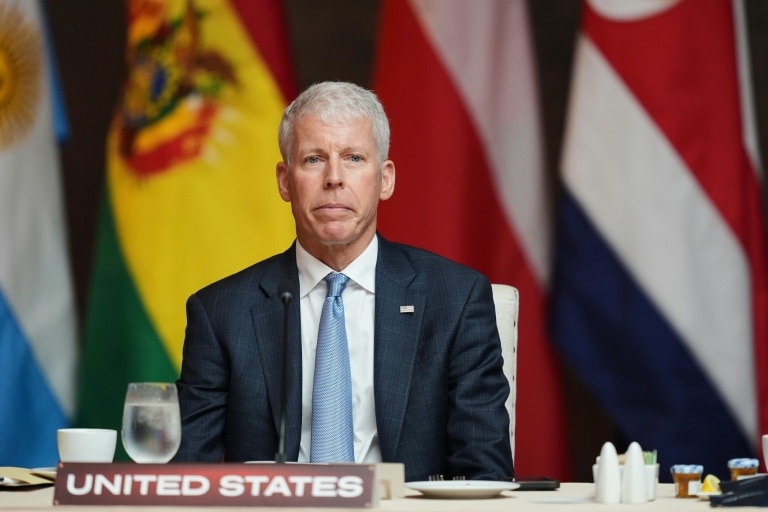
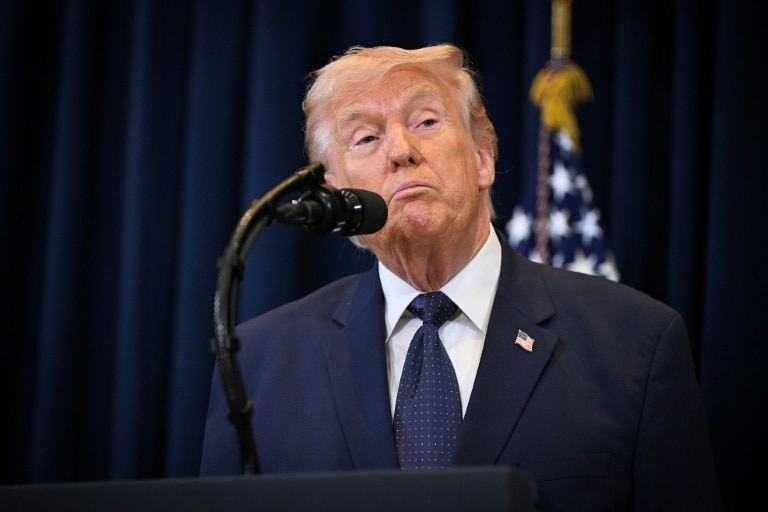
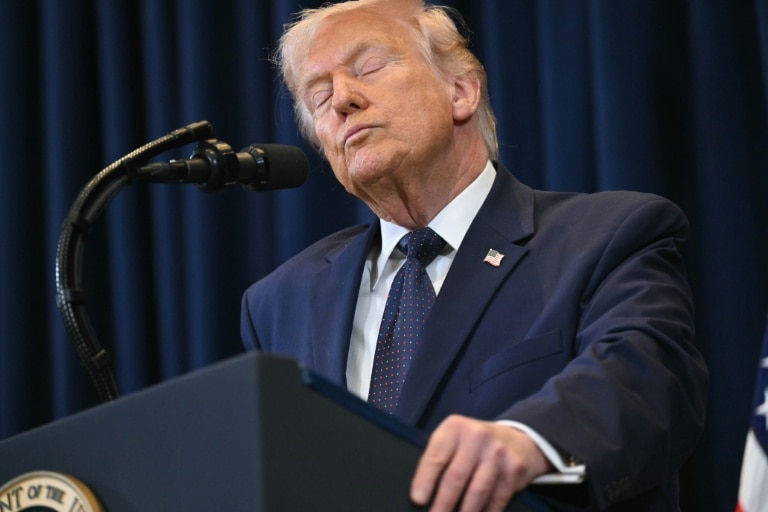
    As global oil prices surge and domestic political pressures intensify, President Donald Trump’s approach to the Iran conflict appears increasingly fluid. The commander-in-chief has offered contradictory timelines for the military engagement, initially suggesting a four-to-five week campaign before recently characterizing operations as a “very complete” and “short-term excursion.

    This rhetorical shift occurs against a backdrop of concerning economic indicators and precarious midterm election prospects for the Republican Party. Historically low public support for the war compounds these challenges, with fuel prices potentially exacerbating voter discontent over living costs.

    Analysts interpret Trump’s ambiguous messaging as evidence of the so-called “TACO” phenomenon (Trump Always Chickens Out), suggesting the president seeks an exit strategy that preserves political capital. Colin Clarke of the Soufan Center predicts an intensive two-week military push followed by a declaration of victory, regardless of tangible outcomes.

    The administration’s stated objectives remain equally inconsistent, ranging from unconditional surrender and regime change to securing Gulf oil flows. Officially documented military goals include denuclearization, elimination of ballistic missile capabilities, and curbing regional proxy influence—targets that might provide face-saving justification for disengagement.

    Tehran’s response has been characteristically defiant despite significant infrastructure damage from joint US-Israeli strikes. Iranian leadership has mocked Trump’s timeline assertions and threatened Gulf oil supply disruptions. Meanwhile, Israel pursues its own strategic priorities, including energy infrastructure attacks that may not align with Washington’s broader calculations.

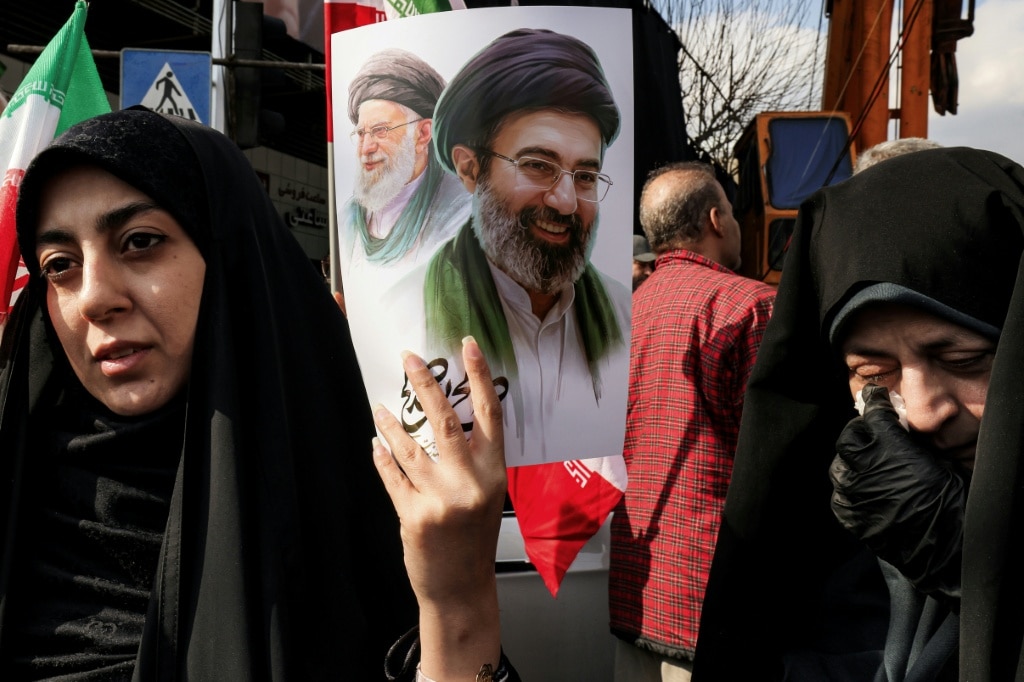
    The succession of Ayatollah Mojtaba Khamenei following his father’s death presents additional complications. Without visible internal resistance to the new leadership, Operation Epic Fury risks being remembered as superficial military posturing rather than transformative action.

    Experts warn that incomplete resolution could yield perilous consequences: a wounded Iranian regime potentially accelerating nuclear ambitions while ethnic insurgencies destabilize the broader Middle East. The administration thus faces not merely political calculations, but decisions that could reshape regional security architectures for decades.
  • Two more connected to Iranian football team stay in Australia, BBC understands

    Two more connected to Iranian football team stay in Australia, BBC understands

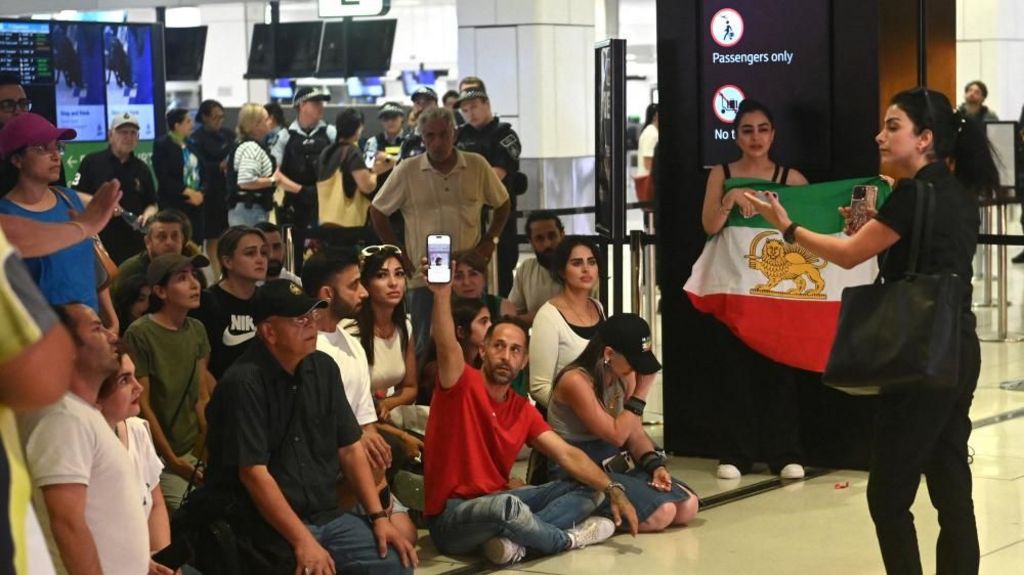
    In a dramatic development at Sydney Airport, two additional members of Iran’s women’s football team have remained in Australia after refusing to board their departure flight, according to BBC reports. The individuals—believed to be one player and one technical staff member—join five teammates previously granted humanitarian visas by the Australian government.

    The situation unfolded as the team prepared to return home following their elimination from the Asian Cup tournament held on the Gold Coast. Australian-Iranian community activists gathered at the airport to support team members seeking refuge, claiming some players had signaled for help during the tournament.

    Australian Home Affairs Minister Tony Burke confirmed through ABC that Border Force officials had conducted ‘multiple representations to the team, including private meetings’ before their scheduled departure. The humanitarian visa program offers permanent protection, allowing recipients to live, work and study in Australia.

    The political context became apparent when players initially refused to sing Iran’s national anthem before their match against South Korea, prompting safety concerns. Although the team subsequently sang the anthem in their final two games, critics believe government officials within the delegation forced their participation.

    Iranian state media commentators have labeled the players ‘wartime traitors,’ raising concerns about potential repercussions for them and their families upon returning to Iran. The situation attracted international attention when former US President Donald Trump intervened via Truth Social, offering US asylum if Australia declined protection.

    Australian Prime Minister Anthony Albanese expressed national solidarity, stating ‘Australians have been moved by the plight of these brave women. They’re safe here, and they should feel at home here.’

    The five players already granted protection—Fatemeh Pasandideh, Zahra Ghanbari, Zahra Sarbali, Atefeh Ramazanzadeh, and Mona Hamoudi—have been relocated to secure locations under police supervision. Minister Burke emphasized these athletes ‘want to be clear they are not political activists. They are athletes who want to be safe.’

  • Ukraine says hit ‘key’ Russian military factory in missile strike

    Ukraine says hit ‘key’ Russian military factory in missile strike

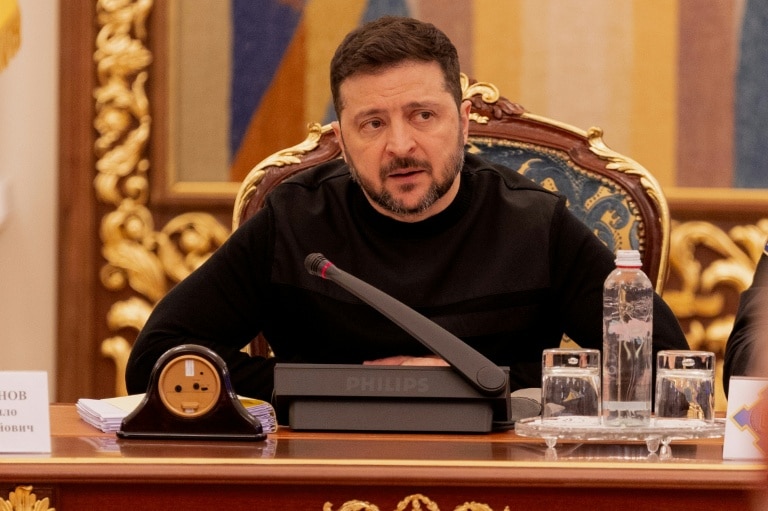
    In a significant escalation of cross-border strikes, Ukrainian forces targeted a critical Russian military manufacturing facility in the western city of Bryansk on Tuesday. President Volodymyr Zelensky confirmed the operation, characterizing it as a justified retaliatory measure against Russia’s sustained assault campaign.

    The targeted facility, identified as the Kremniy El microelectronics plant, specializes in producing sophisticated semiconductor components and integrated microchips that serve as essential guidance systems for Russian missile arsenals, including Iskander ballistic missiles. Ukrainian military officials disclosed that the strike was executed using British-supplied Storm Shadow air-launched cruise missiles, which reportedly inflicted substantial damage to production infrastructure.

    Russian authorities reported contrasting casualty figures, asserting the attack resulted in six civilian fatalities and at least thirty-seven injuries—claims that Ukraine has not formally addressed. Regional Governor Aleksandr Bogomaz confirmed the wounded were receiving medical treatment at Bryansk Regional Hospital.

    This strategic operation occurs against the backdrop of intensified military engagements in eastern Ukraine’s Donbas region, where Russian strikes recently killed four individuals in the town of Sloviansk. Simultaneously, diplomatic efforts continue as the United States proposes renewed trilateral negotiations between Russia and Ukraine, potentially scheduled for next week in Switzerland or Turkey according to President Zelensky’s statements.

  • US energy secretary’s post saying US escorted tanker in Hormuz deleted

    US energy secretary’s post saying US escorted tanker in Hormuz deleted

    A brief social media post by US Energy Secretary Chris Wright claiming American naval forces had escorted an oil tanker through the volatile Strait of Hormuz triggered significant market turbulence before being abruptly deleted Tuesday. The unexplained deletion occurred mere minutes after publication, amplifying uncertainty in already jittery energy markets.

    The incident unfolded against the backdrop of ongoing US-Israel military operations against Iran that commenced on February 28. Oil prices initially plummeted following Wright’s assertion, only to partially recover once the post disappeared from his official account. Neither the Energy Department nor the Pentagon provided immediate clarification regarding the controversial post.

    Maritime traffic analysis reveals dramatically altered patterns in the critical waterway since hostilities began. Where approximately 138 vessels previously transited daily, only around 20 commercial ships have been detected crossing the strait since March 2, with many navigating with disabled transponders to conceal their positions. Among those transmitting signals, nine were identified as oil tankers alongside two liquefied natural gas carriers.

    The Trump administration has implemented measures to stabilize global energy markets, including offering reinsurance to shipping companies and promising naval escorts. However, Wright’s deleted message marked the first official suggestion that such escorts had actually occurred, as no US naval escort operations had been previously confirmed.

    Crude oil has experienced extreme volatility, surging to nearly $120 per barrel before retreating amid conflicting signals from the administration. While President Trump hinted at potential de-escalation, Defense Secretary vows of intensified strikes created additional market uncertainty. The conflict has already targeted Iranian oil depots and energy infrastructure in traditionally stable Gulf nations, reshaping regional security perceptions.

  • Russia committed ‘crimes against humanity’ in deporting Ukrainian children: UN inquiry

    Russia committed ‘crimes against humanity’ in deporting Ukrainian children: UN inquiry

    A landmark United Nations investigation has concluded that Russia’s systematic deportation and forcible transfer of Ukrainian children constitutes a crime against humanity. The UN’s Independent International Commission of Inquiry on Ukraine presented these findings Tuesday, revealing evidence of thousands of children removed from occupied territories since the full-scale invasion began in February 2022.

    The commission has documented 1,205 confirmed cases, with an alarming 80% of these children remaining in Russia four years after their displacement. Investigators determined that Russian authorities have established no effective system for repatriation, instead focusing on long-term placement with Russian families or institutions while withholding information from relatives about the children’s whereabouts and status.

    The report explicitly cites the involvement of President Vladimir Putin, noting his direct authority over entities executing this policy since its inception. This finding reinforces the International Criminal Court’s 2023 arrest warrant against Putin for alleged unlawful deportation of Ukrainian children—a highly sensitive issue in ongoing peace negotiations between Kyiv and Moscow.

    Russia maintains that these transfers were protective measures to safeguard children from hostilities, but the UN commission found these actions violated international law and were “not guided by the best interests of the child.”

    Additionally, the investigation uncovered systematic evidence fabrication and fair trial violations in Russian proceedings related to the Ukraine conflict. The report also detailed extreme violence against international recruits from 17 countries who were deployed as frontline combatants, often through deception and under conditions described as “cannon fodder” treatment.

    Regarding Ukraine, the commission expressed concern about the broad interpretation of “collaboration” crimes and reports of violent treatment toward conscientious objectors during mobilization. Moscow continues to deny recognition of the commission and refuses to respond to its requests for access and information.

  • Italy buys rare Caravaggio portrait for 30 million euros

    Italy buys rare Caravaggio portrait for 30 million euros

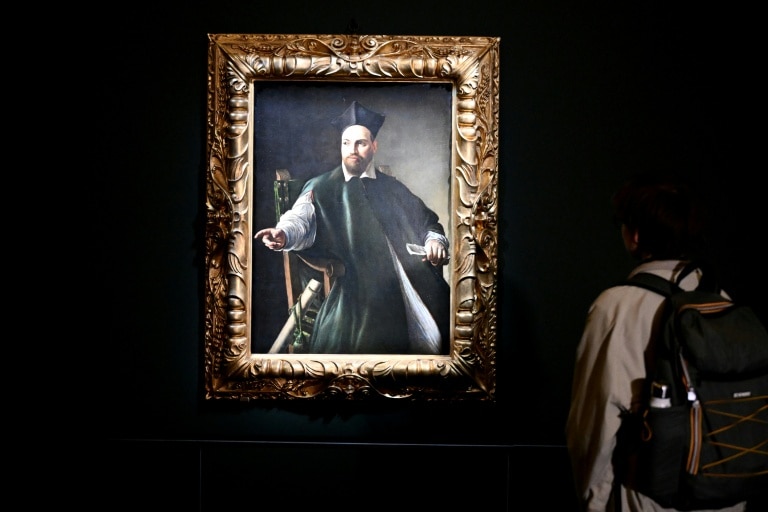
    In a monumental cultural acquisition, the Italian government has finalized the purchase of a rare Caravaggio portrait for €30 million, marking one of the most significant public art investments in the nation’s modern history. The artwork, a striking portrait of Monsignor Maffeo Barberini—who would later ascend to the papacy as Urban VIII—was executed by the Renaissance master Michelangelo Merisi da Caravaggio during the subject’s thirties, predating his papal election in 1623.

    The Italian Ministry of Culture confirmed the transaction on Tuesday, announcing that the painting will become a permanent centerpiece of the Barberini Museum collection in Rome. Culture Minister Alessandro Giuli hailed the acquisition as ‘a work of exceptional importance,’ emphasizing its role in a broader national strategy to enhance Italy’s cultural patrimony, following the recent purchase of Antonello da Messina’s ‘Ecce Homo.’

    Authenticated in 1963 by renowned art historian Roberto Longhi, the portrait had remained in private hands until now. Its previous owners permitted a historic public display at Palazzo Barberini—the noble family’s historic Roman residence—for a special Caravaggio exhibition running from November 2024 through February 2025. Museum director Thomas Clement Salomon described the loan as ‘exceptional,’ noting it marked the artwork’s first-ever museum appearance.

    The composition depicts Barberini seated, clutching a letter in his left hand while gesturing pointedly toward the viewer with his right. Among the approximately 65 works securely attributed to Caravaggio worldwide, portraits are exceedingly rare, with only three universally accepted by scholars. This acquisition not only preserves a masterpiece but strengthens the narrative continuity between Barberini’s secular life and his eventual papacy, which spanned from 1623 until his death in 1644.

  • War in the Middle East: latest developments

    War in the Middle East: latest developments

    The Middle East conflict entered a perilous new phase as the United States announced its most intensive day of airstrikes within Iran since hostilities commenced ten days ago. US Defense Secretary Pete Hegseth confirmed the escalation during a Pentagon briefing, signaling a sharp intensification of military operations.

    Diplomatic fissures emerged as German Chancellor Friedrich Merz expressed grave concern over the apparent lack of a coordinated end strategy between the US and Israel. “We share many of these goals, but with each day of the war, more questions arise,” Merz stated, highlighting European apprehensions about the conflict’s trajectory.

    The regional violence expanded significantly with a drone attack igniting fires in Abu Dhabi’s industrial sector, though Emirati authorities reported no casualties. Simultaneously, Israeli forces launched fresh strikes against Tehran, with explosions reported across the Iranian capital and damage to Kerman airport infrastructure.

    Iranian officials remained defiant, with Security Chief Ali Larijani dismissing US threats as “empty” and warning Washington to “take care of yourself not to be eliminated!” despite American promises of heightened retaliation if oil flows through the Strait of Hormuz were disrupted.

    The economic dimension intensified as Saudi Aramco CEO Amin H. Nasser warned of potentially “catastrophic consequences” for global oil markets, emphasizing the critical need to resume shipping through the strategic strait. Meanwhile, oil prices dropped approximately 8% following statements from US leadership suggesting the conflict was nearing completion.

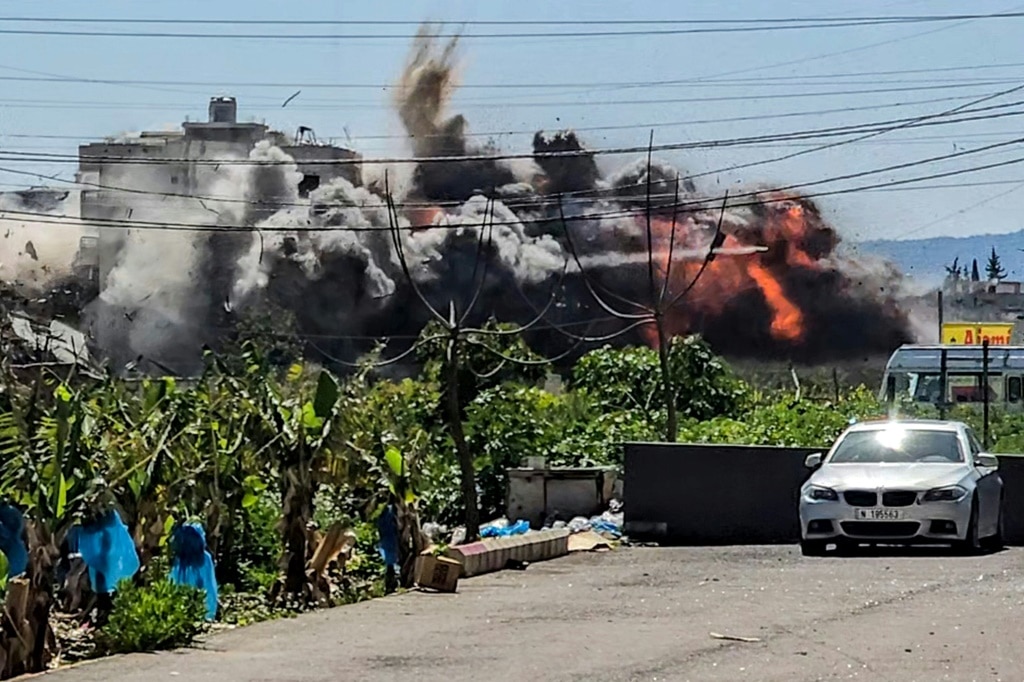
    Humanitarian concerns mounted with the UN reporting over 100,000 displaced persons in Lebanon within 24 hours as Israeli strikes targeted Hezbollah positions. In a contrasting development, Azerbaijan delivered humanitarian aid to Iran despite recent hostilities between the nations.

    The diplomatic landscape further deteriorated as Iran’s foreign minister declared negotiations with the US “not on our agenda anymore,” citing previous “bitter experience” during talks. Regional security measures intensified with Turkey deploying US-made Patriot missile systems following NATO’s interception of Iranian ballistic missiles in Turkish airspace.

  • Iran vows to fight on and block all Gulf oil

    Iran vows to fight on and block all Gulf oil

    In a dramatic escalation of Middle East tensions, Iran has declared an absolute blockade on all Gulf oil exports for the duration of its ongoing conflict with the United States and Israel. The Islamic Revolutionary Guard Corps (IRGC) issued a stark warning that “not a single litre of oil” would leave the region until further notice, directly challenging President Donald Trump’s assertion that the conflict was nearing its conclusion.

    The confrontation has triggered significant volatility in global energy markets, with oil prices briefly surging past $100 per barrel before retreating following Trump’s optimistic statements. European gas markets opened 15% lower after the president’s comments, while Asian stock markets showed tentative recovery from Monday’s substantial losses.

    Iranian Foreign Minister Abbas Araghchi explicitly ruled out further diplomatic engagement with Washington, citing previous attacks during ongoing negotiations. “We are well prepared to continue attacking them with our missiles as long as needed,” Araghchi stated in an interview with PBS News, emphasizing Tehran’s determination to continue military operations.

    President Trump responded with characteristically forceful language, warning on his social media platform that continued Iranian interference with oil exports would trigger devastating retaliatory strikes that would make reconstruction “virtually impossible.” His remarks alternated between claiming victory and threatening “Death, Fire, and Fury” upon Iran.

    The conflict has drawn in regional and global powers, with Egypt implementing fuel price increases up to 30%, Pakistan offering naval escorts for commercial shipping, and NATO deploying Patriot missile systems to Turkey after ballistic missile incidents. France announced plans for a “purely defensive” mission to reopen the strategic Strait of Hormuz, through which approximately 20% of global crude oil typically transits.

    Meanwhile, Israeli Prime Minister Benjamin Netanyahu expressed hope that military pressure would inspire the Iranian people to “cast off the yoke of tyranny,” as fighting spread to Lebanon and northern Iraq, where Tehran-backed militias reported casualties from aerial bombardments.

  • Trump says will waive some oil sanctions as Iran war roils markets

    Trump says will waive some oil sanctions as Iran war roils markets

    In a significant policy shift addressing global energy market turmoil, U.S. President Donald Trump announced Monday his administration would temporarily suspend certain oil-related sanctions to increase supply and curb rising prices. The decision comes as military confrontations between U.S.-Israeli forces and Iran, including Tehran’s retaliatory strikes across the Gulf region, have severely disrupted energy and transportation sectors, bringing vital shipping activities in the Strait of Hormuz to a virtual standstill.

    Speaking after discussions with Russian President Vladimir Putin, Trump revealed the sanctions relief strategy without specifying which countries would benefit. ‘We’re waiving certain oil-related sanctions to reduce prices,’ Trump stated, adding that Chinese President Xi Jinping was also part of these considerations. The administration may maintain this sanctions relief if regional conflicts resolve satisfactorily, with Trump remarking, ‘Maybe we won’t have to put them on. There’ll be so much peace.’

    The announcement follows earlier temporary authorization for India to purchase Russian oil and comes as the Treasury Department, under Secretary Scott Bessent, considers expanding sanctions relief for Russian oil exports. These measures authorize transactions through April 3, 2026, including from vessels previously blocked under various sanctions regimes.

    Analysts suggest the policy reflects administration concerns about the economic impact of soaring crude prices on American consumers ahead of crucial midterm elections. The Carnegie Russia Eurasia Center noted that conflicts with Iran and Venezuela have inadvertently benefited Russia by redirecting major importers toward Russian oil. ‘Now that those supplies are compromised, the primary beneficiary is Russia, which is ready to increase oil exports to China,’ the center observed, adding that Trump’s actions highlight how ‘the only reliable option is pipelines and roads from Russia.’

    The sanctions waiver presents a complex dilemma for Washington, balancing global energy market stability against efforts to limit Russian revenues amid the ongoing conflict in Ukraine. Russian oil and gas revenues hit a five-year low in January as Western sanctions continue affecting the nation’s economy.

  • Western Australia has selected its successor to accomplished coach Adam Voges

    Western Australia has selected its successor to accomplished coach Adam Voges

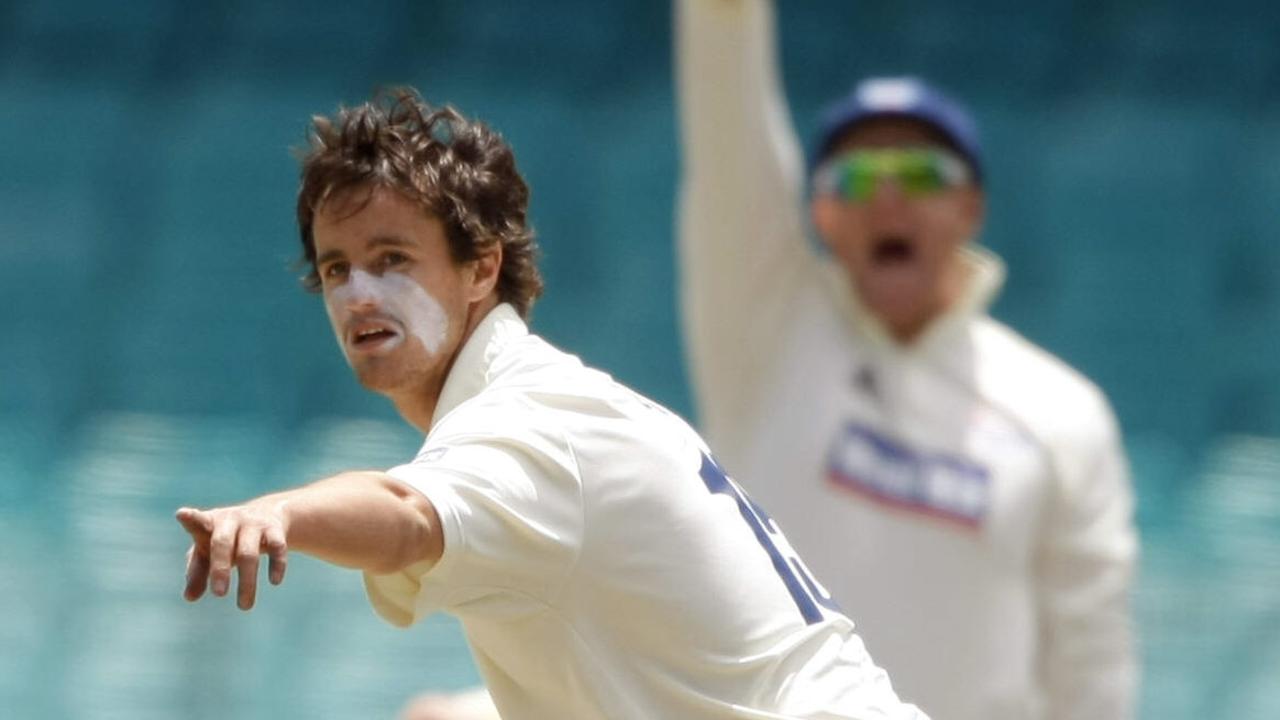
    In a significant development for Australian domestic cricket, former Test spinner Beau Casson has been officially named as the new head coach of Western Australia’s men’s cricket team. The 43-year-old, who represented Australia in a single Test match in 2008 and made 53 first-class appearances for both Western Australia and New South Wales during his playing career, emerged as the successful candidate following an extensive selection process.

    Casson’s appointment comes after he served as a highly-valued assistant to departing coach Adam Voges, who announced his resignation in November after establishing one of the most successful records in Australian domestic coaching history. Despite not securing Sheffield Shield or One Day Cup victories this season, Voges was instrumental in crafting WA’s golden three-year period of success.

    The newly appointed coach has built an impressive coaching resume since transitioning from his playing career, taking on various assistant and pathway roles in Sydney before returning to Western Australia. Industry sources revealed that Tim MacDonald, another of Voges’ assistants, did not formally apply for the position in a show of support for Casson’s candidacy.

    At Tuesday’s official announcement alongside general manager Kade Harvey and chief executive John Stephenson, Casson expressed his enthusiasm for the new role: ‘I am excited to be given the opportunity to take on the position of head coach. I’ve thoroughly enjoyed working with Adam Voges and the coaching staff over the past seven seasons and take pride in our collective achievements during that period.’

    Casson emphasized his commitment to continuing Voges’ legacy while implementing his own vision: ‘Adam created an environment that brought out the best in all our players, which is something I’m looking forward to building upon. I want our players to strive for excellence and have the best opportunity to push for higher honors. I’m confident we have the playing group that can bring WA more success in both formats of the game.’

    This coaching appointment occurs amidst potential widespread changes across Australia’s domestic coaching landscape. Brad Haddin has emerged as the favorite to coach New South Wales following the dismissal of veteran mentor Greg Shipperd, while Queensland coach Johan Botha faces increasing pressure despite the Bulls being Victoria’s only challenger in the Shield competition this summer. Meanwhile, Chris Rogers’ contract situation in Victoria remains unresolved despite coaching a near-perfect Shield campaign to date.