标签: Oceania

大洋洲

  • Australian housing market reaches $12.3 trillion milestone

    Australian housing market reaches $12.3 trillion milestone

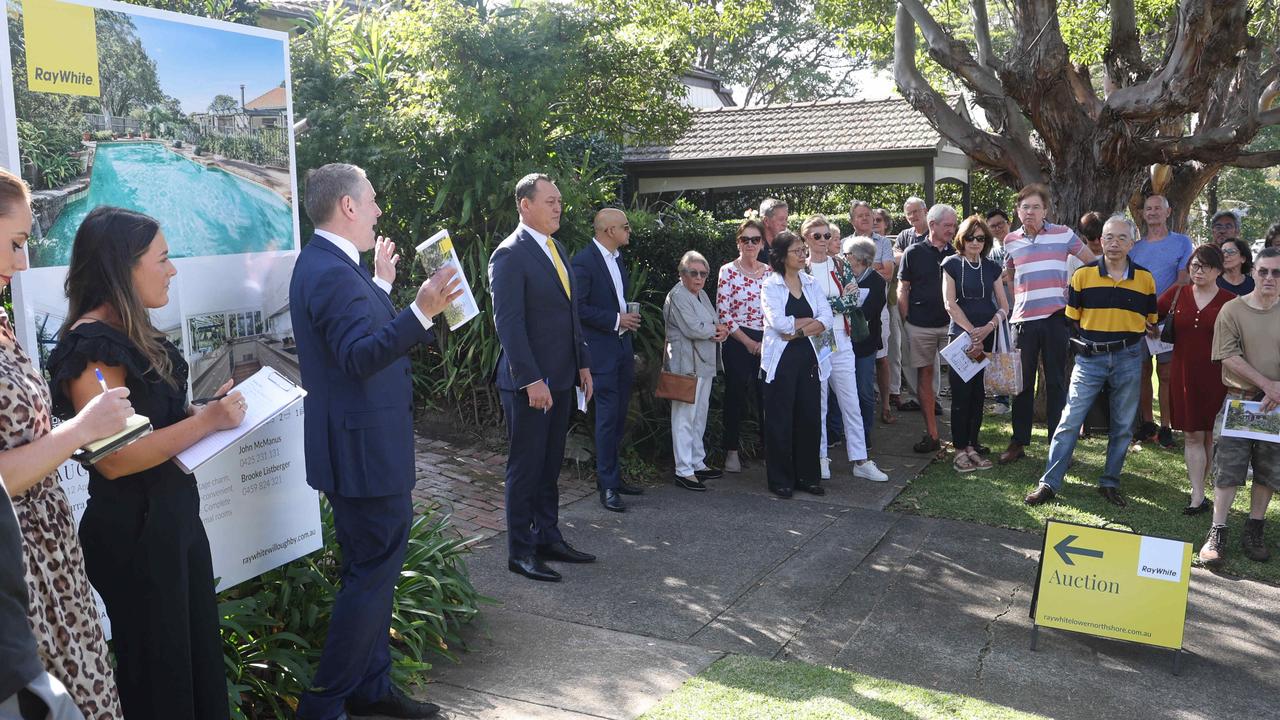
    Australia’s residential property market has achieved an unprecedented valuation benchmark, soaring beyond $12 trillion for the first time in history. According to the latest data from the Australian Bureau of Statistics (ABS), the sector experienced its thirteenth consecutive quarter of expansion since September 2022, culminating in a remarkable $384.8 billion increase during the final quarter of 2025 alone.

    The national mean dwelling price escalated by 2.7 percent to reach $1.074 million, with every state and territory recording positive growth. Western Australia emerged as the standout performer with quarterly gains of $70,500, followed by Queensland ($48,800) and South Australia ($40,800). New South Wales maintained its position as the most expensive market with mean prices reaching $1.301 million after a 1.7 percent quarterly increase.

    ABS Head of Financial Statistics Mish Tan highlighted that Western Australia’s annual growth of 16.8 percent significantly outpaced other regions, pushing its mean dwelling price above the $1 million threshold for the first time. This development makes Western Australia the third state to join the million-dollar club alongside New South Wales and Queensland.

    Despite the expanding housing stock, which grew by 54,100 dwellings to reach 11.45 million properties, supply continues to lag behind demographic demands. Westpac’s Consumer Chief Executive Carolyn McCann characterized the supply shortage as a ‘national emergency,’ emphasizing that limited availability creates substantial barriers for prospective homeowners. McCann advocated for accelerated construction of appropriately priced homes to ensure housing accessibility remains achievable for future generations.
  • Viral drone video fuels debate about Rio favela tourism

    Viral drone video fuels debate about Rio favela tourism

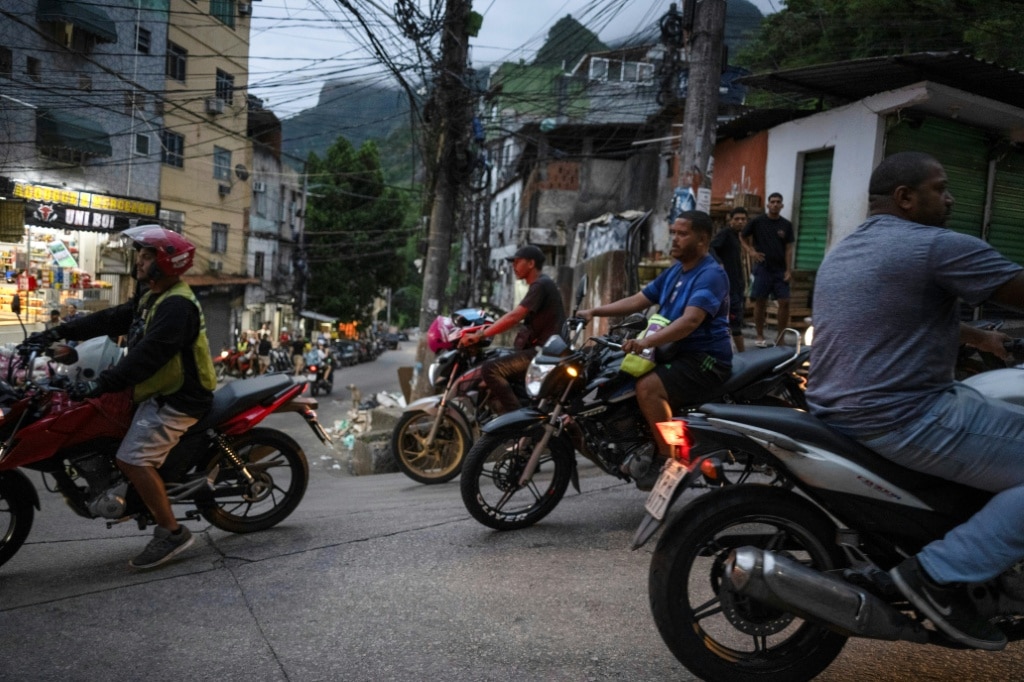
    A viral drone video showcasing panoramic views of Rio de Janeiro’s Rocinha favela has ignited intense social media debate, coinciding with the city’s record-breaking tourism surge. The footage captures tourists primping and posing on a rooftop dubbed ‘Porta do Ceu’ (Gate of Heaven), set to an infectious rhythm that has garnered millions of views. While proponents argue it showcases community resilience, critics condemn it as poverty tourism that glamorizes structural inequalities.

    The video’s popularity has transformed this hillside community into an unexpected influencer hotspot, attracting international visitors and even marriage proposals. Access to the iconic rooftop requires guided tours through Rocinha’s labyrinthine alleyways, costing approximately $30 per drone selfie with wait times exceeding two hours. Brazilian influencer Ingrid Ohara, with over 32 million combined followers, defended her participation: ‘This showcases our culture and country to the world.’

    Behind the spectacle lies a carefully engineered safety system. Local entrepreneur Renan Monteiro developed monitored tourist routes and a real-time tracking app after past tragedies, including the 2017 fatal shooting of a Spanish tourist during police operations. His company trains local guides and drone pilots, while compensating residents for rooftop access. ‘We’re combating prejudice, not romanticizing poverty,’ Monteiro insists, noting the initiative has created 300 local guiding jobs.

    The debate reflects deeper tensions about representation and economic opportunity. While cleaner Claudiane Pereira dos Santos welcomes the tourist ‘frenzy’ that challenges negative stereotypes, researchers like Cecilia Olliveira of the Fogo Cruzado Institute warn against reducing complex communities to ‘exotic backdrops for impactful content.’ As Rio welcomes unprecedented visitor numbers—290,000 international tourists in January alone—the drone footage continues fueling discussions about ethical tourism in marginalized communities.

  • No Mbappe, no chance? Real Madrid on ropes against Man City

    No Mbappe, no chance? Real Madrid on ropes against Man City

    Real Madrid confronts an unprecedented underdog status as they prepare to host Manchester City in Wednesday’s Champions League round of 16 first leg at Santiago Bernabeu. The record 15-time champions face this critical encounter without their offensive trifecta—Kylian Mbappé, Jude Bellingham, and Rodrygo Goes—all sidelined by injuries, compounding the team’s inconsistent form under manager Álvaro Arbeloa.

    Manchester City arrives as clear favorites, having previously defeated Madrid during the group stage in Spain’s capital. The Premier League giants have further strengthened their squad with January acquisitions Antoine Semenyo and Marc Guehi, while midfield anchor Rodri returns to fitness after overcoming long-term injury concerns.

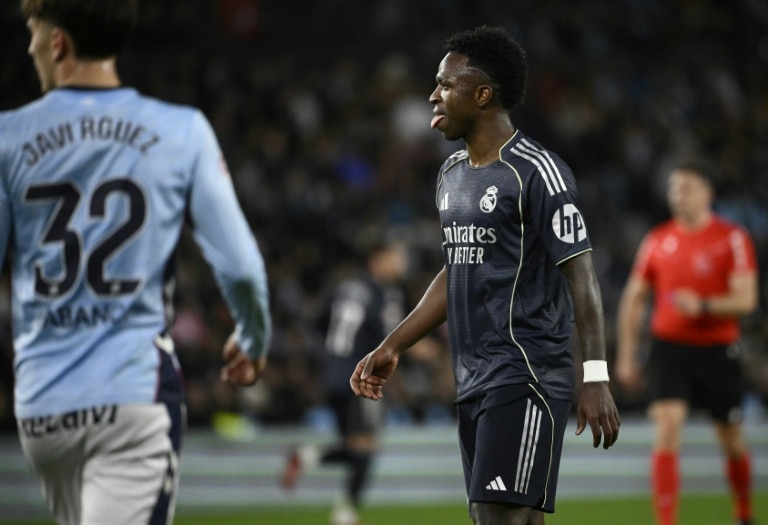
    Arbeloa’s primary achievement since assuming leadership has been revitalizing winger Vinícius Júnior, who now embodies Madrid’s most potent threat against City’s formidable defense. The Brazilian playmaker delivered a decisive performance against Benfica in the playoff round despite confronting alleged racial abuse from opponent Gianluca Prestianni, who denies the accusations.

    Fatigue concerns shadow Vinícius, who admitted feeling “a little tired” following Friday’s narrow 2-1 La Liga victory over Celta Vigo—a match requiring a deflected 95th-minute strike from Federico Valverde to secure points. Meanwhile, Pep Guardiola strategically rested prolific striker Erling Haaland during City’s FA Cup triumph over Newcastle, highlighting the contrasting squad depth between these European powerhouses.

    Madrid’s injury crisis extends beyond their attacking absentees, with defenders Éder Militão and Álvaro Carreras joining midfielder Dani Ceballos on the treatment table. David Alaba remains doubtful, creating additional defensive vulnerabilities that City may exploit—particularly targeting right-back Trent Alexander-Arnold’s defensive limitations after Celta successfully penetrated his flank last week.

    Arbeloa publicly appealed to Madrid’s supporters, who have occasionally criticized players this season, to generate an inspirational atmosphere at Bernabeu: “We need them on Wednesday, and they know it better than anyone. It’s a Champions League night against one of the biggest clubs in world football right now.”

    Historical context reveals an evenly balanced rivalry: each club has secured five victories alongside five draws across 15 previous encounters. This two-legged confrontation will become the third most-played fixture in Champions League history. While Madrid traditionally demonstrates resilient comebacks in European competitions, this matchup presents their most daunting challenge in recent knockout history.

    Amid speculation about Mbappé’s potential surprise return—after his hat-trick against City last season—Spanish reports indicate both he and Bellingham are targeting the second leg for possible comebacks. For Wednesday’s match, Madrid must rely on the defensive solidity provided by Aurélien Tchouaméni and Valverde to contain Haaland and City’s multifaceted attacking machinery.

  • Victorian government crackdown on ‘price gouging’ servos

    Victorian government crackdown on ‘price gouging’ servos

    The Victorian government has enacted groundbreaking legislation to shield consumers from volatile fuel pricing practices, implementing a mandatory daily price disclosure system for all service stations across the state. Effective immediately, fuel retailers must lock in and register their next day’s pricing by 2:00 PM daily, with these rates becoming publicly available through the government’s Servo Saver application by 4:00 PM.

    Premier Jacinta Allan unveiled these measures as a direct response to concerns about opportunistic pricing during global oil market instability. ‘How often do you see a cheap price in the morning, only for it to jump in the afternoon?’ Premier Allan stated during the announcement. ‘We’re stopping families from getting ripped off at the servo and helping them save hundreds a year.’

    The regulatory framework establishes that once prices are set and published, they must remain fixed for a full 24-hour period beginning at 6:00 AM the following day. While retailers retain the flexibility to reduce prices during this window, any increase beyond the registered rate constitutes a violation of the new regulations.

    Enforcement mechanisms include significant financial penalties for non-compliance. Service stations failing to register or accurately report their prices face fines exceeding $3,000 per individual breach, with court actions potentially resulting in penalties surpassing $24,000. The legislation empowers authorities to monitor pricing practices closely and take immediate action against retailers exploiting market fluctuations for excessive profit.

    This consumer protection initiative represents one of Australia’s most comprehensive fuel market regulations, designed to create pricing predictability and prevent the sudden price surges that have characterized Victoria’s fuel retail landscape. Government officials emphasize that these measures will provide households with greater budgeting certainty while promoting fair competition among fuel retailers.

  • Live Nation settles antitrust case with US Justice Dept, states object

    Live Nation settles antitrust case with US Justice Dept, states object

    Live Nation Entertainment, the corporate behemoth behind Ticketmaster, has reached a tentative settlement with the U.S. Department of Justice to resolve a sweeping federal antitrust lawsuit. The agreement, announced Monday, must still receive approval from U.S. District Judge Arun Subramanian.

    The settlement mandates significant structural changes to Live Nation’s operations. The company will be required to divest its ownership in up to 13 amphitheaters and pay $280 million in damages to nearly 40 participating states. Crucially, the agreement opens Live Nation’s ticketing platform to competitors and permits rival promoters to stage events at certain Live Nation-controlled venues—measures Justice Department officials believe will increase competition and potentially reduce ticket prices for consumers.

    Despite the federal settlement, several states including New York have declined to join the agreement. New York Attorney General Letitia James characterized the settlement as insufficient, stating it “fails to address the monopoly at the center of this case” and would “benefit Live Nation at the expense of consumers.” Her office announced plans to continue litigation against the company independently.

    Live Nation President and CEO Michael Rapino welcomed the agreement, calling it a “major step in improving the concert experience for artists and fans throughout the United States.” He emphasized that the settlement would provide artists with greater flexibility in choosing promotional partners while keeping concerts affordable for fans.

    The original case, initiated under the Biden administration, accused Live Nation of maintaining an illegal monopoly that controlled virtually all aspects of live entertainment in the United States. The company’s dominance extends to promotion, venue ownership through stakes in 460 venues, and ticketing through its control of Ticketmaster since 2010.

    Market reaction was immediately positive, with Live Nation shares surging more than 6% on the New York Stock Exchange following the announcement. The settlement talks continue with some holdout states, according to Justice Department officials who expressed hope for broader agreement.

  • Former ARN worker reveals chat with Jackie O after split with Kyle

    Former ARN worker reveals chat with Jackie O after split with Kyle

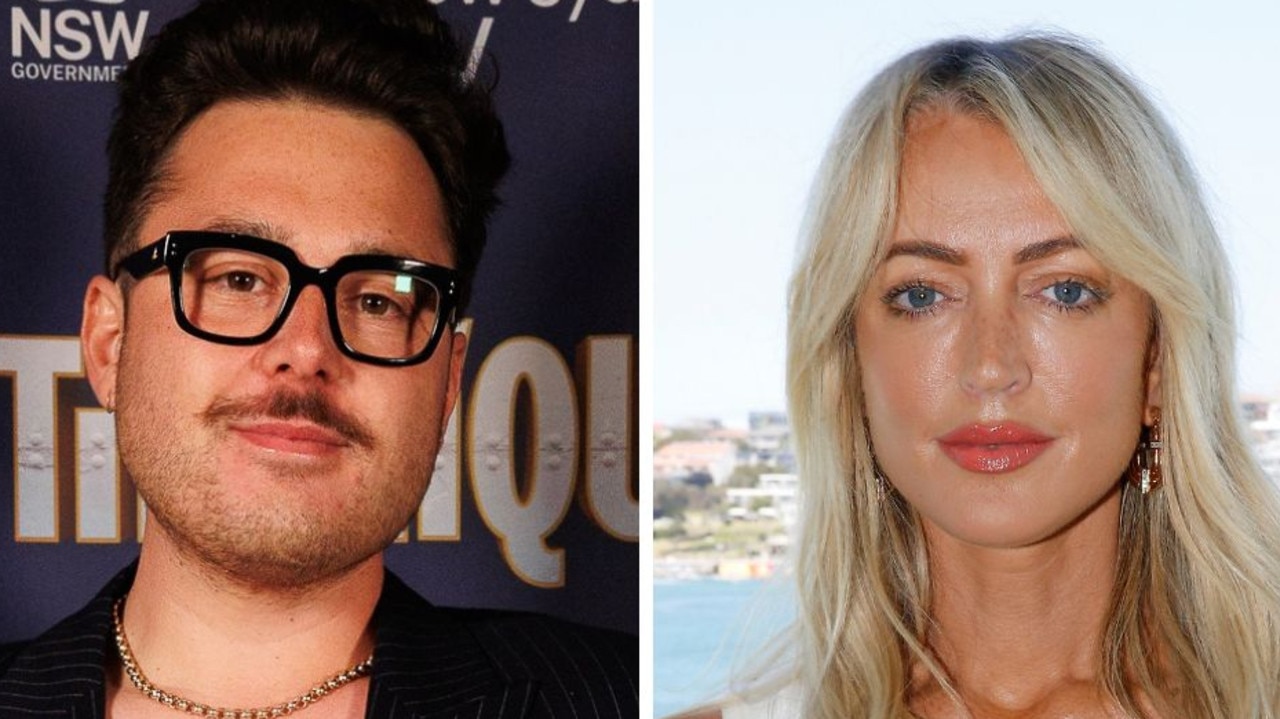
    A decade-long collaborator with the iconic Kyle and Jackie O show has broken his silence regarding the duo’s dramatic separation, offering unprecedented insight into Jackie O’s personal reflections and the broader implications for Australia’s radio landscape. Mitch Churi, who worked alongside the radio titans for ten years before launching his own podcast, addressed the industry-shaking split during a recent episode of The Mitch Churi Chat Show.

    Churi, who began as an assistant to the pair in 2014 before creating their popular ‘Cash Cock’ segment, revealed he has maintained contact with Jackie O since the unexpected dissolution of their 27-year partnership. According to Churi, Jackie O has reached a significant personal realization after enduring considerable professional challenges. ‘She’s one of those people who, for her entire life, has prioritized others’ needs above her own desires,’ Churi stated, expressing genuine happiness for her current position of self-discovery.

    The radio personality emphasized the unparalleled nature of the duo’s chemistry, describing their 27-year collaboration as ‘exceptional’ in an industry where maintaining connection and authenticity for even a few years is considered an achievement. Churi argued that Kyle and Jackie O fundamentally shaped Australian radio’s structural and chemical blueprint, influencing generations of broadcasters.

    However, Churi warned that the show’s abrupt ending exposes critical vulnerabilities within the industry’s talent development system. He specifically questioned parent company ARN’s preparedness, noting the absence of a clear succession plan or recognizable talent to fill the void left by the iconic hosts. ‘The KIIS audience no longer has familiar voices to transition to during this period,’ Churi observed, highlighting the network’s shortage of established personalities.

    Rather than attempting to recreate the magic of Kyle and Jackie O, Churi advocates for a fundamental reimagining of Australian radio. He believes the industry stands at a crossroads: either embrace a new wave of broadcasting talent or risk stagnation by trying to replicate an irreplaceable formula. This perspective comes amid reports that Sandilands has been instructed by ARN to remedy the situation with his former co-host, though specific details remain undisclosed.

  • AFL 2026: Carlton coach Michael Voss responds to Sam Docherty’s leaked Carlton criticism

    AFL 2026: Carlton coach Michael Voss responds to Sam Docherty’s leaked Carlton criticism

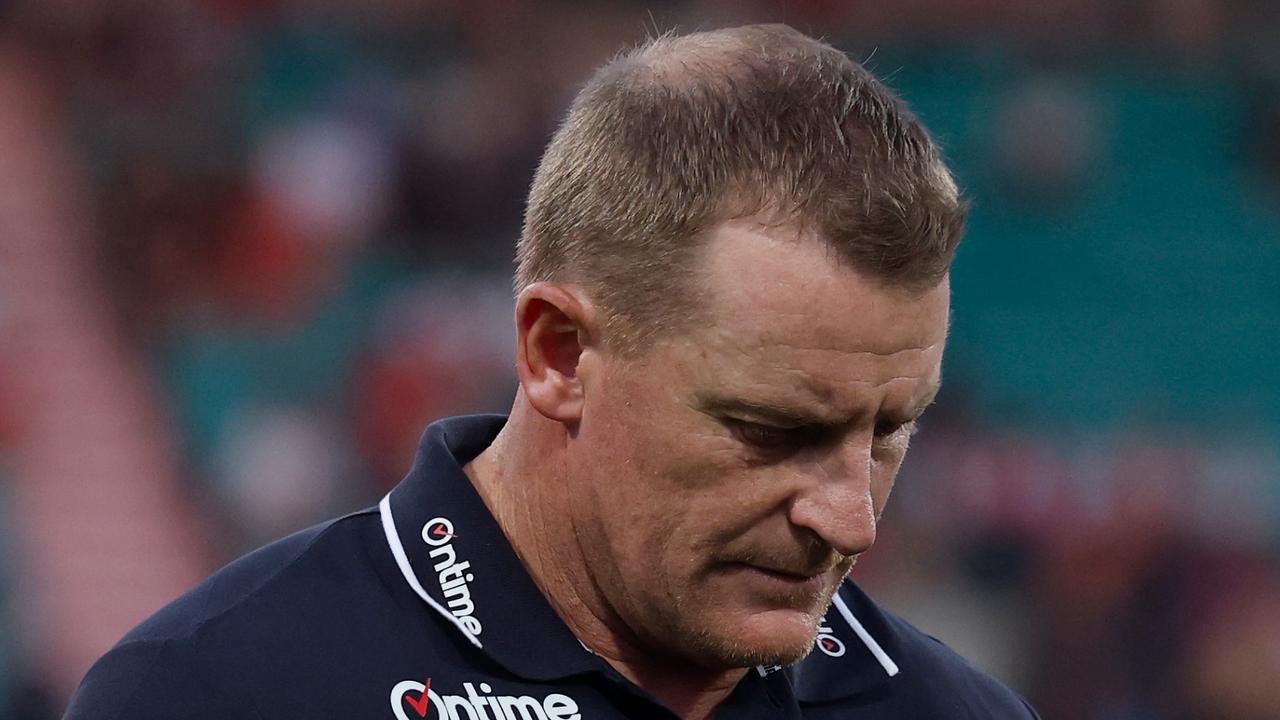
    Carlton Football Club coach Michael Voss has reaffirmed his stance on the team’s past cultural challenges while addressing a leaked, unfiltered analysis from former captain Sam Docherty. Speaking to media on Tuesday, Voss characterized the incident as another manifestation of the cultural issues he had previously identified within the club.

    Voss referenced his speech at last year’s best and fairest awards where he notably stated the Blues carried a ‘heaviness’ from having ‘culturally defeated ourselves’ throughout the season. The coach drew direct parallels between that assessment and Docherty’s recent leaked comments.

    The controversy emerged when Docherty’s private conversation with friend and podcast host Dan Gorringe was broadcast without his knowledge. In the recording, the former captain critically described how Carlton’s gameplay deteriorates into chaos when they lose control during matches. Gorringe has since accepted responsibility for airing the private comments.

    Voss revealed he hadn’t devoted significant attention to the leaked analysis, instead focusing on distinguishing between ‘the old and the new’ at Carlton. The coach emphasized his commitment to moving forward with current players, stating he wouldn’t contact Docherty to avoid further distraction.

    ‘For us to have a productive conversation, I think we all need to know we’re not going to get mixed between the old and the new,’ Voss told reporters. ‘We’re new and that’s the way we’re going forward.’

    The Blues face additional challenges entering round 1, including defensive restructuring following Adam Saad’s hamstring injury. Voss indicated either Lachie Cowan or Matt Carroll would fill the defensive vacancy as Carlton seeks to rebound from their Opening Round defeat to Sydney.

  • ASX expected to rebound after Trump flagged Iran war ‘complete, pretty much’

    ASX expected to rebound after Trump flagged Iran war ‘complete, pretty much’

    Australian financial markets are positioned for a substantial recovery on Tuesday following a turbulent trading session that erased approximately $90 billion from market value. This dramatic reversal comes in response to former US President Donald Trump’s characterization of the Iran conflict as ‘pretty much’ complete during a CBS News interview.

    Market indicators suggest a robust comeback, with ASX 200 futures surging by 184 points (2.2 percent) ahead of the trading day opening. This upward trajectory could potentially restore between $50.6 billion and $61.6 billion to Australia’s total market capitalization within a single session.

    The previous trading day witnessed significant volatility, with the benchmark ASX 200 experiencing its most substantial single-day decline since April 2023, plummeting 252 points (2.85 percent) to close at 8599. During the most severe trading period, the market faced a 4.4 percent downturn with nearly $130 billion in value evaporating before a partial afternoon recovery limited the total losses to approximately $90 billion.

    Global markets mirrored this pattern of instability. The S&P 500 index demonstrated considerable fluctuations, initially dropping 1.5 percent before rallying to finish with a 0.8 percent gain. Commodity markets experienced even more extreme volatility, with oil prices briefly surging to nearly $120 per barrel—the highest level since 2022—before retreating to approximately $90 per barrel.

    This market turbulence originated from heightened geopolitical tensions following joint US-Israeli military strikes against Iranian targets on February 28, which prompted immediate retaliation from the Islamic Republic. Trump’s subsequent comments regarding the conflict’s status have now catalyzed the anticipated market rebound.

  • Four years after banning Russia, FIFA and IOC passive in the face of war

    Four years after banning Russia, FIFA and IOC passive in the face of war

    Four years after the swift expulsion of Russian athletes following the invasion of Ukraine, international sports organizations are demonstrating markedly different responses to recent U.S.-led military actions against Iran, sparking allegations of geopolitical bias and institutional hypocrisy.

    The parallel timing of both conflicts—occurring between Winter Olympics and subsequent Paralympics, and ahead of summer World Cup tournaments—highlights the inconsistent approaches of FIFA and the International Olympic Committee. While Russia faced comprehensive bans within four days of its 2022 invasion, current responses to the Iran conflict have been limited to safety assurances for Paralympic athletes.

    Sports governance experts identify multiple factors driving this discrepancy. Simon Chadwick, sports geopolitics specialist at EMLyon Business School, notes that despite similar competitive circumstances, no discussions have emerged regarding American exclusion from international competitions. The United States, as co-host of the upcoming World Cup and host of the 2028 Los Angeles Olympics, occupies a position of significant institutional power.

    French academic Pim Verschuuren characterizes the current approach as ‘blatant avoidance,’ explaining that political realities force pragmatism. ‘In 2022, political pressure was so intense that the IOC was forced to exclude the Russians,’ Verschuuren told AFP. ‘Today it can’t afford to single out and antagonize the United States.’

    The analysis reveals structural power imbalances within global sports governance. Verschuuren notes that sport is effectively ‘in the hands of the United States, with funding from its Gulf allies,’ creating inherent constraints on impartial decision-making. This power dynamic is exemplified by FIFA President Gianni Infantino’s cultivation of close U.S. relations, including creating a special ‘FIFA Peace Prize’ for Donald Trump—a move described by sources close to football governance as ‘beyond ridiculous’ but strategically rational.

    Geopolitical considerations extend to affected nations’ global standing. Iran, despite qualifying for the World Cup, remains the world’s second-most sanctioned country and possesses limited sporting influence. Unlike Russia’s powerful athletic allies, Iran receives minimal support from China and Russia, the latter still navigating its own reinstatement challenges.

    The situation reflects broader collapses in multilateralism, with sports organizations mirroring the failures of international diplomatic bodies. As Verschuuren concludes, ‘The very idea of multilateralism is collapsing, and sport is one dimension of this collapse.’

  • France, allies preparing bid to ‘gradually’ reopen Strait of Hormuz

    France, allies preparing bid to ‘gradually’ reopen Strait of Hormuz

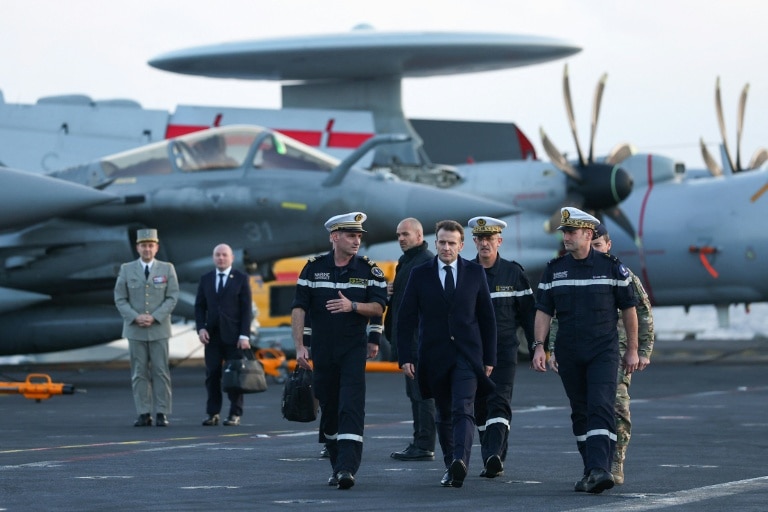
    In a significant move to stabilize global energy markets, France is spearheading an international coalition to gradually reopen the critically important Strait of Hormuz. President Emmanuel Macron announced the initiative on Monday during a regional security summit in Cyprus, emphasizing its defensive and supportive nature.

    The strategic waterway, through which approximately 20% of the world’s crude oil transits, has seen maritime traffic virtually cease since the outbreak of intensified Middle East hostilities. The conflict was triggered by US-Israeli strikes on Iran on February 28, which resulted in regional chaos and the death of Iran’s supreme leader.

    Macron articulated the mission’s dual purpose: ensuring international trade security and facilitating the unimpeded flow of gas and oil from the Gulf region. “This is essential for international trade, but also for the flow of gas and oil,” Macron stated during his Cyprus visit, where he met with Cypriot President Nikos Christodoulides and Greek Prime Minister Kyriakos Mitsotakis.

    The French initiative has gained European support, with the European Union confirming readiness to enhance maritime protection operations in the Middle East. This development follows recent security incidents, including Iranian-made drone attacks targeting Cyprus, which Macron characterized as an attack on all of Europe.

    France has already demonstrated its commitment to regional security by deploying the Charles de Gaulle aircraft carrier to the Mediterranean, accompanied by frigate support and air defense units. Macron indicated that this flagship vessel might eventually be deployed to the Strait of Hormuz as part of the multinational effort.

    Concurrently, France maintains its participation in the EU’s Operation Aspides in the Red Sea, where a French frigate helps protect commercial vessels from Houthi rebel attacks. Macron pledged France’s long-term commitment to this mission with two frigates, underscoring the broader objective of ensuring freedom of navigation and maritime security.

    Regarding the broader conflict, Macron offered a sober assessment, warning that profound changes to Iranian leadership cannot be achieved “through American-Israeli bombings alone.” He projected that the intense phase of hostilities could persist for “several days, perhaps several weeks,” emphasizing the need for sustained engagement.