标签: Oceania

大洋洲

  • ‘Threaten outlook’: Major banks make huge rate hike call ahead of Tuesday’s RBA meeting

    ‘Threaten outlook’: Major banks make huge rate hike call ahead of Tuesday’s RBA meeting

    Australia’s financial landscape faces significant turbulence as the nation’s four major banking institutions—Commonwealth Bank, National Australia Bank, Westpac, and ANZ—have unanimously projected consecutive interest rate increases from the Reserve Bank of Australia. This coordinated forecasting marks a substantial shift in monetary policy expectations driven by escalating global oil prices and stronger-than-anticipated domestic economic performance.

    The banking consensus indicates the RBA will implement rate hikes during both its March and May meetings, effectively reversing all three rate cuts implemented throughout 2025. This monetary tightening would restore the official cash rate to 4.35 percent, creating substantial financial pressure on mortgage holders across the nation.

    ANZ economists, led by Head of Australian Economics Adam Boyton, have revised their forecasts to anticipate this dual-intervention approach. “We then expect a pause while the RBA assesses whether the increase in the cash rate is sufficient to contain the inflation risks and give the RBA time to assess geopolitical developments and the global economic outlook,” Boyton stated.

    The catalyst for this monetary policy reassessment stems primarily from Middle East tensions between the US and Iran, which have triggered dramatic fluctuations in global oil markets. Crude prices have demonstrated extreme volatility, climbing from $79AUD per barrel in late February to a peak of $167AUD in early March before moderating to approximately $132AUD at current reporting.

    Commonwealth Bank Head of Economics Belinda Allen highlighted the complex economic dynamics: “After hiking the cash rate in February driven by a fundamental reassessment of the economy, conflict in the Middle East has further threatened the inflation outlook while simultaneously proposing downside risks to global and Australian growth.”

    Domestic economic indicators present a contradictory picture that complicates policy decisions. Australia’s GDP growth reached 2.6 percent through December 2025, exceeding expectations and potentially exacerbating inflationary pressures. Concurrently, unemployment remains at a multi-decade low of 4.1 percent, indicating sustained economic strength.

    Financial analysis from Canstar reveals the practical implications for Australian households: borrowers with $600,000 mortgages face approximately $272 in additional monthly repayments, while those with $800,000 and $1,000,000 loans would experience increases of $363 and $453 monthly respectively if all three projected rate hikes materialize.

    NAB Chief Economist Sally Auld pointed to increasingly “hawkish” commentary from RBA leadership, including Governor Michele Bullock and Deputy Governor Andrew Hauser, as evidence of the central bank’s determination to address inflation concerns despite global uncertainties.

    Westpac economists noted the RBA’s apparent concern about inflation expectations becoming entrenched, even if oil price shocks prove temporary. The bank’s assessment suggests policymakers feel compelled to demonstrate resolve in maintaining price stability, particularly given relatively stable financial market conditions despite geopolitical tensions.
  • War disrupts fertiliser supplies, puts food security at risk

    War disrupts fertiliser supplies, puts food security at risk

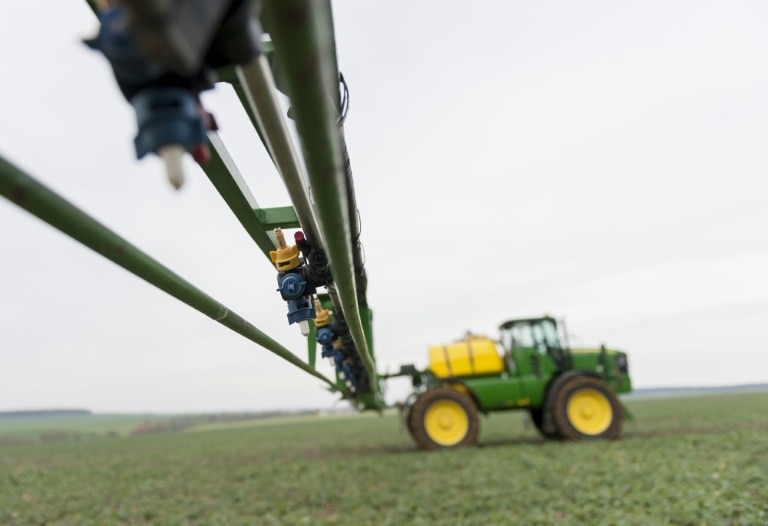
    The ongoing military conflict in the Middle East has triggered a severe disruption in global fertilizer supplies, creating substantial risks to worldwide food security. The strategic Strait of Hormuz, a critical maritime passage effectively closed by Iran, has blocked approximately one-third of seaborne fertilizer shipments from reaching international markets.

    The Gulf region serves as a pivotal manufacturing hub for synthetic fertilizers, leveraging its abundant natural gas reserves—the primary feedstock for production. According to industry data, the area generates nearly half of global sulphur supplies, one-quarter of internationally traded ammonia, and one-third of urea, which Sarah Marlow, Global Editor for Fertilizers at Argus Media, describes as “the most widely traded fertilizer of all.”

    Major agricultural nations are feeling the strain. The United States, Australia, Brazil, and India rely heavily on Gulf-derived urea, phosphate, and sulphur. Asia imports 64% of its ammonia and over 50% of its sulphur and phosphates from the region, as per 2024 figures from Kpler.

    Since hostilities escalated, production facilities—particularly in Qatar—have been shuttered. With around 20 vessels stranded near the Strait and only one Chinese sulphur carrier managing to depart on March 7, supply chains are in gridlock.

    Even regions with less direct exposure, such as Europe, face indirect impacts. Morocco, a key supplier of phosphorus-based fertilizers to the EU, depends on Gulf sulphur. Egypt, which provides 26% of Europe’s urea, has seen prices surge from $500 to over $650 per tonne due to halted Israeli gas deliveries via pipeline.

    Developing nations are especially vulnerable. India has begun rationing gas to fertilizer plants, while Bangladesh has idled five of its six production facilities. The United Nations has raised alarms regarding fertilizer accessibility in low-income countries.

    Synthetic fertilizers deliver essential nitrogen, phosphorus, and potassium that support crop growth. Research from INREA, a French agricultural institute, suggests that without these inputs, global crop yields could decline by one-third. Nitrogen-based variants require significant natural gas and energy for synthesis, while sulphur is a co-product of oil and gas processing.

    The duration of the conflict and the extent of damage to production infrastructure remain uncertain. Reconstruction and repair may significantly delay recovery even after hostilities cease. With the Southern Hemisphere’s planting season approaching in June, concerns are mounting among farmers and policymakers alike.

    In response, the European Commission is developing a fertilizer action plan, building on lessons from the price surge following Russia’s invasion of Ukraine. European farmers have already begun reducing consumption and diversifying suppliers—a strategy that may now see accelerated adoption.

  • ‘I’ll try’: Barnaby Joyce to remain in lower house ‘if asked’

    ‘I’ll try’: Barnaby Joyce to remain in lower house ‘if asked’

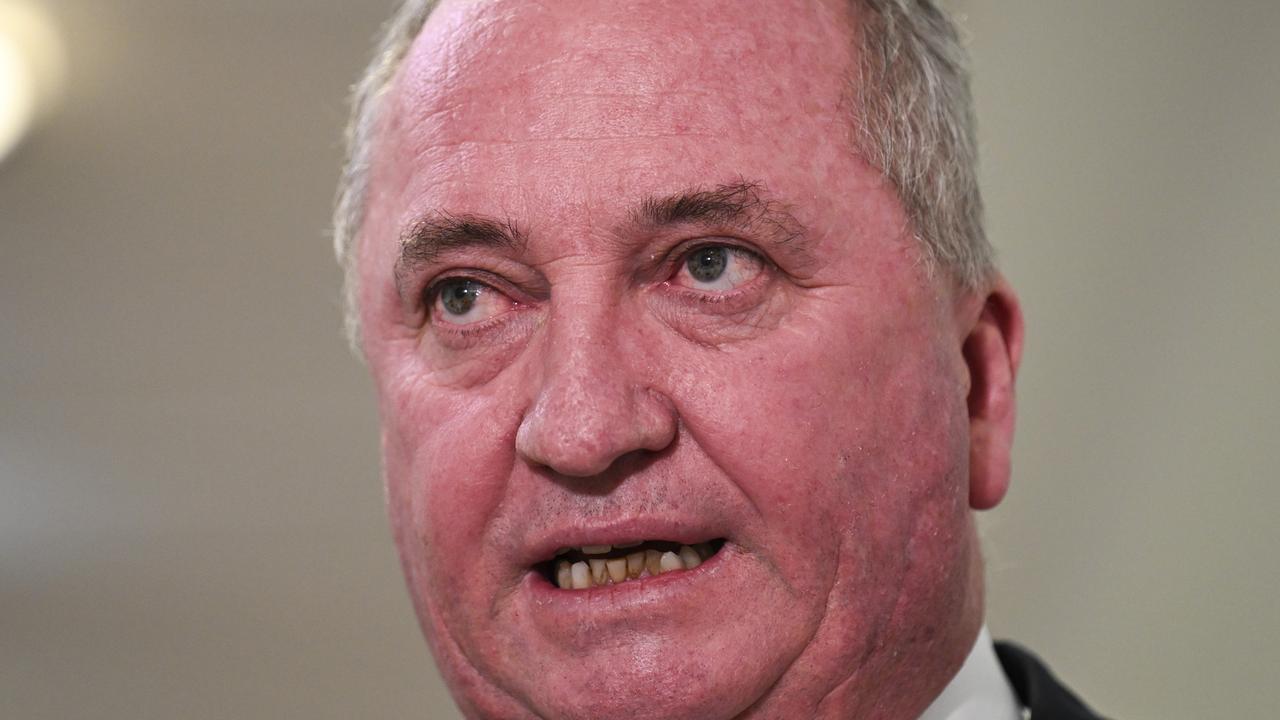
    In a surprising political development, former Nationals leader Barnaby Joyce has indicated he may reverse his decision to abandon his New England seat for a Senate position, stating he would reconsider “if the party determines we need to have a crack.” The One Nation convert, who left the Nationals for the right-wing populist party late last year, made these remarks during a spirited Sky News interview where he vigorously defended his new party’s governing potential.

    Joyce’s original plan to transition to the Senate is facing increased scrutiny as One Nation experiences rising poll numbers. Currently lacking representation in the lower house—where government is formed—One Nation’s parliamentary strategy remains uncertain. During the interview, Joyce articulated his flexibility: “I’ve made a statement that I’m going to run for the Senate. If circumstances change as we get closer, where the party determines that what we need is for me to have a crack at a lower house seat, that’s what I’ll try.”

    The exchange grew heated when host Laura Jayes repeated One Nation leader Pauline Hanson’s assertion that the party would never form government. Joyce challenged this perspective as “conceited,” emphasizing that “the Australian people should make that decision” regarding electoral outcomes.

    In a notable admission, Joyce revealed that One Nation frequently aligns philosophically with new Nationals leader Matt Canavan, particularly on energy policy including support for new coal-fired power stations. This ideological proximity became subject to humorous speculation when Joyce addressed reports of an errant “love letter” to Canavan, joking about their shared accommodation and referencing the film Brokeback Mountain with the remark: “I hope it was a mistake because I was sleeping in the same room as him. But, you know, it’s legal these days.”

    Responding to Joyce’s comments, Nationals Senate leader Bridget McKenzie suggested Joyce was “obviously feeling the threat” from Canavan’s leadership. She highlighted Canavan’s “huge intellectual capacity” and ability to engage on complex issues like energy and resources. McKenzie further questioned One Nation’s strategy of targeting Coalition seats rather than Labor positions, noting that such an approach would ultimately maintain Anthony Albanese’s premiership.

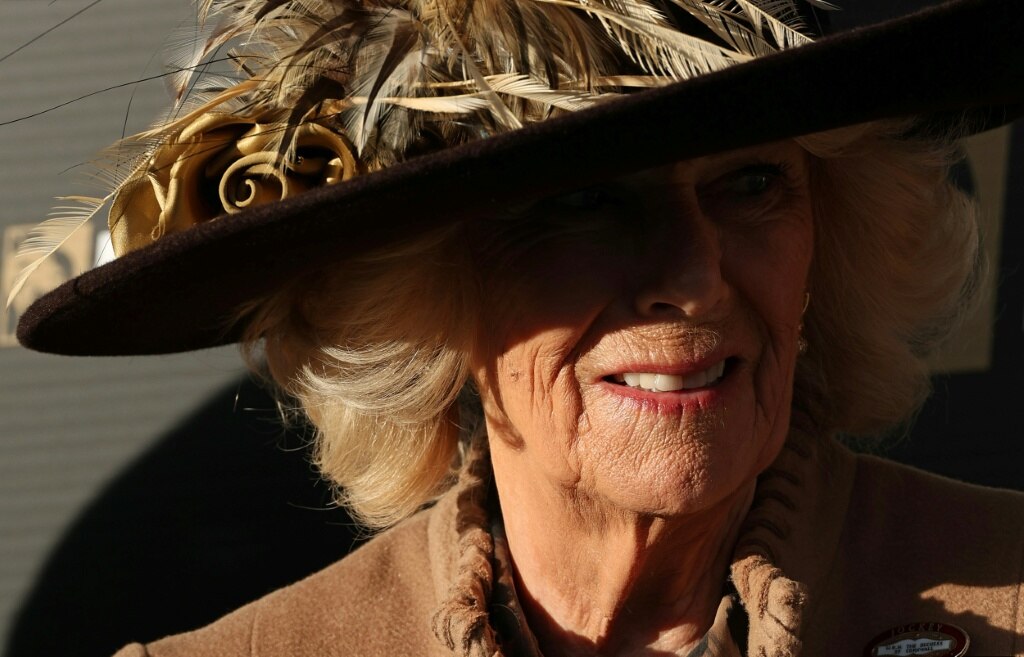
  • All-conquering Mullins lands Champion Chase with Il Etait Temps

    All-conquering Mullins lands Champion Chase with Il Etait Temps

    Willie Mullins’s racing empire demonstrated its formidable depth at the Cheltenham Festival as Il Etait Temps captured the prestigious Queen Mother Champion Chase on Wednesday, overcoming a near-catastrophic error at the final fence. Under jockey Paul Townend’s expert guidance, the horse recovered from a significant blunder to secure victory, highlighting both the horse’s resilience and the stable’s exceptional talent pool.

    The triumph marked Mullins’s third win of the day and continued Irish dominance at the festival, with Irish-trained horses claiming five of the seven races before an audience exceeding 46,000 spectators. The victory became particularly meaningful as it compensated for the disappointing performance of Mullins’s odds-on favorite, Majborough, demonstrating the stable’s remarkable capacity to deliver results even when key contenders underperform.

    Townend expressed admiration for Il Etait Temps’s fortitude, noting the horse’s recovery from a heavy fall during its previous outing at Ascot. “His courage was extraordinary today—he was fully committed throughout,” Townend remarked. “Finding that extra strength at the final fence truly showcased his competitive heart.”

    The winning horse is partially owned by Barnane Stud, belonging to the family of former England cricketer Craig Kieswetter. The South Africa-born sportsman traveled specifically for the event, commenting that the chilly English conditions were well worth enduring for such a triumphant moment.

    While the day featured numerous highlights for Team Mullins, including King Rasko Grey’s Grade One Novices Hurdle victory, it also witnessed controversy. An altercation emerged between Irish amateur rider Declan Queally and leading English jockey Nico de Boinville prior to race commencement, with Queally describing the exchange as “horrific” in front of his children, while de Boinville suggested his counterpart should “look in the mirror.”

    The festival also delivered emotional moments beyond the track. The victory of Jingko Blue, trained by Nicky Henderson and ridden by Welsh jockey James Bowen, carried profound significance for owners the Barneys, who name horses using initials of their son James, tragically killed in a car accident at age 16.

    Tragedy marred the celebrations as Irish runner HMS Seahorse suffered a fatal fall at the final hurdle and had to be euthanized. Amid this somber note, the Irish contingent continued their strong showing with teenage jockey Conor Stone-Walsh securing his first festival win, while flat racing champion Colin Keane celebrated both a debut victory and his recent engagement approval.

  • Despite reputation, bonobos are aggressive, particularly toward males: study

    Despite reputation, bonobos are aggressive, particularly toward males: study

    New research published in Science Advances has fundamentally challenged the long-standing perception of bonobos as peaceful primates. Contrary to their historical reputation as the more harmonious cousins of chimpanzees, a comprehensive study reveals that bonobos demonstrate comparable levels of aggression, with a distinct pattern of directing hostility primarily towards males.

    European researchers conducted an extensive behavioral analysis across 22 primate groups—13 bonobo and 9 chimpanzee communities—in zoo environments. The study meticulously measured various aggressive behaviors, encompassing both physical acts (biting, slapping) and non-physical demonstrations (object throwing, intimidation). The findings revealed no significant overall difference in absolute aggression rates between the two species.

    The critical distinction emerged in the distribution of aggression. While chimpanzees in patriarchal societies exhibit aggression primarily from males directed at both sexes, bonobos in matriarchal systems display equal aggression levels from both sexes that is predominantly targeted at males. This male-directed aggression in bonobo society presents a particular paradox, as researchers expected greater competition and hostility among females who dominate these social structures.

    Co-author Nicky Staes noted that the findings challenge simplistic species classifications, while Emile Bryon suggested possible explanations for this unexpected dynamic. The well-documented bonobo practice of using sexual activity to diffuse tension might reduce female-female conflict. Alternatively, aggression may be strategically redirected toward males, who effectively become buffers in female competitive dynamics.

    The study acknowledges limitations regarding captive observation environments where food scarcity—a major tension source—is absent. However, researchers highlighted significant behavioral variability across different groups of both species, suggesting that understanding primate aggression requires moving beyond broad generalizations to appreciate complex social adaptations.

  • Three brothers arrested over US embassy blast in Oslo

    Three brothers arrested over US embassy blast in Oslo

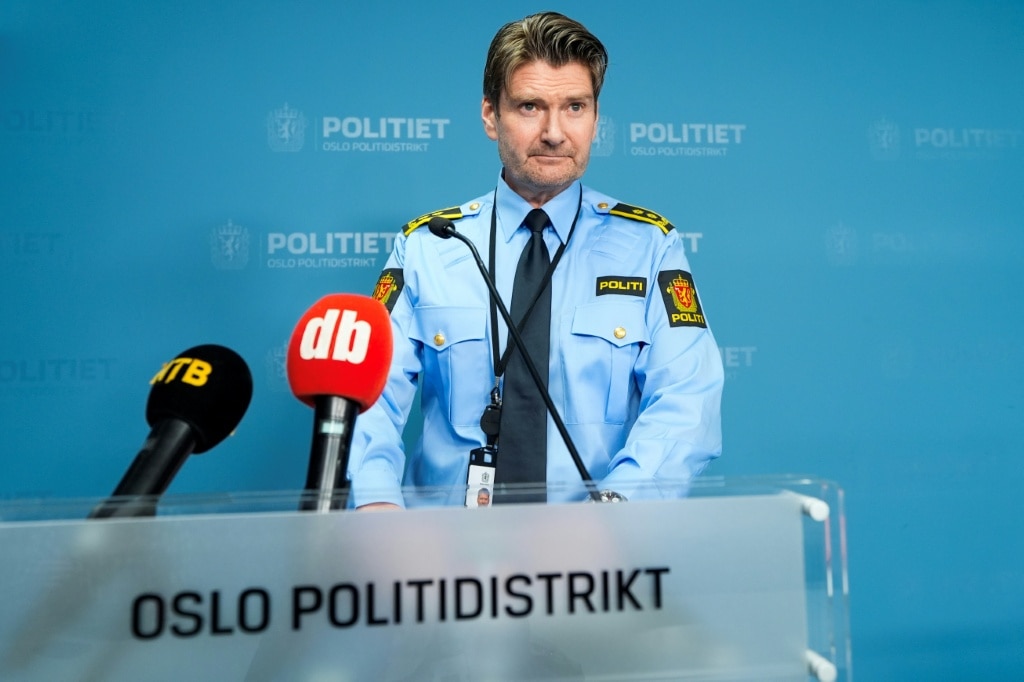
    Norwegian authorities have apprehended three brothers of Iraqi descent in connection with a suspected terrorist bombing at the U.S. embassy in Oslo. The explosion, which occurred at the consular section entrance during early Sunday hours, resulted in minor structural damage but no casualties.

    Christian Hatlo, the police prosecutor leading the investigation, confirmed the arrests during a Wednesday press briefing. The suspects, all Norwegian citizens in their twenties, are believed to have played distinct roles in the incident. According to Hatlo, evidence suggests one brother physically placed the explosive device while the others provided operational support.

    The investigation is exploring multiple hypotheses, including potential state-sponsored involvement. “Given the target—the U.S. embassy—and the current global security climate, examining whether this was orchestrated by a government entity is a natural line of inquiry,” Hatlo stated.

    Notably, one suspect’s defense attorney, Oystein Storrvik, publicly acknowledged his client’s admission of involvement in placing the explosive device. Despite this confession, the full motivation behind the attack remains unclear.

    The case has drawn international attention due to Norway’s security service (PST) recently identifying Iran as a primary national threat. The PST’s annual assessment highlighted Iran’s potential use of “proxy actors” and “criminal networks” for operations—a concern amplified by recent U.S.-Iran tensions. Iranian Ambassador Alireza Jahangiri has vehemently denied any involvement, calling the allegations “unacceptable.

    Investigators are also examining digital evidence, including a since-removed Google Maps video featuring Iran’s late Supreme Leader Ayatollah Ali Khamenei accompanied by Persian text proclaiming “God is great. We are victorious.” The timing of this upload coincides with the explosion, adding complexity to the ongoing investigation.

  • Real Madrid batter Man City as PSG sink Chelsea in Champions League

    Real Madrid batter Man City as PSG sink Chelsea in Champions League

    The UEFA Champions League knockout stage erupted with stunning results on Wednesday, dramatically shifting the landscape of the competition. In a headline-grabbing performance, Real Madrid delivered a masterclass to dismantle Manchester City 3-0 at the Santiago Bernabéu, while Paris Saint-Germain outlasted Chelsea in a five-goal thriller, winning 5-2.

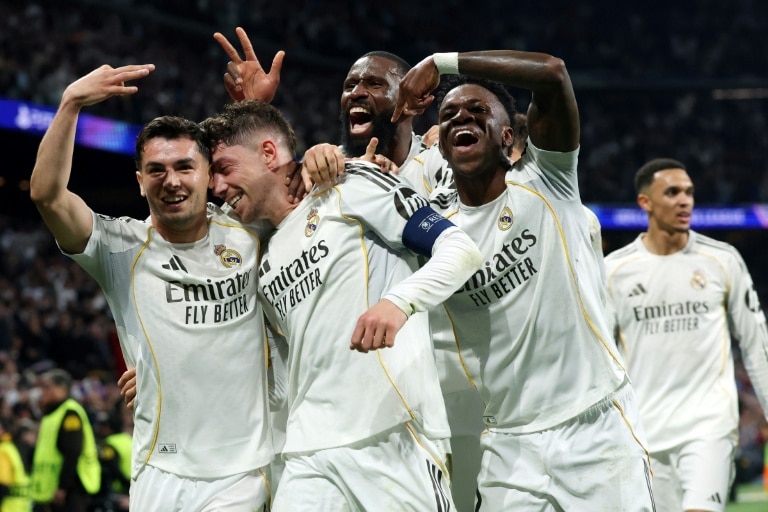
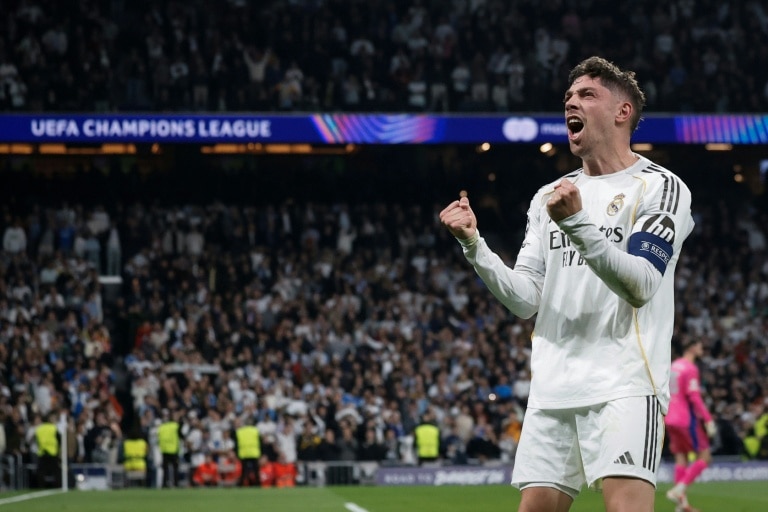
    Uruguayan midfielder Federico Valverde emerged as the undisputed hero for Los Blancos, netting a spectacular first-half hat-trick that left the English champions reeling. Valverde’s opener was a moment of individual brilliance, capitalizing on a long clearance from goalkeeper Thibaut Courtois, dribbling past Gianluigi Donnarumma, and slotting home. He doubled the lead with a precision-driven strike and completed his treble through an exquisite combination with Brahim Díaz. Despite the absence of the injured Kylian Mbappé, Madrid’s commanding performance, which could have been more severe had Vinícius Júnior converted a second-half penalty, positions them as overwhelming favorites for the return leg.

    In Paris, the defending champions PSG engaged in a back-and-forth battle with Chelsea. The French side ultimately leveraged late chaos to secure a commanding advantage. Bradley Barcola initiated the scoring for PSG, only for Malo Gusto to equalize for Chelsea with a deflected effort. Ousmane Dembélé restored PSG’s lead before halftime, but Enzo Fernández, assisted by Pedro Neto, brought Chelsea level once more. The tie turned decisively when a costly error from Chelsea goalkeeper Filip Jorgensen allowed Vitinha to lob in a third. Khvicha Kvaratskhelia then took over, hammering in a superb fourth before applying a final, devastating blow in stoppage time.

    Elsewhere, Premier League leaders Arsenal preserved their unbeaten European record with a gritty 1-1 draw away at Bayer Leverkusen. A late penalty from substitute Kai Havertz against his former club canceled out Robert Andrich’s second-half opener. Meanwhile, the tournament’s Cinderella story continued as Norwegian minnows Bodo/Glimt extended their fairytale run with an emphatic 3-0 victory over Portugal’s Sporting Lisbon, registering their fifth consecutive win in the competition.

  • US takes first steps towards new global trade penalties

    US takes first steps towards new global trade penalties

    The United States government has initiated two comprehensive trade investigations targeting dozens of nations, marking a significant escalation in global trade policy under the Trump administration. Announced on Wednesday by US Trade Representative Jamieson Greer, these parallel probes examine alleged unfair trade practices related to industrial overproduction and forced labor manufacturing.

    The first investigation focuses on structural excess capacity in manufacturing sectors across multiple economies. The European Union, China, Japan, India, Singapore, Switzerland, South Korea, Vietnam, Taiwan, and Mexico are all subject to this scrutiny. Greer indicated the probe would assess whether these nations’ industrial policies create market distortions that disadvantage American producers.

    The second investigation, scheduled to launch imminently, will examine approximately 60 trading partners’ enforcement of laws prohibiting imports of goods produced through forced labor. This initiative specifically targets external-facing legislation rather than domestic labor conditions within individual countries.

    These actions come weeks after the Supreme Court struck down the administration’s previous global tariff regime, ruling that President Trump had exceeded his authority by invoking emergency economic powers. In response, the administration imposed temporary 10% duties on imports through July 24 while developing more permanent measures.

    The current investigations operate under Section 301 of the Trade Act of 1974—the same legal framework previously used to implement tariffs on Chinese imports. Greer emphasized that existing trade agreements with targeted nations would remain ‘independent’ of these probes, though the administration would consider them in final determinations.

    While sector-specific tariffs on steel, aluminum, and automobiles remain unaffected by the court ruling, the new investigations could potentially lead to additional penalties. The administration has indicated further country-specific investigations may follow, potentially addressing digital services taxes and pharmaceutical pricing concerns.

  • Senegal parliament doubles penalty for same-sex relations

    Senegal parliament doubles penalty for same-sex relations

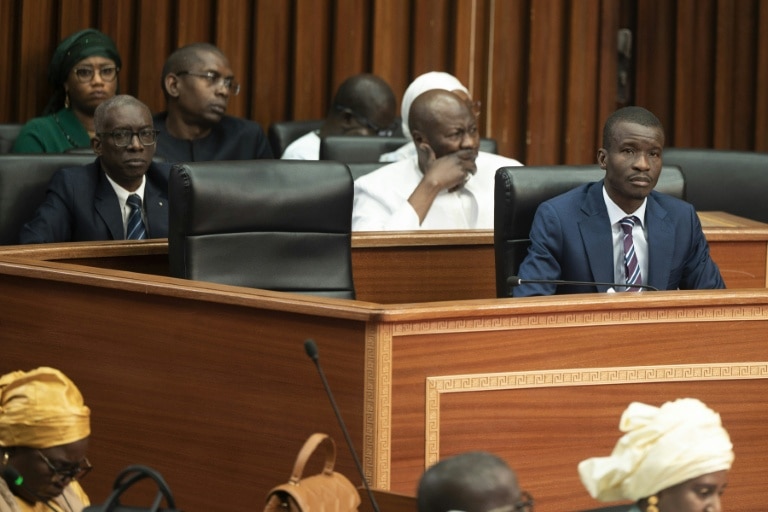
    Senegal’s National Assembly has overwhelmingly approved a sweeping legislative amendment that significantly intensifies penalties for same-sex relations, marking a substantial escalation in the nation’s crackdown on LGBTQ individuals. The newly passed bill, which received presidential endorsement consideration from President Bassirou Diomaye Faye, increases imprisonment terms from the previous maximum of five years to a stringent ten-year sentence for consensual same-sex activities.

    The legislative overhaul extends beyond mere incarceration enhancements, introducing comprehensive provisions that criminalize advocacy, promotion, or financial support for same-sex relationships with prison terms ranging from three to seven years. Notably, the legislation incorporates measures against unsubstantiated accusations of same-sex activities while simultaneously empowering authorities to conduct phone searches as evidence-gathering mechanisms.

    Parliamentary proceedings revealed strong support for the measures, with the bill passing by 135 votes in favor, zero opposition, and three abstentions. During heated debates, lawmaker Diaraye Ba declared that ‘homosexuals will no longer breathe in this country,’ receiving applause from colleagues. The legislation also imposes substantial financial penalties, elevating fines from 100,000-1.5 million CFA francs to 2-10 million CFA francs (approximately $3,500-$17,600).

    This legal development occurs against a backdrop of intensified enforcement actions, with media reports indicating dozens of arrests since February 2024, including high-profile detentions of local celebrities. The political climate has been charged with homophobic rhetoric, as Prime Minister Ousmane Sonko—who previously promised to criminalize same-sex relations—personally presented the bill despite maintaining the offense’s misdemeanor classification rather than elevating it to felony status.

    Social media platforms have amplified anti-LGBTQ sentiments, featuring campaigns that equate same-sex relations with separate child abuse cases and propagate messages labeling LGBTQ individuals as ‘walking dangers.’ Religious organizations in the predominantly Muslim nation have actively supported the crackdown, framing LGBTQ rights as foreign impositions contrary to Senegalese values.

    Senegal’s position reflects broader continental trends, with approximately 32 African nations maintaining anti-homosexuality laws, including extreme provisions in Uganda, Mauritania, and Somalia where same-sex relations carry capital punishment. The legislation represents one of West Africa’s most comprehensive anti-LGBTQ legal frameworks, signaling deepening societal divisions and institutionalized discrimination against sexual minorities.

  • Real Madrid run riot as Valverde treble stuns Man City

    Real Madrid run riot as Valverde treble stuns Man City

    In a breathtaking display of football mastery, Real Madrid delivered a tactical masterclass against Manchester City, securing a commanding 3-0 victory in their Champions League round of 16 first leg encounter. The Santiago Bernabeu witnessed Uruguayan midfielder Federico Valverde achieve a spectacular first-half hat-trick within a devastating 22-minute spell, completely dismantling Pep Guardiola’s favored squad.

    Despite missing several key players including Kylian Mbappe, Jude Bellingham, and Rodrygo Goes due to injuries, manager Alvaro Arbeloa’s strategic lineup decisions proved inspired. The inclusion of 18-year-old midfielder Thiago Pitarch, following his recent promising performances, added fresh energy to Madrid’s midfield composition.

    Manchester City, the 2023 Champions League titleholders, entered the match with an aggressive formation designed to exploit Madrid’s perceived defensive vulnerabilities this season. Guardiola’s selection of only two central midfielders and the Champions League debuts of Antoine Semenyo and Marc Guehi initially suggested City’s confidence in their attacking approach.

    Valverde broke the deadlock against the run of play in the 20th minute when goalkeeper Thibaut Courtois launched a precise long ball that bypassed City’s defense. The Uruguayan international demonstrated exceptional composure by rounding goalkeeper Gianluigi Donnarumma before slotting home. Just seven minutes later, Valverde doubled Madrid’s advantage with a clinical finish after combining effectively with Vinicius Junior.

    The hat-trick was completed in spectacular fashion before halftime as Valverde elegantly flicked Brahim Diaz’s delivery over Guehi before volleying powerfully into the net, sending the Bernabeu into raptures.

    Madrid’s defensive unit, marshaled by Antonio Rudiger and Dean Huijsen, effectively neutralized Erling Haaland throughout the match, with City’s top scorer eventually being substituted despite his team needing goals. Courtois preserved the clean sheet with a spectacular reaction save against Nico O’Reilly late in the match, while Donnarumma redeemed himself by saving Vinicius Junior’s second-half penalty.

    Valverde, reflecting on his extraordinary performance, stated: ‘These are the nights you dream about as a footballer. The team’s collective effort and unity have shown we can achieve remarkable things when we work together toward the same objective.’