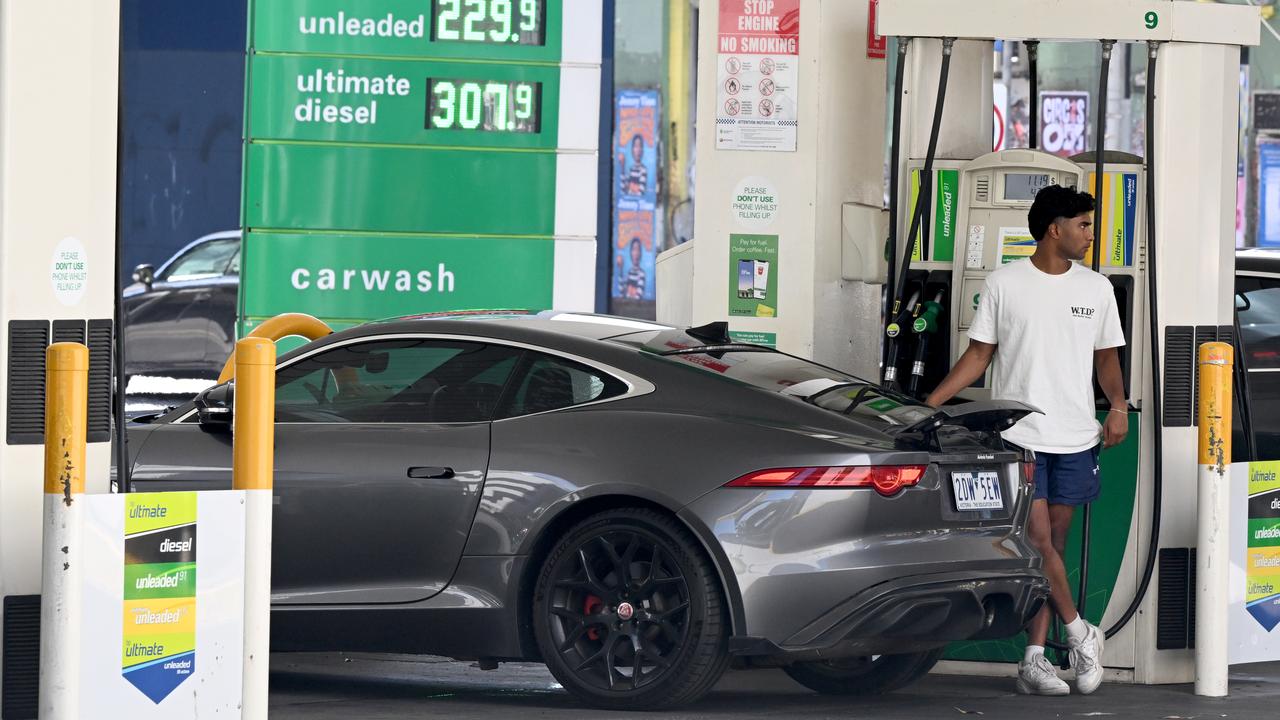
Australia’s economic sentiment has suffered its sharpest contraction since the height of the COVID-19 pandemic, driven by a crippling new cost of living shock that has left both households and bracing for severe economic headwinds, new industry surveys show.
The monthly Westpac-Melbourne Institute Consumer Sentiment Index, a key measure of Australian household economic outlook, recorded a dramatic 12.5% nosedive in April, dragging the headline reading down to 80.1. By standard survey conventions, any score above 100 signals a net optimistic outlook among consumers, while readings below 100 reflect widespread pessimism. The latest result sits near all-time historic lows, though it remains slightly above the extreme troughs recorded during peak COVID-19 lockdowns and the early 1990s Australian recession.
“Australian consumers are being hit by another cost of living shock,” explained Matthew Hassan, Westpac’s head of Australian macro forecasting. Surging fuel prices have emerged as the single biggest drain on household budgets, dragging the corresponding survey subindex down 16.7% year-on-year to 66.8. The sharp decline follows a record jump in national average petrol prices, which hit $2.40 per litre in early April – a 77-cent increase from February that marks the largest percentage price spike in the survey’s decades-long history.
All five of the index’s core subindicators deteriorated sharply in April, with measures of current economic conditions faring the worst. Near-term expectations for both national economic performance and personal household finances also fell steeply, a trend Hassan says signals consumers see almost no chance of near-term relief and are preparing for ongoing hardship.
Fears of another interest rate increase from the Reserve Bank of Australia (RBA) are also weighing heavily on consumer sentiment, Hassan added. Global energy market volatility stemming from international conflicts has stoked inflation concerns, leading many consumers to bet the RBA will implement another rate hike to cool price growth. The Westpac-Melbourne Institute Mortgage Rate Expectations Index, which tracks household forecasts for variable mortgage rates over the coming 12 months, rose 3.9% in April to 177.2, returning to the recent cycle’s multi-year highs.
Money markets are currently pricing in a 65% probability that the RBA will raise the official cash rate when its board meets on May 4-5. If the hike goes through, it will mark the third interest rate increase in 2026 and fully undo the four rate cuts the central bank implemented in 2025, leaving households facing even higher mortgage repayment costs.
The economic uncertainty has also spiked fears of job losses, pushing unemployment expectations to their most pessimistic level since August 2020 – one of the darkest periods of the COVID-19 pandemic, shortly before the federal government expanded the JobKeeper wage subsidy program to prevent mass layoffs. Data shows the jump in job insecurity is most acute among workers in sectors directly exposed to energy and interest rate volatility, particularly construction and hospitality.
The bleak sentiment is not limited to households: separate monthly survey data from the National Australia Bank (NAB) shows Australian business confidence has suffered its second-largest one-month drop in 37 years. The plunge comes on the back of the recent outbreak of conflict in the Middle East and soaring domestic fuel prices, which have combined to amplify existing price pressure pressures across the economy.
In the first full survey reading collected after the Middle East conflict began, NAB’s business confidence index plummeted 29 points to a negative reading of minus 29. Falls of this magnitude have only been recorded twice before in the survey’s history: during the 2008 Global Financial Crisis and at the onset of the COVID-19 pandemic in 2020.
Unlike consumer sentiment, however, actual business activity has so far held relatively steady. NAB’s measure of business conditions fell just one point to six index points in March, indicating that while geopolitical and inflationary shocks have hit business outlook, the real impact on day-to-day operations has yet to fully materialize. “It is still early days in terms of the flow through to activity,” noted Gareth Spence, NAB’s head of Australian economics. Confidence is now negative across every Australian state and territory, though business conditions remain positive in most regions.
The sharp synchronized drop in both consumer and business sentiment marks one of the most significant weakening in Australian economic outlook outside of formal recession periods, reinforcing warnings from top RBA officials about ongoing economic instability and persistent inflationary risks.