标签: Oceania

大洋洲

  • Woods ‘stepping away’ to focus on health after DUI arrest

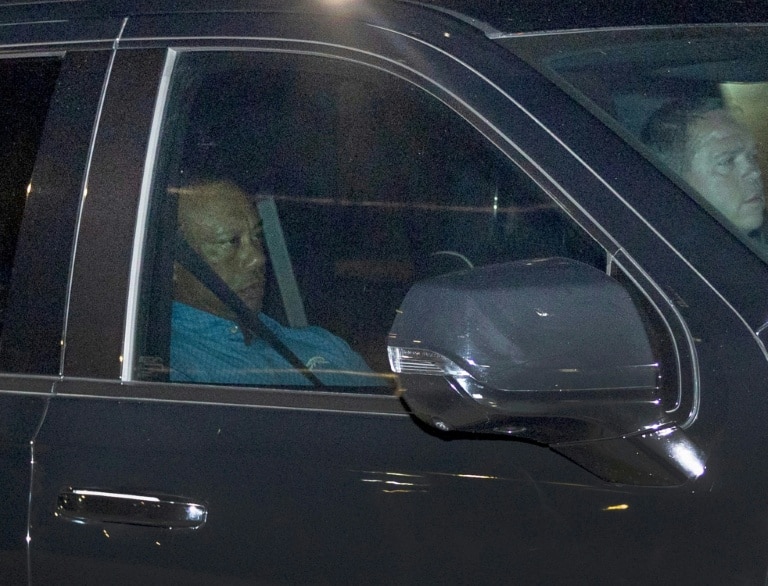
    Woods ‘stepping away’ to focus on health after DUI arrest

    Golfing icon Tiger Woods has confirmed he will step away from professional competition to seek treatment and focus on his personal health, just days after his arrest on misdemeanor driving under the influence charges stemming from a car crash near his Florida residence. The 15-time major championship winner collided with a trailer pulled by a pickup truck last Friday, close to his Jupiter Island home, in an incident that left his sport utility vehicle overturned on its side. Remarkably, neither Woods nor the pickup truck driver suffered any physical injuries in the crash.

    Law enforcement officers responding to the scene assessed Woods as impaired behind the wheel. Officers documented in their official accident report that Woods displayed multiple visible signs of impairment: he was sweating heavily, moved slowly and lethargically, had bloodshot, glassy eyes, and stumbled while walking, favoring his right side. Authorities also found two hydrocodone pills, a prescription opioid painkiller commonly used to manage chronic pain, in Woods’ possession. A breathalyzer test conducted at the scene detected no alcohol in his system, and Woods refused to complete a required urine test, leading to an additional charge of refusing a lawful chemical test.

    Woods has entered a not guilty plea to all charges, telling investigators that his attention was distracted by adjusting his car radio and checking his mobile phone, which caused him to miss that traffic ahead had slowed down. He has waived his scheduled arraignment and formally requested a jury trial to resolve the case. He was released from Martin County Jail shortly after posting bond the same night as his arrest.

    In a public statement released Tuesday, the 50-year-old golfer acknowledged the gravity of his current situation. “I know and understand the seriousness of the situation I find myself in today,” Woods said. “I am stepping away for a period of time to seek treatment and focus on my health. This is necessary in order for me to prioritize my well-being and work toward lasting recovery.”

    Woods’ long history of debilitating sports injuries and major medical procedures is well-documented. The golf star survived a catastrophic 2021 single-car crash in Southern California that left him with multiple compound fractures in his right leg and a shattered ankle that required emergency surgery. He has since undergone seven separate back surgeries and more than 20 procedures on his injured leg, he told responding officers last week. Most recently, he underwent back surgery in October 2024 and suffered a ruptured left Achilles tendon in March 2025. He has not competed in a top-tier professional golf tournament since the 2024 British Open, though he did participate in a TGL indoor simulator golf event last week and had publicly discussed a potential return to competition at the upcoming Masters tournament. He previously made a widely celebrated return to the Masters in 2022, finishing 47th despite severe difficulty walking the full 72 holes at Augusta National.

    Woods is still scheduled to attend the traditional Champions Dinner at Augusta National next week, ahead of the 90th running of the Masters tournament. In closing his statement, Woods emphasized his commitment to long-term recovery, saying he is taking the necessary time to rebuild his health for both his personal and professional life. “I’m committed to taking the time needed to return in a healthier, stronger, and more focused place, both personally and professionally,” he wrote. “I appreciate your understanding and support, and ask for privacy for my family, loved ones and myself at this time.”
  • Treasurer Jim Chalmers warns states to ‘follow through’ over GST

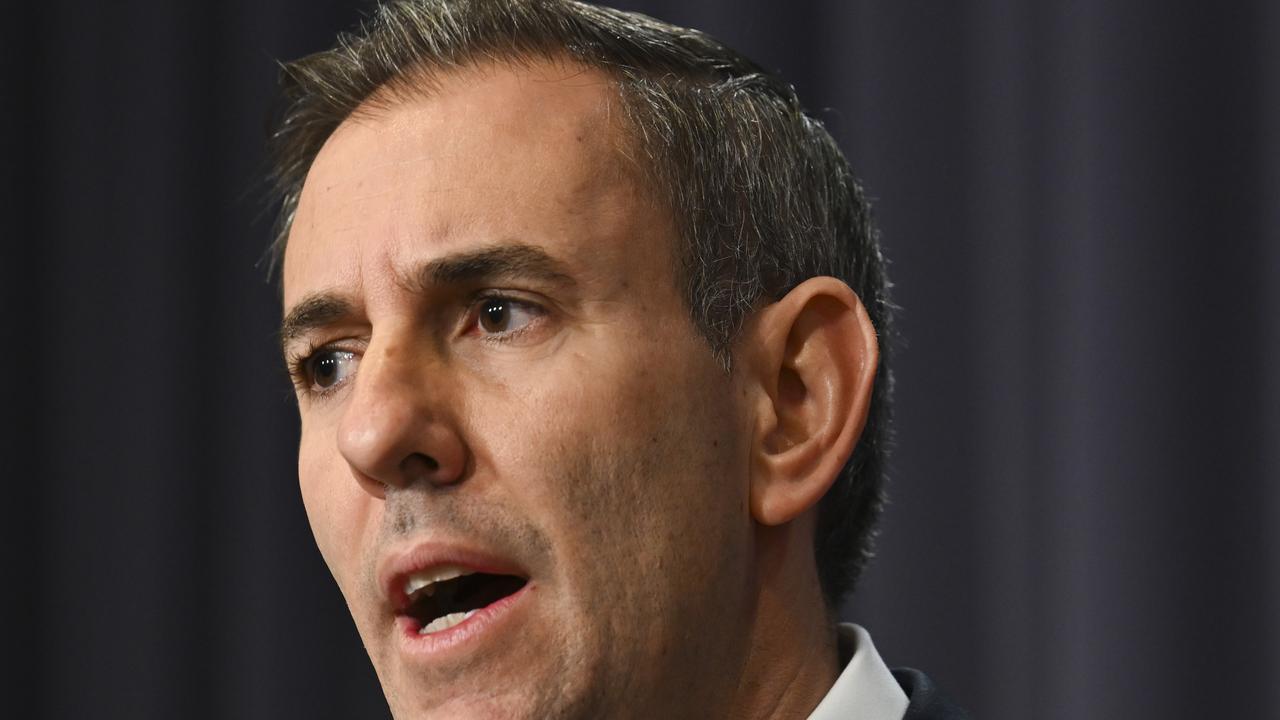
    Treasurer Jim Chalmers warns states to ‘follow through’ over GST

    As Australian households grapple with persistent cost-of-living pressures amplified by global market volatility tied to the Middle East conflict, Federal Treasurer Jim Chalmers has issued a clear call for state and territory governments to deliver on the national cabinet agreements they signed, putting behind ongoing disagreements over goods and services tax (GST) revenue sharing.

    The latest push for coordinated relief comes out of a recent national cabinet gathering held this week, where sub-national leaders reached two key consensus points. First, they committed not to pocket unexpected GST windfalls generated by higher fuel prices across the country. Second, they agreed to roll out targeted measures to ease household cost burdens. Already, two jurisdictions have moved forward: the Labor-led Victorian government and Liberal-governed Tasmania have both launched temporary free public transport initiatives, a development Chalmers described as a positive step forward. New South Wales, however, has opted not to follow suit with the same public transport policy.

    At the federal level, the Albanese government has already passed legislation to cut the fuel excise by 50 percent, though implementation of the reform is still pending. Chalmers emphasized on Wednesday that the Commonwealth has held up its end of the bargain, and now expects the same from state and territory governments. “When they signed up to this at the national cabinet, the Prime Minister did a good job making sure that the states and territories signed up to this commitment,” he told reporters. While the Treasurer said he had no intention of publicly criticizing sub-national governments, he stressed that timely action is critical to get relief into the hands of consumers as quickly as possible. “We don’t want to see this drag out forever. We don’t want to see the states and territories at war over this. We want to see the relief flow to motorists,” he added.

    The current dispute traces back to the structure of Australia’s fuel pricing system: the 10 percent GST is applied to the full cost of petrol, including the federal excise. When the excise is cut, total pump prices fall, which in turn reduces total GST revenue collected for the states and territories. The national cabinet agreement requires states to return the foreseen GST windfall that would otherwise result from the lower excise back to motorists, through tax cuts or other targeted relief. Chalmers noted that the reduction in overall GST revenue from lower fuel prices is a intentional outcome of the relief policy, and urged states to reach a quick agreement on how to pass the savings to consumers, calling on them to “get their skates on” to avoid unnecessary delays.

    Leaders of New South Wales, the nation’s most populous state, have acknowledged the administrative complexity of the GST arrangement. NSW Premier Chris Minns said on Tuesday that more time is needed to work through the details, but expressed confidence that a practical, common-sense solution can be found. He suggested one potential pathway would be matching the federal excise cut with a proportional state tax cut equal to the GST windfall the state receives. NSW Treasurer Daniel Mookhey added that the state government is aiming to mirror the federal government’s excise cut approach, which would deliver an additional 7 to 10 cent per liter reduction on top of the federal cuts.

    This call for action comes amid already simmering tensions between states over the broader GST carve-up, which flared up again last month when the Commonwealth Grants Commission released its 2026-27 financial year GST sharing recommendations. The total national GST pool is projected to grow from roughly $97 billion to $103 billion in the coming financial year. Under a 2018 legislated GST floor designed to protect less populous states from revenue losses, Western Australia is set to gain an extra $1.3 billion compared to last year’s allocation, bringing its total share to $9.3 billion. Queensland, which has repeatedly criticized the existing sharing model, will see a larger proportional reduction in its share in 2026-27 than in the previous year, though guaranteed no-worse-off payments will offset the cut, bringing the state’s total GST revenue to $18.4 billion, an increase of $1.68 billion from 2025-26 – the largest nominal increase of any state. By contrast, NSW is only projected to gain an additional $316 million, for a total share of $26.1 billion. In response to the recommendation, Mookhey last month called on the Productivity Commission to shift to an equal per capita distribution model for GST grants, with any required top-ups funded by the federal government from outside the existing GST pool.

  • ASX rallies on hopes of oil crisis ending after new Trump timeline

    ASX rallies on hopes of oil crisis ending after new Trump timeline

    A fresh announcement from former U.S. President Donald Trump outlining a timeline for a U.S. military drawdown in the conflict with Iran has triggered a sharp, broad-based rally across global equity markets, lifting Australia’s benchmark ASX 200 and all major Wall Street indices as investors grew increasingly optimistic the oil market crisis could be coming to an end.

    On opening bell, ASX 200 futures jumped 137.10 points, a 1.62% gain that pushed the benchmark to 8618.90, following a powerful positive lead from U.S. markets that closed the prior trading session with steep gains. All three major Wall Street indices climbed nearly 2.5% or more on the session: the S&P 500 notched a 2.9% increase, the tech-focused Nasdaq Composite surged 3.83%, and the Dow Jones Industrial Average, a blue-chip index heavy on industrial stocks, added 2.49%.

    This market upswing comes on the heels of a brutal March for Australian equities. At Tuesday’s close, the ASX 200 had posted a 7.8% monthly drop, its worst monthly performance since June 2022. The decline was driven largely by widespread investor fears that a prolonged military conflict in the Middle East would keep energy prices elevated, with crude prices surging as much as 50% in a short window amid the tension.

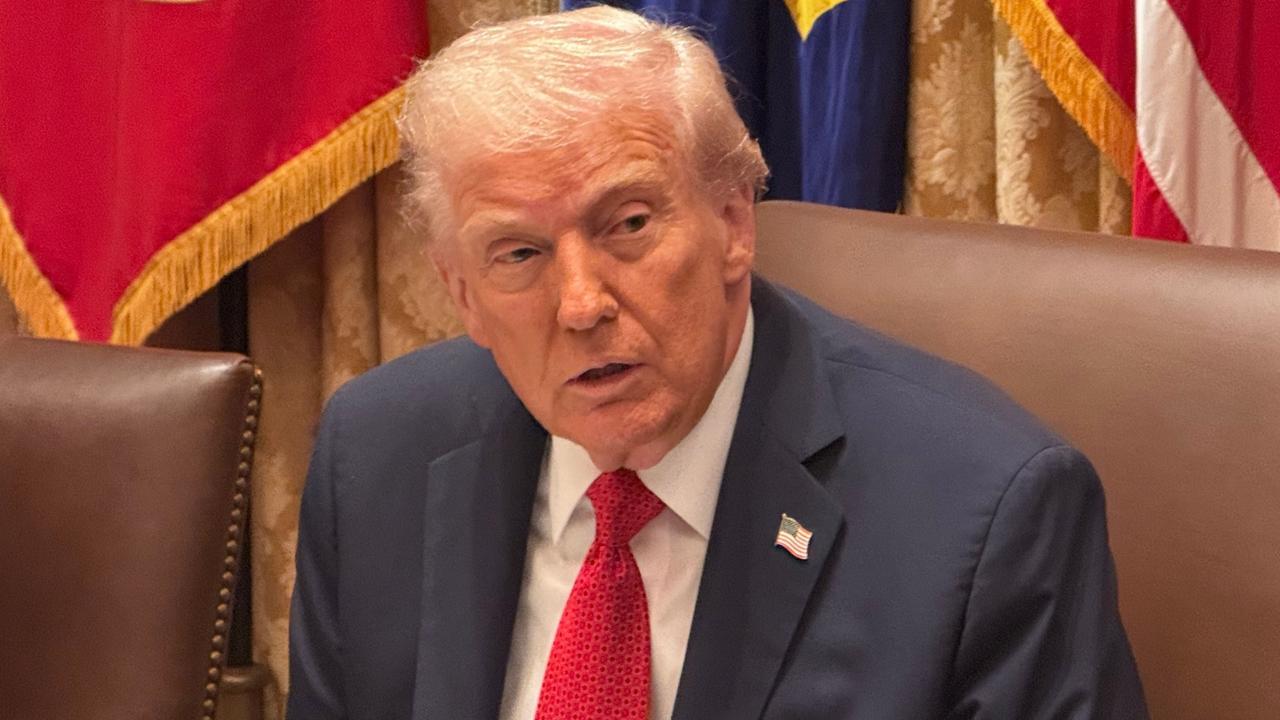
    Speaking to reporters in the Oval Office overnight, Trump offered a clear timeline for de-escalation, responding to a question about when U.S. military involvement in the conflict with Iran would conclude by saying he expects American forces to withdraw within “two or three weeks”. “I think two or three weeks. We’ll leave because there’s no reason for us to do this,” Trump stated, adding “We’ll be leaving very soon.”

    Tony Sycamore, a senior market analyst at IG, noted that two key factors combined to drive the overnight market surge: fresh signals of de-escalation in the Iran conflict, and cooler-than-expected U.S. labor data that raised expectations the Federal Reserve could cut interest rates in the near term. “Starting with energy prices and the ongoing situation in the Middle East: West Texas Intermediate crude oil is set to finish the day at $US101.56, reversing from the $US106.86 high it hit earlier in the session,” Sycamore explained. “This sell-off was initially triggered by de-escalation headlines that began breaking during the Asian session yesterday, notably President Trump signalling he is willing to wind down the US military campaign against Iran.”

    The sudden shift in market sentiment underscores how closely global equity and commodity markets are tied to geopolitical risk in the Middle East, with even tentative signs of conflict de-escalation enough to reverse weeks of investor anxiety driven by surging oil prices.

  • Trump says other countries should ‘just take’ the Strait of Hormuz

    Trump says other countries should ‘just take’ the Strait of Hormuz

    Former U.S. President Donald Trump has issued a provocative statement urging non-participating nations to seize oil resources from the strategically vital Strait of Hormuz. Through his Truth Social platform, Trump declared that countries experiencing fuel shortages despite avoiding involvement in Middle Eastern conflicts should demonstrate “delayed courage” and independently claim the waterway’s resources.

    “The U.S.A. won’t be there to help you anymore, just like you weren’t there for us,” Trump stated, emphasizing that Iran had been “essentially decimated” and that the “hard part is done.”

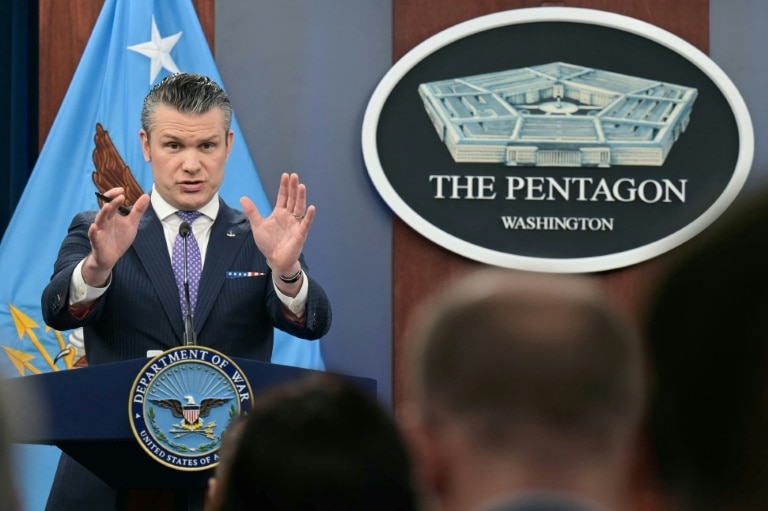
    The controversial remarks were reinforced by U.S. Defense Secretary Pete Hegseth during a Tuesday press briefing. Hegseth characterized the Strait of Hormuz as an international waterway that the United States utilizes “dramatically less than most,” suggesting that maintaining its accessibility represents a shared global responsibility rather than solely an American concern.

    Hegseth delivered a significant assessment of the ongoing military campaign, describing the coming days as “decisive” in the conflict with Iran. While refusing to disclose specific strategic details, he notably declined to rule out the potential deployment of American ground forces, stating that revealing operational limitations would undermine military effectiveness.

    “You can’t fight and win a war if you tell your adversary what you are willing to do, or what you are not willing to do, to include boots on the ground,” Hegseth explained.

    Despite the continued military operations—now extending beyond one month—the Defense Secretary reported substantial progress in diplomatic negotiations to conclude the conflict. He characterized these talks as “very real, ongoing, active, and gaining strength.”

    In a previously undisclosed visit, Hegseth traveled to CENTCOM headquarters on Saturday to meet with troops engaged in operations against Iran. While specific locations remained confidential for security reasons, Hegseth described the experience as witnessing “the best of America.”

    General Dan Caine, the nation’s highest-ranking military officer, provided operational updates alongside Hegseth, revealing that U.S. forces have struck over 11,000 targets to date. These operations have focused on degrading Iran’s ballistic missile and drone capabilities while disrupting the logistical networks supporting these programs.

  • Next days in Iran war will be ‘decisive’: Pentagon chief

    Next days in Iran war will be ‘decisive’: Pentagon chief

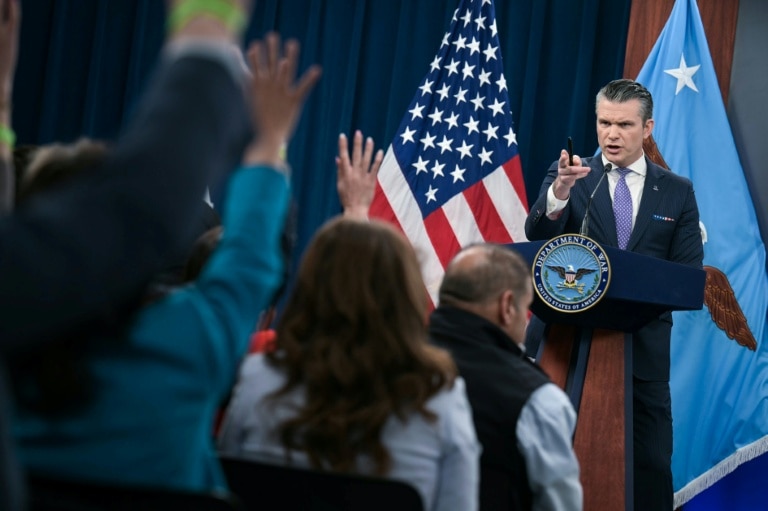
    Pentagon leadership has declared the approaching phase of military operations against Iran will prove decisive, while simultaneously revealing intensified diplomatic negotiations show promising signs of progress. Defense official Pete Hegseth characterized the coming days as critical during his first press briefing in nearly two weeks, emphasizing Tehran’s diminishing military options despite ongoing hostilities.

    Hegseth maintained strategic ambiguity regarding potential deployment of U.S. ground forces, asserting that operational security precluded revealing specific tactical decisions. “You cannot achieve victory while disclosing operational parameters to adversaries,” Hegseth stated, while acknowledging both military and diplomatic solutions remained viable pathways to resolution.

    The Defense official confirmed clandestine visits to CENTCOM operational theaters over the weekend, where he observed American troops engaged in active campaigns. While withholding specific locations for security reasons, Hegseth described the experience as witnessing “the best of America” in action.

    Military assessments presented alongside diplomatic updates revealed substantial operational achievements. General Dan Caine, the nation’s highest-ranking military officer, reported successful strikes against over 11,000 targets, significantly degrading Iran’s ballistic missile and unmanned aerial systems. Naval operations have simultaneously neutralized Tehran’s maritime capabilities, including mine-laying operations and naval assets.

    The parallel advancement of military pressure and diplomatic engagement suggests a coordinated strategy aimed at compelling Iranian concessions. Hegseth characterized negotiations as “active and gaining strength,” indicating potential breakthroughs despite continued military action.

  • Russian tanker brings oil to Cuba as US eases blockade

    Russian tanker brings oil to Cuba as US eases blockade

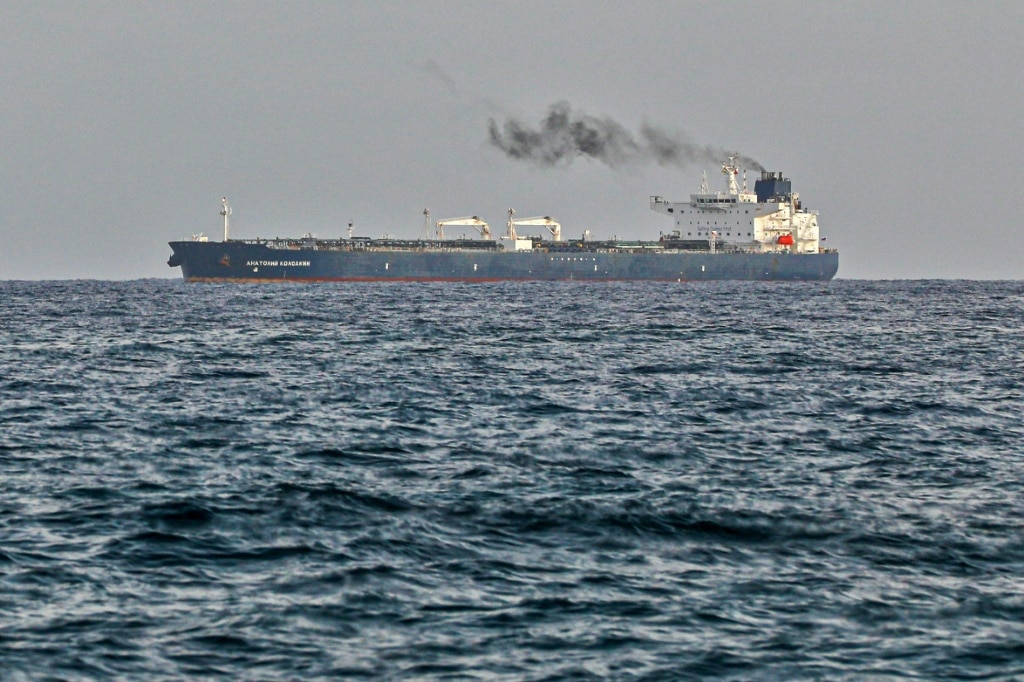
    In a significant geopolitical development, a Russian-flagged oil tanker arrived at the port of Matanzas, Cuba, on Tuesday morning, delivering 730,000 barrels of crude oil. This shipment marks the first major oil delivery to the island nation since January, following a temporary humanitarian reprieve granted by the United States from its stringent sanctions regime.

    The vessel, identified as the Anatoly Kolodkin—itself under U.S. sanctions—entered the port at sunrise as observed by AFP correspondents. The delivery comes as Cuba grapples with severe energy shortages, characterized by recurrent nationwide blackouts, stringent fuel rationing, and a near-paralyzed public transportation system.

    U.S. President Donald Trump authorized the Russian shipment, stating that he did not object to such humanitarian deliveries so Cubans ‘have to survive.’ However, the White House was quick to clarify that this does not signify a shift in overall policy toward Cuba. Press Secretary Karoline Leavitt emphasized, ‘We allowed this ship to reach Cuba to provide for humanitarian needs. These decisions are being made on a case-by-case basis.’

    While the arrival of the tanker was met with relief by some local residents, economists and energy analysts caution that the shipment offers only a fleeting solution. Ricardo Torres, an economist at American University, noted that Cuba’s energy crisis is ‘structural rather than episodic,’ and the oil provides ‘temporary breathing room’ but falls far short of resolving the nation’s significant deficit.

    The context of this delivery is rooted in heightened U.S. pressure on Cuba and its primary regional ally, Venezuela. Since January, Cuba has been largely cut off from oil supplies after the U.S. intensified efforts to oust Venezuelan leader Nicolás Maduro and threatened tariffs on any country supplying crude to Cuba.

    Policy analysts like Ricardo Herrero of the Cuba Study Group interpret the U.S. strategy as one designed to ‘drive the system to the brink’ to force Havana into making substantial concessions at the negotiating table, without intending to trigger a full societal collapse.

    Energy experts estimate that the crude will take approximately a month to refine into diesel, which is critically needed for backup generators and transportation. The resulting diesel is projected to meet the country’s demand for only about two weeks. This shipment is viewed by many as a stopgap humanitarian measure rather than a step toward economic recovery, with doubts lingering about Russia’s long-term willingness to subsidize the Cuban economy.

  • Canberra to host Australia v Ireland pre-World Cup

    Canberra to host Australia v Ireland pre-World Cup

    In a landmark announcement for international rugby union, Ireland will lock horns with Australia in a historic first-ever Test match on Canberra’s home soil at GIO Stadium on September 18, 2027, serving as a critical warm-up fixture ahead of the men’s Rugby World Cup hosted on Australian shores.

    The clash will come just under two weeks before the tournament gets underway for the host nation. Australia, nicknamed the Wallabies, will open their 2027 World Cup campaign against Hong Kong China in Perth on October 1, while Ireland – currently ranked among the top rugby nations globally – will kick off their tournament three days later against Portugal in Sydney.

    GIO Stadium holds an unblemished winning record for the Wallabies in Test matches: the Australian side has claimed victory in all five Tests they have played at the venue to date, with their most recent outing at the ground a 45-20 win over Argentina back in 2017. The venue also welcomed a major rugby event just last year, when the British & Irish Lions faced off against the ACT Brumbies during their Australian tour. That 2025 clash, which ended in a 36-24 victory for the Lions, saw three current Irish internationals – James Lowe, Garry Ringrose and Josh van der Flier – all cross the try line, giving the Irish squad valuable prior experience of the ground’s playing surface.

    The most recent meeting between the two rugby powerhouses ended in a dominant Irish win, with Andy Farrell’s side running out 46-19 victors during the November 2026 Test window in Dublin. That result has added an extra layer of anticipation for the 2027 rematch in Canberra, as Australia looks to reverse their recent losing streak against the top-ranked Irish side.

    Speaking on the announcement, Rugby Australia Chief Executive Phil Waugh highlighted the deep passion for rugby that permeates the Canberra community, pointing to the unprecedented turnout for last year’s Lions-Brumbies fixture as evidence. “The rugby community in Canberra is deeply passionate and holds a great appreciation for international touring teams, as we witnessed last year when the biggest GIO Stadium Canberra rugby crowd in 20 years packed the venue for the Brumbies’ thrilling match against the British & Irish Lions,” Waugh said.

    “This will be the Wallabies’ first Test match at GIO Stadium Canberra in a decade, and their first ever encounter against Ireland in the city, coming as both teams put the final touches on their preparations for the eagerly-anticipated home Rugby World Cup,” he added. Waugh also extended official thanks to Australian Capital Territory Chief Minister Andrew Barr and Deputy Chief Minister Yvette Berry for their ongoing support of elite Test rugby in the region, at a pivotal moment of growth for the sport across Australia.

    Before the 2027 World Cup warm-up, the two nations will not have to wait long to meet again: Ireland is scheduled to face Australia as part of the inaugural Nations Championship summer tour, kicking off in Sydney on July 4 this year. Ireland’s 2026 summer tour will then see the side face Japan one week after the Australia clash, before wrapping up the tour with a Test against New Zealand in Auckland on July 18.

  • Massive US-Israeli strikes hit Iran after Trump threat

    Massive US-Israeli strikes hit Iran after Trump threat

    A significant military escalation has unfolded across the Middle East as coordinated U.S. and Israeli strikes targeted critical infrastructure within Iran. The offensive, which hit military facilities in central Iran and damaged a major religious site in Zanjan, follows President Donald Trump’s explicit threat to decimate Iran’s oil and energy plants if it refuses to capitulate to military pressure and accept a proposed deal.

    Verified video footage captured substantial explosions and towering plumes of smoke in Isfahan, while state media confirmed damage to the Grand Husseiniya, a prominent Shia religious center. Subsequent explosions and widespread power outages were reported in Tehran, where residents described an atmosphere of tense normalcy amidst heightened security. Fatemeh, a 27-year-old dental assistant, encapsulated the public sentiment, stating, ‘When I make it to a cafe table… I can almost believe the world hasn’t ended. And then I go back home, back to the reality of living through war.’

    The conflict’s ripple effects are being felt across the region and global markets. Explosions were reported in Dubai and near Erbil airport in northern Iraq, while air defense systems were activated in Jerusalem and Riyadh. Kuwait’s state oil company reported a ‘direct and malicious’ Iranian attack that set one of its giant crude oil tankers ablaze in Dubair Port. These developments have placed global markets on edge, with particular attention focused on the Strait of Hormuz—a critical maritime channel that Iran has effectively restricted to vessels it doesn’t deem from ‘hostile countries.’

    World oil prices have experienced significant volatility, surging overall since the conflict’s initiation over a month ago with strikes that killed Supreme Leader Ayatollah Ali Khamenei, but fluctuating with each of Trump’s promises of a rapid conclusion. Christopher Dembik of Pictet Asset Management noted, ‘The fog of war continues,’ reflecting market uncertainty.

    Israeli Prime Minister Benjamin Netanyahu, Trump’s partner in the offensive, claimed that more than half of the operation’s military objectives had been achieved, though neither leader has provided a specific timeline for the conflict’s conclusion. The war has expanded to southern Lebanon, where Israel reported four additional soldier casualties in combat against Iranian-backed Hezbollah.

    Diplomatic efforts are simultaneously underway, with Pakistan acting as an intermediary. Pakistani Foreign Minister Ishaq Dar was scheduled to travel to Beijing for talks with counterpart Wang Yi on ‘global issues of mutual interest,’ following a Sunday meeting in Islamabad that included foreign ministers from Saudi Arabia, Egypt, and Turkey. Dar stated Pakistan’s readiness to host U.S.-Iran talks in the ‘coming days,’ though Tehran has denied direct contact with Washington, acknowledging only intermediary communication requests.

  • Man charged with attempted murder after alleged violent, bloody stabbing at home in Sydney’s west

    Man charged with attempted murder after alleged violent, bloody stabbing at home in Sydney’s west

    A violent home invasion in Sydney’s western suburbs has resulted in attempted murder charges after a brutal stabbing incident that left two victims fighting for their lives. The alleged attack occurred Monday afternoon on Palm Street in Girraween, triggering an emergency response to reports of multiple stabbing victims.

    Disturbing CCTV footage obtained by news outlets captures the chilling sequence of events, showing a man clad in black approaching the residence’s front door. The footage allegedly shows a household member attempting to defend themselves using a chair as a makeshift barrier against the assailant.

    According to police reports, the confrontation escalated dramatically, resulting in two men—aged 30 and 56—sustaining multiple life-threatening stab wounds to their torsos. Both victims were rushed to hospital in critical condition. A third individual, 37, suffered arm injuries during the violent altercation.

    Law enforcement authorities confirmed that the alleged perpetrator, a 37-year-old man, was arrested on Tuesday and now faces two counts of attempted murder. Police indicate that all parties involved were acquainted with one another, suggesting the violence may have stemmed from a personal dispute rather than a random attack.

    The accused has been denied bail and is scheduled to appear at Parramatta Local Court on Wednesday as the investigation continues. The incident has shocked the local community and raised concerns about domestic violence and personal safety in residential areas.

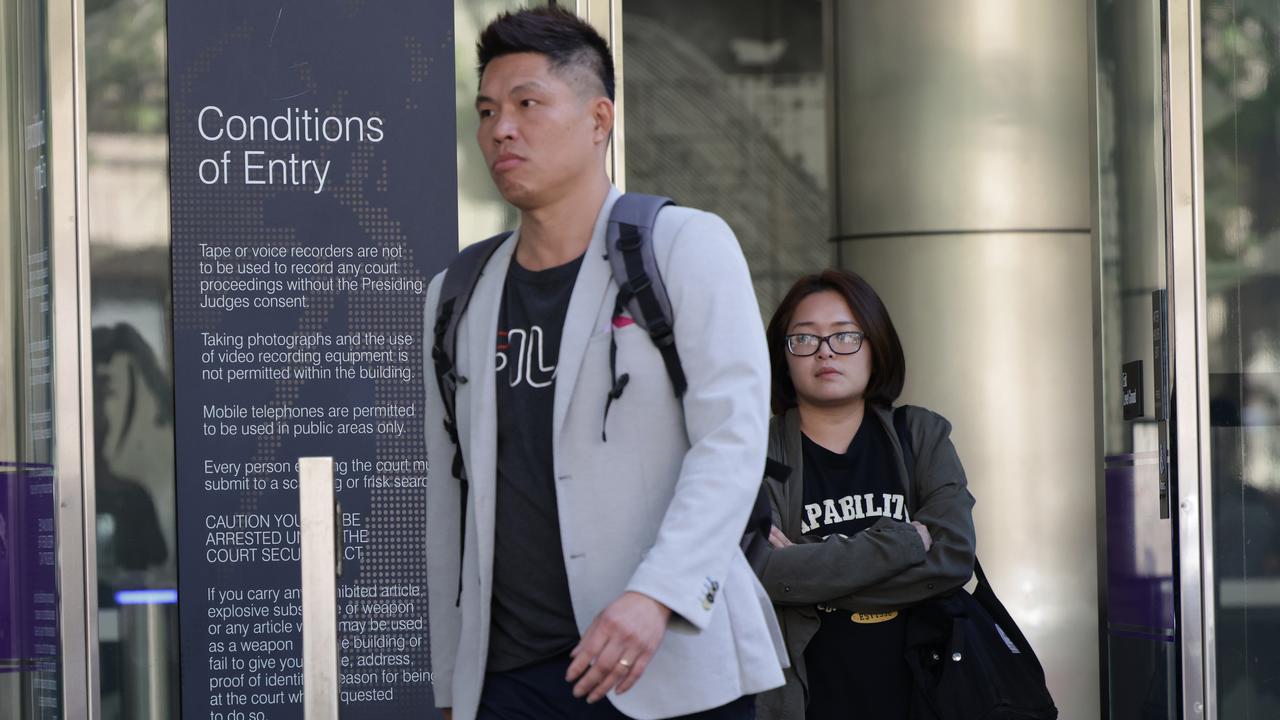
  • Chee ‘Max’ Chong and Angi Liaw: Melbourne couple on trial accused of keeping woman as slave

    Chee ‘Max’ Chong and Angi Liaw: Melbourne couple on trial accused of keeping woman as slave

    A disturbing case of alleged modern-day slavery has unfolded in Melbourne’s County Court, where a married couple stands accused of subjecting a woman to brutal physical abuse and severe living restrictions within their suburban residence. Chee Kit ‘Max’ Chong and Angi Yeh Ling Liaw have pleaded not guilty to slavery-related charges following accusations they held a 61-year-old woman in servitude for nine months in 2022.

    According to prosecutor Shaun Ginsbourg SC, the Malaysian-born couple allegedly employed beatings, sleep deprivation, and food restrictions as punishment mechanisms against the woman, who cannot be named for legal reasons. The court heard how the victim’s circumstances dramatically deteriorated after initially developing a mother-son relationship with Mr. Chong in Malaysia dating back to 2015.

    The prosecution outlined a pattern of financial exploitation beginning in Malaysia, where the woman—formerly a pastor at Mr. Chong’s church—reportedly provided substantial financial support to the defendant, including funds obtained from her family and congregation members. This financial dynamic continued after the couple relocated to Melbourne in 2017 and invited the woman to join them.

    The situation allegedly turned exploitative in early 2022 when the woman moved into the couple’s Point Cook home to assist with their newborn child. Prosecutors claim Mr. Chong subsequently fabricated credit card issues and demanded she work off supposed debts, transforming her role from helper to captive.

    The woman, who has since died from unrelated causes, described her status as: “He’s a master, I’m a maid. I’m a helper only.” Court documents detail how she was forced to perform domestic chores including cooking, cleaning, and massaging Mr. Chong’s legs, while allegedly being deprived of proper sleeping arrangements—relegated to stairs or the garage—and having her movements and communications severely restricted.

    The case reached crisis point on October 7, 2022, when the woman escaped and presented at St Vincent’s Hospital with extensive injuries including severe ear swelling, foot lacerations, leg inflammation, and signs of malnutrition. Medical staff alerted federal police after hearing allegations of systematic abuse and threats involving immigration authorities.

    Defense attorneys for the couple presented contrasting narratives, describing the woman as a willingly accommodated homeless person whom they supported financially. Barrister Diana Price questioned whether the woman’s household contributions exceeded normal family dynamics, while Daniel Gurvich KC representing Ms. Liaw argued insufficient evidence existed to prove intentional involvement in slavery offenses.

    The trial before Judge Michael Cahill is anticipated to extend over several weeks as jurors assess conflicting accounts regarding one of Melbourne’s most severe alleged modern slavery cases.