标签: Oceania

大洋洲

  • Any expansion of federal parliament unnecessary and costly: Taylor

    Any expansion of federal parliament unnecessary and costly: Taylor

    A significant political confrontation has erupted in Canberra over proposals to expand Australia’s federal parliament, with Opposition Leader Angus Taylor leading fierce criticism against the Albanese government’s potential move. The controversy emerged after Special Minister of State Don Farrell indicated ongoing interest in increasing parliamentary representation, citing historical Labor precedent.

    During a National Press Club address, Minister Farrell asserted that enlarging parliament aligns with Labor’s traditional approach, though he acknowledged the proposal hasn’t yet gained sufficient support. Behind-the-scenes discussions have reportedly continued as recently as February, with Farrell engaging National Party representatives regarding additional seats before the next election.

    The Coalition has mounted vigorous opposition to the concept, with Taylor and Nationals leader Matt Canavan jointly demanding Prime Minister Albanese immediately reject any expansion plans. They contend that Australia requires governmental focus on public concerns rather than additional politicians. The opposition estimates that adding 24 House of Representatives members and 14 senators would exceed $600 million in taxpayer expenses based on Parliamentary Budget Office calculations.

    Despite Australia’s substantial population growth since the last parliamentary expansion in 1984, Taylor argued that current economic pressures make additional political representation inappropriate. He connected population growth under Labor with declining per capita economic performance, questioning the timing of such proposals.

    The government response characterized the opposition’s focus as politically motivated distraction. A spokesperson for Minister Farrell’s office emphasized respect for the ongoing Joint Standing Committee on Electoral Matters review, noting the Coalition’s unusual preparation of costings for a policy not formally proposed. The committee, which includes Coalition members, is scheduled to deliver its final assessment in 2027.

  • Fuel excise cut won’t spare families from more rate pain

    Fuel excise cut won’t spare families from more rate pain

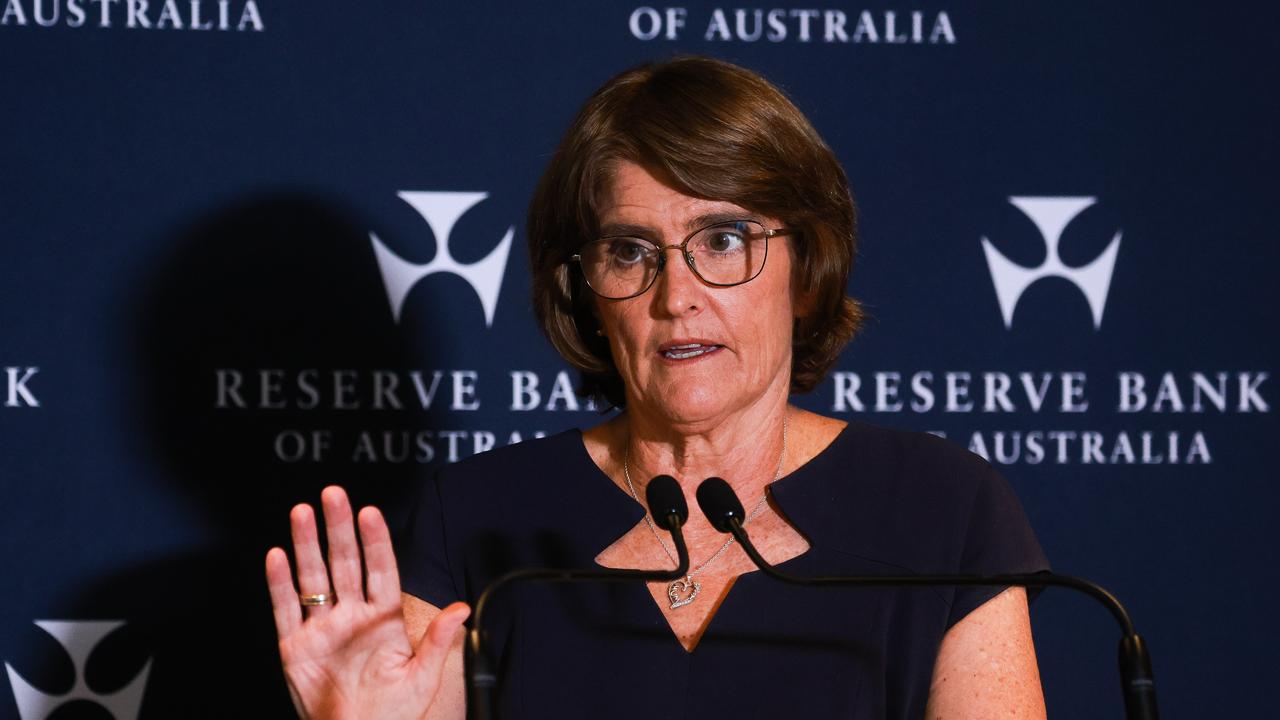
    Australian households are bracing for significant financial pressure as economic experts predict the Reserve Bank of Australia (RBA) will implement three consecutive interest rate increases, potentially reaching a 15-year high of 4.85% by August. This forecast comes despite the federal government’s recently announced temporary fuel excise reduction aimed at alleviating cost-of-living pressures.

    Westpac Chief Economist Luci Ellis, a former RBA official with three decades of central banking experience, warns that the government’s fuel relief measures will prove insufficient against persistent inflationary pressures. Ellis anticipates rate hikes in May, June and August, driven by rapid pass-through effects of elevated fuel and oil-derived product prices throughout the economy.

    The RBA’s recently released meeting minutes confirm significant concerns about Middle East conflict impacts on global energy markets, characterizing the situation as a “material adverse supply shock” to the global economy. This external pressure compounds domestic inflationary challenges that have maintained Australia’s inflation rate at 3.7%.

    Treasurer Jim Chalmers defended the government’s approach, stating the fuel excise reduction provides “timely, temporary and responsible” relief while acknowledging global economic headwinds beyond Australia’s control. The policy reduces fuel costs by 26.3 cents per liter for three months and temporarily suspends heavy vehicle road user charges.

    HSBC Chief Economist Paul Bloxham presents a particularly concerning outlook, predicting the combination of interest rate increases and oil price shocks will reduce consumer spending by approximately 1.8 percentage points. Bloxham forecasts negative GDP growth in the June quarter as households redirect spending toward mortgage obligations, though Australia may narrowly avoid a technical recession through economic adjustment mechanisms including currency flexibility and comparatively low government debt levels.

    The RBA’s next meeting on May 4-5 is widely expected to result in a 25 basis point increase to 4.35%, continuing the monetary tightening cycle that began in March with the cash rate reaching 4.10%.

    Economic analysts emphasize that while government relief measures provide some temporary assistance, underlying global supply shocks and domestic inflationary pressures will continue driving monetary policy decisions in coming months.

  • Alleged Invasion Day bomber Liam Alexander Hall detained in psychiatric facility, court told

    Alleged Invasion Day bomber Liam Alexander Hall detained in psychiatric facility, court told

    A significant development has unfolded in the case of a Western Australian man accused of perpetrating a terrorist act during an Invasion Day demonstration in Perth. Liam Alexander Hall, 32, remains in custody at a specialized criminal psychiatric facility as legal proceedings advance through the Perth Magistrates Court.

    The defendant faces serious charges for allegedly hurling a makeshift explosive device into a crowd of protesters on January 26th. According to court documents, the weapon consisted of a glass container filled with liquid, screws, and ball bearings designed to cause maximum harm.

    During Tuesday’s hearing, defense attorney Simon Freitag requested an eight-week adjournment to complete a psychiatric assessment that could form the basis of a Section 27 defense under Western Australia’s Criminal Code. This legal provision applies when defendants are deemed legally insane due to mental impairment.

    Australian Federal Police Commissioner Kristy Barrett characterized the incident as a “nationalist and racially motivated attack” specifically targeting Aboriginal community members and First Nations people participating in the protest. The rally, which drew thousands of participants, was abruptly evacuated following the security scare.

    Despite the alarming nature of the alleged attack, witnesses reported that the device—reportedly concealed in an Elsa-themed sock from the Frozen franchise—failed to detonate. Hall faces three separate charges: committing an act of terrorism, intent to harm, and manufacturing or possessing explosives under suspicious circumstances.

    The case has been postponed until May 26th, when Hall is expected to enter formal pleas following completion of his psychiatric evaluation at Perth’s Frankland Centre.

  • ‘Is it Kafka?’ US judge baffled by new Pentagon press policy

    ‘Is it Kafka?’ US judge baffled by new Pentagon press policy

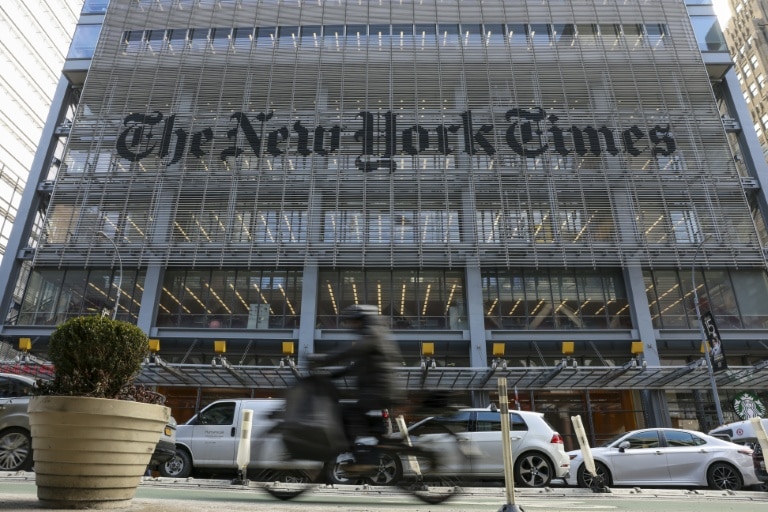
    A federal courtroom became the arena for a constitutional clash between The New York Times and the Trump administration regarding the Pentagon’s increasingly restrictive media access policies. The confrontation unfolded before Judge Paul Friedman, who previously ruled this month that the Defense Department’s new credentialing rules violated constitutional protections for journalists.

    The legal battle intensified when the administration announced plans to appeal Judge Friedman’s ruling while simultaneously implementing even stricter access controls. These measures included shuttering the Pentagon’s traditional press area known as Correspondents’ Corridor and relocating journalists to an annex in a separate building. The revised policy mandates that “all journalist access to the Pentagon will require escort by authorized Department personnel.”

    During Monday’s hearing, Theodore Boutrous, representing The New York Times, accused the administration of acting in “bad faith” and engaging in “gaslighting” tactics. “We’ve seen this movie before,” Boutrous stated. “They made the press credentials that we fought so hard to get back meaningless.”

    The practical implications of these restrictions were detailed in a sworn declaration by Times reporter Julian Barnes, who noted journalists could neither access the new press facility on foot nor use the Pentagon shuttle bus without special permission—a situation Judge Friedman described as reminiscent of “Catch-22” and Kafkaesque absurdity.

    Following arguments from both the Times and Justice Department lawyer Sarah Welch, the court withheld immediate judgment. The case emerges against a backdrop of numerous news organizations, including AFP, losing their Pentagon credentials in mid-October after refusing to sign the new access agreement. These developments represent the latest in a series of adversarial measures by the Trump administration against media outlets frequently dismissed as “fake news” when their reporting proves unflattering to the government.

  • Italy hoping to scale World Cup ‘Everest’ ahead of Bosnia play-off showdown

    Italy hoping to scale World Cup ‘Everest’ ahead of Bosnia play-off showdown

    The Italian national football team confronts its final hurdle towards World Cup qualification on Tuesday, facing Bosnia and Herzegovina in a high-stakes play-off final in Zenica. Coach Gennaro Gattuso has likened the challenge to scaling Mount Everest, reflecting the immense pressure on his squad to secure Italy’s first World Cup appearance in twelve years.

    This decisive match follows Italy’s narrow semi-final victory over Northern Ireland, a performance that failed to fully reassure supporters concerned about potentially missing a third consecutive World Cup. Goals from Sandro Tonali and Moise Kean salvaged what was otherwise an underwhelming display, preventing another qualification disappointment.

    The reward for victory is placement in Group B alongside Canada, Switzerland, and Qatar in this summer’s tournament. For a nation that last won the World Cup in 2006, qualification represents crucial redemption after falling behind international rivals.

    Controversy has emerged ahead of the match, with several Italian players filmed celebrating Bosnia’s penalty shootout victory over Wales. Defender Federico Dimarco has publicly denied any disrespect intended toward their opponents, though the incident has drawn criticism from Italian football legends including World Cup winner Dino Zoff, who warned it would unnecessarily motivate the Bosnian team.

    Bosnia captain Edin Dzeko, familiar with Italian football from his time with Roma and Inter Milan, has asserted his team’s capability to cause problems for Italy. The 40-year-old striker remains a potent threat, supported by emerging talent like 18-year-old Kerim Alajbegovic, who will join Bayer Leverkusen next season.

    The match officials have also drawn attention, with French referee Clement Turpin’s appointment viewed superstitiously by some Italian media due to his involvement in Italy’s previous World Cup qualification failure against North Macedonia.

  • Cubans ready for Russian oil but some say not enough

    Cubans ready for Russian oil but some say not enough

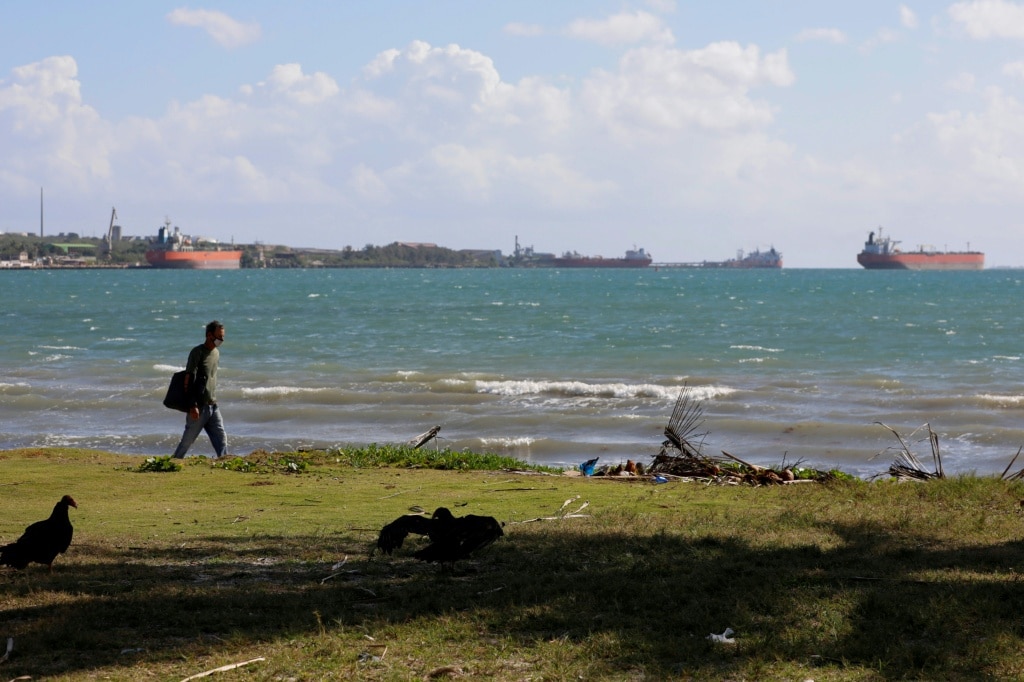
    A Russian-flagged oil tanker, the Anatoly Kolodkin, is scheduled to dock at the port of Matanzas on Tuesday, delivering 730,000 barrels of crude oil to Cuba—the first such shipment to reach the communist-ruled island since January. The arrival comes amid a severe energy crisis that has led to widespread blackouts, fuel rationing, and crippled public transportation.

    While the shipment has been cautiously welcomed by some Cubans, many residents expressed skepticism about its impact. Rosa Perez, a 74-year-old retiree, stated, ‘We’ll welcome it with open arms. You have no idea how badly we need that oil.’ However, others like Raul Pomares, a 56-year-old gardener, called it ‘a drop in the bucket compared to what this country needs.’

    The delivery follows a temporary reprieve from U.S. sanctions granted by the Trump administration. President Trump commented, ‘I have no problem with Russia or another country sending oil because Cubans have to survive,’ though he predicted it would have little effect on Cuba’s overall situation, declaring ‘Cuba’s finished.’

    The Kremlin expressed satisfaction with the shipment’s progress, with spokesman Dmitry Peskov stating, ‘Russia considers it its duty to step up and provide necessary assistance to our Cuban friends.’

    Energy experts note that the shipment will provide limited relief. Jorge Pinon, a Cuba energy specialist at the University of Texas at Austin, estimated the oil could produce approximately 250,000 barrels of diesel—enough to meet Cuba’s needs for just 12.5 days. The government must decide whether to allocate the fuel to backup power generators or transportation infrastructure.

    The crisis intensified after Cuba lost its main oil supplier in January when U.S. forces captured Venezuela’s socialist leader Nicolas Maduro. Since then, blackouts and shortages of basic goods have fueled public frustration and occasional protests.

    Mexican President Claudia Sheinbaum revealed ongoing discussions with private firms about potentially selling Mexican oil to Cuban companies and personally donated humanitarian aid to Cuba.

    Many Cubans, including 76-year-old retiree Orlando Ocana, view the Russian shipment as merely ‘a Band-Aid’ solution, arguing that building new thermoelectric power plants represents the only real long-term solution to the energy crisis.

  • ‘I don’t see any pro’: 49ers coach slams upcoming trip to Australia for historic NFL clash at the MCG

    ‘I don’t see any pro’: 49ers coach slams upcoming trip to Australia for historic NFL clash at the MCG

    San Francisco 49ers head coach Kyle Shanahan has expressed vehement disapproval regarding the NFL’s decision to schedule his team for the league’s inaugural Australian game this September. Despite growing excitement among Australian fans, Shanahan revealed his frustrations during the annual league meetings in Phoenix, highlighting significant concerns about the extensive travel requirements.

    The groundbreaking Week One matchup will feature the 49ers against the Los Angeles Rams at Melbourne Cricket Ground on September 11th—marking the first NFL game ever played on Australian soil. While the event promises to deliver prime-time viewing for American audiences with its 10:35 AM local kickoff time, Shanahan remains unconvinced of any competitive benefits for his organization.

    “I don’t see any pro,” Shanahan stated bluntly. “It’s cool for the league to play globally. I think that’s awesome. But as far as the team doing it, no, there’s not much benefit to it.” The coach emphasized the challenges of the 19-hour journey, time zone adjustments, and the absence of a subsequent bye week as particular points of contention.

    Despite Shanahan’s objections, ticket sales for the historic event are anticipated to surge when they become available to the public on April 8th. The Rams organization, which has maintained a dedicated Australian marketing presence through the NFL’s international program, joined Victorian Premier Jacinta Allan in promotional activities at MCG to build local excitement.

    The game represents one of nine international matchups on the 2024 NFL schedule, though Shanahan noted with sarcasm that having two international games was particularly unappealing. The 49ers will bring star players including Christian McCaffrey and newly acquired Mike Evans to Australia despite their coach’s reservations about the logistical implications.

  • NASA begins countdown to April 1 Moon launch

    NASA begins countdown to April 1 Moon launch

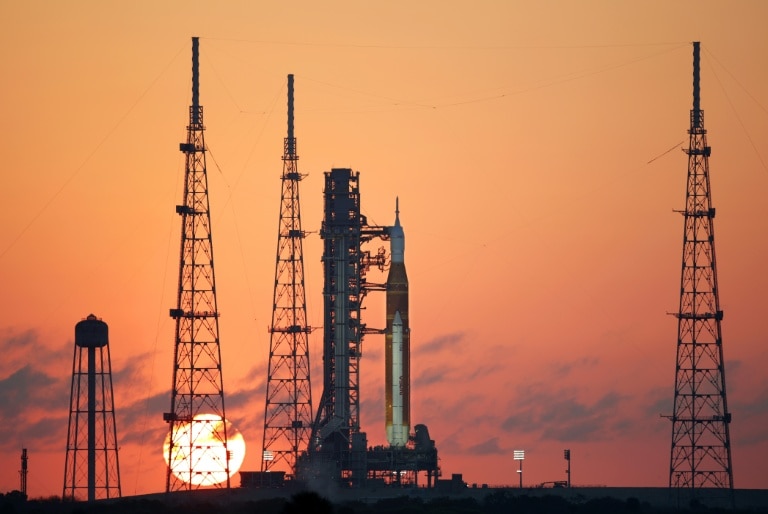
    NASA has initiated the critical two-day countdown sequence for its groundbreaking Artemis II mission, marking the agency’s first crewed lunar expedition in over five decades. The monumental launch window opens on Wednesday, April 1st at 6:24 PM EST (2224 GMT) from Kennedy Space Center’s Launch Pad 39B in Florida, where the Space Launch System (SLS) rocket and Orion spacecraft currently stand poised for their historic journey.

    Mission officials expressed unwavering confidence in both hardware and crew readiness during Monday’s technical briefing. ‘The vehicle is ready, the system is ready. The crew is ready,’ declared Amit Kshatriya, NASA’s associate administrator, emphasizing that this mission represents the foundation for future lunar exploration campaigns, including established plans for permanent lunar base construction.

    The four-member international crew—NASA astronauts Reid Wiseman, Victor Glover, and Christina Koch alongside Canadian Space Agency astronaut Jeremy Hansen—have entered pre-launch quarantine protocols. In a touching pre-mission tradition, the astronauts were scheduled to share a final family dinner at a Florida beach residence before embarking on their celestial voyage.

    This mission achieves multiple historic milestones: featuring the first woman, first person of color, and first non-American to participate in a lunar mission. The launch also represents the inaugural crewed flight test of NASA’s next-generation SLS rocket system, designed to enable sustained human presence on the Moon.

    Despite previous technical challenges that delayed the originally planned February launch, including necessary rollbacks to the Vehicle Assembly Building for analysis and repairs, mission directors now report all systems operating optimally. Launch director Charlie Blackwell-Thompson affirmed: ‘We’ll fly when this hardware is ready. But certainly all indications are right now we are in excellent, excellent shape.’

    Weather conditions appear favorable with an 80% probability of acceptable launch conditions, though mission teams continue monitoring potential cloud coverage and surface wind constraints. Space weather conditions are also under continuous observation as the agency prepares to make spaceflight history.

  • RBA determines hidden debit tap and go surcharge to be removed

    RBA determines hidden debit tap and go surcharge to be removed

    In a landmark decision that will reshape Australia’s payment landscape, the Reserve Bank of Australia (RBA) has announced the elimination of controversial card surcharges that have cost consumers approximately $1.6 billion annually. The comprehensive reforms, set for full implementation by October 2026, represent the most significant overhaul of payment regulations in over two decades.

    The central bank’s review concluded that the existing surcharge framework, established more than twenty years ago, has failed to guide consumers toward more efficient payment methods as originally intended. Under the new regulations, businesses will be prohibited from adding separate fees for debit, prepaid, and credit card transactions across eftpos, MasterCard, and Visa networks. Instead, merchants must incorporate all payment processing costs directly into their advertised prices.

    RBA Governor Michele Bullock emphasized that these changes will eliminate checkout surprises for consumers. ‘When card surcharges end, the sticker price will be the price that consumers end up paying,’ Bullock stated. ‘Consumers will no longer be surprised at the checkout by an unexpected surcharge for paying by card.’

    Concurrently, the RBA is implementing substantial reductions in interchange fees—the charges businesses pay to card providers. The cap on domestic consumer credit card transactions will be slashed from 0.8% to 0.3%, projected to save businesses approximately $910 million annually. The central bank has committed to monitoring payment providers to ensure these savings are passed through to consumers rather than being retained by financial intermediaries.

    Additional transparency measures will require payment networks including eftpos, MasterCard, and Visa to publicly disclose their fee structures, enabling merchants to compare costs more effectively. The reforms will be implemented in phases, with domestic changes effective October 2026 and new regulations for foreign-issued cards commencing April 2027.

    While acknowledging that businesses may adjust overall pricing to recover lost revenue, the RBA noted that approximately 84% of Australian merchants don’t currently impose surcharges. The changes are particularly expected to benefit small businesses, which typically face higher payment processing costs.

  • Mattress-in-a-box pioneer Koala forecasts $332m revenue after IPO

    Mattress-in-a-box pioneer Koala forecasts $332m revenue after IPO

    Australian direct-to-consumer furniture giant Koala has achieved a monumental corporate milestone, officially listing on the ASX with a market valuation of $305 million. The viral mattress-in-a-box pioneer commenced trading at 11 AM Tuesday following a successful initial public offering that raised $20 million in fresh capital.

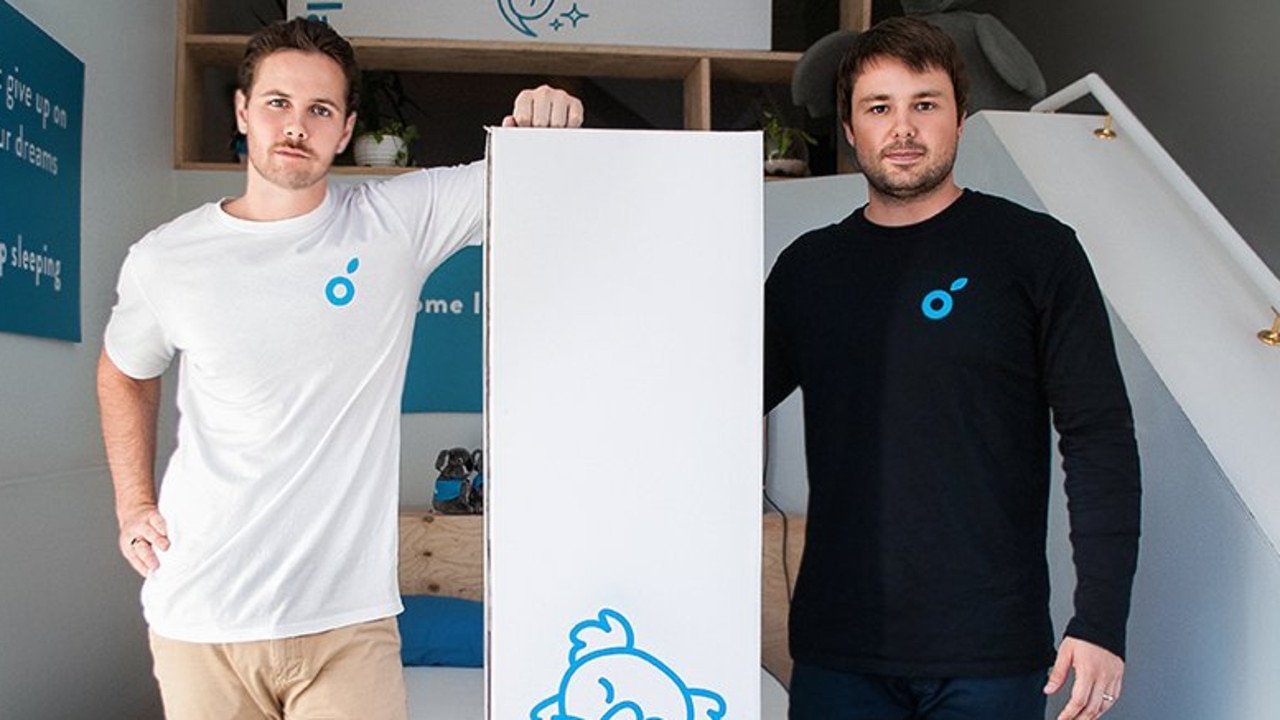
    Founded in Byron Bay a decade ago by childhood friends Dany Milham and Mitch Taylor with just $2000 initial investment, the company has evolved from selling vacuum-sealed mattresses to becoming a full-fledged furniture retailer operating across Australia, Japan, the United States, and the United Kingdom. The IPO priced new shares at $3.40 each, granting incoming investors a 20.65% stake in the rapidly expanding business.

    The financial structure of the offering demonstrates strategic foresight, with $10.1 million of raised capital allocated to debt reduction while existing investors sold down $48.1 million in stock. This listing transforms the founders into multimillionaires, with Mr. Milham’s stake valued at approximately $63 million and Mr. Taylor holding shares worth nearly $54 million after partially divesting his position.

    Institutional investors have shown significant confidence in Koala’s future, with Sydney-based Perennial Partners emerging as the largest shareholder with a 22.7% stake, followed by Alium Capital maintaining 5% ownership. The company’s remarkable growth trajectory has created extraordinary value for early supporters, including Australian cricket star Steve Smith, whose $100,000 investment in 2015 for a 10% stake ballooned to over $10 million within just four years.

    Financial projections indicate robust performance ahead, with Koala anticipating $332 million in revenue for FY2025—a 20% increase—with Australian sales accounting for roughly half of total revenue. This growth occurs despite challenging market conditions that have plagued many online retailers experiencing post-pandemic demand softening.

    Graeme Hughes from Griffith University noted that ‘Koala is bucking the trend, and it has earned the right to do so,’ highlighting the company’s vertically integrated model as a key differentiator from competitors like Temple & Webster, which experienced a ‘brutal year on the market.’

    The path to public listing wasn’t without obstacles—Koala previously postponed a 2022 float due to US-China trade tensions that disrupted North American expansion plans. Approximately 87% of Koala products remain manufactured in China, though the company spent six months strategically rebuilding supply chains through Southeast Asia to mitigate future disruptions.

    Marketing expert Arry Tanusondjaja from The University of Adelaide attributes Koala’s success to its focused product strategy and clever marketing, including a viral advertisement viewed over five million times. ‘What Koala has done well is staying focused on a specific category before expanding to whole-house furniture,’ Dr. Tanusondjaja observed, noting how the company built upon IKEA’s legacy by ‘offering a fully online, simple way to buy’ that resonates with contemporary consumers.