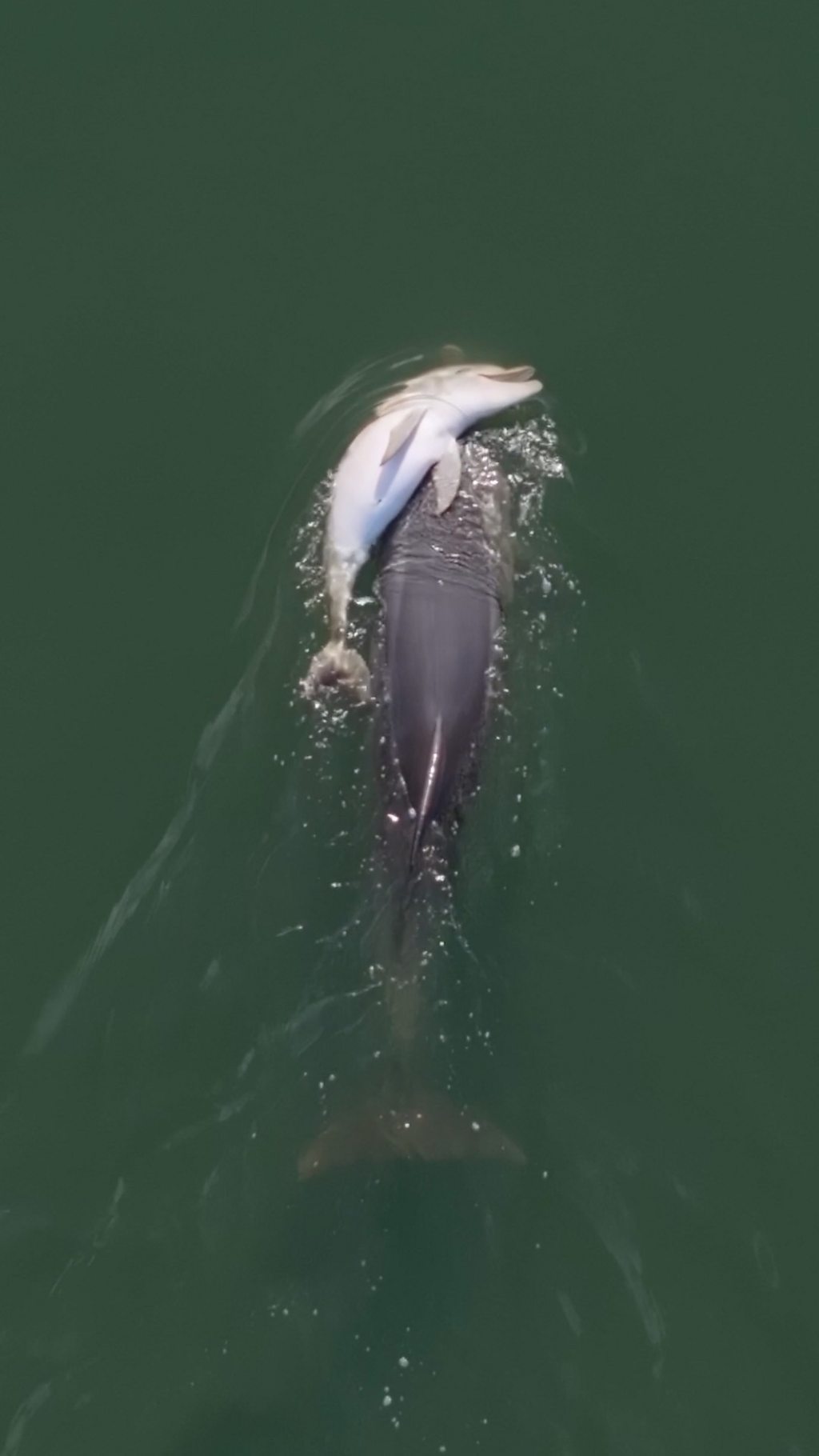
Marine observers have documented a deeply moving display of animal emotion, as a mother dolphin has been observed carrying her deceased calf through the water for multiple consecutive days in an extended period of mourning. The remarkable behavior, which has captured the attention of marine biologists and animal lovers alike, offers a rare and intimate look at the complex emotional lives of cetaceans, long hypothesized by researchers to experience grief and social bonding similar to humans. Witnesses to the event say the mother dolphin stayed close to her calf at all times, using her body and fin to keep the lifeless infant near the surface, refusing to leave it behind despite days passing since the calf’s death. This incident adds to a growing body of anecdotal and scientific evidence that dolphins, known for their high intelligence and tight-knit social structures, possess deep emotional capacities that extend to mourning their dead.
标签: Oceania
大洋洲
-
Israel conveys ‘concerns’ to US on Gaza plan and keeps striking
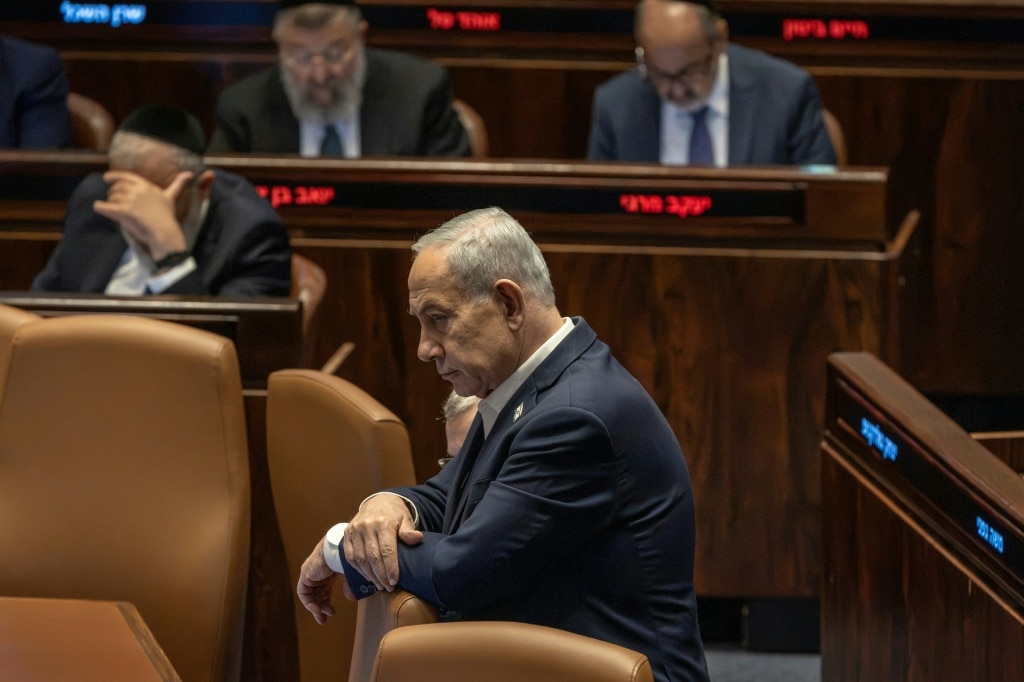
Fresh tensions have emerged between the Israeli government and the Trump administration over a proposed framework to end the months-long Gaza war, with Jerusalem formally conveying its sharp concerns to Washington on Monday while continuing military strikes across the besieged Palestinian territory. This latest disagreement exposes a growing rift between Israeli Prime Minister Benjamin Netanyahu and U.S. President Donald Trump, just months before Netanyahu faces a critical reelection contest in October — a race where the Israeli leader has centered his campaign on his close personal and political alliance with the U.S. president, whom he met with just last week.
At the heart of Israel’s objections is the demand for concrete, verifiable full disarmament of the Hamas militant group, which last Friday announced it would surrender its weapons to a newly formed interim Palestinian governing committee under the Trump-backed peace plan. In an official statement to Agence France-Presse, Doron Spielman, spokesperson for Netanyahu’s office, confirmed that Israeli officials had shared their reservations with U.S. counterparts. “The version that has been made public does not reflect Israel’s positions,” Spielman said, adding that Israeli intelligence assessments confirm Hamas has spent the months since the October 2024 ceasefire brokered by Trump actively rearming and recruiting new fighters, in clear preparation for future attacks.
The October ceasefire has reduced the intensity of large-scale conflict, but Israel retains military control over more than 60 percent of the Gaza Strip. According to Gaza’s local authorities, over 1,200 Palestinians have been killed in the territory since the truce took effect. The Israeli military, for its part, has confirmed that five of its soldiers and one civilian contractor have been killed in Gaza during the same period.
Trump framed Hamas’s announcement of weapons surrender as a transformative breakthrough for peace, calling the move a “major milestone” in efforts to end the devastating conflict that began when Hamas launched the deadliest single attack on Israeli soil in the country’s history on October 7, 2023. The U.S. president told reporters Friday that Israel was “very happy” with the development, but Netanyahu has until now remained publicly silent on the plan, breaking that silence only with Monday’s formal transmission of concerns to Washington.
Spielman argued that Hamas’s continued rearming activity proves the group is planning another large-scale attack similar to the October 7 massacre, noting that the Trump administration’s own Board of Peace roadmap outlines a vision for Gaza as “a deradicalised terror-free zone that does not pose a threat to its neighbours”. “That vision stands in direct contrast to the current reality and to Hamas’s stated intentions,” he said. “The indispensable first step toward any lasting arrangement is the genuine, verifiable and irreversible demilitarisation of Hamas. Anything short of full demilitarisation will leave Hamas with the capability to threaten Israel again.”
The four-day-old roadmap released by the Board of Peace calls on Israel to immediately and fully end all military operations in Gaza, and outlines a timeline for a phased Israeli military withdrawal from the territory — terms that run counter to Israel’s long-held position that its forces will remain in Gaza until Hamas’s disarmament is fully completed. This disagreement over the Gaza plan is not the only rift between the two allies: Israel has also openly expressed skepticism over Trump’s diplomatic push to end the brief Iran-Israel war that broke out in late February.
On the ground in Gaza, violence has continued unabated despite the ceasefire agreement. A Gaza-based security official confirmed that Israeli strikes carried out since early Sunday have killed 19 Palestinians, among them multiple women and children. Palestinian authorities added that an Israeli airstrike on Saturday destroyed a large stockpile of critical medical supplies, a loss that exacerbates the already catastrophic humanitarian situation across the strip. Israel has long defended its strikes, stating that Hamas systematically uses civilian infrastructure to hide weapons and fighters, and that Saturday’s strikes targeted two individuals it accuses of planning imminent attacks on Israeli civilians and military personnel.
The growing gap between U.S. and Israeli positions has drawn sharp criticism from senior Palestinian leaders involved in drafting the peace plan. Mohammad Dahlan, a prominent Palestinian political figure who played a central role in negotiating the framework, said that after the roadmap’s release he spoke with Trump’s senior aide and son-in-law Jared Kushner, who initially indicated Israel would end all strikes starting Sunday. Dahlan quickly walked back that claim on social media, revising his statement to say Kushner only confirmed he was “working with the Israeli side to halt the attacks”. Dahlan later accused Netanyahu of actively undermining the best chance to end the devastating conflict. “Netanyahu is working to obstruct the most promising opportunity to begin ending this war,” he said.
-
Water bombers take to skies as Greece battles wildfires
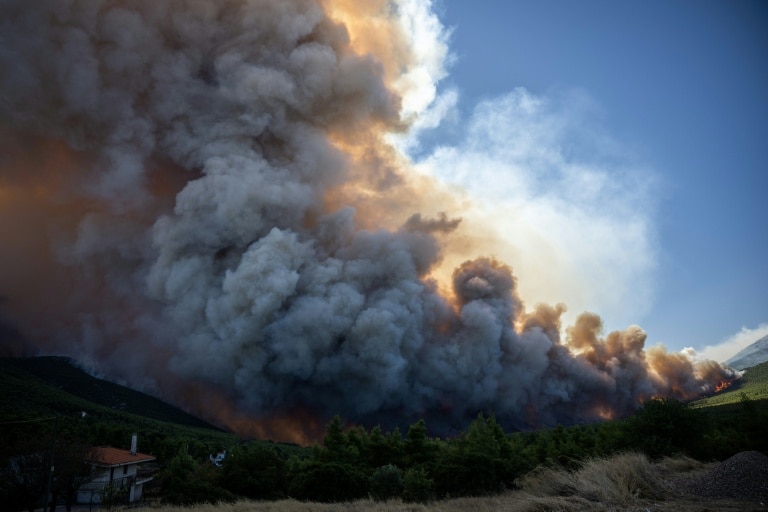
After a week of relentless, life-threatening blazes that have scorched thousands of hectares of land and claimed five lives, Greece has ramped up its wildfire response, with water-bombing aircraft returning to the skies Monday as dangerous high winds finally subsided.
Unlike neighboring France and Spain, which faced severe fire events early in the 2024 summer season, Greece escaped major wildfire activity for months. That luck ran out two weeks ago, however, and the country has now been locked in a desperate battle against multiple uncontrolled blazes for 14 straight days. The fires have consumed vast swathes of forest, coastal scrubland, and productive agricultural land west of the Greek capital Athens, as well as destroying areas on the islands of Crete and in the Peloponnese peninsula.
As of Monday, three major active fire fronts remained the most pressing concern for crews: the areas of Psatha, Kryo Pigadi and Kandyli, all located between 45 and 70 kilometers west of central Athens. With wind speeds dropping after days of gusts reaching up to 80 kilometers per hour — conditions that had forced aerial assets to ground, severely hampering containment efforts — nine water-bombing aircraft were able to rejoin the fight early Monday. They joined nine helicopters and roughly 450 ground-based firefighters working to contain the blazes across the Attica and Boeotia regions.
Even with the return of aerial support, Greek officials have stressed that the battle against the flames remains far from even. On Monday morning, the country’s Civil Protection agency ordered new mandatory evacuations for several small villages located near the Kandyli fire line, moving residents out of the path of advancing flames ahead of expected high temperatures through the day.
The crisis has already left a tragic toll. Since wildfires escalated last week, five people have been killed in fire-related incidents, all of them active responders. Three firefighters died last week while battling separate blazes in Crete and the Peloponnese. On Sunday, a mid-air collision between two Bell firefighting helicopters near Psatha killed a Danish pilot and a Greek co-pilot aboard one of the aircraft; the second helicopter’s pilot, a British national, and Greek co-pilot survived with injuries and were transported to a nearby hospital for treatment.
Following the collision, all Bell helicopters leased for the firefighting campaign have been grounded pending the outcome of a full official investigation, Greece’s public broadcaster ERT reported. The 15 Bell helicopters were leased from Australia’s McDermott Aviation, a company that has provided aerial support to Greek wildfire operations for seven years, according to the firm.
In a development that points to a potential human cause for one of the most destructive blazes, Greek police have arrested two employees of a national electricity utility in connection with a fire that broke out Friday near Porto Germeno, a coastal village on the Gulf of Corinth approximately 60 kilometers west of Athens. Investigators currently believe the blaze was sparked by a faulty or damaged electrical cable in the area.
Satellite data from the European Union’s Copernicus Earth observation programme, cited by Greek local media, shows that more than 12,000 hectares of forest and agricultural land have been burned since the outbreak of fires a week ago. That number is expected to rise as containment efforts continue.
Greek Prime Minister Kyriakos Mitsotakis has warned that the country faces “extremely difficult” days ahead, as sustained high temperatures and record-dry vegetation continue to create ideal conditions for fire ignition and spread. Civil Protection authorities have classified Attica and neighboring Boeotia — the regions currently facing the most active blazes — as level four on a five-point fire danger scale, meaning the threat of destructive fire remains “very high” as the country enters the peak of its summer tourist season. Climate scientists have long warned that the Mediterranean region will see increasingly frequent and intense wildfire seasons driven by rising global temperatures linked to anthropogenic climate change, a trend that is already evident in Greece’s ongoing crisis.
-
New polling reveals Labor maintains ‘election-winning’ lead as One Nation overtakes Coalition as main rival
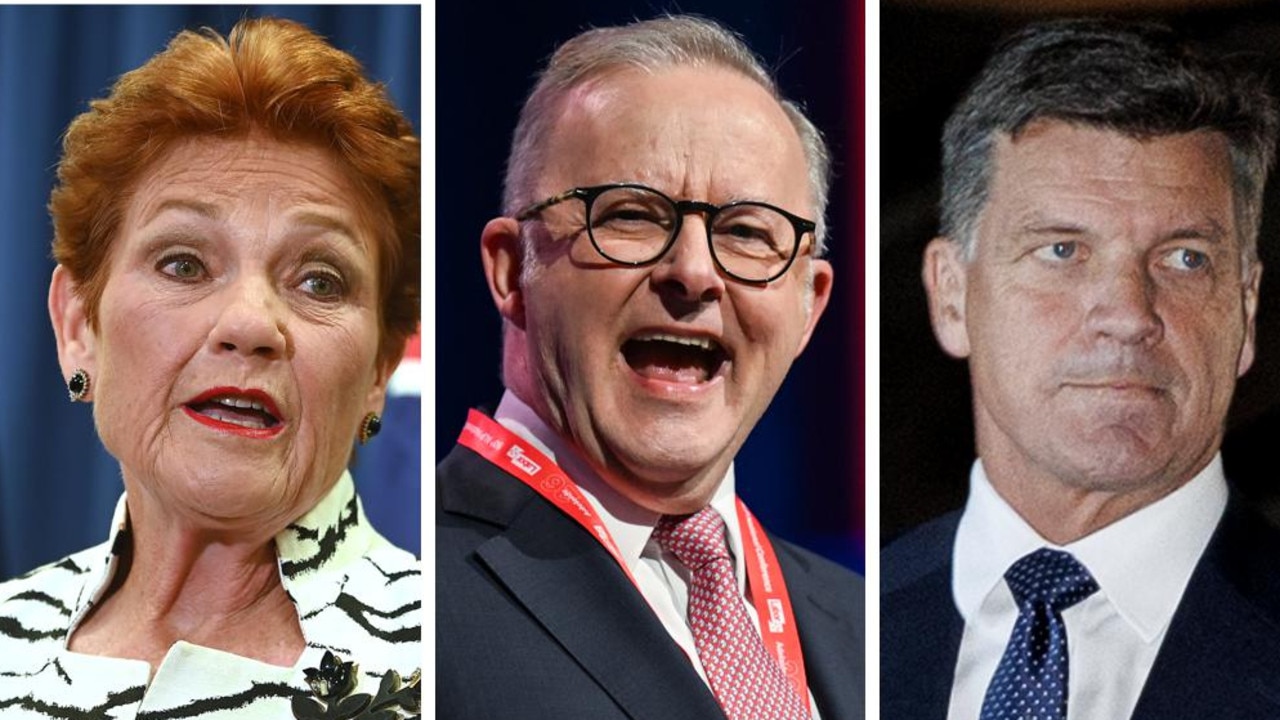
Australia’s upcoming federal election landscape has been upended by freshly released polling data from research firm Roy Morgan, which positions right-wing populist party One Nation as the primary opposition to incumbent Prime Minister Anthony Albanese’s Labor Party, pushing the traditional center-right major opposition Coalition into third place. The data, published in mid-2024, paints a startling new picture of voter sentiment, breaking the long-standing two-party duopoly that has dominated Australian federal politics for decades. According to the poll, primary vote support for the ruling Australian Labor Party (ALP) currently stands at 27.5%, enough to deliver a parliamentary majority if an election were held today regardless of whether the ALP faced One Nation or the Coalition as its main competitor for power. One Nation, the nationalist party led by Pauline Hanson, recorded a primary support rating of 24% – a 1.5 percentage point drop from the previous survey, but still enough to place it well ahead of the Liberal Party, the largest member of the Coalition. The Liberal Party saw a 1.5 percentage point rise in support to reach 20%, while its traditional rural coalition partner, the Nationals, held steady at 3.5% aggregate support. Combined, the two Coalition parties sit at just 23.5% primary support, half a point behind One Nation. Beyond voter intention, the polling also tracks a notable dip in public confidence in the federal government, with the overall confidence index falling 1.5 points to 67.5 out of 100. A majority of Australian voters – 59.5%, up 1.5 points from the last poll – now believe the country is headed in the wrong direction, a reading that signals broad underlying voter dissatisfaction with the current political trajectory. The survey also highlighted stark divides in confidence across party bases. Unsurprisingly, ALP supporters recorded the highest confidence rating, at 137.5, far above the baseline 100 mark. Greens supporters came next with a confidence rating of 70, down 16.5 points from the previous survey, followed by Coalition supporters at 50 – up 7.5 points. One Nation supporters, who are among the most dissatisfied with the current government, recorded a confidence rating of just 6.5, a seven-point drop from the last poll. Based on the data, Roy Morgan’s analysis concludes that the next federal election will now be framed as a head-to-head contest between the ALP and One Nation, rather than the long-running ALP-Coalition battle that has defined Australian federal elections for over a century. The research firm acknowledged the fragmented nature of modern Australian politics, noting that multiple three-way and four-way contests will play out across different electorates, with battles also occurring between the ALP and the Coalition, One Nation and the Coalition, and all major parties facing challenges from the Greens, centrist Teal Independents, and smaller regional parties including Katter’s Australian Party (KAP). The shake-up in voter polling comes amid concurrent political controversy for One Nation leader Pauline Hanson, who this week banned three major Australian news outlets – The Guardian, the Australian Broadcasting Corporation (ABC), and The Age – from a public event scheduled for Monday, where the party is set to unveil eight candidates for the upcoming Victorian state election this November. The move has drawn criticism from media freedom advocates, who argue that excluding major independent outlets from public political events undermines transparency in the lead-up to state polling. This realignment in voter support marks a significant shift in Australian politics, reflecting growing voter dissatisfaction with the traditional major parties and the rising influence of right-wing populist messaging ahead of the next federal election, which is scheduled to be held by mid-2025.
-

‘Stupidity’: Richmond coach unleashes on Luke Trainor after one-game ban for stomach punch against West Coast rival
Richmond Tigers have finally broken through an 11-match losing drought, securing their first win in nearly three months against West Coast Eagles on Sunday. But the moment of celebration has been overshadowed by a costly lapse in judgment from young defender Luke Trainor, who received a one-game suspension from the AFL’s Match Review Officer for a deliberate stomach punch on Eagles utility Jack Williams.
The 20-year-old Richmond prospect’s moment of frustration boiled over in the second quarter of the upset win, after he and Williams had been trading minor, playful on-field jabs for several minutes. Trainor lashed out with a closed-fist strike to Williams’ midsection, leaving the Eagles player crumpled on the ground clutching his abdomen. Williams was able to regain his feet shortly after the incident and leave the field for the team bench.
Following the match, the Match Review Officer classified the off-the-ball incident as intentional strike with medium impact, resulting in an automatic one-game ban. Trainor will now be forced to miss Richmond’s upcoming away clash against Adelaide this coming weekend, stripping the club of a young developing player just as they are working to build momentum after their long losing run.
Richmond senior head coach Adem Yze opened up to media after the match, addressing the incident before the official suspension was handed down. Yze noted that he had not reviewed the incident immediately after the final siren, but confirmed the club would hold the player accountable if the strike was proven to be against league rules. The coach did praise Trainor’s overall on-field performance during the win, noting that the young defender had continued to show growth and played a key role in the club’s first victory in months.
Even so, Yze made clear that avoidable disciplinary suspensions are unacceptable for his side, particularly as the club already deals with a growing list of injured players sidelined for matches. “When we’ve got lack of availability through injury, we don’t want to be losing players through stupidity,” Yze told reporters. The coach added that the club has already held multiple conversations with the entire playing squad about avoiding unnecessary disciplinary incidents, noting that all players have been educated on what counts as acceptable and unacceptable on-field conduct.
The suspension comes as a disappointing gut punch for Richmond, who were hoping to build on their long-awaited win with a strong performance in Adelaide to continue climbing the AFL ladder.
-

Detained Suu Kyi meets Red Cross official in Myanmar: president office
Nearly three and a half years after a military coup ousted Myanmar’s democratically elected government, the detained opposition leader Aung San Suu Kyi has held her first publicly confirmed meeting with an international official, according to the country’s presidency. On Monday morning, Arnaud de Baecque, the ICRC’s Resident Representative to Myanmar, held a face-to-face encounter with the 81-year-old Nobel Peace Prize laureate, the office confirmed.
The junta-led administration released multiple images alongside the announcement: one captures Suu Kyi shaking hands with a figure that matches de Baecque’s description, while two other images show Suu Kyi cutting a birthday cake inscribed with the message “Happy Birthday Aunty Suu.” While AFP could not independently certify the images’ authenticity, artificial intelligence analysis found no evidence of digital manipulation, and no prior versions of the photos had been circulated online before Monday’s announcement. The AFP has reached out to the International Committee of the Red Cross for further comment on the meeting.
The February 2021 military coup ended Suu Kyi’s five-year tenure as Myanmar’s state counsellor, after her National League for Democracy won a landslide re-election victory. The junta immediately detained Suu Kyi on a sprawling set of criminal charges that international human rights organizations universally dismiss as politically fabricated, designed to remove her from public life and dismantle her widely popular party. The post-coup uprising against military rule has devolved into an ongoing civil conflict that has killed more than 100,000 people, according to data from the Armed Conflict Location & Event Data Project (ACLED).
Earlier this year, the junta oversaw a widely boycotted and restricted general election that consolidated its control over the civilian government. In April, former junta chief Min Aung Hlaing was sworn in as the country’s new civilian president, and shortly after the inauguration, he announced he would commute the remainder of Suu Kyi’s combined 27-year prison sentence and transfer her from prison to private house detention in the capital Naypyidaw. To date, junta authorities have refused to disclose the exact location of her detention or confirm how much of her sentence remains in effect.
For months, Suu Kyi’s family and the international community have called for independent verification that she remains alive. Her son, British national Kim Aris, has repeatedly pushed for independent access to confirm her welfare following the transfer to house arrest. This meeting marks the first time a third-party international representative has been allowed to see Suu Kyi publicly since the coup.
A senior veteran politician from Suu Kyi’s National League for Democracy, speaking to AFP on condition of anonymity, called the confirmation of her survival a small relief. “We are happy to see her photo like this if it’s really her meeting with the ICRC. We can know now that she’s alive,” the politician said, adding: “However, Aunty should be released immediately as she’s being detained unlawfully.”
Since the 2021 coup, the Association of Southeast Asian Nations (ASEAN) has suspended Myanmar’s junta leadership from participation in the bloc’s high-level summits, over the military’s failure to implement a peace and reconciliation roadmap agreed with the bloc. In recent months, however, neighboring Thailand has led a diplomatic push to readmit Myanmar back into ASEAN’s regional framework, both through bilateral engagement and bloc-level initiatives.
Min Aung Hlaing has already undertaken official visits to China, India, and ASEAN member Laos since taking office as president, and he is scheduled to make a high-profile official trip to Thailand later this week. Independent Myanmar analysts and regional policy researchers say the timing of the ICRC meeting, coming just days before the Thailand trip, is no coincidence.
“It’s the old military game plan to use Suu Kyi as a bargaining chip,” independent Myanmar analyst David Mathieson told AFP. He noted that multiple ASEAN member states have long demanded public proof of Suu Kyi’s status as a condition for normalizing diplomatic relations with the junta. “As a gesture to the international community, it’s the wildcard Min Aung Hlaing was holding close to his chest,” Mathieson added.
Morgan Michaels, a researcher focused on Myanmar at the International Institute for Strategic Studies, said the junta stands to gain significant diplomatic ground by allowing international access to Suu Kyi. “Releasing her in particular would go a long way to facilitating Myanmar’s re-invitation at the political level,” Michaels said. Even with this latest gesture, Suu Kyi’s continued detention remains a major sticking point for the international community: ASEAN has repeatedly called for its own special envoy to be granted access to meet Suu Kyi, a request the junta has rejected repeatedly to date.
-
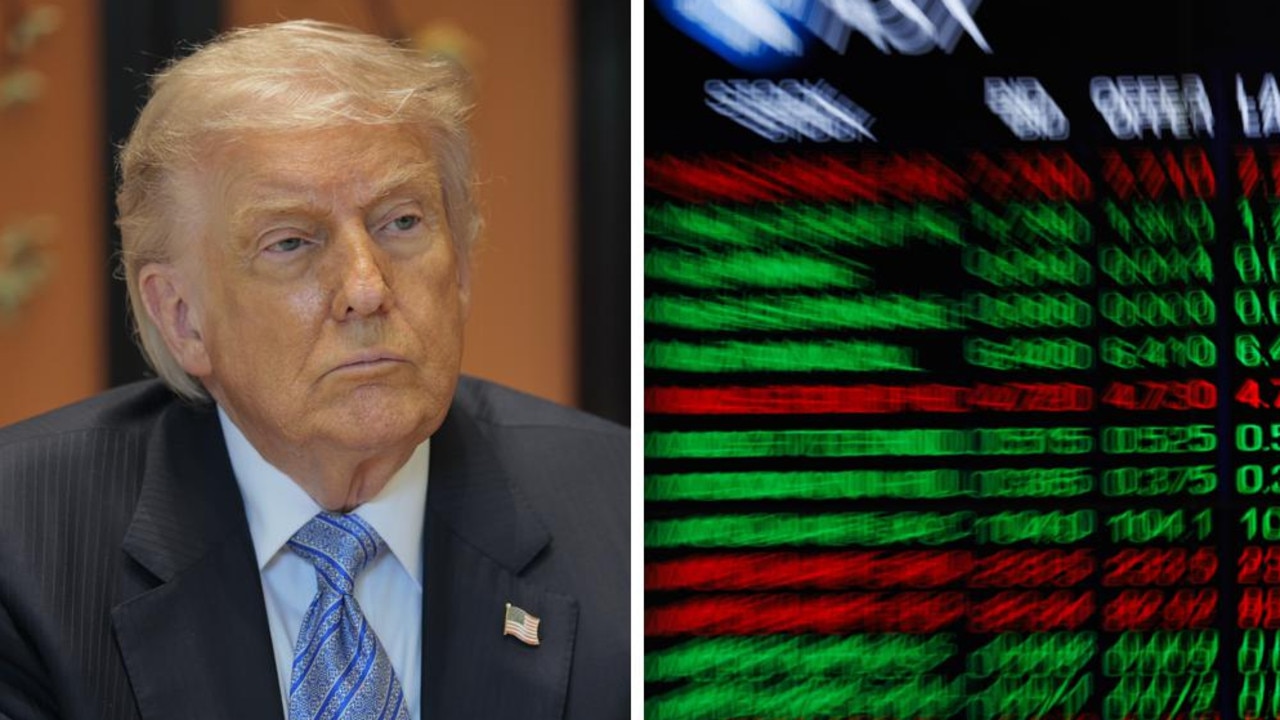
Australian stocks recover after US President Donald Trump cancels planned attack on Iran
Australia’s benchmark share index bounced back from steep early losses to close in positive territory on Monday, after a sudden policy shift from former U.S. President Donald Trump that pulled back from planned military strikes against Iran and calmed global market jitters over energy inflation.
Heading into the trading day, futures markets had priced in a roughly 1% opening drop for the Australian Securities Exchange, as investors braced for escalating Middle East tensions that threatened to push global oil prices sharply higher. But the market trajectory shifted dramatically mid-morning after Trump announced he had called off what he described as a major planned military strike on Iran, a strike that would have been the largest offensive against the country since World War II. The announcement eased widespread fears that conflict would disrupt global oil supplies and trigger a new spike in global inflation.
By the closing bell, the benchmark ASX 200 had gained 42.50 points, or 0.47%, to settle at 9019.30. The broader All Ordinaries index followed suit, adding 41.40 points, or 0.45%, to reach 9178.40. The Australian dollar edged lower during Monday’s session but held above the key psychological threshold of 70 U.S. cents, closing at 70.34 U.S. cents.
Nine out of the ASX’s 11 industry sectors finished the day in positive territory, led by strong gains in utilities, healthcare, and consumer discretionary stocks. The utilities sector posted the strongest performance of any group: Origin Energy climbed 2.88% to $11.07, AGL Energy rose 1.93% to $8.44, and Genesis Energy surged 5.85% to $2.17. Consumer discretionary stocks also posted solid gains, with retail conglomerate Wesfarmers rising 1.45% to $90.66, electronics retailer JB Hi-Fi adding 0.60 points to close at $82.42, and automotive group Eagers Automotive gaining 1.40% to $23.85.
The only notable drag on overall market gains came from the energy sector, where falling oil prices pushed most major stocks lower. Brent crude futures fell 5.3% to settle at $83.26 a barrel, after dipping as low as $81.55 earlier in the session as tensions de-escalated. Top Australian energy producers reflected the drop: Woodside Energy shares fell 1.37% to $32.50, and Santos slumped 1.91% to $7.89. Refiner and retailer Ampol bucked the trend, posting a marginal 0.08% gain to close at $39.93.
Speaking to reporters aboard Air Force One on Sunday, Trump explained that he had opted to pause planned strikes to open the door for diplomatic negotiations, set to launch on Monday afternoon. “Obviously, they don’t want to be attacked. They knew the extent of the attack because they saw it forming,” he said. “Now what we’re doing is we’re talking to them in the form of a negotiation. It begins tomorrow afternoon.”
Tony Sycamore, senior market analyst for IG, noted that the sudden de-escalation removed a key layer of risk that had spooked investors in prior sessions. He added that Trump also signaled a potential deal governing shipping through the Strait of Hormuz — a critical global oil chokepoint — is within reach, with talks on Iran’s nuclear program to follow after initial negotiations. Still, Sycamore struck a cautious note on the long-term outlook for tensions: “Whether this turns into a rinse and repeat of last week — with hopes of a deal collapsing as Iran digs in its heels and continues to leverage its control over the Strait, potentially through an attack on a US base or a tanker transiting the waterway remains to be seen.”
In individual company news, mining giant Fortescue continued a downward trend from the previous week, sliding another 3.84% to close at $17.80 — a 12-month low for the stock. The drop was driven by falling iron ore prices, with Singapore iron ore futures falling 1.90% to $94.25 a tonne. Elsewhere, Steadfast Group jumped 2.94% to $5.26 after the company issued an update to the market confirming that a KKR-led consortium reaffirmed its planned takeover offer for the business at $6 per share.
-

Survivors recall blasts before deadly Indonesian ferry fire
On Sunday morning, a passenger ferry traveling from Surabaya, Indonesia’s second-largest urban center, to Makassar on Sulawesi Island caught fire, resulting in at least five confirmed deaths and a still-unclear number of missing passengers, with survivors recalling multiple loud explosions moments before the blaze broke out. More than a day after the disaster, search and rescue teams continue to comb the waters around the incident site, which lies approximately six hours by sea from the port of Surabaya.
Inconsistent official counts have added confusion to the emergency response effort. According to the head of Indonesia’s national search and rescue agency, Nanang Sigit, the vessel carried 236 passengers and crew when it departed port. As of Monday, he confirmed that 229 people had been rescued alive, five bodies had been recovered, and just two people remained unaccounted for, a figure that officials are still cross-checking with the ferry’s operator. However, these numbers differ sharply from earlier reports: on Sunday, officials cited a total passenger manifest of 271 people, with 41 reported missing. East Java police official Arman Asmara Syarifuddin also gave a conflicting count Monday, stating that roughly 28 people are still missing. The root cause of the major discrepancies in official figures has not been explained to date.
Survivors rescued and brought back to Surabaya have shared harrowing accounts of the disaster. Muhammad Abdul Karim, one of the passengers rescued after seven hours adrift at sea, told reporters that the fire broke out as many passengers were eating their morning breakfast. “Initially, the smoke entered the information room, the sleeping quarters. And then explosions happened,” he explained. The blaze started in the stern section of the ferry, sending panicked passengers rushing toward the bow, where crews distributed life jackets to everyone on board. As the flames spread rapidly toward the front of the vessel, Karim jumped into the sea alongside an elderly passenger, and looked back to see the fire engulf nearly the entire ship. “The waves were big and the ship coming to save us was quite far. Those were our fears when we were about to jump,” Karim said, adding that he did not spot any usable lifeboats on the ferry during the emergency.
Another survivor, 36-year-old Bambang Susilo, recalled that the rising heat of the ferry’s floor convinced him he had no option but to jump more than 10 meters into the open ocean alongside another passenger. “We had no choice but to surrender” to our fate, he told reporters from Bhayangkara Hospital in Surabaya, where he waited to claim the body of a colleague who died in the incident. Bambang and five other passengers swam roughly five kilometers to reach a waiting rescue vessel. Most rescued passengers have been transported back to Surabaya, with search operations continuing around the clock through Sunday night into Monday. A second rescue vessel was deployed on Monday to expand the search for the missing.
This latest ferry disaster highlights the persistent risk of marine accidents across Indonesia, a sprawling archipelago nation made up of more than 17,000 islands that relies heavily on maritime transport to connect its population of 270 million. Industry analysts and safety officials have long warned that lax enforcement of marine safety standards, combined with the nation’s often unpredictable tropical weather, creates frequent hazards for passenger ferries. Just one month prior to this incident, another ferry carrying more than 70 people sank near Selayar, a small tropical island south of Sulawesi. That disaster left at least four people dead, with 14 others remaining missing when search operations were called off.
-
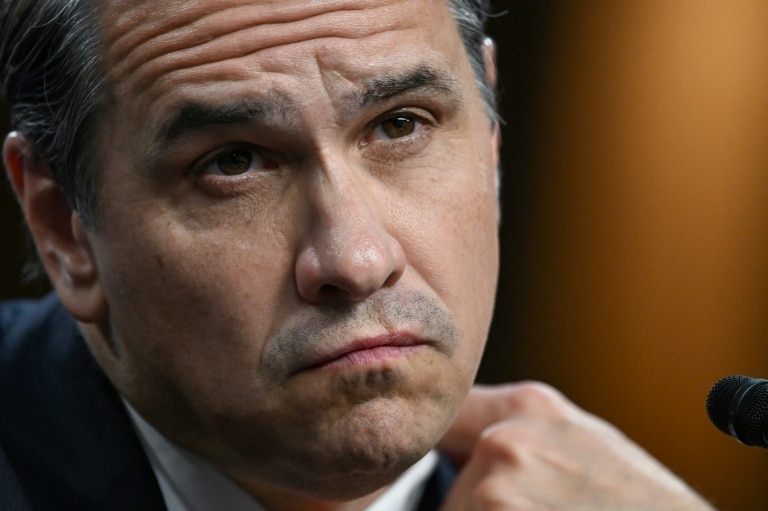
Trump attorney general pick says has reached deal with senators after standoff
A weeks-long standoff that threatened to derail the confirmation of U.S. President Donald Trump’s pick for attorney general has been resolved, after acting Attorney General Todd Blanche announced Sunday he had struck a deal with skeptical Senate lawmakers and formally signed an order terminating the widely contested $1.8 billion anti-weaponization compensation fund.
Blanche’s announcement comes on the heels of the Senate Judiciary Committee delaying a procedural vote to advance his nomination last week, a move that followed mounting opposition from two key Republican senators: John Cornyn of Texas and Thom Tillis of North Carolina. The pair had publicly pledged to block Blanche’s confirmation until the Trump administration fully walked back its plan for the fund, which was created to compensate individuals who claim they were targeted by politically motivated prosecutions.
In a public post on X shared Sunday, Blanche laid out the outcome of weeks of negotiations with committee leaders and rank-and-file senators. “My team and I have met with committee members and Senators over the past several weeks and addressed any concerns or outstanding questions,” Blanche wrote. “We have enjoyed good faith discussions, and as a result issue the following order and update with regard to the May IRS settlement.”
Attached to Blanche’s post was a signed executive order that formally invalidates the previous May 18, 2026 order that established the Anti-Weaponization Fund. “The Attorney General’s May 18, 2026 Order establishing the Anti-Weaponization Fund… is rescinded and shall have no force or effect,” the order reads. “This Order establishes, beyond any doubt, that there is no Fund.”
The controversial fund grew out of an extraordinary legal settlement between Trump and his own administration over the unauthorized disclosure of Trump’s personal tax records several years ago. As part of the original terms, the agreement granted sweeping protection from future tax audits and government legal claims to Trump, his immediate family, and his affiliated business entities. From the moment the fund was unveiled, critics across the political spectrum raised sharp objections, arguing it lacked a clear foundation in U.S. law, included almost no provisions for public oversight, and could be exploited to provide payouts and legal protection to Trump loyalists — even including defendants convicted of crimes connected to the January 6, 2021, assault on the U.S. Capitol.
While Blanche had previously offered verbal assurances that the fund would not move forward, Cornyn and Tillis refused to accept informal commitments. The pair insisted on a binding written order that ruled out any future revival of the fund and included specific language to narrow the scope of the broad tax protections granted to Trump and his associates in the original settlement. As of Sunday evening, neither senator had issued a public response to Blanche’s announcement.
The Senate Judiciary Committee is now scheduled to hold its long-delayed vote on Blanche’s nomination on Tuesday. The impasse had grown so tense in recent days that Trump suggested Thursday he could temporarily pull Blanche’s nomination — the former personal lawyer to the president — and re-nominate him after Cornyn and Tillis leave their Senate seats at the end of January, when new members of Congress are sworn in.
-
Media bosses slam Labor’s tech reforms, warn they will ‘gut’ news payment scheme
A fierce public debate has erupted over the Albanese government’s newly unveiled revisions to Australia’s landmark media bargaining framework, with the ruling Labor party claiming the changes will force large global technology firms to pay far more for repurposing Australian news content — while leading domestic media executives warn the revisions will eviscerate the core purpose of the original scheme designed to make tech platforms compensate local journalism.
Unveiled on Monday, the revised package amends both the Media Bargaining Incentive and the News Journalism Payment Scheme, marking the second iteration of the policy following a draft proposal released this past April. The most eye-catching adjustment on paper is an increase to the financial penalty for tech and social media giants that refuse to strike voluntary compensation deals with Australian news outlets, raising the levy rate from 2.25% to 2.5%. But the reform narrows the revenue base the levy applies to: instead of being calculated against a company’s total Australian revenue, the penalty will only be charged on digital advertising revenue that can be specifically linked to Australia. Industry analysts broadly agree this base narrowing will result in lower overall penalty amounts for non-compliant firms, undermining the incentive to negotiate.
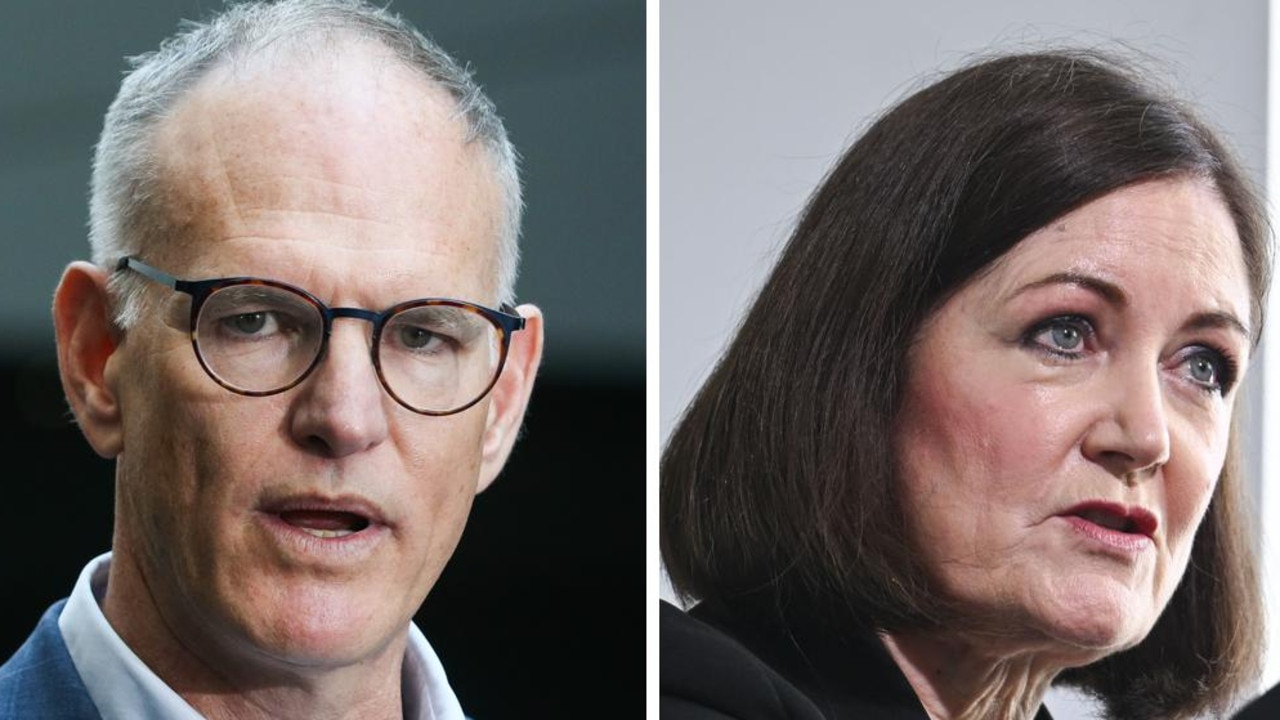
Michael Miller, executive chairman of News Corp Australia, one of the country’s largest media conglomerates, issued a scathing rebuke of the changes, arguing they “gut the incentive” for tech platforms to negotiate fair compensation agreements at a moment when existing rules need to be strengthened, not weakened. “On an already uneven playing field, getting this wrong won’t just hurt Australian media. It will erode the quality and independence of news every Australian relies on,” Miller said, adding that major tech firms must not be allowed to continue avoiding their regulatory obligations, and that Australia needs full revenue transparency backed by strict, uncompromising penalties for platforms that break local media laws.
Matt Stanton, chief executive of Nine Entertainment, another leading domestic media group, echoed the criticism, noting that foreign-owned tech giants already exercise outsized influence over how Australian audiences access news content from outlets like Nine. “Independent journalism plays a fundamental role in democracy, holding governments, institutions and businesses to account. In this rapidly changing world this is more important than ever,” Stanton said, adding that the last-minute substantive changes to the scheme demand far closer parliamentary scrutiny to ensure the policy retains its core goal: forcing platforms to negotiate fairly for the journalism they profit from.
Sally Eagle, chief executive of Are Media, added her voice to the concerns, stressing that the levy must deliver on its founding purpose of pushing major digital platforms to the negotiation table. She called on the Australian parliament, which is set to vote on the final legislation in the coming months, to ensure the final draft is transparent and free of loopholes that would allow platforms to dodge their responsibility to strike long-term sustainable deals with local media.
Tim Duggan, chair of the Digital Publishers Alliance, described the revised reforms as “a pretty mixed bag”, noting that the biggest problem is that the total potential penalty pool has been reduced too dramatically to drive compliance. “I struggle to see how it will incentivise the outcome desired by the government once the platforms start using accounting trickery to minimise their obligations,” Duggan said.
The revised framework comes after major Australian media outlets including the ABC, Australian Community Media, Network 10, and The Guardian previously praised the April draft as a critical step forward for protecting local journalism. In a joint statement earlier this year that included Miller and Stanton, the groups urged all Australian parliamentarians to back measures that safeguard Australian journalism and its vital democratic role for all citizens.
Speaking to reporters on Monday, Assistant Treasurer Daniel Mulino defended the reforms, arguing that tech platforms will still end up paying “substantially more” if they refuse to negotiate commercial deals with local media firms. “Under the previous arrangements that we inherited under the News Media Bargaining Code, big tech platforms could walk away without any consequences,” Mulino said. “Now, they will end up paying substantially more than if they enter into commercial agreements. There is a substantial financial incentive on big tech platforms to enter into agreements.”
The opposition Liberal-National Coalition has also blasted the reforms, with communications spokesperson Sarah Henderson — a former journalist — arguing Labor has failed to deliver on the original News Media Bargaining Code first introduced by the former Coalition government, which was fiercely opposed by major tech firms including Meta, the parent company of Facebook that shut down its Facebook News tab in Australia in 2021. “Labor’s dithering and delay on a promised replacement scheme has left tech giants unaccountable for their use of Australian copyrighted news content, while newsrooms and regional newspapers face uncertainty about their future,” Henderson said, adding that “it’s clear Labor is more concerned about giving the tech giants a free kick than distributing monies fairly to Australian news organisations. Not only will Labor’s scheme mean less money for Australian journalism, the government is now doing even less to encourage commercial deals with big tech which is extremely disappointing.”
The Coalition did welcome minor adjustments to the scheme, including the elimination of a carve-out for professional networking platforms, which means services like LinkedIn will now be required to comply with the payment rules. But Shadow Assistant Treasurer Kevin Hogan warned the scheme will only work if digital platforms report their Australian revenue accurately. Additional changes introduced by Labor include raising the minimum number of deals a tech platform must strike with local media outlets to avoid penalties from four to six, grandfathering existing valid deals from previous bargaining rounds, and mandating a full independent review of the scheme after three years of implementation. Major tech companies that already pushed back against Labor’s initial draft proposal earlier this year are widely expected to oppose the revised measures as well.