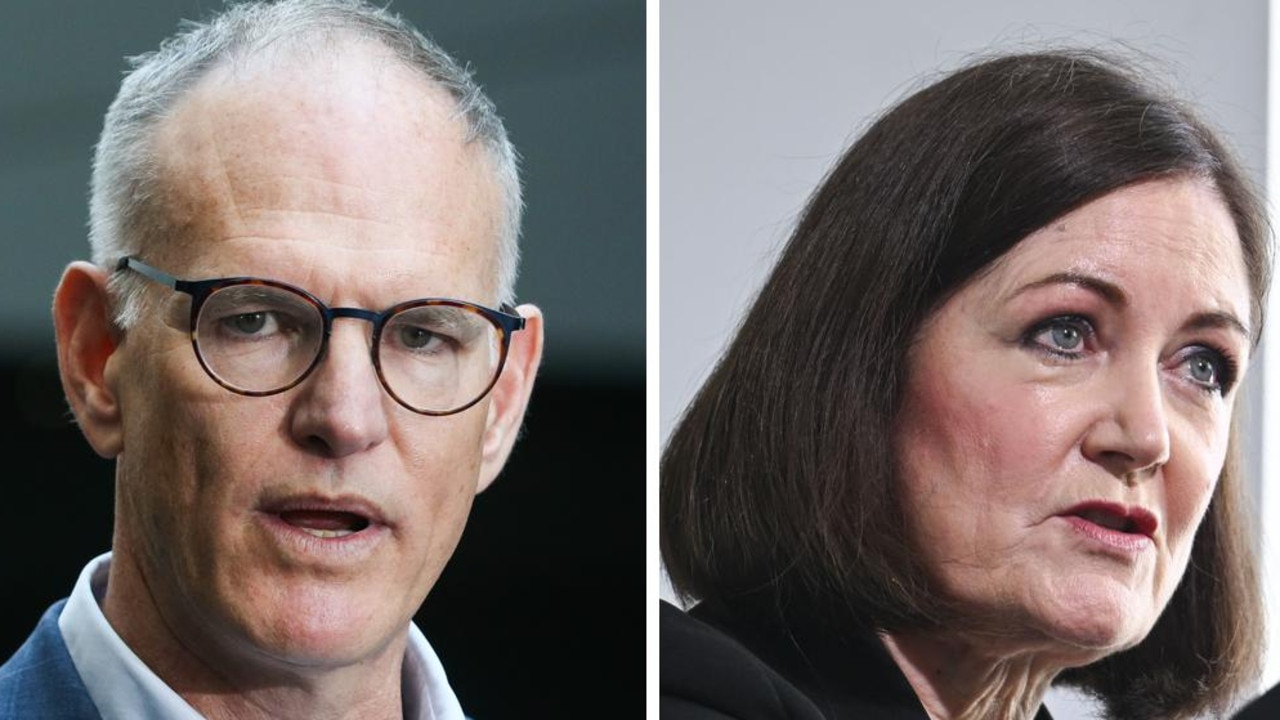
A fierce public debate has erupted over the Albanese government’s newly unveiled revisions to Australia’s landmark media bargaining framework, with the ruling Labor party claiming the changes will force large global technology firms to pay far more for repurposing Australian news content — while leading domestic media executives warn the revisions will eviscerate the core purpose of the original scheme designed to make tech platforms compensate local journalism.
Unveiled on Monday, the revised package amends both the Media Bargaining Incentive and the News Journalism Payment Scheme, marking the second iteration of the policy following a draft proposal released this past April. The most eye-catching adjustment on paper is an increase to the financial penalty for tech and social media giants that refuse to strike voluntary compensation deals with Australian news outlets, raising the levy rate from 2.25% to 2.5%. But the reform narrows the revenue base the levy applies to: instead of being calculated against a company’s total Australian revenue, the penalty will only be charged on digital advertising revenue that can be specifically linked to Australia. Industry analysts broadly agree this base narrowing will result in lower overall penalty amounts for non-compliant firms, undermining the incentive to negotiate.
Michael Miller, executive chairman of News Corp Australia, one of the country’s largest media conglomerates, issued a scathing rebuke of the changes, arguing they “gut the incentive” for tech platforms to negotiate fair compensation agreements at a moment when existing rules need to be strengthened, not weakened. “On an already uneven playing field, getting this wrong won’t just hurt Australian media. It will erode the quality and independence of news every Australian relies on,” Miller said, adding that major tech firms must not be allowed to continue avoiding their regulatory obligations, and that Australia needs full revenue transparency backed by strict, uncompromising penalties for platforms that break local media laws.
Matt Stanton, chief executive of Nine Entertainment, another leading domestic media group, echoed the criticism, noting that foreign-owned tech giants already exercise outsized influence over how Australian audiences access news content from outlets like Nine. “Independent journalism plays a fundamental role in democracy, holding governments, institutions and businesses to account. In this rapidly changing world this is more important than ever,” Stanton said, adding that the last-minute substantive changes to the scheme demand far closer parliamentary scrutiny to ensure the policy retains its core goal: forcing platforms to negotiate fairly for the journalism they profit from.
Sally Eagle, chief executive of Are Media, added her voice to the concerns, stressing that the levy must deliver on its founding purpose of pushing major digital platforms to the negotiation table. She called on the Australian parliament, which is set to vote on the final legislation in the coming months, to ensure the final draft is transparent and free of loopholes that would allow platforms to dodge their responsibility to strike long-term sustainable deals with local media.
Tim Duggan, chair of the Digital Publishers Alliance, described the revised reforms as “a pretty mixed bag”, noting that the biggest problem is that the total potential penalty pool has been reduced too dramatically to drive compliance. “I struggle to see how it will incentivise the outcome desired by the government once the platforms start using accounting trickery to minimise their obligations,” Duggan said.
The revised framework comes after major Australian media outlets including the ABC, Australian Community Media, Network 10, and The Guardian previously praised the April draft as a critical step forward for protecting local journalism. In a joint statement earlier this year that included Miller and Stanton, the groups urged all Australian parliamentarians to back measures that safeguard Australian journalism and its vital democratic role for all citizens.
Speaking to reporters on Monday, Assistant Treasurer Daniel Mulino defended the reforms, arguing that tech platforms will still end up paying “substantially more” if they refuse to negotiate commercial deals with local media firms. “Under the previous arrangements that we inherited under the News Media Bargaining Code, big tech platforms could walk away without any consequences,” Mulino said. “Now, they will end up paying substantially more than if they enter into commercial agreements. There is a substantial financial incentive on big tech platforms to enter into agreements.”
The opposition Liberal-National Coalition has also blasted the reforms, with communications spokesperson Sarah Henderson — a former journalist — arguing Labor has failed to deliver on the original News Media Bargaining Code first introduced by the former Coalition government, which was fiercely opposed by major tech firms including Meta, the parent company of Facebook that shut down its Facebook News tab in Australia in 2021. “Labor’s dithering and delay on a promised replacement scheme has left tech giants unaccountable for their use of Australian copyrighted news content, while newsrooms and regional newspapers face uncertainty about their future,” Henderson said, adding that “it’s clear Labor is more concerned about giving the tech giants a free kick than distributing monies fairly to Australian news organisations. Not only will Labor’s scheme mean less money for Australian journalism, the government is now doing even less to encourage commercial deals with big tech which is extremely disappointing.”
The Coalition did welcome minor adjustments to the scheme, including the elimination of a carve-out for professional networking platforms, which means services like LinkedIn will now be required to comply with the payment rules. But Shadow Assistant Treasurer Kevin Hogan warned the scheme will only work if digital platforms report their Australian revenue accurately. Additional changes introduced by Labor include raising the minimum number of deals a tech platform must strike with local media outlets to avoid penalties from four to six, grandfathering existing valid deals from previous bargaining rounds, and mandating a full independent review of the scheme after three years of implementation. Major tech companies that already pushed back against Labor’s initial draft proposal earlier this year are widely expected to oppose the revised measures as well.