标签: Oceania

大洋洲

  • Chile’s Kast, most right-wing president since Pinochet, takes office

    Chile’s Kast, most right-wing president since Pinochet, takes office

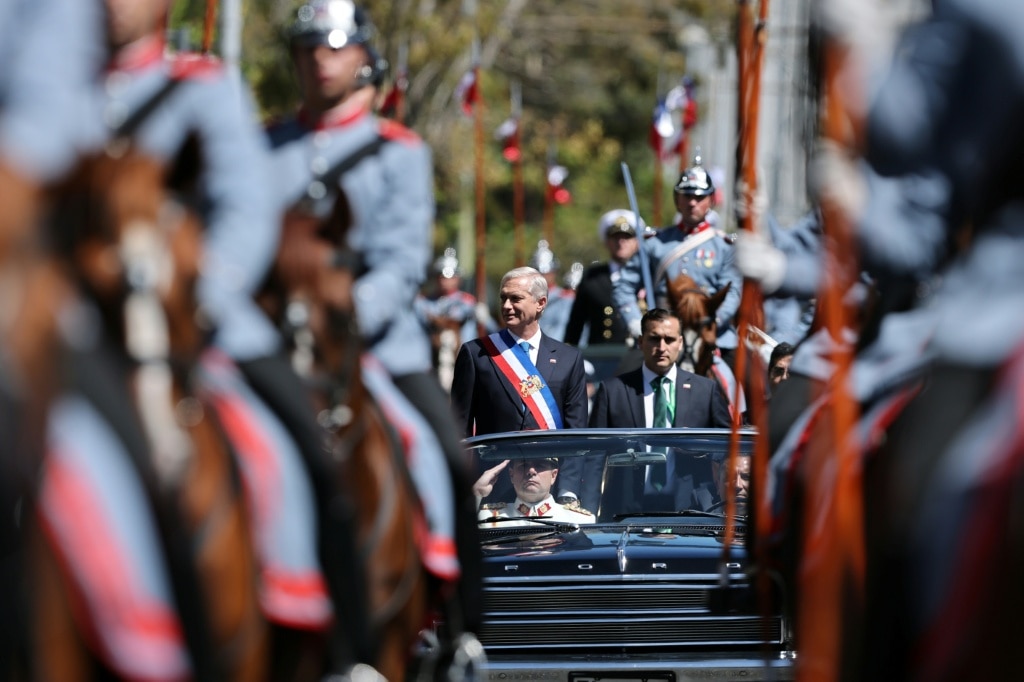
    Chile has inaugurated its most right-wing president since the military dictatorship of Augusto Pinochet, with José Antonio Kast assuming office Wednesday amid promises to combat escalating violent crime and implement extensive migrant deportations. The 60-year-old ultraconservative leader took his oath before Congress in Valparaíso, marking a significant political shift in a nation that has maintained center-left governance for much of its post-dictatorship era.

    Kast’s inauguration signals Chile’s alignment with a growing regional trend toward law-and-order conservatism, joining neighboring nations like Argentina and Ecuador in embracing right-wing leadership. The ceremony was attended by several prominent regional figures including Argentina’s libertarian President Javier Milei, Ecuador’s crime-fighting leader Daniel Noboa, and exiled Venezuelan opposition figure María Corina Machado.

    The new administration immediately faces complex geopolitical considerations, particularly regarding a controversial submarine fiber optic cable project linking Chile with Hong Kong—a initiative that has drawn security concerns from Washington and created tension during the transition from outgoing leftist President Gabriel Boric.

    Kast’s political platform draws notable inspiration from former U.S. President Donald Trump’s policies, particularly regarding immigration enforcement and border security. His participation in Trump’s recent Shield of the Americas summit in Florida positions Chile as another American ally in a region where Washington is reasserting influence. The president has vowed to deport hundreds of thousands of undocumented migrants, predominantly Venezuelans, and strengthen border controls in northern Chile.

    The cabinet appointments have generated controversy, with Kast selecting two lawyers who previously defended Pinochet’s regime for key justice and defense portfolios. His choice for women’s affairs minister—an evangelical anti-abortion activist—has further alarmed opposition groups and human rights organizations. Political analysts note that Kast represents a conservative ideology unprecedented since Chile’s return to democracy in 1990, with his administration likely to test the resilience of the country’s democratic institutions.

    Despite these concerns, many Chileans express optimism about Kast’s tough-on-crime agenda in a nation that has recently experienced rising rates of murder, kidnapping, and extortion—though Chile remains one of Latin America’s safest countries. The new government has promised enhanced police capabilities, military deployment to high-crime areas, and streamlined deportation procedures for undocumented immigrants.
  • Arctic sea ice among lowest on record: AFP review of US data

    Arctic sea ice among lowest on record: AFP review of US data

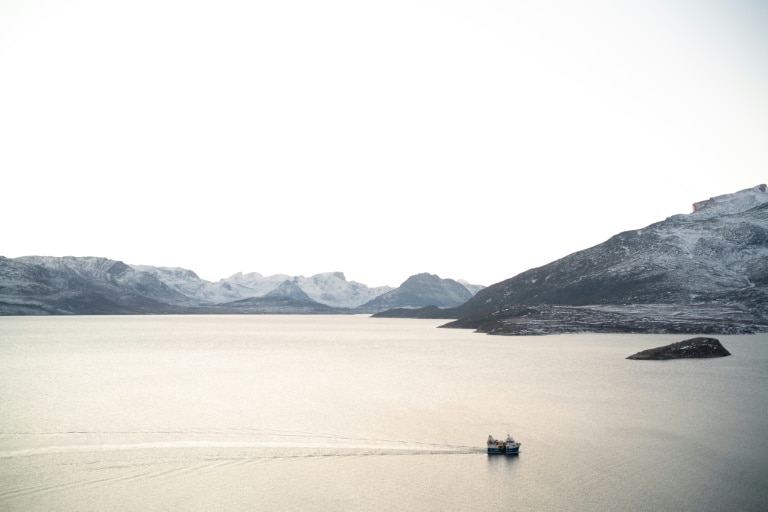
    The Arctic’s frozen expanse is rapidly diminishing, with current data indicating one of the smallest winter ice formations ever recorded. According to an analysis of information from the U.S. National Snow and Ice Data Center (NSIDC), the maximum sea ice coverage reached approximately 14.22 million square kilometers on March 10. This measurement positions the current ice extent among the five smallest winter peaks documented since satellite monitoring began over four decades ago, potentially surpassing last year’s record low of 14.31 million square kilometers.

    Scientific experts confirm this alarming trend. Samantha Burgess, climate strategic lead at the European Centre for Medium-Range Weather Forecasts, and Gilles Garric, polar oceanographer at France’s Mercator Ocean Toulouse, both anticipate this year’s ice minimum will rank among the most severe recorded. The Arctic region is experiencing warming at three to four times the global average rate, driving what researchers describe as an accelerating environmental crisis.

    The implications extend beyond environmental concerns to geopolitical dimensions. Elizabeth Chalecki, climate change and security expert at Canada’s Balsillie School of International Affairs, notes that melting ice is transforming the Arctic into a new Mediterranean—a contested maritime space surrounded by competing nations. Russia is already increasing its economic and military presence along the Northern Sea Route, while the United States and Canada face pressure to respond to these developments.

    Environmental consequences are equally significant. Shrinking sea ice threatens entire ecosystems, endangering species like polar bears and emperor penguins that depend on frozen habitats for breeding and feeding. While melting sea ice doesn’t directly raise ocean levels, its disappearance reduces the planet’s albedo effect—where dark ocean water absorbs more sunlight than reflective ice, accelerating global warming.

    Researchers warn that without immediate action to reduce fossil fuel emissions, the world approaches irreversible tipping points. The combination of rising greenhouse gas emissions and the potential return of the El Niño weather phenomenon later this year could push global temperatures to unprecedented levels, with the Arctic serving as the frontline of planetary climate change.

  • North America ‘heat dome’ left winners and losers: study

    North America ‘heat dome’ left winners and losers: study

    A comprehensive scientific investigation has documented the severe ecological consequences of North America’s unprecedented 2021 heat dome phenomenon, revealing both catastrophic losses and unexpected beneficiaries within affected ecosystems. Published in Nature Ecology and Evolution, the research demonstrates how this extreme weather event—intensified by human-induced climate change—created dramatically divergent outcomes across species populations.

    The record-shattering heatwave that engulfed western North America, with temperatures surpassing 50°C (122°F), triggered a chain reaction of environmental impacts. Researchers from the University of British Columbia and University of Victoria conducted multidisciplinary analysis combining meteorological, ecological, and hydrological data with wildfire tracking and scientific modeling to assess the full scope of damage.

    Findings indicate that over three-quarters of the 49 terrestrial and marine species examined suffered significant negative effects, with population declines ranging from moderate to near-total collapse. Marine ecosystems experienced particularly devastating losses, with 92% of Bay mussels perishing and more than half of the thatched barnacle population eliminated. Bird species faced critical challenges, as evidenced by a 56% reduction in surf scoter populations and nest abandonment among fledglings incapable of escaping overheating nests.

    Terrestrial mammals displayed varied responses. Caribou sightings decreased by 50% according to camera trap data, while moose populations demonstrated remarkable resilience, maintaining pre-heatwave observation levels potentially through strategic selection of cooler microclimates in densely forested areas.

    The research identified several unexpected beneficiaries of the ecological disruption. Sea lettuce capitalized on the diminished competition from other algae species, expanding its beach coverage by 65% following the heat event. This differential impact highlights how species-specific traits—including heat tolerance, behavioral adaptations, access to vegetation cover, and mobility—determined survival outcomes during the extreme thermal event.

    The study further noted that the heat dome contributed to a nearly 400% increase in wildfire activity across affected regions, compounding the ecological disruption through habitat destruction and air quality deterioration. Scientists emphasize that these findings provide critical insights into ecosystem vulnerability and adaptive capacity as climate change increases the frequency and intensity of extreme weather events worldwide.

  • Man set himself alight in fatal Swiss bus fire: prosecutor

    Man set himself alight in fatal Swiss bus fire: prosecutor

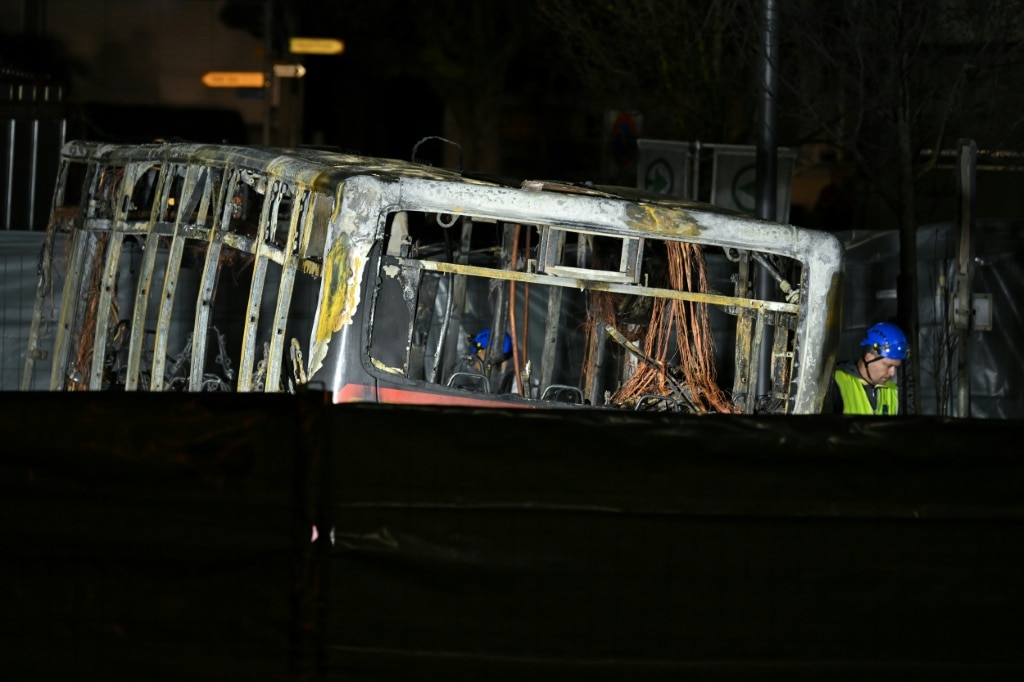
    A horrific bus fire in western Switzerland has been identified as an apparent suicide by self-immolation, according to official investigations, resulting in six fatalities and multiple injuries. The tragedy unfolded on Tuesday evening in the tranquil town of Kerzers, located approximately 20 kilometers west of Bern.\n\nRaphael Bourquin, public prosecutor for Fribourg canton, disclosed at a Wednesday press conference that witness accounts describe a Swiss national in his sixties boarding the bus carrying bags before dousing himself with flammable liquid and igniting himself. The individual, reportedly from Bern canton, had been reported missing by his family prior to the incident. Authorities characterized him as \”a marginalized and disturbed individual\” based on current evidence.\n\n\”There is absolutely no evidence to suggest that this could be a terrorist act,\” Bourquin emphasized, noting that the apparent perpetrator was among the deceased.\n\nThe inferno generated flames reaching several meters high, with black smoke billowing from the vehicle—images captured in social media videos that circulated following the incident. Emergency response teams deployed multiple ambulances and a helicopter to the scene, where investigators worked through the night.\n\nFribourg police chief Philippe Allain indicated detectives are reconstructing passenger movements along the bus route from Dudingen to determine the exact number of occupants during the catastrophe. The victims’ birth years spanned from 1961 to 2009, representing multiple generations.\n\nThe human toll includes five injured persons beyond the six fatalities. Three required hospitalization, with two remaining in serious condition and one since discharged. Two additional individuals received on-site medical treatment from emergency responders.\n\nThis incident marks Switzerland’s second major fatal fire in under three months, following the January 1st blaze at a Crans-Montana ski resort bar that claimed 41 lives during New Year’s celebrations. Swiss President Guy Parmelin expressed being \”shocked and saddened that people in Switzerland have once again lost their lives in a serious fire,\\” extending condolences to victims’ families via social media.\n\nThe involved vehicle was a distinctive yellow PostBus, an integral component of Swiss rural infrastructure that serves approximately 500,000 daily passengers while simultaneously transporting mail. PostBus CEO Stefan Regli described the event as a \”terrible tragedy\” and confirmed company employees were profoundly affected by the incident.\n\nAuthorities have established a dedicated hotline for witnesses to come forward as the criminal investigation continues to determine the precise circumstances surrounding this devastating event.

  • Trump’s ‘racist hate speech’ fuelling rights abuses: UN watchdog

    Trump’s ‘racist hate speech’ fuelling rights abuses: UN watchdog

    A United Nations human rights monitoring body has issued a stark warning regarding escalating racial discrimination and rights violations within the United States, directly linking the crisis to rhetoric from the highest levels of government. The UN Committee on the Elimination of Racial Discrimination (CERD) published an urgent report on Wednesday, asserting that racist hate speech from President Donald Trump and other political figures, combined with intensified immigration enforcement, is instigating serious human rights abuses.

    The committee’s analysis highlighted a disturbing rise in derogatory and dehumanizing language targeting migrants, refugees, and asylum seekers. It noted that influential public figures, including the president, have persistently portrayed these groups as criminals or societal burdens. This narrative, CERD warned, fosters widespread intolerance and has the potential to incite both racial discrimination and hate crimes.

    Beyond rhetoric, the report expressed grave concern over the systematic application of racial profiling by US Immigration and Customs Enforcement (ICE) officers. These practices, which disproportionately target individuals of Hispanic/Latino, African, or Asian origin through arbitrary identity checks, have resulted in the widespread detention of refugees, asylum seekers, and even persons merely perceived to be migrants. The committee cited a staggering figure of at least 675,000 deportations since President Trump resumed office in January 2025.

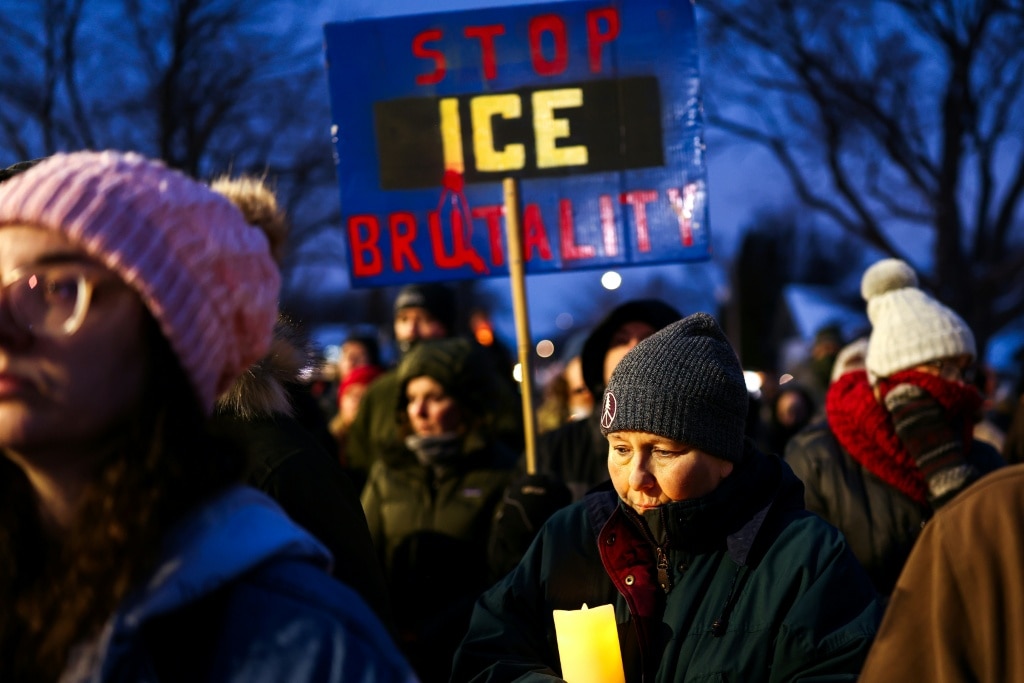
    The findings were precipitated by an urgent submission from the American Civil Liberties Union in February, requesting an investigation into rights violations during extensive immigration crackdowns, notably in Minnesota. These operations, involving thousands of federal agents, were characterized by the administration as targeted missions against criminals but culminated in public outrage following the deaths of two US citizens and the arrest of a young child.

    CERD’s report also condemned the excessive use of force during enforcement operations, noting at least eight fatalities occurring during ICE activities or while in agency custody since January. A drastic surge in detainee populations was highlighted, with immigration detention facilities seeing numbers balloon from 40,000 in late 2024 to approximately 73,000 at the start of this year. The committee raised alarms over ensuing ‘inhuman conditions and inadequate medical care,’ citing the deaths of at least 29 migrants in detention during 2025, with six occurring in January of this year alone.

    Further criticism was directed at the rescission of longstanding policies that limited immigration enforcement operations near sensitive locations such as schools, hospitals, and places of worship. In its concluding recommendations, the committee of 18 independent experts urged the US government to immediately suspend such operations, conduct a comprehensive rights-based review of all legislative measures enacted since January 2025, and publicly condemn racial discrimination and racist hate speech to ensure accountability.

  • Feral grass ‘changing the nature’ of Australia’s deserts, traditional owners warn

    Feral grass ‘changing the nature’ of Australia’s deserts, traditional owners warn

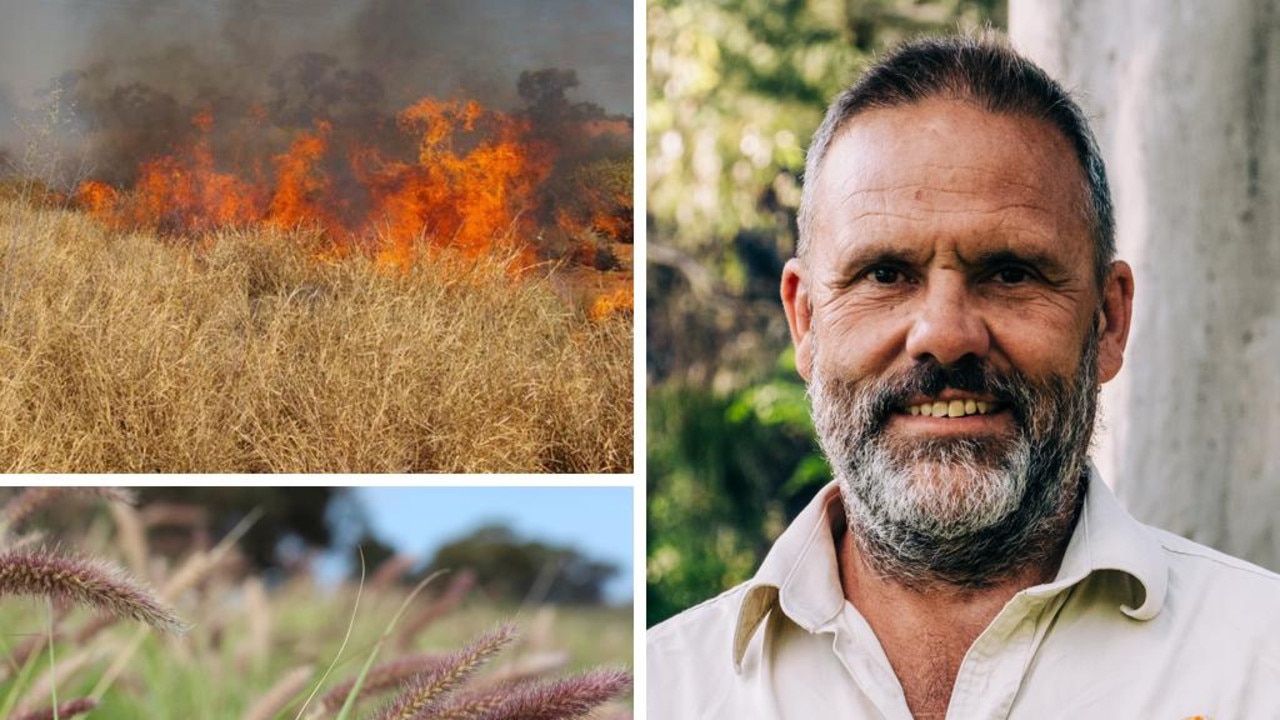
    A coalition of Indigenous leaders and environmental advocates is converging on Australia’s capital to demand urgent federal action against an invasive grass species that is fundamentally transforming the nation’s desert landscapes. The controversial buffel grass, originally native to Africa and parts of Asia, burns with unprecedented intensity and frequency, creating ecological havoc across Central Australia.

    Traditional owners have identified the plant as tjanpi kura (bad grass) or mamu tjanpi (devil grass) due to its destructive characteristics. The species spreads aggressively, choking waterways and creating dense fuel loads that result in catastrophic fires. These infernos reach temperatures and frequencies previously unknown to these ancient ecosystems, destroying centuries-old desert oaks and mulga trees that have long defined the region’s character.

    The federal government recently postponed a critical decision on whether to designate buffel grass as a Weed of National Significance—a classification that would trigger coordinated national response measures. This hesitation has prompted Indigenous Ambassador Richard Swain, a Wiradjuri man representing the Invasive Species Council, to characterize the situation as requiring immediate national leadership.

    Beyond the Northern Territory where it’s already declared a weed, buffel grass has established dominance across hundreds of kilometers in Central Australia and continues its expansion into Western Australia, South Australia, New South Wales, and Queensland. This geographical spread places numerous native species at risk and threatens First Nations cultural practices tied to the land.

    The delegation arriving in Canberra includes senators David Pocock and Sarah Hanson-Young alongside traditional owners. They advocate for a three-pronged approach: official designation as a Weed of National Significance, classification as a Key Threatening Process under national environmental law, and dedicated funding for a national coordinator position alongside a comprehensive action plan.

    Senator Hanson-Young emphasized the dual threat to both ecosystems and Indigenous culture, noting that worsened fire conditions endanger plants, animals, and communities simultaneously. Eastern Arrernte Traditional Owner Camille Dobson highlighted structural challenges, explaining that remote communities lack properly trained firefighters and equipment, while Aboriginal ranger programs remain chronically underfunded and overstretched despite being positioned as primary responders to the crisis.

  • Oil jumps, stocks drop as Mideast war prolongs market volatility

    Oil jumps, stocks drop as Mideast war prolongs market volatility

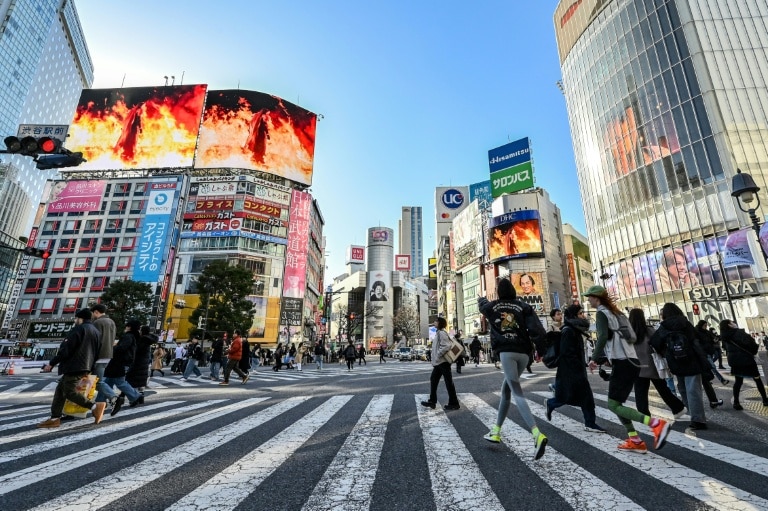
    Global financial markets experienced significant turbulence on Wednesday as escalating Middle East hostilities continued to drive volatile trading patterns. Crude oil prices surged dramatically while equity markets predominantly retreated, reflecting investor anxiety over prolonged regional conflict.

    Energy markets witnessed substantial fluctuations with Brent North Sea Crude climbing 4.2 percent to $91.50 per barrel and West Texas Intermediate rising 4.3 percent to $87.03. These movements occurred against a backdrop of renewed attacks on commercial vessels in the Gulf region, though coordinated strategic petroleum reserve releases by several nations helped moderate price spikes.

    European equity indices demonstrated consistent declines, with London’s FTSE 100 dropping 0.8 percent, Paris’s CAC 40 falling 0.7 percent, and Frankfurt’s DAX decreasing 1.2 percent. Asian markets presented a more mixed picture, as Tokyo’s Nikkei 225 gained 1.4 percent and Seoul’s KOSPI finished higher despite both indices experiencing some of the most pronounced swings since the crisis initiation.

    Market analysts identified oil price dynamics as the primary sentiment driver. Neil Wilson, Saxo UK investment strategist, observed that ‘risk sentiment remains fragile with trading dictated by headline developments in the rapidly evolving Middle East conflict.’ The strategic importance of the Strait of Hormuz—a transit corridor for nearly 20% of global oil shipments—has amplified market sensitivity to regional developments.

    Government interventions provided some market stabilization. France’s Finance Minister Roland Lescure characterized reserve releases as ‘part of a highly coordinated strategy,’ with Japan and Germany announcing specific measures to address energy price inflation. The conflict has simultaneously created business opportunities for defense contractors, with Rheinmetall forecasting continued growth based on increased demand for air defense systems.

    Currency markets showed modest movements, with the euro dipping slightly against the dollar while the pound gained ground. Market participants remain attentive to geopolitical developments that could further influence energy supplies and global trade routes.

  • French aid worker killed in DR Congo air strike

    French aid worker killed in DR Congo air strike

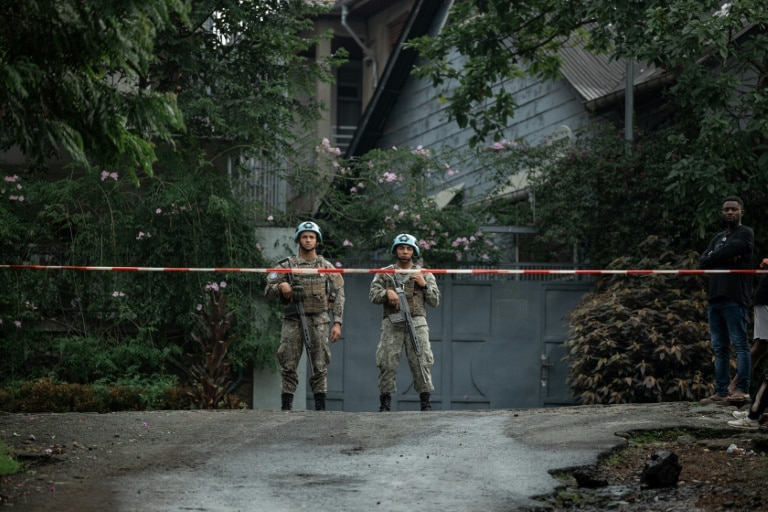
    A French humanitarian worker serving with UNICEF has been killed in an overnight drone strike on a residential compound in Goma, eastern Democratic Republic of Congo, a city currently under the control of the Rwanda-backed M23 rebel militia. The incident has drawn international condemnation and heightened concerns over the escalating violence in the mineral-rich region.

    The strike targeted a house in Himbi, an upscale neighborhood on the shores of Lake Kivu that serves as a base for numerous expatriates and humanitarian organization headquarters. According to multiple humanitarian sources and rescue personnel at the scene, the aid worker was fatally wounded when the residence she was staying in was hit. Witnesses reported hearing two distinct explosions preceded and followed by the characteristic buzzing sound of unmanned aerial vehicles.

    French President Emmanuel Macron confirmed the death on social media platform X, expressing the nation’s solidarity with her family, loved ones, and colleagues while urgently calling for respect for humanitarian law and the protection of personnel committed to saving lives.

    Security sources indicate the strikes were likely intended to target officials or allies of the M23 armed group, with the humanitarian worker’s residence struck by mistake. Large residences in the Himbi area were previously requisitioned by M23 leaders following their seizure of Goma in a lightning offensive in early 2025.

    Emergency teams, firefighters, United Nations employees, and M23 officials were present at the severely damaged site on Wednesday. The building showed extensive damage with a destroyed roof, partially burnt structures, and walls riddled with tiny impact marks. No debris from a drone or projectile has been identified thus far.

    This tragic event occurs amidst continued clashes between the M23 and Congolese forces, despite a peace deal brokered by the United States in early December. The Congolese army regularly conducts long-range drone strikes on M23 positions, while security sources confirm the rebel group likewise employs explosive drones at the front lines.

    The eastern DRC has been embroiled in conflict for three decades, with numerous armed groups vying for control over the region’s vast mineral wealth, including coltan essential for mobile phones and electric car batteries. UN experts assert that Rwanda uses the M23 as a proxy to control these critical mineral veins, leading the US to recently announce sanctions against the Rwandan army. Rwanda denies direct military support for the M23 but maintains it faces existential threats from genocidal armed groups operating in the eastern DRC.

  • UK couple die after being pulled from water at Australian beach

    UK couple die after being pulled from water at Australian beach

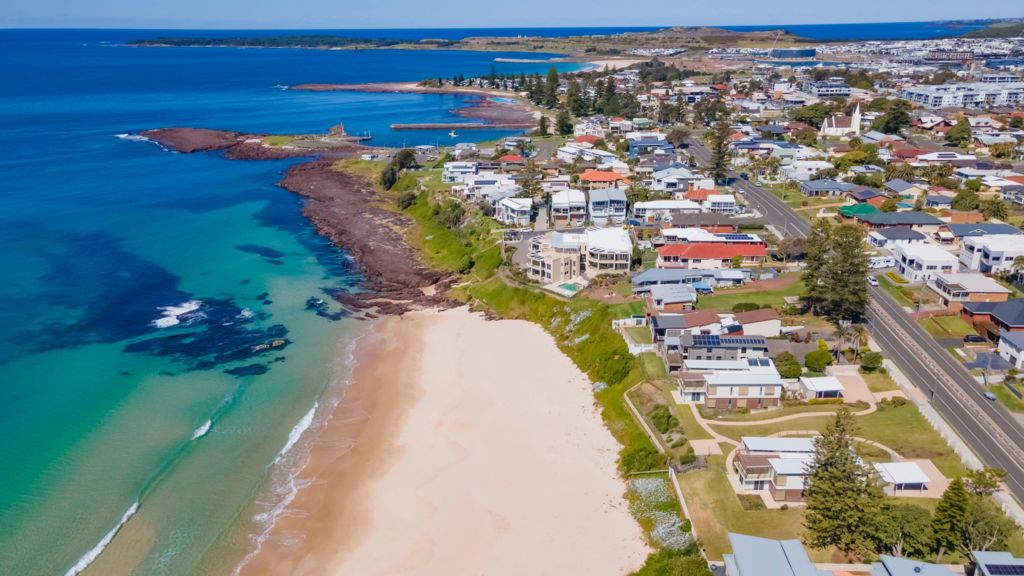
    A peaceful morning at Shellharbour Beach in New South Wales turned tragic when a British married couple lost their lives despite valiant rescue efforts by bystanders and emergency responders. The incident occurred on Wednesday at approximately 11:10 AM local time when witnesses reported two swimmers in distress in the turbulent waters.

    According to NSW Police statements, several beachgoers immediately sprang into action upon noticing the struggling swimmers. Among the responders were two off-duty nurses and a young man who courageously entered the water to retrieve the couple. The rescuers managed to pull both individuals—identified as a 66-year-old man and 64-year-old woman from the United Kingdom—from the ocean and immediately initiated cardiopulmonary resuscitation on the beach.

    Paramedics arrived shortly thereafter and continued advanced life support measures, but despite exhaustive efforts, both individuals were pronounced dead at the scene. The Foreign Office of the United Kingdom confirmed they are providing consular support to the bereaved family and maintaining communication with Australian authorities.

    Lake Illawarra Police District Inspector Luke Geradts addressed media representatives, describing the event as profoundly tragic while extending official condolences to the family. Inspector Geradts particularly highlighted the extraordinary efforts of the civilian rescuers, emphasizing that their swift action had provided the couple with their best possible chance of survival. He noted that while the outcome was devastating, the selfless response demonstrated the community’s courage and compassion.

    The inspector further emphasized that this incident serves as a sobering reminder of the ocean’s inherent dangers and unpredictable nature, especially for visitors unfamiliar with Australian beach conditions. While the investigation remains ongoing, preliminary reports indicate no suspicious circumstances surrounding the deaths. Australian authorities have commenced standard procedures for international fatalities while supporting the family through repatriation processes.

  • UK govt to release first batch of Mandelson files

    UK govt to release first batch of Mandelson files

    The UK government commenced the disclosure of documents on Wednesday concerning Prime Minister Keir Starmer’s contentious 2024 appointment of Peter Mandelson as ambassador to Washington, despite his known associations with convicted sex offender Jeffrey Epstein. This initial release, described by Government Minister Darren Jones as containing a “big number” of files, represents only a fraction of the comprehensive documentation that Parliament has mandated for full transparency.

    The disclosure follows intense political pressure and a parliamentary order last month compelling the Labour government to release tens of thousands of emails, messages, and vetting documents related to Mandelson’s appointment. Prime Minister Starmer has acknowledged that Mandelson repeatedly misled officials about the depth of his friendship with Epstein, both before and during his diplomatic tenure in Washington.

    Mandelson, a former Labour communications strategist and government minister, was arrested last month on suspicion of misconduct in public office. The investigation focuses on allegations that he transmitted sensitive government documents to Epstein, including during the critical period of the 2008 financial crisis. Although Mandelson has not been formally charged, the scandal led to his dismissal as ambassador in September last year following revelations by a US Congressional committee.

    The controversy has triggered significant political repercussions, including the resignation of two of Starmer’s senior aides and mounting calls for the Prime Minister’s own resignation. Starmer has subsequently issued a formal apology to Epstein’s victims for the appointment, acknowledging the profound lapse in judgment.