标签: Oceania

大洋洲

  • UK’s King Charles seeks to shore up Trump ties

    UK’s King Charles seeks to shore up Trump ties

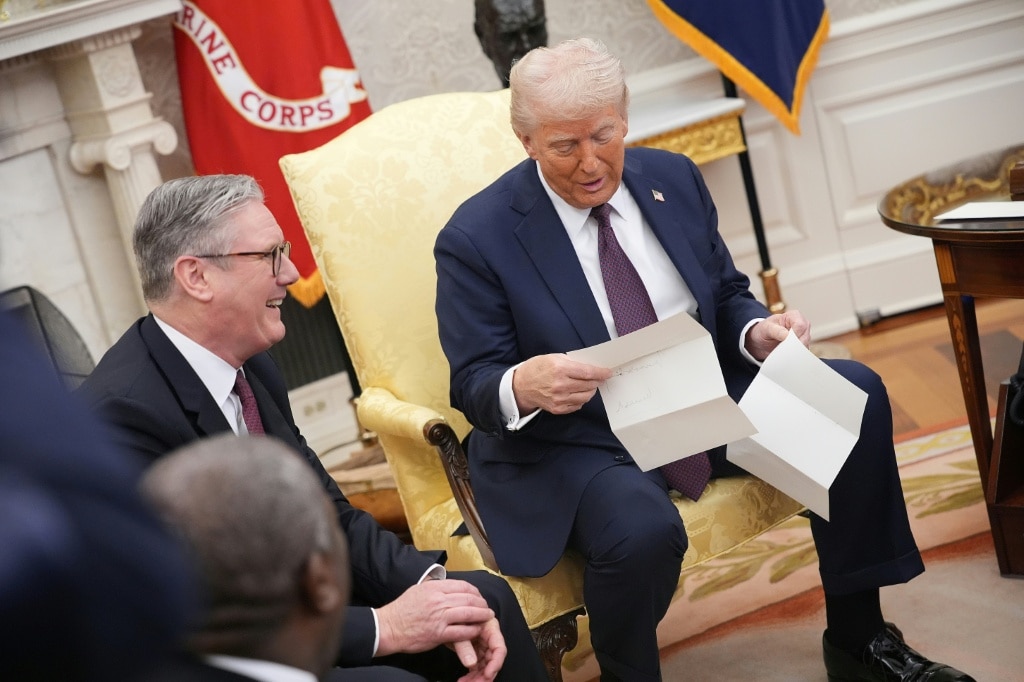
    King Charles III touched down in Washington, D.C. on Monday for a four-day state visit that carries profound diplomatic significance, moving forward with the long-planned itinerary despite a recent security scare that targeted U.S. President Donald Trump over the weekend. This trip marks the first visit by Charles and Queen Camilla to the United States since he ascended to the British throne in 2022, and its core mission is to patch the growing rift in the historically close U.K.-U.S. “special relationship” driven by sharp disagreements over the ongoing war with Iran.

    The visit was originally scheduled to celebrate the 250th anniversary of U.S. independence from British rule, but diplomatic frictions have reframed the agenda as a targeted charm offensive aimed at repairing bonds between the two nations. Tensions have escalated in recent weeks: Trump has repeatedly attacked British Prime Minister Keir Starmer over his public opposition to the Iran war, as well as his government’s immigration and energy policies, even going so far as to dismiss Starmer as “no Churchill” — a sharp rebuke to the leader most closely associated with forging the modern special relationship. Despite these frictions, Starmer spoke with Trump by phone Sunday to extend well wishes following the security incident, and has publicly backed proceeding with the state visit, though a recent YouGov poll found nearly half of British respondents support canceling the trip altogether.

    A shooter opened fire near the White House Correspondents’ Association annual gala Saturday, an event attended by Trump, leaving no injuries to the president or other attendees. Buckingham Palace confirmed in a statement that Charles was “greatly relieved” to hear Trump and other guests emerged unharmed, and that the full itinerary would remain unchanged. After consultations between U.S. and British security teams, UK Ambassador to the U.S. Christian Turner told reporters Sunday that “we are all very confident that all appropriate security measures are in place” to protect the royal party throughout their stay.

    The scheduled itinerary kicks off with a formal welcome at the White House Monday, where Trump and First Lady Melania Trump will greet the king and queen before hosting them for tea and a tour of a new beehive installed on the White House grounds by the first lady. On Tuesday, the two leaders will hold formal talks in the Oval Office before a state dinner in the evening, and Charles will deliver a historic address to a joint session of Congress — making him the first British monarch to speak to the legislature since his mother, Queen Elizabeth II, did so in 1991.

    On Wednesday, the royal couple will travel to New York City to tour the 9/11 Memorial & Museum honoring victims of the 2001 terrorist attacks, before departing Thursday for Bermuda, where Charles will make his first visit to a British Overseas Territory as reigning monarch.

    For 77-year-old Charles, the trip also represents a significant personal test, coming as he continues treatment for cancer diagnosed in recent years. Still, monarchy analysts note Charles has a proven track record of navigating high-stakes diplomatic events. Craig Prescott, a royal studies expert at Royal Holloway University of London, pointed to Charles’s deft handling of Trump’s state visit to the UK last September as evidence the king is “generally very good” at managing tense diplomatic occasions. Prescott added that Charles is expected to address the Iran war — widely described as the “elephant in the room” for this visit — in coded language during his congressional address, balancing the UK’s opposition to the conflict with a desire to avoid overt friction with the U.S. administration.

    Trump has framed the visit as an opportunity to repair transatlantic ties, telling Fox News Sunday: “He’s a friend of mine for a long time, so he’s coming, and we’re going to have a great time, and he represents his nation like nobody else can do it.” White House Press Secretary Karoline Leavitt echoed that framing Monday, saying the visit would “honor the long-standing and special relationship between the United States and the United Kingdom.”

    Beyond the diplomatic tensions over Iran, the trip also carries lingering baggage from the ongoing controversy surrounding the late convicted sex offender Jeffrey Epstein, and Charles’s brother, Prince Andrew, the Duke of York, who had close personal ties to the billionaire before Epstein’s death in prison in 2019. The scandal, which led Andrew to step back from official royal duties, has remained a persistent stain on the reputation of the monarchy, and analysts note it could cast an unplanned shadow over the carefully choreographed tour.
  • ‘Looming’ risk of nuclear arms race, UN proliferation meeting hears

    ‘Looming’ risk of nuclear arms race, UN proliferation meeting hears

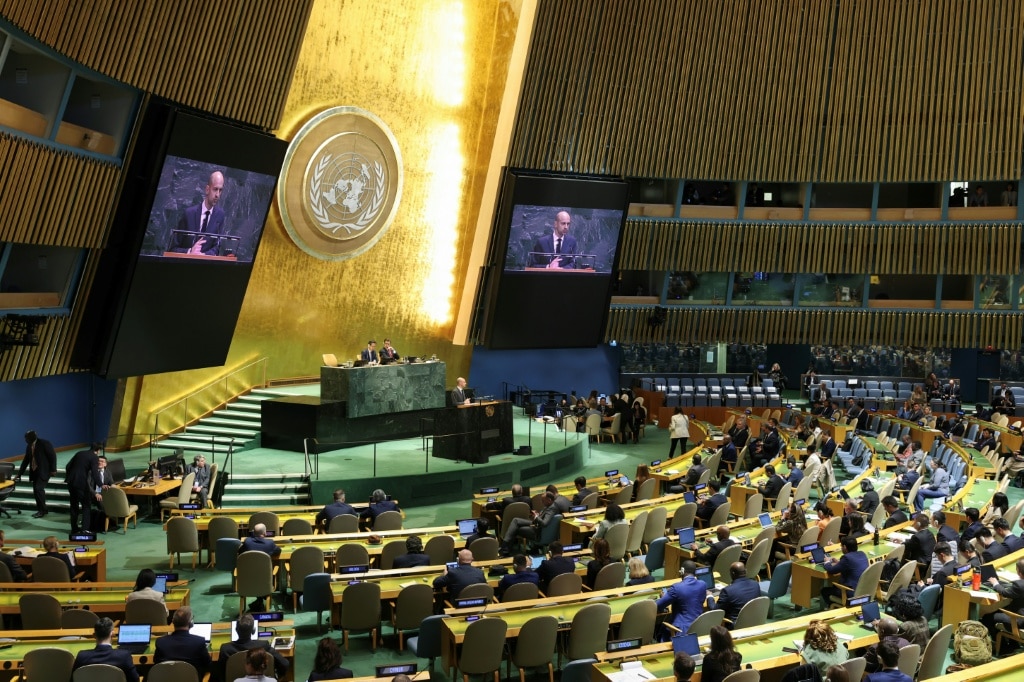
    A high-stakes four-week conference of signatories to the Treaty on the Non-Proliferation of Nuclear Weapons (NPT), the global cornerstone of atomic non-proliferation efforts, kicked off Monday at United Nations Headquarters in New York. Delegates gathered against a backdrop of escalating geopolitical tensions and growing alarm among world leaders and experts that a new global nuclear arms race is increasingly likely.

    In his opening address to the gathering, UN Secretary-General António Guterres delivered a stark warning that the long-fraying foundations of the NPT are at a breaking point. “For too long, the treaty has been eroding. Commitments remain unfulfilled. Trust and credibility are wearing thin. The drivers of proliferation are accelerating. We need to breathe life into the treaty once more,” he said, echoing the dire warning he issued at the 2022 NPT review conference, when he stated humanity stood “one misunderstanding, one miscalculation away from nuclear annihilation.”

    Data released earlier this year by the Stockholm International Peace Research Institute (SIPRI) underscores these growing risks. As of January 2025, the world’s nine nuclear-armed states — Russia, the United States, France, the United Kingdom, China, India, Pakistan, Israel, and North Korea — hold a combined total of 12,241 nuclear warheads. The United States and Russia alone control nearly 90 percent of the global stockpile, and both nations have poured extensive resources into modernizing their arsenals in recent years. SIPRI also confirmed China has rapidly expanded its nuclear stockpile, a development that prompted the G7 to issue a formal warning over Moscow and Beijing’s growing nuclear capabilities just days before the conference opened.

    Recent policy shifts have further fueled global anxiety: US President Donald Trump has publicly stated he intends to resume nuclear testing, claiming other nations are already conducting covert tests, while French President Emmanuel Macron announced a major shift to France’s nuclear deterrence strategy in March, including a planned expansion of the country’s current arsenal of 290 warheads.

    French Foreign Minister Jean-Noël Barrot told conference delegates that the current moment carries unprecedented risk. “Never has the risk of nuclear proliferation been so high, and the threat posed by Iran’s and North Korea’s programs is intolerable for each and every state party to this treaty,” he said. Pyongyang’s advancing nuclear development program is widely identified as one of the most intractable sticking points that could derail any consensus agreement at the conference, alongside the ongoing war in Ukraine and disputes over Iran’s atomic activities.

    Conference president Do Hung Viet, Vietnam’s permanent representative to the UN, moved quickly to temper unrealistic expectations for the gathering. “We should not expect this conference to resolve the underlying strategic tensions of our time,” he said. Even so, he argued that incremental progress would carry global significance: “But a balanced outcome that reaffirms core commitments and set out practical steps forward would strengthen the integrity of the NPT. The success or failure of this conference will have implications way beyond these halls. The prospects of a new nuclear arms race are looming over us.”

    Adding to the tensions already at the conference, the United States, joined by allies Britain, the United Arab Emirates, and Australia, publicly condemned the appointment of Iran as a vice president of the meeting. Washington’s envoy to the conference called granting Tehran a leadership role an “affront” to all nations that uphold the NPT’s obligations.

    Beyond long-standing geopolitical disputes, a new issue is set to take a prominent place on the agenda: the role of artificial intelligence in nuclear command and control. A number of countries have pushed for binding commitments that ensure human leaders retain full control over all nuclear weapons decisions, amid growing fears that AI could raise the risk of accidental or unauthorized launch.

    Like past NPT review conferences, any final agreement requires consensus from all participating states, a high bar that has derailed the past two gatherings. In 2015, talks collapsed after the United States, a close ally of Israel, opposed plans to create a nuclear-weapon-free zone in the Middle East. The 2022 conference hit an impasse after Russia objected to language referencing the Russian-occupied Zaporizhzhia nuclear power plant in Ukraine.

    Seth Shelden, a representative of the International Campaign to Abolish Nuclear Weapons (ICAN), the Nobel Peace Prize-winning anti-nuclear organization, told Agence France-Presse that the erosion of trust is now visible across the global non-proliferation regime. “It is obvious that trust is eroding, both inside and outside the NPT,” he said, casting doubt on whether the four-week summit can deliver any meaningful, binding progress.

    The NPT, signed by nearly every country on Earth with only a handful of notable holdouts including Israel, India, and Pakistan, has three core missions: halt the spread of nuclear weapons, work toward complete global nuclear disarmament, and facilitate peaceful cooperation on civilian nuclear energy projects.

  • Suspect due in court over shooting at Trump gala

    Suspect due in court over shooting at Trump gala

    In the latest episode of escalating political violence rocking a deeply polarized United States, a 31-year-old California man accused of attempting to assassinate former President Donald Trump at a high-profile Washington DC gala is scheduled to make his first federal court appearance on Monday, marking the third alleged plot on the former president’s life in just two years.

    The alleged attack unfolded Saturday night at the Washington Hilton, the iconic venue that has hosted the annual White House Correspondents’ Dinner for decades without security incident. Saturday’s gathering marked the first time Trump, who was in attendance alongside First Lady Melania Trump, Vice President JD Vance, multiple cabinet members, top congressional leaders, and hundreds of political and media guests, had accepted the WHCA’s invitation to attend the annual black-tie event.

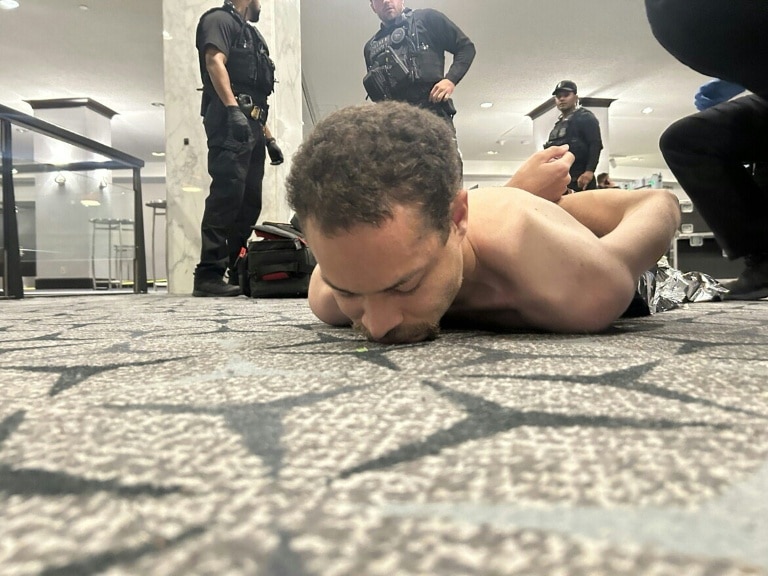
    According to administration officials, the suspect, identified as Cole Allen, came to the venue with the explicit goal of killing Trump and other senior officials attending the media dinner. Allen was a registered guest at the hotel, and arrived armed with a shotgun, a handgun, and multiple knives. The New York Post reported that, shortly before launching his alleged attack, Allen sent a message to his family noting that his planned targets would be “prioritized from highest-ranking to lowest.”

    Camera footage shared by Trump online shows the suspect sprinting past a security checkpoint on the floor directly above the gala ballroom. After a short exchange of gunfire between Allen and Secret Service agents, the suspect was taken into custody at the scene. No fatalities were reported in the incident. The moment gunfire erupted, Secret Service agents immediately swarmed the ballroom to protect the former president, triggering chaotic scenes as dozens of attendees dove under tables for cover.

    Trump was quickly evacuated from the venue by his Secret Service detail. Speaking to reporters at a hastily convened late-night press briefing at the White House, Trump recalled that he initially mistook the sound of gunfire for a dropped serving tray before recognizing the danger. He told CBS News in an interview Sunday evening that he did not fear for casualties amid the chaos, saying, “I wasn’t worried. I understand life. We live in a crazy world.”

    Allen is expected to face initial charges of assault on a federal officer and use of a firearm during a violent felony during his 1 pm ET (1700 GMT) court appearance Monday. Legal officials note that additional charges are likely to be filed in the coming days as the investigation progresses. The incident has renewed public scrutiny of presidential security protocols, after Trump noted that the Washington Hilton venue was “not a particularly secure” facility. The former president also said he hopes the dinner can be rescheduled within the next month.

    Saturday’s alleged plot is the third known attempt on Trump’s life since 2024. During a 2024 campaign rally in Butler, Pennsylvania, a gunman opened fire on the crowd, killing one attendee and wounding Trump lightly in the ear. Just months later, a second man was arrested after a Secret Service agent spotted a rifle barrel protruding from bushes along the perimeter of a West Palm Beach golf course where Trump was playing a round of golf.

  • Aussies urged to withdraw cash from ATMs in massive grassroots Cash Out Day protest

    Aussies urged to withdraw cash from ATMs in massive grassroots Cash Out Day protest

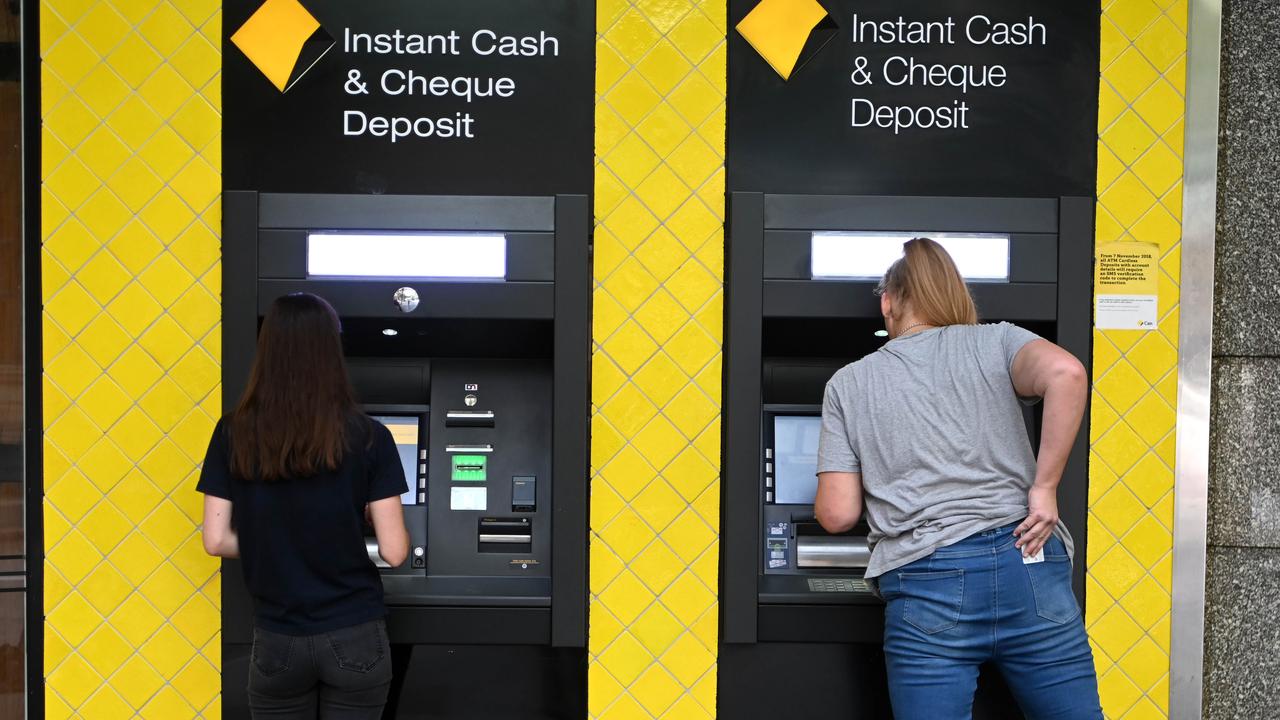
    On April 28, millions of Australian residents are expected to converge on ATMs and bank branches across every state and territory to withdraw cash, joining a coordinated grassroots movement pushing back against shrinking access to physical currency and pushing both the federal government and financial institutions to protect cash as a permanent payment option.

    Organized by the advocacy group Cash Welcome, the annual event dubbed National Cash Out Day aims to send a clear message to banks: Australian consumers demand the right to choose how they access and spend their own money in local communities. Jason Bryce, founder of Cash Welcome and a veteran financial journalist, explained that the first iteration of the campaign several years ago already delivered tangible policy results, forcing the government to commit to a formal cash access mandate. This year’s action builds on that early win, as declining ATM availability and the rise of contactless digital payments have steadily reduced public access to physical cash across the country.

    On a typical Australian business day, roughly 900,000 to one million people complete ATM withdrawals. Organizers are calling on participants to double that number to 1.8 million on April 28, with participation requiring nothing more than withdrawing as little as $20 from an ATM, bank branch, or EFTPOS-enabled retailer. Bryce emphasized that the campaign is not opposed to the convenience of contactless tap-and-go payments, which have become a staple of Australian commerce. Instead, it centers on protecting consumer choice: no single payment method should be forced out of common use, and all Australians deserve the option to transact with cash when they prefer.

    New data from the Reserve Bank of Australia (RBA) underscores just how vital this choice remains for millions of people. Contrary to widespread assumptions that cash use is in terminal decline, the RBA’s latest study shows physical currency usage is actually growing across the country. In 2025, 15% of all Australian transactions were completed with cash, a 2 percentage point increase from 2023. For in-person transactions alone, that share rises to nearly 20%, with half of all Australians reporting they use cash at least once per week.

    The data also confirms that cash access is a critical equity issue. Older Australians rely on cash far more heavily than younger generations, and lower-income households are more likely to prefer physical payments over digital alternatives. The RBA’s analysis warns that further cuts to cash access would cause severe harm for a large share of the population: approximately one-third of all Australians would face major hardship or significant daily inconvenience if cash becomes difficult to access or widely rejected by retailers. Many residents report carrying cash specifically to cover unexpected expenses or to have a backup when digital payment systems fail, and those who depend on cash regularly say they would face insurmountable difficulties if the payment option were significantly restricted.

    As the campaign gains momentum across the country, participants frame Cash Out Day as a simple, accessible way for ordinary consumers to stand up for their rights and ensure cash remains a viable, widely available option for all Australians.

  • Coalition puts forward an $800m plan to double fuel reserves and provide more storage

    Coalition puts forward an $800m plan to double fuel reserves and provide more storage

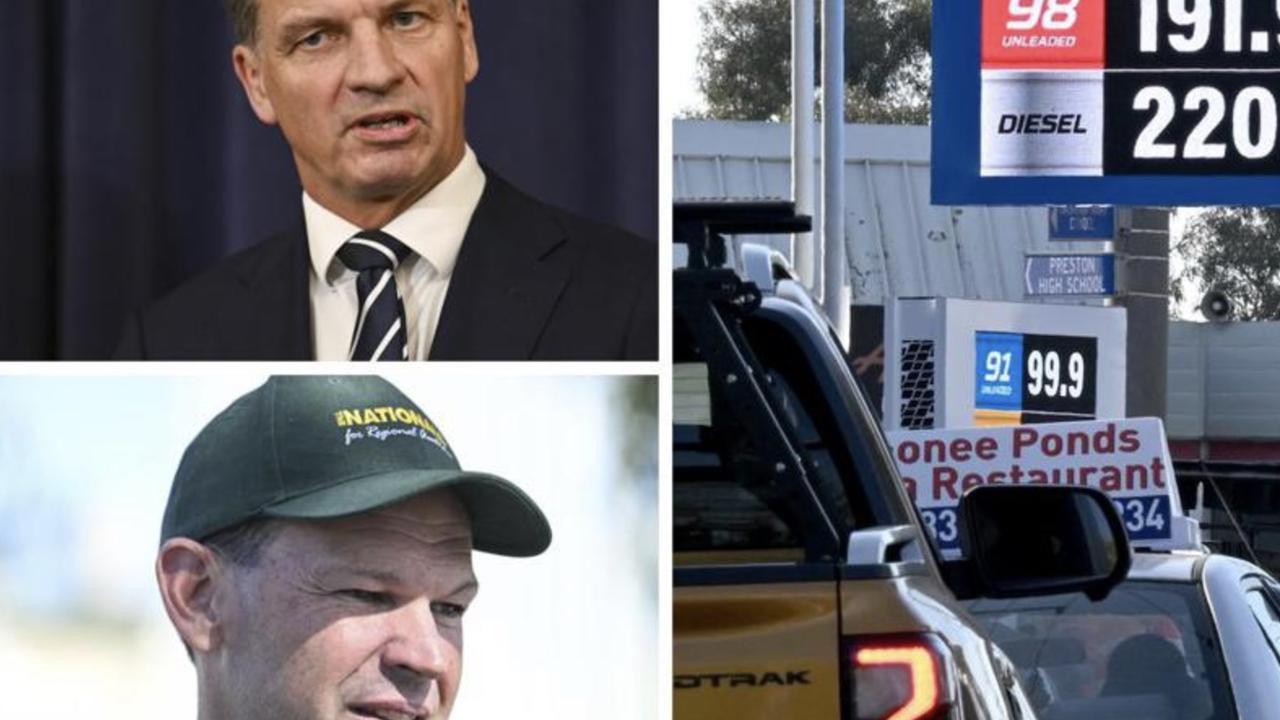
    Against the backdrop of escalating global market disruption stemming from the ongoing Middle East conflict, Australia’s opposition Coalition has launched a targeted $800 million initiative to drastically strengthen the nation’s fuel resilience, expanding strategic reserves and adding 1 billion litres of new domestic storage capacity. The proposal, framed as a critical response to growing global energy supply uncertainty, calls for a sweeping overhaul of Australia’s existing fuel stockholding rules, with a specific focus on shoring up supplies of diesel, the fuel that powers most of the country’s freight, agriculture and regional sectors. At the core of the plan is a move to more than double the current Minimum Stockholding Obligation (MSO), requiring suppliers to maintain enough reserve fuel to cover 60 days of national demand — representing a more than 50% jump in total minimum reserves and a nearly 25% increase in critical stockholdings. The Coalition is also proposing the creation of a dedicated Australian Fuel Security Facility, backed by the full $800 million in government funding, that will support the construction of at least 1 billion litres of new onshore storage infrastructure, again prioritizing diesel storage to meet the needs of key domestic industries. Opposition leader Angus Taylor has urged Prime Minister Anthony Albanese’s government to adopt the plan immediately, warning that any delay leaves Australia exposed to catastrophic supply disruptions. “If fuel stops, Australia stops. It’s that simple. Trucks don’t move, supermarkets don’t stock, businesses shut their doors,” Taylor said in remarks announcing the policy. “We are putting forward a practical plan to make sure that never happens. More fuel in reserve, more storage on the ground, and a country that can stand on its own two feet. This is about protecting Australians’ way of life and restoring their standard of living. You don’t do that with talk. You do it with action.” The plan has received strong backing from the Nationals, the junior coalition partner that represents regional and rural Australia, where reliance on diesel for farming, freight and everyday transport is far higher than in major urban centers. Nationals leader Matt Canavan emphasized that increasing domestic stockpiles reduces Australia’s dangerous overreliance on vulnerable overseas supply chains that can be disrupted by global conflict or geopolitical tension almost overnight. “People in the regions know how serious this is. If the diesel doesn’t turn up, the farm doesn’t run and the shelves go empty,” Canavan said. “This plan is just common sense. Keep more fuel here in Australia so we are not relying on overseas supply lines that can be cut overnight. We cannot keep hoping for the best. We need to be ready, and this plan gets us there.” Under the current regulatory framework, fuel suppliers are already required to hold minimum reserve stocks, with the associated costs passed through to consumers at the fuel pump. The Coalition’s plan would require suppliers to build new storage capacity and acquire additional inventory, with government financial support offsetting much of the upfront cost. The opposition estimates that expanding the MSO would add only around 1 cent per litre to retail fuel prices, a modest increase that it argues is well worth the cost of enhanced national energy security. Shadow Energy Minister Dan Tehan added that the proposal offers a clear, actionable path to strengthening the country’s entire fuel supply chain against unforeseen global shocks. “This is a practical, achievable plan that strengthens our fuel supply chain and backs Australian industry,” Tehan said. “It works with industry, builds storage where it is needed, and makes sure we have the buffer to withstand global shocks.” The Coalition has committed that if the government adopts the plan immediately, it would deliver the full 60-day fuel security target by 2030, putting Australia in a far stronger position to weather ongoing global energy volatility linked to the Middle East conflict and other geopolitical risks.

  • War in the Middle East: latest developments

    War in the Middle East: latest developments

    Tensions across the Middle East have reignited in recent days, bringing new volatility to diplomatic efforts, regional security and global markets, following weeks of low-level conflict and stalled negotiations. Multiple breaking developments have deepened uncertainty over the prospects of de-escalation, just two months after open fighting erupted between Israel and Iran.

    The most significant shift came from Lebanon’s powerful Iran-aligned militant group Hezbollah, whose deputy leader Naim Qassem delivered a firm rejection of planned direct negotiations between Lebanese authorities and Israel. In an official statement released this week, Qassem slammed the proposed talks as a “grave sin” that risks plunging Lebanon into full-blown instability, warning that any push for direct dialogue would harm both the country and the political leaders pushing for the move. “We categorically reject direct negotiations with Israel, and those in power should know that their actions will not benefit Lebanon or themselves,” Qassem said, urging Lebanese governing bodies to immediately abandon the plan that he argues threatens to drag the nation into a dangerous spiral of unrest.

    Meanwhile, on the diplomatic front, Iran’s top diplomat placed full blame on the United States for the ongoing impasse in talks aimed at ending the conflict. Iranian Foreign Minister Abbas Araghchi made the comments while arriving in Moscow as part of a rapid, multi-stop international diplomatic tour. He argued that the latest round of negotiations, which had made limited incremental progress, collapsed entirely due to unreasonable and excessive demands put forward by Washington. Araghchi also highlighted the strategic importance of unimpeded maritime access through the Strait of Hormuz, a critical global chokepoint for energy supplies, noting that stable, safe passage through the waterway is a non-negotiable issue for the entire global community.

    The renewed volatility has already rippled through global energy markets. On Monday, benchmark crude oil prices jumped more than 2% as investors reacted to the growing risk of regional disruption to energy production and shipping, while global equity markets posted mixed results amid the heightened uncertainty, with no sign of a breakthrough to de-escalate the eight-week-old conflict between Israel and Iran.

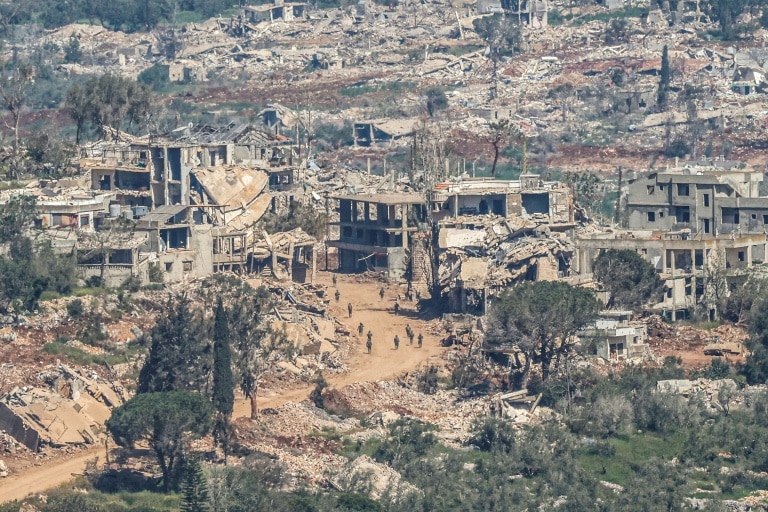
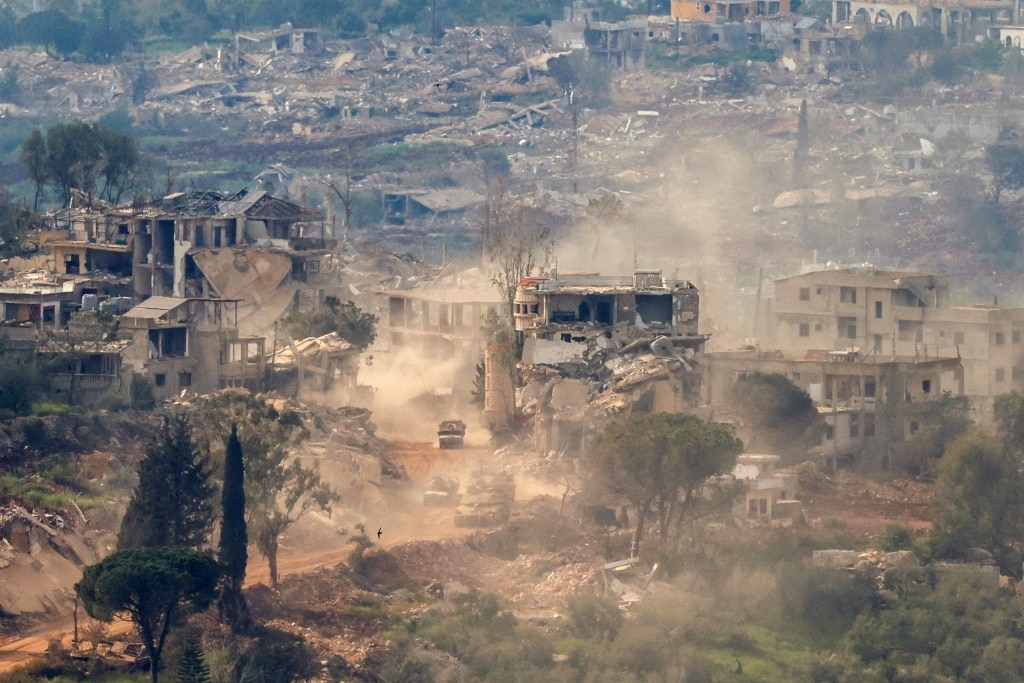
    A separate security development further underscored the fragility of the existing truce in southern Lebanon. The Israeli military confirmed Monday that one of its soldiers was killed during active combat in the border region, where a ceasefire agreement has been nominally in place since mid-April. Both Israel and Hezbollah, which is backed by Iran, have repeatedly traded accusations of truce violations along the Lebanon-Israel border in recent weeks, raising fears that the low-level skirmishes could escalate into a wider conflict that draws in regional powers.

    Beyond the Middle East, the conflict is already shaping major central bank policy decisions in Europe. The European Central Bank is widely expected to keep interest rates unchanged at its upcoming policy meeting this week, as policymakers wait to assess whether the uptick in inflation driven by Middle East conflict-related energy price shocks will prove temporary, or if it will persist and start to drag on eurozone economic growth.

  • Miracle moment missing dog rescued from 13-story ledge in Dee Why after being trapped for days

    Miracle moment missing dog rescued from 13-story ledge in Dee Why after being trapped for days

    In a breathtaking, camera-captured rescue that left onlookers cheering, a team of firefighters pulled a missing jack russell terrier to safety after the small pet spent two days trapped on a narrow 13th-storey ledge of a coastal Sydney high-rise.

    The dog, named Elbie, went missing from her home on Anzac Day, leaving her owners distraught and launching a frantic search across the Dee Why neighborhood on Sydney’s Northern Beaches. For 48 hours, Elbie’s whereabouts remained a mystery – until a drone operator scanning the exterior of the 40-meter-tall Meriton Apartments spotted the frightened dog perched on the narrow ledge, tucked behind an external building screen.

    Emergency services were quickly dispatched to the scene, and a crowd of local onlookers gathered on the ground below to watch the high-stakes operation unfold. Video footage of the rescue shows a trained firefighter abseil down the side of the residential building to reach Elbie’s precarious position. Working carefully around the narrow ledge 40 meters above ground, the rescuer spent roughly 20 minutes extracting the trapped dog from behind the screen before passing her safely through an open apartment window to waiting crew members inside the building.

    As Elbie was pulled into the building unharmed, cheers of jubilation erupted from the crowd gathered below. Elbie’s owner, who had spent two days searching for the missing pet, spoke to local media after the rescue, expressing overwhelming relief at the outcome. “I was over the moon, you know, I thought I didn’t know how I was going to see her again,” the owner told 9News. “So very happy.”

    Initial investigations into how Elbie ended up on the ledge suggest the adventurous dog climbed over a row of rooftop flower pots before wandering onto the narrow exterior ledge, where she became stuck for two days until the drone discovery that saved her life.

  • Iran FM blames US for failure of talks after landing in Russia

    Iran FM blames US for failure of talks after landing in Russia

    A fragile ceasefire across multiple fronts of the broader Middle East conflict remains tenuously in place this week, even as high-stakes negotiations between Iran and the United States have hit a deadlock, with Tehran pinning the blame directly on Washington as its top diplomat launches a frantic regional diplomatic tour. Iranian Foreign Minister Abbas Araghchi landed in Saint Petersburg on Monday, where he is scheduled to hold high-level talks with Russian President Vladimir Putin, capping a packed four-day schedule that already included stops in Oman and Pakistan – the latter serving as the host of the only completed round of direct talks between the two adversarial nations. That initial round of negotiations ultimately ended without an agreement, and hopes for a breakthrough follow-up round this weekend were dashed last week when former US President Donald Trump canceled a planned trip by his top envoys, Steve Witkoff and Jared Kushner, to the region. Speaking to reporters in the Russian city Monday, Araghchi attributed the collapse of the earlier talks to inflexible positioning from the US side, saying “The US approaches caused the previous round of negotiations, despite progress, to fail to reach its goals because of the excessive demands.” Following the cancellation of his representatives’ trip, Trump told Fox News that Tehran would need to reach out to Washington directly if it wanted to restart discussions, though he emphasized that the cancellation does not mean a return to open hostilities between the two countries. Despite the public impasse, backchannel diplomatic efforts have continued behind the scenes. Iran’s semi-official Fars News Agency confirmed that Tehran has conveyed formal written messages to US officials through Pakistan, outlining Tehran’s non-negotiable red lines on core issues including its nuclear program and sovereignty over the Strait of Hormuz. The outlet clarified that these messages do not constitute formal full-scale negotiations. Separately, US news outlet Axios reported Sunday, citing an anonymous US official and two other sources familiar with the correspondence, that Iran has submitted a new proposal to end the direct conflict centered on reopening the Strait of Hormuz and lifting the US naval blockade on the waterway, with negotiations over the country’s nuclear program deferred to a later date. Iran’s official state news agency IRNA republished the Axios report without issuing a formal denial, lending quiet credence to the outline of the proposal. Beyond the bilateral diplomatic stalemate, the ongoing conflict continues to send shockwaves through the global economy, rooted in the dispute over the critical Strait of Hormuz – the chokepoint through which nearly 20% of global oil supplies transit daily. After Iran implemented an initial blockade of the strait in response to the outbreak of war, global prices for oil, natural gas, and agricultural fertilizer spiked dramatically, amplifying already pressing fears of widespread food insecurity in low-income developing nations. The US responded to Iran’s blockade with its own naval and economic blockade of Iranian ports across the Persian Gulf and beyond. Domestically, Trump faces growing political pressure as elevated fuel prices hit American consumers ahead of November’s midterm elections, with public opinion polls consistently showing the broader conflict is unpopular with a majority of US voters. During Araghchi’s earlier stop in Oman this week, a neighboring Gulf state that shares the Strait of Hormuz coastline with Iran, the question of reopening the waterway to safe commercial transit was a key topic of discussion. “The safe passage through the Strait of Hormuz is an important global issue. Naturally, as the two coastal countries of this strait, we must speak with each other so that our common interests are secured,” Araghchi said from Saint Petersburg. While both Russian and Iranian officials have confirmed the upcoming meeting between Araghchi and Putin, hardline factions within Iran have already ruled out backing down on the Hormuz blockade. Iran’s Islamic Revolutionary Guard Corps, the country’s elite military force, reaffirmed Monday that control of the strait and maintaining its deterrent effect against the US remains Tehran’s definitive, unchanging strategy. Global oil markets reacted to the stalled talks on Monday, with prices edging upward as investors priced in continued supply uncertainty, though the slow climb was tempered by lingering hopes that a diplomatic breakthrough could still be reached in coming weeks. Away from the Gulf diplomatic standoff, violence has flared once again on the conflict’s Lebanese front, despite a recently extended ceasefire between Israel and Iran-backed Hezbollah. Both sides traded accusations of ceasefire violations on Sunday, with Israeli Prime Minister Benjamin Netanyahu confirming that the Israeli Defense Forces continue to target Hezbollah positions vigorously, after both sides carried out new attacks over the weekend. Hezbollah first drew Lebanon into the broader Middle East conflict on March 2, launching a massive rocket barrage on Israel to avenge the assassination of Iran’s supreme leader Ali Khamenei. Israel responded with large-scale airstrikes and launched a ground invasion of southern Lebanon. At Sunday’s weekly cabinet meeting, Netanyahu argued that Hezbollah’s repeated attacks were effectively dismantling the existing truce, while the Iranian-aligned group vowed to continue responding to Israeli violations and what it calls Israel’s continued occupation of disputed Lebanese territory. Lebanon’s Ministry of Health reported that Israeli airstrikes across southern Lebanon on Sunday killed 14 people, marking the deadliest single day of violence since the current ceasefire went into effect. Agence France-Presse correspondents on the ground reported massive traffic jams of civilian vehicles heading north as thousands of residents fled the intensified raids following new Israeli warning orders for populated border areas. On the Israeli side, the IDF confirmed one soldier was killed in combat in southern Lebanon over the weekend. Netanyahu insisted that Israel’s actions are fully permitted under the terms of the existing ceasefire agreement, saying it grants Israeli forces freedom of action not only to respond to ongoing attacks but also to preempt imminent and emerging threats to Israeli territory.

  • Learners and P-platers face tough new rules with major driving licence overhaul

    Learners and P-platers face tough new rules with major driving licence overhaul

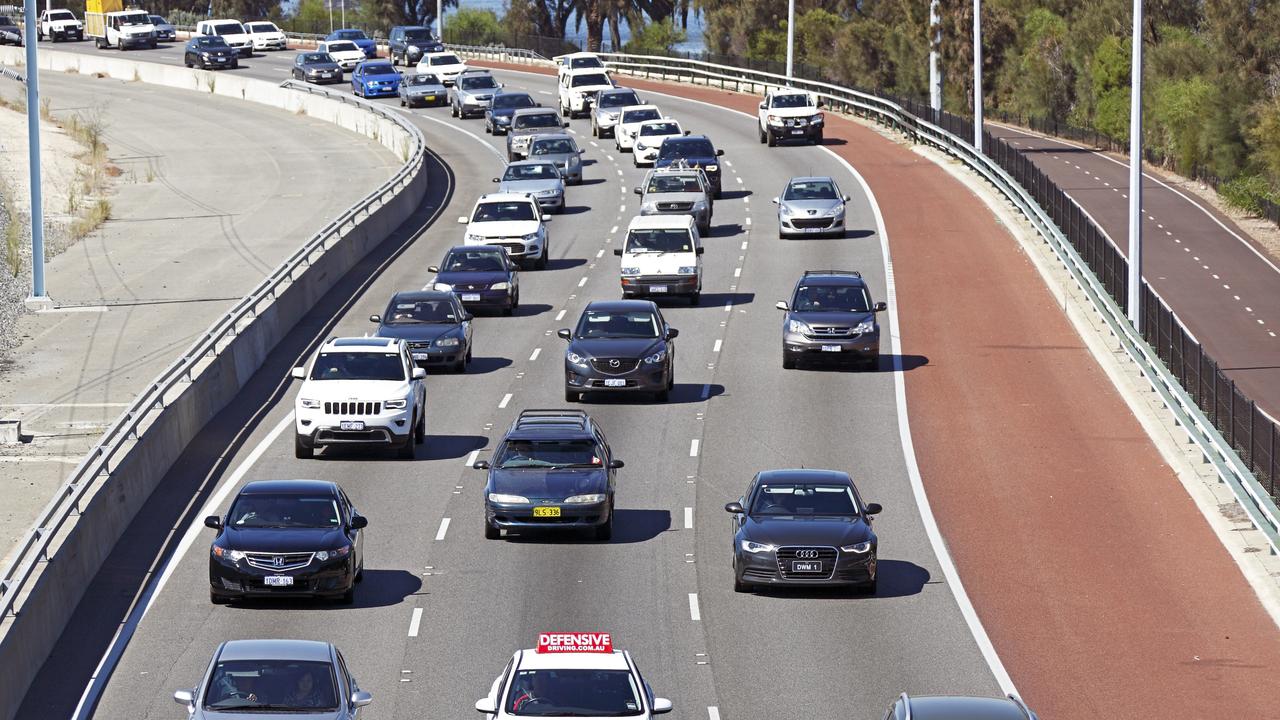
    Western Australia is implementing sweeping, life-saving changes to its graduated driver licensing system, introducing far stricter regulations for both learner drivers and provisional (P-plate) drivers in a bid to cut road fatalities and serious injuries. The reforms, which come after over a year of public engagement and advocacy following a high-profile teen road death, represent one of the most significant overhauls of the state’s road safety rules in recent decades.

  • AFL says it needs to act patiently on the Elijah Hollands investigation

    AFL says it needs to act patiently on the Elijah Hollands investigation

    The Australian Football League (AFL) has announced it will not rush its assessment of a formal submission from the Carlton Blues regarding young player Elijah Hollands, whose recent public mental health episode has sparked scrutiny of the club’s handling of the incident. The situation is unprecedented in its public profile, league officials say, requiring careful, deliberate consideration rather than a quick response.

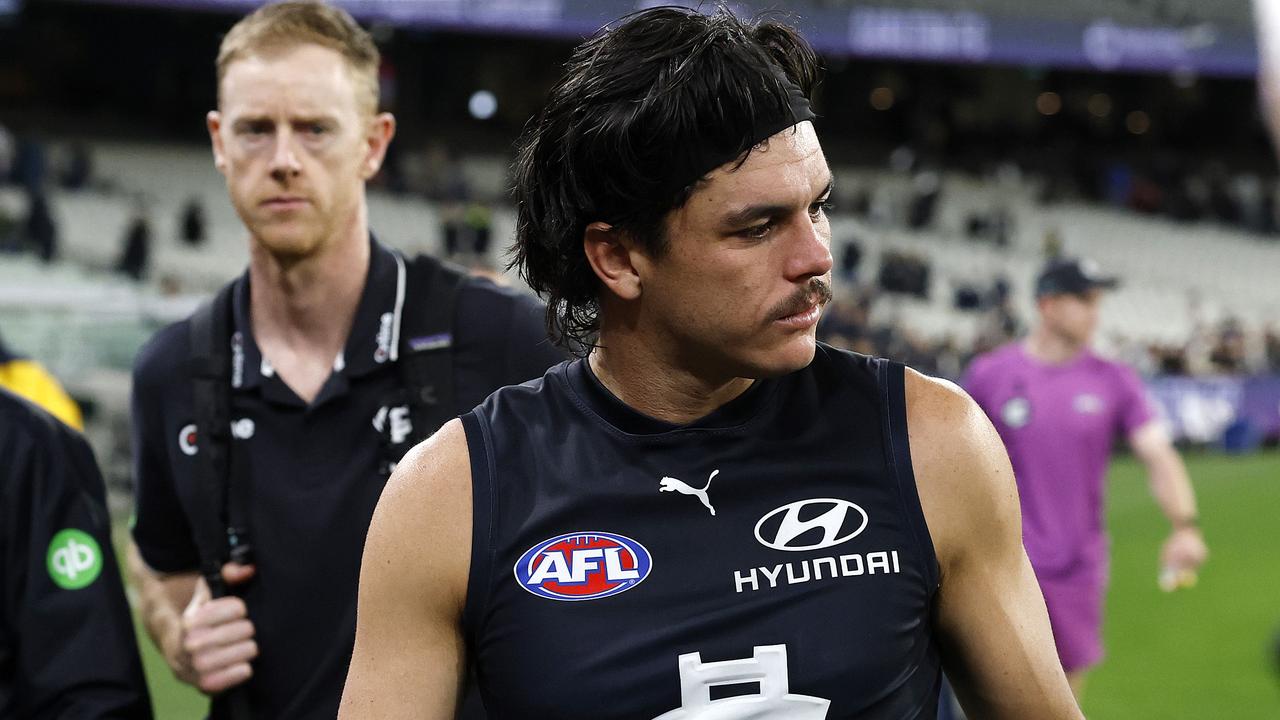
    Hollands, a Carlton player, was hospitalized last week after experiencing a mental health episode during Carlton’s tight five-point round six loss to Collingwood. After completing an internal review of the circumstances surrounding the incident, Carlton submitted its findings to the AFL on Friday – just hours before the club faced the Fremantle Dockers in an away match in Perth on Saturday night.

    AFL general manager Greg Swann emphasized the sensitivity of the situation in comments to reporters on Monday, prioritizing Hollands’ well-being over a speedy resolution. “First of all, we’re still giving our best wishes to Elijah,” Swann said. “It’s been a harrowing week for him and his family, so we’re wishing him the best. Look, we got a submission from Carlton on Friday, Laura [Kane] and her team are handling that. There’s no rush on this, this is a really delicate matter. I haven’t seen anything play out like this publicly as this instance. It will take as long as it does, but that’s been received and we’ll work through it from there.”

    The incident and subsequent review have not been without controversy: following Hollands’ episode, Carlton coaching and club staff faced intense public scrutiny over how the situation was managed. Addressing the criticism last Thursday, Carlton head coach Michael Voss pushed back hard against external observers, arguing that the scrutiny of his staff had crossed a line.

    Voss described the ongoing criticism of his team as “bordering on bullying”, and urged the public and media to approach the case with empathy, framing it as a deeply personal mental health issue rather than a public spectacle. “I think we’ve all been impacted in some way as families and you individually, maybe there’s a few here who have struggled with some mental health in recent times,” Voss said. “Maybe it’s been a family member, maybe it’s been a friend, maybe it’s been a loved one. All I just ask is that: What would you want? What would you want right now? And that’s all we ask.”

    In a related update, Hollands’ brother Ollie, who has joined the Blues for training in recent days, was not selected for Carlton’s match against Fremantle over the weekend. As of Monday, no timeline has been set for the AFL to conclude its review and release its findings, with league officials reiterating that supporting Elijah Hollands’ recovery remains the top priority.