标签: Oceania

大洋洲

  • Colombian baby hippo of Escobar stock dies after rescue

    Colombian baby hippo of Escobar stock dies after rescue

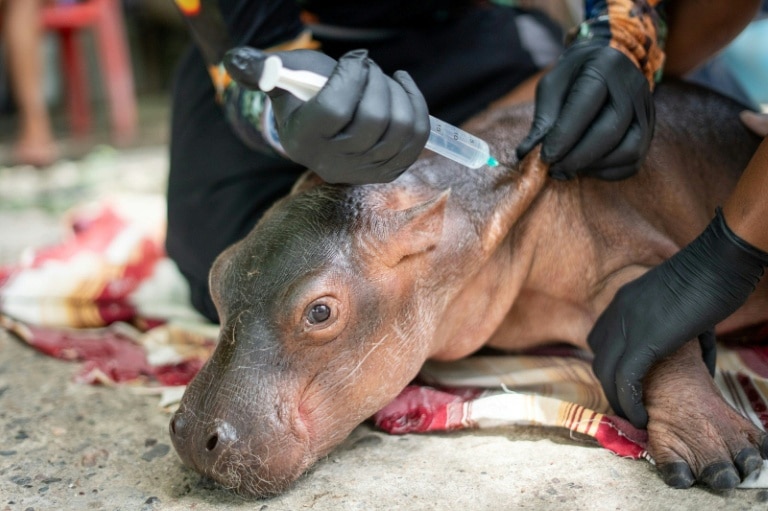
    A 15-day-old hippopotamus, part of the notorious invasive colony descended from animals once owned by the late Colombian drug kingpin Pablo Escobar, has died shortly after wildlife teams pulled the malnourished calf to safety in northwestern Colombia, an environmental agency confirmed to Agence France-Presse on Wednesday.

    Today, Colombia is home to roughly 200 wild hippos, all traced back to four specimens that Escobar imported from Africa in the 1980s to stock a private zoo on his luxurious Hacienda Napoles estate. This population makes up the largest wild hippo colony found outside of the African continent, a fact that has put Colombian environmental authorities in a years-long battle to manage the destructive invasive species.

    The infant hippo at the center of this latest incident was found by local fishermen along a riverbank, separated from its mother and already suffering from severe health complications. Wildlife crews launched an emergency rescue mission earlier on Wednesday to retrieve the vulnerable young animal, which was immediately moved to a dedicated hippo sanctuary located on the grounds of the former Escobar estate – a property that now operates as a public theme park.

    Veterinary staff with the regional environmental authority Cornare detailed the calf’s critical condition upon arrival. In a statement to AFP, the attending vet explained that the young hippo was admitted with long-term signs of dehydration, severe malnutrition, and an acute gastrointestinal infection that exacerbated its already fragile health. Despite aggressive intervention including targeted rehydration therapy and emergency clinical care, the animal never showed positive improvement, and ultimately did not survive the treatment.

    The fate of this young hippo underscores the broader, ongoing crisis surrounding Escobar’s hippo colony. After Escobar was killed by police in 1993 during an escape attempt, the abandoned zoo animals escaped captivity and established wild populations along the banks of the Magdalena River, Colombia’s most important river system. Since then, the large, aggressive herbivores have thrown the local ecosystem drastically off balance: they outcompete native species for food and habitat, alter river ecosystems, and have even been recorded attacking local residents in the region.

    Classified as a destructive invasive species by Colombian environmental officials, the hippo population has grown far faster than management efforts could contain. For years, authorities tried to slow population growth through sterilization programs, but those initiatives failed to curb the colony’s expansion. Earlier this year, the national government approved a controversial management plan that will allow the culling of approximately 80 hippos to reduce the population and protect native ecosystems.
  • Labor MP Ed Husic on leave after ‘serious’ car crash

    Labor MP Ed Husic on leave after ‘serious’ car crash

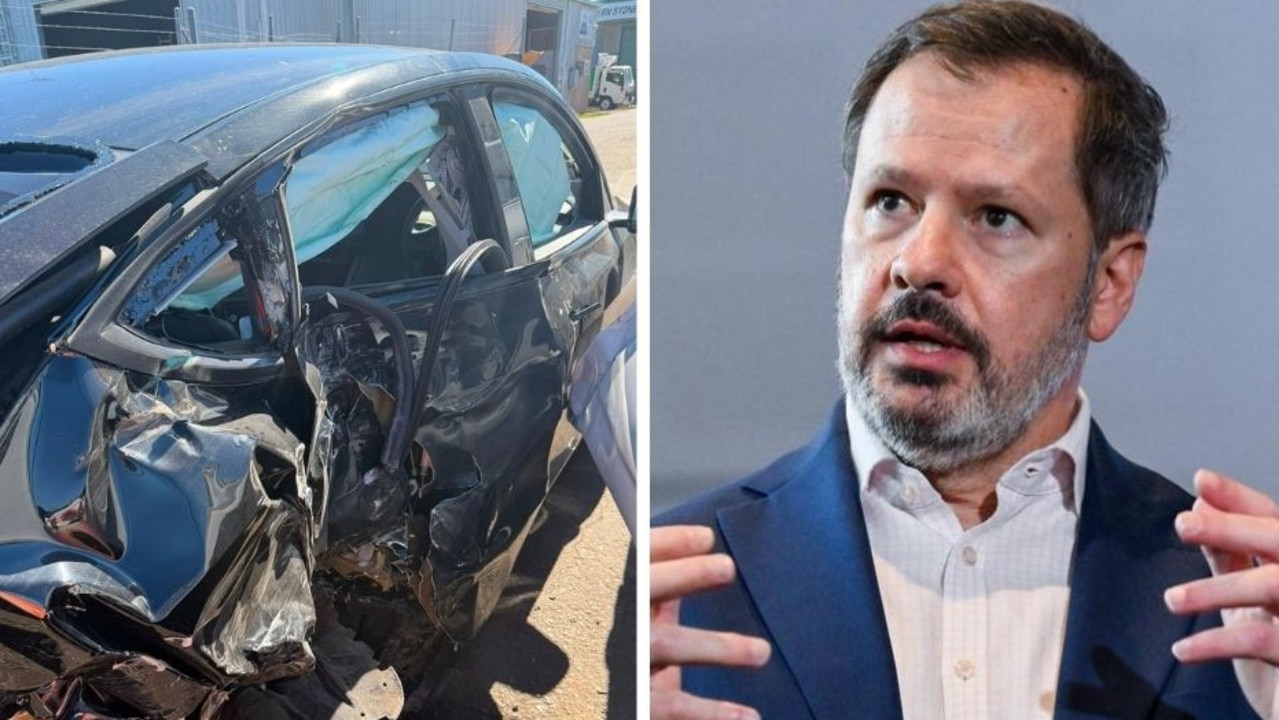
    A senior Australian Labor Party backbench MP has stepped away from parliamentary duties to recover after being involved in a serious high-speed multi-vehicle collision on one of Sydney’s busiest motorways late this week. Ed Husic, a federal Labor legislator, was traveling west along the M7 motorway heading home on Tuesday evening when a B-double heavy haulage truck struck the rear-right section of his sedan, his official spokesperson confirmed to NewsWire in a Thursday statement.

    New South Wales Police have verified that a third vehicle, a utility truck (ute), was also involved in the pile-up near the motorway’s Richmond Road interchange. None of the other two operators involved in the crash suffered any injuries, and local law enforcement has launched a formal investigation into the circumstances of the incident to determine any contributing factors and official fault.

    According to documentation from first responding paramedics, the collision took place while Husic was traveling at roughly 80 kilometers per hour, when the truck collided into the back and driver’s side right quarter of his vehicle. First responders transported the MP to Westmead Hospital for urgent evaluation and treatment, and he was released from care on Wednesday. Hospital staff discharged him with diagnoses including minor cuts and abrasions, small fractures, and a mild concussion.

    Images released publicly by Husic’s office illustrate the extensive damage the legislator’s Tesla sustained in the impact: the rear-right body panel is crumpled, the vehicle’s back window is completely shattered, and all onboard airbags deployed during the crash to reduce injury severity.

    Husic’s spokesperson confirmed the MP was not at fault for the collision, and he has been cooperating fully with police investigators by providing an official statement. Following guidance from his treating medical team, Husic has taken a short period of medical leave from all his parliamentary responsibilities to focus on recovering from his injuries.

    In a statement shared via his office, Husic expressed profound gratitude to the clinical and emergency response teams that cared for him after the crash, noting that he was incredibly fortunate to walk away from the incident with only relatively minor injuries, avoiding far more severe harm that is common in high-speed heavy vehicle collisions.

  • FIFA back Infantino, apologise for World Cup privatisation plan

    FIFA back Infantino, apologise for World Cup privatisation plan

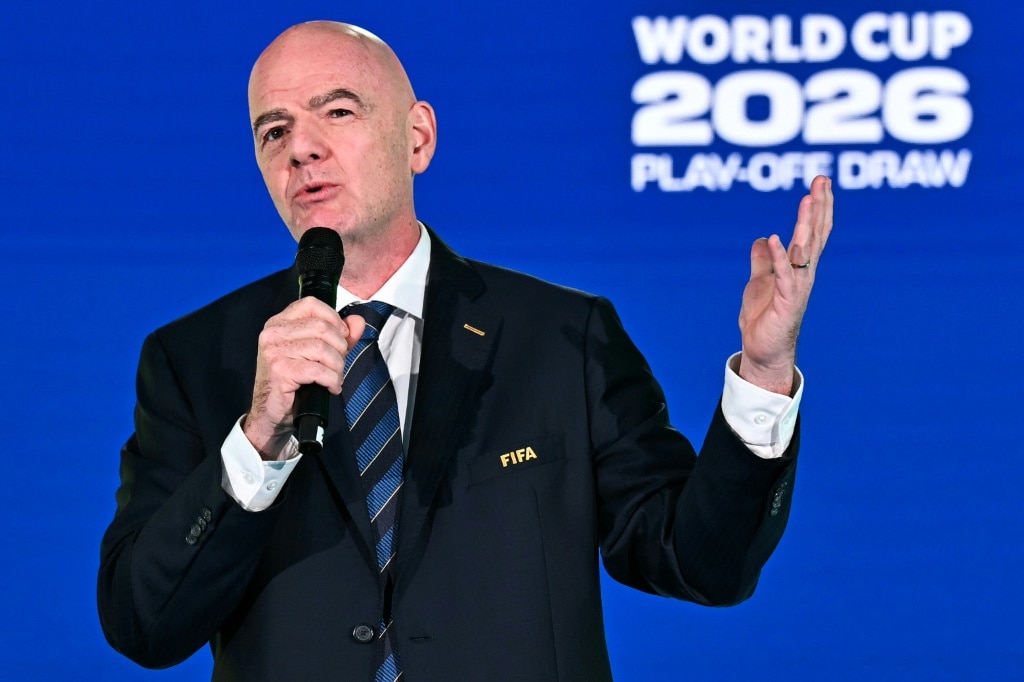
    A major crisis has rocked global football’s governing body FIFA after a controversial proposal to open the men’s World Cup to private investment sparked widespread backlash, ultimately forcing the initiative’s withdrawal and leaving FIFA President Gianni Infantino fighting to keep his grip on power. In a rare show of solidarity held during a crisis meeting in Rabat, Morocco this Wednesday, top FIFA directors have formally reaffirmed their “full support” for the under-fire president, even as the organization issued a public apology for the missteps that sparked the uproar.

    The now-shelved plan, centered on a new commercial entity called FIFA Forward Enterprise (FFE), would have handed operational control of flagship events including the World Cup and Club World Cup to the private-backed subsidiary. FIFA projected that the initiative could generate up to $4.2 billion in revenue based on a $20 billion valuation of FFE. If approved by member associations, the windfall would have delivered a one-off $20 million payment to each of FIFA’s 211 national member bodies by early 2027, and increased annual funding allocations for the 2027-2030 cycle from $8 million to $20 million per association.

    Far from winning over stakeholders, the proposal triggered an unprecedented wave of opposition across the global football community. European football’s governing body UEFA threatened the ultimate sanction: a full boycott of the World Cup, football’s most profitable and watched global event. Facing mounting pressure, Infantino formally withdrew the proposal just six days after it was first leaked to the public, a move that did little to quell growing calls within the football community for his resignation.

    In the official statement released following Wednesday’s closed-door meeting, FIFA’s leadership acknowledged multiple missteps throughout the process. “It was agreed that it was not the intention for the FIFA Council and FIFA Member Associations to feel excluded from the process and that the process should have been handled differently,” the statement read. The leadership also admitted that additional errors were made in the organization’s response after the plan was leaked to media outlets. In a separate communication sent to all FIFA Council members and national association leaders, FIFA issued a formal apology for the mismanagement and pledged to implement reforms to prevent similar missteps in the future.

    Confirming what the organization had already signaled over the weekend, the statement added that the FFE proposal is permanently “off the table” and will not be revisited. A full internal review of the controversy will now be conducted, with a final report set to be presented to the FIFA Council at its next scheduled gathering.

    The crisis comes as a sudden collapse of what had appeared to be a smooth path for Infantino to secure a fourth and final term as FIFA president. Just weeks ago, the 56-year-old Swiss lawyer was riding high off the planning success of the expanded 48-team 2026 World Cup, co-hosted by Canada, Mexico and the United States, with no challengers having stepped forward to contest his re-election, scheduled for next March in Rabat. That political momentum has evaporated entirely in the wake of the privatization plan scandal.

    Criticism has poured in from every corner of the global football governance structure. UEFA dismissed the plan as a “shabby, back room, opaque deal” hatched by Infantino, saying the current leadership had lost the confidence of both UEFA and many other members of the global football family. CONCACAF, the governing body for North and Central American football, went even further, calling for “a comprehensive reckoning with this presidency” and slammed Infantino over what it called “poor governance and leadership.” The political backlash extended beyond football governance this week, as Canadian Prime Minister Mark Carney — whose country is a co-host of the 2026 World Cup — publicly stated he no longer has confidence in Infantino’s ability to lead FIFA.

    Even within FIFA’s own senior ranks, opposition has emerged. An internal critical memo from FIFA Secretary-General Mattias Grafstrom, leaked to media earlier this week, laid out senior internal pushback against the plan. Only a small handful of high-profile football leaders have continued to stand by Infantino, most notably Moroccan Football Federation chief Fouzi Lekjaa. Morocco, which will co-host the 2030 World Cup alongside Spain and Portugal, has emerged as a key base of support for the FIFA president, with Lekjaa reiterating his backing Wednesday for Infantino’s 10-year record of initiatives aimed at growing global football, calling his decision to withdraw the plan a “wise” move made to protect the unity of the global football community.

    Hours after Wednesday’s crisis meeting concluded, Infantino made a public appearance in Rabat, attending a group stage match of the Women’s Africa Cup of Nations between Zambia and Malawi at Al Medina Stadium. An AFP photographer on site spotted the FIFA president alongside Lekjaa at the stadium entrance, marking his first public appearance since the scandal escalated earlier this week.

  • ‘Too good to refuse’: Bears roster continues to build with English star Morgan Smithies locked in long term

    ‘Too good to refuse’: Bears roster continues to build with English star Morgan Smithies locked in long term

    Australia’s newest National Rugby League franchise, the Perth Bears, has continued its aggressive roster build ahead of its debut season, locking in experienced English international forward Morgan Smithies on a three-year contract that includes an option to extend for two additional seasons. The 25-year-old becomes the fourth English player to sign with the expansion club, as the franchise continues its self-described “Blitz of Britain” recruiting strategy that has already brought fellow internationals Harry Newman, James McDonnell and Mikolaj Oledzki into the inaugural squad.

    Smithies brings nearly a decade of top-flight rugby experience to Western Australia, having spent five seasons competing in the UK’s Super League before making the move to the NRL’s Canberra Raiders in 2022. Over the past three seasons with the Raiders, he has cemented himself as a reliable rotational contributor to the club’s forward pack, amassing almost 200 first-grade appearances across both competitions by the age of 25. He is set to join the Bears at the conclusion of the 2025 NRL season.

    Speaking after the signing was confirmed, Smithies said the chance to become a foundational member of a new NRL franchise was an opportunity he could not turn down. “The opportunity to make history and be a part of the Perth Bears was too good to refuse,” the forward said. “It will be great to reconnect with a few of the lads from back home in Perth. Mal and his staff have assembled a very strong roster and it’s an honour to be a part of it. This is a new chapter for my family as well. We are committed to the Perth Bears and it’s an exciting opportunity to build our life in Western Australia.”

    Bears head coach Mal Meninga, one of the most respected figures in Australian rugby league, expressed enthusiasm about adding Smithies to the club’s long-term plans, highlighting his proven track record and team-first mindset. “Morgan is a fantastic person who has succeeded at just about every level of the game,” Meninga said. “He’s only 25 years old and has played nearly 200 games across Super League and the NRL. He brings big-game experience, a fantastic work ethic and, most important of all, is a selfless teammate. I’m delighted Morgan and his family believe in what we are creating in Perth and I have no doubt he will be a big part of this club for many years to come.”

    The signing comes just one day ahead of a major scheduled announcement from the franchise, which is set to unveil its inaugural home jersey on Friday. The reveal will take place ahead of an NRL match at Perth’s major stadium this weekend, when the Melbourne Storm face off against the Manly Sea Eagles.

  • Cambridge professor at centre of plagiarism furore quits

    Cambridge professor at centre of plagiarism furore quits

    A high-profile University of Cambridge academic, who entered the spotlight two years ago as the institution’s youngest Black professor, has stepped down from his posts with immediate effect, bringing a dramatic new turn to a rapidly escalating plagiarism and academic misconduct controversy. Jason Arday, who held a chair in the sociology of education and was a fellow at Jesus College, announced his resignation Wednesday, mere hours after Cambridge University confirmed it had launched a formal investigation into fresh allegations concerning his academic credentials and honorary appointments.

    The scandal first gained public traction when U.S.-based academic Nathan Cofnas, whose research affiliation with Cambridge ended in 2024 following accusations of racism, levied claims that multiple sections of Arday’s doctoral dissertation were copied from other scholars’ work. Beyond the plagiarism allegations, scrutiny has also spread to several personal and professional achievements Arday has cited publicly, including claims that he completed 30 marathons in 35 days and raised millions of dollars for charity, claims that have since been disputed.

    In an open resignation letter posted online, Arday framed his departure as the only viable path forward after an extended period of intense public and institutional pressure. “Quitting is the only way to end a difficult period,” he wrote, adding that his decision should not “be mistaken for an acceptance of the narratives that have surrounded me.” He noted that he had reached the breaking point of what any person could reasonably be expected to endure, while vowing that his departure would be temporary: “This is not the end of my work. I need time to heal… and be myself again. I will return.”

    Arday has long maintained that much of the scrutiny targeting him is rooted in anti-Black racism, a claim he repeated in a recent interview with The Times. During that interview, he acknowledged making unintentional academic “mistakes” but pushed back against efforts to paint him as “a liar, a fantasist and an academic fraud.”

    Cambridge’s decision to open a new investigation marks a notable shift from its position in June, when university officials forcefully defended Arday, describing the criticism against him as a “vile campaign to undermine his credibility.” At that time, the institution stated that prior allegations of plagiarism in Arday’s thesis and journal publications had already been investigated and dismissed by relevant academic bodies and publishing journals. On Wednesday, the university did not elaborate on what new information had prompted the fresh probe, and Jesus College separately confirmed it would launch its own independent inquiry into the matter.

    The controversy has quickly become a polarizing cultural flash point in the United Kingdom, with right-wing media and commentators seizing on the scandal to criticize higher education diversity, equality and inclusion (DEI) policies, framing Arday as a prominent example of what they argue are compromised academic standards stemming from DEI initiatives. On the other side of the debate, an open letter in support of Arday, which accuses critics of orchestrating a coordinated attempt to undermine Black academics in positions of influence, has collected more than 15,000 signatures from prominent Black academics, senior Cambridge leaders and other supporters across the higher education sector.

    Arday’s remarkable personal backstory, which he details in an upcoming memoir set for publication this month by U.K. imprint Simon & Schuster UK, has been a core part of his public profile. Diagnosed with autism, Arday has said he remained non-verbal until age 11 and did not learn to read and write until he was 18, rising through academia to become a full professor at Cambridge by 37. Simon & Schuster reaffirmed its support for Arday this week, stating it remains “proud to publish” his story, and noted that no plagiarism allegations have been made against the memoir itself.

  • WHO chief urges stronger Ebola response in DR Congo visit

    WHO chief urges stronger Ebola response in DR Congo visit

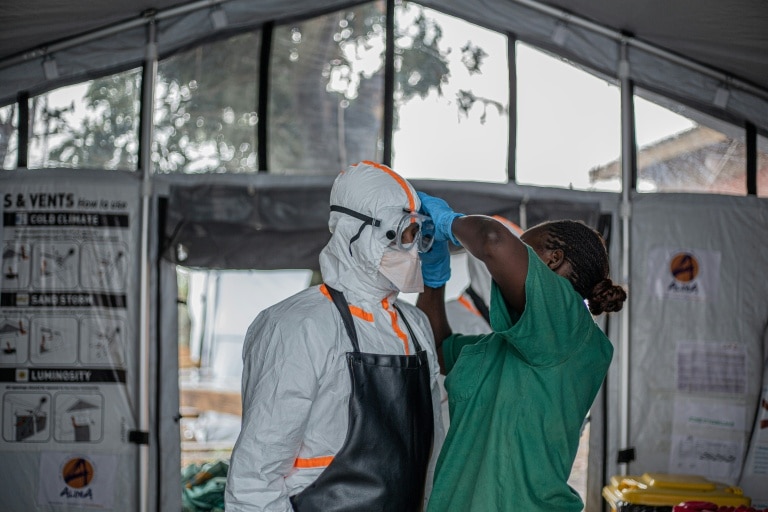
    The World Health Organization’s top leader has issued a urgent call for accelerated action to curb a fast-expanding Ebola outbreak in the Democratic Republic of the Congo (DRC), stressing the critical need to shield frontline medical workers during an official visit to the African nation this week.

    The DRC first declared its 17th documented Ebola outbreak on May 15, and the crisis has since escalated at an alarming rate. Updated WHO data puts the total number of confirmed cases at 3,874, with the death toll already reaching 1,751.

    WHO Director-General Tedros Adhanom Ghebreyesus began his trip in the DRC’s capital Kinshasa on Tuesday, with scheduled talks planned with Congolese President Felix Tshisekedi, a spokesperson confirmed to news agency AFP on Wednesday. Following meetings with local and international response organizations, Tedros shared updates on the outbreak’s trajectory via social media platform X, warning that the virus is outpacing current containment efforts.

    “In some of the worst-hit hotspots, new cases have doubled over just the past week. The outbreak is spreading faster than our scale-up of the response,” Tedros wrote. “We must urgently and massively scale up all our efforts.”

    He outlined the core priorities for the expanded response: reaching every at-risk and affected community despite widespread instability and mass population displacement, strengthening inter-agency coordination, guaranteeing frontline health workers access to adequate protective gear, specialized training and ongoing support, and speeding up expansion of patient care, disease surveillance and safe, culturally appropriate burials for fatal cases.

    International support for the response picked up steam Wednesday, as the United States announced it would allocate more than $242 million in new emergency funding to fight the worsening outbreak. The State Department noted that this additional injection brings total direct U.S. financial support for the response to over $500 million, retaining the country’s position as the single largest financial contributor to global Ebola containment efforts in the DRC.

    This is Tedros’ second visit to the DRC since the outbreak began; he previously traveled to the northeastern province of Ituri in late May, a region that accounts for nearly 90 percent of all confirmed Ebola cases across the country. The five eastern DRC provinces affected by the outbreak are plagued by longstanding weak state governance and a near-total lack of robust healthcare infrastructure, creating major barriers to effective containment.

    The depth of the challenge facing response teams was highlighted this week in Mongbwalu, a mining town in Ituri, where staff at a local Ebola treatment center held protests over unpaid government stipends. Hospital sources report police fired warning shots to disperse the demonstrators.

    In a small step toward expanding care capacity, the United Nations Office for the Coordination of Humanitarian Affairs (OCHA) announced that a new 100-bed Ebola treatment center opened Tuesday in Bunia, the capital of Ituri province.

    Ebola, a viral hemorrhagic fever transmitted through direct contact with bodily fluids, has claimed more than 15,000 lives across Africa over the past 50 years. The current DRC outbreak is driven by the Bundibugyo strain of the virus, for which no officially approved vaccine or targeted treatment exists as of yet. But global scientific and pharmaceutical efforts are advancing rapidly to close this gap.

    Canada gave regulatory approval Tuesday for U.S. biotech giant Moderna to launch clinical trials for an experimental Bundibugyo candidate vaccine. At the end of July, the first volunteer received a dose of a separate experimental vaccine developed by Britain’s University of Oxford, built using the same platform that powered the AstraZeneca COVID-19 vaccine. A third candidate, developed by Singapore-based Hilleman Laboratories, is also moving toward human trials. The WHO has identified the Hilleman candidate as the “most promising” of the three, as it uses the same rVSV technology platform as Ervebo, the only currently licensed Ebola vaccine, which targets the separate Zaire strain of the virus.

    In addition to vaccine development, two experimental treatments are already being tested on confirmed Ebola patients in Ituri: the monoclonal antibody MBP134 and the antiviral drug remdesivir, being trialed both alone and in combination. A third trial is also underway in Ituri for the oral antiviral obeldesivir, administered to people who have had confirmed exposure to Bundibugyo cases.

  • Turkish MPs back limited amnesty for Kurdish militants

    Turkish MPs back limited amnesty for Kurdish militants

    In a landmark first legislative move aimed at resolving a 40-year armed conflict that has claimed tens of thousands of lives, a majority of Turkish Members of Parliament gave initial backing on Wednesday to a conditional amnesty bill for Kurdistan Workers’ Party (PKK) militants. The legislation, framed under the banner “Strengthening National Solidarity and Social Integration,” has drawn cross-bloc support, securing the signatures of 360 out of the 592 total sitting MPs. Backers include lawmakers from President Recep Tayyip Erdoğan’s ruling Justice and Development Party (AKP), its nationalist coalition partner the Nationalist Movement Party (MHP), and the pro-Kurdish People’s Equality and Democracy Party (DEM). The newly formed main opposition alliance Yeni Parti declined to participate, citing insufficient access to the full draft text during the preliminary stage.

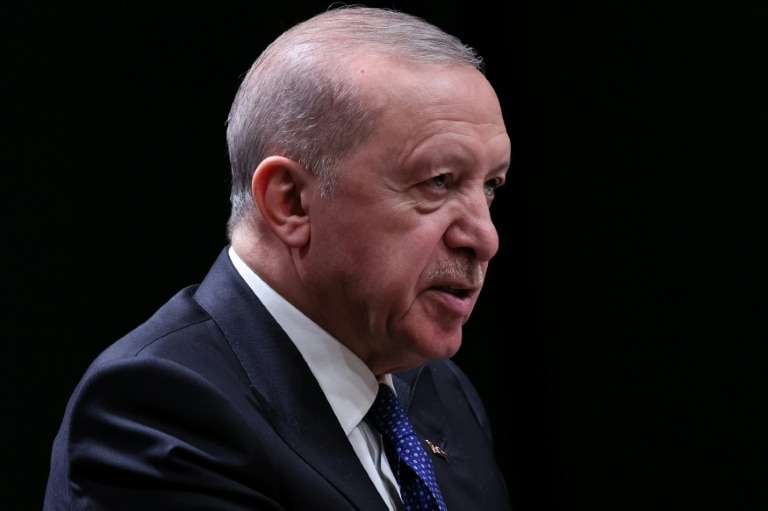
    President Erdoğan has publicly thrown his weight behind the initiative, posting his support on the social platform X. In his statement, he expressed hope the legislation would permanently eliminate the terrorist threat facing Turkey, shore up national unity, and cement a lasting peace across the country and the broader region. He emphasized that the bill was drafted after months of broad consultations and introduced to parliament with widespread consensus, reflecting the Turkish public’s widespread desire for a negotiated end to decades of violence.

    Notably, the current draft does not outline a clear future for Abdullah Öcalan, the 77-year-old founding leader of the PKK who has been held in solitary confinement on a Turkish prison island for 27 years. Öcalan has already signaled his backing for the new peace process, calling on the PKK movement to renounce armed struggle and surrender its weapons. The preamble of the bill, reviewed by Agence France-Presse, positions the legislation as the foundational first step of a broader peace process, with the stated goal of restoring peace and fraternal relations across Turkey and neighboring regions.

    At its core, the bill establishes a formal pathway for PKK fighters to reintegrate into civilian life, but only after strict conditions are met. To qualify, the PKK must formally cease all operations, dissolve its organizational structure, and hand over all stockpiled weapons and ammunition. These steps must be verified by Turkey’s National Security Council, with the confirmation published in the nation’s Official Gazette. Under the terms of the proposal, investigations and ongoing sentences for PKK membership, organizational management, propaganda, and financing activities will be suspended for a period of five to 10 years, with the length of the suspension tied to the severity of the individual charges. If no new offenses are committed during the suspension window, all active investigations will be dismissed and existing sentences will be considered fully served, resulting in a de facto amnesty for qualifying fighters.

    The legislation carves out key exceptions, however: perpetrators of intentional homicide and any offenses carrying a life sentence committed before June 1, 2005 are explicitly excluded from the amnesty program. A oversight body led by Vice President Cevdet Yılmaz, featuring multiple cabinet ministers and a parliamentary committee, will be tasked with monitoring the implementation of the law once passed. Eligible PKK members will have just six months from the law’s entry into force to file an application for amnesty. The legislation also formalizes a system for the registration of all weapons surrendered or declared by PKK members seeking to benefit from the program.

    Proponents across the political spectrum have framed the bill as a transformative moment for Turkey. Tuncer Bakırhan, co-chair of the pro-Kurdish DEM party, called the vote a historic new chapter in Turkish political history, saying the legislation offers a unifying opportunity for all citizens and represents a commitment to peace, democracy, and a shared future. For the ruling AKP, parliamentary group chair Abdullah Güler emphasized that the critical end goal of the process remains the full disarmament and dissolution of all elements of the PKK, as verified by Turkish state security forces.

    The draft bill is scheduled for review by parliament’s justice committee on Friday, ahead of a final full vote by all MPs. A fast-track legislative procedure means the entire process is expected to conclude as early as this weekend or the beginning of next week. The current peace initiative was first launched in October 2024 at the initiative of MHP leader Devlet Bahçeli, the key coalition ally of Erdoğan’s government. The decades-long conflict between the PKK and Turkish armed forces has killed at least 50,000 people since it began in the 1980s, making this legislative step the most significant push for a negotiated end to violence in a generation.

  • Pensioner extradited from Australia to NI accused of gross indecency with a child

    Pensioner extradited from Australia to NI accused of gross indecency with a child

    After more than four decades since the alleged crimes were first reported to have taken place, a 75-year-old man has been returned to Northern Ireland from Australia to face 17 serious sexual offense charges. The accused is alleged to have committed the illegal acts between the end of the 1970s and the early 1980s across Northern Ireland. Breakdown of the charges includes 14 counts of indecent assault against an adult woman and three additional counts of gross indecency involving a child.

    First taken into custody by Australian law enforcement in the state of Victoria back in 2023, the suspect completed his cross-continental extradition process and arrived back in Northern Ireland on Wednesday. Law enforcement cooperation was central to the operation, with the Police Service of Northern Ireland (PSNI) coordinating closely with both the UK Home Office and Australian federal and state authorities to track the man, secure his arrest, and arrange for his transfer back to Northern Ireland.

    The 75-year-old is scheduled to make his first official court appearance at Laganside Magistrates’ Court on Thursday morning, where the legal process against him will formally open. Speaking on the conclusion of the extradition, Sergeant Davey of the PSNI’s International Policing Unit emphasized that the cross-border operation sends a clear message: police remain committed to pursuing individuals accused of severe offenses, no matter how much time has passed since the alleged crimes or how far across the globe they have relocated. Davey noted that the successful extradition demonstrates that jurisdiction does not bar law enforcement from holding accused offenders accountable.

  • Alarm as explosive drone found near Ukrainian plane at German airport

    Alarm as explosive drone found near Ukrainian plane at German airport

    A major security emergency unfolded overnight at Germany’s Leipzig-Halle Airport, after an explosive-packed drone was discovered on the tarmac just meters from a Ukrainian cargo plane, and a separate mid-air collision between a commercial cargo aircraft and an unknown airborne object left authorities scrambling to contain the incident.

    Starting around midnight, all incoming flights to the eastern German transport hub were diverted to alternate airports for several hours as specialized bomb disposal units deployed a remote-controlled robot to safely disarm the unmanned aerial vehicle (UAV). Located near a Ukrainian Antonov Airlines cargo plane emblazoned with Ukraine’s national blue-and-yellow colors and the slogan “Be Brave Like Kherson” — a tribute to the southern Ukrainian region repeatedly targeted by Russian missile and drone strikes — the discovery sparked immediate security concerns across European capitals.

    Leipzig-Halle Airport is a strategically critical site for European and transatlantic logistics: it serves as a major hub for global logistics giant DHL, a key transport node for German military and NATO military supplies, and an official base of operations for Ukraine’s Antonov Airlines. This combination of roles makes it a high-profile target for actors seeking to disrupt military and commercial supply lines linked to Ukraine’s defense efforts.

    In comments Wednesday to German broadcaster Welt TV, Ukraine’s ambassador to Germany Oleksii Makeiev openly questioned Moscow’s involvement in the incident, saying “Who else could it be but Russia?” German authorities have not yet released concrete evidence linking the drone to Russia, and Moscow has not issued any immediate response to the accusation.

    Hours after the initial alert, police and prosecutors confirmed the quadcopter drone carried both explosive and incendiary components, matching the description of improvised devices used in recent sabotage attempts across Europe. A robot successfully removed the drone’s detonator, eliminating the immediate threat to airport infrastructure and personnel.

    A secondary incident compounded security fears: a DHL cargo plane, which had aborted its landing at Leipzig-Halle following the alert, collided with an unidentified second airborne object roughly six kilometers from the airport. The aircraft sustained minor damage to its nose cone but landed safely at Hanover Airport, where the damage was later documented by police.

    By early Wednesday morning, commercial air traffic had resumed on the airport’s northern runway, while investigators sealed off the southern runway to collect forensic evidence. A German counter-terrorism unit has launched an urgent manhunt for the drone operator or operators, publicly appealing for any witnesses who saw suspicious activity near the airport in the hours before the incident to come forward with information.

    This discovery is the latest in a growing string of unexplained drone incursions at sensitive sites across Germany and wider Europe. In recent months, unidentified UAVs have been repeatedly spotted over airports, military installations, and critical industrial facilities across the continent. German security officials have repeatedly stated they believe many of these incidents are orchestrated by Russia as part of a coordinated hybrid campaign of espionage, sabotage, and intimidation targeting European support for Ukraine.

    Just months earlier in July 2024, a parcel burst into flames on the tarmac at Leipzig Airport before it could be loaded onto a DHL cargo plane, an incident German security services have linked to a Russian arson sabotage plot. Moscow has repeatedly denied any involvement in sabotage activities on German or European territory. In a separate 2023 case, a Chinese national was convicted of espionage for leaking sensitive information on flight schedules and cargo movements at Leipzig-Halle Airport to Chinese intelligence operatives.

    Addressing reporters Wednesday, Ambassador Makeiev drew a direct line between the latest drone incident and previous alleged Russian attacks, arguing that the term “hybrid war” often understates the scope of Moscow’s aggression. “Indeed, Russia has long been waging this hybrid war,” he said. “Yet the word ‘hybrid’ somehow downplays the fact that Russia is waging war not only against Ukraine but also against Europe.”

  • Footballers branded ‘traitors’ by Iran for protest become Australian citizens

    Footballers branded ‘traitors’ by Iran for protest become Australian citizens

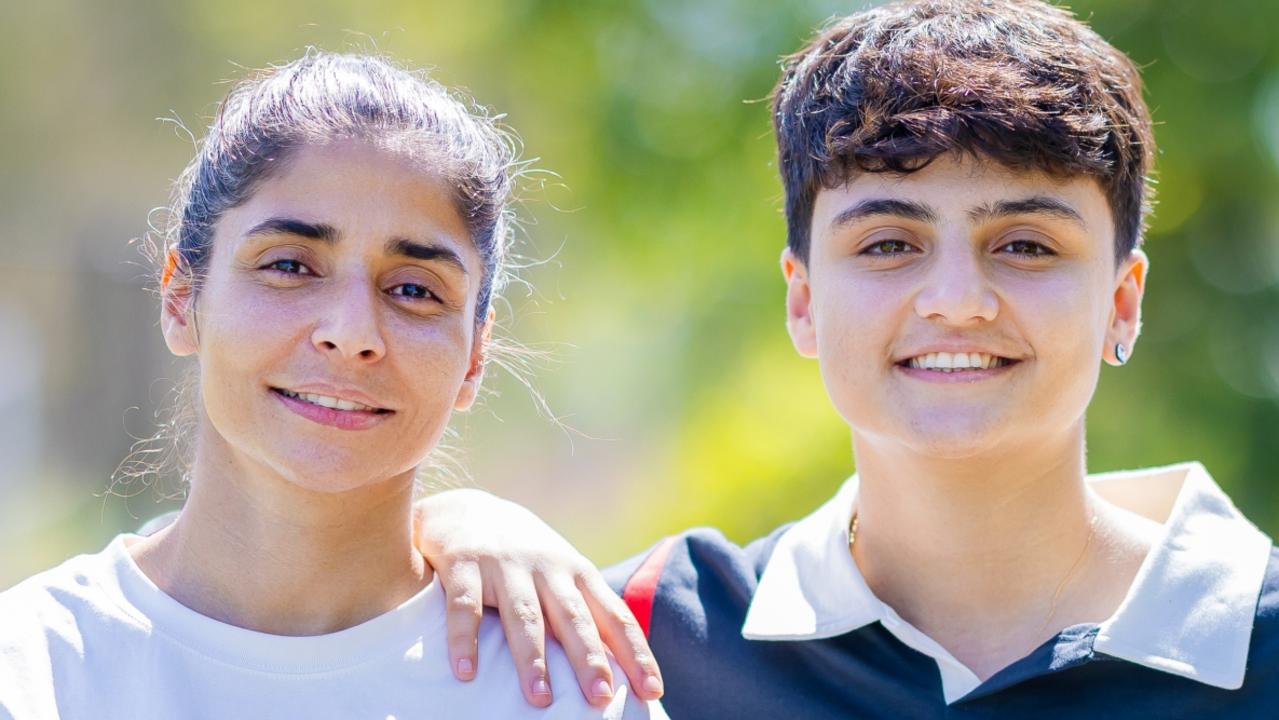
    Two former Iranian women’s national team footballers, who made international headlines for refusing to sing their country’s national anthem and were labeled traitors by Iranian state media, have officially become Australian citizens.

    Fatemeh Pasandideh, 22, and Atefeh Ramezanisadeh, 34, first defied authorities in Tehran and chose to remain in Australia following the AFC Women’s Asian Cup held back in March 2024. Their decision to skip the national anthem before a tournament match, broadcast live to global audiences, sparked immediate backlash from Iranian official media, which swiftly labeled the pair traitors for their act of protest.

    Shortly after the tournament concluded, Australia’s Home Affairs Minister Tony Burke approved humanitarian visas for seven Iranian players who chose not to return to Iran. However, intense pressure from the Islamic Revolutionary Guard Corps—including threats targeting the players’ family members still in Iran—forced five of the seven athletes to reverse their decision and return home. Only Pasandideh and Ramezanisadeh stayed to build new lives in Australia.

    On Wednesday, the two athletes completed their naturalization process at an official citizenship ceremony held in Brisbane, posing for photos with Minister Burke after receiving their official citizenship certificates. A visibly thrilled Pasandideh shared her excitement with local outlet The Australian following the ceremony. Burke had been scheduled to deliver a keynote address on migration policy at Canberra’s National Press Club the following day, though the event has since been postponed.

    Soon after the pair settled in Queensland, Brisbane Roar Football Club’s women’s team extended an invitation for them to train with the squad, and club representatives have celebrated their new citizenship status. “What they have been through since February is more than most people deal with in a lifetime, and to see them arrive at this point is something everyone here at Brisbane Roar is glad to have had a small part in,” a club spokesperson told The Australian. “Queensland is their home now. If they ever want to pull on a training top and come back out with us, the door will always stay open.”

    Back in April, shortly after receiving their humanitarian visas, Pasandideh and Ramezanisadeh released a public statement expressing gratitude to Australian authorities and local community groups. “We are overwhelmed by the warmth and generosity of the Iranian diaspora community in Australia,” the statement read. “Your support has made us feel welcome and less alone as we navigate this transition. At this stage, our primary focus is on our safety, our health and beginning the process of rebuilding our lives. We are elite athletes, and it remains our dream to continue our sporting careers here in Australia.”