标签: Oceania

大洋洲

  • Man found guilty of Australian beach murder after hiding in India for years

    Man found guilty of Australian beach murder after hiding in India for years

    In a landmark verdict that concludes a seven-year pursuit of justice, Rajwinder Singh, a 41-year-old former nurse, has been found guilty of the brutal 2018 murder of Toyah Cordingley. The conviction was delivered by a jury in the Cairns Supreme Court on Monday, sparking an emotional outpouring from the public gallery.

    The case dates back to October 2018, when Ms. Cordingley, a 24-year-old health store worker and dedicated animal shelter volunteer, was killed during a routine Sunday afternoon walk with her dog on Wangetti Beach, a scenic coastal stretch between the tourist centers of Cairns and Port Douglas. The court heard harrowing details that she was stabbed at least 26 times with a sharp object before being partially buried in sand dunes, where she was later discovered by her father.

    Singh, originally from Punjab, India, was residing in the town of Innisfail at the time, approximately two hours from the crime scene. In a move prosecutors argued demonstrated consciousness of guilt, he fled to India the day after the victim’s body was found, abandoning his wife, three children, and parents. This initiated an extensive four-year international manhunt.

    The prosecution’s case, though largely circumstantial, presented compelling scientific evidence. A critical DNA sample recovered from a stick at the murder scene was statistically analyzed to be 3.8 billion times more likely to have originated from Singh than from an unrelated individual. Furthermore, digital evidence indicated that the movements of Ms. Cordingley’s mobile phone precisely matched the trajectory of Singh’s vehicle immediately following the attack.

    This trial marked the second judicial proceeding against Singh, following a previous trial in March that concluded with a hung jury, unable to reach a unanimous decision. The conviction brings a measure of closure to a case that horrified and united the local community, where Ms. Cordingley was remembered as a well-loved and respected individual. Singh is scheduled to return to court for a sentencing hearing.

  • What do teens think about Australia’s social media ban?

    What do teens think about Australia’s social media ban?

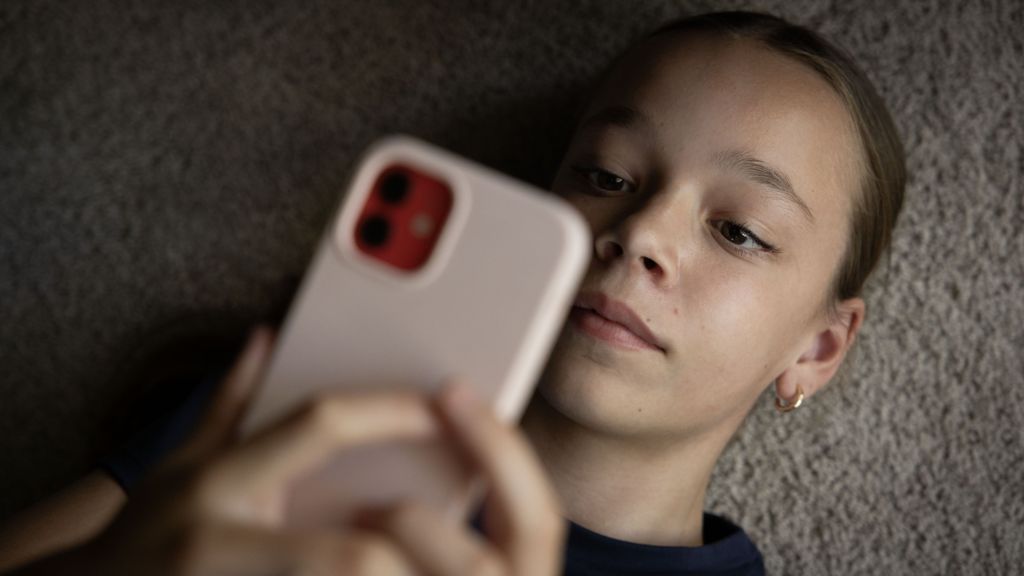
    Australia is poised to implement a groundbreaking social media prohibition targeting users under 16 years old, effective December 10th. The pioneering policy has sparked intense dialogue among its most affected demographic—teenagers themselves. The BBC conducted exclusive interviews with Australian minors who will be directly impacted by this digital restriction, gathering their candid perspectives on the government’s unprecedented approach to online safety.

    This radical measure represents the world’s first comprehensive ban of its kind, positioning Australia at the forefront of regulatory efforts to protect youth from potential social media harms. While authorities frame the initiative as a protective measure against cyberbullying, mental health risks, and online predation, the young respondents expressed nuanced viewpoints that challenge simplistic narratives.

    Teen participants revealed complex reactions ranging from frustration over perceived paternalism to acknowledgment of potential benefits. Many emphasized the social importance of digital platforms for maintaining friendships and accessing community support networks, particularly for isolated or marginalized youth. Several interviewees questioned the effectiveness of age-based restrictions, citing easy circumvention methods and the potential for such bans to simply drive online activity underground without proper safeguards.

    The policy has ignited broader debates about digital rights, age-appropriate access, and the balance between protection and autonomy. Digital literacy advocates suggest alternative approaches focusing on education and graduated access rather than outright prohibition. Meanwhile, mental health professionals remain divided on whether social media represents a primary cause of psychological distress or merely amplifies existing vulnerabilities.

    As implementation date approaches, the Australian experiment is being closely monitored by international observers, policymakers, and technology companies worldwide, with many considering similar measures in their respective countries.

  • ‘England in battle to avoid worst Ashes tour in modern times’

    ‘England in battle to avoid worst Ashes tour in modern times’

    England’s cricketing ambitions suffered a devastating blow at the Gabba as Australia delivered a comprehensive victory in the second Test, leaving the visitors trailing 2-0 in the Ashes series. The defeat marks one of England’s most disappointing performances this century, raising fundamental questions about the team’s strategy and mentality.

    The Ben Stokes-Brendon McCullum leadership era now faces its greatest challenge as historical statistics loom large: England has never recovered from a 2-0 deficit to defeat Australia, who haven’t lost three consecutive home Tests in 38 years. This reality casts serious doubt on England’s ability to reclaim the urn.

    England’s batting lineup collapsed spectacularly in Brisbane, with repetitive dismissals revealing a troubling lack of adaptation. While the aggressive ‘Bazball’ approach initially revitalized the team, its one-dimensional application against Australia’s disciplined attack has proven costly. Assistant coach Marcus Trescothick’s insistence on maintaining their predetermined style contrasts sharply with Steve Smith’s description of the ‘Australian way’ as adapting to conditions in real-time.

    The selection strategy faces scrutiny as well. Specialist spinner Shoaib Bashir, specifically chosen for this tour, remains unused while wicketkeeper Jamie Smith appears overwhelmed by the occasion. England’s reserve options appear limited, with the Lions team also struggling against Australia A.

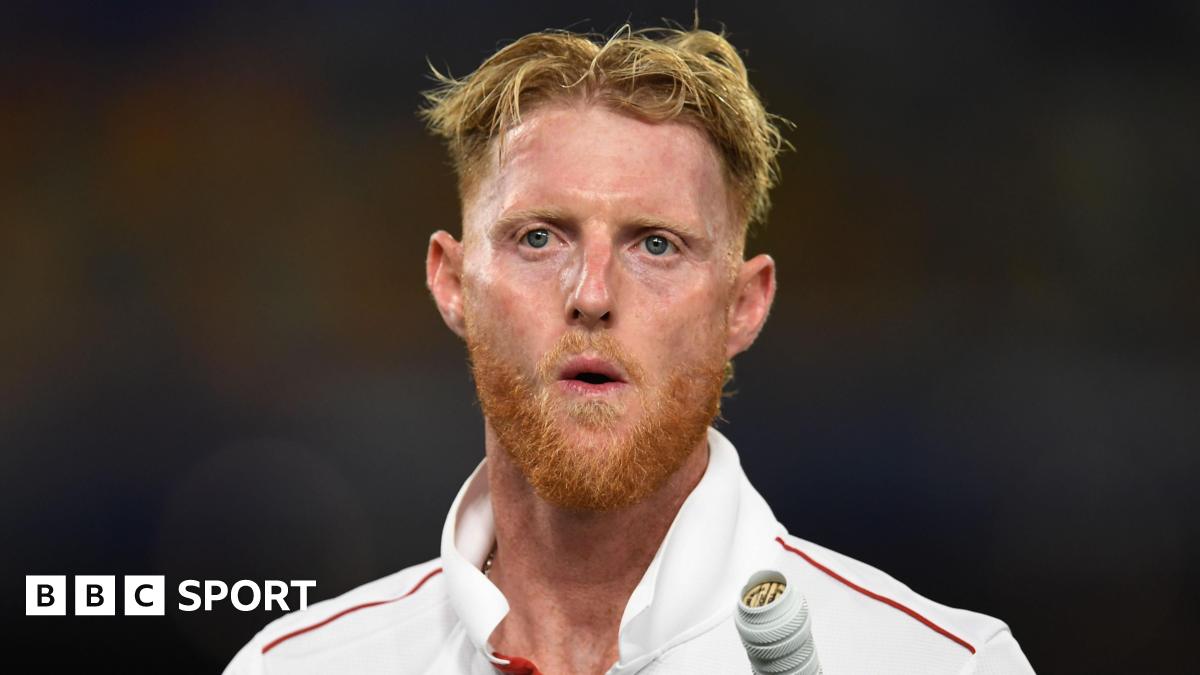
    Captain Ben Stokes issued a stark warning to his squad: ‘A dressing room that I am captain of is not a place for weak men.’ Both Stokes and McCullum have publicly questioned the team’s mentality, a significant shift from their previously unwavering support.

    With more than a week until the third Test in Adelaide, England must regroup dramatically to keep the series alive past Christmas. Failure to do so would cement this as England’s worst Ashes tour of modern times, potentially necessitating structural changes to the team’s approach and personnel.

  • Can you ban kids from social media? Australia is about to, but some teens are a step ahead

    Can you ban kids from social media? Australia is about to, but some teens are a step ahead

    Australia’s groundbreaking legislation prohibiting children under 16 from accessing social media platforms has encountered immediate resistance from both teenagers and technology limitations. The policy, hailed as revolutionary by Prime Minister Anthony Albanese’s administration, was designed to shield minors from online dangers including cyberbullying, predatory behavior, and harmful content.

    Thirteen-year-old Isobel demonstrated the system’s vulnerabilities by bypassing Snapchat’s age verification within minutes using her mother’s photograph. “I got a photo of my mum, stuck it in front of the camera, and it just let me through,” she recounted. Her mother Mel, who had permitted supervised social media use, expressed mixed feelings about the ban’s effectiveness despite initially supporting the measure.

    The technical implementation relies on three primary age assurance methods: document verification, behavioral analysis, and facial assessment technology. A government-funded trial concluded that while all approaches were technically feasible, none proved entirely foolproof. Facial scanning systems, already deployed by Meta and Snapchat for suspected underage users, show reduced accuracy for individuals within two to three years of the 16-year threshold.

    Privacy concerns represent another significant hurdle. Document verification, while most accurate, requires users to submit sensitive identification to platforms that Australians largely distrust with personal data. Alternative circumvention methods have proliferated online, including VPN usage, parental email registration, and migration to platforms not explicitly covered by the legislation.

    Legal challenges have emerged from multiple fronts. Two teenagers have filed a constitutional challenge in Australia’s highest court, while Alphabet (parent company of YouTube and Google) considers its own legal action. Human rights organizations and legal experts have raised concerns about the policy’s potential overreach.

    Critics argue the ban might inadvertently push children toward less regulated platforms and websites excluded from the legislation, including gaming chatrooms that law enforcement agencies identify as radicalization hotspots. The Australia Federal Police have specifically warned about dangers in these unregulated spaces.

    Communications Minister Anika Wells acknowledges the implementation will appear “untidy” initially but defends the policy as a necessary starting point for broader digital safety reforms. The government has positioned the ban as establishing a new social norm rather than achieving perfect enforcement.

    The international technology community watches closely as Australia’s experiment could influence similar legislation worldwide. With fines up to $49.5 million for serious violations, the policy represents one of the most aggressive attempts to regulate social media access for minors globally.

  • England humiliated by ‘second-string’ Australia – Vaughan

    England humiliated by ‘second-string’ Australia – Vaughan

    England’s cricket team stands on the precipice of a devastating Ashes series defeat after a catastrophic third-day performance against Australia in Brisbane. Former captain Michael Vaughan delivered a scathing assessment, characterizing England’s display as “humiliated” and warning of potential “psychological damage” to players following their comprehensive outclassing by Australian opponents.

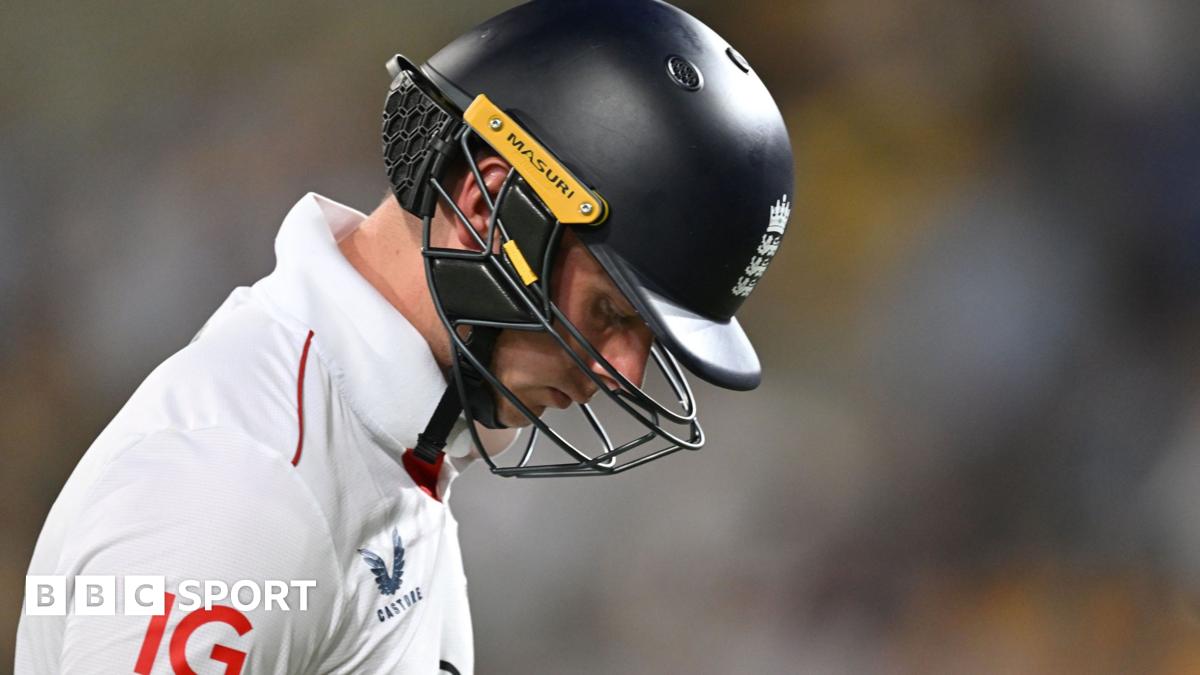
    The tourists, having conceded a substantial first-innings deficit of 177 runs, suffered a dramatic batting collapse that saw them stumble to 134-6 by day’s end. This dismal performance positions England to lose the opening two matches of the highly anticipated series, with Vaughan identifying fundamental flaws in the team’s approach against quality opposition.

    Vaughan, speaking to BBC Test Match Special, expressed deep concerns about England’s predictable playing style: “England are a side that, for three or four years now, have played one way and I just think teams know how to play against them. They were humiliated in that second day in Perth, and today and yesterday.”

    The batting lineup demonstrated particular vulnerability, losing five wickets for just 38 runs after reaching 90-1. Zak Crawley and Ollie Pope both offered return catches to Michael Neser, while Joe Root, Harry Brook, and Jamie Smith all edged behind in a display of technical deficiency.

    Compounding England’s troubles, the England Lions team competing against Australia A elsewhere in Brisbane conceded a staggering 388-run first-innings lead, highlighting the limited replacement options available within the squad. Vaughan noted concerning individual form slumps, stating: “Ben Duckett looks scratchy and edgy at the top. Pope is all over the place, once again. You can’t just keep dipping into Joe Root’s well.”

    The criticism extended to selection policies, with BBC chief cricket commentator Jonathan Agnew questioning the lack of accountability: “None of these players are being put under any pressure by anybody else in the squad – there’s no culpability, there are no ramifications.”

    Meanwhile, Australia faces the enviable selection dilemma of integrating returning stars, with captain Pat Cummins passed fit for the third Test and Josh Hazlewood working toward fitness. Vaughan starkly contrasted the teams’ situations: “Let’s just mention this Australian team have got over thousand wickets not playing. This is their second string.”

    The preparation methods of the English team came under intense scrutiny, though assistant coach Marcus Trescothick defended their approach, stating preparation “these days is not done necessarily by playing Sheffield Shield games.” Vaughan countered this perspective, asserting: “Nowhere in a million years has preparation been right.”

    With the Ashes potentially decided before Christmas, England now faces the grim prospect of producing their worst Australian performance this century in what was initially heralded as their best opportunity to win Down Under in a generation.

  • Cummins ‘good to go’ for third Ashes Test

    Cummins ‘good to go’ for third Ashes Test

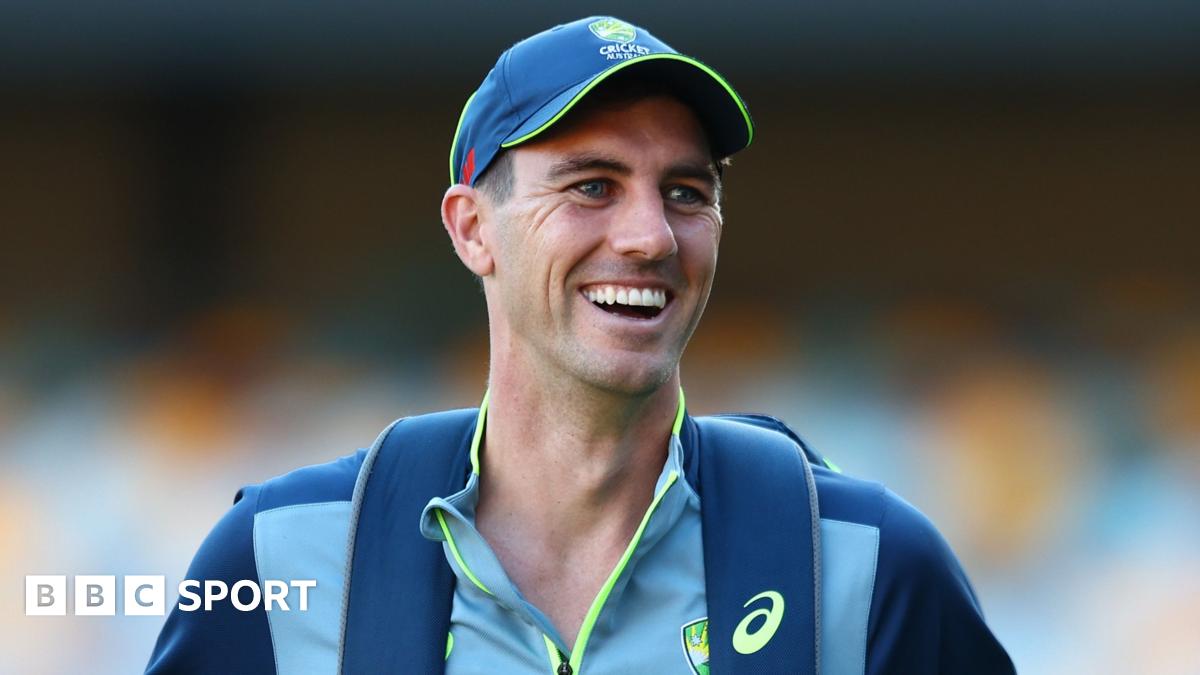
    Australian cricket captain Pat Cummins has declared himself fit for selection in the pivotal third Ashes Test against England, scheduled to commence in Adelaide on December 16th. The premier fast bowler has been sidelined for the initial two matches of the series while recuperating from a back injury.

    Despite Australia’s commanding performances in both Perth and the ongoing day-night fixture in Brisbane, Cummins’ absence has been notable. The 32-year-old pace spearhead revealed that team selectors had contemplated a premature return for the second Test but ultimately deemed it an unnecessary gamble. ‘It felt a bit too acute and didn’t really feel fair on the other bowlers,’ Cummins explained during a broadcast interview with Fox Sports. ‘We thought it didn’t feel like the right Test match to take that risk, so kick it down the road for a week.’

    Cummins reported exceptionally positive physical condition following intensive rehabilitation. ‘I’ll have one more bowl tomorrow in the nets and then we’ll go to Adelaide and have a bowl there,’ he stated. ‘Barring any hiccups, I’ll be good to go. The body feels great.’

    The return of Australia’s captain significantly bolsters their bowling attack, which has also been missing fellow quick Josh Hazlewood. Cummins brings formidable credentials to Adelaide Oval, where he maintains a spectacular career bowling average of 21.19 across 71 Tests, with 309 total wickets. His leadership presence will relieve stand-in captain Steve Smith, who has guided the team during Cummins’ recovery period.

  • Shoppers loved the ‘fabric queen’. Then, order by order, her story fell apart

    Shoppers loved the ‘fabric queen’. Then, order by order, her story fell apart

    A burgeoning international scandal has rocked the global sewing community, centering on Australian fabric designer Nerida Hansen and her business practices. What began as individual customer complaints has evolved into a multinational investigation involving unpaid artists, frustrated suppliers, and regulatory intervention.

    The controversy emerged when Melbourne-based legal studies teacher Maree O’Connor established a Facebook group in October 2024 to investigate why her $600 fabric order remained undelivered months after purchase. The group rapidly expanded to include hundreds of members worldwide reporting similar experiences with Hansen’s companies.

    At the peak of her prominence, Hansen had been celebrated as Australia’s ‘queen of fabrics,’ renowned for her distinctive prints that gained popularity during the pandemic. Her designs frequently appeared in social media posts by sewing influencers and attracted international customers, including US-based Bergen Anderson who invested over $3,300 in anticipated orders that never materialized.

    The investigation revealed a complex web of financial difficulties extending beyond consumer complaints. Chinese supplier William Shan alleged his company was owed $52,000 for unpaid fabric shipments, while eleven artists and illustrators from multiple countries reported non-payment for their collaborative work. French artist Clémence Albertus discovered her design being sold through Hansen’s collaboration with European retailer Verhees without compensation or consultation.

    In September 2025, Consumer Affairs Victoria issued an official warning against Hansen and her various business entities after receiving more than 120 complaints totaling over $19,800 in alleged losses. The agency documented Hansen’s operation under multiple business names including Indigo Palm, The Kind Merch Co, and several variations of her own name.

    Hansen acknowledged making ‘very poor decisions’ and experiencing financial difficulties that led to company liquidation in 2022, followed by the establishment of a new entity. She attributed order fulfillment problems to supplier issues and business mismanagement but claimed the Facebook group’s coordinated refund requests overwhelmed her operations. Hansen additionally alleged she became the target of ‘horrific social media harassment’ and defamation, accusations that O’Connor strongly denies.

    The case continues to develop as affected customers and business partners seek resolution, highlighting the challenges of international e-commerce and the importance of consumer protection mechanisms in the digital marketplace.

  • Lyon out of home Test for first time since 2012

    Lyon out of home Test for first time since 2012

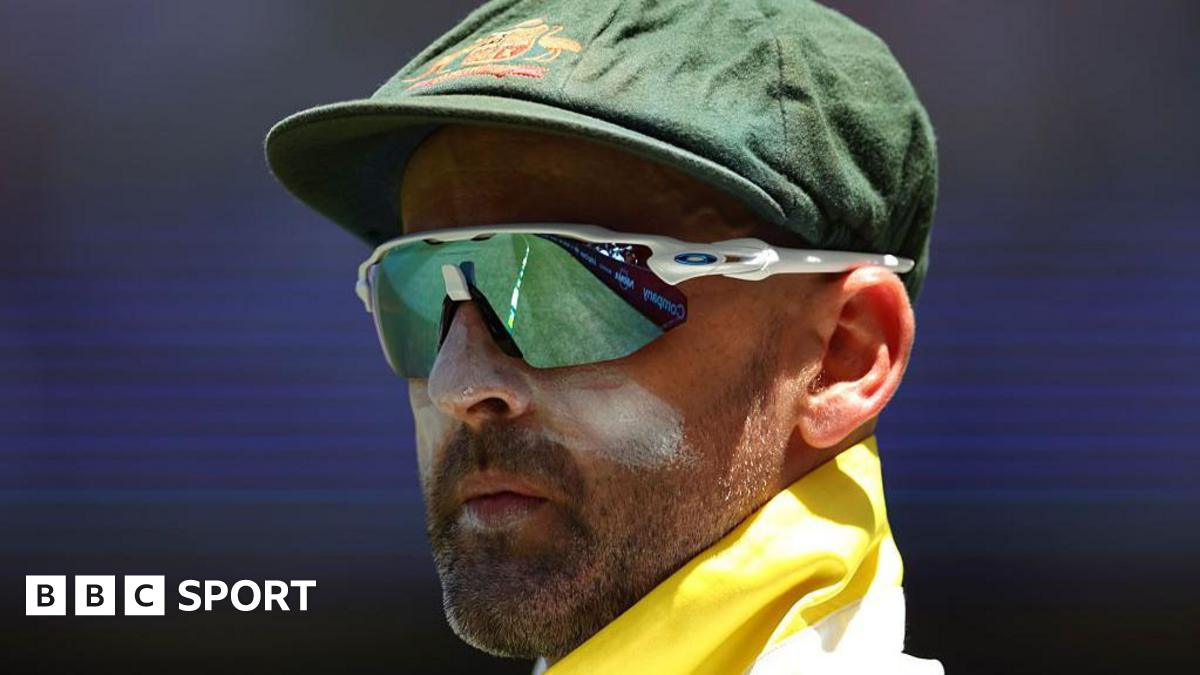
    In a seismic selection shock that has reverberated through the cricketing community, Australia has dropped veteran off-spinner Nathan Lyon from their lineup for the second Ashes Test against England at Brisbane’s Gabba. This marks the first time since January 2012 that Lyon has been excluded from a home Test squad, ending his remarkable streak of 71 consecutive appearances on Australian soil.

    The decision forms part of a radical strategic shift as the hosts prepare for the day-night encounter under lights. Instead of their premier spinner, Australia has opted for an all-seam attack, bringing in pace bowler Michael Neser for his third Test cap. Captain Pat Cummins remains sidelined with a back injury, with Steve Smith continuing to lead the side in his absence.

    Smith explained the tactical reasoning behind the controversial move: “With the pink ball, we anticipate significant movement, particularly during the evening session. Our analysis suggested that a specialized seam attack gives us the optimal chance to take twenty wickets in these specific conditions.”

    The exclusion carries particular significance given Lyon’s legendary status in Australian cricket. With 560 Test wickets, he stands as the country’s third-highest wicket-taker behind only Shane Warne and Glenn McGrath. The 38-year-old needs just two more scalps to surpass McGrath’s tally of 562.

    Cricket analysts expressed surprise at the decision, noting Lyon’s impressive record at the Gabba. Former England spinner Alex Hartley commented: “This is genuinely surprising given Lyon’s historical performance here and how quickly the pink ball tends to lose its hardness. You’d typically want a specialist spinner to control the game during those middle phases.”

    The selection continues a recent pattern for Lyon, who was also omitted from Australia’s day-night Test against West Indies in Jamaica last July. At the time, Lyon expressed his disappointment, stating: “I believe I can contribute in any conditions. Every cricketer should maintain that self-belief.”

    Meanwhile, England won the toss and elected to bat first—marking the first time they have batted initially in a day-night Test in Australia. The visitors made one forced change, bringing in spin-bowling all-rounder Will Jacks to replace injured quick Mark Wood.

    England face formidable historical challenges at the Gabba, where they haven’t recorded a victory since 1986 and have lost all three of their previous pink-ball encounters in Australia.

  • Accused Melbourne childcare worker charged with more child rape offences

    Accused Melbourne childcare worker charged with more child rape offences

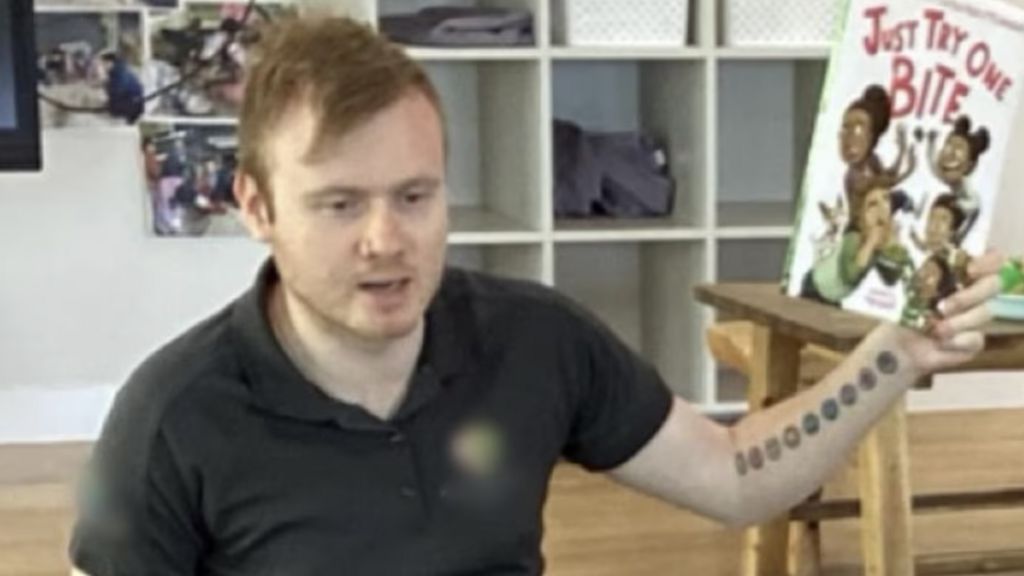
    A comprehensive criminal investigation has uncovered disturbing new allegations against a former Melbourne childcare worker, escalating what was already one of Australia’s most severe child abuse cases. Joshua Dale Brown, 27, now confronts over 150 criminal charges following the addition of 83 new counts, including six distinct child rape offenses.

    The initial investigation, which led to Brown’s arrest in May, involved allegations of abuse against eight children—including an infant as young as five months—occurring between April 2022 and January 2023. The recent charges expand the timeline of alleged crimes, reaching back to 2019 and identifying four additional victims across three separate childcare facilities. Authorities confirmed that families of these newly identified victims have been notified.

    Among the most serious new allegations are multiple counts of child rape, attempted child rape, production and distribution of child abuse material, and various sexual assault charges. In a particularly disturbing development, Brown also faces 12 counts of bestiality, though police emphasize this aspect stems from a separate investigation unrelated to childcare centers.

    The case has triggered nationwide concern regarding childcare safety protocols, prompting swift governmental action. Federal authorities have expanded their power to withdraw funding from providers violating safety standards, while parliament has accelerated the implementation of stricter child protection regulations, including enhanced background checks for childcare workers.

    G8 Education, Australia’s largest private childcare operator and Brown’s former employer, has responded by accelerating CCTV installation across its 400+ facilities and implementing ‘intimate care waivers’ that allow parents to designate preferred caregivers for sensitive duties.

    Brown remains in custody awaiting his next court appearance scheduled for February next year at Melbourne Magistrates’ Court. The case continues to reverberate throughout Australia’s childcare industry, raising urgent questions about systemic protections for vulnerable children.

  • YouTube says it will be less safe for kids under Australia’s social media ban

    YouTube says it will be less safe for kids under Australia’s social media ban

    Australia’s groundbreaking Social Media Minimum Age Act, set to take effect on December 10, has ignited a fierce confrontation between the government and technology giants. The legislation will automatically sign out users under 16 from their YouTube accounts, stripping them of upload capabilities, comment functions, and wellbeing features like break reminders.

    YouTube has launched a vigorous counterargument, claiming the ‘rushed’ regulations will ultimately decrease child safety online. Rachel Lord, Public Policy Senior Manager at Google and YouTube Australia, stated the ban undermines more than a decade of development in parental controls and robust protections. ‘This law will not fulfil its promise to make kids safer online, and will, in fact, make Australian kids less safe on YouTube,’ Lord asserted.

    Communications Minister Anika Wells delivered a sharp rebuttal, characterizing YouTube’s position as ‘outright weird’ for highlighting platform dangers while opposing regulatory solutions. ‘If YouTube is reminding us all that it is not safe… that’s a problem that YouTube needs to fix,’ Wells declared during a Wednesday address.

    The regulatory landscape extends beyond YouTube. Australia’s eSafety Commissioner has turned attention to emerging platforms Lemon8 (a TikTok sibling app) and Yope, demanding self-assessment regarding their compliance obligations. The government reversed YouTube’s exemption from the ban in July after identifying it as the most frequently cited platform where children aged 10-15 encountered harmful content.

    Penalties for non-compliance reach A$49.5 million, requiring tech companies to deactivate existing underage accounts and prevent new registrations. The comprehensive ban encompasses Facebook, Instagram, TikTok, Snapchat, X, Twitch, Threads, Reddit, and Kick.

    Minister Wells framed the legislation as protection for ‘Generation Alpha’ from what she described as ‘predatory algorithms’ that function as ‘behavioral cocaine’ and create a ‘dopamine drip’ through constant notifications. Tech companies must now submit six-monthly reports detailing under-16 accounts on their platforms.

    Google has reportedly considered legal challenges against YouTube’s inclusion in the ban, though the company declined BBC requests for comment. As implementation approaches, Wells acknowledged anticipated ‘teething problems’ while emphasizing that ‘regulation, and cultural change, takes time. Takes patience.’