标签: Oceania

大洋洲

  • Russia strikes power plant, kills four in Ukraine barrage

    Russia strikes power plant, kills four in Ukraine barrage

    In a relentless escalation of hostilities, Russian forces unleashed a massive barrage against Ukrainian infrastructure early Tuesday, killing four civilians and critically damaging energy facilities. The assault involved 25 missiles and 293 drones, marking another chapter in Moscow’s systematic campaign to cripple Ukraine’s power grid during winter’s peak.

    The eastern Kharkiv region bore the brunt of the attack, where rescue workers operated in freezing temperatures to extract survivors from rubble. Andriy Pidnebesny, a manager at a postal facility struck in the offensive, described being thrown by blast waves while attempting to free trapped colleagues. Simultaneously, Ukraine’s largest energy provider DTEK reported its eighth power plant attack since October, with Russian forces having targeted their facilities over 220 times since the invasion began.

    President Volodymyr Zelensky reported ‘several hundred thousand’ households near Kyiv lost electricity, urgently appealing for enhanced air defense systems from Western allies. ‘The world can respond to this Russian terror with new assistance packages,’ Zelensky stated on social media, emphasizing that ‘cold will not help Russia win the war.’

    In a parallel maritime development, two Greek-owned oil tankers—the Maltese-flagged Matilda and Liberian-flagged Delta Harmony—sustained attacks in the Black Sea. The Matilda, en route to load Kazakh oil at Russia’s Caspian Pipeline Consortium terminal near Novorossiysk, maintained seaworthiness despite the assault according to Kazakh energy officials. The incident represents the latest in a series of strikes targeting the crucial CPC terminal, through which Kazakhstan transports 80% of its oil exports.

    Ukraine’s military, while not claiming responsibility for the tanker incidents, has consistently targeted Russian energy infrastructure to diminish Moscow’s war-funding capabilities. The strategic strikes have drawn concern from Kazakhstan, whose economic interests are increasingly entangled in the conflict’s ripple effects.

  • Italian Olympians ‘insulted’ by torch relay snub

    Italian Olympians ‘insulted’ by torch relay snub

    A brewing controversy has engulfed the Milan-Cortina 2026 Winter Olympics torch relay, with decorated Italian Olympians expressing profound outrage over their exclusion from the ceremonial event. The dispute reached political dimensions as government officials demanded explanations from organizers.

    Five-time Olympic cross-country skiing medalist Silvio Fauner spearheaded the criticism, characterizing the selection of entertainment personalities over athletes as “an incredible insult.” Fauner, who secured relay gold at the 1994 Lillehammer Games, revealed that multiple Olympic champions including Marco Albarello, Giorgio Di Centa, Cristian Zorzi and Pietro Piller Cottrer shared his indignation at being completely excluded from Games-related activities.

    Organizers defended their selection process, noting that Fauner’s current political role as a town councillor in Sappada automatically disqualifies him from participation. The Milan-Cortina committee emphasized that numerous Italian athletic champions had already carried the torch during its initial 36 stages, representing various winter sports disciplines and generations.

    The controversy attracted immediate political attention. Deputy Prime Minister Matteo Salvini’s far-right League party issued a statement condemning the “incomprehensible and disconcerting” torchbearer selections. Sports Minister Andrea Abodi formally requested clarification from organizing bodies regarding selection criteria, acknowledging his own surprise at the exclusion of sports legends.

    The Olympic flame continues its two-month journey across Italy, covering 12,000 kilometers with 10,001 bearers before reaching Milan’s San Siro stadium for the February 6 opening ceremony, now shadowed by this escalating dispute between athletic achievement and celebrity recognition.

  • Man Utd appoint Carrick as manager to end of the season

    Man Utd appoint Carrick as manager to end of the season

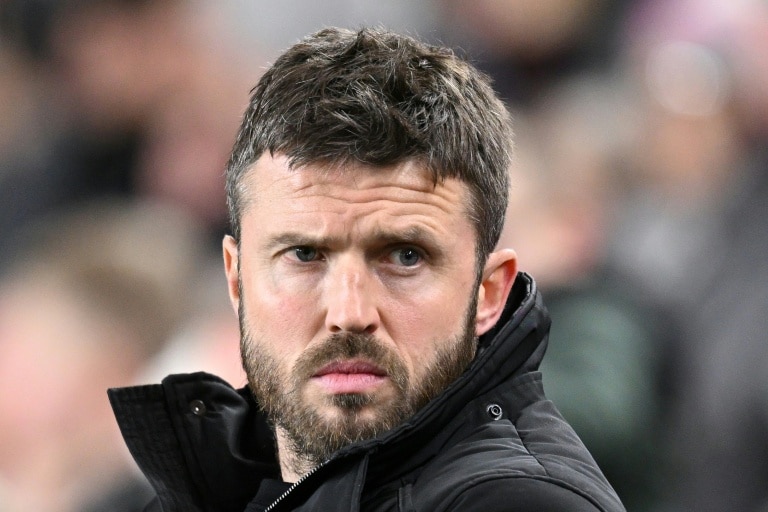
    Manchester United has officially designated former midfield stalwart Michael Carrick as interim manager to guide the team through the remainder of the current season. The 44-year-old club legend, who secured an impressive 12 major trophies during his 12-year playing tenure at Old Trafford, steps into the role following the dismissal of Ruben Amorim last week after a disappointing 14-month period.

    Carrick, who previously held an unbeaten record during a brief three-match caretaker stint in 2021, faces the immediate challenge of preparing the squad for Sunday’s crucial Premier League derby against Manchester City. His appointment comes at a critical juncture as United currently sit seventh in the table, positioned just three points behind fourth-placed Liverpool and one point behind Brentford in fifth.

    The club’s hierarchy views Carrick as a ‘safe pair of hands’ due to his extensive experience both as a player and coach within the organization. Director of Football Jason Wilcox emphasized Carrick’s qualifications, stating: ‘Michael is an excellent coach who knows exactly what it takes to win at Manchester United. He is ready to lead our talented and determined group of players as we build toward regular and sustained success.’

    Carrick’s most recent managerial experience came at Championship side Middlesbrough, where he was dismissed in June after failing to achieve promotion despite having one of the division’s largest budgets. However, his previous interim performance at United—which included impressive results against Chelsea, Arsenal, and Villarreal—convinced management of his capability to stabilize the team.

    The new interim manager expressed honor at his appointment, declaring: ‘I know what it takes to succeed here. My focus is now on helping the players reach the standards we expect at this incredible club. There is still much to fight for this season, and we are ready to pull everyone together to deliver the performances our loyal supporters deserve.’

    With United eliminated from both domestic cups and European competition, the team faces its shortest season since 1914/15, playing only 40 matches. Carrick’s primary objective will be securing Champions League qualification, with a top-five finish likely sufficient due to English clubs’ strong European performance.

  • Davos braces for Trump’s ‘America First’ onslaught

    Davos braces for Trump’s ‘America First’ onslaught

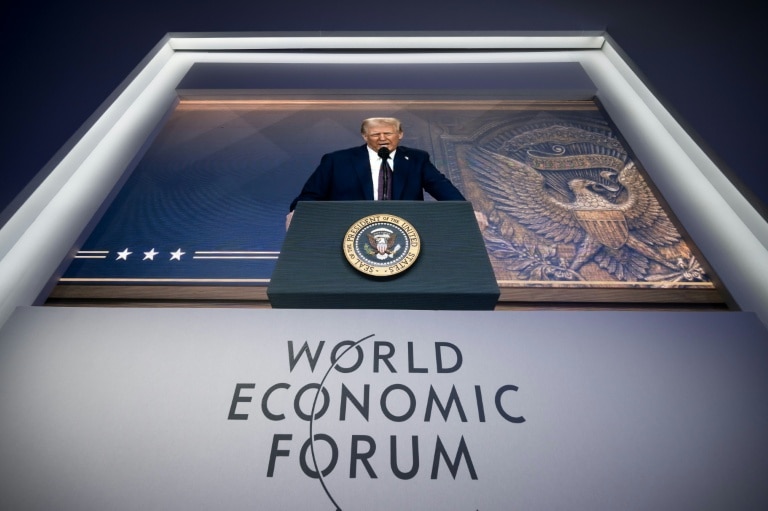
    The alpine resort of Davos prepares for a seismic political confrontation as former President Donald Trump returns to the World Economic Forum with an unprecedented U.S. delegation. Scheduled to deliver a keynote address on Wednesday, Trump’s appearance marks his first in-person participation since his initial term, setting the stage for a dramatic clash between his ‘America First’ agenda and the forum’s traditional advocacy for open markets and multilateral cooperation.

    Forum President Borge Brende confirmed the historic nature of Trump’s delegation while acknowledging the meeting occurs against ‘the most complex geopolitical backdrop since 1945.’ The delegation includes Secretary of State Marco Rubio, Treasury Secretary Scott Bessent, and Middle East/Ukraine envoy Steve Witkoff, indicating planned discussions on multiple global flashpoints including Ukraine, Gaza, Venezuela, and Iran.

    Trump’s agenda includes detailed housing policy announcements aimed at American voters, delivered before international elites as midterm elections approach. This comes amid widespread domestic concern over living costs, positioning the Davos appearance as both diplomatic mission and political theater.

    The return follows Trump’s virtual address last year, where he threatened punishing tariffs for nations refusing to relocate manufacturing to the U.S. His administration has since withdrawn from 66 international organizations, including nearly half of its UN-affiliated bodies, fundamentally restructuring America’s global engagement.

    Economic analysts recognize 2025 as potentially marking the end of neoliberal globalization. Bain & Company economist Karen Harris notes: ‘This represents a paradigm shift where the U.S. prioritizes national security and weaponizes economic policy—a approach historically associated with Chinese economic philosophy.’

    European and Asian leaders including EU Commission Chief Ursula von der Leyen, Ukrainian President Zelensky, and Chinese Vice Premier He Lifeng will attend, with six G7 leaders represented. Their presence underscores the global effort to navigate what Standard Chartered’s Philippe Dauba-Pantanacce describes as ‘a broad rejection of multilateral institutions.’

    While former WTO Director Pascal Lamy acknowledges Trump’s trade policies have created significant noise with limited economic impact thus far, the geopolitical consequences continue unfolding. Evidence emerges in the EU’s accelerated Mercosur trade agreement with South America and China’s strategic export diversification away from American markets.

    The gathering of 850 corporate leaders including Nvidia’s Jensen Huang and Microsoft’s Satya Nadella will witness firsthand the crystallization of a new global order—one potentially progressing without traditional American leadership.

  • US ends protection for Somalis amid escalating migrant crackdown

    US ends protection for Somalis amid escalating migrant crackdown

    The United States government announced Tuesday it will terminate Temporary Protected Status (TPS) for Somali nationals, setting a March 17 departure deadline amid escalating immigration enforcement measures targeting Somali communities. The Department of Homeland Security declared via social media that it would end protections that have shielded Somalis from deportation to conflict-affected regions.

    The policy shift comes amid intensified Immigration and Customs Enforcement (ICE) operations in Minnesota, home to approximately 80,000 Somali residents—the largest Somali community in the nation. Recent weeks have seen masked officers conducting vehicle checkpoints and enforcement sweeps that have reportedly resulted in approximately 2,000 arrests. During one such operation, officers were witnessed forcibly removing individuals from vehicles.

    Tensions escalated dramatically last week when an ICE officer fatally shot 37-year-old Renee Nicole Good during an operation in Minneapolis. The incident has sparked protests and led to the resignation of three federal prosecutors who allegedly faced pressure to focus investigations on the victim’s widow rather than the shooting itself.

    Administration officials have justified the crackdown by citing a massive public benefits fraud case involving $300 million in diverted funds. Federal prosecutors have charged 98 individuals, with 85 identified as being of Somali descent. Fifty-seven defendants have already been convicted in the scheme.

    Republican leadership, including President Trump, has accused Minnesota Democratic authorities of ignoring previous warnings about the fraud due to the community’s ethnic composition. On his Truth Social platform, Trump promised ‘reckoning and retribution’ for Minnesota while alleging Democrats benefit from diverted attention away from the scandal.

    Congresswoman Ilhan Omar, the first Somali-American elected to Congress, condemned the administration’s tactics, stating: ‘Trump is trying to scare them and terrorize them every single day… Somalis are not intimidated.’

    Minnesota state authorities have sought a temporary restraining order to halt ICE operations pending judicial review, while community organizers describe the situation as targeted persecution against Somali residents through weaponized federal agencies.

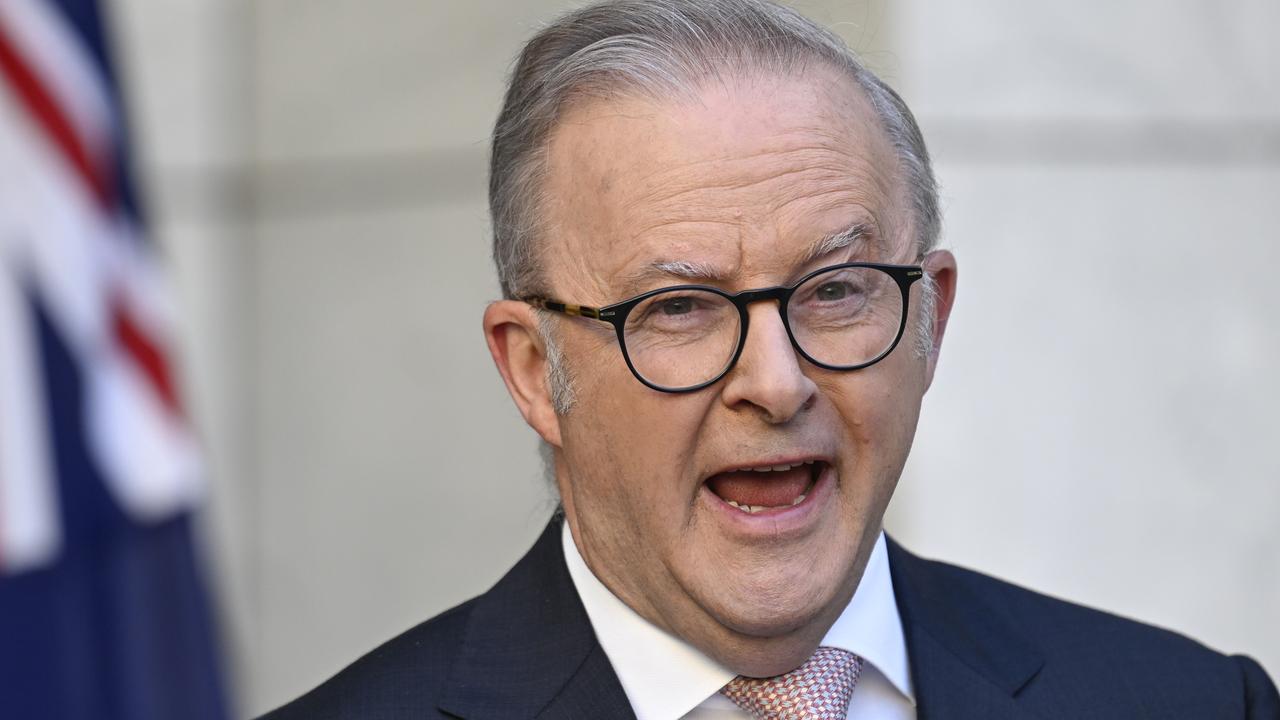
  • Albanese’s hate speech Bill has ‘significant shortcomings’, Jewish leader warns

    Albanese’s hate speech Bill has ‘significant shortcomings’, Jewish leader warns

    A prominent Australian Jewish organization has expressed significant reservations about proposed national security legislation, warning that critical flaws in the government’s approach could undermine the effectiveness of new hate speech laws. The Executive Council of Australian Jewry (ECAJ), while acknowledging positive aspects of the Albanese government’s omnibus bill, identified several concerning shortcomings that might necessitate further legislative revisions within years.

    The comprehensive legislation, developed in response to the Bondi Beach terrorist attack, seeks to overhaul multiple legal domains including hate speech protocols, immigration procedures, and firearms regulations. Key provisions would establish new offenses targeting individuals who radicalize children or incite racial hatred, alongside criminalizing membership in banned hate organizations. The bill additionally facilitates a nationally coordinated firearm buyback program and empowers states to restrict gun licenses exclusively to Australian citizens.

    ECAJ co-chief executive Peter Wertheim presented testimony during emergency hearings, highlighting four primary deficiencies in the proposed serious vilification offense. Notably, the legislation fails to address hatred directed at individuals based on gender identity and sexual orientation, excludes recklessness as a prosecutable mental state, and incorporates problematic exemption clauses for religious teachings referencing sacred texts. Most concerning to Jewish representatives is the requirement that prosecutors demonstrate affected individuals would experience genuine fear for their safety—a significantly high evidentiary threshold.

    Wertheim articulated strong opposition to the religious exemption provision, characterizing it as “misconceived and outdated.” He argued that recognized global religions universally disavow promoting racial hatred intentionally, though acknowledging that textual interpretations might occasionally be misappropriated for such purposes. The ECAJ cited their successful litigation against Sydney preacher Wissam Haddad as precedent demonstrating how such exemptions could potentially shield hate speech under the guise of religious instruction.

    The organization further expressed concern that the religious defense might deter prosecutors from pursuing cases where defendants could simply claim textual quotation context. Regarding the controversial phrase “globalise the Intifada,” which some Jewish groups interpret as advocating violence against Jewish people, Wertheim advocated for its explicit prohibition under the new legislation. He noted the challenge of contextual understanding among Australia’s predominantly non-Jewish population and judicial system.

    Government officials defended the religious exemption as intended to protect genuine religious discourse involving historical text quotation without additional inflammatory context. Attorney-General’s Department representatives emphasized the legislation examines conduct holistically rather than targeting specific phrases. Both Australian Federal Police and ASIO leadership acknowledged the bill’s potential to enhance community safety while recognizing the inherent challenges in predicting prosecutorial outcomes until judicial testing occurs.

  • Job seekers face tougher hunt as advertised roles drop for second quarter

    Job seekers face tougher hunt as advertised roles drop for second quarter

    Australia’s employment landscape is showing concerning signs of contraction as newly released government data reveals a persistent decline in job vacancies. According to the latest figures from the Australian Bureau of Statistics (ABS), available positions decreased by 0.2% during the three-month period ending in November, marking the sixth consecutive month of deterioration in employment opportunities.

    The current national vacancy count stands at approximately 326,700 unfilled positions, effectively returning to levels observed at the beginning of the previous year. This sustained downturn follows a more substantial 2.7% reduction recorded in the quarter ending August 2023. Annually, the market has witnessed a significant contraction of 5.2%, representing 17,800 fewer available roles compared to November 2022.

    ABS Head of Labour Statistics Robert Long provided sector-specific analysis, noting that “private sector job vacancies primarily drove the annual decrease, falling by 6.8% in the year to November. Conversely, public sector vacancies experienced an 8.9% increase during the same period.”

    Industry performance varied considerably across sectors. The education and training industry suffered the most severe decline at 15.5%, followed closely by rental, hiring and real estate services which dropped 12.8%. Transport and construction roles also demonstrated notable reductions. These losses were partially offset by gains in wholesale trade, public administration and safety, mining, and healthcare and social assistance.

    The tightening job market presents challenges for Australia’s 665,800 unemployed citizens, creating increasingly competitive conditions for job seekers across multiple industries.

  • Denmark, Greenland set for high-stake talks at White House

    Denmark, Greenland set for high-stake talks at White House

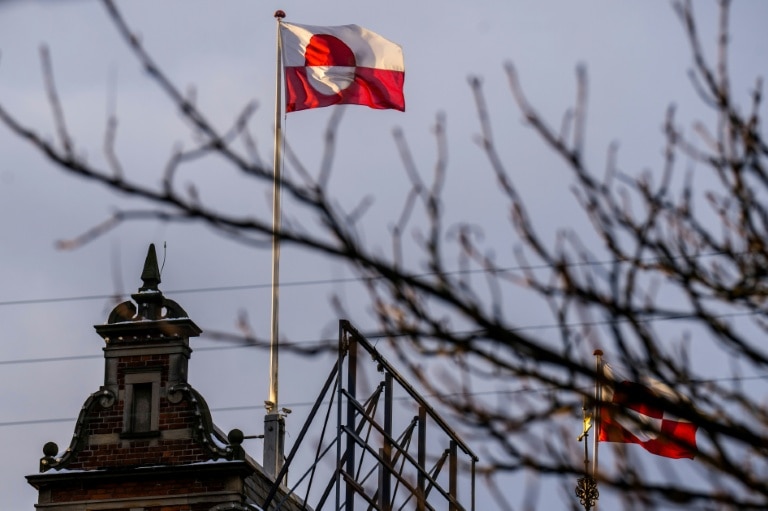
    A high-stakes diplomatic meeting is set to unfold at the White House on Wednesday as Danish and Greenlandic officials confront U.S. Vice President JD Vance over escalating tensions regarding Arctic sovereignty. The extraordinary gathering comes after months of strained relations triggered by Vance’s uninvited visit to Greenland in March and President Donald Trump’s persistent suggestions about acquiring the strategically vital territory.

    The confrontation stems from Vance’s accusations that Denmark has neglected its autonomous Arctic territory, labeling America’s NATO ally as ‘bad’ regarding Arctic security commitments. These remarks provoked fury in Copenhagen, which has consistently supported U.S. military operations internationally. Swedish Prime Minister Ulf Kristersson notably reminded that ‘the United States should thank Denmark, which over the years has been a very loyal ally.’

    Wednesday’s meeting, requested jointly by Danish Foreign Minister Lars Lokke Rasmussen and Greenlandic counterpart Vivian Motzfeldt, aims to address what they term ‘misunderstandings’ concerning Greenland’s defense arrangements, Chinese and Russian presence in the Arctic, and the complex relationship between Greenland and Denmark. The Kingdom of Denmark comprises Denmark proper, Greenland, and the Faroe Islands.

    According to Greenland specialist Mikaela Engell, American perceptions have dangerously misinterpreted ongoing discussions about Greenland’s autonomy. ‘To the uninformed American listener,’ Engell noted, ‘the talks might have been construed as if Greenland’s secession from Denmark was imminent,’ potentially justifying interventionist sentiments.

    The security dimension dominates the agenda. Washington alleges insufficient protection against Chinese and Russian threats, while Denmark highlights its substantial investment of nearly 90 billion kroner ($14 billion) to strengthen military presence in the Arctic. The discussions will extend to NATO, with Danish Defence Minister Troels Lund Poulsen and Greenland’s Motzfeldt scheduled to meet Secretary General Mark Rutte on January 19 specifically addressing Arctic security.

    Lund Poulsen emphasized forward momentum: ‘We are now moving forward with the whole issue of a more permanent, larger presence in Greenland from the Danish defence forces but also with the participation of other countries.’ NATO confirms work on ‘next steps’ for Arctic security, with diplomats indicating preliminary discussions about a potential new regional mission, though no concrete proposals currently exist.

  • Nuuk, Copenhagen cautiously mull Greenland independence

    Nuuk, Copenhagen cautiously mull Greenland independence

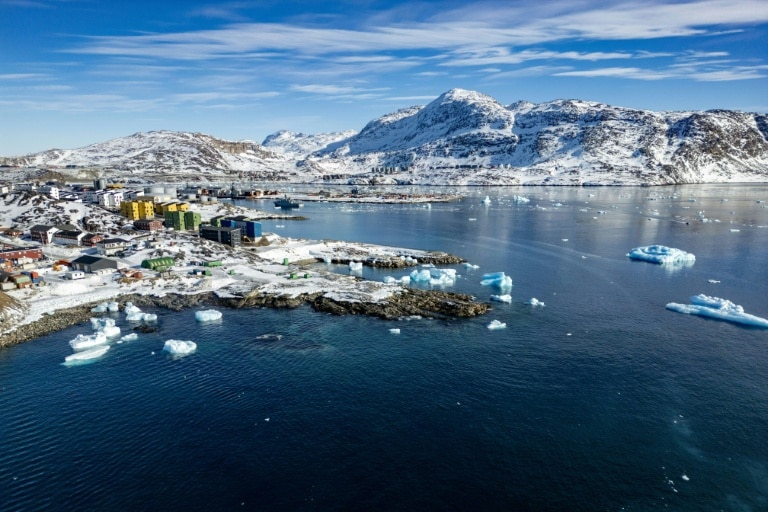
    The geopolitical landscape of the Arctic is undergoing significant transformation as Greenland cautiously advances its independence aspirations from Denmark, while simultaneously navigating overtures from the United States. This complex triangular relationship represents a critical juncture in North Atlantic politics.

    Greenland, which transitioned from Danish colony to self-governing territory in 1979, has established a clear constitutional pathway toward potential sovereignty. The 2009 Self-Government Act, ratified by the Danish parliament, provides Article 21 stipulations that mandate independence negotiations must commence should Greenland’s population formally express this desire through democratic processes.

    The economic dimension presents substantial challenges for prospective sovereignty. Greenland’s economy remains heavily dependent on annual Danish subsidies totaling approximately 4.5 billion kroner ($703 million), constituting nearly 20% of the territory’s GDP. With an economic foundation primarily reliant on fisheries and facing demographic challenges including an aging population, economic self-sufficiency represents a significant hurdle.

    Political dynamics within Greenland reveal nuanced perspectives on independence timing. While polls indicate overwhelming support for eventual sovereignty among Greenlanders, there exists considerable divergence regarding the appropriate timeline. The current coalition government, enjoying 75% electoral support, advocates for gradual independence implementation based on a draft constitution from 2024. Conversely, the opposition Naleraq party has capitalized on recent geopolitical developments to advocate for accelerated separation.

    International dimensions further complicate the independence calculus. Former US President Donald Trump’s repeated expressions of interest in acquiring Greenland for national security purposes have introduced additional geopolitical considerations. Danish officials and historians have uniformly rejected such propositions, emphasizing that any determination regarding Greenland’s future must occur absent external coercion.

    Academic perspectives highlight the Nordic tradition of peaceful separation, citing historical precedents including Norway’s 1905 independence from Sweden and Iceland’s 1944 sovereignty declaration from Denmark. This established pattern suggests that should Greenland pursue independence, the process would likely follow diplomatic channels rather than confrontational approaches.

    The road to potential sovereignty involves multiple procedural requirements, including parliamentary approval in both Nuuk and Copenhagen followed by a Greenlandic referendum. This carefully structured process reflects the complex interdependence that has developed between Denmark and its largest territory over centuries of shared history.

  • Central bank chiefs voice ‘full solidarity’ with US Fed, Powell

    Central bank chiefs voice ‘full solidarity’ with US Fed, Powell

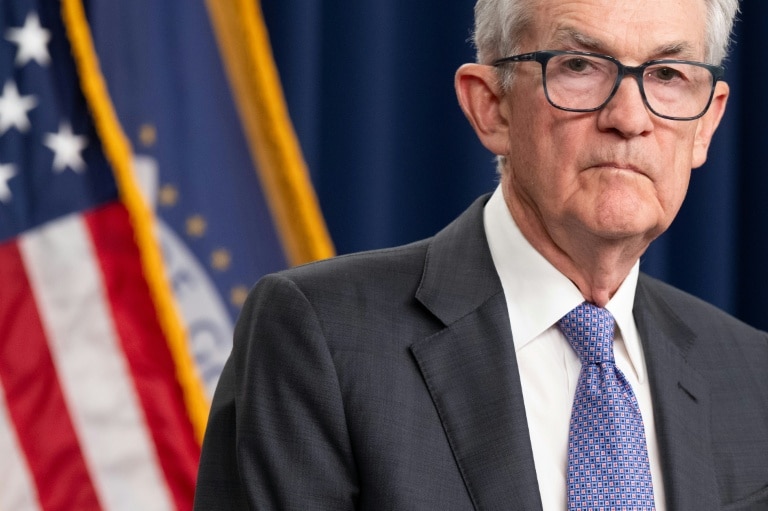
    In an extraordinary display of international unity, central bank governors from the world’s most influential financial institutions have issued a joint declaration expressing ‘full solidarity’ with Federal Reserve Chairman Jerome Powell amid an unprecedented legal challenge. The remarkable show of support comes as U.S. prosecutors have initiated criminal investigation proceedings against Powell, a move widely interpreted as an escalation of President Donald Trump’s ongoing campaign against the central bank’s independence.

    The coordinated statement, endorsed by the heads of the European Central Bank, Bank of England, and counterparts from Australia, Brazil, Canada, Denmark, South Korea, Sweden, Switzerland, along with the Bank for International Settlements chairman, emphasized that central bank independence represents ‘a cornerstone of price, financial and economic stability.’ The leaders unanimously praised Powell’s ‘integrity’ and ‘unwavering commitment to the public interest’ in executing his mandate.

    At the heart of the controversy lies a $2.5 billion renovation project of the Federal Reserve’s Washington headquarters, which President Trump has repeatedly criticized as mismanaged. The president had previously contemplated dismissing Powell over cost overruns for the historic building’s facelift and has publicly derided the Fed chair as a ‘numbskull’ and ‘moron’ regarding interest rate policies.

    Powell responded to the legal threats in a rare video statement Sunday, characterizing the renovation inquiry and related testimony demands as ‘pretexts’ for challenging the Fed’s interest rate decisions. He asserted that the criminal investigation threat directly results from the Federal Reserve’s commitment to setting rates based on economic assessments rather than presidential preferences, vowing to continue monetary policy decisions ‘without political fear or favor.’