标签: North America

北美洲

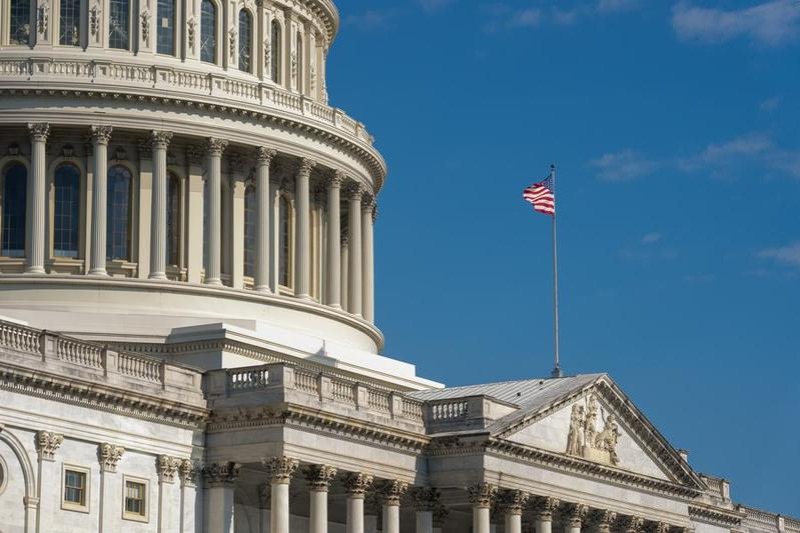
  • Trump discussing how to acquire Greenland, US military always an option, White House says

    Trump discussing how to acquire Greenland, US military always an option, White House says

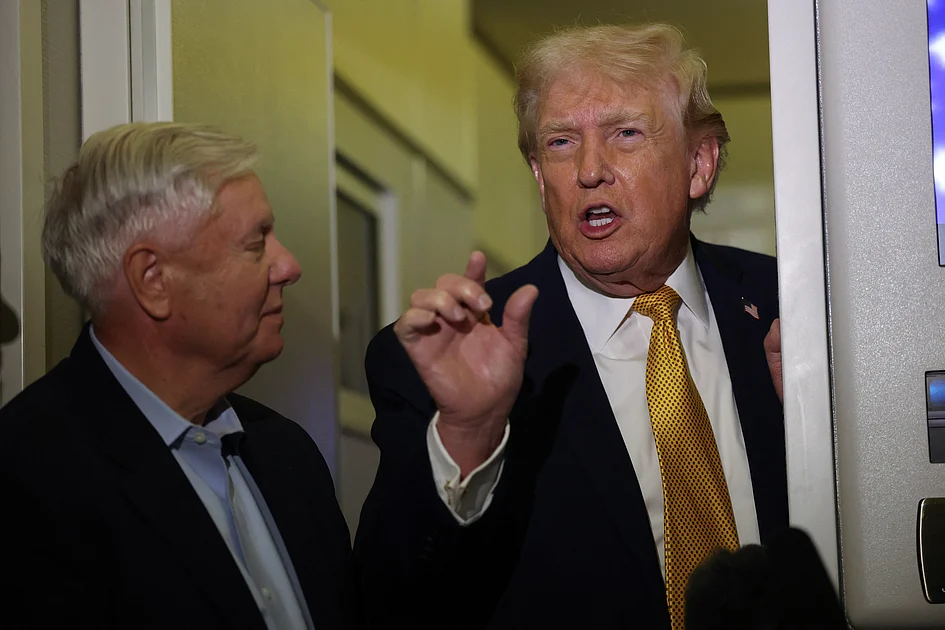
    The White House has officially confirmed that President Donald Trump is actively exploring avenues to acquire Greenland, with administration officials acknowledging that military force remains among the potential options under consideration. This revival of Trump’s territorial ambitions has sparked immediate international concern and diplomatic tensions.

    According to White House statements released Tuesday, the administration views control of Greenland as a critical national security priority essential for countering adversarial interests in the increasingly strategic Arctic region. While emphasizing that diplomatic solutions remain the preferred approach, officials explicitly noted that “utilizing the US military is always an option at the commander-in-chief’s disposal.”

    The administration’s considerations include two primary approaches: an outright purchase of the territory from Denmark or establishing a Compact of Free Association that would stop short of full incorporation into the United States. Senior officials, speaking anonymously about internal deliberations, characterized Trump as fundamentally a dealmaker who would prefer negotiated acquisition.

    This initiative has encountered immediate resistance from multiple fronts. Greenland itself has consistently expressed no desire to become part of the United States, while European powers and Canada have rallied behind the Arctic territory’s right to self-determination. The suggestion of military action against Denmark, a longstanding NATO ally, has raised concerns about potential shock waves through the alliance and further deterioration of US-European relations.

    Congressional leaders from both parties have expressed opposition, with the Senate NATO Observer Group co-chairs emphasizing that the United States must respect Danish sovereignty when Greenland clearly indicates it is not for sale. The administration maintains that Greenland’s mineral resources, crucial for high-tech and military applications, justify the pursuit despite political and diplomatic challenges.

    The renewed interest in Greenland follows Trump’s recent foreign policy actions in the Western Hemisphere, including the capture of Venezuelan President Nicolas Maduro, which has apparently emboldened the administration’s approach to territorial matters. Officials indicate that acquiring Greenland remains a persistent goal for Trump’s remaining term in office.
  • Maduro pleads not guilty in US court

    Maduro pleads not guilty in US court

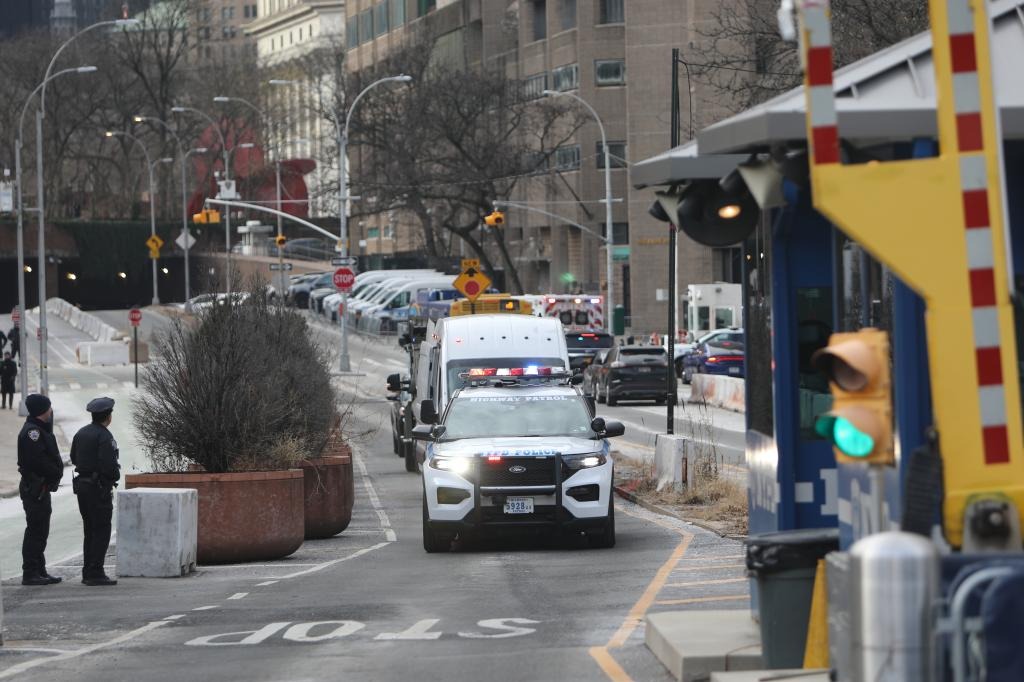
    In an extraordinary legal proceeding that has drawn international condemnation, Venezuelan President Nicolás Maduro and First Lady Cilia Flores appeared before a federal court in New York on Monday, marking their first judicial hearing since being forcibly extracted from their Caracas residence by US military operatives in a nighttime operation on January 3rd.

    The Venezuelan leader, speaking through a court-appointed interpreter, asserted his innocence before being interrupted by the presiding judge. “I was captured,” Maduro declared in Spanish, later adding during formal arraignment: “I am innocent. I am not guilty. I am a decent man, the constitutional president of my country.”

    The operation, characterized by US President Donald Trump as a “large-scale strike,” involved the abduction and subsequent aerial transportation of the presidential couple to US territory. Both individuals are currently detained at the Metropolitan Detention Center in Brooklyn pending further judicial proceedings.

    Flores similarly entered a plea of not guilty to all charges. The court has ordered both defendants remanded in custody, scheduling their next hearing for March 17th.

    Barry Pollack, Maduro’s legal representative, indicated plans to challenge the legality of what he termed a “military abduction”—a move that legal experts suggest could establish unprecedented jurisprudence regarding the extraterritorial apprehension of foreign heads of state.

    Outside the courthouse, substantial demonstrations erupted as protestors condemned Washington’s interventionist actions. Placards bearing messages such as “USA hands off Venezuela,” “No US war on Venezuela,” and “US hands off Venezuela oil” reflected growing public outrage.

    Rae Lee, an early arrival at the protest site, characterized the operation as an “international crime” during remarks to journalists. Having recently visited Venezuela, she challenged mainstream media narratives about the nation’s conditions, noting: “They’ve been building their resilience through the years, and economically they have grown really powerfully.”

    Many demonstrators expressed conviction that economic motivations rather than judicial concerns drove US actions. Imani Henry, another protest participant with firsthand experience in Venezuela, stated unequivocally: “It’s about oil. As with Iran, Afghanistan—it’s about oil. Steal a sovereign president and declare to run their country, and declare that we are gonna steal oil reserves.”

    The case has ignited intense debate regarding sovereignty, international law, and the resurgence of power politics in global affairs, with critics warning of dangerous precedents being established through unilateral military actions against elected foreign leaders.

  • ‘Right-wing network’ marked by inherent fragmentation, experts say

    ‘Right-wing network’ marked by inherent fragmentation, experts say

    A concerted effort by the United States to forge a cohesive global right-wing political network is encountering fundamental structural challenges, according to international relations experts. Since President Donald Trump’s return to power in January 2025, the administration has pursued an aggressive strategy of supporting pro-US conservative movements worldwide through economic measures, diplomatic engagements, and military posturing.

    The initiative has been particularly visible across Latin America, where longstanding US support for conservative forces has evolved into a coordinated campaign. Recent actions include imposing steep tariffs on Brazil during former president Jair Bolsonaro’s trial and sanctioning Colombian President Gustavo Petro over alleged drug ties. The most dramatic escalation occurred with US strikes against Venezuela and the abduction of President Nicolas Maduro, drawing condemnation from multiple Latin American leaders.

    According to Jin Xiaowen, associate professor at Renmin University of China’s School of International Studies, these moves demonstrate that political motivations frequently outweigh economic logic in US foreign policy. The strategy extends beyond the Western Hemisphere, with the US National Security Strategy explicitly endorsing European far-right parties’ opposition to immigration and climate policies. This document, framed by officials as the ‘Trump corollary’ to the Monroe Doctrine, has been embraced by right-wing figures in Germany, Poland, and Hungary as a form of recognition.

    However, experts highlight inherent fragmentation within this emerging network. Yan Shaohua, deputy director of Fudan University’s Center for China-Europe Relations, notes that the coalition functions primarily as an opposition force united against common targets but lacks a constructive shared agenda. Fundamental divisions emerge on critical issues like the Russia-Ukraine conflict, where Hungary’s pro-Russia stance conflicts with Poland’s support for Ukraine.

    The network’s structural fragility becomes apparent when ‘America First’ policies collide with national priorities of other members. Trade protectionism, including US tariffs on allies, creates economic strain and friction. As Yan observes, when concrete policy action is required, right-wing actors inevitably prioritize domestic political agendas over coalition solidarity, revealing the network’s fundamental limitations as a sustainable international alliance.

  • Countries slam US interference in Venezuela at UN

    Countries slam US interference in Venezuela at UN

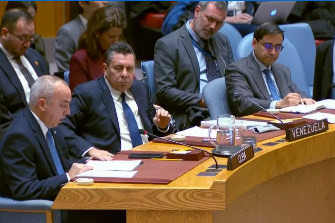
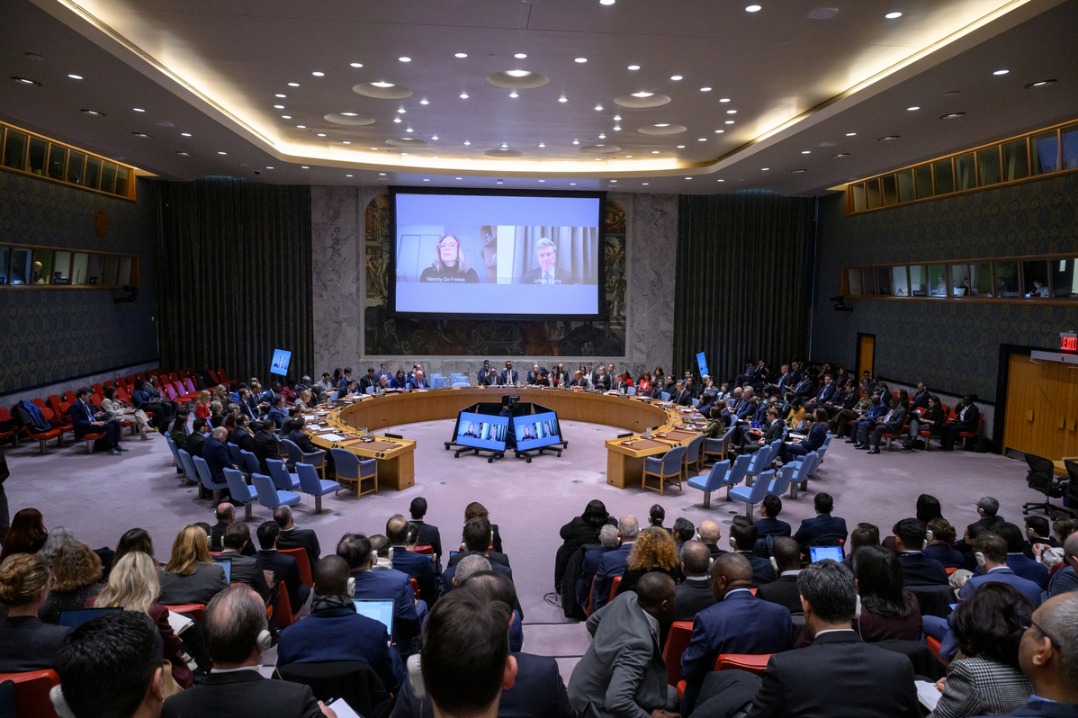
    A wave of international criticism targeted United States policies toward Venezuela during an emergency session of the UN Security Council convened Monday at UN Headquarters in New York. The meeting, focused on the ongoing political situation in Venezuela, became a platform for numerous nations to voice strong opposition to American intervention in the South American country’s internal affairs.

    Diplomatic representatives from multiple countries delivered statements condemning what they characterized as destabilizing interference by the US government in Venezuela’s sovereign matters. The emergency session highlighted growing global concern over external involvement in Venezuela’s political crisis, with several nations emphasizing the fundamental principles of national sovereignty and non-intervention established in the UN Charter.

    The meeting occurred amid heightened tensions surrounding Venezuela’s political leadership and economic challenges. While the US has maintained its position regarding the Venezuelan government, the Security Council discussion revealed significant international resistance to American approaches, suggesting a diplomatic divide within the global community regarding appropriate engagement with Venezuela.

    The coordinated criticism at the UN’s most powerful body represents a notable challenge to US foreign policy in Latin America and demonstrates the complex geopolitical dynamics surrounding the Venezuelan situation. The emergency session underscored how Venezuela’s internal affairs have become a flashpoint for broader debates about sovereignty, intervention, and international law within global governance institutions.

  • UN members denounce US attack

    UN members denounce US attack

    The United Nations Security Council convened its inaugural 2026 session amidst unprecedented diplomatic turmoil, as numerous member states delivered scathing condemnations of the United States’ military operation in Venezuela. The emergency meeting witnessed a remarkable display of international unity against what multiple diplomats characterized as a flagrant violation of established international law and the UN Charter.

    China’s Deputy Permanent Representative to the UN, Sun Lei, articulated the position of many nations when he denounced the American strike as “unilateral, illegal and bullying acts” that represented a dangerous escalation in hemispheric relations. The Chinese diplomat emphasized that Washington had effectively “placed its own power above multilateralism and military actions above diplomatic efforts,” creating grave implications for regional stability throughout Latin America and the Caribbean.

    The controversy stems from Saturday’s large-scale US military operation that resulted in the capture and extradition of Venezuelan President Nicolas Maduro, who subsequently appeared in a New York federal court facing narco-terrorism charges. While US representatives defended the action as a “surgical law enforcement operation,” the overwhelming majority of Security Council members rejected this characterization.

    Russia’s UN Ambassador Vassily Nebenzia joined China in demanding Maduro’s immediate release, labeling the American intervention a “crime cynically perpetrated” that signaled a return to an era of “lawlessness.” This perspective found support across geographical blocs, with representatives from Mexico, Chile, Spain, Brazil, South Africa, Pakistan, and the A3 group (Democratic Republic of Congo, Somalia, and Liberia) all expressing variations of the same fundamental objection: that democracy cannot be imposed through military coercion.

    Notably, US economist Jeffrey Sachs provided expert testimony condemning the operation as violating Article 2, Section 4 of the UN Charter. Sachs contextualized the intervention within a historical pattern of American “covert regime change” operations, citing documentation of approximately 70 such operations between 1947 and 1989 alone.

    The emergency session revealed a stark division between the United States and its few supporters—including Argentina, which framed the operation as anti-narco-terrorism enforcement—versus the majority of international community that viewed the action as establishing a dangerous precedent for unilateral military interventions against sovereign nations.

  • Trump weighs options to acquire Greenland including use of US military: White House

    Trump weighs options to acquire Greenland including use of US military: White House

    The White House has officially acknowledged that the Trump administration is conducting a comprehensive assessment of potential mechanisms to acquire Greenland from Denmark, with Press Secretary Karoline Leavitt confirming the evaluation includes the possible utilization of U.S. military resources. This unprecedented territorial consideration represents one of the most unconventional geopolitical maneuvers in recent American foreign policy.

    The strategic evaluation, which Leavitt described as encompassing “a range of options,” signals a serious governmental exploration rather than mere speculative discussion. The inclusion of military considerations within this assessment framework suggests the administration views Greenland’s acquisition as a matter of national security significance, potentially relating to its strategic Arctic positioning and abundant natural resources.

    This development emerges against the backdrop of increasing global competition for influence in the Arctic region, where melting ice caps are opening new shipping routes and access to previously inaccessible mineral deposits. Greenland’s geographical location offers substantial strategic advantages for whichever nation controls its territory, particularly as Arctic resources become increasingly viable for extraction.

    The confirmation from the White House press secretary elevates what might otherwise be considered diplomatic speculation to the level of formal policy consideration, indicating the administration’s serious commitment to exploring all avenues for expanding U.S. territorial holdings through unconventional means.

  • Aldrich Ames, CIA agent who sold secrets to the Soviets, dies aged 84

    Aldrich Ames, CIA agent who sold secrets to the Soviets, dies aged 84

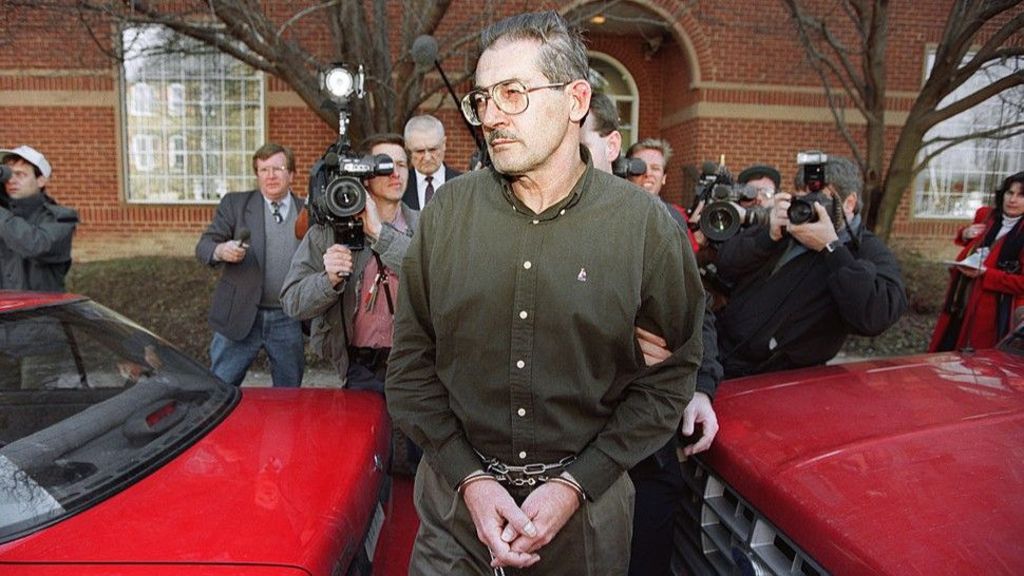
    Aldrich Ames, the former CIA counterintelligence officer who orchestrated one of the most devastating espionage operations in American history, has died at age 84 while serving a life sentence without parole. His death occurred on Monday at the Federal Correctional Institution in Cumberland, Maryland, according to CBS News.

    Ames’ treasonous activities, which began in April 1985, fundamentally compromised U.S. intelligence operations during the final years of the Cold War. Motivated primarily by financial gain, the disgruntled officer initiated his betrayal by providing the KGB with classified information in exchange for $50,000. This initial transaction marked the beginning of a nine-year espionage campaign that would net him approximately $2.5 million from Soviet and later Russian intelligence services.

    Operating under the codename ‘Kolokol’ (The Bell), Ames systematically identified virtually all CIA operatives within Soviet territory. His disclosures resulted in the compromise of more than 100 clandestine operations and the exposure of over 30 Western intelligence agents, leading to the confirmed executions of at least 10 CIA assets.

    The financial rewards enabled Ames to maintain an extravagant lifestyle far beyond his $70,000 annual government salary. He purchased a $540,000 home, drove luxury Jaguar automobiles, and funded extensive foreign travel—all while accumulating substantial debts that further fueled his espionage activities.

    Ames’ 31-year CIA career began in 1962 through his father’s connections within the agency. Despite documented security violations, including leaving classified materials on public transportation, he advanced to lead the CIA’s Soviet counterintelligence department in 1983. His professional success contrasted sharply with personal struggles, including alcoholism and financial mismanagement that ultimately drove his betrayal.

    His second wife, Maria del Rosario Casas Dupuy, a Colombian cultural attaché and CIA asset, was charged as an accomplice but received a reduced sentence of five years after cooperating with investigators. The investigation leading to Ames’ February 1994 arrest represented one of the FBI’s most significant counterintelligence successes.

    Former CIA Director R. James Woolsey characterized Ames as ‘a malignant betrayer of his country,’ noting that agents died because ‘a murdering traitor wanted a bigger house and a Jaguar.’ Ames’ cooperation with authorities secured leniency for his wife but couldn’t mitigate the profound damage inflicted upon U.S. intelligence capabilities during a critical geopolitical period.

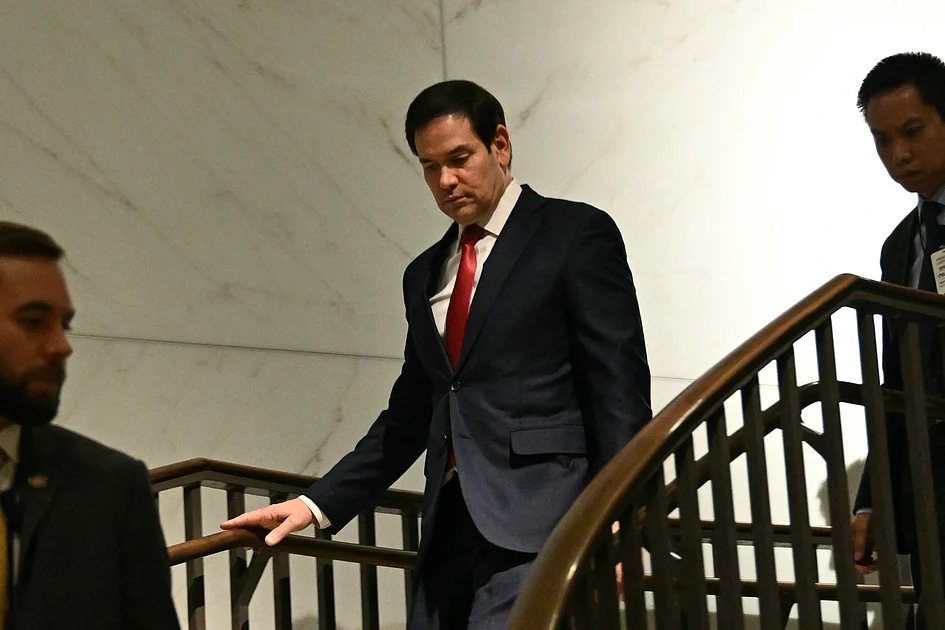
  • Greenland, Denmark ask to meet US Secretary of State Marco Rubio

    Greenland, Denmark ask to meet US Secretary of State Marco Rubio

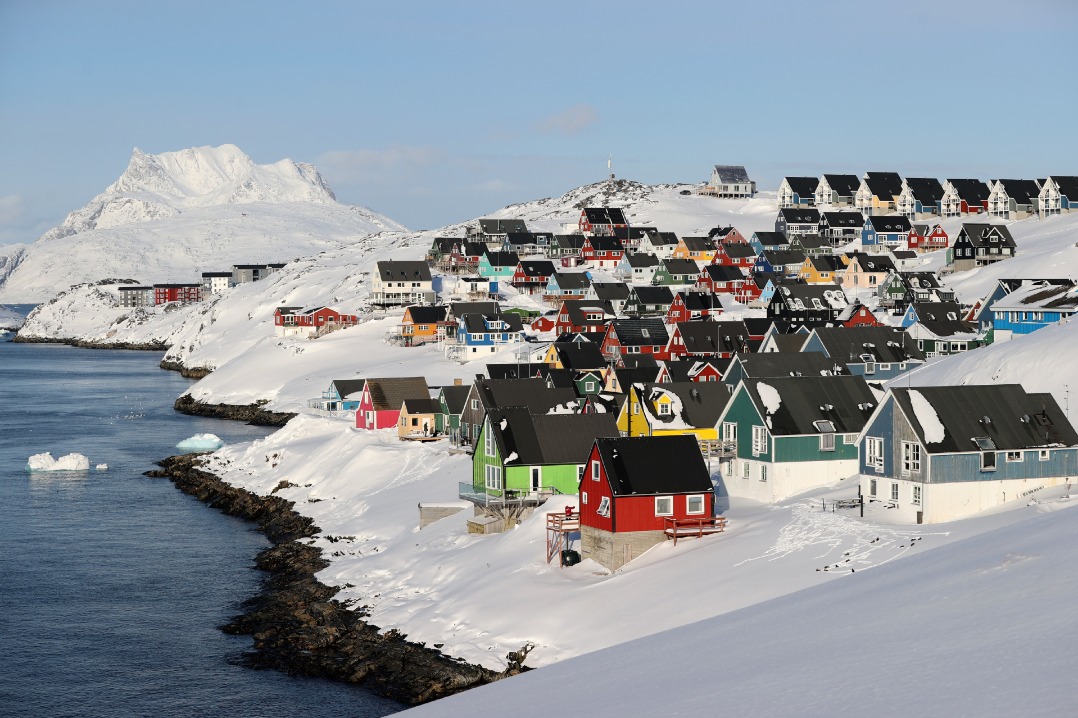
    The governments of Greenland and Denmark have formally requested an expedited high-level meeting with US Secretary of State Marco Rubio following renewed territorial claims about the Arctic island by former President Donald Trump.

    Greenland’s Foreign Minister Vivian Motzfeldt announced the diplomatic initiative through an official Facebook post, stating the meeting’s objective is to address “significant statements made by the United States about Greenland.” The autonomous Danish territory seeks clarification and dialogue regarding Trump’s assertions, which have raised concerns in both Nuuk and Copenhagen.

    Minister Motzfeldt revealed that despite persistent efforts throughout 2025, both the Greenlandic and Danish governments have been unable to secure a ministerial-level meeting with Secretary Rubio. This continued lack of engagement has prompted the current urgent request for diplomatic discussions.

    The situation highlights ongoing geopolitical tensions in the Arctic region, where Greenland’s strategic importance has attracted international attention. The island’s vast natural resources and strategic location have made it a subject of interest for global powers, including the United States, China, and Russia.

    This development occurs amid changing Arctic dynamics due to climate change, which has opened new shipping routes and made previously inaccessible resources potentially available. The diplomatic request underscores the complex relationship between Greenland, Denmark, and the United States, particularly regarding sovereignty and regional influence in the rapidly changing polar landscape.

  • Brown University gunman recorded videos saying attack was planned for months

    Brown University gunman recorded videos saying attack was planned for months

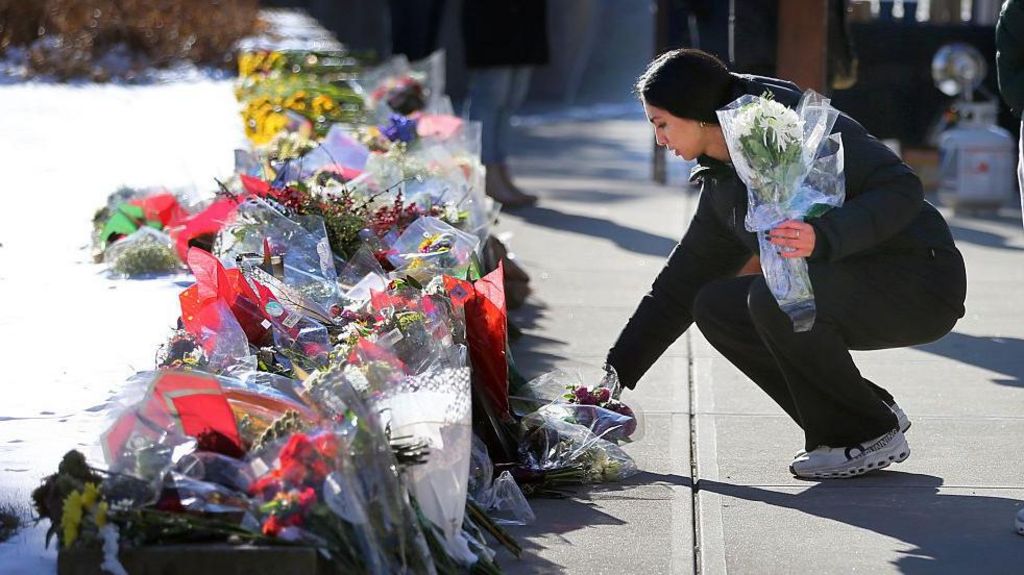
    Federal investigators have released disturbing confessional-style videos revealing that a gunman meticulously planned his deadly shooting spree across multiple universities over several months. Claudio Manuel Neves Valente, 48, documented his preparations in Portuguese before executing attacks that claimed three lives and injured nine others.

    According to translated transcripts released by the U.S. Attorney’s Office for the District of Massachusetts, Valente stated he spent ‘six semesters’ planning the December 13th assault at Brown University in Providence, Rhode Island. The attack resulted in the deaths of two students—19-year-old Ella Cook and 18-year-old Mukhammad Aziz Umurzokov—and left nine others wounded.

    Two days following the campus shooting, Valente traveled to Massachusetts where he fatally shot MIT professor Nuno Loureiro at his residence near Boston. Investigators confirmed both men had attended the same university in Portugal and were believed to be acquainted, though no specific motive for targeting either institution was provided in the recordings.

    The footage, discovered in a New Hampshire storage unit alongside Valente’s body on December 18th following a multi-state manhunt, shows the gunman expressing zero remorse for his actions. Instead, he blamed his unarmed victims for their own deaths and complained about a self-inflicted injury sustained during the professor’s shooting when a bullet casing struck his eye.

    Despite his violent actions, Valente denied having mental illness or anti-American sentiments in his recordings, calling his decision to immigrate to the United States a ‘mistake’ while asserting he held ‘no hatred towards America.’

    The prolonged investigation and delayed suspect identification drew significant criticism, though prosecutors have confirmed there is no ongoing threat to public safety while the investigation continues.

  • 55 Cuban, Venezuelan troops killed during US capture of Maduro: official tolls

    55 Cuban, Venezuelan troops killed during US capture of Maduro: official tolls

    A military operation conducted by United States forces in Caracas has resulted in the deaths of fifty-five Cuban and Venezuelan military personnel, according to official statements released by both nations. The incident occurred during a nighttime assault on January 3rd that led to the capture of Venezuelan leader Nicolás Maduro from his residence.

    Venezuelan Defense Minister Vladimir Padrino López characterized the operation as a brutal engagement, stating that Maduro’s presidential guard was largely eliminated ‘in cold blood’ by American troops who initiated bombardment in the capital city. The minister’s comments, delivered on Sunday, described the operation as disproportionate in its use of force.

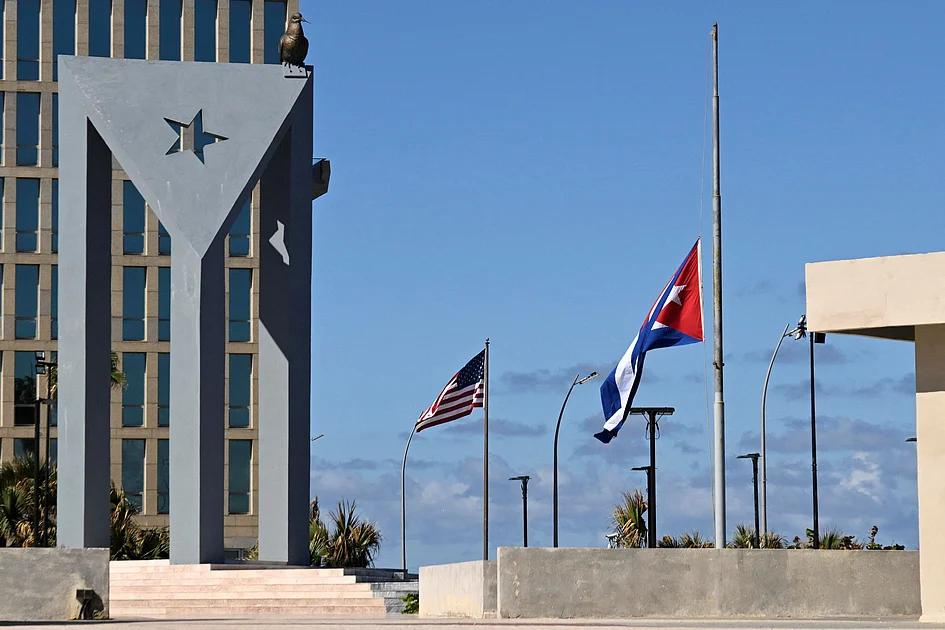
    Cuba subsequently released the identities of thirty-two deceased military members, including three high-ranking officers from the country’s interior ministry. Simultaneously, Venezuela published an online memorial honoring twenty-three fallen personnel, among them five admirals from its naval forces.

    The longstanding military cooperation between Cuba and Venezuela, maintained despite consistent pressure from Washington, represents a strategic alliance that has persisted through both the Chavez and Maduro administrations. This partnership extends beyond defense to include collaborative efforts in public health and educational exchanges, forming a cornerstone of leftist governance in the region.

    The operation marks a significant escalation in international tensions regarding Venezuela’s political leadership, which has faced sustained opposition from Western governments questioning the legitimacy of Maduro’s presidency since his controversial 2018 re-election.