标签: North America

北美洲

  • Minnesota officials say FBI blocked their access to ICE shooting probe

    Minnesota officials say FBI blocked their access to ICE shooting probe

    A deepening jurisdictional conflict has emerged between Minnesota state authorities and federal agencies regarding the investigation into the fatal shooting of 37-year-old Renee Good by a U.S. Immigration and Customs Enforcement (ICE) agent. The incident, which occurred Wednesday in Minneapolis, has sparked public outrage and street protests while exposing significant tensions between state and federal governance.

    Minnesota’s Bureau of Criminal Apprehension (BCA) announced it has ‘reluctantly withdrawn’ from the investigation after the FBI reversed an initial agreement for joint cooperation and denied state officials access to critical evidence and case materials. This development came despite earlier assurances of collaborative oversight between federal and state law enforcement agencies.

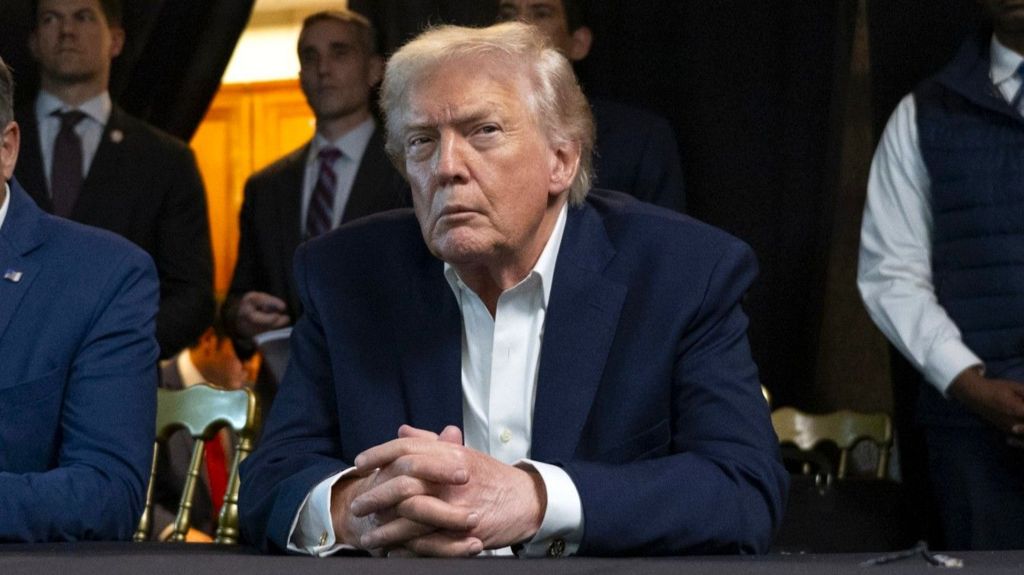
    At the heart of the controversy are conflicting narratives about the circumstances leading to Good’s death. The Trump administration, through Homeland Security Secretary Kristi Noem, maintains the ICE agent acted in self-defense, claiming Good attempted to run over the officer with her vehicle. Conversely, local officials assert that the woman posed no credible threat to the armed federal agents.

    Minnesota Governor Tim Walz expressed profound concerns about the integrity of the investigation, stating that the federal government’s exclusion of state authorities undermines the possibility of an unbiased outcome. ‘It feels now that Minnesota has been taken out of the investigation,’ Walz commented during a Thursday news conference. ‘It feels very, very difficult that we will get a fair outcome.’

    Vice President JD Vance countered these concerns by characterizing the investigation as exclusively federal matter, arguing that local involvement would contradict established legal precedents for cases involving federal officers.

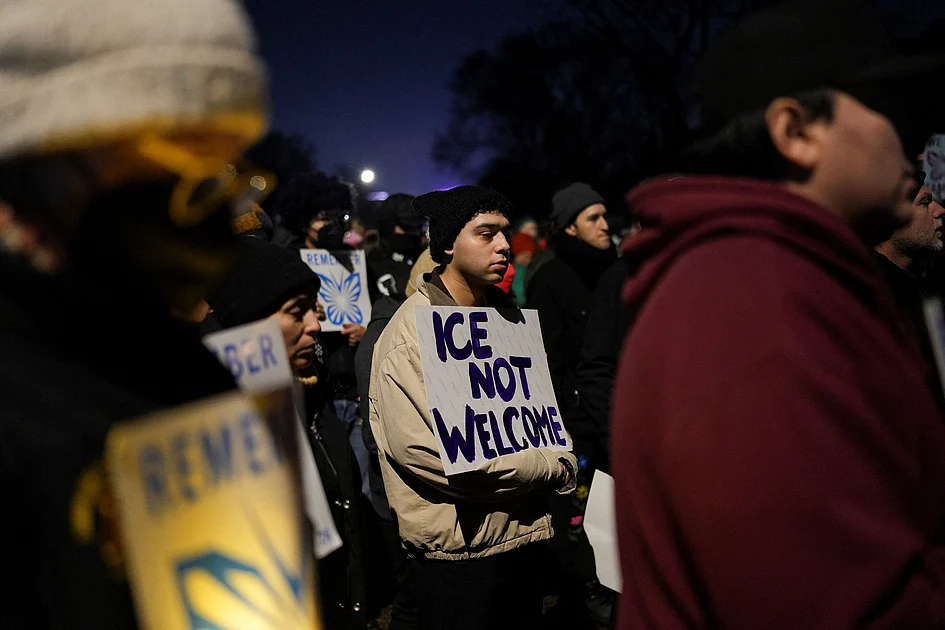
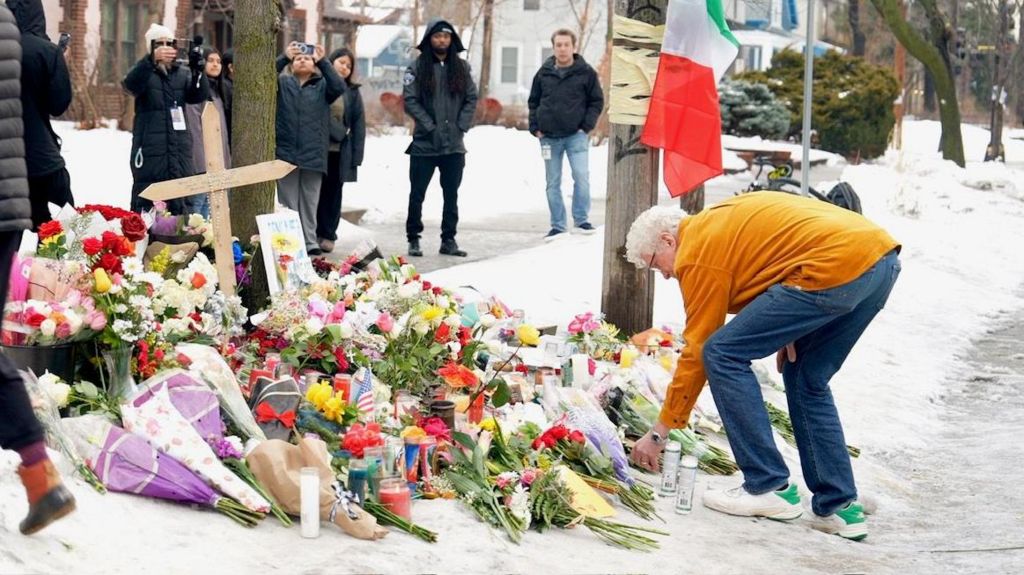
    Community response has been immediate and emotional. Hundreds of demonstrators gathered at the shooting site and federal buildings in Minneapolis, creating memorials with candles and roses while demanding accountability. Those who knew Good described her as a compassionate poet and musician who had recently moved to Minneapolis. Her mother, Donna Ganger, told local media her daughter was ‘probably terrified’ during the fatal confrontation.

    Criminologist Edward Maguire of Arizona State University noted that the jurisdictional dispute likely reflects political efforts to control the investigation’s narrative rather than purely legal considerations. Legal experts suggest Minnesota could still pursue criminal charges against the federal officer once the FBI completes its investigation.

    The case continues to develop amid growing tensions between state and federal authorities, with community members maintaining vigil at the shooting site and promising continued protests until justice is served.
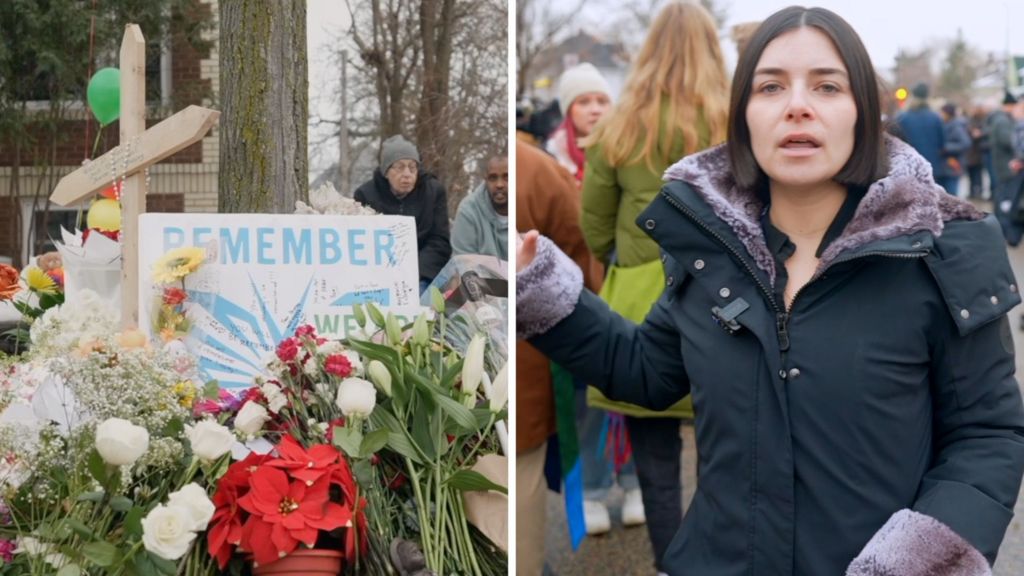
  • Watch: BBC speaks to Minneapolis residents gathered at shooting site

    Watch: BBC speaks to Minneapolis residents gathered at shooting site

    A somber gathering unfolded in Minneapolis as community members assembled at a makeshift memorial honoring Renee Good, who was fatally shot by a U.S. immigration agent just one day prior. The impromptu vigil served as both a tribute to the deceased and a focal point for collective grief and rising public concern. Local residents, visibly distraught, congregated at the site of the shooting to pay their respects, leaving flowers, candles, and personal notes. The incident has ignited urgent conversations regarding law enforcement protocols and the use of lethal force by federal immigration authorities in community settings. Eyewitnesses at the memorial shared their anguish with reporters, calling for transparency and a thorough investigation into the circumstances that led to the shooting. The emotional gathering underscores a deepening tension between federal agencies and the communities they operate within, highlighting demands for accountability and justice.

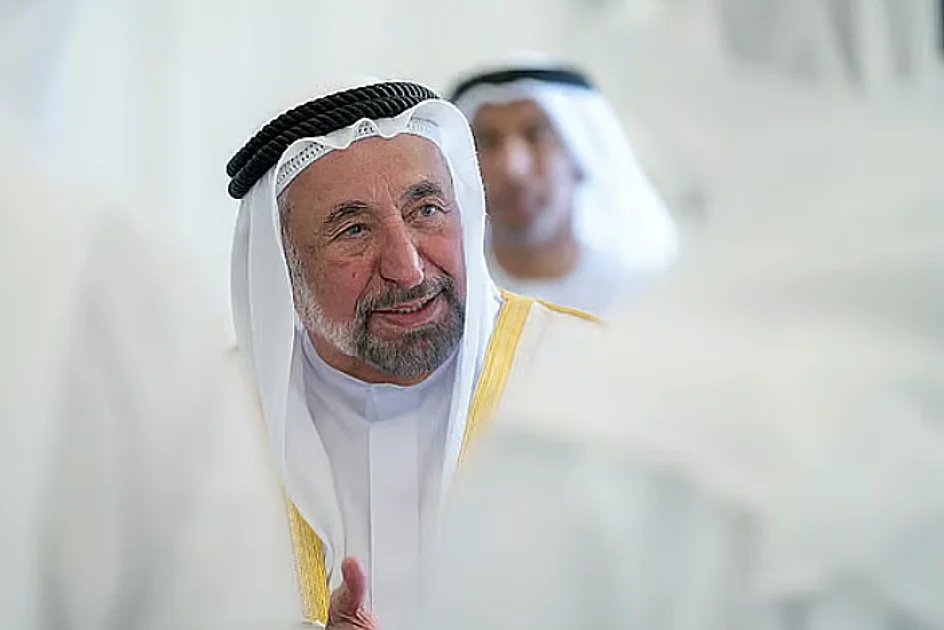
  • Sharjah Ruler raises monthly social support to Dh17,500 for 4,237 cases

    Sharjah Ruler raises monthly social support to Dh17,500 for 4,237 cases

    In a significant move to strengthen social welfare protections, Sharjah’s Ruler Sheikh Dr. Sultan bin Mohammed Al Qasimi has authorized a substantial increase in monthly financial assistance for vulnerable residents. The enhanced program will provide 17,500 AED (approximately $4,765) per month to 4,237 eligible cases across the emirate, representing an annual investment exceeding 404 million AED.

    The comprehensive social support initiative specifically targets several demographic groups facing economic challenges. Elderly residents constitute the largest beneficiary group with 3,126 cases, followed by 877 divorced women and 134 widows. Additionally, 100 low-income households comprising two or more persons aged 45-59 will receive the enhanced assistance.

    Implementation will follow a phased approach beginning in Sharjah City, where 2,415 cases will receive support costing over 231 million AED annually. Subsequent expansion will cover Khor Fakkan (513 cases, 50 million AED), Kalba (588 cases, 57 million AED), Dibba Al-Hisn (248 cases, 23 million AED), and Al Dhaid (173 cases, 16.4 million AED).

    The welfare enhancement forms part of Sharjah’s broader strategy to establish an integrated social safety net. In parallel developments, the Ruler has approved processing 560 employment requests and addressing 672 housing rent cases, while accelerating housing construction applications across the emirate.

    This initiative follows closely after Sheikh Dr. Sultan’s January 5 directive increasing support for Department of Islamic Affairs employees. In another significant policy shift, mosque imams previously working under stipend arrangements will be transitioned to official government payroll positions effective January 1, with retroactive compensation for their prior service period.

  • Explainer: Can the ICE agent who fatally shot Minneapolis woman be prosecuted?

    Explainer: Can the ICE agent who fatally shot Minneapolis woman be prosecuted?

    A profound legal and political confrontation has emerged following the fatal shooting of a 37-year-old Minneapolis woman by a U.S. Immigration and Customs Enforcement (ICE) agent during Wednesday’s federal operations. The incident has ignited intense scrutiny over the boundaries of federal authority and accountability mechanisms for law enforcement personnel.

    The Department of Homeland Security initially characterized the shooting as defensive, claiming the agent feared for his life when a “violent rioter” allegedly attempted to run over officers. However, this official narrative faces serious challenges from video evidence authenticated by Reuters, which depicts a more complex sequence of events. The footage reveals agents approaching the vehicle, with one officer moving in front of the car before discharging multiple rounds as the driver attempted to maneuver away from the scene.

    At the heart of the legal controversy lies the doctrine of federal immunity, which typically shields federal agents from state prosecution for actions undertaken within their official capacity. Minnesota state law permits deadly force only when reasonable officers would deem it necessary to prevent death or serious harm—a standard that mirrors federal guidelines but operates within different jurisdictional frameworks.

    The potential for state prosecution faces significant hurdles, as the agent could petition for case removal to federal court and assert immunity protections. Successfully prosecuting such cases requires demonstrating that the officer’s actions were objectively unreasonable, clearly unlawful, or fell outside official duties—a formidable legal challenge given existing precedents.

    Federal prosecution remains equally improbable due to the exceptionally high evidentiary threshold. Prosecutors would need to establish that the agent knowingly violated constitutional rights or acted with reckless disregard for legal boundaries—a standard that has resulted in few successful cases against law enforcement officials.

    The incident has reignited debates about qualified immunity, which protects federal officers from civil lawsuits unless their conduct unequivocally violates established constitutional rights. This legal principle, extensively documented in Reuters’ 2020 investigative series, has frequently shielded officers from accountability in excessive force cases.

    With the Trump administration maintaining support for the agent’s actions, the case exemplifies deepening tensions between federal enforcement strategies and local accountability measures, potentially establishing significant precedents for future law enforcement interactions during federal operations.

  • Nvidia’s Jensen Huang: no problem with California billionaire tax

    Nvidia’s Jensen Huang: no problem with California billionaire tax

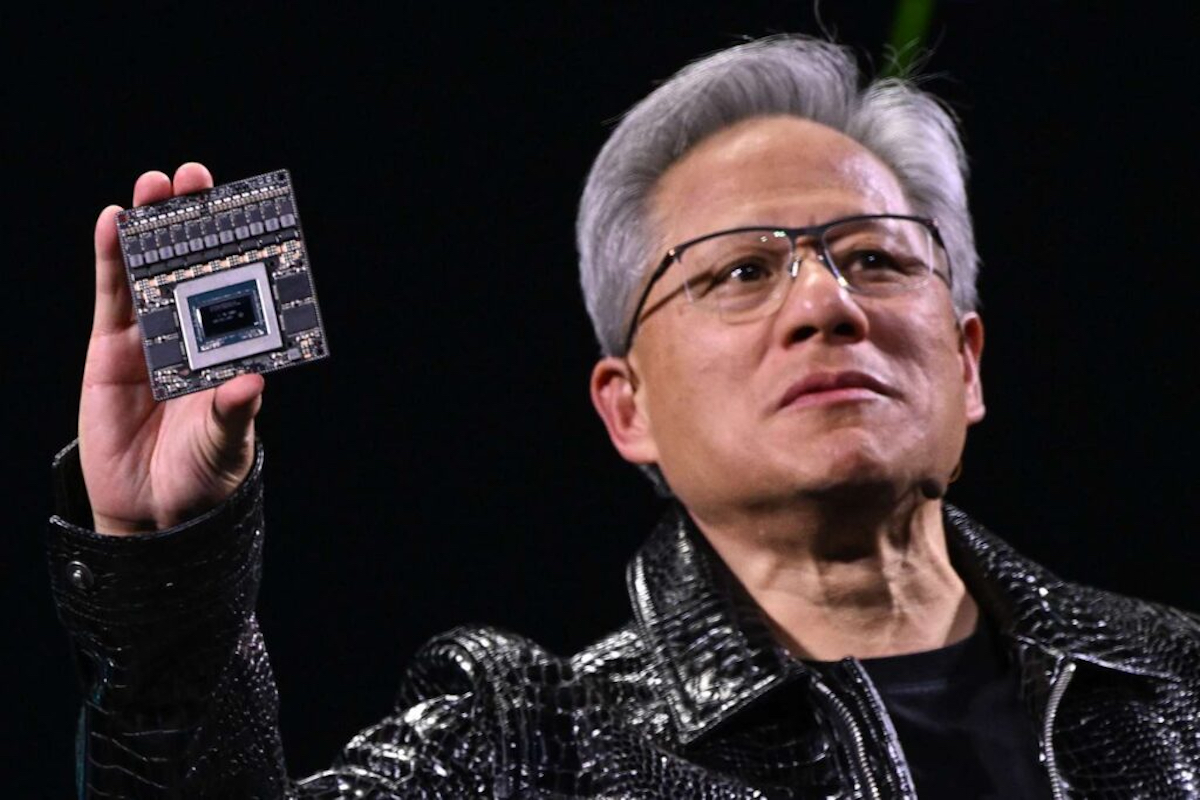
    Nvidia CEO Jensen Huang, ranked as the world’s eighth-wealthiest individual with a net worth of $165 billion, has expressed surprising support for a proposed one-time wealth tax targeting California’s billionaire residents. In a recent Bloomberg interview, Huang demonstrated remarkable equanimity toward the potential 5% levy that would cost him approximately $8 billion, stating he is “perfectly fine” with the proposal.

    The tech magnate’s response stands in stark contrast to the alarmed reactions from other wealthy Californians. “We chose to live in Silicon Valley, and whatever taxes, I guess, they would like to apply, so be it,” Huang remarked with notable nonchalance. When questioned about the tax initiative, he revealed that “it never crossed my mind once.”

    The proposed ballot measure, if approved by California voters in November, would impose a one-time tax on approximately 200 billionaires residing in the state as of January 1, 2026. Affected individuals would have payment flexibility, allowing them to settle their tax obligation either immediately or across a five-year period. The estimated $100 billion revenue generated would be allocated to bolster the state’s healthcare infrastructure, food assistance programs, and educational resources.

    This wealth tax proposal emerged as a direct response to substantial Medicaid cuts implemented by President Donald Trump and the Republican-controlled Congress during summer 2025. The initiative has garnered support from labor organizations, including the Service Employees International Union-United Healthcare Workers West, whose chief of staff Suzanne Jimenez applauded Huang’s pragmatic stance.

    Huang’s position diverges significantly from other tech elites like David Sacks, the White House cryptocurrency czar who relocated to Texas in late 2025 apparently to avoid potential tax implications. Sacks predicted that Austin would replace San Francisco as America’s tech capital in response to what he termed “socialism.”

    Matt Bruenig, founder of the left-leaning People’s Policy Project, characterized Huang’s reaction as appropriate given the minimal impact relative to his substantial wealth: “‘Who cares?’ is absolutely the appropriate reaction. It means nothing to him.”

  • Chinese companies maintain strong presence at CES 2026 in Las Vegas

    Chinese companies maintain strong presence at CES 2026 in Las Vegas

    LAS VEGAS – The 2026 Consumer Electronics Show (CES) commenced on January 6th with Chinese technology enterprises demonstrating a remarkably robust participation footprint at this premier global technology exhibition. Despite evolving geopolitical dynamics, China’s innovation sector continues to showcase cutting-edge advancements across multiple technological domains at the Las Vegas convention center.

    The annual CES event, recognized as one of the world’s most influential technology exhibitions, has historically served as a platform for Chinese manufacturers to demonstrate their technological capabilities and global market ambitions. This year’s participation underscores China’s persistent commitment to maintaining its competitive edge in the global technology landscape despite international market challenges.

    Industry analysts note that Chinese representation spans multiple high-tech sectors including artificial intelligence, smart home ecosystems, electric vehicle technology, and next-generation display systems. The strong showing occurs amid ongoing global supply chain transformations and shifting international trade relationships that have characterized the technology sector in recent years.

    Technology specialists observing the event highlight that Chinese companies appear focused on establishing collaborative international partnerships while simultaneously showcasing independent technological innovations. This dual approach reflects the complex realities of global technology development where cross-border cooperation and national technological sovereignty increasingly coexist.

    The sustained Chinese presence at CES 2026 provides critical insights into the evolving architecture of global technology competition and cooperation frameworks, offering stakeholders valuable perspectives on future technological trajectories and market developments.

  • Two starkly opposed Americas laid bare by deadly ICE shooting

    Two starkly opposed Americas laid bare by deadly ICE shooting

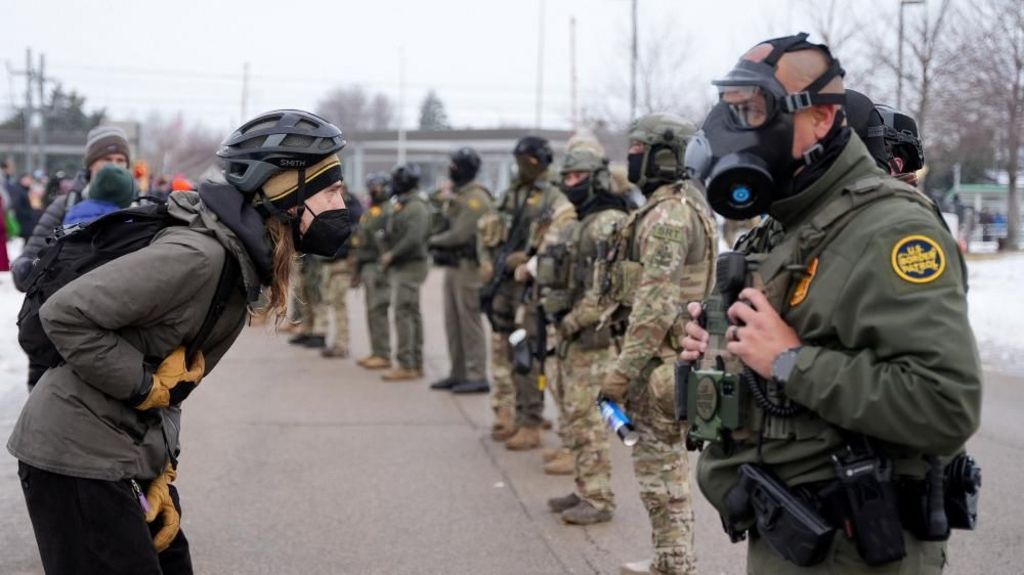
    A fatal shooting involving a federal immigration officer in Minneapolis has ignited intense political polarization across the United States, revealing profound divisions in the ongoing national debate over immigration enforcement. The incident, which resulted in the death of 37-year-old Renee Good, has prompted starkly contrasting narratives from federal and local officials despite multiple video recordings capturing the event.

    Federal authorities, including Homeland Security Secretary Kristi Noem and President Donald Trump, characterized the shooting as a justified response to what they described as a ‘domestic terror attack’ and ‘professional agitator’ activity. In contrast, Minnesota Democratic leadership, including Mayor Jacob Frey and Governor Tim Walz, condemned the federal officer’s use of lethal force as ‘reckless’ and ‘totally avoidable,’ linking it to recent surges in immigration enforcement operations.

    The political fallout intensified when federal investigative agencies withdrew from cooperation with Minnesota’s state-level investigation, assuming exclusive control over the inquiry into the officer’s actions. This jurisdictional conflict underscores the deepening tension between state and federal authorities regarding immigration policy implementation.

    Historical context adds layers of significance to the Minneapolis incident, occurring just miles from where George Floyd’s killing sparked nationwide protests in 2020. Governor Walz has activated the National Guard as precautionary measure against potential civil unrest, while acknowledging the state’s unfortunate position as a recurring flashpoint for national controversies.

    The shooting represents at least the ninth immigration-enforcement-related shooting since September, according to New York Times reporting, highlighting patterns of escalated force during vehicle-targeted operations. Democratic officials nationwide are amplifying calls for increased law enforcement accountability and oversight mechanisms.

    The Trump administration maintains that its aggressive enforcement approach reflects electoral mandates and points to reduced undocumented entries as evidence of effectiveness. Vice-President JD Vance defended the Minneapolis officer’s actions, asserting that the driver attempted to prevent lawful duty execution.

    With even video evidence subject to contradictory interpretations along political lines, the Minneapolis shooting exemplifies how preexisting ideological positions shape factual analysis in contemporary American politics, demonstrating the formidable challenges facing national consensus on immigration policy.

  • India defends antitrust penalty law in Apple fight

    India defends antitrust penalty law in Apple fight

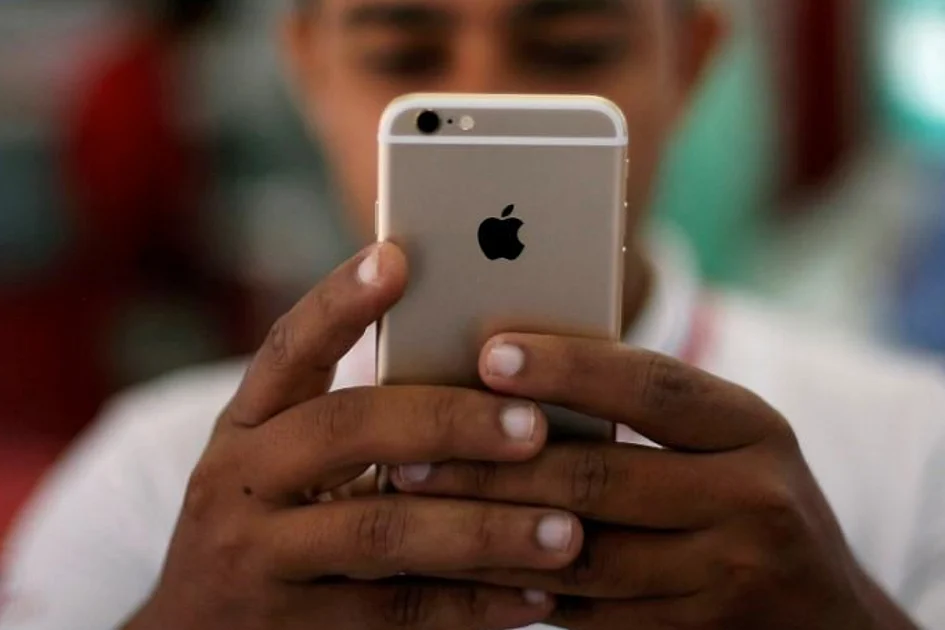
    India’s Competition Commission (CCI) has formally defended its controversial antitrust penalty legislation before the Delhi High Court, pushing back against Apple’s legal challenge to the 2024 measure that allows fines based on global revenue. The regulatory body asserts that the law brings Indian competition enforcement in line with international standards and serves as a crucial deterrent against violations by multinational corporations.

    In court documents dated December 15, the CCI argued that calculating penalties based solely on India-specific turnover would fail to adequately penalize global digital giants for anti-competitive behavior. The regulator emphasized that this approach ensures penalties ‘retain real deterrent value in complex, digital and cross-border markets’ rather than becoming ‘nominal or easily absorbable for large multinational players.’

    Apple initiated legal proceedings in November 2025, seeking to invalidate the law which it claims could expose the company to disproportionate penalties reaching up to $38 billion in a separate case involving alleged App Store dominance. The technology giant contends the CCI is illegally applying the legislation retroactively and that penalties should reflect only India-based operations.

    The CCI countered that the legislation merely clarifies existing powers that always allowed penalties of up to 10% of a company’s turnover, and that clarificatory provisions operate retrospectively as they ‘explain the true intent of the legislature.’ The regulator accused Apple of attempting to misguide the court, noting it had specifically requested only India-specific financial details despite its broader authority.

    The high-stakes legal battle, scheduled for hearing on January 27, 2026, carries significant implications for other multinational corporations including Pernod Ricard, Publicis, and Amazon, all of which face ongoing antitrust scrutiny in India.

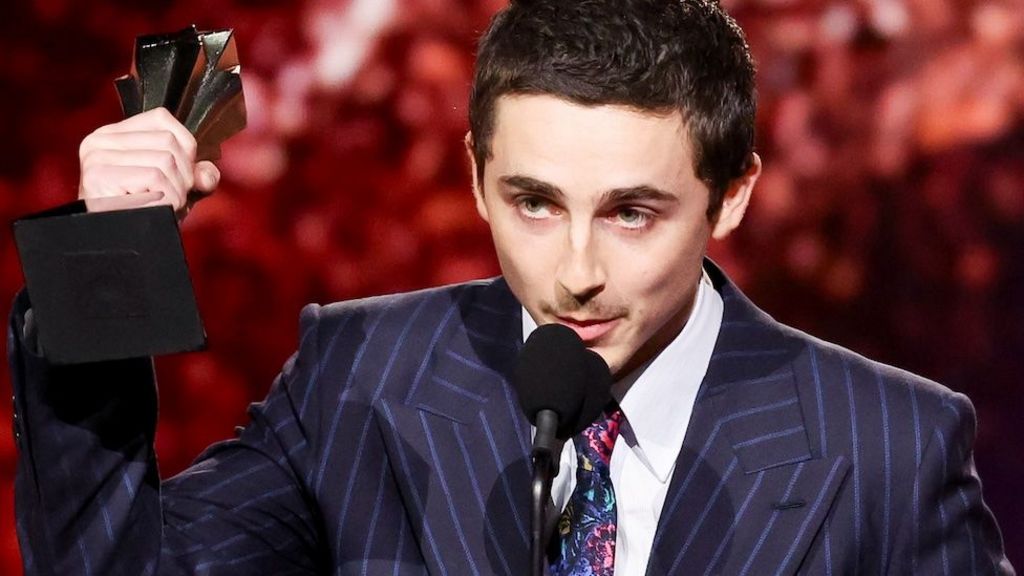
  • Weekly quiz: Which sport helped Timothée Chalamet win a Best Actor award?

    Weekly quiz: Which sport helped Timothée Chalamet win a Best Actor award?

    The past week witnessed significant developments across global affairs, commerce, and social discourse, capturing international attention. In a dramatic escalation of tensions, United States authorities conducted a surprise operation resulting in the apprehension of Venezuelan President Nicolás Maduro at his private residence. This bold maneuver represents a substantial intensification of Western pressure on the South American nation’s leadership.

    Concurrently in the retail sector, Claire’s Stores Inc., the ubiquitous accessories retailer found in shopping centers worldwide, confronted mounting financial instability. The company grappled with severe liquidity challenges that threatened its operational continuity, signaling deeper troubles within the traditional brick-and-mortar retail industry.

    In the cultural sphere, actress and public figure Ashley Tisdale leveraged her platform to address concerning social dynamics, speaking out against perceived toxicity within certain parenting communities. Her critique highlighted the psychological pressures and judgmental environments that some maternal support groups foster, bringing attention to modern parenting challenges in the digital age.

    These disparate yet significant events collectively painted a picture of a week characterized by geopolitical boldness, economic vulnerability, and social consciousness, demonstrating the interconnected nature of global developments across political, economic, and societal domains.

  • Bowen: Trump risks pushing world back to age of empires

    Bowen: Trump risks pushing world back to age of empires

    In a dramatic escalation of hemispheric policy, former Venezuelan President Nicolás Maduro has been captured by U.S. special forces and transported to a detention facility in Brooklyn, New York. The operation, monitored in real-time by former President Donald Trump from his Mar-a-Lago estate, represents what Trump characterizes as a “decisive victory” for his administration’s foreign policy approach.

    Trump enthusiastically described the operation to Fox News, marveling at the “speed and violence” of the tactical mission that resulted in Maduro’s capture without American casualties. The former president framed the intervention as demonstrating his administration’s commitment to following through on campaign promises through direct action.

    This operation signals the emergence of what Trump has rebranded as the “Donroe Doctrine” – an intensified version of the nineteenth-century Monroe Doctrine that asserts unprecedented U.S. dominance throughout the Western Hemisphere. The policy explicitly warns rival powers, particularly China, to avoid regional engagement and claims expanded American authority over resources and governance across Latin America and beyond.

    Strategic resources appear central to this policy shift, with Venezuela’s substantial oil reserves and Greenland’s mineral deposits specifically identified as priorities. Trump administration officials have indicated willingness to use military and economic coercion against nations perceived as “out of line,” with Colombia, Mexico, Cuba, and Denmark explicitly warned about potential future actions.

    The approach represents a fundamental break from established U.S. foreign policy traditions. Unlike previous administrations that sought legitimacy through international institutions or alliances, Trump’s doctrine operates explicitly through assertions of raw power and national interest. This marks a departure from both the isolationism of George Washington’s farewell address and the alliance-building of the post-World War II Truman Doctrine that established NATO and transatlantic partnerships.

    Stephen Miller, a key Trump adviser, articulated this worldview on CNN, describing international relations as governed by “strength, force, and power” rather than diplomatic conventions or multilateral agreements. This perspective challenges the rules-based international order that has predominated since World War II, potentially returning to a nineteenth-century model of spheres of influence and great power competition.

    The capture of Maduro and declaration of the Donroe Doctrine suggests a fundamental reorientation of American foreign policy toward explicit unilateralism and resource acquisition, with implications for global stability and international law.