标签: North America

北美洲

  • Dolby showcases latest innovations at CES 2026, highlighting Chinese partnership

    Dolby showcases latest innovations at CES 2026, highlighting Chinese partnership

    At the 2026 Consumer Electronics Show in Las Vegas, Dolby Laboratories unveiled groundbreaking advancements in immersive technology while highlighting its strategic collaborations with leading Chinese manufacturers. The audio-visual pioneer demonstrated how these partnerships are accelerating the adoption of premium entertainment experiences across multiple consumer platforms.

    The centerpiece of Dolby’s exhibition was Dolby Vision 2, representing a significant evolution from the established Dolby Vision standard. This next-generation imaging technology delivers unprecedented picture authenticity and performance optimization for modern television displays. According to Dolby engineers, the innovation addresses evolving consumer expectations by enhancing visual quality across all screen sizes and entertainment formats.

    Chinese television manufacturers emerged as early adopters of this technology. Hisense announced integration of Dolby Vision 2 across its premium RGB-MiniLED television series, including UX, UR9 and UR8 models, with plans to extend compatibility to additional MiniLED TVs through future firmware updates. Similarly, TCL confirmed implementation within its 2026 X QD-Mini LED TV Series and C Series products.

    Javier Foncillas, Dolby’s Vice-President of Commercial Partnerships and Global Sales, emphasized the strategic importance of Chinese collaborations: “Hisense and TCL exemplify ideal innovation partners who rapidly implement emerging technologies. Our assessment identifies Chinese companies as particularly advanced in automotive, mobile and social media applications.”

    The automotive sector featured prominently in Dolby’s showcase, with Chinese electric vehicle manufacturer NIO presenting its ET9 luxury sedan equipped with both Dolby Vision and Dolby Atmos. Industry analysis reveals at least 35 automotive manufacturers now incorporate Dolby Atmos technology, with Chinese EV manufacturers representing a substantial portion of new implementations.

    Foncillas noted the distinctive advantages of Chinese partnerships: “Startup culture and leadership engagement create exceptional implementation velocity. Company founders frequently prioritize cutting-edge technology integration, creating mutually beneficial development relationships.”

    Beyond television and automotive applications, Chinese dominance extends to mobile and social media platforms. Smartphone brands including Oppo, Vivo and Xiaomi have adopted Dolby technologies, while platforms like Bilibili and Douyin have implemented Dolby Vision support.

    The executive cited Shanghai’s innovation ecosystem as particularly influential, referencing collaborations with music studios, gaming companies and eSports organizations utilizing Atmos technology. These partnerships reflect Dolby’s expanding footprint across China’s diverse digital entertainment landscape.

  • Nevada eyes Chinese tech cooperation to boost economic diversification

    Nevada eyes Chinese tech cooperation to boost economic diversification

    In a strategic move to accelerate its economic transformation, the US state of Nevada is actively pursuing deeper technological and trade cooperation with China. Lieutenant Governor Stavros Anthony articulated this vision during the recent Consumer Electronics Show (CES) in Las Vegas, signaling a deliberate shift from the state’s iconic gaming and tourism image toward a diversified, innovation-driven economy.

    Anthony emphasized that Nevada’s longstanding diversification strategy now prioritizes attracting global high-tech enterprises, with Chinese technology firms representing a key demographic. This outreach occurs against the backdrop of enduring US-China trade tensions, yet Nevada maintains its commitment to being a business-friendly jurisdiction open to international investment.

    Chinese technological prowess was prominently displayed at CES 2026, where companies led advancements in robotics, intelligent automotive systems, next-generation displays (MiniLED and rollable OLED), AI applications, smart home ecosystems, and clean energy solutions. Multiple Chinese manufacturers received CES Innovation Awards, evidencing their manufacturing sophistication and design innovation.

    Nevada’s development priorities align closely with these technological strengths. The state is actively promoting sustainable industries, particularly those focused on water conservation and energy efficiency—critical concerns given its arid climate. Anthony explicitly welcomed Chinese companies specializing in renewable energy and water-efficient technologies to explore investment opportunities within the state.

    The historical context underpins this modern partnership. Chinese immigrants contributed significantly to Nevada’s 19th-century development through mining and railroad construction. Today, China remains Nevada’s largest import source, supplying electronics, machinery, and furniture, making the state one of the most reliant on Chinese goods in the US.

    Demonstrating its commitment, Nevada’s leadership formally recognized leading Chinese brands including Huawei, TCL, Haier, and Hisense at the Global Top Brands Awards ceremony co-hosted during CES, acknowledging their global innovative contributions. Anthony concluded by reinforcing Nevada’s ambition to be a ‘global state’ that collaborates internationally, including with China, to build a resilient and sustainable economic future.

  • Argentine historian and journalist condemns US imperialist aggression

    Argentine historian and journalist condemns US imperialist aggression

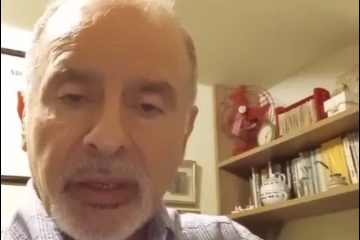
    In a stark condemnation of recent military actions, prominent Argentine historian and journalist Néstor Restivo has characterized United States operations in South America as unprecedented imperialist aggression. Restivo emphasized that this marks the first historical instance of direct US military engagement against a capital city within the South American continent.

    The academic warned that such unilateral actions represent a severe breach of international norms that is systematically dismantling Latin American unity and regional integration efforts. According to Restivo, these operations have created exceptionally challenging circumstances for the entire continent, undermining decades of diplomatic progress and regional cooperation frameworks.

    Amidst these developments, Restivo identified emerging counterbalancing forces in the Global South, particularly through the BRICS alliance (Brazil, Russia, India, China, and South Africa). He portrayed these nations as advocating for an alternative international framework based on mutual cooperation, peaceful resolution of conflicts, and renewed respect for established global governance protocols. This perspective suggests a significant geopolitical realignment, with Global South nations increasingly asserting their influence against traditional Western hegemony.

    The analysis comes amid growing international scrutiny of US foreign policy in Latin America, with many regional observers expressing concern about the long-term implications for sovereignty and self-determination in the hemisphere.

  • $1.5t military budget for 2027 sparks war concerns

    $1.5t military budget for 2027 sparks war concerns

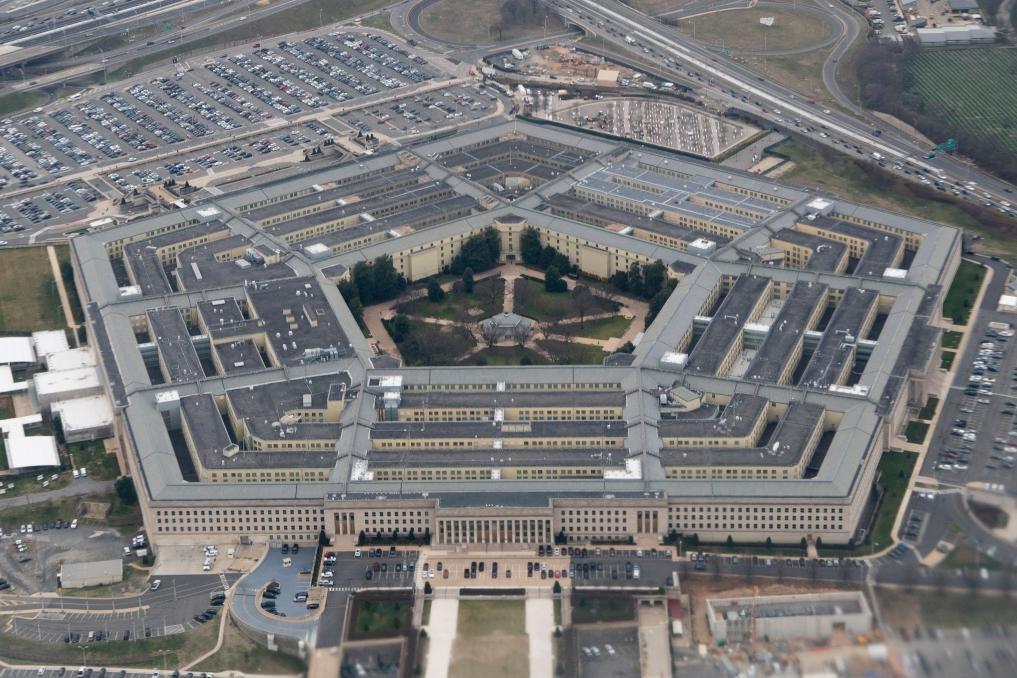
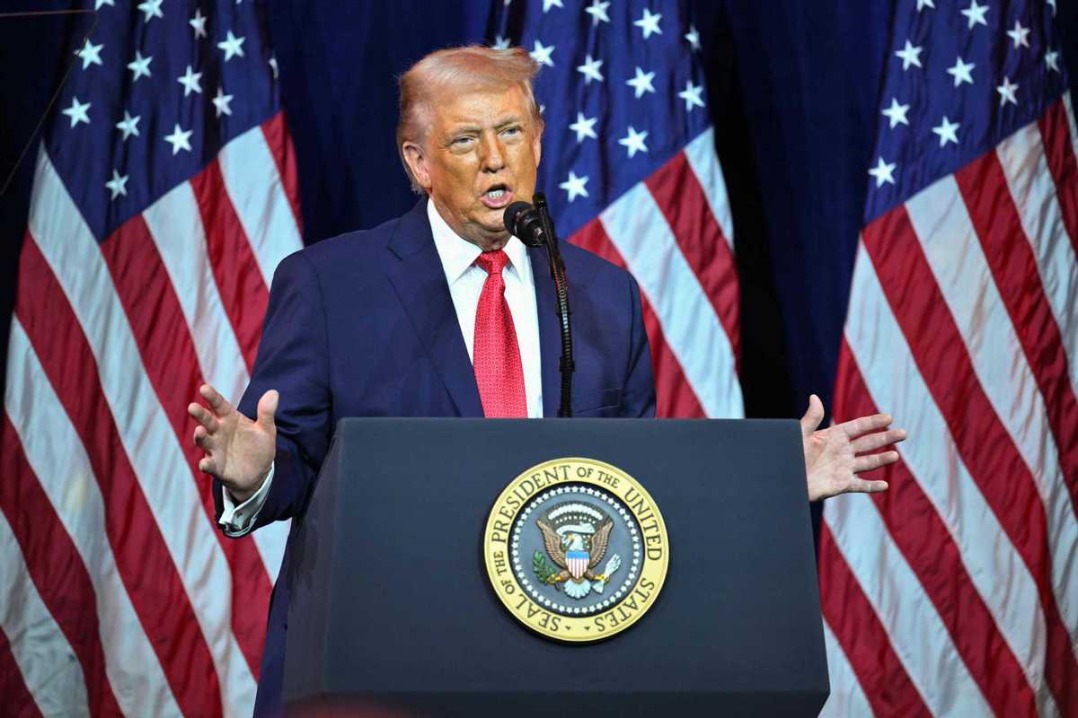
    WASHINGTON — In a move that has ignited international alarm, former President Donald Trump unveiled a staggering $1.5 trillion military budget proposal for fiscal year 2027, marking a dramatic 66% increase from the previously approved $901 billion defense allocation for 2026.

    The unprecedented defense spending plan was announced Wednesday through Trump’s Truth Social platform, where the former president characterized the massive funding increase as essential for national security during what he described as “very troubled and dangerous times.” Trump claimed the budget framework emerged from “long and difficult negotiations” with congressional leaders and administration officials.

    “This will allow us to build the ‘Dream Military’ that we have long been entitled to and, more importantly, that will keep us safe and secure, regardless of foe,” Trump asserted in his social media post. He further suggested that revenue generated from tariffs would help finance the monumental defense expenditure.

    The proposal has drawn immediate criticism from security analysts and political commentators. Prominent journalist Tucker Carlson denounced the budget as fundamentally aggressive rather than defensive in nature, stating on his program: “This is not a peacekeeping budget—this is a big war budget. Obviously, that’s the kind of budget that a country that anticipates a global or regional war has for its military.”

    Carlson expressed grave concerns about escalating global tensions, noting: “It’s fair to expect and all the signs suggest that we’re going to have a big war soon. Hope it doesn’t happen, but obviously we’re moving in that direction toward a world war.”

    The budget revelation follows closely after recent U.S. military actions in Venezuela, where American forces conducted a raid that resulted in the capture of President Nicolás Maduro and his wife. This event has already heightened geopolitical tensions across the Western Hemisphere.

    The proposed $1.5 trillion military budget would require congressional approval, presenting a significant legislative challenge. The United States already maintains the world’s largest military expenditure, consistently outspending all other nations both in absolute terms and as a percentage of global defense allocations.

    Strategic analysts note that such a substantial increase in military funding would dramatically alter global power dynamics and potentially trigger a new international arms race. The proposal comes amid already elevated global tensions and raises questions about the administration’s strategic priorities and anticipated security threats.

  • US tightens grip on oil after Caracas raid

    US tightens grip on oil after Caracas raid

    The United States has declared its intention to maintain indefinite authority over Venezuela’s oil industry following a military operation in Caracas that resulted in the capture of President Nicolas Maduro and his wife. US Energy Secretary Chris Wright announced on Wednesday that Washington would continue marketing Venezuelan crude oil globally, asserting permanent control over the nation’s petroleum resources.

    This development comes after President Donald Trump revealed that Venezuela’s interim government would transfer 30-50 million barrels of high-quality sanctioned oil to the US, valued at approximately $2.8 billion based on current global prices. Trump explicitly stated that the profits from these oil sales would be controlled by his administration and immediately brought into the United States.

    White House Press Secretary Karoline Leavitt confirmed that the US government has already initiated the global marketing of Venezuelan crude, with proceeds to be disbursed “for the benefit of the American people and the Venezuelan people at the discretion of the United States government.”

    The Trump administration has established stringent conditions for the resumption of Venezuela’s oil operations, including severing ties with China, Cuba, Iran, and Russia while agreeing to exclusive partnership with the United States on oil production. Additionally, US officials indicated that discussing a timetable for Venezuelan elections remains “too premature and too early.”

    In a significant escalation, US forces seized two Venezuela-linked oil tankers in the Atlantic Ocean, including one sailing under Russia’s flag, as part of Washington’s broader strategy to control oil flows throughout the Americas. This action risks further confrontation with Russia, which has condemned US operations in Venezuela.

    Critics have characterized the US actions as exceeding mere military intervention. Vijay Prashad, director of the Tri-continental: Institute for Social Research, described Trump’s oil statement as “beyond an act of war; it is an act of colonization” that violates the UN Charter.

    The developments occur against the backdrop of more than two decades of US sanctions against Venezuela, justified by Washington citing concerns including alleged government links to narcotics trafficking, which US officials characterize as “narco-terrorism” threatening national security, alongside accusations of widespread corruption and democratic erosion.

  • Exit of US from key intl groups draws criticism

    Exit of US from key intl groups draws criticism

    In an unprecedented move that experts warn could fundamentally reshape global governance, the Trump administration has initiated withdrawal from 66 international organizations and treaties, marking the most extensive retreat from multilateral engagement in modern history.

    President Donald Trump signed an executive memorandum on January 6, 2026, directing the comprehensive disengagement from institutions the White House characterizes as ‘no longer serving American interests’ or promoting ‘hostile agendas.’ The sweeping list includes 31 United Nations entities and 35 non-UN organizations spanning climate, health, education, and development sectors.

    Among the most significant withdrawals are the UN Framework Convention on Climate Change—the foundational treaty for the Paris Agreement—alongside UN Women and the UN Population Fund. This decision follows previous exits from the World Health Organization, UNESCO, and the Paris climate accord, consolidating a pattern of systematic disengagement from global institutions.

    According to Yuan Sha, a governance expert at the China Institute of International Studies, the financial implications could be catastrophic for these organizations. ‘The United States contributes approximately 20 percent of the UN’s regular budget,’ Yuan noted. ‘This withdrawal will trigger severe financial crises that could undermine operational capacity and institutional authority.’

    Professor Zhu Jiejin of Fudan University’s Center for the Study of the UN highlighted the procedural irregularities in these withdrawals. ‘Unlike previous disengagements that followed established protocols,’ Zhu observed, ‘the current administration is bypassing treaty obligations by immediately ceasing participation and funding.’

    The administration has further reinforced this isolationist stance by dismantling domestic support structures, including the July 2025 shutdown of the United States Agency for International Development (USAID).

    At a recent press briefing, Chinese Foreign Ministry spokeswoman Mao Ning reaffirmed Beijing’s commitment to multilateralism, stating that China ‘will continue to support the UN’s central role in global affairs’ and work toward ‘a more just and equitable global governance system.’

    Experts universally characterize these actions as embodying an ‘America First’ unilateralism that prioritizes absolute national interests over international cooperation. This approach, they warn, not only threatens global governance mechanisms but also severely damages American credibility as a reliable international partner, potentially reverting global relations to zero-sum power dynamics.

  • US may lose voting rights at UN General Assembly at certain point: UN spokesperson

    US may lose voting rights at UN General Assembly at certain point: UN spokesperson

    The United States faces the tangible prospect of losing its voting privileges within the United Nations General Assembly, a UN spokesperson confirmed on Thursday. This potential suspension stems from the country’s continued failure to fulfill its financial obligations to the world body.

    Stephane Dujarric, spokesperson for the UN Secretary-General, explicitly referenced Article 19 of the UN Charter when addressing inquiries about member states in arrears. “The Charter is clear about what happens when a country doesn’t pay its dues for a certain number of years,” Dujarric stated. “It’s not a decision of the Secretary-General. It’s in the Charter, and it implies that at some point a country may lose its vote in the General Assembly.”

    The spokesperson confirmed that the United States did not make its required financial contributions to the United Nations in 2025, adding to existing arrears. According to Article 19 provisions, a member state loses its General Assembly voting rights if its unpaid dues equal or exceed the contributions required for the preceding two full years. The only exception occurs if the General Assembly determines that the payment failure resulted from circumstances beyond the member’s control.

    This development coincides with increased U.S. disengagement from multilateral institutions. A presidential memorandum signed Wednesday indicated the United States intends to withdraw from 66 international organizations, signaling a broader pattern of retreat from global cooperation frameworks. The combination of financial delinquency and institutional withdrawal represents a significant shift in American foreign policy engagement with international institutions.

  • Venezuela’s acting president says country is not ‘subjugated’ after US attack

    Venezuela’s acting president says country is not ‘subjugated’ after US attack

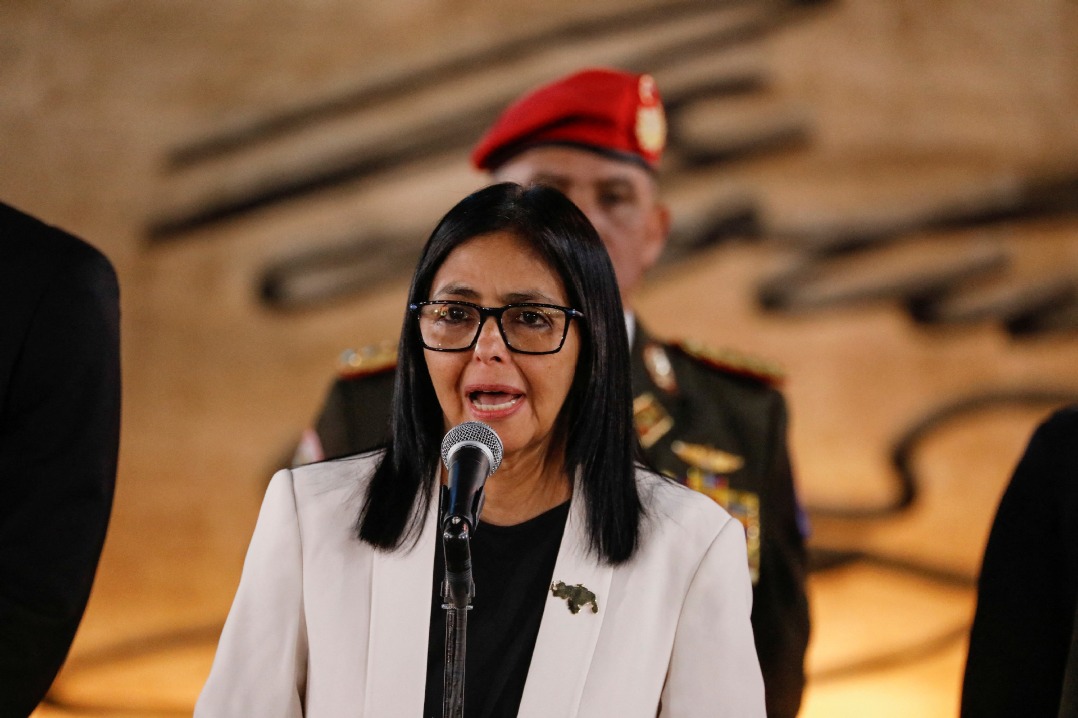
    Venezuela’s acting president Delcy Rodríguez delivered a resolute address on Thursday, emphatically declaring that the South American nation remains unsubjugated despite recent military actions by the United States that resulted in the capture of President Nicolás Maduro.

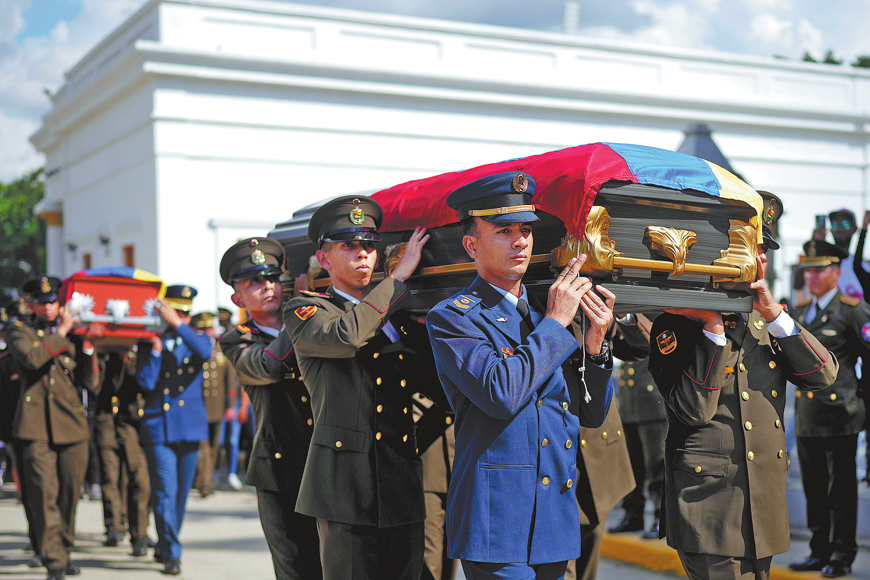
    Speaking at a solemn ceremony held at the National Guard Military Academy in Caracas, Rodríguez honored both military personnel and civilians who suffered casualties during the January 3rd incursion. Her speech represented Venezuela’s first official response to the weekend operation that dramatically escalated tensions between the two nations.

    “Our homeland maintains its absolute autonomy and independence notwithstanding foreign military aggression,” Rodríguez asserted before assembled troops and dignitaries. “There was no capitulation during these attacks. Our forces engaged in combat—combat for our sovereign nation, combat honoring the legacy of our liberators.”

    The acting president’s address struck a defiant tone, directly countering narratives of Venezuelan submission to American pressure. She emphasized that the country’s institutions remained functional and that the chain of command had been preserved despite the capture of its head of state.

    Rodríguez’s appearance at the military academy served both commemorative and strategic purposes, demonstrating governmental continuity while rallying military support during a period of heightened geopolitical tension. The ceremony recognized those killed and wounded in what Venezuelan authorities have characterized as an unlawful violation of their territorial sovereignty.

    The developments mark a significant escalation in the long-standing tensions between Washington and Caracas, potentially setting the stage for further international diplomatic confrontations and raising questions about the future of bilateral relations between the Western Hemisphere nations.

  • ICE officer fatally shoots woman in Minneapolis

    ICE officer fatally shoots woman in Minneapolis

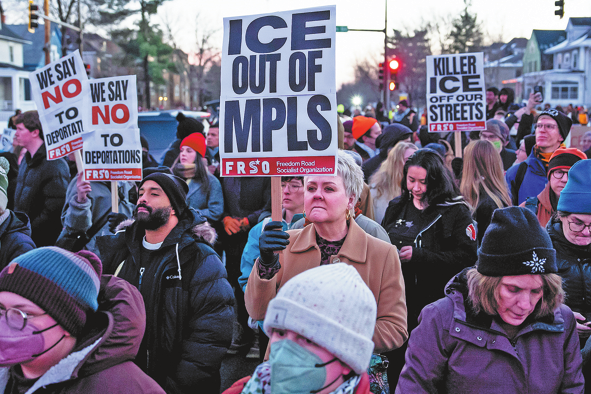
    A fatal shooting during a federal immigration enforcement operation in Minneapolis has ignited widespread condemnation and protests, creating a new flashpoint in the ongoing national debate over immigration policy. The incident occurred on Wednesday when an Immigration and Customs Enforcement (ICE) officer shot and killed 37-year-old Renee Nicole Good, a local resident, during what authorities described as a major enforcement surge.

    According to Department of Homeland Security Secretary Kristi Noem, ICE officers were assisting a vehicle stuck in snow when they encountered what she characterized as a ‘mob of agitators.’ Noem stated that Good had followed agents throughout the day, eventually blocking their vehicle and allegedly attempting to run over a law enforcement officer with her car, which she described as an act of ‘domestic terrorism.’

    Minneapolis Mayor Jacob Frey vehemently contested the federal government’s account, stating that video evidence directly contradicted the self-defense narrative presented by authorities. ‘Having seen the video myself, I want to tell everybody directly—that is bullshit,’ Frey declared at an emotionally charged news conference. The mayor blamed federal immigration agents for creating chaos in the city and demanded their immediate withdrawal.

    The Minneapolis City Council identified the deceased as a community-minded individual who was ‘out caring for her neighbors’ when her life was ‘taken at the hands of the federal government.’ Good’s mother, Donna Ganger, described her daughter to the Minnesota Star Tribune as ‘extremely compassionate’ and not someone who would confront ICE agents, noting that she had ‘taken care of people all her life.’

    As night fell, hundreds gathered at the shooting site in a residential neighborhood, creating a memorial with candles that illuminated the winter darkness. Earlier confrontations between protesters and heavily armed federal agents wearing gas masks resulted in the deployment of chemical irritants. The incident has prompted calls for independent investigations from both state and federal authorities, including the FBI, while raising concerns about the broader implications of federal operations in Democratic-led cities.

  • US protests erupt nationwide over strike on Venezuela

    US protests erupt nationwide over strike on Venezuela

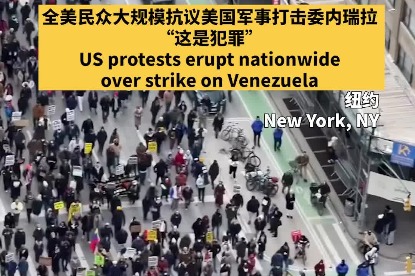
    Across the United States, thousands of citizens mobilized in coordinated demonstrations over the weekend to voice vehement opposition to American military operations in Venezuela. The protests, characterized by passionate outcries against foreign intervention, saw participants brandishing signs declaring “Bombing Venezuela is a crime” while chanting slogans demanding “US hands off foreign soil.

    The widespread civic action represents a significant domestic response to recent developments in US-Venezuela relations. Protest organizers coordinated events in multiple urban centers, drawing diverse crowds concerned about the ethical implications and potential consequences of military engagement in South America.

    This grassroots movement emerges amid escalating tensions between the two nations, with demonstrators expressing apprehension about the humanitarian impact and geopolitical ramifications of the strikes. The scale and coordination of these protests indicate substantial public dissent regarding current foreign policy approaches, highlighting deepening divisions within American society over appropriate international engagement strategies.

    The demonstrations reflect growing public scrutiny of military decision-making processes and underscore the complex relationship between government actions and citizen accountability in matters of international conflict.