标签: North America

北美洲

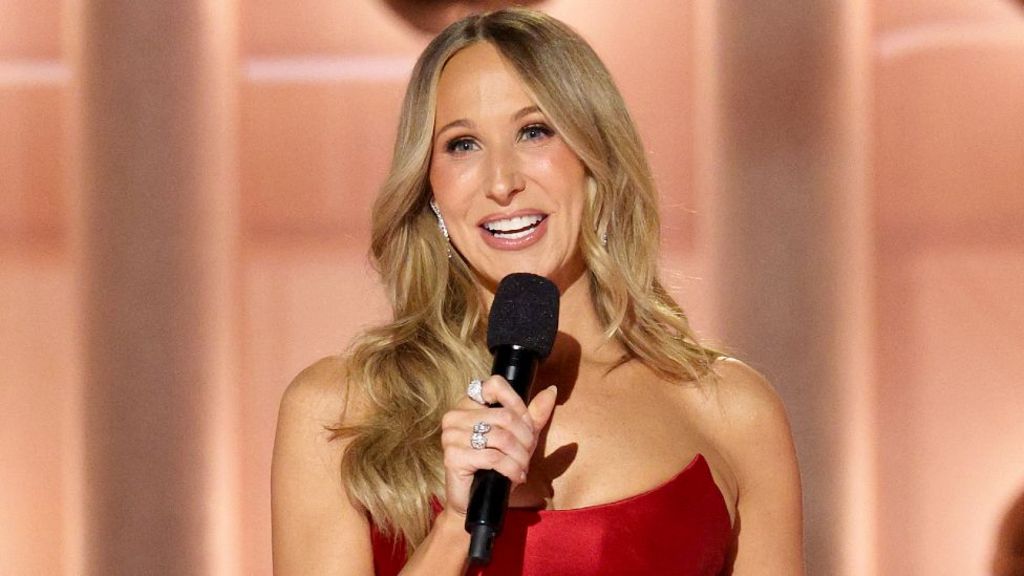
  • Golden Globes host Nikki Glaser’s best jokes

    Golden Globes host Nikki Glaser’s best jokes

    Comedian Nikki Glaser made a triumphant return as host of the 2026 Golden Globes, delivering a blistering opening monologue that left Hollywood’s elite both laughing and squirming in their seats. The veteran entertainer, hosting for the second consecutive year, unleashed a barrage of sharp-witted observations that spanned the entertainment industry’s most prominent figures and recent controversies.

    Glaser kicked off the ceremony with self-deprecating humor, comparing herself to various pop culture phenomena. ‘Just like Wicked, I’m back for a sequel,’ she announced to the star-studded audience. ‘Just like Frankenstein, I’ve been pieced together by an unlicensed European surgeon. And just like the podcasters nominated tonight, I should not be allowed to be this close to Julia Roberts.’

    The comedian’s razor-sharp commentary touched upon numerous industry topics, from Warner Bros’ recent corporate struggles to Hollywood’s production challenges. ‘We’re celebrating the best of TV and film right here in the heart of Los Angeles,’ she noted, ‘where no TV or film has been made for the past six years.’

    Glaser spared no one in her comedic crosshairs, targeting A-list celebrities with precision. She playfully needled George Clooney about his Nespresso partnership, wondering aloud about watery coffee issues. Dwayne ‘The Rock’ Johnson and Kevin Hart received particular attention, with Glaser dubbing them ‘Steve Martin and Martin Short but for people with under 50 IQ.’

    Leonardo DiCaprio’s dating history became prime material, with Glaser apologizing for the predictable joke while noting ‘we don’t know anything else about you, man.’ Sean Penn’s evolving appearance inspired comparisons to ‘a sexy leather handbag,’ while Timothée Chalamet’s physical transformation for a ping-pong movie drew amused commentary.

    The host also tackled recent film releases, offering backhanded compliments to Wicked’s extended runtime and praising Guillermo del Toro and James Cameron for their continued dedication to ‘weird monster sex movies.’ Younger stars Jacob Elordi and Paul Mescal received shoutouts for being indistinguishable to mothers everywhere.

    Veteran comedians Steve Martin and Martin Short received a more pointed observation about financial necessities in the entertainment industry, highlighting the persistent economic realities facing even established performers.

    Despite the biting humor, the celebrity audience received Glaser’s barbs with good grace and laughter, demonstrating the entertainment industry’s ability to laugh at itself during its most glamorous night.

  • US figure skater whose parents were killed in DC plane crash heads to Olympics

    US figure skater whose parents were killed in DC plane crash heads to Olympics

    In an emotional culmination of perseverance and legacy, American figure skater Maxim Naumov has clinched a spot on the US Olympic team for the Milan Winter Games, transforming profound personal tragedy into athletic triumph. The 24-year-old athlete secured his position by placing third at the US Figure Skating Championships in St. Louis this past weekend, trailing only behind champion Ilia Malinin and silver medalist Andrew Torgashev.

    Naumov’s journey to Olympic qualification is shadowed by unimaginable loss. Just one year prior, in January 2025, both of his parents perished in a catastrophic mid-air collision between American Airlines Flight 5342 and a military helicopter over Washington DC. The tragedy claimed all 67 lives aboard both aircraft, including Naumov’s parents, Vadim Naumov and Evgenia Shishkova—renowned pairs figure skating world champions who had represented Russia before immigrating to the United States.

    The couple were returning from Wichita, Kansas, where they had been attending the 2025 US Figure Skating Championships. Among the flight’s 64 passengers were 28 individuals connected to the US figure skating community, including athletes, coaches, and family members.

    Throughout his championship performance, Naumov drew strength from his parents’ memory, keeping a childhood photograph of himself with them close during competitions. “I thought of them immediately,” Naumov expressed following his victory. “I wish they could be here to experience it with me, but I do feel their presence, and they are with me.”

    The skater reflected that his Olympic aspirations were among the final topics he discussed with his parents before their untimely deaths. When asked what his parents might say witnessing his achievement, Naumov simply stated: “We did it.”

    Naumov will join fifteen other American figure skaters competing in the Winter Olympics, with skating events scheduled to commence on February 6th. His qualification represents not only a personal athletic achievement but a continuation of his family’s storied legacy in the sport they loved.

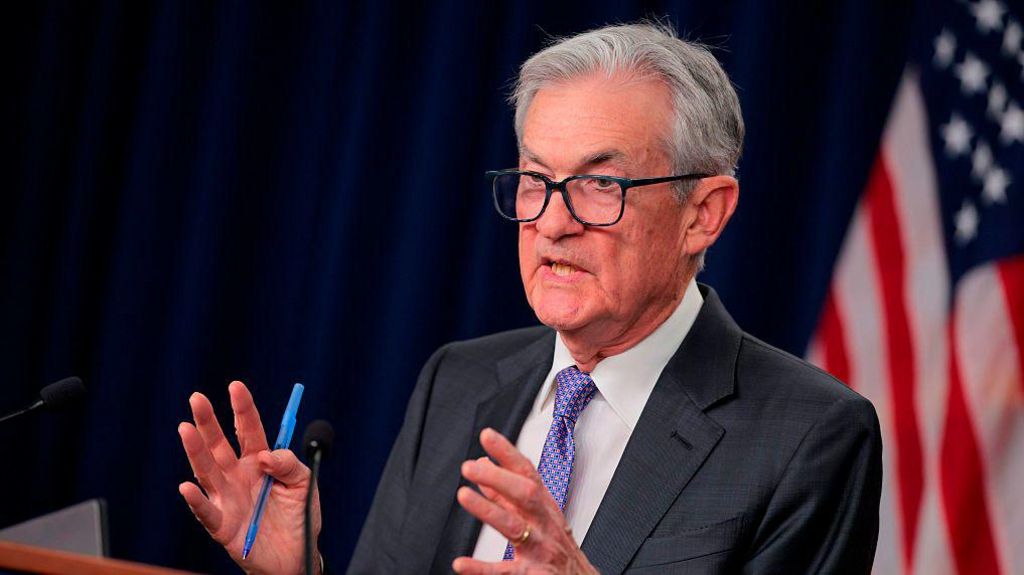
  • US justice department opens criminal probe into Fed chair Jerome Powell

    US justice department opens criminal probe into Fed chair Jerome Powell

    Federal Reserve Chairman Jerome Powell disclosed on Sunday that federal prosecutors have initiated a criminal investigation targeting his congressional testimony regarding Federal Reserve building renovations. The unprecedented probe, announced via video statement, involves subpoenas served to the agency by the U.S. Justice Department and includes threats of criminal indictment.

    Powell characterized the investigation as retaliatory, suggesting it stems directly from his refusal to accelerate interest rate cuts despite sustained public pressure from President Donald Trump. ‘This is about whether the Fed will be able to continue to set interest rates based on evidence and economic conditions, or whether instead monetary policy will be directed by political pressure or intimidation,’ Powell stated.

    While affirming his ‘deep respect for the rule of law and accountability,’ Powell contextualized the Justice Department’s action within what he described as the administration’s pattern of threats and ongoing pressure campaigns. The Fed chair becomes the latest high-profile figure to clash with the president and subsequently face criminal investigation.

    The confrontation between Powell and Trump escalated throughout 2025, with the president repeatedly criticizing the Fed chair’s pace of interest rate reductions despite three separate cuts implemented in the latter half of the year.

    Senator Thom Tillis (R-N.C.), a member of the Senate Banking Committee, announced he would block all Federal Reserve Board nominations—including Powell’s potential replacement—until the legal matter is resolved. In a strongly worded statement, Tillis warned that ‘if there were any remaining doubt whether advisers within the Trump Administration are actively pushing to end the independence of the Federal Reserve, there should now be none,’ adding that ‘it is now the independence and credibility of the Department of Justice that are in question.’

    According to initial reporting by The New York Times, the investigation will be supervised by the U.S. Attorney’s Office for the District of Columbia.

  • Nine ways to take care of your mental health in 2026

    Nine ways to take care of your mental health in 2026

    As we transition from 2025 into the new year, mental health experts are advocating for proactive cognitive care strategies backed by scientific research. The convergence of neurological studies and psychological insights has yielded nine evidence-based approaches to enhance mental resilience and cognitive function throughout 2026.

    Research continues to demonstrate the profound impact of physical activity on brain health. Recent findings indicate that maintaining a daily step count between 5,001-7,500 steps significantly reduces cognitive decline risk, particularly among adults with Alzheimer’s predisposition. Even moderate movement of 3,000-5,000 steps daily provides substantial protective benefits compared to sedentary lifestyles.

    Organizational psychology suggests that targeted decluttering—specifically addressing single problem areas like junk drawers—can alleviate mental burden and provide psychological control in chaotic environments. This focused approach offers tangible cognitive relief without overwhelming the individual.

    The practice of self-compassion emerges as critical for emotional resilience. Experts recommend recognizing negative self-talk patterns and implementing compassion breaks through nurturing self-dialogue and understanding. This technique helps rebalance the empathy gap many experience between how they treat others versus themselves.

    Social neuroscience reveals that super-agers (octogenarians with exceptional cognitive function) share strong social connectivity patterns rather than specific diets or exercise regimens. Maintaining active social relationships appears to build cognitive resistance against age-related decline.

    Environmental psychology studies demonstrate that exposure to natural settings significantly enhances attention, creativity, and mood. Research conducted at arboretums shows measurable improvements in cognitive performance and more efficient brain activity patterns following nature immersion.

    Digital detoxification strategies have evolved beyond simple time limits. Experts now recommend designated phone-free days, physical barriers to access, and goal-oriented displacement activities that naturally reduce screen time through engaging alternatives.

    Auditory health has gained recognition as a dementia prevention factor. Neurologists emphasize hearing protection through earplugs in loud environments and regular hearing assessments for those over 50 or frequently exposed to noise.

    Sleep science highlights the particular importance of deep and REM sleep phases for cognitive restoration and memory consolidation. Consistent sleep hygiene practices support these critical phases, while cognitive shuffling techniques provide effective solutions for sleep initiation difficulties.

  • ‘No more oil or money’: Trump delivers warning to Cuba, suggests deal with US

    ‘No more oil or money’: Trump delivers warning to Cuba, suggests deal with US

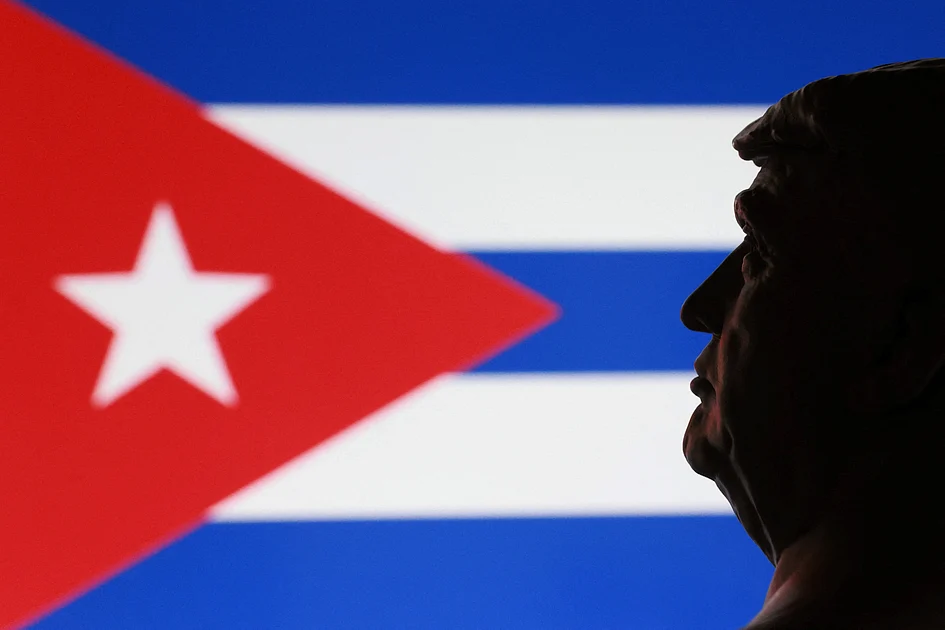
    In a dramatic escalation of hemispheric pressure, former U.S. President Donald Trump has delivered a stark warning to Cuba through his Truth Social platform, declaring that the island nation will no longer receive petroleum or financial support from Venezuela. The statement signals a significant shift in regional energy politics following recent developments in Caracas.

    Trump’s social media proclamation on Sunday explicitly stated: “THERE WILL BE NO MORE OIL OR MONEY GOING TO CUBA – ZERO! I strongly suggest they make a deal, BEFORE IT IS TOO LATE.” This ultimatum comes amid substantial geopolitical realignments in the region, particularly regarding Venezuela’s oil exports.

    The strategic context involves Venezuela’s status as Cuba’s primary petroleum supplier, a relationship that has undergone radical transformation since the capture of Venezuelan President Nicolas Maduro by U.S. forces. Intelligence assessments indicate that Trump has successfully persuaded interim President Delcy Rodriguez to redirect Venezuelan oil shipments toward the United States instead of Cuba.

    This energy blockade poses existential challenges for Havana. Shipping data and documents from Venezuela’s state oil company PDVSA reveal that between January and November last year, Venezuela supplied approximately 27,000 barrels per day to Cuba, covering nearly half of the island’s petroleum deficit. The potential termination of this energy lifeline coincides with already severe economic strains within Cuba’s critical sectors including agriculture and tourism, exacerbated by frequent blackouts and international trade sanctions.

    While U.S. intelligence agencies acknowledge Cuba’s deteriorating economic situation, they provide no substantiation for Trump’s assertion that the communist government is “ready to fall.” The CIA assessment portrays a nation struggling under multiple pressures but maintains stability through decades of institutional control established since Fidel Castro’s 1959 revolution.

    The ultimatum represents the latest chapter in the complex triangular relationship between Washington, Havana, and Caracas, with energy resources serving as both economic necessity and geopolitical instrument in Western Hemisphere diplomacy.

  • More federal agents to be sent to Minnesota, Trump administration says

    More federal agents to be sent to Minnesota, Trump administration says

    The Trump administration announced plans to deploy hundreds of additional federal officers to Minneapolis following controversial shooting incident involving a U.S. Immigration and Customs Enforcement agent. The escalation comes amid growing tensions between federal and local authorities over immigration enforcement tactics.

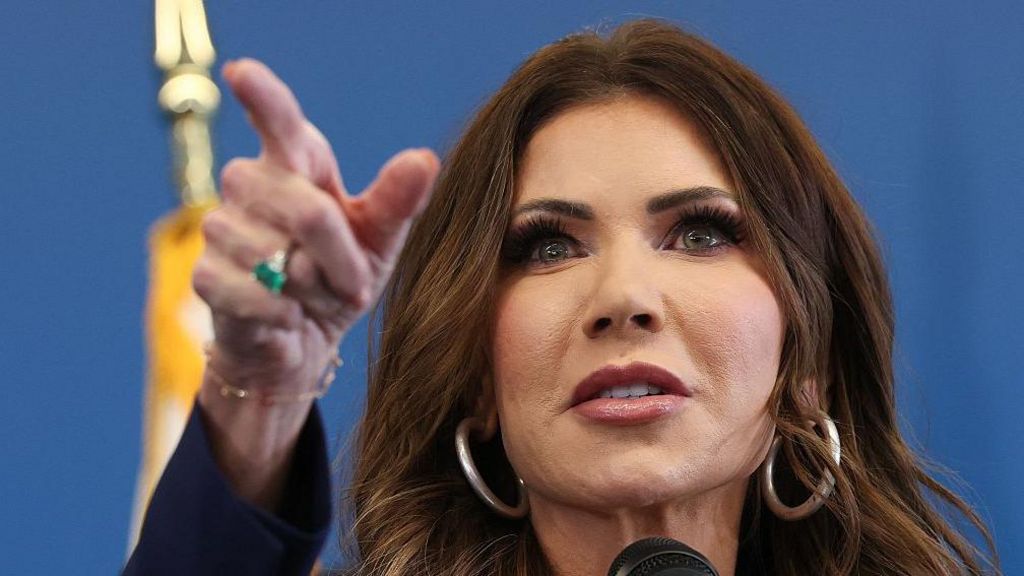
    Homeland Security Secretary Kristi Noem confirmed the deployment during a Fox News interview, stating the reinforcements would ensure safety for ICE and Border Patrol personnel operating in the city. The decision follows the fatal shooting of 37-year-old Renee Nicole Good, who was killed by an ICE agent during what authorities describe as an enforcement operation last Wednesday.

    Contrasting narratives have emerged regarding the circumstances of the shooting. Federal authorities maintain the agent acted in self-defense, while local officials assert Good posed no imminent threat. Video evidence shows ICE agents approaching Good’s vehicle in the middle of a street before the confrontation escalated.

    The incident has triggered widespread demonstrations across multiple U.S. cities. Minneapolis witnessed one of the largest gatherings with tens of thousands participating in the ‘ICE out of Minnesota’ rally this past weekend. Parallel protests emerged in Austin, Seattle, New York, and Los Angeles, though Minneapolis Mayor Jacob Frey characterized his city’s protest as peaceful despite 31 arrests over two days.

    Secretary Noem has drawn criticism for characterizing Good’s actions as ‘domestic terrorism,’ claiming the victim had ‘weaponized’ her vehicle against federal agents. Minneapolis Mayor Frey directly contradicted this assessment, telling CNN that video evidence clearly shows ‘a victim is not a domestic terrorist’ but rather someone attempting to execute a three-point turn to escape the scene.

    The political confrontation intensified when Minnesota Senator Tina Smith (D) accused the Trump administration of attempting to ‘cover up what happened here.’ The White House responded through spokesperson Abigail Jackson, accusing Smith of spreading lies that ‘inflame tensions and incite violence against law enforcement officers.’

    Multiple investigations are now underway, including an FBI probe and a separate state-level inquiry initiated after Minnesota officials claimed they were excluded from the federal investigation. The involved agent has been identified as Jonathan Ross, a veteran ICE officer previously injured in the line of duty.

    The escalating situation reflects broader tensions between federal immigration enforcement strategies and local governance, with Minnesota experiencing a significant surge in federal law enforcement presence as the administration intensifies immigration operations in the state.

  • India proposes forcing smartphone makers to give source code in security overhaul

    India proposes forcing smartphone makers to give source code in security overhaul

    In a bold cybersecurity initiative that has triggered significant industry opposition, the Indian government is advancing a comprehensive security framework that would compel smartphone manufacturers to surrender their proprietary source code for government analysis. The proposed regulations, comprising 83 distinct security standards, represent one of the most stringent technology oversight regimes globally.

    The security overhaul, championed by Prime Minister Narendra Modi’s administration, aims to address growing concerns about data breaches and online fraud in the world’s second-largest smartphone market, which serves approximately 750 million devices. Beyond source code access, the measures would require manufacturers to enable complete uninstallation of pre-installed applications, implement background restrictions on camera and microphone access, and mandate automatic malware scanning systems.

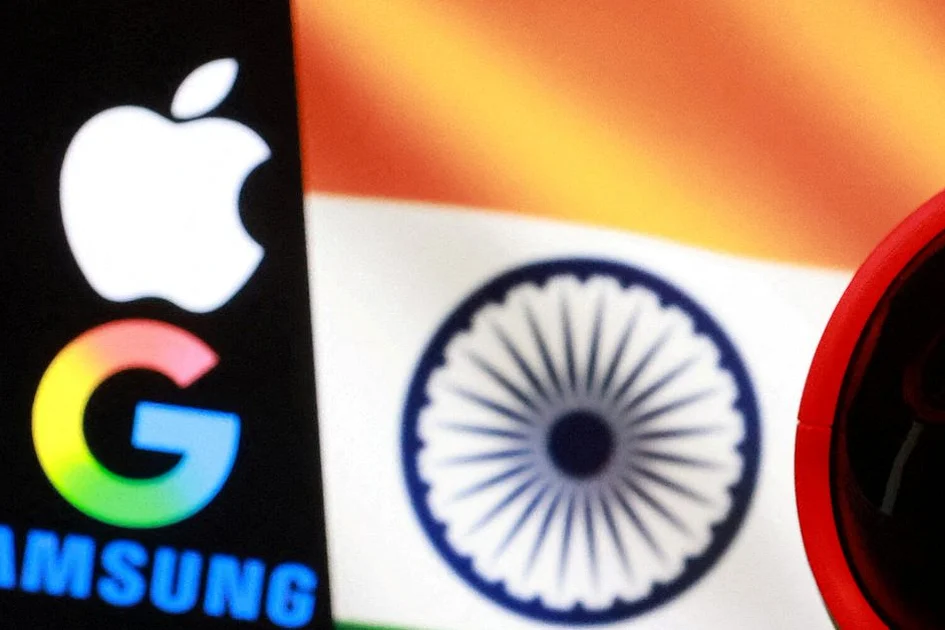
    Technology behemoths including Apple, Samsung, Google, and Xiaomi have mounted substantial behind-the-scenes resistance to the proposals through the Manufacturers’ Association for Information Technology (MAIT). Industry representatives argue that the requirements lack global precedent and threaten to compromise closely guarded intellectual property. In confidential communications reviewed by Reuters, MAIT characterized the source code review mandate as ‘not possible due to secrecy and privacy concerns,’ noting that no major markets in the EU, North America, Australia or Africa impose similar obligations.

    The proposed Telecom Security Assurance Requirements would establish designated Indian laboratories for source code analysis and vulnerability assessment. Additionally, manufacturers would be required to notify the National Centre for Communication Security about significant software updates before public release, granting authorities testing privileges—a requirement industry groups label as ‘impractical’ for time-sensitive security patches.

    IT Secretary S. Krishnan has indicated willingness to address ‘legitimate concerns’ while maintaining that premature conclusions should be avoided. This confrontation continues India’s pattern of assertive technology regulation, following previous mandates for pre-installed security apps and rigorous camera testing protocols that previously drew industry criticism.

    The ongoing consultations between ministry officials and technology executives will continue this week, with the government considering formal legal implementation of standards initially drafted in 2023.

  • World Gold Council sees precious metal remaining rangebound this year

    World Gold Council sees precious metal remaining rangebound this year

    The World Gold Council (WGC) projects gold prices to remain rangebound throughout 2026, following an extraordinary performance in 2025 that saw the precious metal achieve 53 record highs and finish with a remarkable 67% annual gain in US dollar terms. According to the global body’s comprehensive analysis, gold enters the new year priced at approximately $4,368 per ounce, reflecting market consensus expectations of steady global growth, modest Federal Reserve rate reductions, and a marginally stronger US dollar.

    The Council outlines four distinct scenarios for gold’s trajectory in 2026. The base case anticipates rangebound trading amid stable economic conditions. However, the analysis reveals a pronounced upside bias should economic conditions deteriorate. A ‘shallow slip’ scenario involving softer growth and deeper policy easing could propel prices 5-15% higher, while a ‘doom loop’ of synchronized global downturn coupled with elevated geopolitical risks might trigger a substantial 15-30% surge. Conversely, stronger-than-expected US growth with higher yields and dollar strength could pressure gold downward by 5-20%.

    December 2025 witnessed historic gains across precious metals, though gold’s ascent appeared more measured compared to the volatile movements in silver and platinum. The WGC attributes gold’s strong performance to robust options activity, emerging market currency tailwinds, and falling yields, with geopolitical concerns remaining a persistent driver throughout the previous year.

    Critical wildcards that could significantly influence gold’s direction include central bank purchasing patterns—particularly from emerging markets where gold reserves remain below advanced-economy shares—and potential increases in recycling flows. Additionally, the pending Supreme Court decision regarding tariff authorities under IEEPA represents another swing factor that could either entrench policy risk premiums or refocus attention on fiscal deficits.

    Despite the rangebound base case, the Council emphasizes that gold’s fundamental supports—policy uncertainty, persistent geopolitical risks, and active investment demand—remain firmly intact. With tail risks multiplying and real rates cyclically elevated, the metal’s portfolio role as a diversifier and hedge against downside risk continues to offer compelling value for investors navigating an increasingly uncertain global landscape.

  • Bradford International Alliance brings flexible learning options to support UAE’s growing workforce

    Bradford International Alliance brings flexible learning options to support UAE’s growing workforce

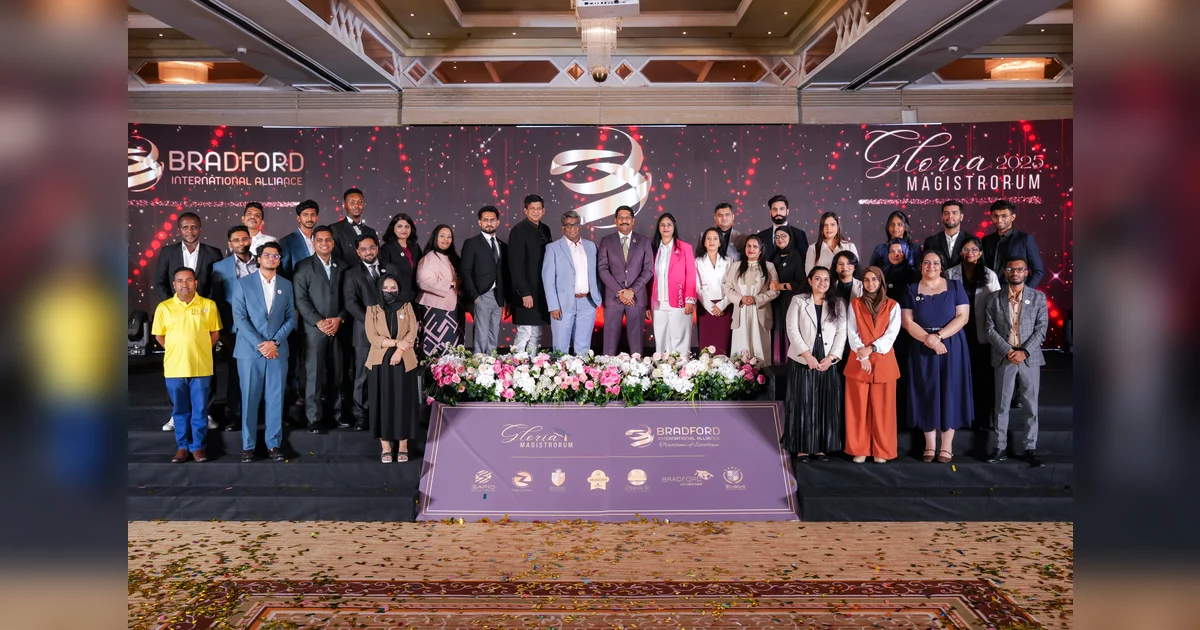
    In response to the United Arab Emirates’ rapidly evolving employment landscape, Bradford International Alliance (BIA) has introduced a comprehensive suite of career-focused educational programs designed to meet the growing demands of both students and working professionals. The initiative addresses critical workforce challenges stemming from digital transformation, economic diversification, and increasingly competitive job markets.

    The newly launched offerings span multiple academic levels, including Bachelor’s, Master’s, and PhD degrees, complemented by specialized professional and corporate training modules. These programs are delivered through strategic partnerships with internationally accredited universities and maintain strict adherence to Accreditation Council for Business Schools and Programs (ACBSP) standards, ensuring global recognition and quality assurance.

    BIA’s educational model specifically targets the unique challenges faced by UAE professionals, where a workforce exceeding 9 million contends with intense competition despite one of the world’s lowest unemployment rates. The programs feature structured learning frameworks with flexible delivery options, clear admission pathways, and continuous academic support—addressing the critical need for working professionals to enhance their qualifications without interrupting their careers.

    Maha of Bradford International Alliance emphasized the organization’s mission: “We’re breaking down barriers for those who may have missed conventional academic opportunities. Our programs, guided by PhD professors and industry experts, combine academic rigor with practical relevance. We provide personalized guidance to develop not just employees, but tomorrow’s leaders and innovators.”

    The initiative represents a significant step toward strengthening the UAE’s knowledge economy by providing accessible, internationally recognized qualifications that align with both current workplace requirements and future economic ambitions.

  • From application to Arafat: Inclusiveness and equality in India’s assistance to Hajj pilgrims

    From application to Arafat: Inclusiveness and equality in India’s assistance to Hajj pilgrims

    India’s administration of the annual Hajj pilgrimage has emerged as a noteworthy model of equitable governance and inclusive public service. Each year, the Indian government facilitates the spiritual journey for thousands of Muslim citizens through a system prioritizing transparency, diversity, and non-intrusive support.

    The foundation of this approach lies in a thoroughly digitized application process managed through state Hajj committees. The transition to online applications, digital lotteries, and time-bound documentation has effectively eliminated discretionary practices and intermediary interference. This standardized procedure ensures identical treatment for applicants from metropolitan centers and remote districts alike, establishing equality from the initial registration phase.

    A significant reform occurred in 2018 with the abolition of the longstanding Hajj subsidy. Rather than representing withdrawal of support, this policy shift enabled more responsible facilitation through improved cost negotiations with airlines and Saudi authorities. The redirected funds now support educational and community welfare initiatives, creating a more sustainable system that maintains pilgrimage accessibility without artificial financial prop-ups.

    India’s Hajj delegations demonstrate remarkable diversity in their composition. Teams include officials, medical professionals, paramedical staff, sanitation workers, translators, and volunteers representing various regions and linguistic backgrounds. Medical missions provide complimentary healthcare services, with Indian doctors earning international recognition for their round-the-clock clinics in Mecca and Medina.

    Gender inclusivity marks another progressive aspect of India’s Hajj management. Aligning with updated Saudi regulations, India permits women to travel without male guardians, enabling participation by widows, single women, and elderly pilgrims previously constrained by social or logistical barriers.

    The program operates with exceptional cultural and linguistic sensitivity. Support services function in multiple Indian languages, ensuring pilgrims from Kerala, Kashmir, Uttar Pradesh, Telangana, and the Northeast receive guidance in their native tongues. Training sessions, manuals, helplines, and orientation camps are all tailored to address regional requirements.

    Logistical coordination with Saudi authorities encompasses accommodation, transportation, food services, and crowd management strategies. During the physically demanding Arafat congregation, where all pilgrims stand equal in traditional white ihram garments, administrative efficiency becomes crucial for maintaining order and safety.

    This facilitation occurs within India’s broader constitutional framework guaranteeing equality and religious freedom. The state extends similar logistical support to various religious pilgrimages including the Kumbh Mela, Amarnath Yatra, and Buddhist journeys abroad, demonstrating consistent application of secular principles without hierarchical preferences.

    For pilgrims who often save for decades to undertake this journey, government support provides practical reassurance through medical assistance, linguistic comfort in foreign lands, and available consular aid during distress situations. The state maintains a presence that enables religious practice without imposing upon it.

    India’s Hajj management model offers valuable insights into governance approaches that honor religious diversity through impartial service delivery rather than symbolic gestures. This framework demonstrates how administrative efficiency and inclusive policies can effectively support spiritual practices within a diverse democratic society.