标签: North America

北美洲

  • UN not yet officially notified of US decision to withdraw from UN entities: spokesperson

    UN not yet officially notified of US decision to withdraw from UN entities: spokesperson

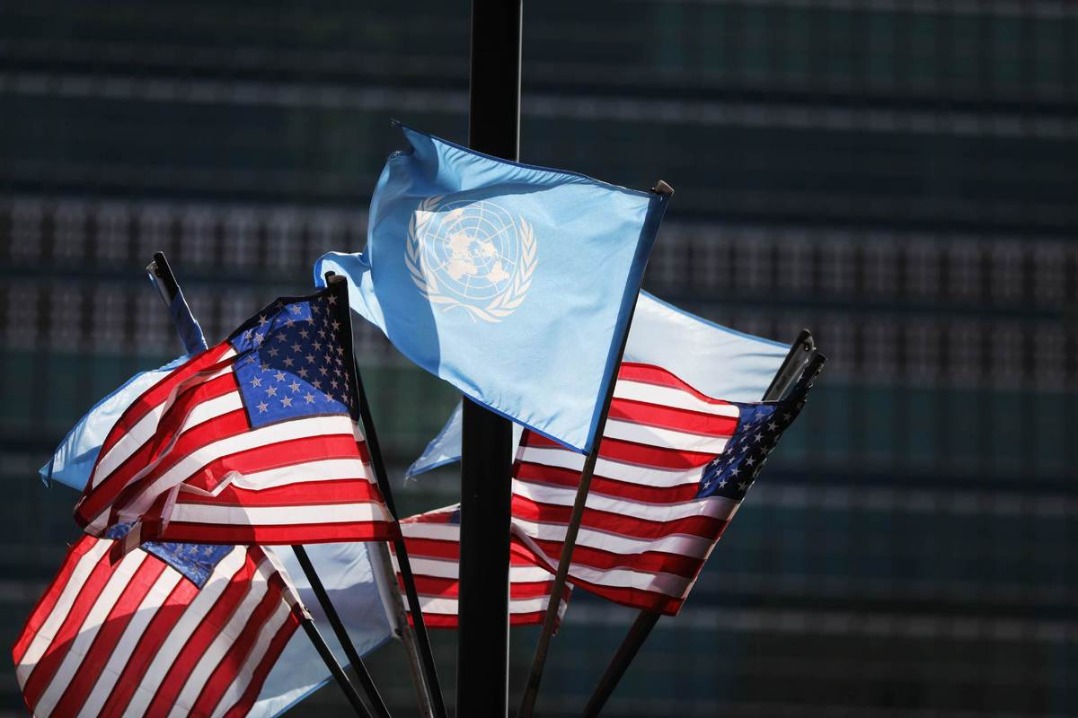
    The United Nations confirmed on Monday that it has not received official communication from the United States regarding its planned withdrawal from multiple UN agencies. UN Secretary-General spokesperson Stephane Dujarric stated during his daily press briefing that the organization remains unaware of any formal notification process initiated by Washington.

    The development follows President Donald Trump’s January 7 presidential memorandum announcing the United States’ intention to withdraw from 66 international organizations, including 31 UN-affiliated entities. The White House justification cited that these organizations ‘no longer serve American interests,’ marking a significant shift in international engagement policy.

    In a January 8 statement, Secretary-General Antonio Guterres expressed regret over the announcement while emphasizing that assessed contributions to both the regular UN budget and peacekeeping operations constitute legal obligations under the UN Charter for all member states. The statement further affirmed that all UN agencies would continue implementing their member-state-approved mandates despite the potential financial implications.

    The UN spokesperson reinforced the organization’s commitment to its mission, stating: ‘We have a responsibility to deliver for those who depend on us. We will continue to carry out our mandates with determination,’ indicating that operational continuity would be maintained regardless of funding changes.

  • US foreign policy shift threatens global order, stability: Experts

    US foreign policy shift threatens global order, stability: Experts

    Academic experts are raising alarms about a fundamental transformation in United States foreign policy characterized by aggressive unilateral actions across the Western Hemisphere. Dubbed the ‘Donroe Doctrine’ by analysts, this approach represents a significant escalation from the historical Monroe Doctrine, prioritizing direct military intervention and expansionary power projection over established international legal frameworks.

    The doctrine’s implementation has manifested through several high-profile operations, including the military raid in Venezuela that resulted in the abduction of President Nicolas Maduro. Concurrently, the Trump administration has reaffirmed intentions to annex Greenland and suggested potential military movements in Colombia and Mexico, signaling a comprehensive strategic shift.

    Professor Wei Zongyou of Fudan University’s Center for American Studies identifies this doctrine as the organizing principle behind recent US foreign policy decisions. According to Wei, the core tenets include establishing absolute hegemony throughout the Western Hemisphere, eliminating adversarial governments through military force when necessary, excluding non-hemispheric powers from regional influence, and securing control over critical infrastructure and natural resources.

    Sun Chenghao, who leads the US-Europe program at Tsinghua University’s Center for International Security and Strategy, notes the doctrine represents a proactive redefinition of US security parameters amid changing global power dynamics. Unlike the historically defensive Monroe Doctrine, which sought to prevent European colonial expansion, the ‘Donroe Doctrine’ actively shapes regional order through direct intervention.

    International leaders have expressed deepening concern regarding these developments. Singapore’s Senior Minister Lee Hsien Loong criticized US actions in Venezuela as violations of international law and the UN Charter. French President Emmanuel Macron accused the United States of ‘breaking free from international rules,’ while German President Frank-Walter Steinmeier warned against allowing the global order to deteriorate into a ‘den of robbers.’

    Analysts warn that this policy shift threatens to undermine multilateral institutions and international legal frameworks, potentially triggering widespread adoption of power-based security strategies among nations. The resulting fragmentation could significantly increase global governance costs and create long-term challenges to international stability and predictability, particularly for smaller nations vulnerable to hegemonic pressure.

  • Mexico offers to mediate between US, Cuba

    Mexico offers to mediate between US, Cuba

    Mexican President Claudia Sheinbaum has formally offered her nation’s diplomatic services to facilitate dialogue between the United States and Cuba, signaling a potential breakthrough in one of the Western Hemisphere’s most enduring geopolitical standoffs.

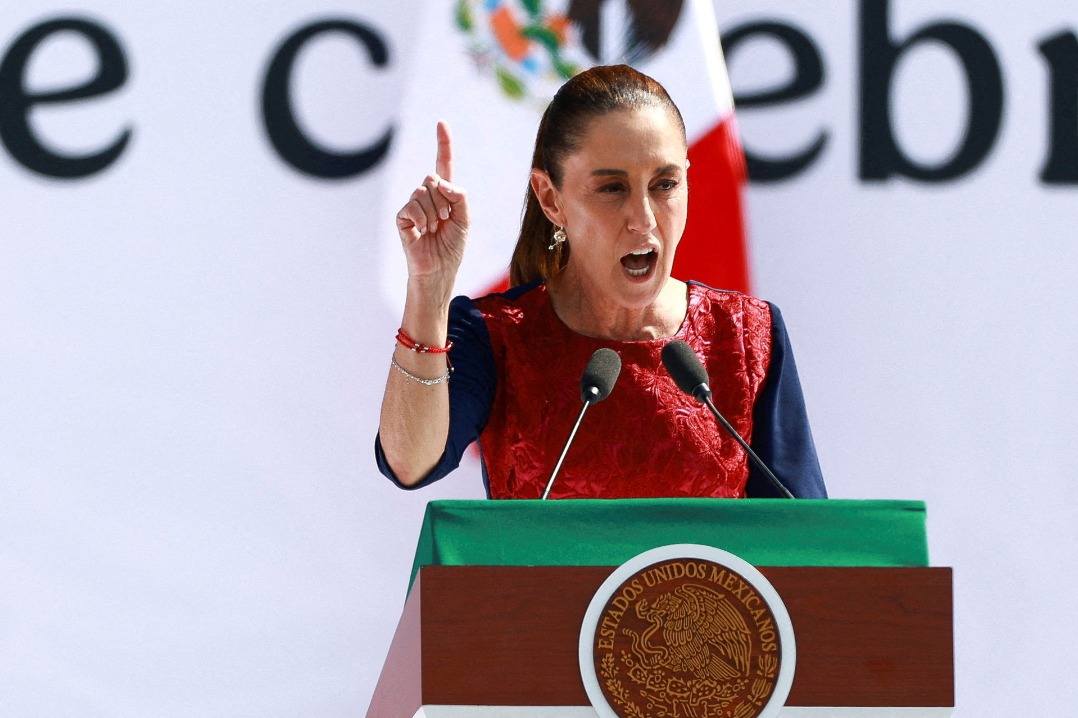
    Speaking at her regular morning press conference on Monday, President Sheinbaum revealed the mediation proposal followed her recent telephone discussion with US President Donald Trump. “If Mexico were to become a vehicle to facilitate communication between the United States and Cuba, both parties would agree,” she stated, emphasizing that “Mexico is in the best position to do so.”

    The offer comes amid renewed tensions following President Trump’s social media declaration on Sunday that “No more oil or money will be sent to Cuba,” while simultaneously urging Cuban leadership to negotiate with Washington “before it’s too late.”

    President Sheinbaum defended Mexico’s existing oil shipments to Cuba as both legal and humanitarian, noting this policy has enjoyed consistent bipartisan support across successive Mexican administrations regardless of political affiliation. She characterized the aid program as “not new” and firmly grounded in principles of national sovereignty.

    The proposed mediation represents a significant development in regional diplomacy, potentially positioning Mexico as a crucial intermediary between two nations whose relationship has remained largely frozen for decades. Mexico maintains diplomatic ties with both countries and possesses historical connections to Cuba that could provide unique leverage in facilitation efforts.

  • CES 2026: Hong Kong tech companies showcase innovation with a focus on real-world applications

    CES 2026: Hong Kong tech companies showcase innovation with a focus on real-world applications

    At CES 2026, Hong Kong’s technology sector demonstrated its growing global influence as a delegation of 61 innovative companies showcased cutting-edge solutions with strong real-world applications. The contingent, jointly organized by the Hong Kong Science and Technology Parks Corporation (HKSTP) and the Hong Kong Trade Development Council (HKTDC), highlighted the region’s evolving capabilities beyond traditional financial services.

    The exhibition featured groundbreaking advancements across multiple sectors including artificial intelligence, electric vehicles, clean energy technologies, and smart city solutions. Unlike conceptual prototypes often seen at tech exhibitions, the Hong Kong pavilion emphasized commercially viable innovations ready for market implementation. This practical approach distinguished the delegation from many other exhibitors at the world’s largest electronics trade show.

    Company representatives engaged with international partners, investors, and potential clients, demonstrating how Hong Kong-based research and development is addressing global challenges. The technologies presented ranged from AI-driven healthcare diagnostics to next-generation battery systems for electric transportation, all developed with immediate practical deployment in mind.

    The strong showing at CES 2026 signals Hong Kong’s successful diversification into technology innovation and its emergence as a significant player in the global tech landscape. The delegation’s focus on tangible applications rather than theoretical concepts received particular attention from industry observers and potential commercial partners seeking implementable solutions.

  • Minnesota sues Trump administration over surge of federal immigration enforcement

    Minnesota sues Trump administration over surge of federal immigration enforcement

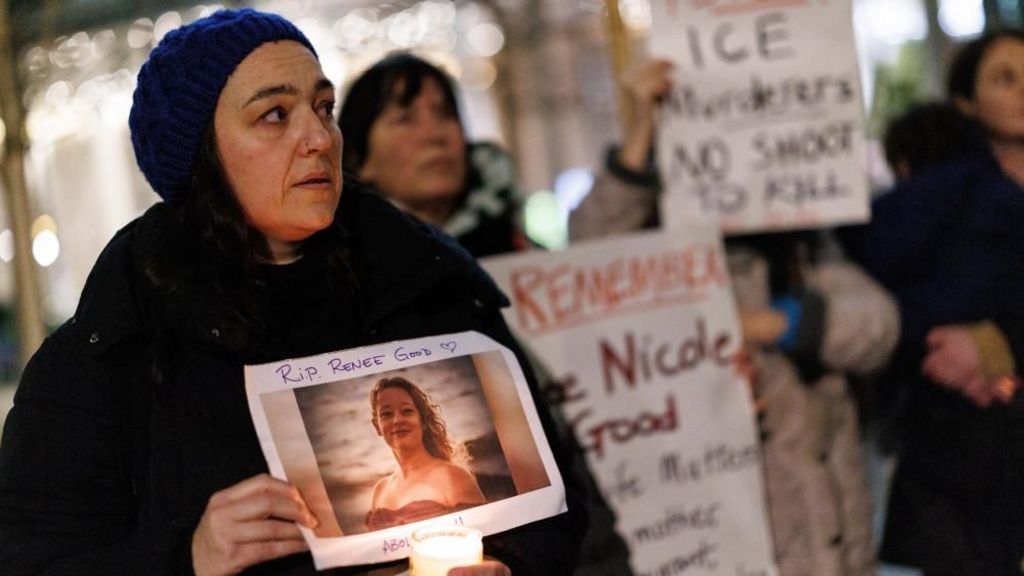
    The state of Minnesota, alongside the cities of Minneapolis and St. Paul, has initiated legal proceedings against the Trump administration in response to what they characterize as an alarming escalation in federal immigration enforcement activities. This legal challenge emerges in the wake of a tragic incident where a U.S. Immigration and Customs Enforcement (ICE) agent fatally shot Renee Nicole Good during an operation in Minneapolis on January 12, 2026.

    The lawsuit, filed on Monday, contends that the administration’s intensified enforcement tactics have created an environment of fear within immigrant communities while straining local law enforcement resources. The legal action specifically targets what plaintiffs describe as unconstitutional enforcement methods that violate state sovereignty and endanger public safety.

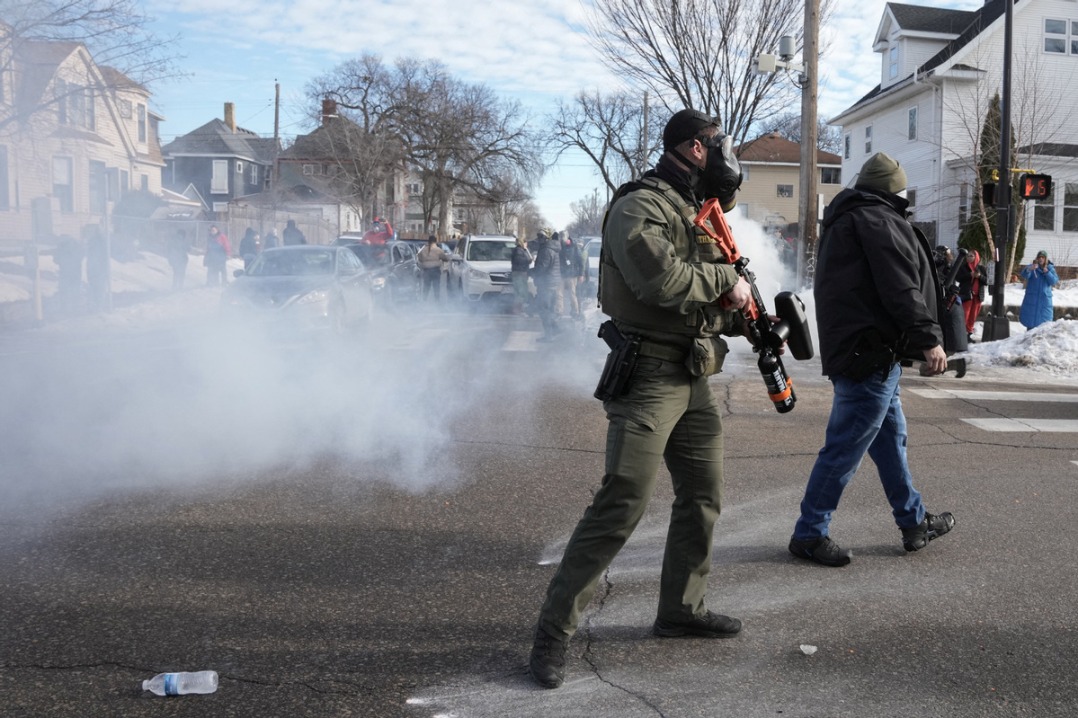
    Photographic evidence from the incident scene depicts federal agents armed with crowd-control weapons following the shooting, which occurred when a civilian vehicle was struck by ICE operatives. The confrontation has ignited widespread community outrage and intensified the ongoing national debate regarding immigration enforcement methodologies.

    This legal confrontation represents the latest chapter in the ongoing tension between state authorities and federal immigration agencies, highlighting the deepening divide between local governance preferences and federal enforcement priorities. The case is expected to raise significant constitutional questions regarding the limits of federal immigration enforcement power and states’ rights to protect their residents.

  • Decision time for Trump on Iran but what does he ultimately want?

    Decision time for Trump on Iran but what does he ultimately want?

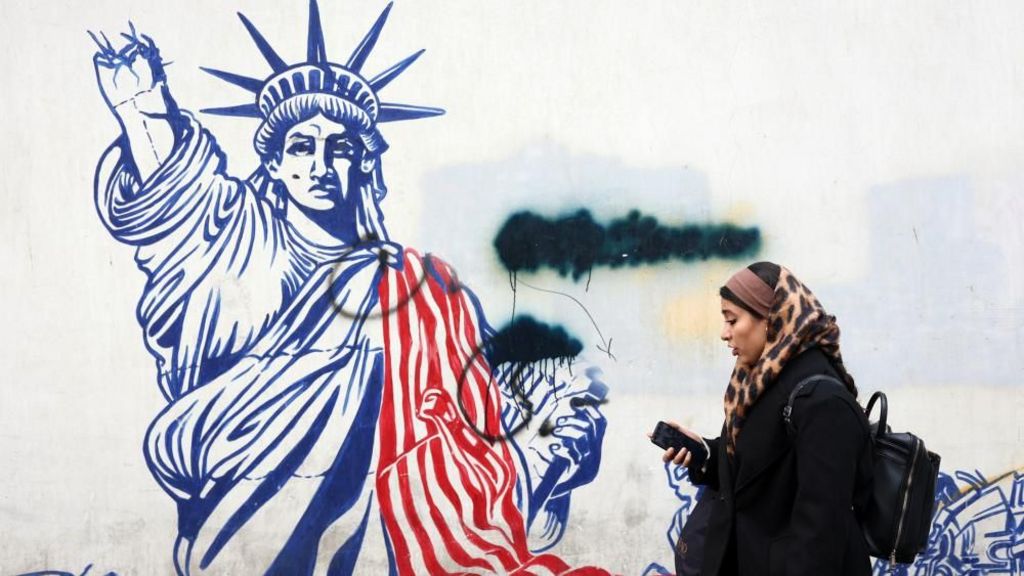
    The Trump administration faces a critical juncture in determining its response to Iran’s violent suppression of domestic protests, with military, cyber, and diplomatic options under consideration. President Trump, who previously declared the U.S. “locked and loaded” to assist Iranian protesters, now confronts the full scale of Tehran’s crackdown amid emerging evidence of widespread violence.

    White House Press Secretary Karoline Leavitt emphasized the unpredictability of Trump’s decision-making, stating, “Nobody knows what President Trump is going to do except for President Trump.” Senior officials are scheduled to brief the president on Tuesday regarding potential courses of action, which reportedly include targeted strikes, cyber operations, and psychological campaigns aimed at disrupting Iran’s command structures.

    Despite recent success in Venezuela with the capture of Nicolas Maduro, administration officials recognize Iran presents a fundamentally different challenge. As a battle-hardened regime with significant ballistic capabilities and regional proxies, Iran cannot be compared to Venezuela’s weakened state. Pentagon officials caution that any military action would likely avoid ground operations, recalling the disastrous 1980 hostage rescue attempt that contributed to President Carter’s electoral defeat.

    Analysts suggest Trump’s primary objective may be influencing regime behavior rather than pursuing regime change. Will Todman of the Center for Strategic and International Studies noted, “The risks of regime change are so great that I don’t yet believe that is his primary objective here.” Potential goals include securing concessions in nuclear talks, ending the crackdown, or implementing reforms leading to sanctions relief.

    Diplomatic channels remain active, with administration officials receiving private messages from elements within the Iranian regime anxious to maintain dialogue about their nuclear program. Vice-President JD Vance is among those advocating for diplomatic solutions first, emphasizing the need for “real negotiation” regarding Iran’s nuclear program.

    However, continued violence in Iran creates pressure for demonstrative action. Some analysts argue limited strikes could embolden protesters while cautioning that symbolic actions might strengthen regime resolve through rally-around-the-flag effects. The administration must also consider Iran’s threatened retaliation and the ongoing capabilities of its regional proxies, including Yemen’s Houthis and Iraqi Shiite militias.

    Exiled opposition figure Reza Pahlavi has urged swift intervention, claiming earlier action would ultimately save lives. Yet White House officials recognize the situation’s complexity, balancing diplomatic possibilities against the risks of military escalation and the moral imperative to respond to state violence against civilians.

  • How will investigators determine if Minneapolis ICE shooting was justified?

    How will investigators determine if Minneapolis ICE shooting was justified?

    A fatal encounter between a U.S. Immigration and Customs Enforcement (ICE) agent and a Minneapolis woman has ignited nationwide protests and competing political narratives, with federal and state authorities offering diametrically opposed interpretations of the incident.

  • Dubai hits Dh917 billion in real estate transactions, Sheikh Mohammed announces

    Dubai hits Dh917 billion in real estate transactions, Sheikh Mohammed announces

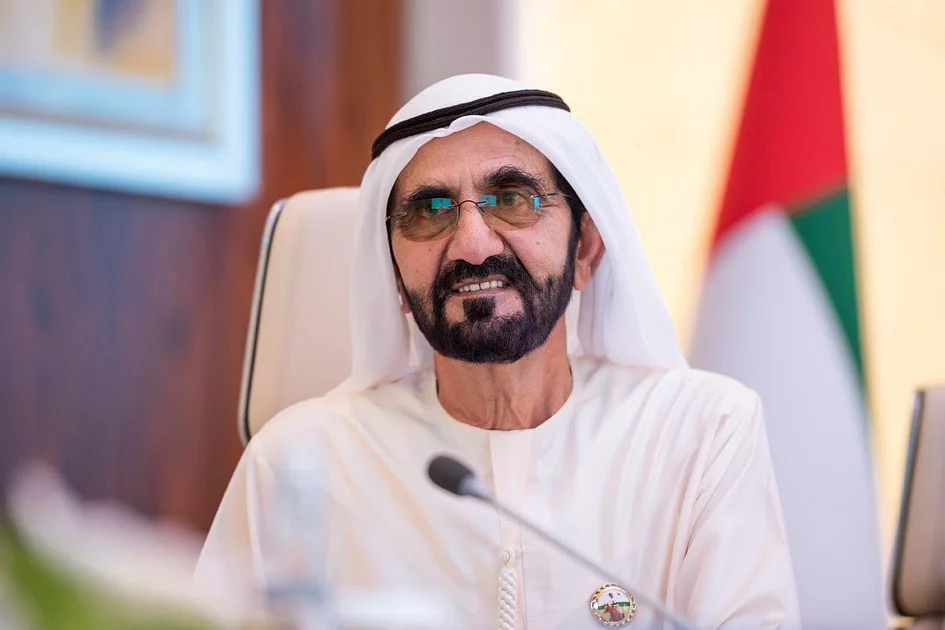
    Dubai’s real estate market has achieved an extraordinary milestone, recording a staggering Dh917 billion in transactions by the end of 2025. This announcement came directly from His Highness Sheikh Mohammed bin Rashid Al Maktoum, Ruler of Dubai, who revealed that this performance has dramatically exceeded strategic expectations set years earlier.

    The emirate’s original roadmap envisioned reaching Dh1 trillion in real estate transactions by 2033. The current figures demonstrate accelerated growth that has outpaced all projections. Sheikh Mohammed expressed profound gratitude to global investors for their sustained confidence in Dubai’s economy, stating: “We promise everyone that we are continuing to develop all our sectors to provide the best opportunities for those who have placed their trust in our national economy. In the UAE, we say what we do, and we do what we say.”

    Comprehensive market analysis reveals unprecedented growth across all metrics. The sector closed 2025 with 215,700 property sales—an 18.7% increase in transaction volume and a remarkable 30.9% surge in sales value compared to 2024 figures. Overall real estate activity reached 3.11 million transactions encompassing sales, leases, and various services, representing a 7% year-on-year increase.

    Investment patterns showed equally impressive dynamics, with real estate investments surpassing Dh680 billion across 258,600 deals. This represents a 29% growth in value and 20% increase in transaction numbers. The investor base expanded significantly to approximately 193,100 participants, including 129,600 new entrants to the market.

    Notably, women investors demonstrated substantial market engagement, investing Dh154 billion through 76,700 transactions—recording 31% growth in value and 24% in volume. Luxury property investments reached Dh3.98 billion, while market analysis indicated an average transition period of 4.8 years from renter to investor status.

    Geographical distribution of activity highlighted balanced growth across Dubai. Al Barsha South Fourth led in transaction numbers, while Business Bay dominated in transaction value. Palm Jumeirah commanded the highest mortgage values, demonstrating the diversity of investment opportunities throughout the emirate.

    This exceptional performance aligns with the Dubai Real Estate Sector Strategy 2033 and the broader Dubai Economic Agenda D33, which aims to double the emirate’s economy and cement its position among the world’s leading economic cities. The results underscore Dubai’s economic resilience, strategic planning effectiveness, and its ability to maintain quality of life while pursuing ambitious growth objectives.

  • Tetr College of Business wins award for innovation in business education

    Tetr College of Business wins award for innovation in business education

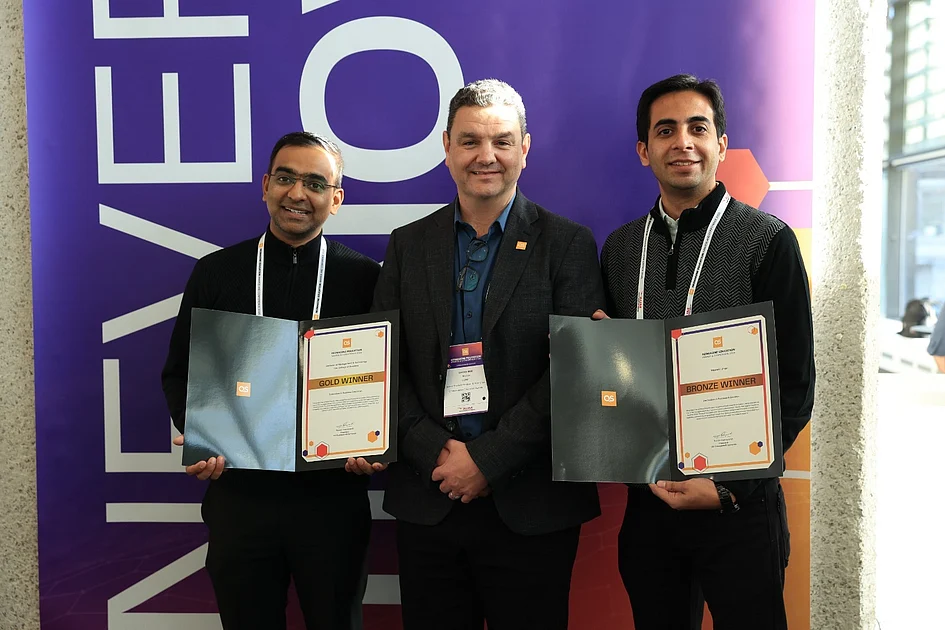
    Tetr College of Business has achieved global recognition by securing the Gold Award in Innovation in Business Education at the prestigious QS Reimagine Education Awards 2025. This landmark achievement positions Tetr among an elite group of institutions worldwide that are fundamentally transforming business education through groundbreaking approaches.

    The QS Reimagine Education Awards, organized by Quacquarelli Symonds—a highly respected higher education evaluation body—attracts thousands of applications annually from institutions across the globe. The rigorous selection process involves four rounds of comprehensive evaluation conducted by a distinguished panel of over 1,300 higher education leaders, educational technology experts, and industry specialists. The Gold Award represents the highest distinction within the category, recognizing exceptional innovation and excellence.

    Tetr’s revolutionary educational model integrates academic rigor with hands-on entrepreneurship, multi-country immersion experiences, and real-time problem solving. The institution’s curriculum transcends traditional classroom learning by enabling students to develop actual businesses, operate across international markets, and acquire practical experience aligned with the demands of the evolving global economy.

    Pratham Mittal, Founder of Tetr College of Business, commented: “Business education has remained predominantly theoretical for decades while the world has undergone dramatic transformation. This recognition from QS validates our conviction that students learn most effectively through building, experimenting, and operating in real market environments. At Tetr, we are creating an educational paradigm that is profoundly global, intensely practical, and designed for the realities of contemporary business.”

    Tarun Gangwar, Chief Operating Officer of Tetr College of Business, added: “The Gold Award serves as powerful affirmation of our mission to reimagine how business leaders are developed. We designed Tetr to bridge the gap between education and execution—ensuring students graduate not merely with theoretical knowledge but with tangible experience, global exposure, and the confidence to lead effectively from their first day.”

    With this achievement, Tetr College of Business joins an exclusive group of world-renowned institutions including the University of Pennsylvania, Massachusetts Institute of Technology, Stanford University, INSEAD, and Imperial College London—all previous recipients of this distinguished honor. These institutions collectively establish new benchmarks where learning becomes experiential, outcomes are measurable, and education is fundamentally designed for the real world that students will subsequently shape and transform.

  • Mexico rules out US military intervention in Mexican territory

    Mexico rules out US military intervention in Mexican territory

    In a definitive stance on national sovereignty, Mexican President Claudia Sheinbaum has explicitly ruled out any form of U.S. military intervention within Mexican territory following a telephone discussion with U.S. President Donald Trump. The Monday conversation occurred amidst escalating international tensions and recent U.S. military operations in Venezuela, which Washington justified as anti-drug trafficking measures.

    President Sheinbaum characterized the 15-minute exchange as ‘cordial’ while firmly declining Trump’s offer of military support against powerful drug cartels. ‘We communicated that our current strategies are proving effective and that such assistance is unnecessary,’ Sheinbaum stated during her regular morning press briefing. ‘Most importantly, we emphasized Mexico’s sovereignty and territorial integrity, which President Trump acknowledged.’

    The Mexican leader provided reporters with comprehensive details about her country’s security achievements, including the dismantling of clandestine drug laboratories, numerous arrests connected to organized crime networks, a 50% reduction in narcotics crossings into the United States, and a more than 40% decrease in drug-related fatalities.

    Regarding Venezuela, Sheinbaum reaffirmed Mexico’s constitutional principle of non-intervention in foreign affairs, directly communicating this position to the U.S. president. The diplomatic exchange will continue with a planned January 23rd meeting in Washington where Mexican cabinet members will discuss ongoing security coordination. Another presidential conversation addressing trade matters, including tariffs and the upcoming United States-Mexico-Canada Agreement review, is also scheduled.

    This high-level dialogue follows Sunday’s discussion between Mexican Foreign Minister Juan Ramon de la Fuente and U.S. Secretary of State Marco Rubio, where both parties committed to enhanced cooperation against illegal arms trafficking and organized crime while respecting Mexico’s sovereignty.