标签: North America

北美洲

  • Greenland, Denmark refute Trump’s claims of Chinese influence on island

    Greenland, Denmark refute Trump’s claims of Chinese influence on island

    In a firm diplomatic rebuttal, Danish and Greenlandic officials have categorically denied former U.S. President Donald Trump’s claims regarding significant Chinese military and economic presence in Greenland. The denial came during high-level talks at the White House on January 14, 2026, where both Nordic representatives confronted what they characterized as a false narrative driving American aspirations to control the Arctic territory.

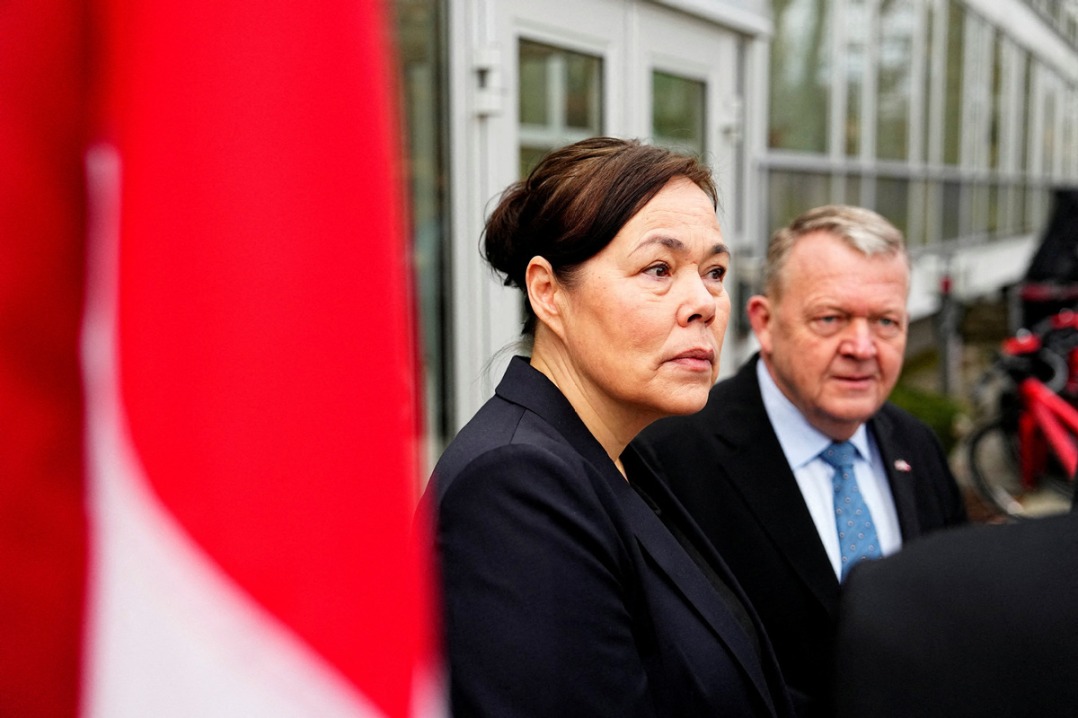
    Danish Foreign Minister Lars Løkke Rasmussen, accompanied by Greenland’s Foreign Minister Vivian Motzfeldt, engaged in an hour-long discussion with U.S. Vice President J.D. Vance and Secretary of State Marco Rubio. The meeting marked the first direct diplomatic exchange since Trump’s administration renewed assertions that China and Russia pose imminent threats to Greenland’s sovereignty, thereby justifying potential U.S. intervention.

    “We had a great opportunity to go up against the narrative because it is not true that we have Chinese warships all around the place,” Rasmussen stated emphatically. “According to our intelligence, we haven’t had a Chinese warship in Greenland for a decade. There are no Chinese warships along the coast of Greenland, nor are there any massive Chinese investments.”

    The Danish minister described the atmosphere during talks as “frank and constructive” but noted that fundamental disagreements persisted regarding Greenland’s status. Rasmussen explicitly countered Trump’s position: “It’s clear that the president has this wish of conquering Greenland. We made it very, very clear that this is not in the interest of the Kingdom.”

    Greenland’s Foreign Minister Motzfeldt emphasized that boundaries had been clearly defined during the discussions, expressing optimism about future dialogue despite the unresolved tensions.

    The diplomatic confrontation occurred against the backdrop of Trump’s social media pronouncements, where he asserted that “NATO should be leading the way for us to get Greenland” for national security purposes, warning that otherwise Russia or China would control the territory.

    China’s Foreign Ministry spokesperson Mao Ning previously addressed the matter, stating that “China’s activities in the Arctic are aimed at promoting the peace, stability and sustainable development of the region” in accordance with international law. The spokesperson added that the U.S. should not “use other countries as a pretext for seeking selfish gains.”

    Supporting the Nordic position, the 2025 Chicago Council Survey revealed that 91% of Americans oppose using military force to annex Greenland, indicating limited public support for Trump’s territorial ambitions.
  • Business leaders welcome Carney’s China visit, citing trade opportunities

    Business leaders welcome Carney’s China visit, citing trade opportunities

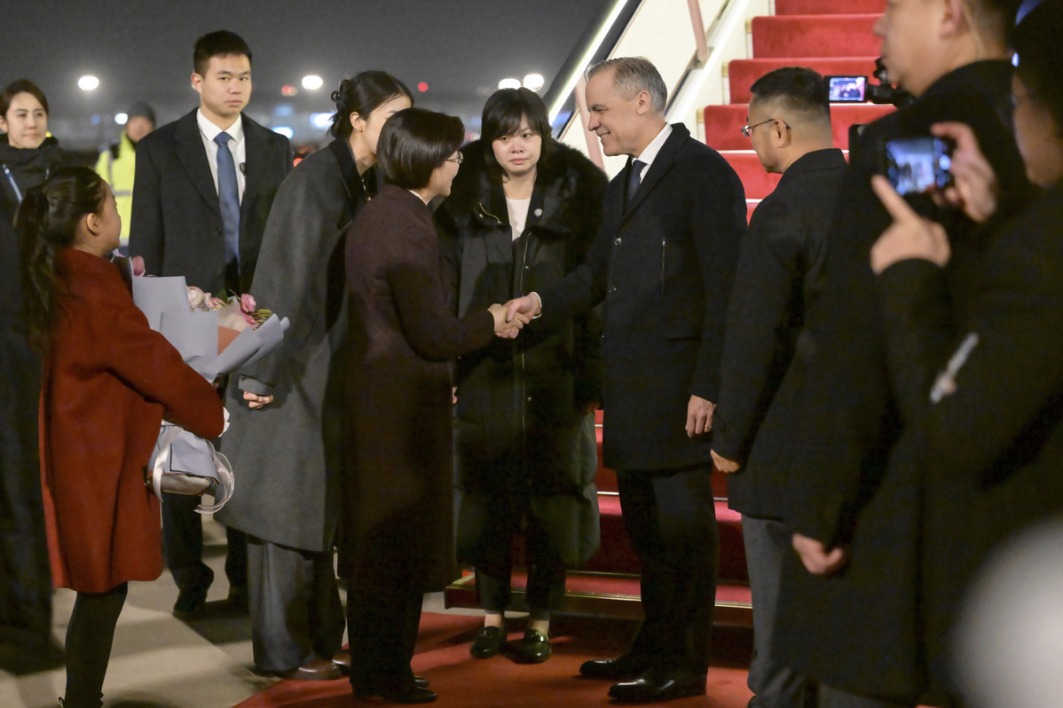
    Canadian Prime Minister Mark Carney’s official visit to Beijing, commencing January 14, 2026, has been met with robust approval from the nation’s business sector. Industry representatives are characterizing the diplomatic mission as a pivotal step toward stabilizing and diversifying Canada’s economic partnerships amid a complex global landscape.

    Bijan Ahmadi, Executive Director of the Canada China Business Council, emphasized the critical nature of re-engagement between Ottawa and Beijing. “Prime Minister Carney’s presence in China signifies a welcome recalibration of bilateral relations that began its gradual revival last summer,” Ahmadi stated. He underscored that sustained high-level dialogue provides the essential framework for navigating practical challenges, particularly within economic and trade domains.

    The economic interdependence between the two nations forms a compelling foundation for renewed cooperation. With approximately $120 billion in bilateral merchandise trade, China stands as Canada’s second-largest trading partner. Investment flows reflect similarly robust connections: Chinese foreign direct investment in Canada exceeds $60 billion, while Canadian enterprises have invested over $40 billion in China.

    Zheng Xiaoling, President of the Canada International Trade Promotion Society, highlighted the visit’s strategic timing against a backdrop of international geopolitical tensions and supply chain reorganization. “This diplomatic engagement carries profound economic significance,” Zheng observed. “It enables businesses to pursue market expansion and investment planning with renewed confidence, moving beyond previous hesitations caused by diplomatic friction.”

    Industry leaders identified multiple sectors ripe for expanded collaboration, including clean energy technology, agricultural exports (canola, lobster, and meat products), financial services, higher education, healthcare innovation, and artificial intelligence. The visit also opens possibilities for enhanced two-way investment, potentially allowing Canadian firms to attract Chinese capital while optimizing Asia-Pacific production and supply-chain arrangements—particularly in electric vehicles, battery materials, and critical minerals.

    Even during cooler diplomatic periods, commercial exchanges persisted through channels like the China International Import Expo, which attracted nearly 100 companies from British Columbia alone. Business leaders now urge stronger governmental support to leverage such platforms effectively, hoping to ignite broader recognition of Canadian products and technologies within the Chinese market.

  • Boeing knew of flaw in part linked to UPS plane crash, US safety board report says

    Boeing knew of flaw in part linked to UPS plane crash, US safety board report says

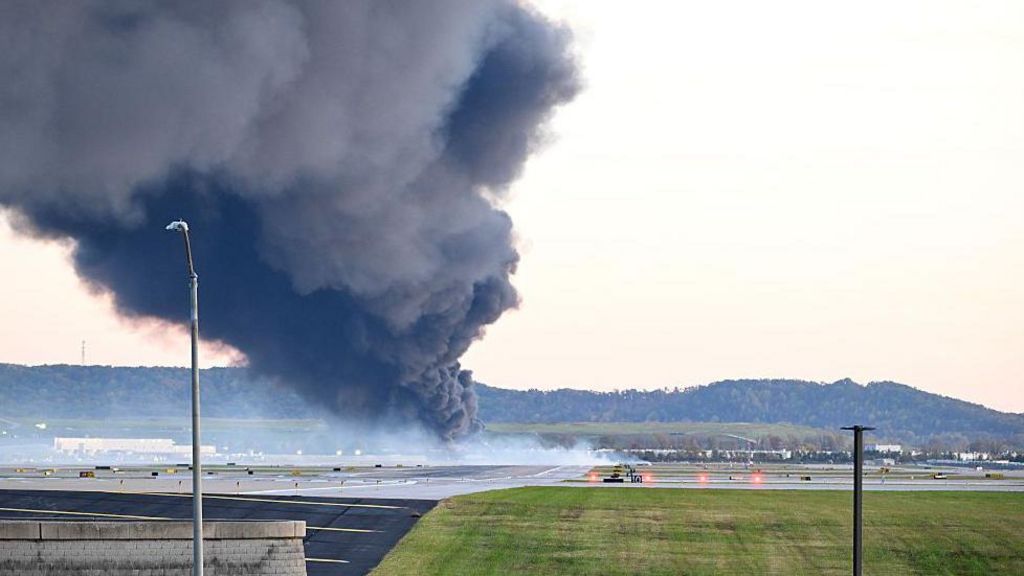
    Federal investigators have uncovered alarming evidence connecting a fatal cargo plane crash in Kentucky to a structural deficiency previously identified by Boeing over a decade earlier. The November incident involved a UPS-operated MD-11F freighter that erupted in flames after experiencing catastrophic engine separation during takeoff from Louisville International Airport.

    According to the National Transportation Safety Board’s (NTSB) latest investigative update, the aircraft briefly became airborne before veering uncontrollably into an industrial zone. The tragedy claimed fifteen lives—three flight crew members and twelve individuals on the ground.

    The investigation has pinpointed fatigue cracks within the engine mounting assembly as the primary failure point. These fractures, resulting from repeated stress on a critical bearing component, mirror incidents documented by Boeing in 2011. At that time, the aerospace manufacturer issued a non-binding service letter to operators acknowledging identical part failures across four instances involving three different aircraft.

    Despite this recognition, Boeing’s internal assessment concluded the issue ‘would not result in a safety of flight condition.’ The company recommended voluntary visual inspections at five-year intervals and proposed optional component upgrades, neither of which were mandated.

    Aviation safety expert Tim Atkinson, a former accident investigator, expressed grave concerns regarding Boeing’s judgment. ‘The structure concerned is not decorative—it’s an essential part of the mechanism that attaches the engine to the wing and carries loads such as thrust and drag,’ Atkinson stated. ‘It’s extraordinary that Boeing concluded that a failure of this part would not have safety consequences.’

    This incident renews scrutiny of Boeing’s safety protocols, echoing criticisms from recent 737 Max controversies and manufacturing quality issues. The company extended condolences to affected families while pledging continued cooperation with the ongoing NTSB investigation. A final determination regarding the crash’s cause awaits the agency’s comprehensive report.

  • Man shot in Minneapolis during federal immigration operation, local media reports

    Man shot in Minneapolis during federal immigration operation, local media reports

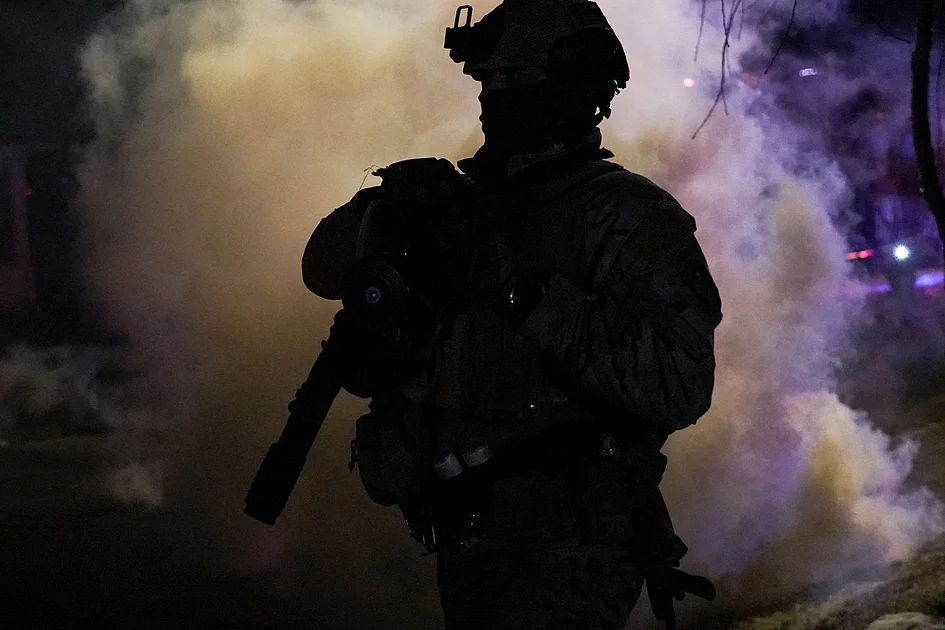
    Minneapolis witnessed another violent escalation in federal immigration enforcement operations Wednesday night when a man sustained leg injuries from gunfire during a confrontation with federal agents. According to the Minnesota Star Tribune, multiple sources confirmed the shooting occurred following a vehicle pursuit involving immigration enforcement personnel in the city’s northern district.

    Eyewitness accounts describe a sequence of gunshots erupting after a high-speed chase, though official law enforcement statements remained unavailable immediately after the incident. The City of Minneapolis acknowledged via social media platform X that it was monitoring reports of “a shooting involving federal law enforcement in north Minneapolis.”

    This incident marks the second firearms discharge involving Immigration and Customs Enforcement (ICE) personnel within a single week. Seven days earlier, a 37-year-old woman named Renee Good was fatally shot by an ICE agent during a major deportation operation ordered by President Donald Trump. Good, who participated in a volunteer neighborhood patrol network monitoring ICE activities, became a symbol of resistance against aggressive immigration enforcement tactics.

    Her death triggered nationwide protests and intensified scrutiny of ICE’s operational methods. The recent shooting occurs against the backdrop of President Trump’s Wednesday announcement threatening to terminate federal funding for states containing sanctuary cities that limit local law enforcement cooperation with federal immigration authorities.

    The U.S. Department of Homeland Security, which oversees ICE operations, has not responded to requests for commentary regarding the latest shooting incident. The pattern of armed confrontations suggests escalating tensions between federal immigration authorities and communities resisting Trump administration enforcement policies.

  • UAE weather: Light rains expected; temperatures to dip to 7ºC

    UAE weather: Light rains expected; temperatures to dip to 7ºC

    Meteorological authorities in the United Arab Emirates have issued a weather advisory indicating a significant drop in temperatures accompanied by precipitation across coastal regions. According to the National Centre of Meteorology (NCM), Thursday, January 15 will witness light rainfall alongside progressively cooler conditions, particularly in western areas.

    Weather patterns are forecast to range from fair to partly cloudy, with increased cloud coverage expected intermittently over northern and coastal territories. Accompanying these conditions will be light to moderate winds that may intensify periodically, becoming particularly vigorous over maritime zones. These stronger gusts pose potential challenges including blowing dust and sand, which could substantially reduce horizontal visibility in exposed areas.

    Maritime conditions are anticipated to deteriorate, with the Arabian Gulf expected to experience moderate to rough seas that may become very rough overnight. Similarly, the Oman Sea will see moderate conditions turning rough during nighttime hours.

    Temperature variations will be considerable across the Emirates. The mercury is predicted to plunge to a brisk 7°C in interior regions such as Raknah, while simultaneously reaching highs of 28°C in other parts of the country. Major population centers will experience more moderate ranges: Dubai anticipates temperatures between 17°C and 27°C, Abu Dhabi between 16°C and 27°C, and Sharjah between 15°C and 26°C.

    Residents and visitors are advised to monitor updated forecasts and exercise caution, especially in areas prone to reduced visibility and maritime travelers facing potentially hazardous sea conditions.

  • Warrants filed against oil tankers

    Warrants filed against oil tankers

    The Trump administration has initiated a significant escalation in its campaign against Venezuela’s oil industry by filing federal court warrants targeting oil tankers connected to the sanctioned South American nation. According to Reuters reports from Tuesday, the U.S. government has submitted multiple civil forfeiture actions seeking authorization to confiscate both vessels and cargo involved in Venezuelan oil trade.

    This legal maneuver follows the Pentagon’s stark declaration on Friday that it would actively “hunt down and interdict all dark fleet vessels transporting Venezuelan oil at the time and place of our choosing.” Since December, U.S. forces have already seized five oil tankers with Venezuelan connections, demonstrating the administration’s commitment to disrupting President Nicolas Maduro’s primary revenue stream.

    The aggressive stance comes amid dramatic developments in the Venezuela crisis. On January 3rd, the Pentagon executed a large-scale strike in the oil-rich nation that resulted in the capture of President Maduro, who now faces drug charges in New York custody. Following this operation, President Trump announced the United States would assume control over Venezuela’s substantial oil resources, with Energy Secretary Chris Wright clarifying that this control would extend beyond marketing stored oil to indefinitely managing the country’s oil production sales.

    Parallel to these coercive measures, diplomatic channels show tentative signs of activity. Bloomberg reported that Venezuela’s acting President Delcy Rodriguez is preparing to dispatch an envoy to Washington amid discussions about potentially reopening the U.S. embassy in Venezuela. Felix Plasencia, the country’s ambassador to Britain and former foreign minister, is expected to meet with senior U.S. officials at Rodriguez’s direction. Additionally, prominent opposition figure Maria Corina Machado is anticipated to visit the White House, signaling possible political negotiations.

    The State Department confirmed on Friday that personnel from its Colombia-based Venezuela Affairs Unit will conduct preliminary assessments for a “potential phased resumption of operations” in Venezuela, suggesting the possibility of renewed diplomatic engagement despite the ongoing economic pressure campaign.

  • Watch: Astronauts return to Earth after medical evacuation

    Watch: Astronauts return to Earth after medical evacuation

    A NASA astronaut and three crewmates have made an unscheduled return to Earth after cutting their International Space Station mission short by approximately one month due to an onboard medical emergency. The spacecraft carrying the four astronauts successfully splashed down on Thursday, concluding what was originally planned as a longer duration orbital mission.

    The early departure was triggered when one crew member required urgent medical attention that could not be adequately addressed within the Space Station’s medical facilities. While NASA has not disclosed specific details regarding the nature of the illness due to privacy considerations, the agency confirmed that the situation warranted immediate return to Earth for proper medical treatment.

    This incident marks one of the rare medical evacuations from the orbiting laboratory, highlighting the inherent challenges of managing health emergencies in space. The return procedure involved meticulous planning between NASA mission control, international space partners, and medical teams on the ground to ensure safe re-entry and subsequent medical care.

    The successful return demonstrates the robustness of emergency protocols developed for space missions, though it also raises questions about medical preparedness for longer deep-space missions planned for the future. Space agencies worldwide will likely analyze this event to improve medical support systems for astronauts aboard the International Space Station and beyond.

  • US experts see stormy year ahead

    US experts see stormy year ahead

    Leading American academics are projecting a period of intensified political strife and social division throughout 2026, driven by midterm elections, persistent economic pressures, and deepening institutional fractures. This assessment emerges from expert analyses conducted separately with China Daily, indicating continued turbulence following a volatile 2025.

    Anthony Moretti, Associate Professor at Robert Morris University, anticipates the upcoming electoral cycle will dominate the national conversation. “The overwhelming focus throughout 2026 will revolve around polling data, partisan advantages, and electoral trajectories,” Moretti stated. He further suggested that potential setbacks for former President Donald Trump’s party could trigger intensified rhetoric targeting immigrants and political opponents.

    The pervasive polarization extends beyond mere electoral politics. Sourabh Gupta, senior fellow at the Institute for China-America Studies, characterizes the coming months as particularly combative. “I envision significant polarization persisting for the foreseeable future,” Gupta noted. “Both major parties will likely maintain confrontational stances until after November’s elections, creating a particularly challenging political climate.”

    Economic concerns remain paramount among voter priorities, with affordability and cost of living issues continuing to dominate public anxiety. Gupta expressed skepticism toward economic promises from political leadership, doubting whether proposed policies would translate into tangible job creation or wage improvement. He additionally projected persistent inflationary pressures, potentially worsening throughout the year.

    The analysis further identifies structural vulnerabilities within American governance. Jack Midgley of Georgetown University’s Security Studies Program highlighted how mega-donors tied to specific issues or business interests increasingly impede legislative compromise. “This influence causes lawmakers to adamantly advocate for narrow positions, reducing their willingness to negotiate—even with members of their own party,” Midgley explained.

    This dynamic ultimately weakens constitutional checks and balances. Midgley referenced George Washington’s warnings about powerful political parties potentially subverting the people’s will, noting concerning shifts in governmental power distribution. “We currently observe expanding presidential authority alongside diminishing roles for both Congress and the judiciary,” he stated.

    Internationally, recent US military intervention in Venezuela exemplifies this trend toward executive assertiveness and departure from rules-based order. According to Midgley, this action has destabilized Venezuela, created regional uncertainty, and undermined established international norms by legitimizing spheres of influence and governmental overthrow.

    Collectively, these experts foresee no rapid resolution to current tensions. The profound damage inflicted upon governmental institutions and international relationships will require years to address—assuming the political will eventually emerges to do so.

  • She’s offered Trump her Nobel Prize. But what might Venezuela’s Machado ask for in return?

    She’s offered Trump her Nobel Prize. But what might Venezuela’s Machado ask for in return?

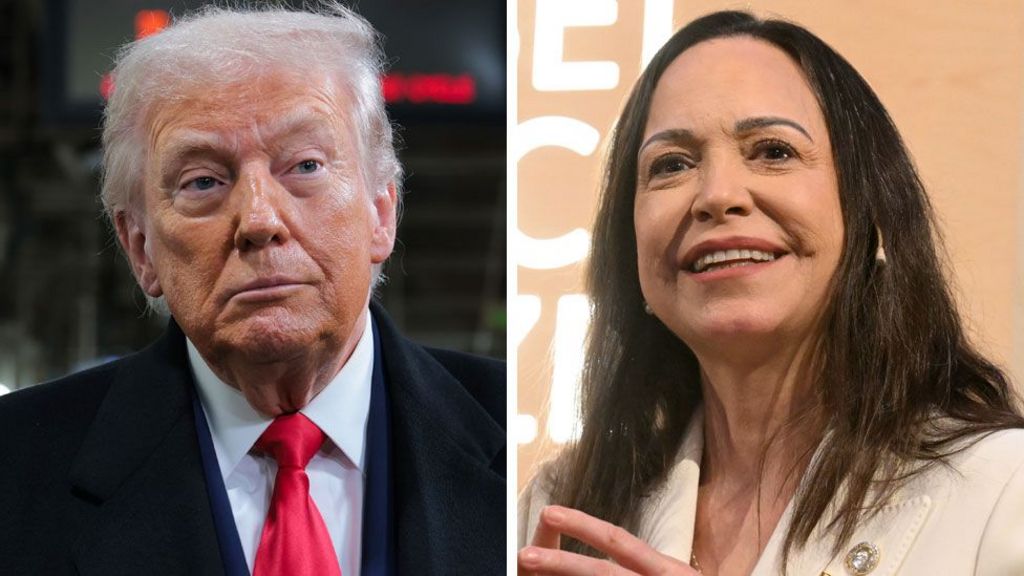
    In a high-stakes diplomatic maneuver, Venezuelan opposition figure María Corina Machado is scheduled to meet with U.S. President Donald Trump at the White House on Thursday, aiming to reverse his recent endorsement of interim leader Delcy Rodríguez. The meeting follows Machado’s symbolic offer to share her Nobel Peace Prize—an honor Trump has publicly coveted—though the Norwegian Nobel Institute has confirmed prize transfer is legally impossible.

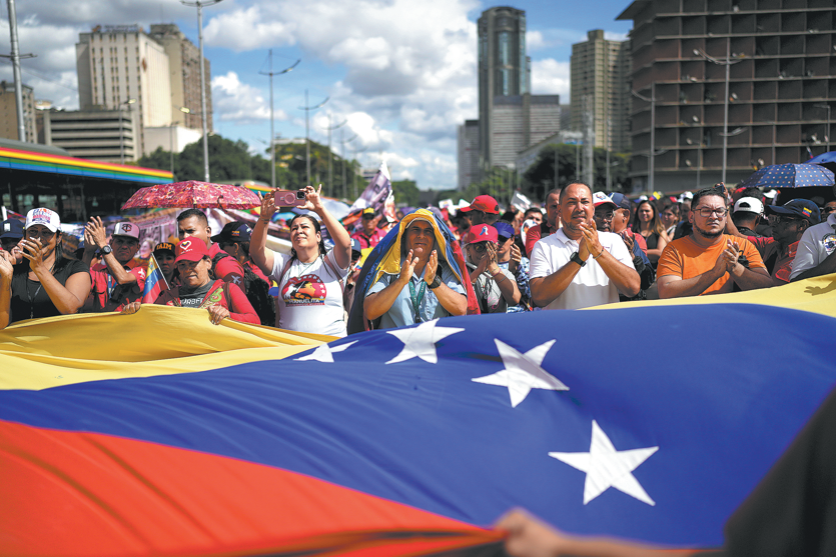
    The political landscape shifted dramatically earlier this month when U.S. forces ousted Nicolás Maduro, whose reelection was widely condemned as illegitimate. Despite Machado’s landslide victory in the 2023 opposition primary and her decades-long democratic activism, Trump unexpectedly backed Rodríguez—Maduro’s former vice-president—claiming Machado lacked sufficient respect to lead.

    Machado’s coalition argues Rodríguez represents continuity with Maduro’s abusive regime and seeks to convince Trump that his current alignment undermines democratic restoration. Conversely, Rodríguez supporters believe her transitional leadership prevents instability from armed colectivos and government loyalists who still control state institutions.

    Venezuelans remain deeply divided: many view Machado as the legitimate democratic leader based on her primary victory and protest mobilization capabilities, while others fear immediate opposition rule could trigger violent backlash. Anonymous analysts suggest Trump’s intervention success actually stemmed from Machado’s years of weakening Maduro’s regime, noting that over 80% of Venezuelans desire political change unlikely under Rodríguez.

    The Oval Office meeting represents a critical test of Trump’s unpredictable foreign policy approach, where personal diplomacy could reshape Venezuela’s fragile transition. Ultimately, Trump’s assessment may depend less on Machado’s arguments than on Rodríguez’s performance in coming weeks.

  • US imposes tariff of 25 pct on certain advanced computing chips

    US imposes tariff of 25 pct on certain advanced computing chips

    The United States has implemented a substantial 25 percent tariff on select advanced computing chips, marking a significant escalation in its trade policy approach toward the technology sector. This decisive measure, which took effect in early 2026, represents one of the most aggressive tariff impositions on high-tech components in recent years.

    The tariff specifically targets cutting-edge computing processors essential for artificial intelligence systems, data centers, and high-performance computing applications. Industry analysts indicate this move will directly impact the cost structure of numerous technology companies relying on these specialized semiconductors for their operations and product development.

    This protectionist measure emerges amid ongoing global competition for technological supremacy, particularly in the semiconductor sector where the United States has been seeking to strengthen domestic manufacturing capabilities. The tariff is expected to reshape supply chain dynamics and potentially accelerate the reshoring of advanced chip production to American soil.

    Market reactions have been immediate, with several major tech corporations announcing price adjustments for their computing products and services. The financial implications are projected to extend beyond the technology sector, potentially affecting industries ranging from automotive to healthcare that increasingly depend on advanced computing capabilities.

    Trade experts suggest this policy could trigger retaliatory measures from trading partners and potentially disrupt the global semiconductor ecosystem that has become increasingly interconnected over the past decade. The long-term impact on innovation cycles and technological advancement remains a subject of intense debate among economists and industry leaders.