标签: North America

北美洲

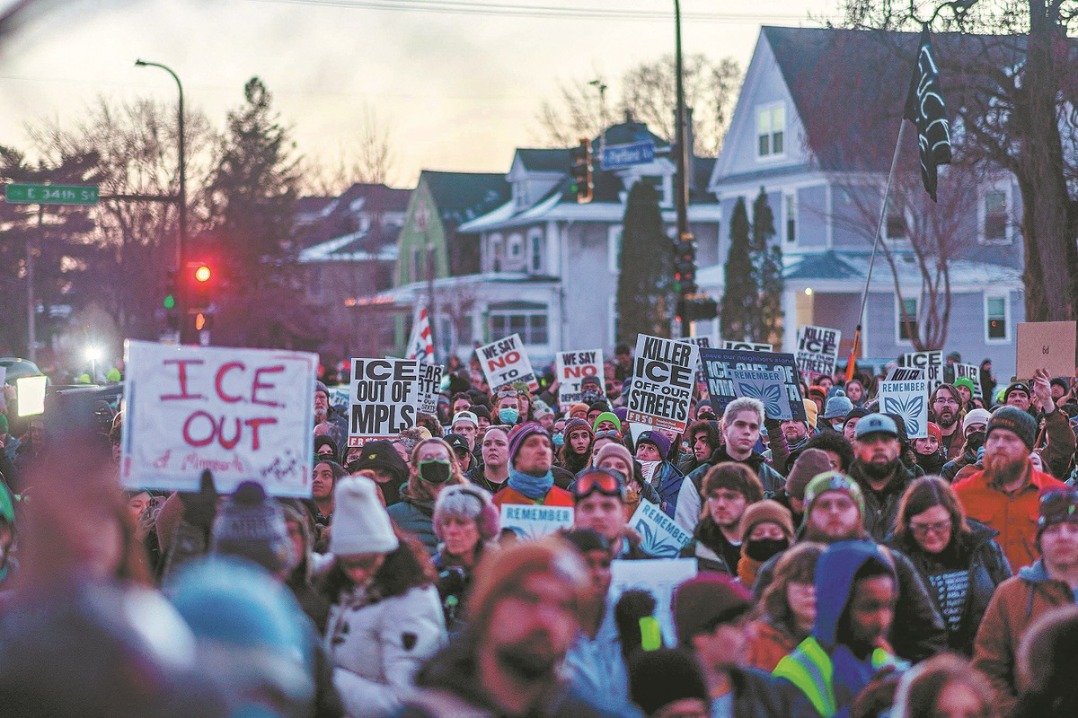
  • Aggressive actions of ICE deepen cracks in US society

    Aggressive actions of ICE deepen cracks in US society

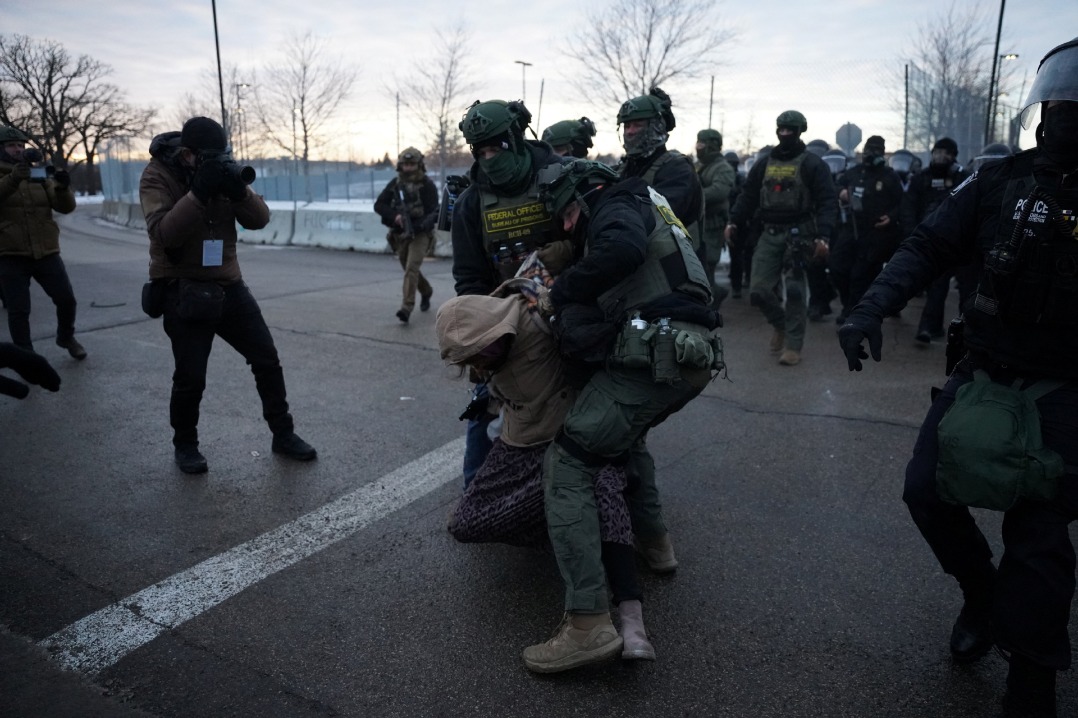
    The United States faces deepening societal fractures as Immigration and Customs Enforcement (ICE) operations intensify under the current administration. Recent military-style tactics employed by masked agents in unmarked vehicles have ignited nationwide debate about enforcement methods and their implications for civil liberties.

    The controversy reached a critical point on January 7 when ICE agents in Minneapolis, Minnesota, shot and killed 37-year-old Renee Good during a neighborhood monitoring operation. Video evidence captured the moment when Officer Jonathan Ross discharged multiple rounds into Good’s vehicle as it began moving away, resulting in her death.

    Official responses revealed starkly contrasting narratives. Homeland Security Secretary Kristi Noem characterized Good’s actions as ‘domestic terrorism,’ alleging she used her vehicle as a weapon against officers. President Donald Trump subsequently described Good as ‘a professional agitator’ who acted ‘violently, willfully, and viciously’ against law enforcement.

    These characterizations faced immediate challenge from local and federal officials. Minneapolis Mayor Jacob Frey condemned the shooting as federal overreach, while Democratic Representative Steve Cohen declared the incident ‘clearly unjustified homicide’ during Senate proceedings. The incident has transcended typical political discourse, with prominent podcaster Joe Rogan—formerly a Trump supporter—expressing horror at the footage.

    Recent polling indicates significant national division: approximately 53% of Americans view the shooting as unjustified, while 35% support the officers’ actions. This polarization follows stark partisan lines, with 77% of Republicans justifying the shooting compared to 92% of Democrats condemning it.

    The Minneapolis operation has expanded dramatically since its inception over two weeks ago. What began as a 2,000-agent enforcement initiative targeting alleged fraud within Somali communities has grown to nearly 3,000 federal personnel—outnumbering local law enforcement in the region and raising questions about jurisdictional boundaries and proportional response.
  • US believes its power matters more than international law, UN chief tells BBC

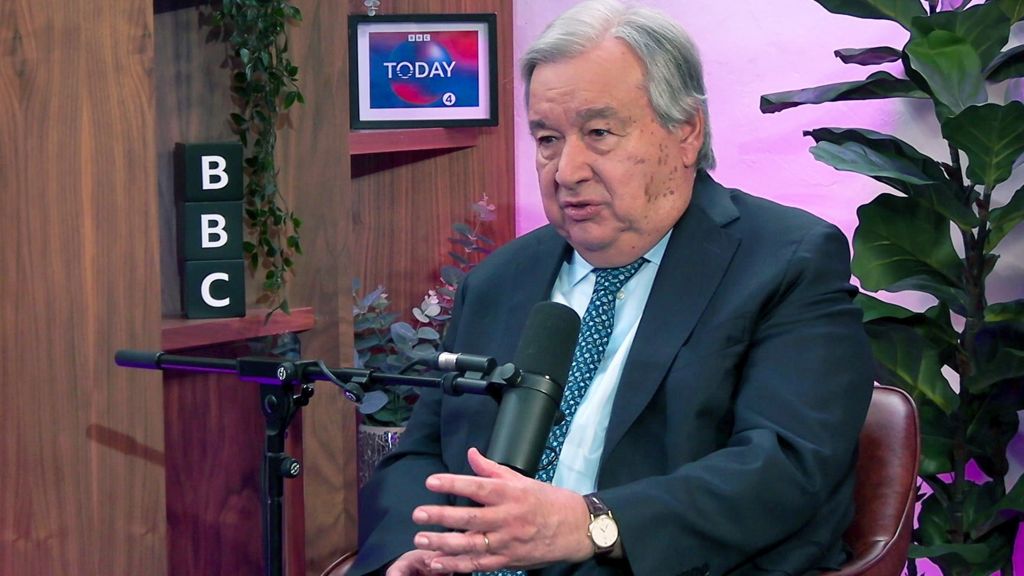
    US believes its power matters more than international law, UN chief tells BBC

    In a striking critique of American foreign policy, United Nations Secretary-General António Guterres has declared that the United States is operating with impunity while prioritizing its own power over established international legal frameworks. During an exclusive interview with BBC Radio 4’s Today programme, Guterres expressed profound concern that Washington’s “clear conviction” now dismisses multilateral solutions as irrelevant, favoring instead the unilateral “exercise of U.S. power and influence, sometimes at the expense of international law norms.”

    The Secretary-General’s remarks arrive amidst escalating global tensions, including recent U.S. military actions in Venezuela and former President Donald Trump’s repeated threats to annex Greenland. Guterres identified these developments as symptomatic of a broader crisis threatening the foundational UN principle of member state equality.

    Guterres directly addressed Trump’s previous criticisms of the United Nations, acknowledging the organization’s struggle to enforce compliance with the UN Charter among member states. While insisting the UN remains “extremely engaged” in resolving major conflicts, Guterres conceded that the institution lacks leverage compared to powerful nations. He questioned whether this influence is being utilized to achieve lasting solutions or merely temporary fixes to complex international problems.

    The UN leader highlighted urgent need for institutional reform to address “dramatic problems and challenges” facing its 193 member states. He particularly criticized the UN Security Council’s structure, noting its ineffective representation of the modern world and the problematic veto power exercised by permanent members (France, China, Russia, the UK, and US), which has repeatedly obstructed resolutions on conflicts in Ukraine and Gaza.

    Guterres called for compositional changes to the Security Council to “regain legitimacy” and “give voice to the whole world,” including limitations on veto powers to prevent unacceptable “blockages” of international action. He specifically questioned why “three European countries” held permanent seats while other regions remained underrepresented.

    Regarding Gaza, Guterres countered allegations of UN ineffectiveness, explaining that aid distribution was impossible during periods when Israel blocked access to the territory. “Whenever Israel would not allow us to move into Gaza, we couldn’t move into Gaza,” he stated, adding that the UN was prepared to deliver aid “provided we had the conditions.”

    Despite acknowledging a world “brimming with conflict, impunity, inequality and unpredictability,” Guterres maintained an optimistic outlook. He emphasized the necessity of confronting powerful nations to create a better world, even as questions multiply about the decline of multilateralism and some leaders’ failure to defend international law.

  • Hispanic voters sent Trump back to power. Now some are souring

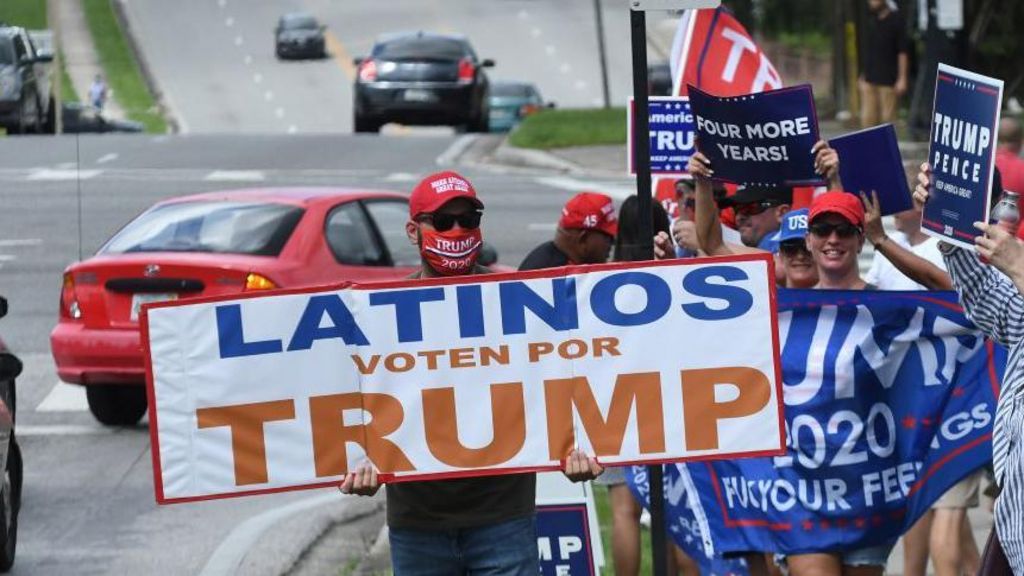
    Hispanic voters sent Trump back to power. Now some are souring

    A significant shift is occurring within the Latino electorate that helped propel Donald Trump to victory in the 2024 presidential election. New polling data from CBS News reveals a notable decline in support, with approval among Latino voters dropping to 38%—a substantial decrease from the 49% recorded in February following his inauguration. This demographic, representing over 36 million people and constituting the largest non-white voting bloc in the United States, appears to be reconsidering its allegiance to the Republican administration.

    The economic concerns that initially drove Latino voters toward Trump have now become his administration’s greatest vulnerability. While 93% of Latino Trump voters cited the economy as their primary issue during the 2024 election according to Pew Research, current CBS polling shows 61% now disapprove of Trump’s economic management, with 69% expressing dissatisfaction with his handling of inflation. Despite White House officials highlighting lower gas prices, tariff revenue, and foreign investment as successes, many Latino voters report continued financial strain.

    Moses Santana, a resident of a predominantly Latino neighborhood in North Philadelphia, observed that ‘things are still getting tight… people who are low-income are definitely feeling the impact of the prices.’ This sentiment was echoed by John Acevedo, a 74-year-old California realtor who noted that ‘He promised they would come down. They haven’t.’

    The administration’s immigration enforcement operations have further complicated the relationship with Latino voters. With over 600,000 deportations between January and early December 2024 and widespread ICE raids, 70% of Latinos disapprove of Trump’s immigration handling according to CBS data—significantly higher than the national average of 58%. While some supporters defend these measures as protecting legal immigrants’ jobs, others like Oscar Byron Sarmiento, a Houston electrician, believe the approach has ‘gone a little bit extreme.’

    Republican strategist Mike Madrid, a prominent observer of Latino politics, suggests that ‘The Latino shift right was more a function of Latinos leaving the Democratic Party [due to the economy] than it was a function of being compelled by the Republican Party.’ He notes that Latino voters, having the ‘weakest partisan anchor of any group,’ are willing to reject both parties when they feel failed.

    As the administration approaches midterm elections, addressing this erosion of support presents a significant challenge. Even staunch supporters acknowledge growing concerns, with Crystal Sarmiento noting that ‘Right now Trump is trending in a lower direction, simply because of not being able to get in front of the messaging.’ The administration’s ability to address economic anxieties and modify its approach to immigration may determine whether it can reclaim the Latino support that proved decisive in 2024.

  • Chile: At least 15 killed, emergency declared due to wildfires

    Chile: At least 15 killed, emergency declared due to wildfires

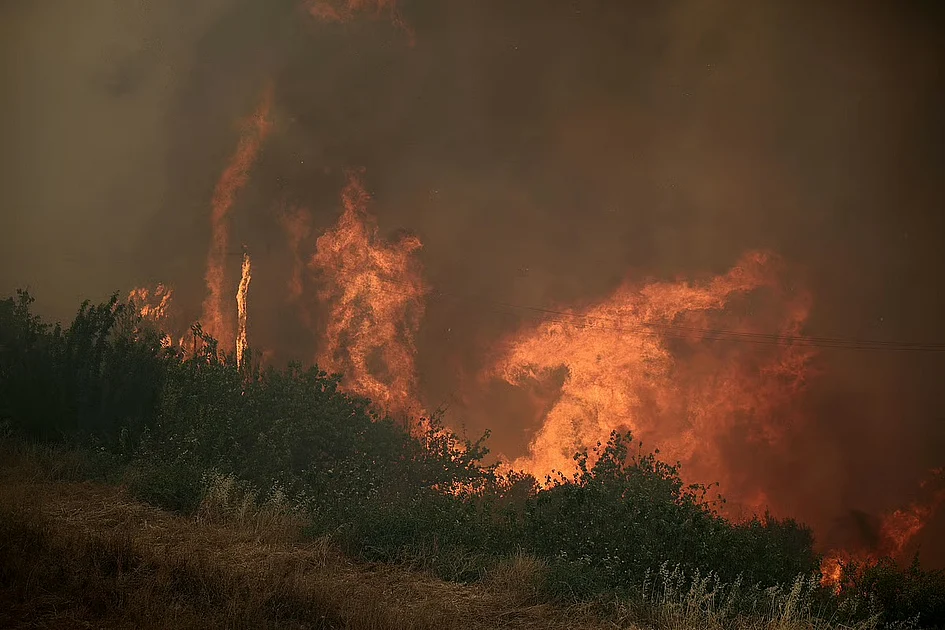
    Chilean authorities have declared a state of emergency in southern regions as devastating wildfires continue to rage, resulting in at least 15 fatalities and the evacuation of over 50,000 residents. The catastrophic blazes, primarily concentrated in the Nuble and Biobio regions approximately 500 kilometers south of Santiago, have been fueled by intense summer heat and powerful winds characteristic of the Southern Hemisphere’s current season.

    Security Minister Luis Cordero confirmed the death toll Sunday as firefighting crews battled nearly two dozen separate infernos across the affected areas. Interior Minister Alvaro Elizalde characterized the situation as ‘complicated,’ emphasizing the severity of the crisis unfolding in the south-central territories.

    President Gabriel Boric activated emergency protocols through a social media announcement, mobilizing all available national resources including military assistance. The declaration enables armed forces deployment to support fire containment and evacuation efforts amid the escalating disaster.

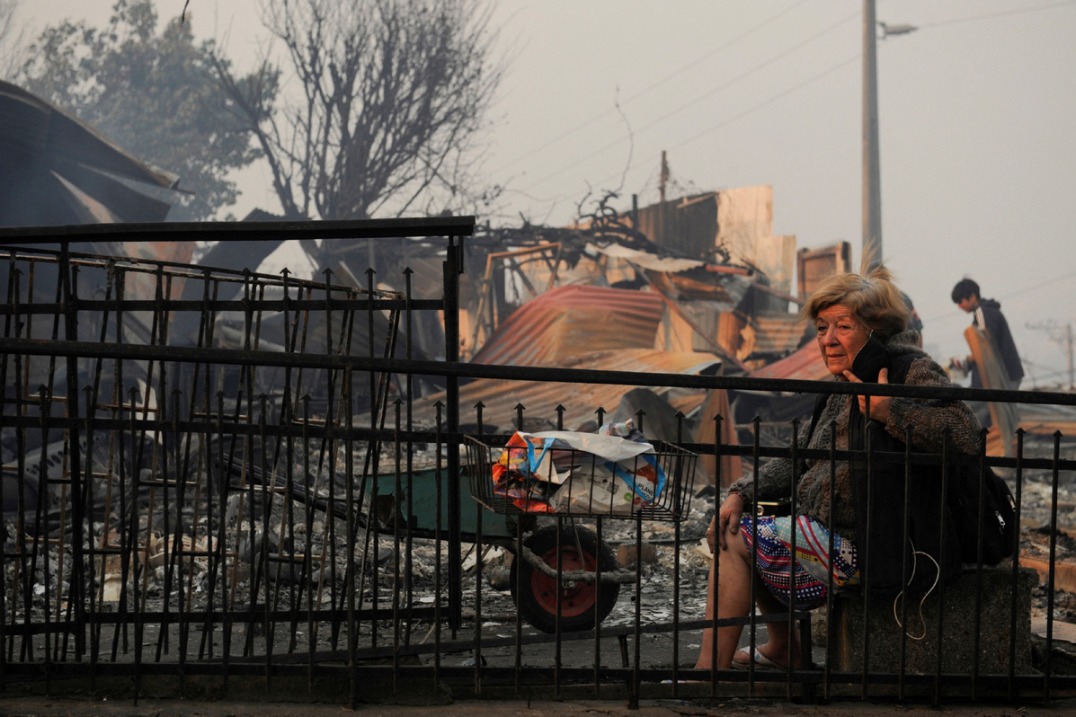
    National Service for Disaster Prevention and Response director Alicia Cebrian reported that the majority of evacuations occurred in the Biobio cities of Penco and Lirquen, with a combined population of approximately 60,000 inhabitants. Local television broadcasts depicted harrowing scenes of streets filled with charred vehicles and neighborhoods engulfed in flames.

    This tragedy echoes previous wildfire catastrophes that have plagued Chile’s south-central regions in recent years. In February 2024, simultaneous fires near Viña del Mar resulted in 138 fatalities and affected approximately 16,000 residents, according to official records from the public prosecutor’s office.

  • Chile declares state of catastrophe in two regions after wildfires kill 16

    Chile declares state of catastrophe in two regions after wildfires kill 16

    Chilean President Gabriel Boric has enacted a state of catastrophe across the Nuble and Biobio regions following devastating wildfires that have resulted in at least 16 fatalities. The emergency declaration, announced Sunday via the president’s official social media channel, mobilizes all available national resources to combat the escalating crisis.

    According to Chile’s National Forestry Corporation, 24 active fires were burning across the country as of Sunday morning, with the most severe concentration in Nuble where nine separate blazes are raging. The most extensive fire has consumed approximately 2,200 hectares in the city of Ranquil within the Nuble region.

    The scale of displacement is substantial, with National Disaster Prevention and Response Service director Alicia Cebrian reporting that approximately 30,000 residents have been evacuated from the severely impacted communities around Penco in Biobio. Comprehensive assessment of residential damage remains ongoing as emergency crews battle the spreading flames.

    This tragedy evokes memories of Chile’s devastating 2024 wildfire season, when infernos swept through the central Valparaiso region claiming 138 lives and destroying tens of thousands of homes. The current emergency declaration enables military deployment and unlocks federal emergency funding to support firefighting operations and victim assistance.

    Photographic evidence from affected areas shows residents surveying the charred remnants of their communities, with buildings reduced to rubble and landscapes transformed into ash-covered wastelands. The declaration of catastrophe status reflects the severity of what officials are describing as one of Chile’s most significant wildfire events in recent years.

  • Patriots and Rams reach Conference Championship games

    Patriots and Rams reach Conference Championship games

    In a dramatic NFL Divisional Round showdown, the Los Angeles Rams clinched a heart-stopping 20-17 overtime victory against the Chicago Bears amidst frigid conditions at Soldier Field. The win propels the Rams into the NFC Championship game against the Seattle Seahawks.

    The contest, played in temperatures dipping to -8°C (-13°C wind chill), saw the Rams’ offense struggle for much of the game. After a 10-10 halftime deadlock, running back Kyren Williams broke through with a 5-yard touchdown run in the fourth quarter, putting Los Angeles ahead.

    Chicago quarterback Caleb Williams, the 2024 number one draft pick nicknamed ‘the Iceman’ for his clutch performances, lived up to his reputation by launching a miraculous 40-yard touchdown pass to tight end Cole Kmet with just 18 seconds remaining, sending the game into overtime. The Bears had set an NFL record with seven comeback victories when trailing in the final two minutes this season.

    However, in the extra period, Williams threw his third interception of the game. The Rams capitalized on the turnover, with kicker Harrison Mevis securing the win with a decisive 42-yard field goal.

    In the AFC, the New England Patriots continued their remarkable resurgence by defeating the Houston Texans 28-16 in snowy conditions. Second-year quarterback Drake Maye, who posted the league’s best completion rate (72%) during the regular season, threw three touchdown passes despite three turnovers. His fourth-quarter 32-yard deep shot to Kayshon Boutte, who made a spectacular one-handed catch, sealed the victory.

    The Patriots’ dramatic turnaround from 4-13 in 2024 to 14-3 this season ties for the biggest single-season improvement in NFL history. They will face the Denver Broncos in the AFC Championship game, where Maye will duel against Jarrett Stidham, who briefly succeeded Tom Brady in New England before finding success in Denver.

    The winners of next Sunday’s conference championships will meet in Super Bowl 60 on February 8th at Levi’s Stadium in Santa Clara, California.

  • Pentagon readies 1,500 troops for potential Minnesota deployment, US officials say

    Pentagon readies 1,500 troops for potential Minnesota deployment, US officials say

    The Pentagon has initiated prepare-to-deploy orders for approximately 1,500 active-duty soldiers from Alaska-based units amid escalating tensions in Minnesota, according to senior U.S. officials. The mobilization preparation comes as federal immigration enforcement operations have sparked widespread protests and confrontations in the Midwestern state.

    The strategic positioning of cold-weather specialized troops from the 11th Airborne Division’s infantry battalions follows President Donald Trump’s Thursday threat to invoke the Insurrection Act if state officials fail to curb protests targeting Immigration and Customs Enforcement personnel. While deployment remains uncertain, the move represents the administration’s latest escalation in responding to domestic civil disturbances.

    This development occurs against the backdrop of intensified federal immigration enforcement in Minneapolis, where tensions dramatically increased after an ICE agent fatally shot Renee Good, a U.S. citizen and mother of three, during a January 7th encounter. The incident has galvanized opposition to the nearly 3,000 federal agents deployed to the Minneapolis-St. Paul area since last week.

    The Trump administration maintains that military deployment would protect federal property and personnel, citing previous deployments in Los Angeles where Marines were dispatched under similar justification. Legal complexities surround potential deployment, as presidents possess authority to deploy active-duty forces for specific domestic purposes without invoking the Insurrection Act.

    Minnesota Governor Tim Walz has mobilized the state’s National Guard while facing a Justice Department criminal investigation. Local leaders have consistently accused the administration of federal overreach and exaggerating isolated violence to justify military intervention. The administration has particularly focused on Minnesota’s Somali immigrant community in its rationale for increased enforcement.

    The Pentagon and White House have not publicly commented on the deployment preparations, which were first reported by ABC News. The situation continues to evolve as both protest activity and federal enforcement operations persist in the region.

  • Trump tests boundaries of his power as Minnesota pushes back

    Trump tests boundaries of his power as Minnesota pushes back

    Minnesota has become the epicenter of a mounting constitutional crisis as federal immigration enforcement operations trigger widespread civil unrest and prompt military deployment preparations. The state faces unprecedented tensions with approximately 1,500 troops reportedly standing ready for deployment amid escalating protests against President Trump’s aggressive immigration enforcement campaign.

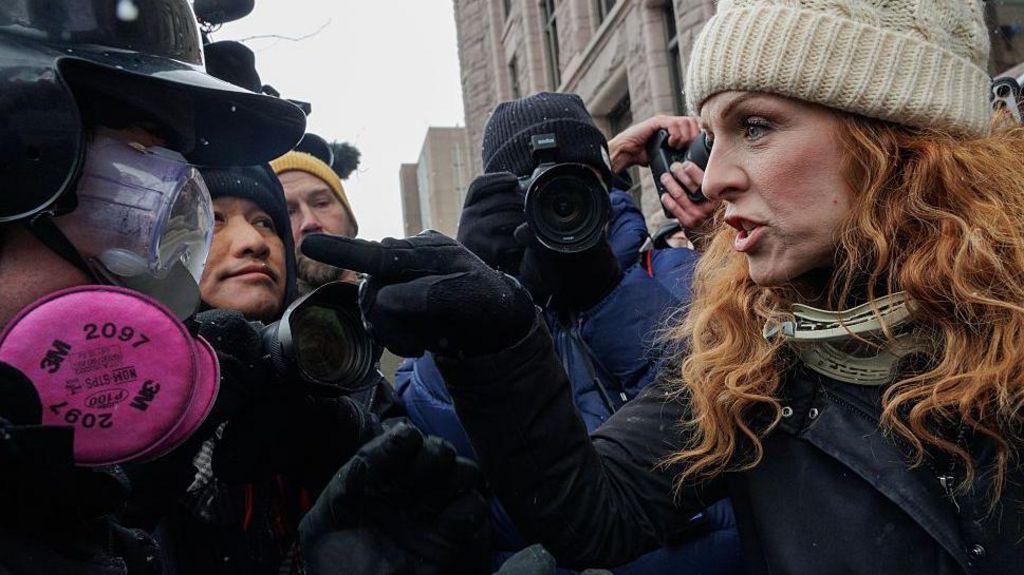
    In the Twin Cities of Minneapolis and St. Paul, civilian monitoring groups have organized to track and document the activities of U.S. Immigration and Customs Enforcement (ICE) agents. One activist, operating under the pseudonym ‘Sunshine’ due to safety concerns, explained her daily routine of tracking unmarked ICE vehicles through city streets. ‘We have the legal right to observe [ICE agents], but they seem to have forgotten that,’ she stated while navigating the icy roads of St. Paul.

    The conflict reached a critical juncture following the January 7th fatal shooting of 37-year-old Minneapolis resident Renée Good by an ICE agent. The circumstances remain fiercely contested, with federal authorities claiming self-defense while local officials maintain the victim posed no danger. This incident has galvanized community resistance and intensified protests outside federal buildings, despite freezing temperatures.

    Federal judicial intervention has attempted to de-escalate tensions. U.S. District Judge Katherine Menendez issued a restraining order prohibiting ICE agents from arresting or using pepper spray against peaceful demonstrators monitoring immigration enforcement activities. However, clashes persist, with authorities deploying tear gas and pepper balls to disperse crowds.

    The Department of Homeland Security maintains that operations target ‘the worst of the worst,’ but documentation reveals numerous instances of non-criminal immigrants and even U.S. citizens being detained. The administration’s approach has proven particularly controversial in Minnesota, home to America’s largest Somali immigrant community, whom President Trump previously described as ‘garbage’ and suggested should ‘return to where they came from.’

    The political dimension has intensified with the Justice Department opening criminal investigations against Minnesota Governor Tim Walz and Minneapolis Mayor Jacob Frey, accusing them of obstructing federal immigration operations. Governor Walz, who recently abandoned his re-election bid amid unrelated fraud scandals, condemned the probes as ‘weaponizing the justice system against your opponents.’

    President Trump has threatened to invoke the Insurrection Act—a 19th-century statute permitting domestic military deployment—to quell resistance to his immigration campaign. Meanwhile, counter-protests have emerged, including attempts by pardoned January 6th participant Jake Lang to organize pro-ICE rallies, though these have been overwhelmingly outnumbered by opposing demonstrators.

    As temperatures plummet and tensions escalate, Minneapolis residents like ‘Sunshine’ continue their vigilante monitoring efforts, despite reporting intimidation tactics from federal agents. ‘If they’re doing this with me, they’re not putting their hands on someone,’ she remarked, acknowledging the personal cost in time and resources. ‘I think that I’m doing what I’m doing because I love my neighbors.’

  • US Army puts 1,500 paratroopers on alert for possible deployment to Minnesota: media

    US Army puts 1,500 paratroopers on alert for possible deployment to Minnesota: media

    The United States Army has placed approximately 1,500 active-duty paratroopers on high alert for potential deployment to Minnesota, according to defense officials speaking to major news outlets on Sunday. The soldiers, belonging to the Alaska-based 11th Airborne Division stationed at Joint Base Elmendorf-Richardson, have been recalled to their base during the holiday weekend to serve as a rapid response force.

    This military preparation follows President Donald Trump’s recent threat to invoke the 1807 Insurrection Act, an archaic federal statute granting presidential authority to deploy military forces domestically under extreme circumstances. While administration officials emphasized that no final decision has been made regarding deployment, they confirmed the military is “taking prudent steps to prepare active-duty Army forces” as a contingency measure.

    The potential deployment comes amid escalating tensions in Minnesota following two officer-involved shootings within approximately one week. The initial incident occurred on January 7 when a U.S. Immigration and Customs Enforcement agent fatally shot 37-year-old mother Renee Nicole Good, sparking nationwide demonstrations. Subsequent protests intensified following another related shooting incident approximately one week later.

    Minnesota authorities confirmed on Saturday that the state’s National Guard units have already been mobilized as security concerns continue to mount in Minneapolis, the state’s largest metropolitan area. The situation represents one of the most significant domestic military preparedness actions in recent years, highlighting the federal government’s concern about potential civil unrest.

  • Gold charges toward $5,000 as a new real-assets supercycle takes hold

    Gold charges toward $5,000 as a new real-assets supercycle takes hold

    The global gold market is experiencing a profound transformation as the precious metal accelerates toward the unprecedented $5,000 per ounce threshold. This remarkable rally, characterized by a 64% surge in 2025 followed by an additional 6% gain in early 2026, represents a fundamental revaluation of gold’s role in modern portfolios.

    Three powerful catalysts are driving this structural shift: aggressive central bank accumulation, escalating geopolitical tensions, and anticipated monetary easing cycles. Emerging market central banks, particularly China’s People’s Bank which has expanded its buying streak to 14 consecutive months, are systematically diversifying reserves away from traditional dollar holdings. This institutional demand has created an exceptionally solid foundation for continued price appreciation.

    Financial institutions are revising targets accordingly. Standard Chartered maintains gold as a core overweight position with projected targets of $4,350 within three months and $4,800 over twelve months. ANZ analysts present an even more bullish case, forecasting gold will surpass $5,000 during 2026 as safe-haven demand intensifies.

    The market dynamics reflect this paradigm shift. Spot gold recently achieved record highs approaching $4,630 per ounce, while silver simultaneously reached unprecedented levels above $86. According to World Gold Council data, gold established new record prices on 53 separate occasions during 2025, while physically-backed gold ETF inflows reached an extraordinary $89 billion.

    Market analysts emphasize this represents more than temporary speculation. Ross Norman, independent precious metals analyst, notes that gold increasingly reflects a world where geopolitical and monetary uncertainty has become structural rather than episodic. This sentiment is echoed by KCM Trade’s Tim Waterer, who observes that sustained breaks above $4,600 could open the path to significantly higher valuations.

    Despite technical indicators occasionally signaling overbought conditions, analysts universally agree that any near-term corrections will likely be shallow and temporary. FXTM’s Lukman Otunuga emphasizes that fundamentals remain overwhelmingly favorable due to persistent concerns regarding Federal Reserve policy credibility, ongoing trade tensions, and unwavering central bank demand.

    As Naeem Aslam of Zaye Capital Markets concludes, gold is evolving from traditional defensive hedge to core strategic asset precisely because global tensions across multiple flashpoints are driving investors toward bullion as the ultimate store of value in an increasingly uncertain world.