标签: North America

北美洲

  • Could US Congress stop Trump from taking over Greenland?

    Could US Congress stop Trump from taking over Greenland?

    President Donald Trump’s persistent campaign to acquire Greenland has ignited significant bipartisan opposition in Congress, creating an unusual alliance between Republicans and Democrats. This development signals growing unease over the administration’s unilateral approach to foreign policy and military interventions.

    The controversy has evolved beyond a simple territorial dispute into a broader examination of presidential authority. Lawmakers from both parties are increasingly questioning the administration’s use of economic pressure and military force to advance geopolitical objectives in Venezuela, Iran, and now the Arctic region.

    Republican leaders, who have typically supported Trump’s foreign policy agenda since his return to office, are now expressing reservations about the proposed Greenland acquisition. Senator Thom Tillis (R-N.C.) publicly criticized potential tariffs on countries opposing the takeover, warning such measures would ultimately benefit geopolitical rivals China and Russia while damaging American interests and alliances.

    The Arctic territory, while self-governing, remains under Danish sovereignty, making any attempted acquisition a complex international legal matter. Senator Lisa Murkowski (R-Alaska), co-chair of the Senate Arctic Caucus, emphasized that respect for Greenland’s sovereignty should be ‘non-negotiable,’ reflecting concerns shared by several Republican colleagues.

    Trump has defended his position by asserting strategic necessity, claiming control of Greenland is vital for competing with China and Russia in the increasingly important Arctic region. When questioned by BBC journalists about potential damage to NATO alliances, the president dismissed concerns and reiterated that obtaining the territory was crucial for both U.S. and global security interests.

    Congress possesses several mechanisms to potentially restrain presidential action regarding Greenland, primarily through control of funding allocations. Legal experts note that any purchase would require congressional appropriation of funds, while military action would necessitate authorization. However, the administration has previously demonstrated willingness to expand executive power to circumvent legislative obstacles on issues ranging from immigration to tariffs.

    The political dynamics mirror earlier tensions over Venezuela, where several Republicans joined Democrats in attempting to limit military engagement. Although previous measures have failed, they indicate growing congressional willingness to challenge presidential authority in foreign affairs.

    The situation remains fluid, with Trump suggesting developments are imminent while lawmakers consider legislative responses. The administration might pursue alternative arrangements that avoid formal treaties requiring Senate ratification, though legal scholars express skepticism about such approaches for matters of this significance.

  • Chile wildfires rage for 3rd day as toll rises to 20

    Chile wildfires rage for 3rd day as toll rises to 20

    Southern Chile continues to confront devastating wildfires for the third consecutive day, with the confirmed death toll rising to 20 as flames consume entire communities. The infernos, which ignited on Saturday across the Nuble and Biobio regions approximately 500 kilometers south of Santiago, have been exacerbated by unseasonably warm temperatures and powerful winds characteristic of the southern hemisphere’s summer peak.

    Official reports indicate approximately 1,000 residences have been either completely destroyed or severely damaged. Chilean President Gabriel Boric confirmed that while firefighting crews have successfully contained certain blazes, numerous fires remain highly active, with new outbreaks emerging in the neighboring Araucania region.

    The government has declared a ‘state of catastrophe’ in the hardest-hit areas, enabling military deployment to assist in disaster response. Soldiers now patrol devastated landscapes where melted automobiles, twisted metal skeletons, and residential ruins testify to the fires’ destructive power.

    Survivors recount terrifying escapes as walls of flame advanced toward residential areas. Yagora Vasquez, a resident of the severely impacted port town of Lirquen, described grabbing her son and fleeing while her brother rescued their dog. Many residents returned Monday to sift through ashes and debris, attempting to salvage remnants of their former lives.

    The tragedy carries particular irony for some survivors who previously relocated inland following Chile’s devastating 2010 tsunami that claimed over 500 lives, only to confront what one resident termed ‘a wave of fire, not water.’ Mareli Torres, who lost her two-story family home of nearly two decades, characterized the wildfire destruction as ‘much more devastating’ than previous natural disasters.

    More than 3,500 firefighters continue battling blazes amid temperatures hovering around 25°C, slightly cooler than weekend conditions. Scientific research from Santiago’s Center for Climate and Resilience Research indicates climate change has established conditions for extreme fire seasons through prolonged drying and warming trends in south-central Chile.

    The current catastrophe echoes previous fire emergencies, including February 2024 fires near Viña del Mar that killed 138 people. This ongoing disaster coincides with extreme weather events across Latin America, including heatwaves exceeding 40°C in Brazil and wildfires in Argentina’s Chubut province, highlighting regional climate vulnerabilities.

  • ‘Minor electrical issue’ on Air Force One delays Trump Davos visit

    ‘Minor electrical issue’ on Air Force One delays Trump Davos visit

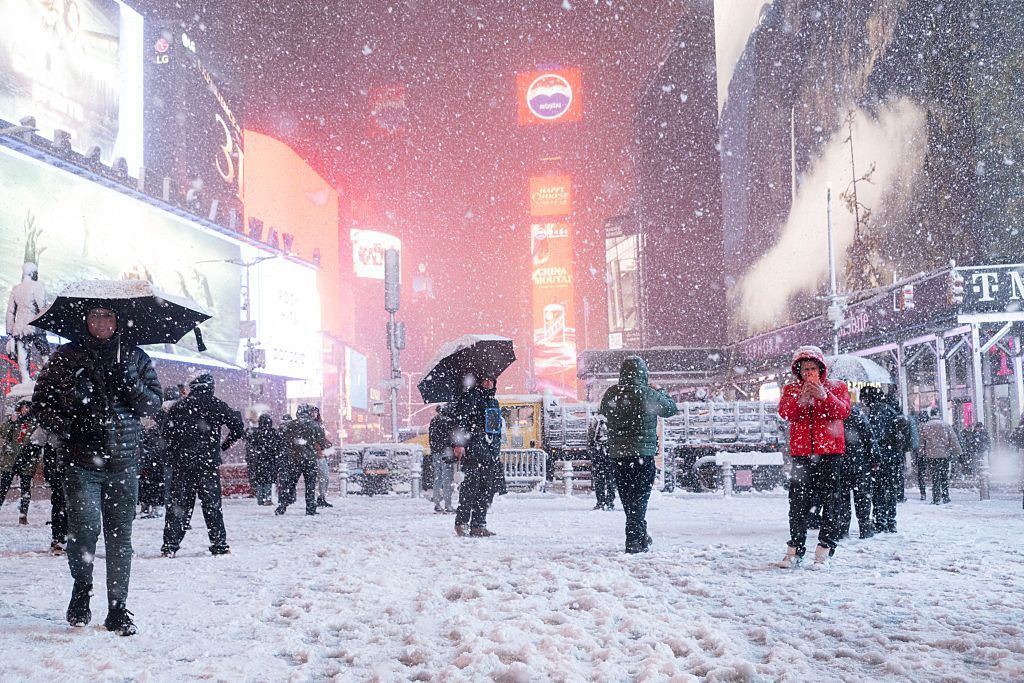
    President Donald Trump’s journey to the World Economic Forum in Davos encountered an unexpected setback when Air Force One was compelled to return to Joint Base Andrews in Maryland shortly after takeoff. The White House confirmed the aircraft experienced a minor electrical malfunction, with accompanying journalists reporting temporary power loss in the press cabin.

    Following the incident, the President transferred to a secondary aircraft to continue his travel to Switzerland, though this diversion resulted in an approximately three-hour delay to his scheduled arrival. Trump was originally expected in Davos at 10:00 local time (09:00 GMT) but will now arrive closer to 13:00 local time.

    The technical incident highlights ongoing concerns regarding the aging presidential aircraft fleet. The current Air Force One planes, two modified Boeing 747-200B series aircraft, have been in service since 1990. While these aircraft have undergone upgrades, maintenance costs for both airframes and engines continue to escalate.

    This incident occurs against the backdrop of the Trump administration’s publicly expressed dissatisfaction with Boeing’s performance. Last year, the administration announced it was exploring alternatives to Boeing following repeated delays in delivering two new presidential aircraft. The situation was further complicated when Washington accepted a $400 million Boeing 747-8 donated by Qatar, with retrofitting costs to be covered by U.S. taxpayers. The White House maintains the acceptance was legal and has pledged the aircraft will ultimately be donated to Trump’s presidential library.

    Despite the travel disruption, President Trump is still expected to deliver his keynote speech at the World Economic Forum at 14:30 local time (13:30 GMT). His schedule includes high-level meetings with foreign leaders and a reception with business executives.

    The Davos appearance comes amid escalating diplomatic tensions regarding Trump’s persistent interest in acquiring Greenland. The president has stated he intends to use the forum to convince European leaders that the United States ‘must have’ Greenland for national security reasons, not excluding potential military action. These demands have been firmly rejected by both Greenland’s autonomous government and Denmark, with several European NATO members expressing opposition while simultaneously deploying military personnel to the territory for exercises.

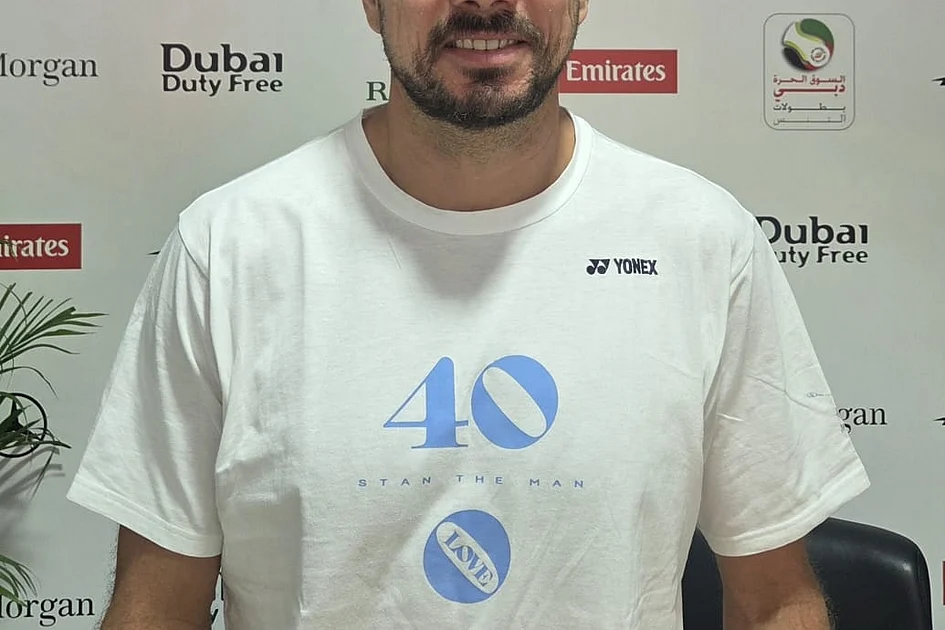
  • ‘Near perfect’ Gauff joins Sabalenka in third round

    ‘Near perfect’ Gauff joins Sabalenka in third round

    Melbourne witnessed a masterclass in power and precision on day four of the Australian Open as two of the tournament’s foremost contenders, Coco Gauff and Aryna Sabalenka, delivered emphatic statements of intent.

    Reigning French Open champion Coco Gauff showcased what she described as a ‘near perfect’ performance, dismantling Serbia’s Olga Danilovic 6-2, 6-2 in a commanding 77-minute display on Margaret Court Arena. The American phenom immediately imposed her authority, racing to a 5-0 lead in the opening set before sealing victory with impressive composure. Gauff’s statistical improvement was particularly notable—reducing her double faults to just one and hitting 14 winners—a significant refinement from her error-prone first-round encounter. The victory sets up an all-American third-round clash against Hailey Baptiste.

    Meanwhile, world number one and two-time Australian Open champion Aryna Sabalenka continued her relentless form, dispatching China’s Bai Zhuoxuan 6-3, 6-1 in just 72 minutes. The top-seeded Belarusian demonstrated why she remains unbeaten in 2026, overwhelming her opponent ranked 701 places below her with characteristic power. Despite brief resistance that saw Sabalenka denied on six set points, she maintained her dominant record at Melbourne Park, where she has now won 45 of her last 50 sets. This achievement places her among Open era legends like Graf, Hingis, Seles, and Williams. Sabalenka will face Russian-born Austrian Anastasia Potapova, who advanced after defeating Britain’s Emma Raducanu.

    The tournament’s top ten women’s seeds all remain in contention, with Russian eighth seed Mirra Andreeva also delivering a spectacular 6-0, 6-0 victory over Greece’s Maria Sakkari in just 67 minutes, underscoring the depth of competition at this year’s event.

  • Trump doubles down on Greenland, saying there is ‘no going back’

    Trump doubles down on Greenland, saying there is ‘no going back’

    President Donald Trump has intensified his controversial campaign to acquire Greenland, declaring on social media that there is “no going back” and labeling the territory “imperative” to U.S. interests. During a White House press briefing, Trump remained characteristically cryptic about his methods, telling reporters “You’ll find out” when questioned how far he would go to obtain the autonomous Danish territory.

    The administration’s pursuit has triggered profound diplomatic repercussions, exposing fractures in Western alliances. At the World Economic Forum in Davos, French President Emmanuel Macron warned of a dangerous “shift towards a world without rules,” while Canadian Prime Minister Mark Carney acknowledged that the “old order is not coming back.”

    When confronted by BBC journalists about potentially destabilizing NATO through his Greenland ambitions, Trump offered contradictory statements. While boasting that “Nobody has done more for NATO than I have,” he simultaneously questioned the alliance’s commitment to mutual defense, expressing doubts about whether member states would honor Article 5 obligations to defend the United States if needed.

    Greenland’s Minister of Industry and Natural Resources, Naaja Nathanielsen, conveyed her nation’s firm rejection of Trump’s overtures, stating Greenlanders were “bewildered” by the proposals. “We do not want to be Americans, and we have been quite clear about that,” she emphasized during a BBC Newsnight interview, questioning the valuation placed on Greenlandic culture and self-determination.

    The confrontation has escalated into broader trade threats, with Trump vowing to impose 10% tariffs on imports from eight European countries beginning February 1st if they oppose his Greenland agenda. Additionally, he threatened 200% tariffs on French wine and champagne following Macron’s reported refusal to join a Gaza peace initiative.

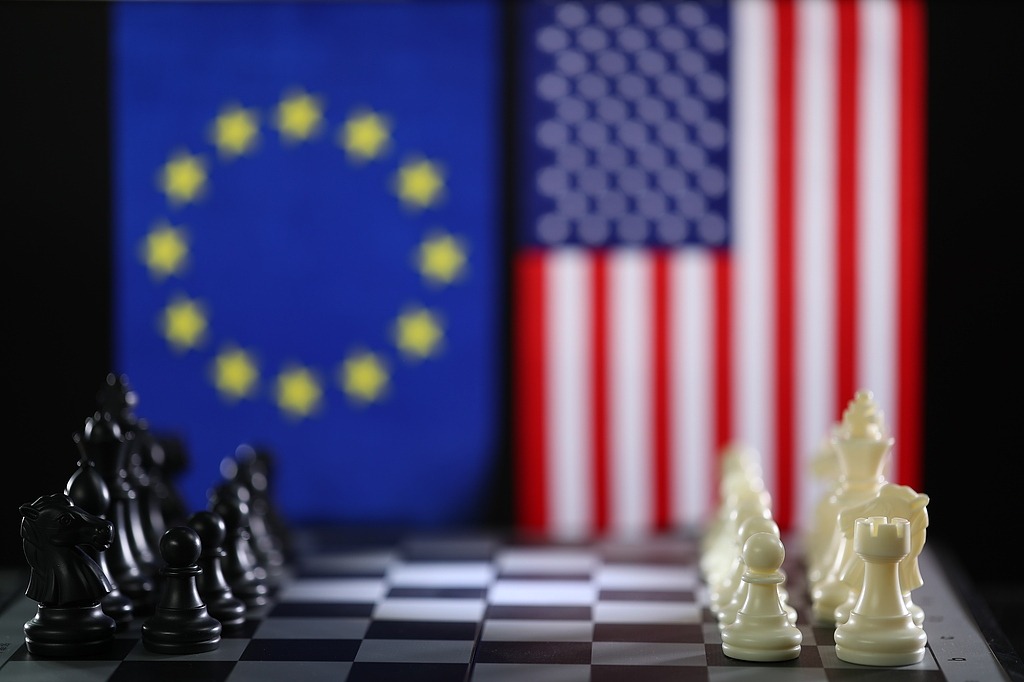
    European leaders responded with unprecedented unity. European Commission President Ursula von der Leyen declared European sovereignty “non-negotiable” while reaffirming the EU’s “full solidarity” with Greenland and Denmark. Macron condemned Trump’s tariff diplomacy as “fundamentally unacceptable,” particularly when leveraged against territorial sovereignty, while advocating for EU retaliatory measures including the so-called “trade bazooka” anti-coercion instrument.

    The European Parliament is reportedly considering suspending approval of a recently negotiated US trade deal, signaling potentially lasting damage to transatlantic relations as Trump prepares to engage with world leaders in Davos regarding his polar ambitions.

  • Watch: Will Trump get friendly welcome as world leaders meet in Davos?

    Watch: Will Trump get friendly welcome as world leaders meet in Davos?

    President Donald Trump’s inaugural appearance at the World Economic Forum in Davos confronts an unexpectedly frosty reception from global leaders, contrasting sharply with his customary domestic rally environments. The diplomatic cooling stems primarily from his administration’s controversial pursuit of Greenland’s acquisition, which has generated substantial international skepticism and diplomatic friction.

    European diplomats and economic representatives indicate that traditional diplomatic decorum may give way to more confrontational exchanges regarding U.S. protectionist policies and unconventional geopolitical maneuvers. The Greenland situation has particularly alarmed European allies, creating an atmosphere where even traditionally cordial interactions are expected to be notably restrained.

    Analysts suggest this forum will serve as a critical testing ground for Trump’s “America First” doctrine within elite global circles. Unlike previous U.S. presidents who used Davos to strengthen multilateral relationships, Trump faces the challenge of advancing his nationalist agenda while navigating increasingly complex international dynamics. The setting promises to reveal significant tensions between traditional diplomatic approaches and the current administration’s unconventional foreign policy methodology.

  • UN chief condemns Israeli demolition of UN compound in East Jerusalem

    UN chief condemns Israeli demolition of UN compound in East Jerusalem

    United Nations Secretary-General Antonio Guterres has issued a forceful condemnation of Israel’s demolition of a United Nations facility in East Jerusalem, characterizing the action as a severe breach of international law. Through deputy spokesperson Farhan Haq, Guterres denounced the destruction of the Sheikh Jarrah compound operated by the UN Relief and Works Agency for Palestine Refugees (UNRWA) in the strongest possible terms.

    The demolition, which occurred on January 20, 2026, targeted a facility that the UN chief had previously identified as inviolable United Nations premises enjoying full diplomatic immunity. Guterres referenced his prior communication to the Israeli Prime Minister dated January 8, 2026, in which he explicitly affirmed the compound’s protected status under international agreements.

    The Secretary-General demanded the immediate cessation of any further demolition activities and called for the complete restoration of the destroyed compound and other UNRWA facilities to their original condition without delay. He characterized the escalating actions against UNRWA as fundamentally unacceptable and inconsistent with Israel’s obligations under multiple international legal frameworks, including the UN Charter and the Convention on the Privileges and Immunities of the United Nations.

    The incident represents a significant escalation in tensions between Israeli authorities and international organizations operating in contested territories, raising serious concerns about the protection of diplomatic premises and humanitarian operations in the region.

  • Actor Timothy Busfield to be released from jail in sex abuse case

    Actor Timothy Busfield to be released from jail in sex abuse case

    Emmy-winning actor Timothy Busfield has been granted pretrial release from a New Mexico detention facility while awaiting proceedings on serious child sexual abuse charges. The 68-year-old performer, known for his roles in ‘The West Wing’ and ‘Field of Dreams,’ faces allegations of sexually abusing two minor boys on the set of the television series ‘The Cleaning Lady,’ which he directed and produced.

    Judge David A. Murphy authorized Busfield’s release on his own recognizance without requiring bail, though he must appear at all future court dates. The decision prompted an emotional reaction from Busfield’s wife, actress Melissa Gilbert, who broke down in tears upon hearing the ruling in the Albuquerque courtroom.

    The prosecution had vigorously argued for continued detention, citing what they described as a ‘pattern’ of inappropriate behavior that culminated during the production of the New Mexico-filmed series. Deputy District Attorney Savannah Brandenburg-Koch challenged the defense’s psychological assessments, stating, ‘It doesn’t matter who he’s attracted to. We know that all different types of sex offenders prey on different demographics of people.’

    Busfield’s defense team, led by attorneys Amber Fayerberg and Larry Stein, presented over 70 character references and disclosed that the actor had undergone and passed a polygraph test related to the allegations. Fayerberg argued that Busfield had effectively been ‘cancelled’ already—dropped by his talent agency and edited out of an upcoming romantic comedy—despite maintaining his innocence.

    The defense contends the allegations were ‘manufactured’ as an act of revenge after the children were terminated from the series. Fayerberg asserted, ‘There is a credible story here, and it’s a very sad story, and there are victims… But they weren’t victimized by Tim Busfield. They were victimized by their own parents.’

    According to court documents, the boys alleged Busfield engaged in inappropriate touching that began when one victim was just 7 years old. The actor faces two counts of criminal sexual contact of a minor and one count of child abuse. As conditions of his release, Busfield is prohibited from discussing the case with witnesses and may not have contact with any minor children involved in the case. No trial date has been set.

  • Trade leaders stay bullish on 2026 despite rising barriers

    Trade leaders stay bullish on 2026 despite rising barriers

    Despite mounting geopolitical tensions and policy uncertainties, global trade leaders are demonstrating remarkable optimism for 2026, with 94% of senior supply chain executives anticipating growth rates that will match or surpass 2025 levels. This confident outlook emerges from DP World’s comprehensive Global Trade Observatory Annual Outlook, presented during the World Economic Forum in Davos, which surveyed 3,500 executives across 19 countries and eight industries.

    The research reveals a striking divergence between corporate sentiment and institutional projections. While the International Monetary Fund forecasts a decline in global merchandise trade growth from 3.6% in 2025 to 2.3% in 2026, more than half (54%) of business leaders actually expect accelerated expansion. This optimism persists despite widespread recognition of challenges: 90% anticipate rising or sustained trade barriers, and 53% predict high policy uncertainty throughout 2026.

    Sultan Ahmed bin Sulayem, Group Chairman and CEO of DP World, characterized the trading environment as structurally complex rather than cyclical. He emphasized the company’s commitment to maintaining trade flow through strategic infrastructure investments and partnership development that enhance operational efficiency and reliability for customers.

    Regional analysis identifies Europe as the most promising growth area (22% of respondents), followed closely by China (17%), with Asia Pacific (14%) and North America (13%) also generating significant confidence. This regional optimism stems from anticipated European demand stabilization, China’s export resurgence in electric vehicles and renewable energy equipment, and expanding intra-Asian supply chains.

    The United Arab Emirates is emerging as a primary beneficiary of global trade realignment, with WTO projections indicating Middle Eastern outperformance in merchandise trade growth. UAE government data shows non-oil foreign trade exceeding Dh4.3 trillion in 2024, representing 14% year-on-year growth, fueled by comprehensive economic partnership agreements with over 20 nations and deepening integration with Asian and African markets.

    Corporate adaptation strategies are accelerating dramatically, with 51% of firms planning supplier diversification, 44% increasing inventory buffers, and 36% adopting friend-shoring approaches that prioritize politically aligned markets. UNCTAD estimates indicate more than $1.3 trillion in manufacturing investment announced globally since 2022 under supply chain reconfiguration programs.

    Route flexibility has become central to trade strategy, with 26% of executives planning new shipping routes in 2026 and another 23% actively evaluating alternatives. This shift is driven by cost reduction objectives, enhanced inland connectivity, and faster customs processing. The expansion of Asia-Europe overland corridors, Middle Eastern logistics hubs, and Africa-linked maritime routes reflects a strategic reduction in dependency on traditional maritime chokepoints.

    Border friction remains a critical constraint, with 60% of executives citing customs clearance as a primary cause of delays. Investments in warehousing, logistics hubs, road networks, and border processing infrastructure are prioritized as essential efficiency drivers. World Bank research indicates that reducing border processing time by just one day can increase trade volumes by up to 1%, strengthening the economic rationale for digital customs platforms and integrated clearance systems.

  • Dollar tumbles as investors reignite ‘Sell America’ trade

    Dollar tumbles as investors reignite ‘Sell America’ trade

    A dramatic selloff in U.S. dollar assets swept through global markets on Tuesday, January 20, 2026, as geopolitical tensions over Greenland sparked the most significant single-day dollar decline in over a month. The currency’s sharp downturn reverberated across multiple asset classes, highlighting renewed investor anxiety about American economic policy direction.

    The U.S. Dollar Index plummeted by 0.7%, representing its most substantial daily drop since mid-December. This decline was primarily triggered by the White House’s renewed threats toward European allies regarding Greenland’s future status, which simultaneously pressured U.S. stocks and government bonds while boosting the euro and British pound.

    Market analysts identified this movement as a resurgence of the ‘Sell America’ trade pattern that initially emerged following last April’s ‘Liberation Day’ tariff announcements. Tony Sycamore, market analyst at IG in Sydney, noted that investors are rapidly divesting from dollar-denominated assets due to ‘fears of prolonged uncertainty, strained alliances, and potential acceleration of de-dollarization trends.’

    The euro surged 0.8% to $1.1742, marking its strongest daily performance since September, while the pound gained 0.24% to trade at $1.346. Sterling received additional support from UK labor market data showing unemployment holding at a five-year high but with stabilizing vacancy numbers.

    Currency markets exhibited broad-based movements beyond major pairs. The Japanese yen recovered from overnight losses as European trading commenced, with the dollar declining 0.3% to 157.68 yen amid political uncertainty following Prime Minister Sanae Takaichi’s call for snap elections on February 8. The Swiss franc, traditionally a safe-haven asset, strengthened for a third consecutive day, pushing the dollar down 1.1% to 0.7885 francs.

    In Asian markets, the offshore Chinese yuan held steady at 6.952 per dollar, its weakest level since May 2023, following the People’s Bank of China’s decision to maintain benchmark lending rates unchanged for an eighth consecutive month. The Australian dollar advanced 0.48% to $0.675, approaching its strongest position since October 2024, while the New Zealand dollar climbed 0.77% to $0.584, reaching its highest level this year.

    Cryptocurrencies mirrored the traditional market turbulence, with Bitcoin falling 2% to $91,090 and Ether declining 3.3% to $3,104.

    Despite the dramatic market movements, some analysts suggested the ‘Sell America’ effect might prove temporary. Barclays strategist Lefteris Farmakis observed that ‘tariff threats are a marginal negative for the dollar in the near-term given long positions and still-low hedge ratios from a historical perspective,’ while cautioning that major escalation with NATO implications would present more significant challenges for the euro.