标签: North America

北美洲

  • UAE urges Yemenis to exercise restraint, calls for de-escalation

    UAE urges Yemenis to exercise restraint, calls for de-escalation

    The United Arab Emirates has formally urged all Yemeni factions to demonstrate maximum restraint and pursue de-escalation measures amid growing regional instability. In an official statement released through WAM news agency on January 3, 2026, Emirati authorities expressed profound concern regarding recent destabilizing developments within Yemen’s borders.

    The Gulf nation emphasized its regret over the deteriorating security situation and called for immediate dialogue between conflicting parties. The UAE government stressed that rational, responsible approaches must prevail over confrontation, with national interests and civilian welfare taking precedence over political differences.

    Citing the critical need for lasting stability, the statement outlined that constructive diplomatic engagement represents the most viable pathway to address current challenges. The Emirates specifically highlighted the importance of prioritizing nation-building, economic prosperity, and regional security coordination.

    This diplomatic intervention occurs against a backdrop of heightened regional tensions, with the UAE advocating for peaceful resolution mechanisms that align with Yemeni citizens’ aspirations for security and development. The statement concluded by reaffirming the Emirates’ commitment to supporting dialogue-driven solutions that benefit both Yemen and the broader Middle East region.

  • Venezuela denounces ‘extremely serious military aggression’ by US

    Venezuela denounces ‘extremely serious military aggression’ by US

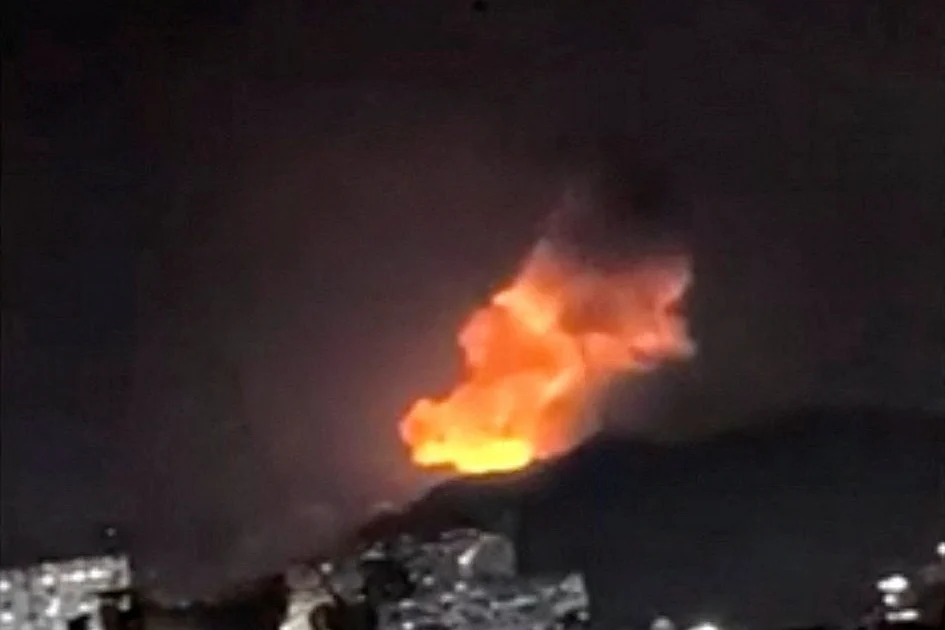
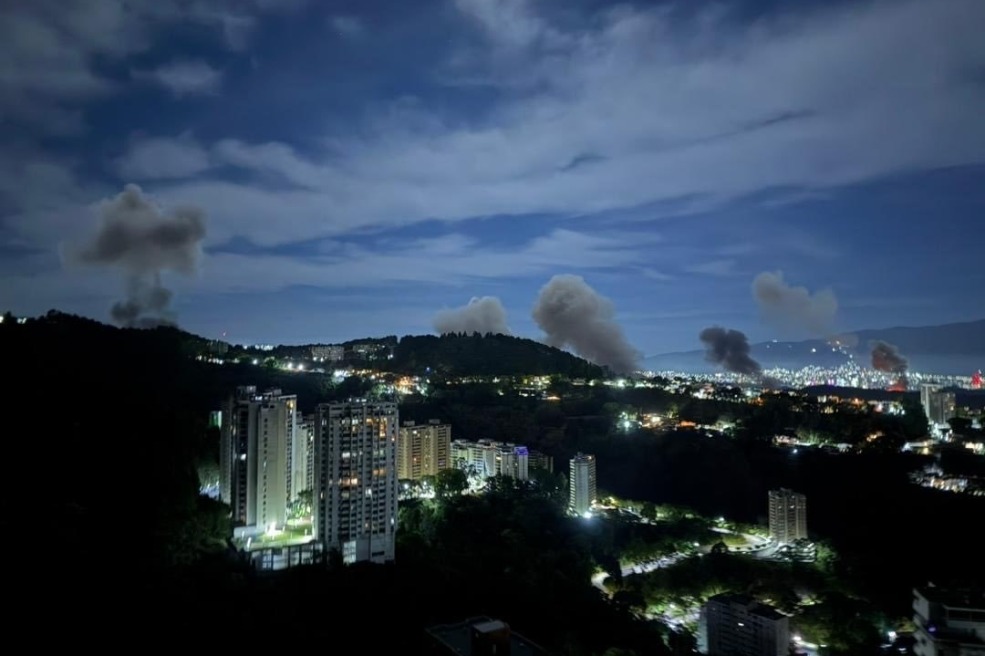
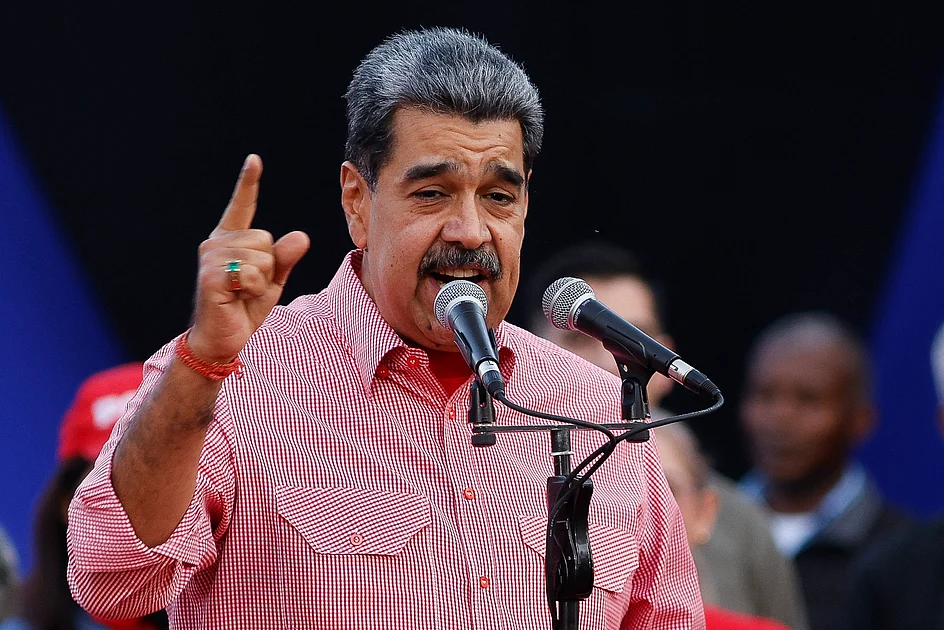
    Venezuela has initiated a state of emergency following what President Nicolas Maduro’s administration characterizes as an act of severe military aggression by the United States against its capital. Early Saturday, Caracas was shaken by multiple explosions, with Reuters witnesses and social media footage documenting columns of black smoke and military aircraft activity over the city.

    The Venezuelan government issued a formal condemnation, stating it “rejects, repudiates, and denounces before the international community the extremely serious military aggression perpetrated by the current government of the United States of America.” The disturbances, commencing around 2:00 AM local time (0600 GMT), triggered a power outage in southern districts near a significant military installation, though the precise origins and locations remained initially unclear.

    This escalation follows a pattern of heightened tensions between the two nations. U.S. President Donald Trump has consistently advocated for ground operations in Venezuela and recently acknowledged conducting strikes on Venezuelan territory targeting alleged drug trafficking operations—marking Washington’s first confirmed land operations in the country. The White House and Pentagon have declined to comment on the latest developments.

    Colombian President Gustavo Petro amplified the crisis via social media, asserting “At this moment they are bombing Caracas” and urgently calling for immediate meetings of the Organization of American States and United Nations. Petro, while not disclosing his information sources, has historically opposed U.S. pressure tactics against Venezuela.

    The Trump administration has significantly increased military assets in the region, deploying an aircraft carrier, warships, and advanced fighter jets to the Caribbean. Additional measures include expanded sanctions, a naval blockade of Venezuelan waters, and over two dozen strikes on vessels allegedly involved in drug trafficking. Maduro maintains that these actions represent an attempt to orchestrate regime change to access Venezuela’s substantial oil reserves, while the U.S. justifies its operations as necessary to combat drug trafficking—claims consistently denied by Caracas.

  • Explosions heard in Venezuela’s capital Caracas at 2am

    Explosions heard in Venezuela’s capital Caracas at 2am

    Residents of Venezuela’s capital were awakened by powerful explosions in the early hours of Saturday, with detonations commencing around 2:00 AM local time (0600 GMT). An AFP correspondent confirmed the disturbances, noting accompanying sounds reminiscent of aircraft flyovers. The unexplained blasts continued for at least fifteen minutes, though their precise origin remained unverified.

    This development occurs against the backdrop of heightened military posturing from the United States. President Donald Trump revealed earlier this week that American forces had executed a targeted strike against a suspected Venezuelan narcotics trafficking facility. The operation, which Trump declined to attribute to either military or intelligence agencies, reportedly destroyed a coastal docking area allegedly used by drug-running vessels.

    The administration characterizes this as part of an intensified counter-narcotics campaign, marking potentially the first documented land-based offensive on Venezuelan territory. President Nicolás Maduro has maintained ambiguity regarding the alleged strike, neither confirming nor denying its occurrence. In a notable shift, Maduro expressed willingness to explore cooperative measures with Washington following sustained US military pressure.

    US officials have levied serious accusations against Maduro, alleging his direct involvement in narcotics operations—charges the socialist leader vehemently denies. Maduro contends that Washington’s true motivation involves regime change driven by Venezuela’s vast petroleum reserves, the largest globally verified.

    Recent US measures have included informal airspace restrictions, expanded economic sanctions, and authorized seizures of Venezuelan oil tankers. Since September, American forces have conducted numerous maritime strikes in Caribbean and Pacific waters, purportedly targeting drug smuggling operations. These actions have resulted in significant casualties, with US military reports acknowledging at least 107 fatalities across approximately 30 engagements.

    The legal basis for these operations remains subject to international debate, as the administration has not publicly substantiated its claims regarding the targeted vessels’ involvement in illicit activities.

  • Deadly Swiss bar blaze brings safety set-up under scrutiny; investigation continues

    Deadly Swiss bar blaze brings safety set-up under scrutiny; investigation continues

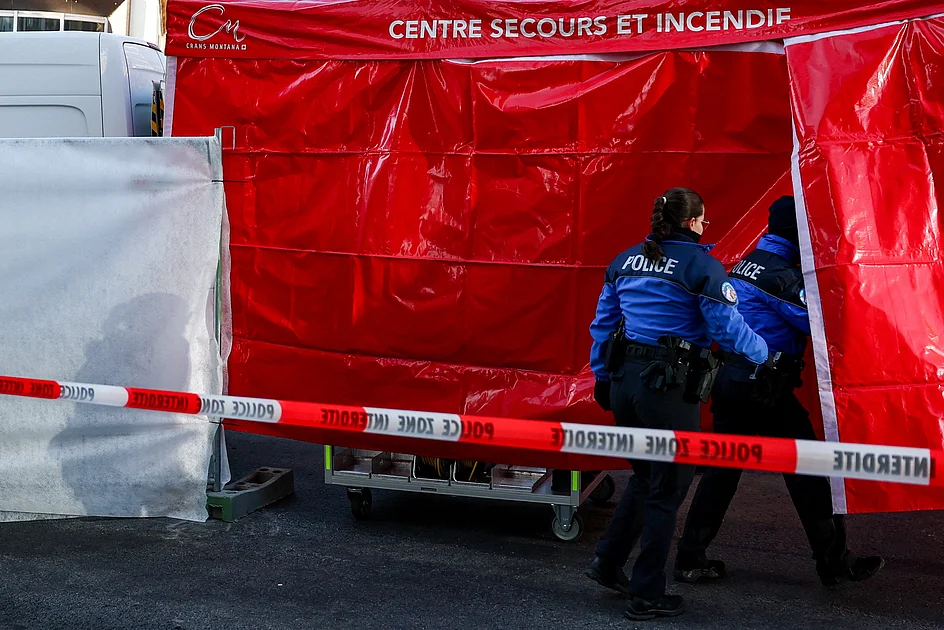
    A devastating New Year’s Eve fire at Le Constellation bar in the Swiss alpine resort of Crans-Montana has claimed at least 40 lives, triggering intense scrutiny of safety protocols and construction materials. Criminal investigators have identified sparkling champagne candles held dangerously close to the ceiling as the probable ignition source, with highly flammable acoustic foam accelerating the rapid spread of flames throughout the basement venue.

    Valais canton chief prosecutor Beatrice Pilloud confirmed preliminary findings indicate the sparklers’ proximity to ceiling materials initiated an exceptionally fast-moving blaze that overwhelmed patrons. The foam soundproofing installation, intended for noise reduction, potentially violated fire safety standards and contributed to the tragedy’s severity.

    Forensic teams face prolonged identification processes due to the extreme condition of victims, with only Italian golfer Emanuele Galeppini officially identified thus far. Evidence suggests numerous victims were minors, exploiting Switzerland’s legal drinking age of 16 for beer and wine.

    Contradictions emerge regarding compliance records as owner Jacques Moretti claims three successful inspections over the past decade, while Valais security director Stephane Ganzer acknowledges uncertainty about recent annual building inspections. The municipality had previously raised no safety concerns with cantonal authorities.

    The community continues mourning with memorial gatherings near the cordoned-off establishment. Survivor accounts reveal the human toll, including Ashley Hauri’s testimony of six former colleagues caught in the blaze, with four currently missing and two hospitalized.

    Ongoing criminal investigations will determine potential liability while national authorities reevaluate fire safety regulations for entertainment venues nationwide.

  • 4 people killed after helicopter crashes in US state of Arizona: media

    4 people killed after helicopter crashes in US state of Arizona: media

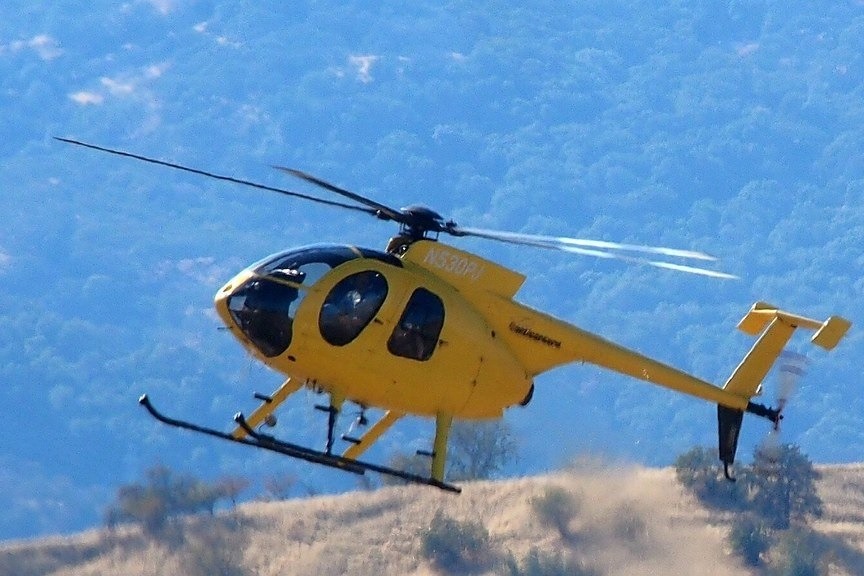
    A tragic aviation incident in the southwestern United States has resulted in multiple fatalities after a helicopter crashed in Arizona on Saturday. According to preliminary reports from local authorities, all four occupants aboard the aircraft perished upon impact.

    The crash occurred in a remote desert region, approximately 85 miles northwest of Phoenix, near the town of Wickenburg. Emergency response teams encountered significant challenges reaching the crash site due to the rugged terrain and limited accessibility. The Yavapai County Sheriff’s Office confirmed that first responders arrived at the scene shortly after receiving distress signals but found no survivors.

    Aviation safety investigators from the National Transportation Safety Board (NTSB) have deployed a specialized team to determine the cause of the catastrophic failure. Preliminary examination suggests the aircraft was a privately-owned Robinson R44 helicopter, though official identification of the model and victims remains pending thorough investigation.

    Meteorological data indicates favorable weather conditions at the time of the incident, with clear visibility and minimal wind interference. This development raises critical questions about potential mechanical failures or human error factors that might have contributed to the disaster.

    The fatal crash represents one of the deadliest aviation incidents in Arizona in recent years, highlighting ongoing concerns about regional aviation safety protocols. The NTSB investigation is expected to continue for several months, with a preliminary report anticipated within the next two weeks.

  • Large explosions heard in Caracas, capital of Venezuela

    Large explosions heard in Caracas, capital of Venezuela

    Residents of Caracas were startled by powerful explosions that echoed through the Venezuelan capital in the early hours of Saturday morning. The unsettling events occurred without immediate explanation from authorities, creating widespread concern among the city’s population.

    Social media platforms quickly became flooded with eyewitness accounts and amateur footage showing substantial columns of smoke rising from unspecified locations within the metropolitan area. The visual evidence, while compelling, offered no clear indication of the explosions’ origin or precise locations.

    The timing of these incidents raises particular concerns given Venezuela’s ongoing political and economic challenges. As of the latest reports, no government agency has issued an official statement regarding the nature or cause of the explosions, leaving citizens to speculate about possible military exercises, industrial accidents, or other unforeseen events.

    International observers are monitoring the situation closely, given Venezuela’s strategic importance in regional geopolitics and its recent history of political instability. The lack of immediate information from official channels has created an information vacuum that social media users are attempting to fill with unverified claims and speculation.

    Local journalists and international news agencies are working to verify the details of these events while exercising caution due to the unconfirmed nature of early reports. The Venezuelan government’s usual communication channels have remained unusually silent following the incidents.

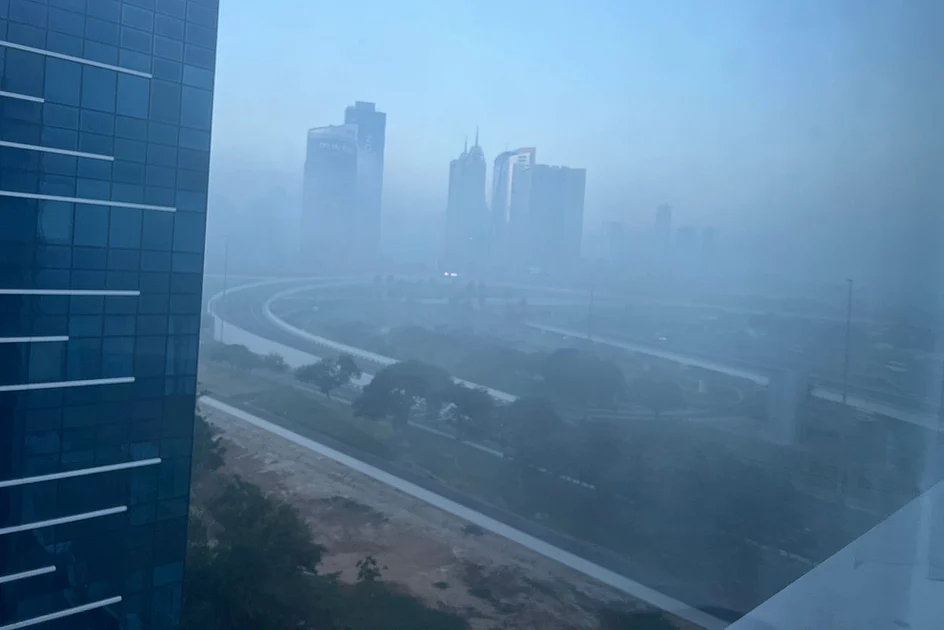
  • Look: Thick fog spreads across Dubai as red alert  issued; NCM shares safety guidelines

    Look: Thick fog spreads across Dubai as red alert issued; NCM shares safety guidelines

    The United Arab Emirates experienced severe fog conditions on January 3, 2026, prompting meteorological authorities to issue critical safety alerts. The National Centre of Meteorology (NCM) activated yellow and red fog warnings from midnight until 10:00 AM across multiple regions, with particularly dense formations reported in Dubai and Abu Dhabi.

    In response to the hazardous driving conditions characterized by dramatically reduced visibility, Abu Dhabi Police implemented temporary speed restrictions on Maktoum Bin Rashid Road, reducing the maximum permitted speed from 100 km/h to 80 km/h. The precautionary measure aimed to enhance road safety during the challenging weather phenomenon.

    The NCM disseminated comprehensive safety protocols for motorists navigating the fog-affected areas. Key recommendations included strict adherence to posted speed limits, maintaining increased following distances between vehicles, refraining from using hazard lights while in motion, and remaining within designated travel lanes. Authorities emphasized the importance of obtaining weather information exclusively through official channels and discouraged the circulation of unverified reports.

    Meteorological data indicated temperature ranges of 15-24°C for Abu Dhabi and 13-24°C for Dubai during the fog event. The phenomenon created surreal visual conditions where streetlights diffused through the thick mist and vehicles emerged suddenly from the obscuring fog bank, necessitating extreme caution from all road users.

    This weather event followed similar fog conditions reported on January 2, indicating a pattern of reduced visibility during early morning hours in the winter season. The NCM continues to monitor atmospheric conditions and provide timely updates to ensure public safety.

  • UAE eateries phase out prohibited items as single-use plastic ban comes into force

    UAE eateries phase out prohibited items as single-use plastic ban comes into force

    Food establishments across the United Arab Emirates have proactively embraced sustainable alternatives ahead of the January 1, 2026 implementation of the second phase of the nation’s single-use plastic ban. Numerous restaurants and cafeterias began phasing out prohibited items months in advance, demonstrating widespread compliance with environmental regulations.

    Multiple food service providers informed Khaleej Times about their strategic transition planning, with some ceasing orders for single-use plastic products as early as November 2025 after depleting existing inventories. Sooq Al Shay cafeteria management explained their forward-thinking approach: “Anticipating the regulatory change, we deliberately avoided restocking foam cups, plastic utensils, and straws to prevent inventory obsolescence.”

    The industry-wide shift has seen traditional plastic replaced with paper-based drinking vessels, wooden cutlery, and reusable serving options for dine-in patrons. Takeaway services have adopted compliant food-grade containers, while plastic carrier bags have been substituted with sturdier, regulation-compliant alternatives.

    Al Faizeen cafeteria representative Sharique Khan acknowledged initial cost adjustments but noted positive customer reception: “Patrons have not only accepted but appreciated our early elimination of plastic usage.” The extended transition period allowed establishments to thoroughly adapt operations, train staff, and evaluate alternative suppliers without operational pressure.

    Desi Biryani in Sharjah exemplifies this transformation, having eliminated plastic from daily operations. Their delivery service now utilizes approved packaging solutions, with a restaurant representative noting: “We proactively transitioned to box-based packaging and eliminated plastic bags well ahead of the deadline.”

    Market dynamics have facilitated this shift, with suppliers increasingly offering sustainable alternatives as plastic demand declined. Customer adaptation has progressed remarkably, with Sharjah resident Syed Aamer observing: “The absence of plastic cutlery and bags has become normalized. Non-plastic packaging no longer feels unusual.”

    This comprehensive ban stems from 2022’s Ministerial Decision No. 380, designed to reduce pollution from disposable products while promoting sustainability and circular economic principles. The policy framework was further reinforced through an executive council resolution endorsed by Sheikh Hamdan bin Mohammed bin Rashid Al Maktoum, regulating single-use products throughout the emirate.

  • Tech crucial factor shaping China-US ties

    Tech crucial factor shaping China-US ties

    The technological competition between the United States and China dominated bilateral relations throughout 2025, with semiconductor and artificial intelligence sectors emerging as primary battlegrounds in this strategic rivalry. Washington significantly expanded export control measures targeting Chinese technology companies while simultaneously pursuing international alliances to counter China’s growing technological influence.

    Throughout the year, the US Department of Commerce’s Bureau of Industry and Security implemented stringent restrictions, adding over 80 Chinese entities involved in advanced integrated circuits, quantum computing, and AI to its Entity List. The introduction of the controversial Affiliates Rule in September further extended these controls to foreign companies with significant ownership ties to listed entities, though implementation was temporarily suspended during trade negotiations.

    Concurrently, the US Treasury Department enacted outbound investment screening mechanisms effective January 2025, limiting American capital flow into Chinese semiconductor, quantum computing, and AI enterprises. The diplomatic offensive culminated in December with the ‘Pax Silica’ Declaration, through which Washington sought to establish a coalition of allied nations dedicated to creating alternative supply chains for critical minerals and technology components.

    Despite these comprehensive constraints, Chinese technology firms demonstrated remarkable resilience and innovation capacity. AI startup DeepSeek emerged as a particularly striking example, developing large language models that rivaled established US products while utilizing significantly reduced computational resources. Through sophisticated software optimization and hardware efficiency improvements, the company achieved performance levels comparable to OpenAI’s GPT-5 and Google’s Gemini 3.0 Pro.

    Similarly, Huawei and Semiconductor Manufacturing International Corporation (SMIC), both subject to Entity List restrictions, made substantial advances in domestic chip production technology. Huawei’s November release of the Kirin 9030 processor, manufactured using SMIC’s enhanced fabrication processes, represented China’s most sophisticated semiconductor achievement to date according to industry analysts.

    Technology policy experts increasingly question the long-term effectiveness of US export controls, noting that restrictions appear to be accelerating Chinese technological independence rather than stifling it. The International Center for Law and Economics and Information Technology and Innovation Foundation both published analyses suggesting that American measures have inadvertently stimulated innovation within China’s technology sector.

    The two nations presented contrasting visions for global AI governance, with the US emphasizing competitive leadership through its AI Action Plan while China promoted multilateral cooperation and inclusion of developing nations through its Global AI Governance Initiative. Despite these divergent approaches, experts identified potential areas for collaboration including apolitical technical standards, public health datasets, and energy infrastructure development for data centers.

    As trade negotiations continue into 2026, technology remains deeply intertwined with broader economic discussions, with semiconductor and AI policy expected to remain central factors shaping the complex relationship between the world’s two largest economies.

  • Trump promise to intervene over Iran protests ‘reckless’ says foreign minister

    Trump promise to intervene over Iran protests ‘reckless’ says foreign minister

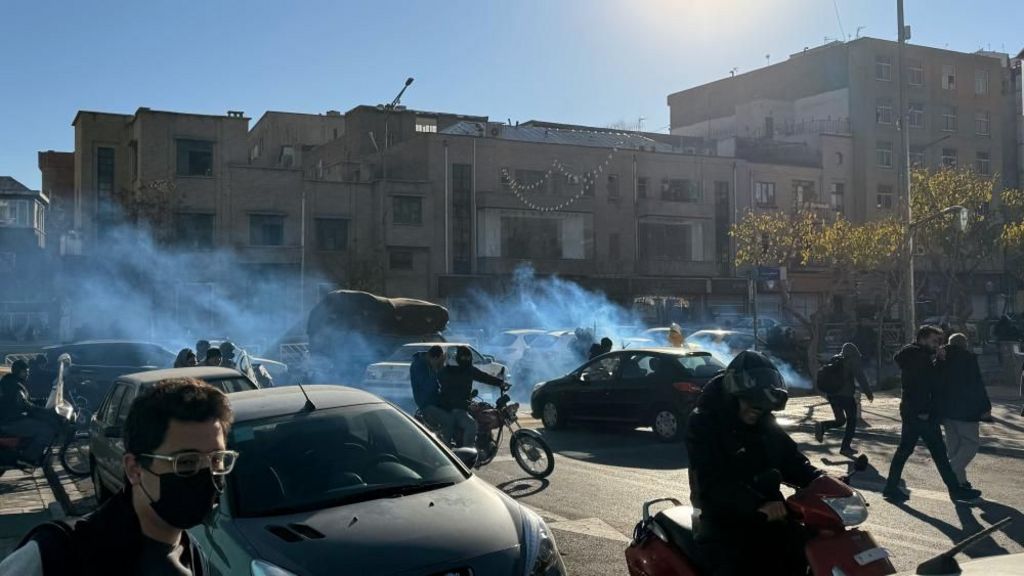
    Iranian officials have issued a stern rebuke of former US President Donald Trump’s offer to intervene in ongoing domestic protests, labeling his statements as dangerously irresponsible. The diplomatic clash emerged after Trump posted on social media that US forces were “locked and loaded and ready to go” should Iranian authorities move against peaceful demonstrators.

    Iran’s Foreign Affairs Minister Abbas Araghchi responded via social media platform X, asserting that “Iran will forcefully reject any interference in their internal affairs.” Drawing parallels to US domestic policy, Araghchi noted that Trump should understand from his own deployment of National Guard troops that attacks on public property cannot be tolerated.

    The exchange occurs against a backdrop of significant civil unrest that has spread across multiple Iranian cities. According to various reports, at least eight fatalities have occurred during week-long demonstrations that began with shopkeepers protesting the Iranian currency’s sharp devaluation against the US dollar. The protests have since expanded to include university students and citizens chanting against the country’s clerical leadership.

    Iranian police spokesman General Saeed Montazerolmahdi stated that security forces would prevent “enemies” from transforming “unrest into chaos,” while President Masoud Pezeshkian acknowledged he would listen to “legitimate demands” of protesters. Simultaneously, Prosecutor-General Mohammad Movahedi-Azad warned that instability attempts would meet a “decisive response.”

    In a significant diplomatic move, Iran’s UN Ambassador Amir-Saeid Iravani formally requested the UN Security Council condemn Trump’s statements, warning that the US would bear “full responsibility for any consequences arising from these unlawful threats.” The current protests represent the most widespread demonstrations since the 2022 uprising sparked by Mahsa Amini’s death in custody, though on a smaller scale.