标签: North America

北美洲

  • Over 7,000 US flights cancelled; New York closes schools as blizzard slams US Northeast

    Over 7,000 US flights cancelled; New York closes schools as blizzard slams US Northeast

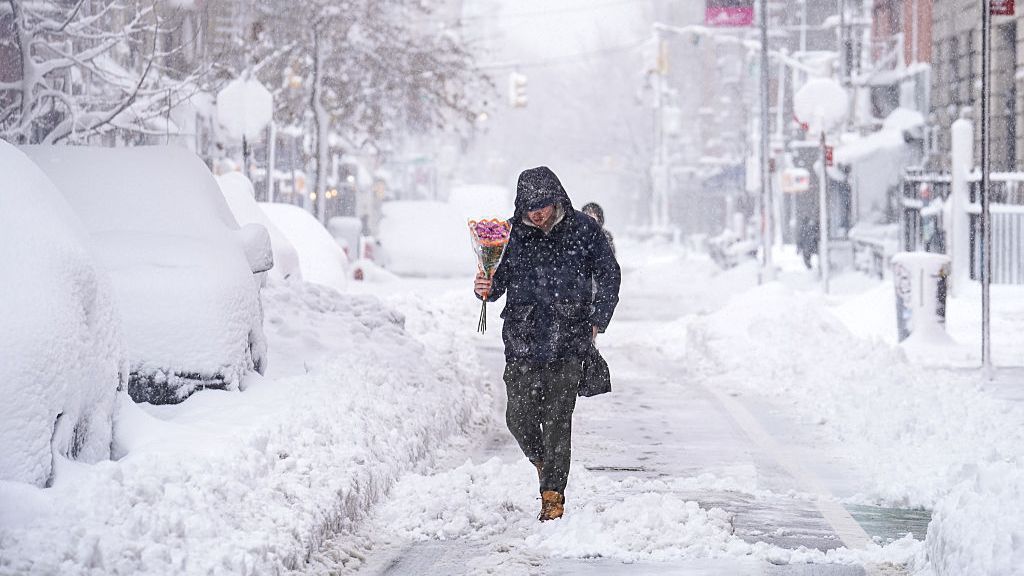
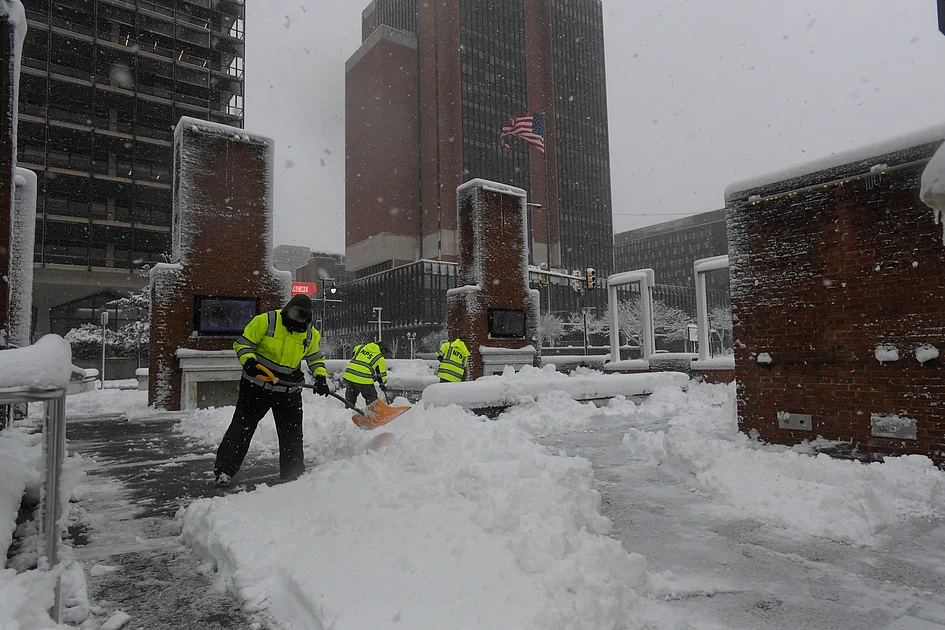
    A catastrophic winter storm has brought the Northeastern United States to a virtual standstill, triggering massive travel disruptions, widespread power outages, and emergency declarations across multiple states. The powerful blizzard, which began its assault on Monday, has dumped over a foot of snow (30cm) throughout the region, with some areas anticipating accumulations reaching two feet.

    The aviation sector has been particularly devastated, with FlightAware.com reporting approximately 5,700 Monday cancellations and an additional 1,600 Tuesday flights preemptively scrapped. The air travel collapse has been most severe at major Northeastern hubs including New York’s John F. Kennedy International, LaGuardia, Boston’s Logan, and Newark Liberty International airports.

    New York City Mayor Zohran Mamdani issued urgent pleas for residents to remain indoors as emergency crews battled to clear impassable roads. ‘I’m urging every New Yorker to please stay home,’ Mamdani emphasized. The city’s public school system joined numerous districts across the region in closing facilities amid the dangerous conditions.

    Meteorologist Bob Oravec from the National Weather Service’s Weather Prediction Center confirmed the storm met official blizzard criteria, characterized by sustained wind gusts reaching 40-60 mph from Delaware through Boston. ‘It’s a pretty big storm and it’s definitely a blizzard,’ Oravec stated, noting that some areas including Eastern Long Island and Nantucket recorded gusts exceeding 60 mph.

    The storm’s impact extended beyond transportation, knocking out power to thousands of homes and businesses while forcing the unprecedented closure of the United Nations headquarters complex in Manhattan. New York Governor Kathy Hochul activated 100 National Guard members to assist in Long Island, New York City and the Lower Hudson Valley—regions expected to bear the brunt of the heavy snow and coastal winds.

    State responses varied across the affected region. Massachusetts Governor Maura Healey declared a state of emergency and ordered non-essential government workers to remain home. Connecticut implemented commercial vehicle bans on limited-access highways, while New Jersey suspended train and bus commuter lines indefinitely. The Rhode Island Public Transit Authority announced complete service suspension through Monday.

    The Department of Homeland Security warned that powerful wind gusts reaching 70 mph created significant risks of falling trees and extended power outages across the Northeast. Despite ongoing funding challenges, FEMA confirmed its disaster-response operations continue uninterrupted with life safety and property protection remaining top priorities.
  • FedEx sues for Trump tariff refund

    FedEx sues for Trump tariff refund

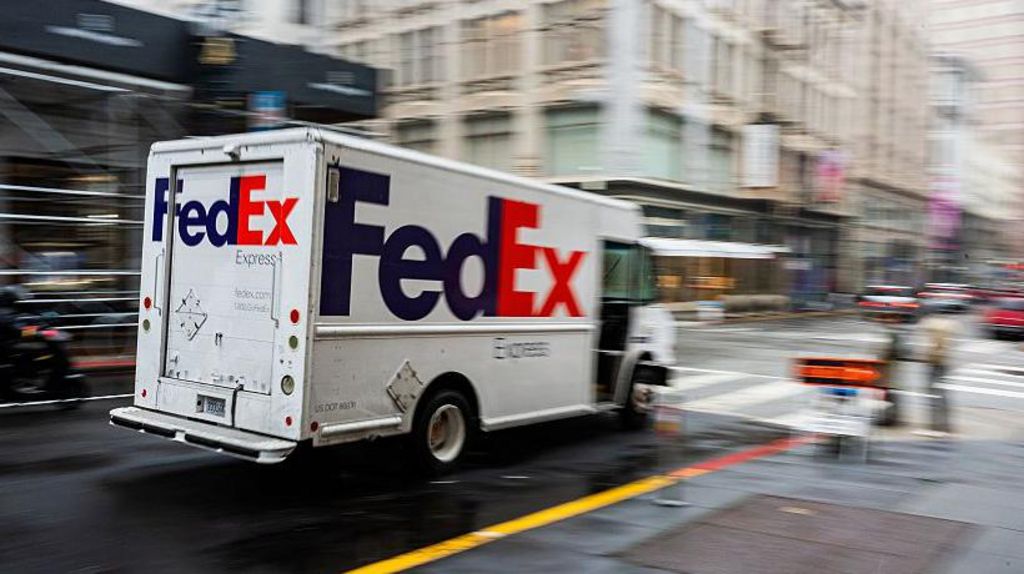
    In a significant legal challenge with far-reaching implications for international trade, global logistics giant FedEx has launched litigation demanding complete reimbursement of emergency tariffs levied during the Trump administration. The lawsuit emerges following a pivotal Supreme Court decision that invalidated the legal foundation of these import taxes.

    The judicial controversy centers on the International Emergency Economic Powers Act (IEEPA), which former President Donald Trump invoked in April of last year to impose elevated tariffs on imports from numerous countries. Last week’s Supreme Court ruling determined that this 1977 emergency statute does not grant presidential authority to implement such import taxes, thereby creating legal grounds for affected companies to reclaim payments.

    FedEx’s filing with the U.S. Court of International Trade names multiple defendants: U.S. Customs and Border Protection (CBP), its commissioner Rodney Scott, and the United States government itself. The transportation corporation asserts its position as ‘importer of record’ responsible for tariff payments and now seeks redress through judicial channels.

    The company stated: ‘Plaintiffs seek for themselves a full refund from Defendants of all IEEPA duties Plaintiffs have paid to the United States.’ While FedEx’s court documents did not specify the exact monetary value sought, industry analysts estimate the Trump administration collected approximately $130 billion through these contested tariffs.

    This legal action forms part of a broader corporate response to the Supreme Court’s determination. Hundreds of other major enterprises—including retail conglomerate Costco, aluminum producer Alcoa, and food importers like Bumble Bee tuna—have similarly filed claims in recent weeks to secure their eligibility for potential refunds.

    Both former President Trump and Treasury Secretary Scott Bessent have acknowledged that resolution of these refund claims will likely involve protracted legal battles spanning several years. The outcome could establish significant precedents regarding presidential trade authority and corporate recourse mechanisms in international economic policy.

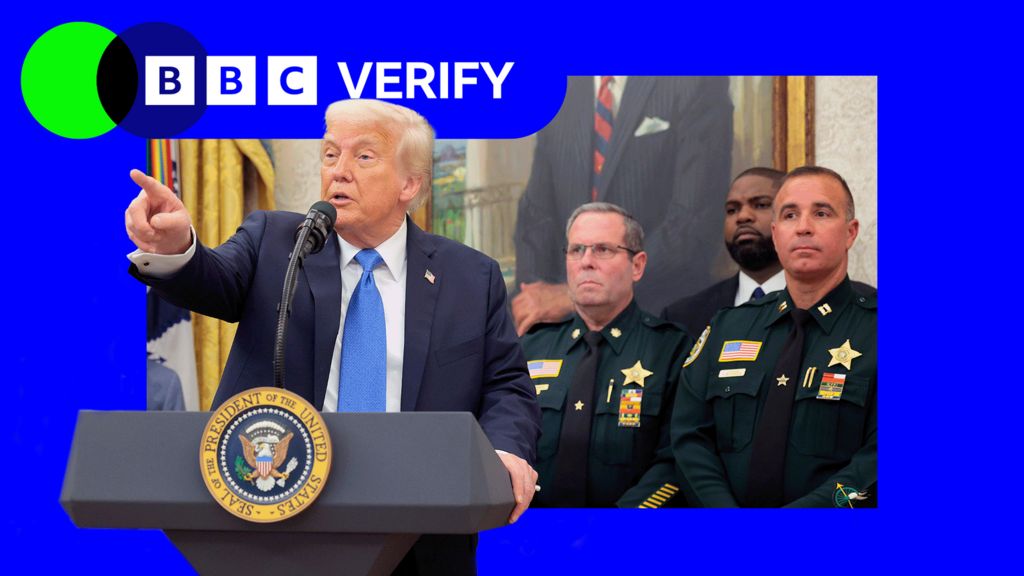
  • Is US crime at a historic low?

    Is US crime at a historic low?

    Recent crime statistics indicate a significant decline in violent offenses across the United States, with preliminary data suggesting homicide rates may reach their lowest point in over a century. According to analysis of FBI data by crime expert Jeff Asher, the violent crime rate in 2024 dropped to 348.6 incidents per 100,000 people—the lowest recorded level since 1969.

    The downward trend appears to be continuing through 2025, with FBI preliminary data showing an approximate 10% reduction in violent crimes during the first ten months of the year. This follows similar declines observed throughout 2023 and 2024, suggesting a sustained pattern rather than an isolated anomaly.

    A study by the Council on Criminal Justice think tank projects that homicides specifically may drop to approximately 4.0 per 100,000 residents in 2025, which would represent the lowest homicide rate recorded since 1900. However, researchers caution that this projection remains uncertain until complete nationwide data becomes available.

    The White House has attributed these declines to President Trump’s law enforcement policies, including increased federal resources to cities and enhanced immigration enforcement. However, criminology experts interviewed by BBC Verify suggest more complex, multifaceted factors are likely driving the trend.

    Professor Alex Piquero of the University of Miami points to the reactivation of crime prevention strategies that were largely suspended during the pandemic. ‘Policing focused on violent places and violent people, along with programs emphasizing social skills and cognitive behavioral therapy, have slowly come back online after being essentially turned off during COVID,’ Piquero explained.

    Adam Gelb, president of the Council on Criminal Justice, noted that while the downward trajectory is clear, pinpointing exact causes remains challenging. He identified several potential factors, including reduced alcohol consumption, the stabilization of social institutions post-pandemic, and the easing of economic and emotional stresses that peaked during lockdown periods.

    The trend is not unique to the United States. England and Wales recorded their lowest number of homicides since 2003 during a similar period, suggesting broader international patterns rather than exclusively American policy impacts.

  • New US military-led group aided Mexico’s hunt for ‘El Mencho’ cartel boss

    New US military-led group aided Mexico’s hunt for ‘El Mencho’ cartel boss

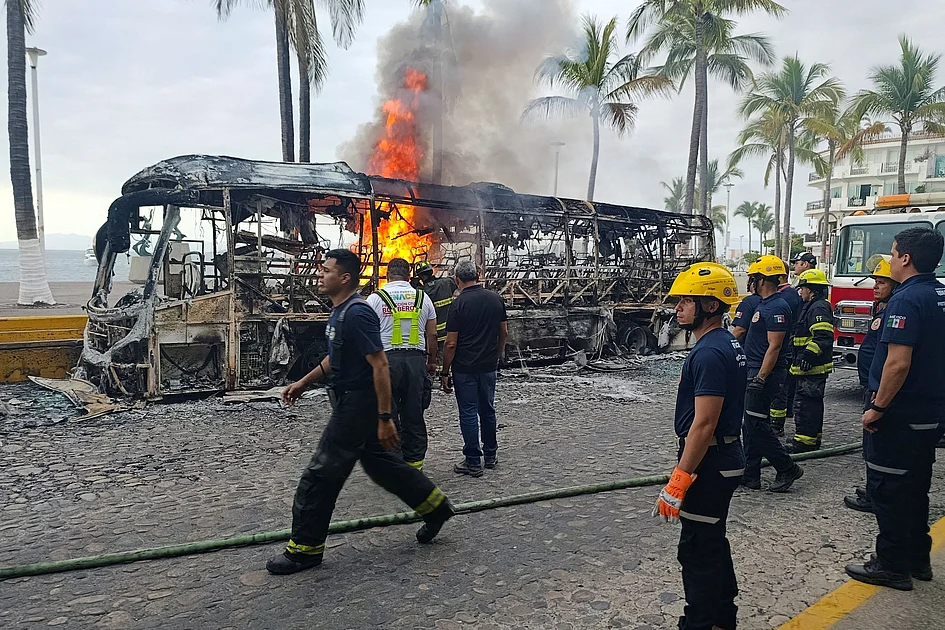
    A recently established U.S. military-led intelligence unit played a pivotal role in supporting the Mexican military operation that resulted in the death of notorious drug lord Nemesio Oseguera Cervantes, alias ‘El Mencho’. The shadowy leader of the Jalisco New Generation Cartel (CJNG) was killed during a raid in western Jalisco state on Sunday, triggering widespread retaliatory violence across multiple Mexican states.

    The Joint Interagency Task Force-Counter Cartel (JITF-CC), formally launched last month, specializes in intelligence gathering against drug trafficking organizations operating along the U.S.-Mexico border. According to U.S. defense officials speaking anonymously, the multi-agency task force provided critical intelligence that aided Mexican authorities in locating one of Mexico’s most elusive criminal figures.

    Mexican Defense Ministry officials confirmed receiving ‘complementary information’ from U.S. counterparts but emphasized the operation was exclusively planned and executed by Mexican forces without physical U.S. military involvement. A former U.S. official revealed that American agencies had compiled an extensive target package on El Mencho, incorporating intelligence from multiple law enforcement and security agencies.

    The operation’s success represents a significant victory in Mexico’s protracted war against drug cartels responsible for smuggling billions of dollars worth of narcotics, particularly fentanyl and cocaine, into the United States. The Trump administration has intensified pressure on Mexican President Claudia Sheinbaum’s government to combat drug trafficking, including threats of direct intervention.

    Brigadier General Maurizio Calabrese, leading the JITF-CC, described how the task force applies counterterrorism methodologies developed against groups like al Qaeda and Daesh to map cartel networks. While noting fundamental differences in motivations, Calabrese emphasized the importance of identifying entire criminal ecosystems for effective disruption.

    The aftermath of El Mencho’s death has been marked by extreme violence, with Mexican Security Minister Omar Garcia Harfuch reporting 25 National Guard members and one security guard killed in 27 separate cartel attacks. Authorities confirmed 30 cartel operatives and one bystander killed, with at least 70 arrests across seven states as government forces monitor potential cartel restructuring.

    The JITF-CC represents part of a broader U.S. strategy that includes increased military operational control along the border and controversial strikes on suspected drug vessels in international waters, measures that have faced legal challenges from Democratic lawmakers and experts.

  • Trump threatens countries that would ‘play games’ with tariffs

    Trump threatens countries that would ‘play games’ with tariffs

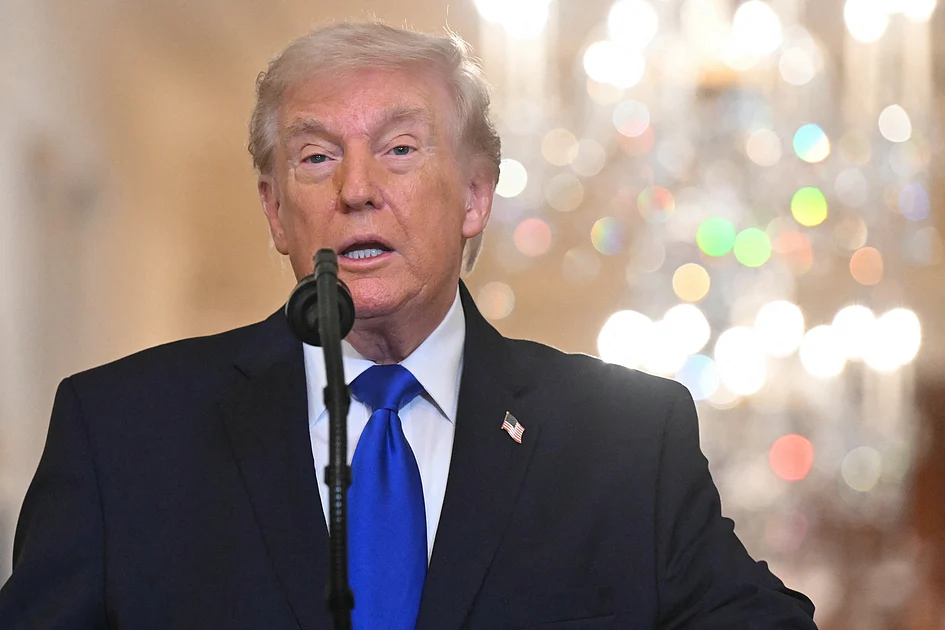
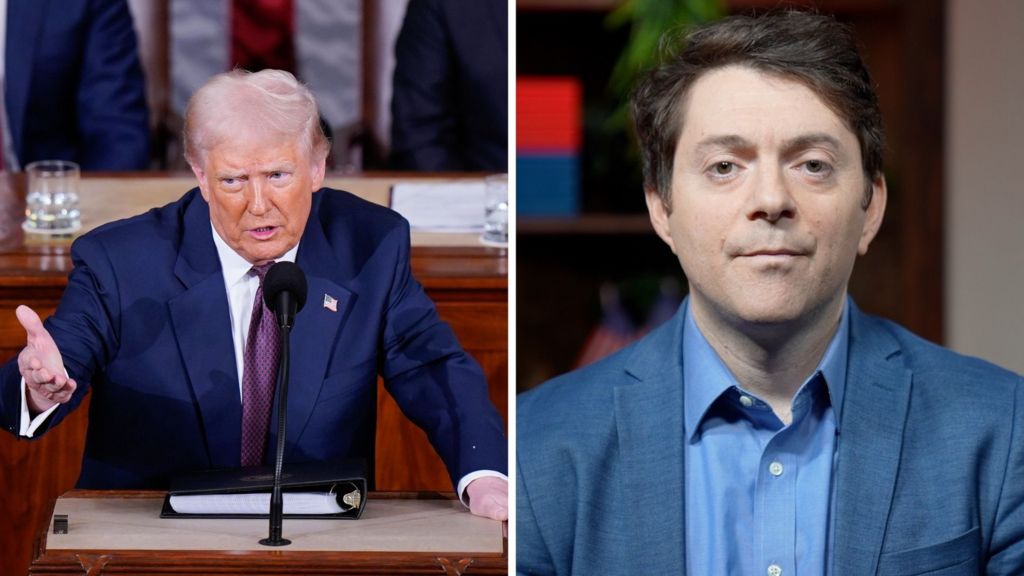
    Former President Donald Trump has issued a stark warning to international trading partners, threatening severe economic retaliation against nations attempting to exploit last week’s Supreme Court decision that curtailed his tariff-imposing authority. Through his Truth Social platform on Monday, Trump declared that any country engaging in what he termed ‘games’ regarding the judicial ruling would face substantially higher import duties than previously negotiated.

    The Supreme Court’s landmark decision struck down Trump’s use of emergency economic powers to implement country-specific tariffs, dealing a significant blow to his economic nationalist agenda. In response, Trump has pivoted to alternative legislative mechanisms to announce new 15 percent duties on imports, asserting his presidential authority to bypass Congressional approval for tariff implementation.

    Trump’s social media statements emphasized his unconventional interpretation of the court ruling, claiming it actually granted him ‘far more powers and strength’ through licensing authorities that could enable aggressive trade measures against foreign nations. This stance contradicts legal experts’ reading of the decision as a limitation on executive trade powers.

    US Trade Representative Jamieson Greer has meanwhile called for international partners to maintain existing tariff agreements with Washington, indicating potential tension between diplomatic channels and Trump’s confrontational approach. The development signals continued turbulence in global trade relations as the former president challenges both judicial and international trading norms.

  • French minister moves to block US envoy Kushner from government access

    French minister moves to block US envoy Kushner from government access

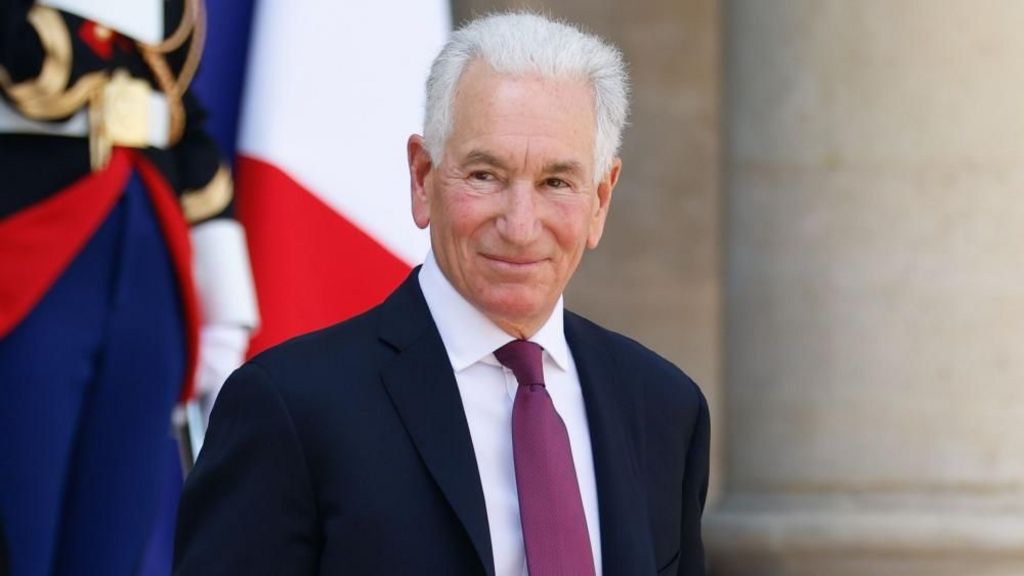
    A significant diplomatic rift has emerged between France and the United States following controversial statements made by the American embassy regarding political violence in France. The confrontation centers on Ambassador Charles Kushner, who was appointed to the position last year and is the father of Donald Trump’s son-in-law Jared Kushner.

    The controversy ignited when the US Embassy in France published social media commentary concerning the fatal assault of Quentin Deranque, a 23-year-old mathematics student and far-right nationalist who died on February 14 after being attacked by masked assailants in Lyon. The embassy’s statement suggested that ‘violent left-wing extremism is on the rise’ in France—a characterization that provoked immediate consternation from French officials.

    French Foreign Minister Jean-Noel Barrot summoned Ambassador Kushner for urgent discussions on Monday evening. However, the diplomat did not attend the meeting, citing prior commitments, and instead dispatched a deputy from the embassy. This absence triggered a sharp response from the French foreign ministry, which criticized Kushner for an ‘apparent failure to grasp the basic requirements of the ambassadorial mission.’

    In an unprecedented move, Minister Barrot formally requested that Ambassador Kushner ‘no longer be allowed direct access’ to French government ministers. The ministry’s statement emphasized France’s rejection of ‘any use of this tragedy, which has plunged a French family into mourning, for political ends.’ Barrot further asserted that France requires ‘no lessons to learn, particularly on the issue of violence, from the international reactionary movement.’

    Judicial proceedings continue in the Deranque case, with six suspects charged in connection with the fatal assault. Additionally, a parliamentary assistant affiliated with the radical left France Unbowed (LFI) party faces complicity charges. LFI leader Jean-Luc Mélenchon, a potential presidential contender, has distanced his party from the incident while condemning ‘all forms of violence.’

    The escalating diplomatic tension represents one of the most serious public disputes between the allied nations in recent years, testing the resilience of Franco-American relations during a sensitive political period in both countries.

  • ‘Exciting’ or ‘Frustrating’? – East coast locals and tourists react to record snow

    ‘Exciting’ or ‘Frustrating’? – East coast locals and tourists react to record snow

    A massive winter storm of historic proportions has unleashed its fury upon the East Coast, triggering a critical state of emergency for an estimated 40 million residents and visitors now under blizzard warnings. The tempest’s ferocity has resulted in a devastating infrastructural collapse, with power outages crippling over 600,000 homes and businesses, plunging vast regions into darkness and disconnection.

    The monumental weather event has elicited a starkly divided spectrum of reactions from those in its path. For some, the unprecedented snowfall has been a source of exhilaration, transforming urban landscapes into pristine winter wonderlands and offering a rare opportunity for seasonal activities. Conversely, the storm’s severe impact has generated profound frustration and hardship for many others, stranding travelers, halting economic activity, and raising serious concerns over public safety and access to essential services. This duality of experience highlights the complex interplay between natural phenomena and human resilience, framing a narrative of both awe and adversity in the face of a record-breaking climatic event.

  • More than 5,000 flights cancelled as US east coast digs out of record snow

    More than 5,000 flights cancelled as US east coast digs out of record snow

    A catastrophic winter storm of historic proportions unleashed its fury upon the US Eastern Seaboard on Monday, establishing unprecedented snowfall records and triggering widespread infrastructural collapse across multiple states. Meteorological data from the National Weather Service confirmed extraordinary accumulations, with Rhode Island and Massachusetts bearing the brunt at nearly 33 inches (83cm), while New York’s Central Park recorded over 19 inches—transforming the densely populated corridor into a landscape of immobilized cities and crippled transportation networks.

    The storm’s severity proved particularly devastating for Rhode Island, where Providence shattered its 1978 single-storm record of 28.6 inches with an astonishing 33-inch accumulation. ‘It completely smashed it,’ stated National Weather Service meteorologist Candice Hrencecin, reflecting the astonishment within scientific circles. ‘We were just as shocked as everyone else.’

    Governmental response escalated rapidly as conditions deteriorated. Rhode Island, Connecticut, and Massachusetts implemented non-essential travel bans, with Massachusetts Governor Maura Healey imposing reduced speed limits on major highways while warning citizens: ‘Whiteout conditions are making travel extremely dangerous. If you get stuck, help will have a hard time reaching you.’

    Critical infrastructure faced severe strain as poweroutage.us reported over 600,000 customers without electricity across the region. Massachusetts experienced particularly severe outages, with Barnstable County—encompassing Cape Cod—suffering 85% customer disruption. Urban centers became logistical nightmares, with Providence officials reporting more than 300 vehicles towed for impeding snow removal operations.

    The aviation sector approached complete shutdown, with FlightAware data revealing 5,675 cancelled flights nationwide. New York’s LaGuardia Airport cancelled 98% of flights, JFK Airport 91%, while Boston’s Logan International and New Jersey’s Newark Liberty airports both reached 92% cancellation rates.

    Meteorologists maintained winter storm warnings from North Carolina through northern Maine into eastern Canada, projecting additional accumulations of 1-2 feet (61cm) along northeastern coastal areas through Tuesday morning. The event represents not merely a weather incident but a systemic stress test for emergency response capabilities across America’s most densely populated corridor.

  • Watch: What to watch for during Trump’s State of the Union address

    Watch: What to watch for during Trump’s State of the Union address

    As President Trump prepares to deliver his pivotal State of the Union address, multiple political undercurrents are converging to shape one of the most anticipated presidential speeches of the year. According to analysis from BBC Washington correspondent Daniel Bush, several critical elements warrant close observation.

    The event may witness notable absences, with certain lawmakers potentially boycotting the presidential appearance. This prospect underscores the deeply polarized political climate characterizing current Washington dynamics.

    Simultaneously, the President’s reported frustration toward the Supreme Court introduces another layer of complexity to the upcoming address. This tension between the executive and judicial branches reflects broader constitutional tensions that may influence both the tone and content of the speech.

    Policy analysts are particularly attentive to which legislative areas might experience significant shifts following the address. While some policy domains appear poised for substantial overhaul, others seem likely to maintain their current trajectory despite presidential rhetoric. The address is expected to reveal administration priorities while testing the boundaries of presidential influence amid competing power centers in Washington.

  • Venezuelan foreign minister demands ‘immediate release’ of Maduro

    Venezuelan foreign minister demands ‘immediate release’ of Maduro

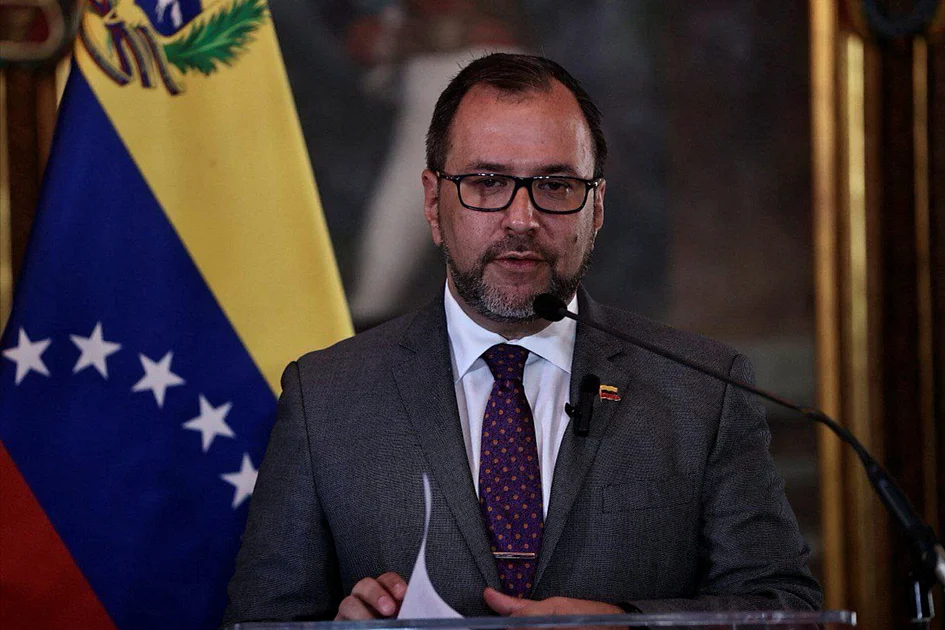
    In a forceful address before the United Nations Human Rights Council in Geneva, Venezuelan Foreign Minister Yvan Gil issued a formal demand for the liberation of former President Nicolas Maduro and First Lady Cilia Flores from U.S. custody. The diplomatic confrontation stems from the January 3rd operation conducted by American authorities that resulted in Maduro’s removal from power and subsequent detention.

    Minister Gil characterized Maduro as the ‘constitutional president’ of Venezuela while condemning what Caracas views as an unlawful seizure of its democratically elected leader. The Venezuelan delegation’s appearance at the UN’s premier human rights forum signals an escalation in diplomatic efforts to challenge Washington’s actions through international institutions.

    The development occurs alongside domestic unrest within Venezuela, where thousands have recently demonstrated to demand Maduro’s release. Concurrently, the administration led by Maduro’s allies has announced sweeping judicial reforms including a mass amnesty proposal and plans to shutter the notorious El Helicoide prison facility. These moves appear calculated to bolster governmental legitimacy amid the ongoing political crisis.

    According to independent monitoring organizations, at least 80 political prisoners have been freed in Venezuela recently, though the circumstances surrounding these releases remain unclear. The situation continues to evolve as both domestic and international actors maneuver for position in Venezuela’s protracted political struggle.