标签: North America

北美洲

  • Tariffs, rift dominate State of Union speech

    Tariffs, rift dominate State of Union speech

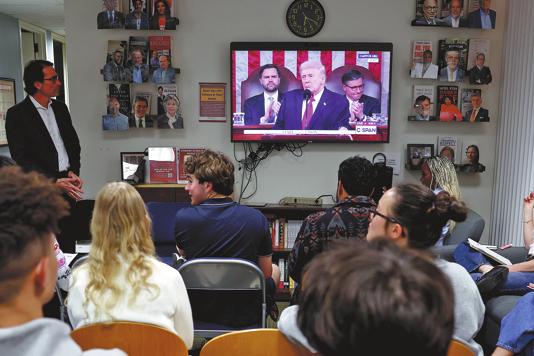
    In a record-length State of the Union address spanning 108 minutes, President Donald Trump utilized his prime-time platform to champion controversial tariff policies while confronting Democratic opponents who largely refused to applaud his agenda. The February 2026 speech before a joint session of Congress served as a critical opportunity for the Republican president to shape voter perceptions ahead of the impending midterm elections.

    Trump positioned his tariff framework as the cornerstone of what he characterized as a historic economic resurgence, despite recent polling indicating widespread public disapproval. A Washington Post-ABC News-Ipsos survey released concurrently revealed only 39% approval of his job performance, with 60% expressing dissatisfaction. Particularly damaging were the findings on economic perceptions: 57% disapproved of his economic handling, 64% opposed his tariff approach, and nearly half believed the economy had deteriorated since January 2025.

    The president defiantly addressed the Supreme Court’s recent 6-3 ruling that struck down his authority to impose sweeping tariffs under the International Emergency Economic Powers Act, dismissing the decision as “very unfortunate” while vowing to continue the duties through alternative statutory mechanisms. He reiterated his contested assertion that foreign nations bear the cost of tariffs, claiming these revenues could eventually “substantially replace the modern-day system of income tax.”

    This claim stands in direct contradiction to economic analysis from the Federal Reserve Bank of New York, which determined that 94% of tariff costs during the first eight months of implementation were absorbed by U.S. entities rather than foreign exporters.

    The address was marked by persistent tension between Trump and Democratic legislators, most of whom remained seated during standing ovations from Republican colleagues. The president explicitly chastised Democrats for not rising during his statements on immigration enforcement and when honoring a young woman killed by a repeat offender, demanding: “How do you not stand?”

    The proceedings were briefly interrupted when Democratic Representative Al Green of Texas was escorted from the chamber after displaying a protest sign reading “Black People Aren’t Apes!”—a reference to controversial social media content shared from Trump’s account earlier that month depicting the Obamas with primate imagery.

    A rare moment of bipartisan agreement emerged when Trump advocated for legislation to prohibit insider trading among congressional members, drawing surprised approval from both sides of the aisle.
  • IMF report projects US real GDP growth of 2.6% in 2026

    IMF report projects US real GDP growth of 2.6% in 2026

    The International Monetary Fund has issued an updated economic outlook projecting the United States will achieve a 2.6% real GDP growth rate in 2026, marking a modest upward revision from its January forecast of 2.4%. This assessment emerged from the preliminary findings of the IMF’s 2026 Article IV Consultation mission to the United States, which concluded on Wednesday.

    Despite the improved growth projection, the IMF report highlights significant fiscal challenges ahead. The analysis indicates that after a modest decline in 2025, the US federal deficit is expected to surpass 6% of GDP in subsequent years, with the federal debt-to-GDP ratio projected to climb steadily throughout the medium term.

    The report specifically addresses trade policy impacts, noting that higher tariffs constitute a negative supply shock to the American economy. According to IMF calculations, these measures are expected to elevate the personal consumption expenditures price index by approximately 0.5% by early 2026 while simultaneously reducing overall economic output by a similar margin.

    While acknowledging that consumer price transmission from tariffs might be less severe than anticipated, the IMF emphasized that ongoing trade policy uncertainties could exert a more substantial drag on economic activity than currently projected.

    The mounting public debt burden, coupled with an increasing short-term debt ratio, presents growing stability risks not only for the United States but for the global economy as a whole, the report cautioned. The IMF recommended that US authorities engage constructively with trading partners to address concerns regarding unfair trade practices while working toward coordinated reductions in trade restrictions and industrial policy distortions that generate negative cross-border effects.

  • Canada’s finance minister says US is unlikely to lift tariffs

    Canada’s finance minister says US is unlikely to lift tariffs

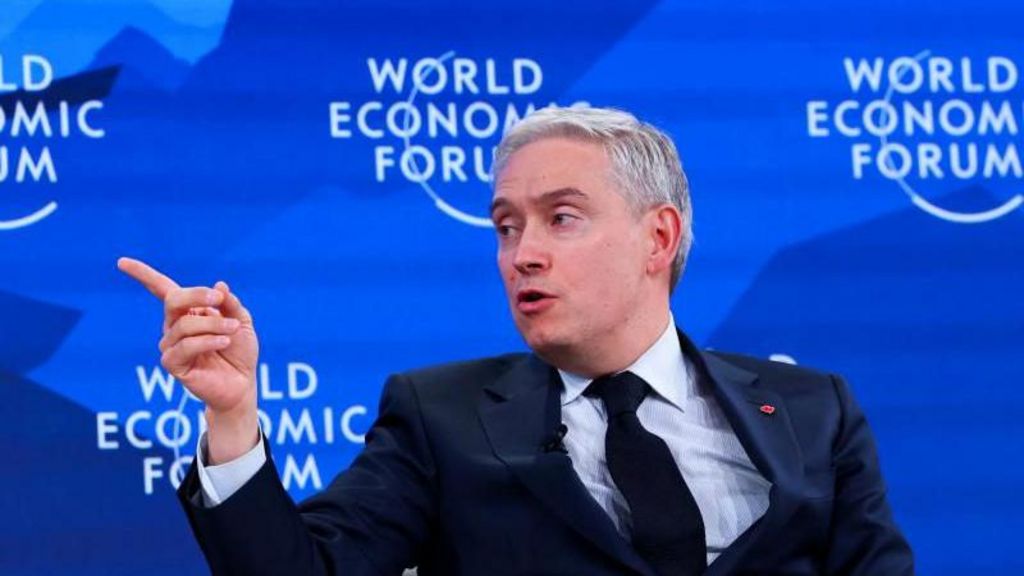
    Canadian Finance Minister François-Philippe Champagne has framed a potential baseline tariff as the necessary cost for maintaining trade flows with the United States, signaling a strategic shift in response to America’s evolving trade policy. This acknowledgment follows President Donald Trump’s State of the Union declaration advocating tariffs as a primary revenue source to replace income taxes.

    The comments align with recent statements from US trade chief Jamieson Greer, who asserted Canada must accept elevated tariff levels to retain business relations. This development comes amid renewed trade tensions triggered by Trump’s imposition of a universal 10% tariff under Section 122 of the 1974 Trade Act—a previously unused mechanism activated after the Supreme Court invalidated his earlier sweeping tariff policy.

    ‘It’s increasingly clear that the American administration expects market access to come at a price,’ Champagne told journalists in Ottawa. ‘Every nation I’m aware of is paying this price, and Canada currently pays the lowest.’

    While Canada maintains exemptions under the USMCA continental trade agreement, it faces heightened tariffs on strategic commodities including steel, aluminum, and softwood lumber. The US trade representative suggested Canada could mitigate these increases by opening protected sectors like dairy to American competition.

    In response to these tensions, Prime Minister Mark Carney has announced ambitions to double non-US exports within the next decade, particularly in automotive and metals industries. This diversification strategy emerges despite the United States remaining Canada’s dominant trading partner, accounting for approximately 75% of all exports.

    The diplomatic recalibration follows Friday’s Supreme Court ruling that declared Trump’s April tariff policy unconstitutional due to presidential overreach. The administration promptly implemented replacement tariffs through Section 122, which authorizes temporary levies of up to 15% for 150 days before requiring congressional approval.

    During his congressional address, Trump envisioned tariffs ‘paid by foreign nations’ eventually supplanting income taxes, potentially reshaping fundamental aspects of US fiscal policy and international trade dynamics.

  • The family-owned soda firm that still uses returnable glass bottles

    The family-owned soda firm that still uses returnable glass bottles

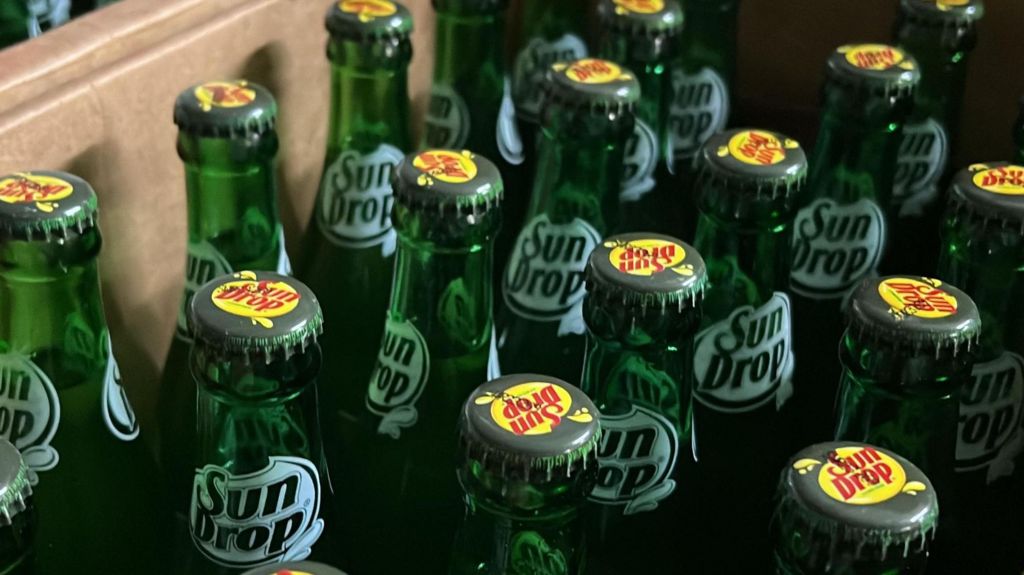
    In an industry dominated by disposable plastics, Wisconsin-based Twig’s Beverage maintains a century-old packaging tradition that has all but vanished from the American marketplace. While approximately 127 billion plastic bottles are purchased annually across the United States, this family-operated enterprise continues to sell its signature Sun Drop citrus soda in returnable glass bottles through a deposit system that dates back to pre-1960s America.

    Founded in 1951 by Floyd Hartwig, Twig’s operates as an independent bottler within Shawano County despite Sun Drop being owned by beverage giant Keurig Dr Pepper. The company’s distinctive approach involves charging customers a $20 deposit per case of 24 bottles, refundable when containers are returned to either retail locations or directly to the Twig’s factory. Remarkably, some bottles still in circulation bear manufacturing dates from the 1960s, demonstrating the durability of this sustainable packaging solution.

    Beyond its environmental distinction, Twig’s maintains historical production methods by using real sugar instead of high fructose corn syrup—a formulation choice that has become increasingly rare in the soft drink industry. The company additionally produces its own line of fruit sodas in flavors ranging from root beer to black cherry, which it now aims to distribute across the Midwest through an expanding network of distributors.

    Now in its third generation of family leadership under Ben Hartwig and his siblings, Twig’s has become woven into the cultural fabric of Shawano—a community of 9,000 that hosts annual Sun Drop Dayz celebrations. The company maintains an on-site museum and offers production tours, highlighting its handcrafted manufacturing process.

    Despite challenges including fluctuating sugar prices and competition from major brands, Twig’s has achieved approximately $6.5 million in annual revenue while employing 20 local staff. The American Beverage Association notes that such family-owned enterprises represent a significant segment of the industry, with many maintaining generational traditions despite market consolidation.

    Hartwig attributes the company’s 75-year longevity to community loyalty and family dedication, expressing hope that future generations will continue both the returnable bottle system and the company’s commitment to traditional soda craftsmanship.

  • Trump’s surgeon general pick won’t commit outright to vaccines, and other key takeaways

    Trump’s surgeon general pick won’t commit outright to vaccines, and other key takeaways

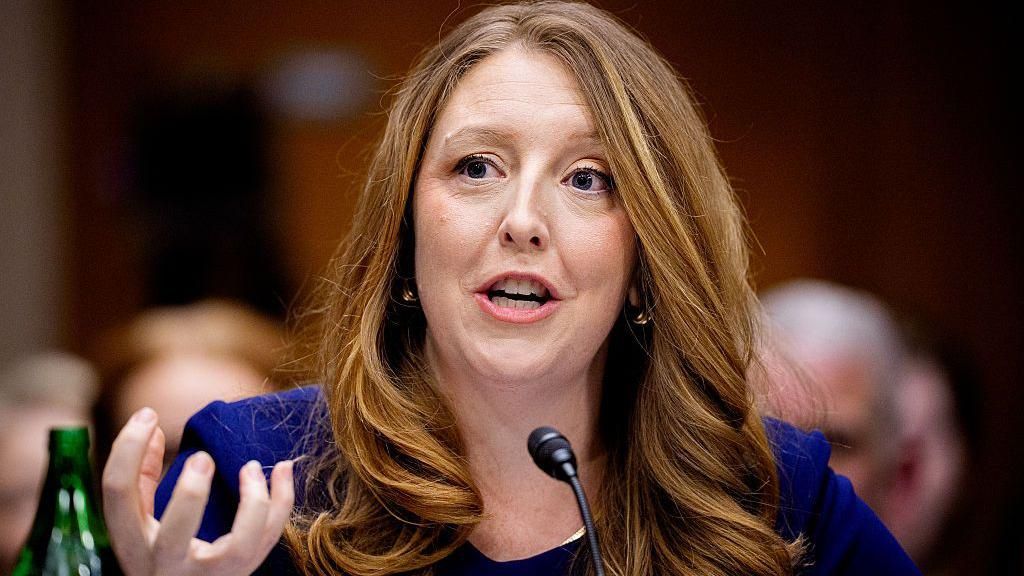
    Washington D.C. – President Donald Trump’s controversial nominee for Surgeon General, Dr. Casey Means, endured a rigorous confirmation hearing before lawmakers on Wednesday, facing intense bipartisan interrogation over her unconventional health views, ethical commitments, and professional qualifications.

    The 38-year-old Stanford-educated physician, who leads the ‘Make America Healthy Again’ movement aligned with Health Secretary Robert F. Kennedy Jr., found herself defending her lack of an active medical license and her history as a health influencer promoting dietary supplements and teas. Democratic Senator Chris Murphy of Connecticut presented evidence alleging dozens of Federal Trade Commission violations, claiming Means failed to disclose compensation received while promoting corporate products. Means vehemently denied these allegations, calling the documentation ‘incorrect’ and a ‘false representation.’

    The hearing’s most contentious moments centered on vaccine policy. Means repeatedly declined to commit to advocating universal immunization against diseases like measles and Hepatitis B, instead emphasizing individual medical autonomy. ‘I believe each patient, mother, parent, needs to have a conversation with their pediatrician,’ she stated, while acknowledging vaccines ‘save lives’ and are key to public health strategy.

    Regarding Hepatitis B vaccinations specifically, Means described them as ‘life-saving’ but controversiallly asserted they weren’t necessary for all newborns—contradicting American Association of Pediatrics guidelines recommending administration within 24 hours of birth.

    When questioned about vaccines and autism, Means acknowledged scientific evidence shows no link but notably added ‘science is never settled,’ while describing the autism crisis as ‘devastating’ to families. Her comments aligned with recent CDC guidance updates under Secretary Kennedy that now state a connection cannot be ruled out, contrary to established medical consensus.

    The nominee also addressed past controversial statements about contraceptive pills, which she had previously called ‘a disrespect of life’ and claimed Americans use ‘like candy.’ During the hearing, she affirmed support for accessibility of both contraceptives and mifepristone (the abortion pill) while emphasizing their potential ‘horrifying’ side effects for certain women.

    Means confirmed she had been fully cleared by the Office of Government Ethics and committed to divesting from her business interests if confirmed. The committee is expected to vote on her nomination soon, with the outcome determining whether she will lead the 6,000-person U.S. Public Health Service.

  • A New York City snowball fight gone wrong leaves Mayor Mamdani at odds with police

    A New York City snowball fight gone wrong leaves Mayor Mamdani at odds with police

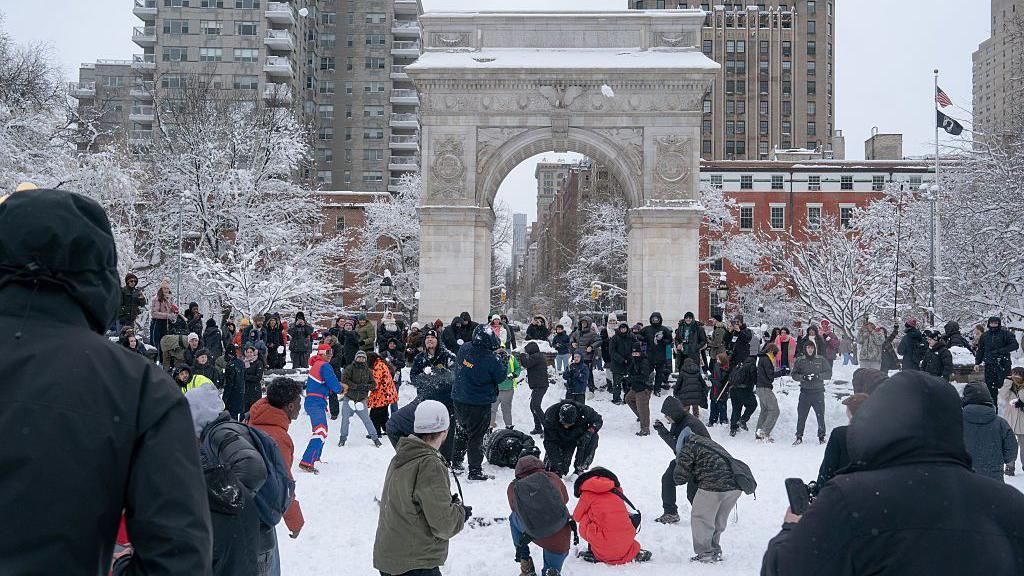
    A festive snowball gathering in Manhattan’s Washington Square Park has ignited a heated political confrontation between New York City Mayor Zohran Mamdani and police leadership, following incidents where officers were struck with frozen projectiles during Monday’s blizzard.

    Video footage circulating on social media platforms shows the moment when a prearranged snowball fight among dozens of participants turned confrontational. The escalation occurred after NYPD officers responded to emergency calls at the park, where some individuals began directing snowballs—reportedly containing ice chunks—toward law enforcement personnel.

    The police department has released photographic evidence identifying four young men, estimated to be between 18-20 years old, allegedly responsible for intentionally targeting officers with frozen projectiles. According to NYPD officials, these actions resulted in head, neck, and facial injuries that required hospital treatment for multiple officers, though all remain in stable condition.

    Police Commissioner Jessica Tisch condemned the behavior as “disgraceful and criminal” in social media statements, while the department pursues assault charges against the identified individuals.

    Mayor Mamdani has adopted a markedly different perspective, characterizing the incident as an overzealous but essentially harmless snowball fight that shouldn’t warrant criminal charges. During Tuesday’s press conference, the mayor stated, “From the videos that I’ve seen, it looked like kids at a snowball fight,” while simultaneously urging New Yorkers to show respect toward city employees working through the historic winter storm.

    The mayor’s position has drawn fierce criticism from police unions. Police Benevolent Association President Patrick Hendry denounced Mamdani’s response as “a complete failure of leadership,” emphasizing that officers sustained actual injuries requiring medical attention. Sergeants Benevolent Association President Vincent Vallelong echoed these concerns, warning that tolerating such behavior could encourage more dangerous attacks against officers in the future.

    This confrontation represents the first significant clash between the newly elected mayor and police unions since Mamdani took office in November. Political analyst Basil Smikle, former executive director of New York’s Democratic Party, noted that the mayor faces particular scrutiny due to his previous criticisms of the NYPD, including past characterizations of the department as “racist” and “a threat to public safety” during his campaign.

    The current dispute echoes historical tensions between New York mayors and police unions, particularly when involving officials who advocate for criminal justice reform. Smikle observed that Mamdani must balance police relations with community concerns about youth treatment, while police unions remain sensitive to perceptions of inadequate support from city leadership.

  • Near-zero visibility: UAE residents to face monster fog all this week

    Near-zero visibility: UAE residents to face monster fog all this week

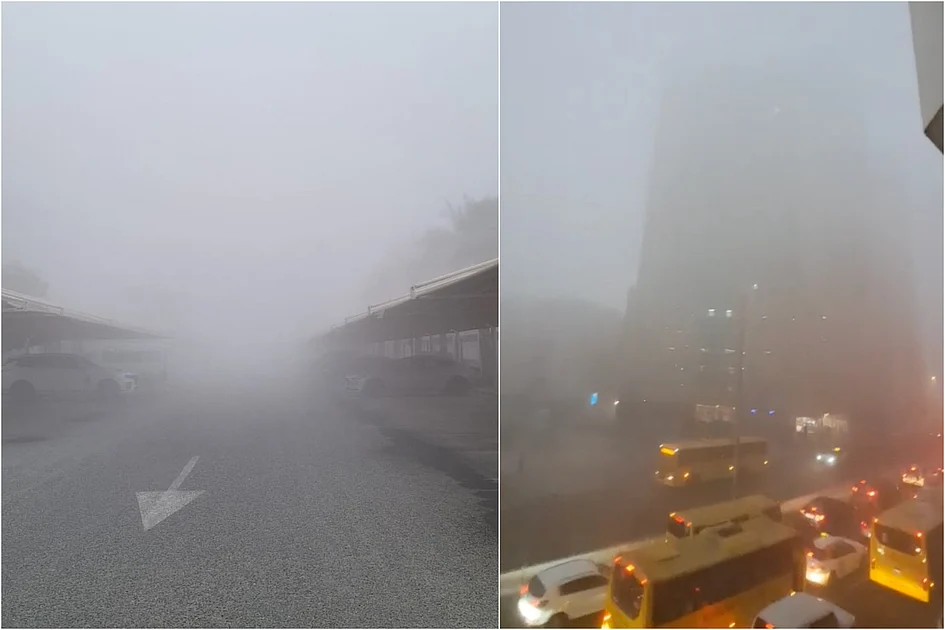
    The United Arab Emirates is currently experiencing a prolonged period of intense fog conditions that have significantly reduced visibility across multiple emirates, creating substantial disruptions to daily life and transportation networks. Meteorological experts indicate this weather pattern will persist throughout the week before gradual improvement begins in early March.

    On Tuesday morning, Dubai residents awoke to severely obscured skylines as thick fog settled over large sections of the emirate. The phenomenon resulted in dramatically reduced visibility that severely impacted road conditions during peak commuting hours. Major highways witnessed vehicles moving at exceptionally slow speeds, while school transportation and office commuters faced considerable delays. Similar challenging conditions were reported throughout Sharjah, with motorists describing the experience as navigating through dense cloud formations.

    The National Centre of Meteorology (NCM) has identified the specific atmospheric conditions responsible for this persistent fog formation. According to Dr. Ahmed Habib, meteorologist at the NCM, the combination of exceptionally calm wind patterns and a stable high-pressure system affecting both surface and upper atmospheric layers has created optimal circumstances for fog development. These conditions have resulted in cooler surface temperatures that, when combined with existing humidity, generate the thick fog banks currently affecting the region.

    Meteorological projections indicate the fog will continue beyond Wednesday, with particularly dense formations expected in interior regions including Abu Dhabi, Al Ain, and Dubai. Residents in affected areas should anticipate continued transportation disruptions during morning hours, requiring additional travel time and heightened road safety precautions.

    Weather patterns are forecast to undergo modification later this week, beginning with anticipated cloud formation on February 26th. While fog conditions may persist, meteorological models suggest reduced frequency compared to current levels. Afternoon periods may present alternative challenges as northwesterly winds are predicted to create potentially rough sea conditions. These strengthening winds are expected to gradually diminish fog formation likelihood.

    Dr. Habib emphasized that such weather patterns represent typical seasonal transition phenomena common during this period. The UAE’s winter season traditionally continues until March 21st, with fog episodes frequently occurring during periods of atmospheric stability. Temperature fluctuations are expected throughout the week, with gradual warming projected from March 1st onward following a brief temperature decrease expected on February 27th due to returning northwesterly winds.

  • Cuba says four shot dead on US-registered speedboat

    Cuba says four shot dead on US-registered speedboat

    A lethal maritime confrontation has resulted in four fatalities after Cuban border guards intercepted a US-registered speedboat in contested waters. The incident occurred Wednesday morning near Cayo Falcones, an island within Cuba’s Villa Clara province on its northern coastline.

    According to an official statement released by Cuba’s Interior Ministry through diplomatic channels, the Florida-registered vessel (FL7726SH) was detected operating within Cuban territorial waters. When a coast guard patrol boat carrying five personnel approached for standard identification procedures, the suspected vessel allegedly initiated fire against Cuban authorities.

    The exchange of gunfire resulted in critical injuries to the Cuban vessel commander and culminated in four casualties among the speedboat’s occupants. Six additional individuals sustained injuries during the armed confrontation. Cuban authorities confirmed that medical evacuation and treatment were provided to all injured parties despite the hostile nature of the incident.

    The national identities and specific objectives of the vessel’s passengers remain undetermined pending formal investigation. The Cuban government has emphasized its commitment to conducting thorough investigations to establish the precise circumstances surrounding this violent encounter.

    This maritime clash occurs during a period of heightened diplomatic strain between Washington and Havana. The Trump administration’s intensified pressure campaign against Cuba includes restricting Venezuelan oil shipments to the island nation, exacerbating existing fuel shortages. Cuban officials explicitly referenced these tensions in their statement, reaffirming the nation’s determination to protect its maritime sovereignty against external challenges.

    The incident coincides with Secretary of State Marco Rubio’s diplomatic mission to Saint Kitts and Nevis, where discussions concerning regional policy toward Cuba feature prominently on the agenda. The White House and State Department have not yet issued official responses to requests for commentary regarding this developing situation.

  • Etihad Rail reveals new details on passenger service built for ‘everyday journeys’

    Etihad Rail reveals new details on passenger service built for ‘everyday journeys’

    The United Arab Emirates’ national railway operator, Etihad Rail, has disclosed comprehensive details regarding its forthcoming passenger service, strategically engineered to transform daily commuting experiences across the nation. During a recent announcement, officials emphasized that the project is transitioning from infrastructure development to operational design, with a pronounced focus on serving routine travel needs.

    Etihad Rail’s service promises to redefine productivity during transit by offering guaranteed seating, rigorously maintained schedules, and a tranquil onboard environment. According to Deputy CEO Azza AlSuwaidi, the network’s fundamental design principle centers on reliability—enabling passengers to reclaim valuable time otherwise lost in traffic congestion. Business travelers will benefit from dedicated amenities including high-speed Wi-Fi, power outlets at every seat, and spacious modern interiors, facilitating uninterrupted work sessions between the UAE’s major economic hubs.

    For family travel, the railway introduces customized seating configurations that allow parents and children to sit together comfortably. Enhanced luggage storage solutions will accommodate weekend trips and extended visits to relatives. The service aims to foster family bonding by transforming travel time into quality interaction time, particularly resonant during the UAE’s designated ‘Year of the Family’ in 2026.

    Culturally, the passenger rail system embodies Emirati identity through station architecture and service delivery, reflecting national values of safety and quality. This approach seeks to instill national pride and ownership among citizens and residents alike.

    Upon full operational capacity, Etihad Rail will interconnect 11 key urban centers and regions including Al Sila, Al Dhannah, Dubai’s Jumeirah Golf Estates, Sharjah’s University City, and Fujairah’s Al Hilal district. The project’s operational phase is being developed through a landmark joint venture with international transport specialist Keolis, signed in October 2025.

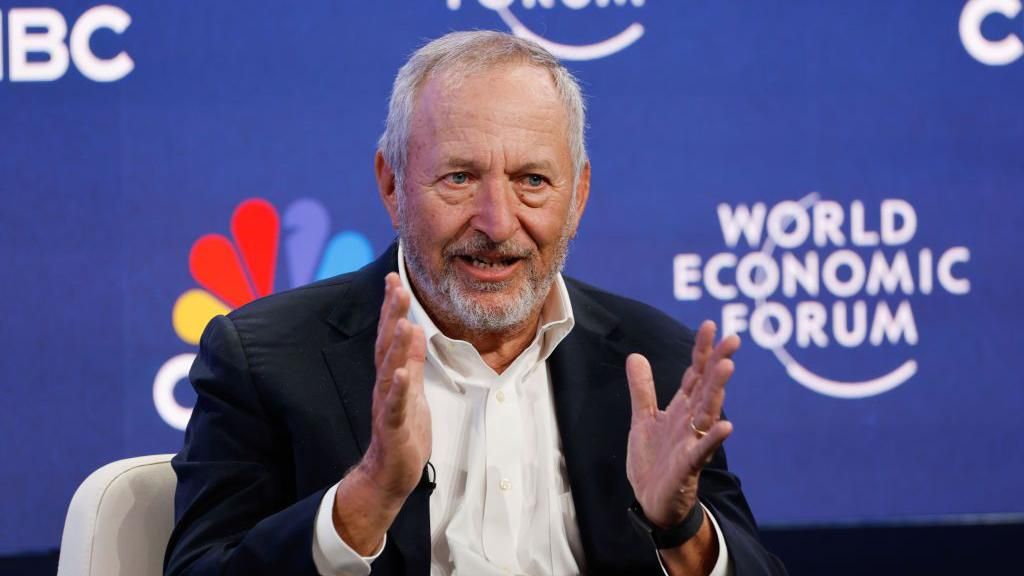
  • Larry Summers quits teaching at Harvard after Epstein probe

    Larry Summers quits teaching at Harvard after Epstein probe

    Larry Summers, the former U.S. Treasury Secretary and ex-President of Harvard University, has announced his retirement from all academic positions at the Ivy League institution. This decision follows the university’s internal review concerning his associations with the late financier and convicted sex offender Jeffrey Epstein.

    Harvard University confirmed it has accepted Summers’s resignation from his role as co-director of the Mossavar-Rahmani Center for Business and Government. Additionally, he will retire from all other faculty and academic appointments. The move concludes a prestigious five-decade association with the university that began when Summers was a graduate student.

    The controversy stems from released email correspondence indicating Summers maintained communication with Epstein until just before Epstein’s 2019 arrest on charges of sex trafficking minors. Last November, Summers voluntarily took leave from his positions as Harvard initiated its investigation, which coincided with Congressional release of over 20,000 pages of documents related to Epstein, including communications with Summers.

    In a previous address to Harvard students, Summers expressed regret regarding his associations with Epstein. In his retirement statement to The Harvard Crimson, Summers described the decision as “difficult” while expressing gratitude for the thousands of students and colleagues he has worked with throughout his career. He indicated plans to continue engaging in economic analysis and commentary as President Emeritus and retired professor.