
As the federal government shutdown extends into its fifth week, hundreds of thousands of federal workers across the United States are grappling with severe financial strain, forcing many to seek assistance from food banks to feed their families. The shutdown, which began on October 1 due to a political impasse over healthcare funding and other policy priorities, has left 1.4 million federal employees without pay, including 670,000 furloughed workers and 730,000 who continue to work without compensation. In Queens, New York, long lines of federal workers formed outside a church on October 28, waiting to collect basic produce like peppers, onions, and carrots from the Food Bank For New York City. Among them was Jacquelin, a federal employee who tearfully shared her struggles, including the inability to celebrate her daughter’s birthday or afford basic meals. Christina Dechabert, a Transportation Security Administration employee at JFK Airport, echoed these sentiments, expressing frustration at having to dip into savings meant for retirement to cover daily expenses. The crisis has also impacted the Supplemental Nutrition Assistance Program (SNAP), with November benefits delayed for over 40 million Americans, deepening food insecurity nationwide. Legal battles have ensued, with dozens of states suing the Trump administration over the SNAP cuts, while federal judges ruled on October 31 that SNAP funding must continue during the shutdown. Economically, the shutdown is projected to cause significant losses, with the Congressional Budget Office estimating a permanent $7 billion hit to the U.S. economy if it ends this week, and up to $14 billion if it extends through November 26. The travel industry is also suffering, with national parks partially closed and airports experiencing delays due to staffing shortages. While federal workers will receive backpay once the government reopens, contractors face permanent losses. Economists warn that the shutdown disproportionately affects lower-income Americans, exacerbating inequality and eroding trust in the political system. As negotiations remain stalled in Washington, the human toll of the shutdown continues to grow, with federal workers bearing the brunt of the crisis.
标签: North America
北美洲
-

Clooney says Harris replacing Biden was a ‘mistake’
In a recent interview with CBS, renowned actor and Democratic fundraiser George Clooney expressed his belief that it was a ‘mistake’ for Kamala Harris to replace Joe Biden as the Democratic candidate in the 2024 U.S. presidential election. Clooney, who had penned a high-profile op-ed in the New York Times in July 2024 urging Biden to step aside, stood by his decision, stating, ‘We had a chance.’ He argued that Biden, despite his storied career, was no longer fit to face the challenges of a presidential campaign, particularly against Donald Trump. Clooney emphasized the need for a primary to ‘battle-test’ potential candidates, but the Democratic Party ultimately bypassed this process, handing the nomination to Harris. Reflecting on her candidacy, Clooney noted the difficulty Harris faced in distancing herself from her own record, calling it a ‘very tough task.’ His comments followed a heated response from Hunter Biden, who criticized Clooney for questioning his father’s mental acuity in an expletive-laden interview. Meanwhile, Harris, in a BBC interview, hinted at a possible future presidential run, expressing confidence that a woman would one day occupy the White House.
-
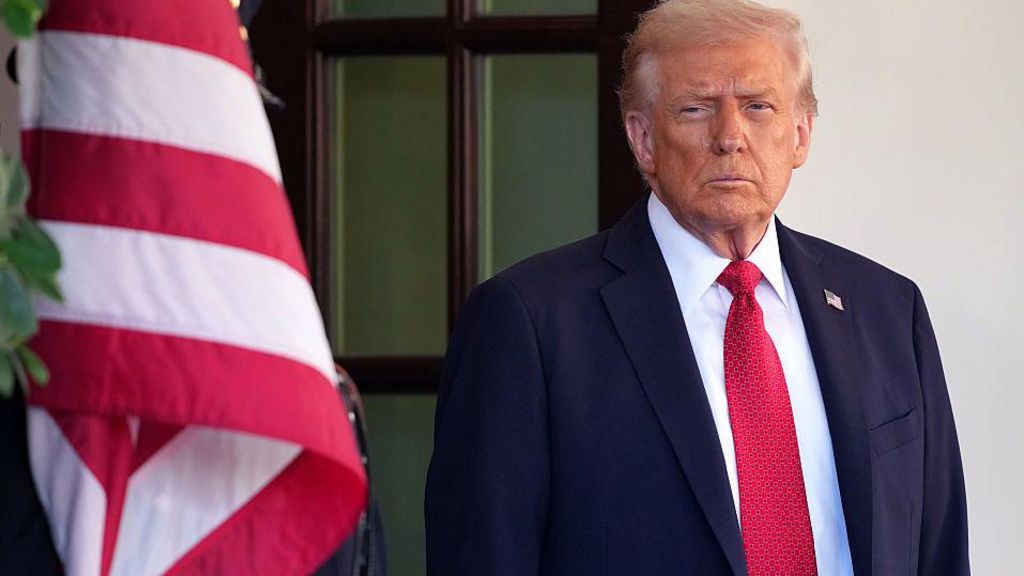
Trump’s planned tests are ‘not nuclear explosions’, US energy secretary says
In a bid to assuage global apprehensions, US Energy Secretary Chris Wright has categorically stated that the United States does not intend to conduct nuclear explosions. This declaration follows President Donald Trump’s recent directive to the military to resume nuclear weapons testing, a move that has sparked widespread concern. Wright, in an interview with Fox News on Sunday, emphasized that the planned tests are ‘non-critical explosions,’ aimed at ensuring the reliability of nuclear weapon components without triggering a nuclear detonation. ‘Americans near historic test sites such as the Nevada National Security Site have no cause for concern,’ Wright assured, addressing fears of a mushroom cloud resurgence. Trump’s call for testing, articulated on Truth Social, was perceived by many as a precursor to full-scale nuclear blasts, a practice dormant since 1992. However, Wright’s remarks aim to clarify that the tests are not of the same magnitude. Trump, in a subsequent interview with CBS’s 60 Minutes, reiterated his stance, asserting that the US should not lag behind other nations in nuclear testing. ‘Russia’s testing, and China’s testing, but they don’t talk about it,’ Trump remarked, adding North Korea and Pakistan to the list of nations allegedly conducting such tests. Both China and Russia have denied these allegations, with China’s foreign ministry spokesperson Mao Ning affirming China’s commitment to a self-defence nuclear strategy and a moratorium on nuclear testing. Russia’s Kremlin spokesman Dmitry Peskov also refuted claims of recent nuclear tests, emphasizing that certain weapon tests should not be misconstrued as nuclear detonations. The global nuclear landscape remains tense, with the US and Russia holding the largest arsenals, followed by China, which is rapidly expanding its nuclear capabilities. The Federation of American Scientists estimates that Russia possesses approximately 5,459 warheads, while the US has about 5,177. China, with around 600 warheads, is projected to exceed 1,000 by 2030, according to the Center for Strategic and International Studies. As the world watches, the US’s approach to nuclear testing continues to be a focal point of international discourse.
-
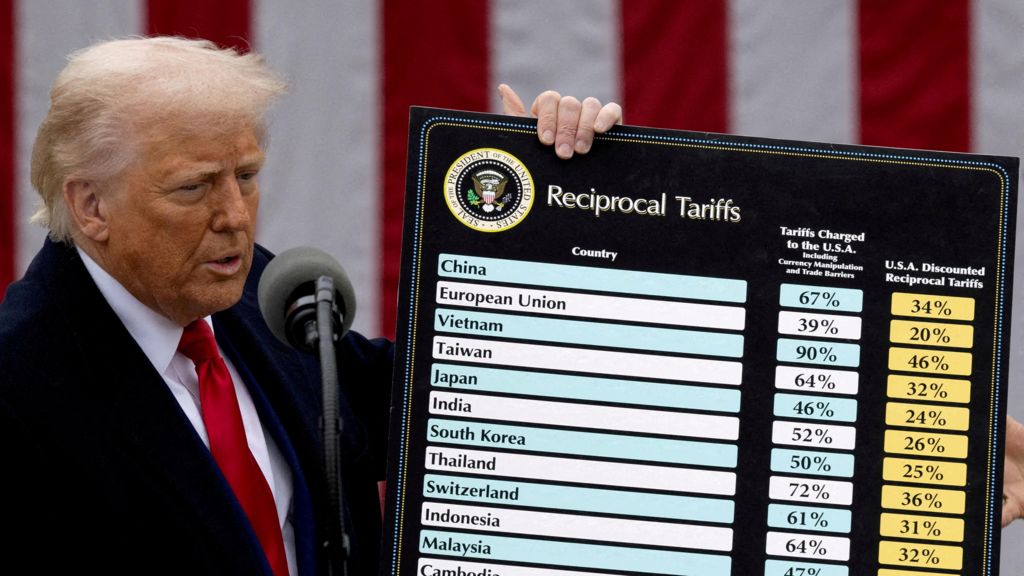
World awaits landmark US Supreme Court decision on Trump’s tariffs
The Trump administration’s contentious trade policies are set to face a critical test as the U.S. Supreme Court prepares to hear arguments on the legality of sweeping tariffs imposed under the 1977 International Emergency Economic Powers Act (IEEPA). The case, which pits the White House against small businesses and a coalition of states, could redefine the limits of presidential power and have far-reaching implications for global trade.
-

Sundar shines as India level T20 series with Australia
In a thrilling encounter at Hobart, Washington Sundar’s explosive unbeaten 49 off just 23 balls propelled India to a five-wicket victory over Australia in the third T20 match, leveling the five-match series at 1-1. Sundar’s heroics were complemented by key partnerships, including a 35-run stand with Tilak Varma (29) and a decisive 34-run collaboration with Jitesh Sharma (22 not out). Earlier, Australia had set a challenging target of 186-6, thanks to Tim David’s blistering 74 off 38 balls and Marcus Stoinis’ steady 64. Despite Nathan Ellis’ impressive bowling figures of 3-36, India’s disciplined chase ensured they never looked under pressure. India’s skipper Suryakumar Yadav praised the team’s all-round performance, highlighting the contributions of Sundar, Jitesh, and Arshdeep Singh, who made an immediate impact by dismissing key Australian batsmen early on. The fourth T20 is set to take place on the Gold Coast, promising more cricketing excitement.
-
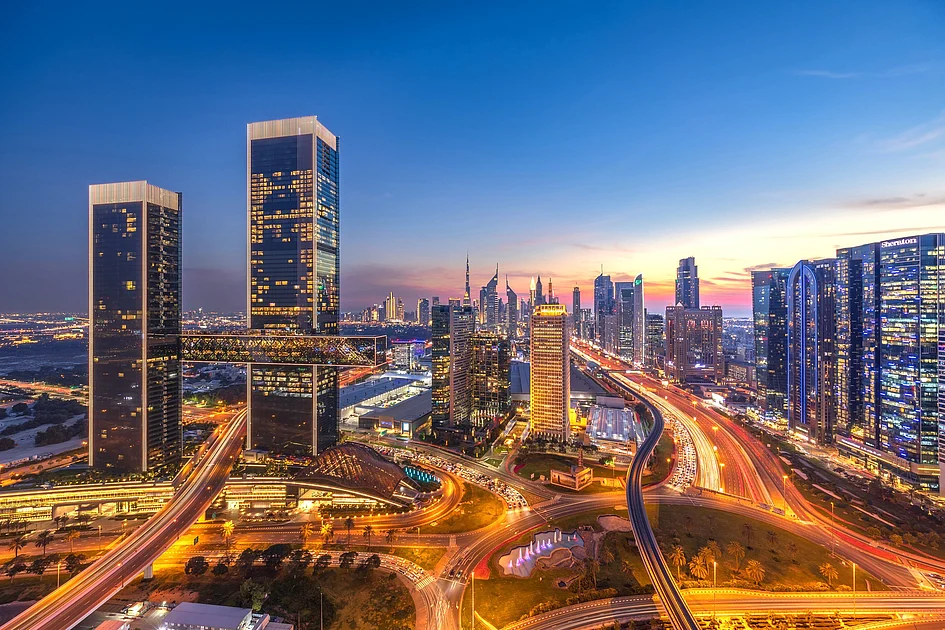
UAE property market enters new phase of growth amid record sales and shifting buyer trends
The UAE property market is experiencing a transformative phase, with Dubai and Ras Al Khaimah (RAK) emerging as key drivers of growth. Dubai’s real estate sector achieved unprecedented milestones in Q3 2025, recording 59,228 property transactions worth Dh170.7 billion (\$46.5 billion), a 17.2% increase in volume and 19.9% rise in value compared to the previous year. Apartments dominated the market, with 49,370 units sold for Dh94.3 billion, reflecting a 25.9% year-on-year surge. Off-plan sales accounted for over 70% of transactions, fueled by flexible payment plans and investor confidence in Dubai’s development pipeline. Despite a 30% decline in villa sales, demand remains robust in lifestyle-focused communities, with average residential prices reaching a historic Dh1,664 per sq ft. A suburban shift is evident as rising rents in central areas push residents toward emerging zones offering affordability and modern amenities. Sustainability is also reshaping buyer preferences, with developers integrating green building practices and smart home systems. Dubai’s population surpassed 4 million in September 2025, and with nearly 9,800 millionaires expected to migrate to the UAE this year, demand for quality housing is projected to remain strong. Meanwhile, RAK’s property market surged 118% year-on-year, reaching Dh15 billion in total transactions. The ValuStrat Price Index rose 13.8%, with villas appreciating 15% and apartments 13.2%. RAK’s off-plan segment dominated, accounting for 85% of freehold sales, with over 3,000 units sold worth Dh6 billion. Mega-projects like the Wynn Al Marjan Island Resort and branded residences from Ritz-Carlton and Aston Martin are reshaping the luxury landscape. Mantra Properties’ Jacob & Co Residences, launched in collaboration with the luxury brand, registered over Dh300 million in sales within 12 hours, underscoring the UAE’s dominance as a hub for branded luxury living. As the UAE advances toward its 2030 vision, both Dubai and RAK are poised to benefit from infrastructure expansion, tourism growth, and investor-friendly reforms, solidifying the country’s position as a global real estate powerhouse.
-
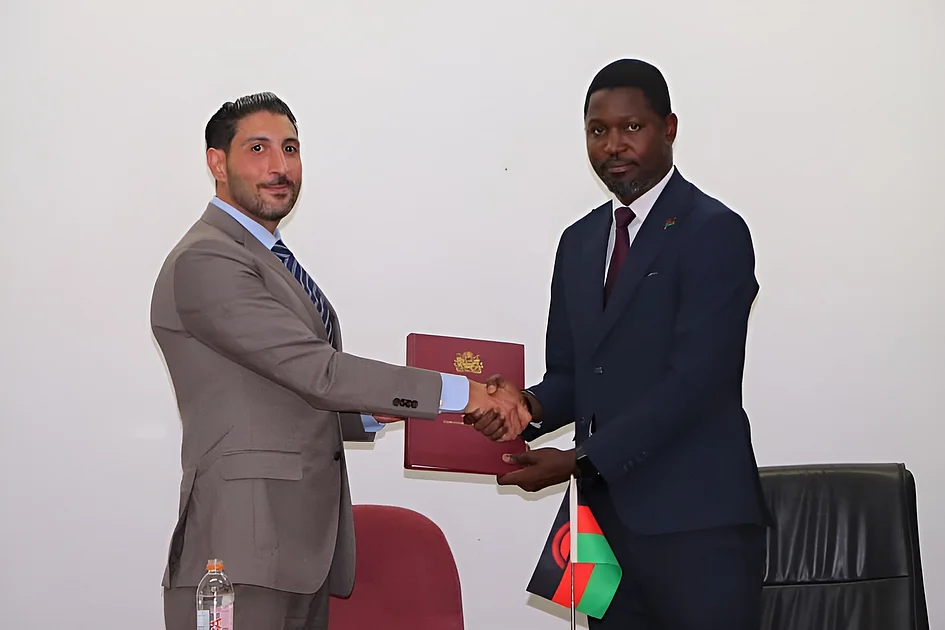
Dubai brings Malawi closer to the Paris Agreement through AI
In a groundbreaking move that highlights Dubai’s emergence as a global leader in climate innovation, the Government of Malawi has joined forces with the Dubai-based Green Economy Partnership (GEP) to introduce the world’s first AI-powered Paris Agreement Implementation Platform (PAIP). This end-to-end digital system is designed to streamline national emissions management, carbon trading, and international compliance under the Paris Agreement, marking a significant leap in climate governance. The collaboration bridges Africa and the Gulf, leveraging Malawi’s commitment to sustainable development and Dubai’s expertise in artificial intelligence and climate technology. The PAIP platform is the first of its kind to automate all compliance aspects of the Paris Agreement, including emission inventories, carbon registries, and transparency reporting. Built on a secure blockchain infrastructure, it ensures data sovereignty while enabling real-time emission tracking, project registration, and finance mobilization. For Malawi, this initiative represents a transformative step toward modernizing its climate systems, consolidating national carbon data into a transparent digital framework. Dr. Yusuf Malsellino Mkungula, Principal Secretary at Malawi’s Ministry of Natural Resources and Climate Change, hailed the partnership as a milestone for the region, emphasizing its role in advancing climate innovation and economic opportunity. The platform’s development involved two years of research and collaboration between GEP engineers and Malawian policymakers, aligning it with international standards such as ISO, ESG, and UNFCCC protocols. Arthur Chirinikian, CEO of GEP, described the initiative as a historic achievement for Africa, setting a global precedent for digital climate governance. The platform will be officially unveiled at COP30, showcasing its potential to empower countries worldwide. This partnership underscores Dubai’s post-COP28 legacy of driving measurable global climate impact through innovation, demonstrating how technology can foster equity and efficiency in the fight against climate change.
-

Trump threatens military action in Nigeria over killing of Christians
U.S. President Donald Trump has issued a stark warning to Nigeria, threatening military intervention if the African nation fails to address what he described as the targeted killing of Christians by militants. In a fiery social media post on Saturday, Trump declared that he had instructed the Pentagon to prepare a potential military strike, emphasizing that the U.S. would act swiftly and decisively. “If the Nigerian Government continues to allow the killing of Christians, the USA will immediately stop all aid and assistance to Nigeria, and may very well go into that now disgraced country, ‘guns-a-blazing,’ to completely wipe out the Islamic Terrorists who are committing these horrible atrocities,” Trump stated. He further warned the Nigerian government to act quickly, adding that any U.S. military action would be “fast, vicious, and sweet.” Pentagon chief Pete Hegseth echoed Trump’s sentiments, affirming that the Department of War was preparing for possible action. Trump’s remarks came a day after he claimed, without providing evidence, that “thousands of Christians are being killed” by radical Islamists, labeling the situation an “existential threat” to Christianity in Nigeria. The U.S. State Department recently designated Nigeria as a “Country of Particular Concern” (CPC) over alleged religious persecution, a move supported by conservative politicians like Senator Ted Cruz and Congressman Chris Smith. However, Nigerian President Bola Ahmed Tinubu has refuted these claims, asserting that religious tolerance and freedom remain central to Nigeria’s identity. Nigeria, a nation almost evenly split between a Muslim-majority north and a Christian-dominated south, has long grappled with security challenges, including the Boko Haram insurgency and conflicts between herders and farmers, which are often mischaracterized as religious strife.
-
China to ease chip export ban in new trade deal, White House says
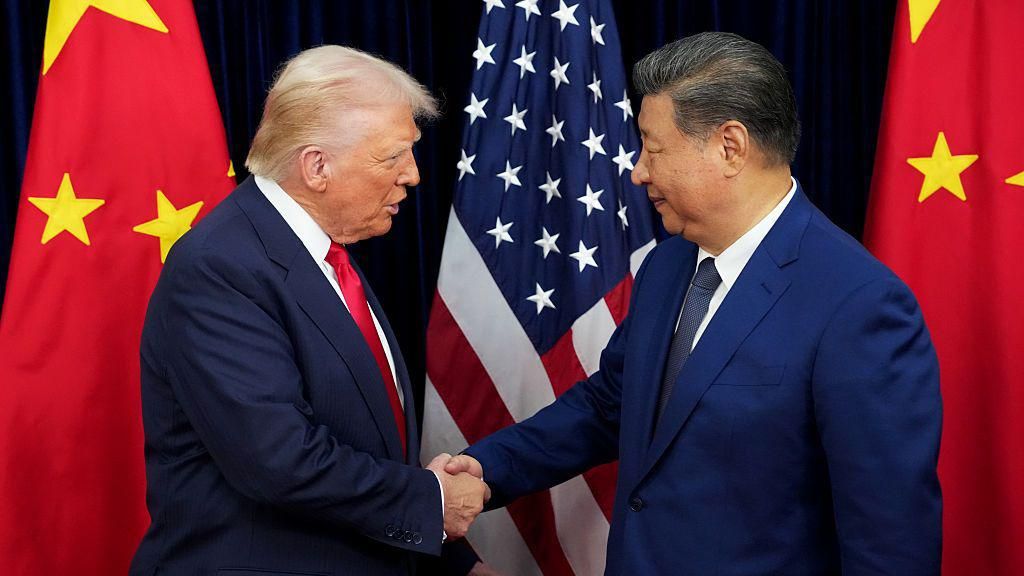
In a significant development aimed at de-escalating trade tensions, the United States and China have reached a comprehensive trade agreement that includes the easing of China’s export ban on automotive computer chips, a critical component for global car production. The White House confirmed the details of the deal in a fact sheet released after a high-profile meeting between Chinese President Xi Jinping and former US President Donald Trump in South Korea earlier this week. The agreement also addresses key issues such as US soybean exports, rare earth mineral supplies, and fentanyl production materials. The deal marks a turning point in the trade war between the world’s two largest economies, which began when Trump imposed tariffs on Chinese goods upon taking office, triggering retaliatory measures and global market uncertainty. Chinese Embassy spokesman Liu Pengyu emphasized the mutually beneficial nature of China-US economic relations, echoing President Xi’s call for the business relationship to remain a cornerstone of bilateral ties. Treasury Secretary Scott Bessent, however, expressed cautious optimism, noting China’s past unreliability as a trade partner. The agreement ensures the resumption of automotive chip exports from Nexperia, a Chinese-owned company based in the Netherlands, whose production facilities in China are crucial to global supply chains. Additionally, China has agreed to pause export controls on rare earth minerals for a year and take significant measures to address fentanyl production, a major contributor to opioid overdose deaths in the US. On the agricultural front, China has committed to purchasing substantial quantities of US soybeans, providing relief to American farmers who had lost access to their largest export market earlier this year. The deal underscores the importance of collaboration in resolving trade disputes and stabilizing global markets.
-
Can you buy property in UAE with no down payment? What the law says
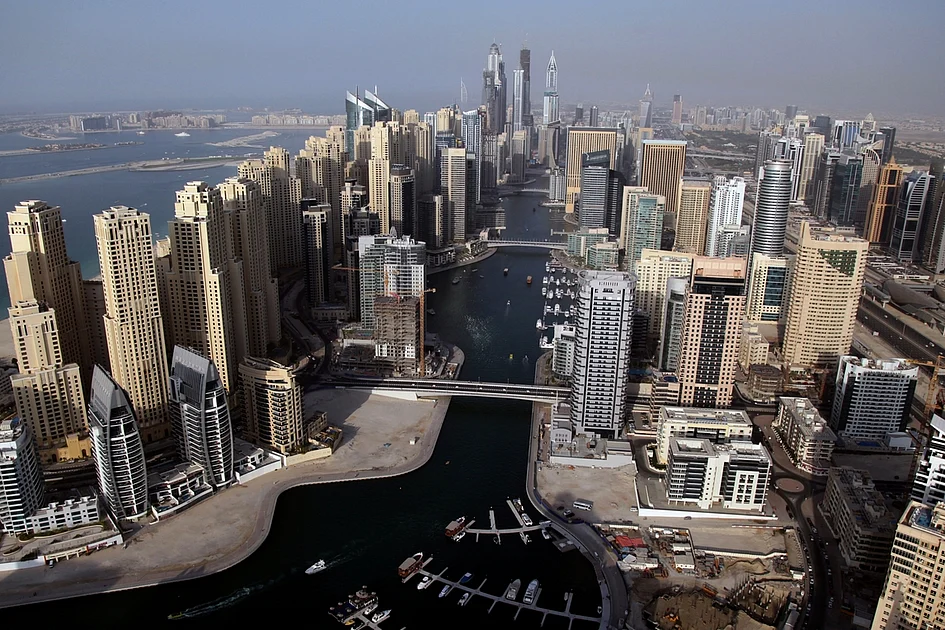
In the UAE, the legality of purchasing property with a zero percent down payment has sparked significant interest among potential buyers. While some real estate agents promote such offers, it is crucial to understand the legal framework governing these transactions. The UAE Central Bank’s mortgage regulations play a pivotal role in shaping these practices. According to Article 3 of the UAE Central Bank Regulations on Mortgage Loans (Notice No. 226/2013), buyers are required to contribute a minimum amount when financing property through a bank mortgage. For UAE nationals, the maximum Loan to Value (LTV) ratio varies based on the property’s value and purpose. For instance, first-time owner-occupiers can secure up to 85% financing for properties valued at Dh5 million or less, while expatriates are limited to 80% for the same category. For properties exceeding Dh5 million, the LTV ratios drop to 75% for nationals and 70% for expatriates. Additionally, off-plan properties are subject to a maximum LTV of 50%, reflecting the higher risks associated with such investments. These regulations make zero percent down payment offers through bank mortgages legally impermissible. However, real estate developers may offer alternative payment plans that bypass traditional mortgage structures. In such cases, buyers pay instalments directly to the developer, potentially avoiding the Central Bank’s mortgage rules. While this approach may seem appealing, buyers must exercise caution. It is essential to scrutinize the payment schedule, handover terms, and any hidden finance charges that developers might impose. Legal expert Ashish Mehta emphasizes the importance of due diligence in such transactions. As the founder of Ashish Mehta & Associates, he advises potential buyers to thoroughly understand the terms and seek professional guidance before committing to any property purchase. For further inquiries, readers can contact Khaleej Times or visit www.amalawyers.com.