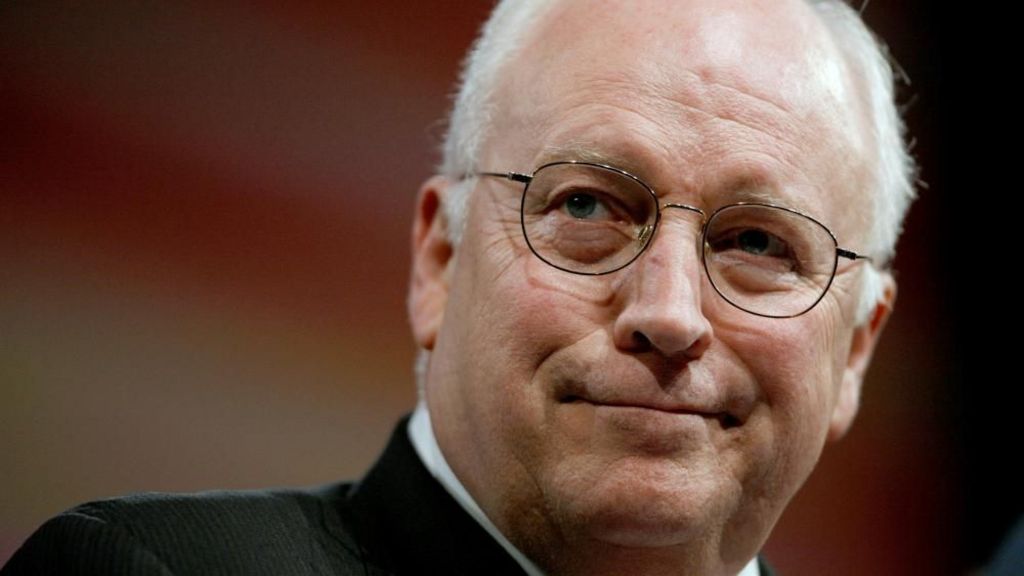
Dick Cheney, one of the most consequential and polarizing figures in American political history, has left an indelible mark on the nation’s legacy. His tenure as Vice President under George W. Bush was marked by pivotal events that continue to shape public perception of his leadership. Among the most significant was his instrumental role in the Iraq War, a decision that remains deeply controversial. Cheney’s advocacy for the invasion, rooted in claims of weapons of mass destruction, has been scrutinized for its long-term geopolitical consequences. Beyond the political arena, Cheney’s personal life also drew national attention, most notably a 2006 hunting accident in which he accidentally shot a fellow hunter. This incident, while seemingly trivial in comparison to his political decisions, became emblematic of his complex public image. Together, these moments encapsulate the duality of Cheney’s legacy: a steadfast leader in times of crisis, yet a figure mired in controversy and division.
标签: North America
北美洲
-
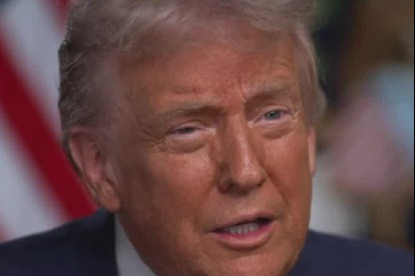
Trump: Cooperate with China amid competition
In a recent interview with CBS’ ’60 Minutes,’ former US President Donald Trump emphasized the potential for the United States to achieve greater strength and prosperity through strategic cooperation with China. Speaking on Sunday, Trump highlighted the importance of fostering a collaborative relationship with China, even as the two nations navigate intense global competition. His remarks underscore a pragmatic approach to international diplomacy, suggesting that mutual benefits can be derived from partnership rather than confrontation. This perspective aligns with broader discussions on the evolving dynamics of US-China relations, which have significant implications for global economic and political stability. Trump’s comments come at a time when both nations are exploring avenues to address shared challenges while managing their competitive interests.
-
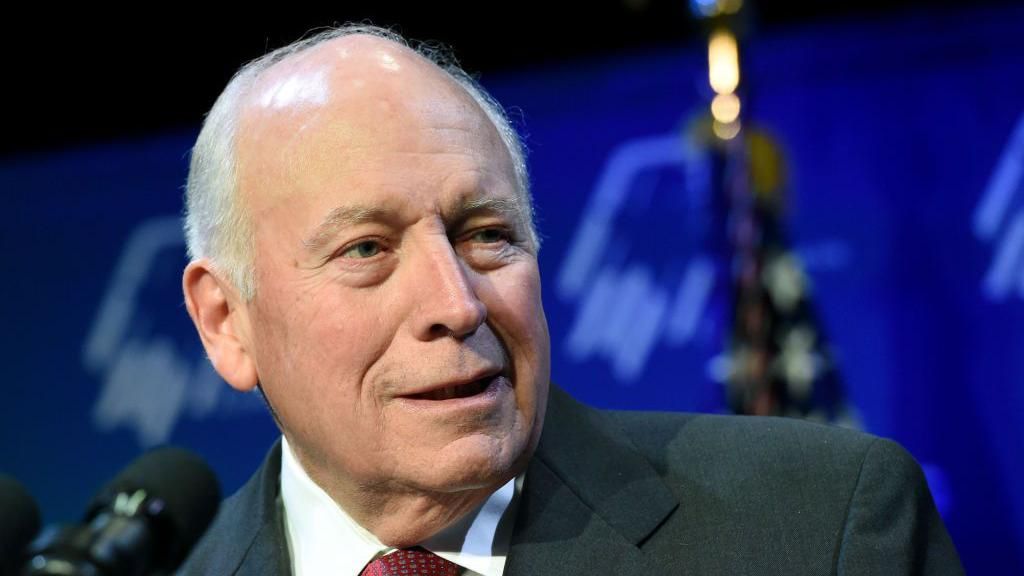
Former US Vice-President Dick Cheney dies aged 84
Dick Cheney, the former US Vice President who played a pivotal role in shaping George W. Bush’s ‘war on terror’ and was a key advocate for the 2003 invasion of Iraq, passed away at the age of 84. His family announced that he succumbed to complications from pneumonia, cardiac, and vascular diseases on Monday night. Cheney, born in Lincoln, Nebraska in 1941, rose to prominence as one of the most powerful vice presidents in US history, transforming the traditionally ceremonial role into a de-facto deputy presidency. He was instrumental in guiding American foreign policy and national security following the 9/11 attacks, advocating for military actions in Afghanistan and Iraq. Cheney’s tenure was marked by controversy, particularly over his assertions about Iraq’s weapons of mass destruction and alleged links to al-Qaeda, claims that were later discredited. Despite his significant influence, Cheney’s legacy remains deeply polarizing due to the prolonged and costly Iraq War. In his later years, he became a vocal critic of Donald Trump, endorsing Kamala Harris in the 2020 election and condemning Trump’s leadership as a threat to the republic. Cheney’s daughter, Liz, followed in his footsteps, becoming a prominent ‘never Trump’ Republican before being ousted from Congress for her opposition to the former president. His passing has reignited debates over his complex legacy, with some on the left praising his late-life stance against Trump, despite their earlier criticisms of his policies.
-
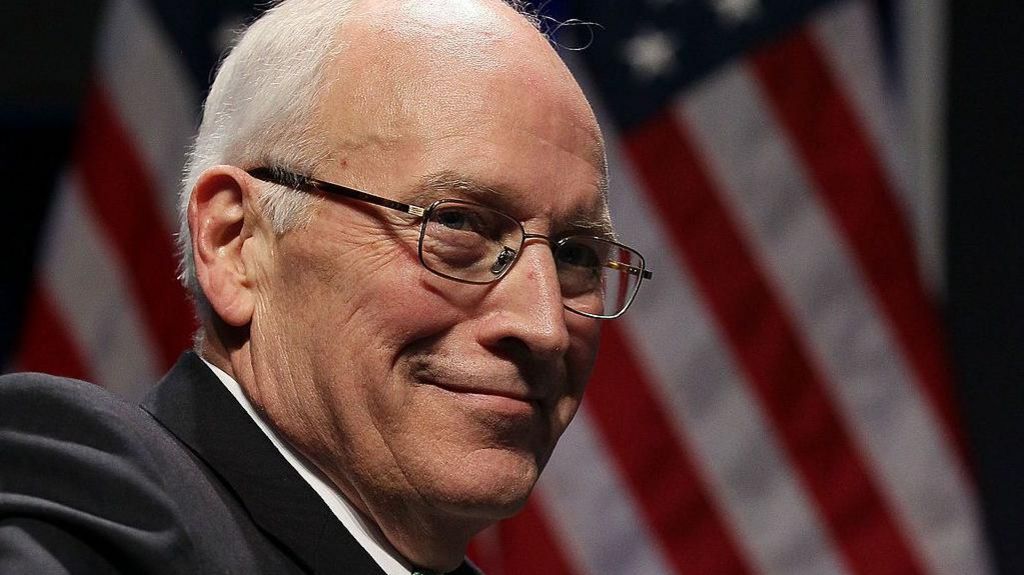
Dick Cheney: Former US vice-president who helped lead ‘war on terror’
Dick Cheney, the former Vice President of the United States, passed away at the age of 84, leaving behind a legacy marked by immense influence, controversy, and unexpected evolution. Cheney’s career spanned decades, shaping pivotal moments in American history, from the Cold War to the post-9/11 era. Born in Lincoln, Nebraska, in 1941, Cheney’s early life was shaped by his family’s move to Wyoming, where he later pursued a career in politics. Despite a rocky start at Yale, he earned a Master’s degree in political science and began his ascent in Washington. Cheney’s political journey began in the 1970s under President Gerald Ford, where he served as White House Chief of Staff at just 34. His tenure in the House of Representatives during the 1980s solidified his reputation as a staunch conservative, supporting Reagan’s defense policies and opposing progressive measures. As Defense Secretary under George H. W. Bush, Cheney played a central role in the Gulf War, orchestrating Operation Desert Storm and reshaping U.S. military strategy. His return to public life as Vice President under George W. Bush marked the height of his influence. Cheney was a key architect of the ‘War on Terror,’ advocating for the invasions of Afghanistan and Iraq, and defending controversial interrogation techniques. Yet, his later years saw a dramatic shift. Cheney became a vocal critic of Donald Trump, condemning his presidency as a threat to democracy and even endorsing a Democratic candidate in 2024. His support for gay marriage, driven by his daughter’s sexuality, further alienated him from the Republican base. Cheney’s legacy is a complex tapestry of power, controversy, and unexpected transformation, leaving a lasting impact on American politics.
-
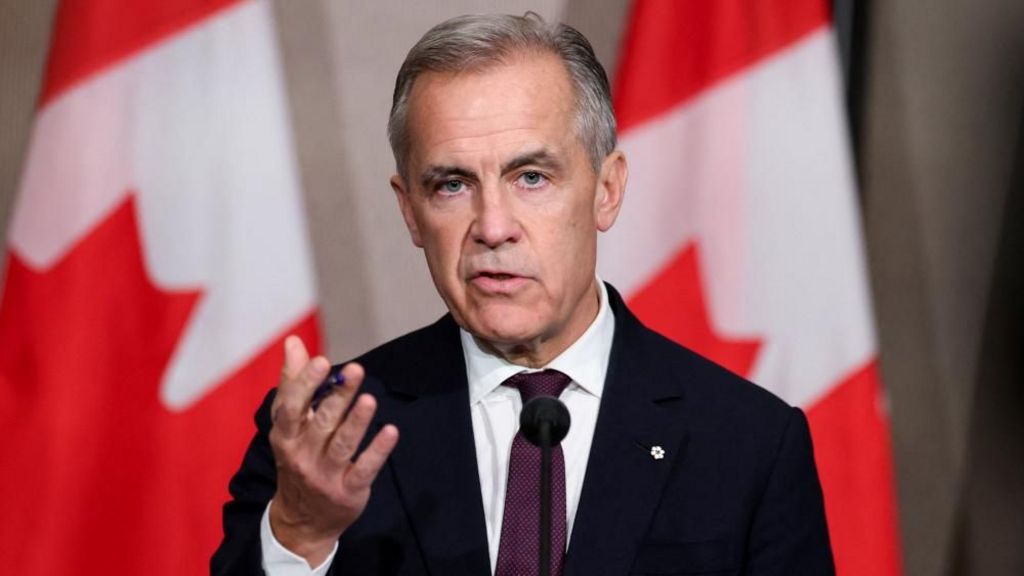
Canada’s Mark Carney promises ‘bold’ first federal budget
Prime Minister Mark Carney is poised to unveil his government’s inaugural federal budget on Tuesday, signaling a pivotal moment for Canada’s economic future. Amid the lingering impact of US President Donald Trump’s tariffs, Carney has cautioned Canadians to brace for ‘sacrifices’ as his administration seeks to overhaul the nation’s economic framework. The budget will feature a dual approach: significant spending cuts alongside ‘generational investments’ aimed at fortifying the economy and reducing reliance on US trade. Additionally, the plan outlines how Canada will finance billions in defense spending to meet NATO’s 2035 target of allocating 5% of GDP to defense. Analysts predict the federal deficit could surpass C$70 billion, a sharp increase from last year’s $51.7 billion. Carney, a former central banker for Canada and the UK, has vowed to position Canada as the strongest economy within the G7. ‘We used to take big, bold risks in this country. It is time to swing for the fences again,’ he declared in a recent pre-budget speech. The budget also emphasizes diversifying Canada’s export markets, with Carney setting an ambitious goal to double non-US exports within a decade. However, the transition will require substantial government support, as highlighted by Joy Nott, a KPMG Canada partner specializing in trade and customs. ‘Canadian companies need assistance in overcoming historic hurdles when entering new markets,’ she noted. Finance Minister Francois-Philippe Champagne reinforced the ‘made-at-home’ ethos by purchasing shoes from a Quebec-based manufacturer, symbolizing the shift from reliance to resilience. While the budget prioritizes investments, Carney has pledged to balance the federal operating budget within three years. The government has already tasked federal ministries with identifying up to 15% in program cuts to fund initiatives like trade infrastructure and housing. However, the Liberal Party’s ability to pass the budget remains uncertain, as they lack a majority in the House of Commons. Potential support from the left-wing NDP could be pivotal, though some MPs may abstain to avoid triggering a snap election. Carney’s budget also faces potential backlash against austerity measures, particularly as trade uncertainty and rising unemployment weigh on the economy. The Bank of Canada projects modest GDP growth of 1.2% in 2025, 1.1% in 2026, and 1.6% in 2027, underscoring the challenges ahead.
-
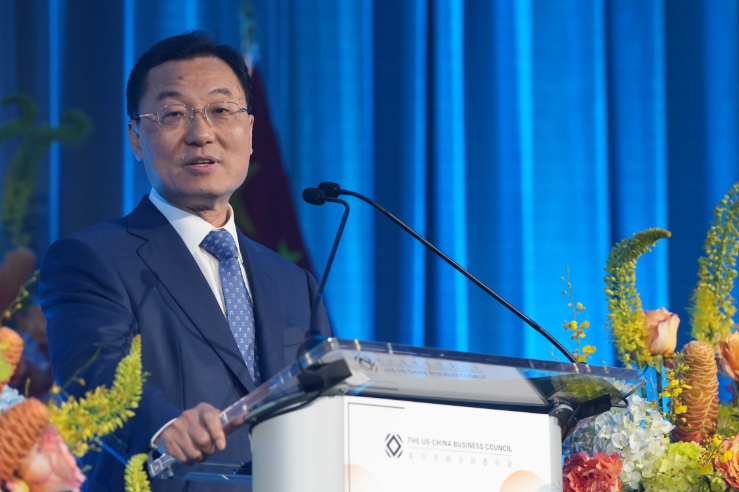
Envoy: China, US can build on momentum
In a significant development for Sino-American relations, China’s top envoy in Washington, Ambassador Xie Feng, emphasized the importance of building on the positive momentum generated by the recent meeting between the presidents of China and the United States in Busan, South Korea. Speaking at the US-China Business Council 2025 China Operations Conference and Dinner in Shanghai via video link, Xie described the meeting as a pivotal moment that has ‘recalibrated bilateral relations at a crucial time.’
Ambassador Xie highlighted the global relief and optimism following the meeting, which has set a steady course for the ‘giant ship’ of China-US relations. He acknowledged the persistent challenges but stressed the necessity of maintaining hope and collaborative efforts to advance the relationship. ‘When we see each other as a partner, there is no problem we cannot solve; but if we treat one another as a rival, problems will arise even when there are none at first,’ he remarked.
The envoy also detailed the tangible outcomes of the meeting and subsequent trade talks in Malaysia, including the US decision to lower fentanyl tariffs on China from 20 percent to 10 percent and suspend 24 percent reciprocal tariffs for one year on Chinese goods. China, in turn, has agreed to adjust its countermeasures accordingly. Both nations have also committed to anti-drug cooperation, expanded agricultural trade, and the resolution of individual enterprise cases.
Xie underscored the importance of following through on the consensus reached during the presidential meeting and trade negotiations, stating that concrete actions would ‘reassure both our countries and the world economy.’ He cautioned against actions that could disrupt the progress, such as zero-sum calculations or attempts to profit at others’ expense.
Looking ahead, Xie pointed to China’s 15th Five-Year Plan (2026-2030) as a catalyst for broader Sino-American cooperation. With China’s GDP projected to reach approximately 140 trillion yuan ($19.7 trillion) this year and its per capita GDP expected to match that of a mid-level developed country by 2035, China remains a reliable engine of global growth. Innovation, particularly in emerging fields like new energy and new materials, will further open opportunities for bilateral collaboration in research, investment, and sustainable industrial upgrading.
Xie also highlighted China’s commitment to high-level opening-up, which will facilitate deeper economic engagement between the two nations. He urged US companies to seize new growth opportunities and act as a stabilizing force in bilateral relations, describing them as both ‘passengers and sailors’ on the voyage of China-US cooperation.
The 8th China International Import Expo, scheduled in Shanghai from November 5 to 10, was noted as a key venue for partnership, with US companies consistently being among the largest exhibitors and beneficiaries. The US-China Business Council echoed this sentiment, expressing optimism for ‘long-term predictability’ in bilateral trade ties following the recent trade announcements.
In conclusion, Ambassador Xie emphasized that China’s focus on managing its own affairs well and sharing development opportunities with the world is the cornerstone of its success, bringing stability and certainty to China, US-China relations, and the global economy.
-

US tech stocks soar: Will Wall Street’s AI bubble last?
As the US stock market soared to record highs in October 2025, fueled by the artificial intelligence (AI) boom, investors are questioning whether this surge represents a sustainable trend or an impending bubble. While comparisons to the dot-com bubble of the late 1990s are inevitable, experts argue that the current AI-driven rally is fundamentally different, supported by robust earnings growth and long-term technological advancements.
-
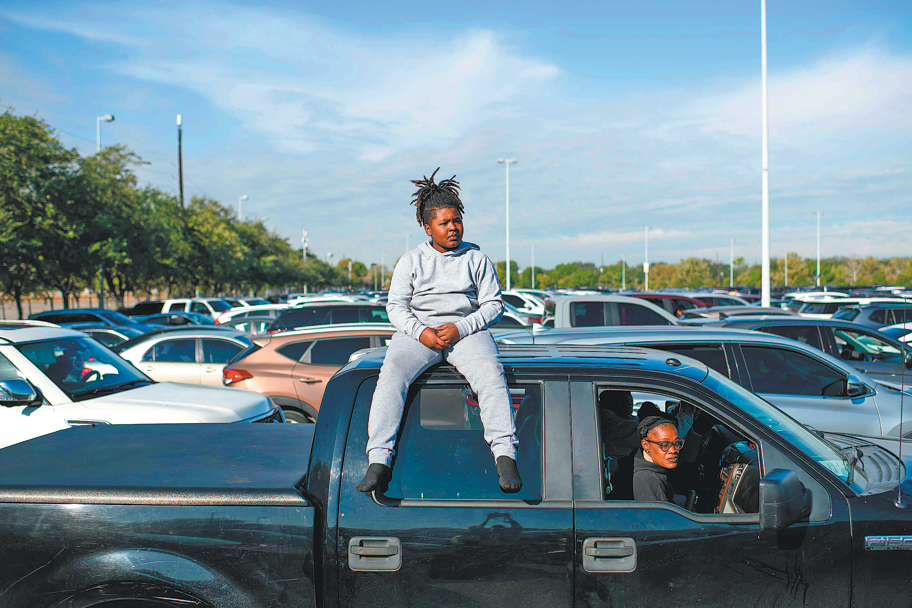
Shutdown disrupts food aid for millions
The ongoing U.S. government shutdown, now in its fifth week, has severely disrupted critical food assistance programs, leaving millions of low-income Americans in dire straits. House Minority Leader Hakeem Jeffries has accused Republicans of ‘weaponizing hunger’ by failing to reopen the government, which has led to the suspension of the Supplemental Nutrition Assistance Program (SNAP). SNAP, which provides food aid to over 42 million citizens, has seen its funding lapse due to the shutdown, with recipients losing benefits as of last Saturday. Despite a federal judge’s order to use emergency funds to maintain SNAP, officials have stated that restoring benefits could take at least a week. The shutdown’s impact is particularly severe for Black Americans, who constitute 12.6% of the population but more than a quarter of SNAP recipients. Additionally, the $4.1 billion Low-Income Home Energy Assistance Program (LIHEAP) is also facing delays, leaving millions of households without heating and cooling assistance as winter approaches. Mark Wolfe, executive director of the National Energy Assistance Directors Association, warned that the temporary disruption could have profound effects on the nation’s poorest families. The shutdown has also led to a multibillion-dollar hit to the economy, with both political parties exchanging sharp accusations over the crisis.
-
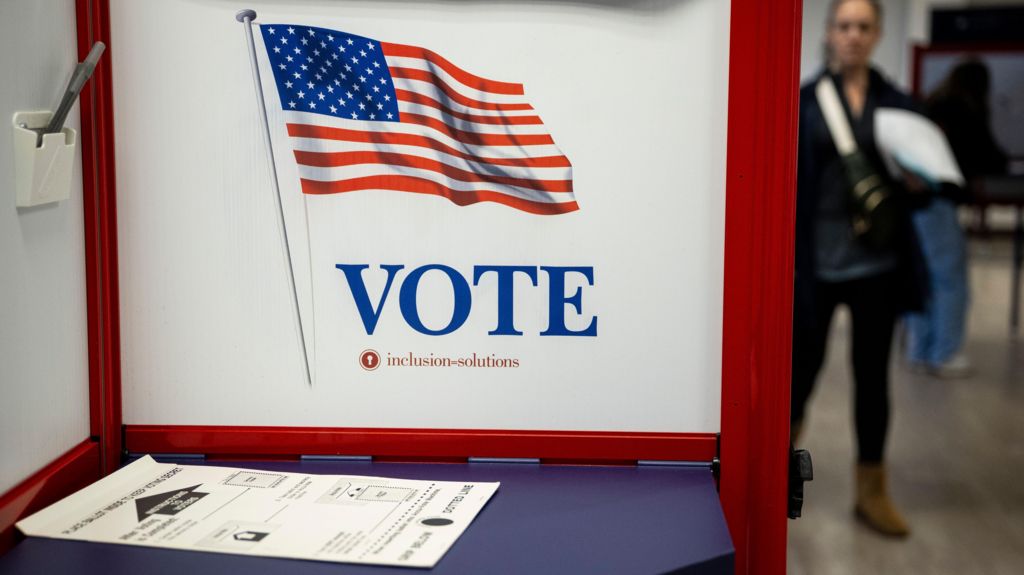
Three key races, California’s map and the Trump factor – what to watch in US elections
As the United States heads to the polls on Election Day, several critical races and decisions are set to shape the nation’s political future. While this year’s elections lack presidential or congressional contests, they are no less significant, with key mayoral, gubernatorial, and redistricting battles taking center stage.
In New York City, the mayoral race has captured national attention as Zohran Mamdani, a 34-year-old democratic socialist and state assemblyman, challenges the political establishment. Mamdani, who defeated former Governor Andrew Cuomo in the Democratic primary, aims to become the city’s youngest mayor in over a century and its first Muslim leader. Cuomo, running as an independent, has criticized Mamdani’s lack of experience and focused on crime and public safety. Meanwhile, Republican Curtis Sliwa remains in the race, refusing to step aside for Cuomo. A Mamdani victory could signal a shift in Democratic messaging, emphasizing cost-of-living issues like rent, groceries, and wages.
California voters are deciding on Proposition 50, a measure that would allow mid-decade redistricting of the state’s congressional districts. This unusual move, spearheaded by Democratic Governor Gavin Newsom, aims to counter Republican-led redistricting efforts in states like Texas and Missouri. With $158 million raised in campaign donations, the proposition has garnered strong partisan support, with 93% of Democrats favoring it and 91% of Republicans opposing it. If passed, the new maps would remain in effect through 2030.
In New Jersey, the gubernatorial race between Democrat Mikie Sherrill and Republican Jack Ciattarelli is shaping up to be a tight contest. New Jersey, traditionally a blue state, has seen heated rhetoric and high-profile endorsements from both parties. Sherrill, a current congresswoman, has been supported by Democratic heavyweights like Barack Obama and Pete Buttigieg, while Ciattarelli has received backing from former President Donald Trump and conservative activists. The outcome could provide insights into the national political climate ahead of the 2026 midterms.
Virginia’s gubernatorial election is another bellwether race, with voters set to elect the state’s first female governor. Democrat Abigail Spanberger, a U.S. congresswoman, faces Republican Winsome Earle-Sears, the current lieutenant governor. Earle-Sears, if elected, would make history as the first Black woman to lead a U.S. state. The race has highlighted economic and cultural issues, with Spanberger focusing on the impact of federal budget cuts and Earle-Sears emphasizing Virginia’s economy under Republican leadership.
Former President Donald Trump’s influence looms large over these elections. His comments on the New York City mayoral race, where he criticized Mamdani and threatened to withhold federal funding, have added tension to the contest. Trump’s role in the redistricting battle and his endorsement of Ciattarelli in New Jersey further underscore his continued impact on U.S. politics.
These elections, though local in nature, carry national implications, offering a glimpse into the evolving political landscape and the strategies both parties may employ in future races.
-
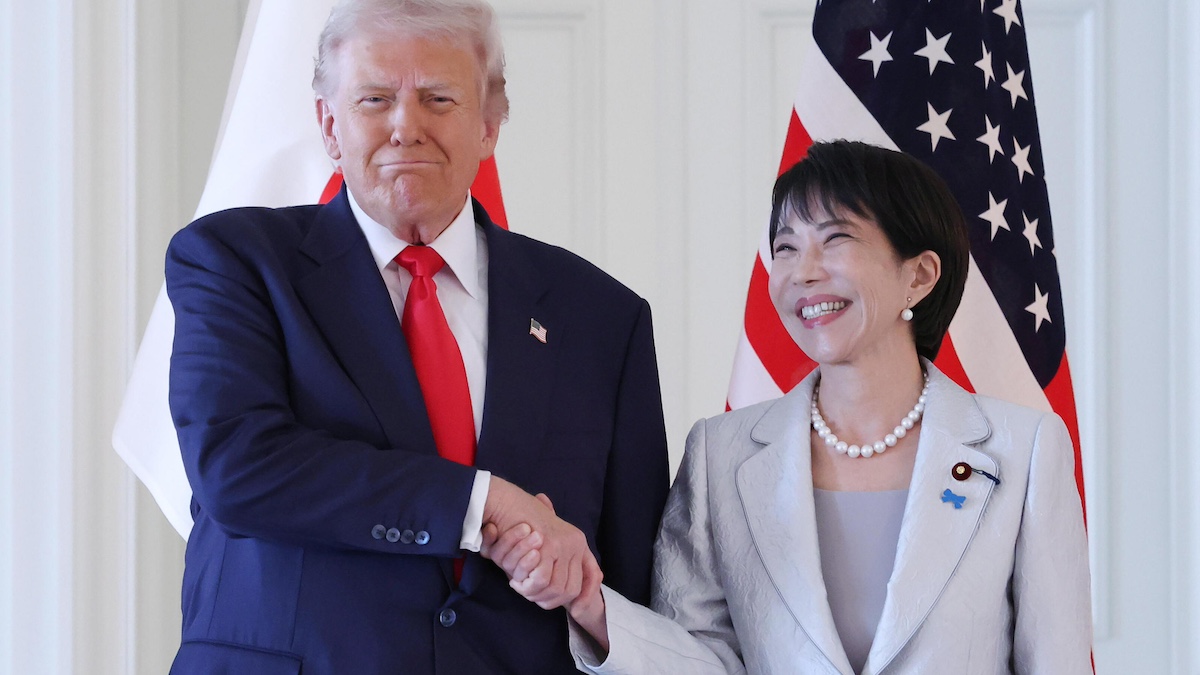
Trying to discern a strategy behind Trump’s global adventuring
President Donald Trump’s foreign policy has often been characterized by his “America First” slogan, which initially suggested a shift toward isolationism. However, recent actions and decisions demonstrate a more complex and assertive approach to global affairs. Far from retreating from international engagement, Trump has actively pursued strategies that emphasize America’s dominance on the world stage.