标签: North America

北美洲

  • Odia music composer-singer Abhijit Majumdar dies

    Odia music composer-singer Abhijit Majumdar dies

    The cultural landscape of Odisha suffered a profound loss on January 25, 2026, with the passing of revered music composer and vocalist Abhijit Majumdar. The acclaimed artist, whose career spanned several decades, was celebrated for his soulful contributions to Odia cinema and music albums, establishing himself as an iconic figure within the state’s artistic community.

    Odisha Chief Minister Mohan Charan Majhi formally announced the tragic news through social media, characterizing Majumdar’s death as “an irreparable loss to our music, cinema, and culture.” The Chief Minister extended heartfelt condolences to the bereaved family and offered prayers for eternal peace to the departed soul.

    Union Education Minister Dharmendra Pradhan joined the chorus of tributes, acknowledging how Majumdar’s distinctive musical style had secured a permanent place in the hearts of Odia listeners over many decades. Pradhan emphasized that the artist’s untimely departure represents a significant void in Odia’s artistic heritage.

    The news triggered an outpouring of grief across both political and cultural spheres. Baijayant Jay Panda, Member of Parliament from Odisha, emotionally described the tragedy as marking “the end of an era” for the state’s music industry. Fans and colleagues alike expressed shock and sorrow, flooding social media platforms with personal memories and tributes to Majumdar’s enduring legacy.

    Majumdar’s extensive body of work, comprising numerous compositions for Odia films and independent albums, had earned him a substantial and devoted following throughout eastern India. His artistic contributions played a pivotal role in shaping the region’s contemporary musical identity, blending traditional Odia elements with modern arrangements that resonated across generations.

  • US preparing to deport Iranians despite unrest, killings, NGO says

    US preparing to deport Iranians despite unrest, killings, NGO says

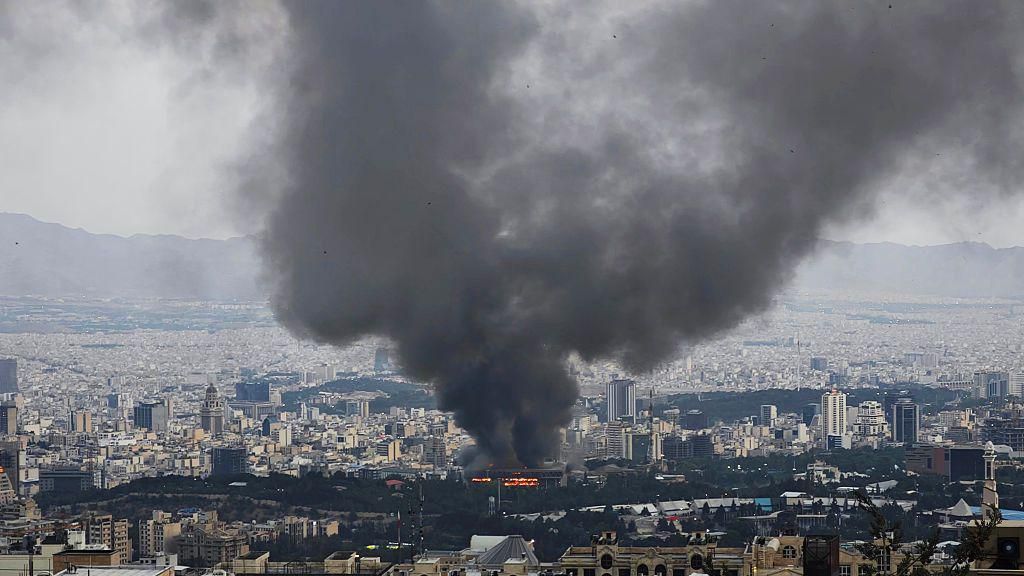
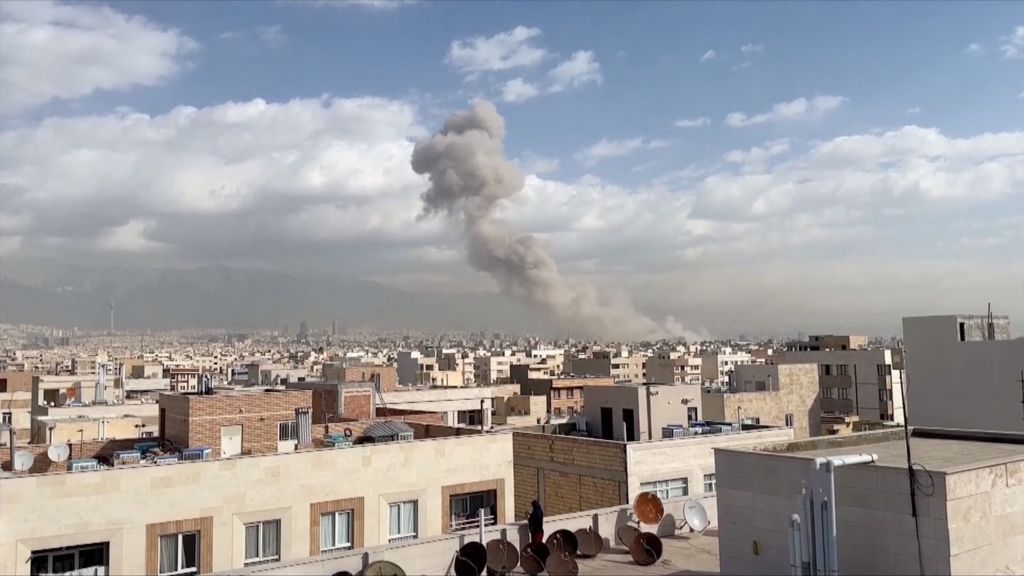
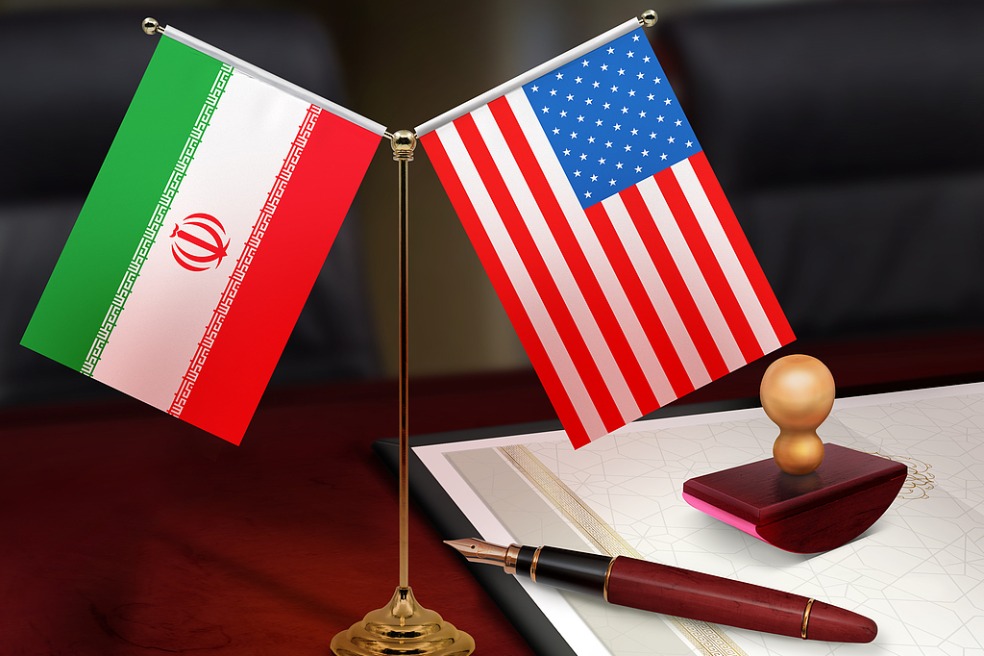
    The Trump administration is moving forward with plans to deport Iranian nationals back to their home country despite ongoing security concerns following recent violent suppression of mass protests, according to revelations from the National Iranian American Council (NIAC). This would mark the first deportation flights to Iran since widespread uprisings rocked the nation, reaching their peak in early January before being brutally suppressed with thousands reported killed.

    The Iranian-American advocacy organization disclosed Thursday that it had obtained information indicating the administration’s intention to resume deportation flights to Iran, following previous removal operations conducted in September and December. NIAC President Jamal Abdi expressed grave concern over the decision, stating: “The same administration that promised Iranians that ‘help is on the way’ amid a deadly crackdown is now forcibly sending Iranians back into danger.”

    According to Iranian diplomat Abolfazl Mehrabadi, who represents Tehran’s interests in the United States, approximately 40 Iranian nationals are scheduled for deportation. The individuals are expected to depart from an airport in Phoenix, Arizona, according to statements made to Iran’s official IRNA news agency.

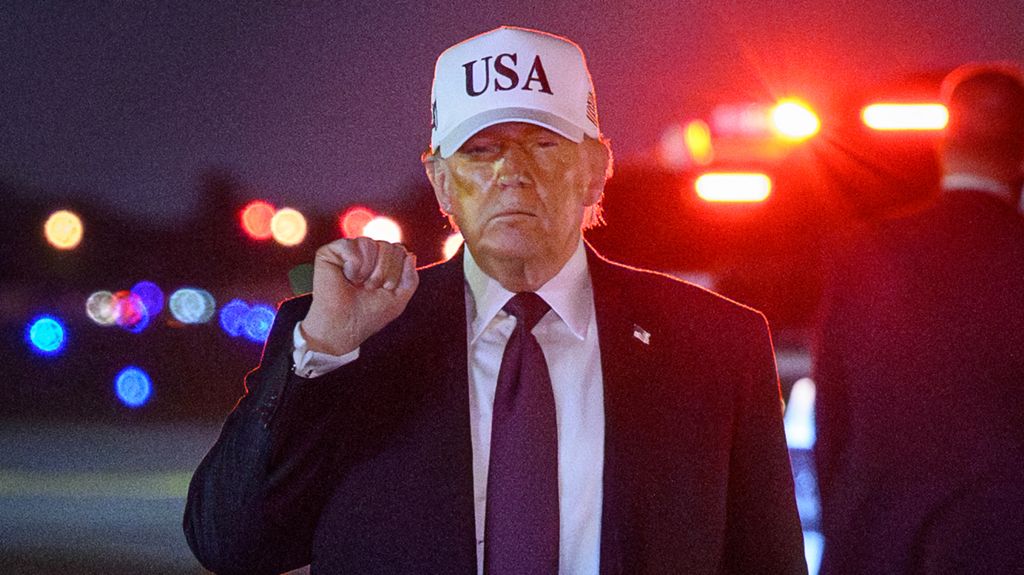
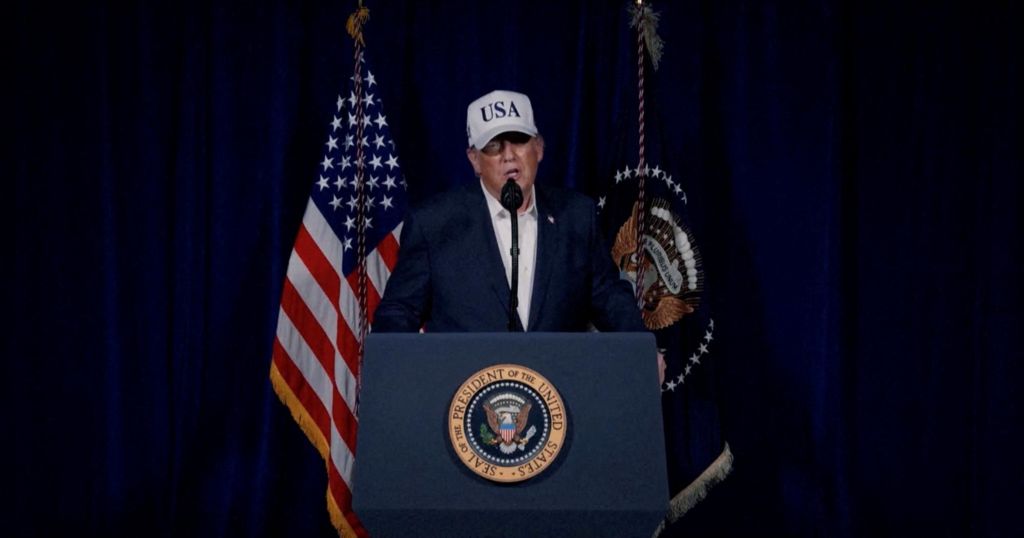
    The development comes amid complex diplomatic tensions between Washington and Tehran. President Trump had previously threatened military action against Iran in response to the government’s violent crackdown on protesters, though those threats appeared to diminish after Tehran reportedly suspended planned executions.

    Current reports indicate that at least two men subject to deportation orders remain detained at an immigration facility in Arizona, with legal efforts to prevent their removal still underway. The U.S. Department of Homeland Security has not immediately responded to media inquiries regarding the planned deportations, leaving many questions unanswered about the timing and rationale behind this controversial decision.

  • Winter storm grips US as millions face power outages and disruption

    Winter storm grips US as millions face power outages and disruption

    A severe Arctic weather system has plunged vast portions of the United States into a deep freeze, unleashing a cascade of disruptive conditions. The powerful winter storm, characterized by blizzard-like snowfall, significant ice accumulation, and perilously frigid temperatures, has created hazardous circumstances for millions of citizens. Critical infrastructure has been severely tested, resulting in widespread electricity failures that have left households without heating amidst the extreme cold. Transportation networks are experiencing profound paralysis, with countless flight cancellations, treacherous road conditions prompting official warnings against travel, and significant delays in rail services. Emergency management agencies have been activated in numerous states, coordinating response efforts to address the immediate dangers of exposure and the mounting challenges to public safety. The storm’s wide-ranging path has impacted communities from the Northern Plains through the Midwest and into the Northeast, making it a coast-to-coast meteorological event. Utility companies are reporting immense strain on power grids as demand for heating surges, complicating restoration efforts for crews battling the very elements causing the outages. Local authorities are urging residents to prioritize safety, conserve energy where possible, and check on vulnerable neighbors as the severe conditions persist.

  • UAE-India travellers may face flight shortages, higher airfares as demand surges

    UAE-India travellers may face flight shortages, higher airfares as demand surges

    A severe capacity shortage is threatening to destabilize one of the world’s most critical aviation corridors as demand between the UAE and India dramatically outpaces available flight capacity. According to new analysis from Tourism Economics, an Oxford Economics company, approximately 27% of forecast passenger demand could go unserved by 2035 if current capacity limits remain unchanged.

    The projected deficit translates to a staggering 54.5 million passenger journeys being left unaccommodated between 2026 and 2035, with the Abu Dhabi-India corridor particularly vulnerable. Current load factors already exceed 80% on major routes, leaving minimal spare capacity. Tourism Economics projects that under existing schedules, all available seats will be fully absorbed as early as 2026.

    India’s remarkable aviation boom serves as the primary catalyst behind this surge. The country’s ‘travelling class’—households with sufficient income to fly—expanded from 24% of the population in 2010 to 40% in 2024, adding nearly 300 million potential flyers. This demographic shift is fueling annual demand growth of 7.2% through 2035, generating approximately 22 million additional passenger journeys each year.

    For airlines, this unprecedented demand underpins substantial revenue growth. For travelers, it translates to constrained supply and escalating airfares, particularly during peak travel periods. Limited capacity has curtailed competition, granting carriers enhanced pricing power on high-demand routes connecting major Indian cities with Dubai and Abu Dhabi.

    Aviation executives confirm that India routes continue outperforming most international markets. ‘India remains one of the fastest-growing source markets for Gulf carriers, both for point-to-point traffic and onward connections,’ noted Sudheesh TP, General Manager at Deira Travel & Tourist.

    The UAE maintains its position as India’s largest international aviation market by a significant margin, accounting for approximately 1.1 million monthly seats and a 27% market share as of November 2025. Thailand, the second-largest market, accounts for merely 9%. While capacity on the India-UAE route increased 3% year-on-year, growth has failed to match accelerating demand.

    Dubai International Airport’s 2024 traffic figures highlight the corridor’s strategic importance: 92.3 million passengers transited through the hub, with approximately 12 million traveling between Dubai and India. This means more than one in eight passengers at the world’s busiest international airport is India-related.

    Six major carriers currently operate 538 weekly flights between Dubai and 23 Indian destinations. Emirates serves as the market backbone, operating 167 weekly services connecting Dubai to nine Indian cities since launching its first India flights in 1985. Etihad Airways has expanded to 11 Indian destinations but retains limited expansion capacity with approximately 10,000 unutilized seats from its 50,000 weekly bilateral entitlement.

    Indian carriers have scaled operations significantly, with IndiGo operating roughly 220 weekly services, Air India maintaining 82 weekly frequencies, and Air India Express emerging as the largest Indian operator with over 240 weekly flights across multiple UAE destinations.

    Despite this substantial operational scale, demand continues to exceed supply. Travel industry executives report the imbalance is already reshaping booking patterns, with earlier sell-outs on popular routes and escalating last-minute fares, particularly around school holidays and festival seasons.

    The economic implications extend far beyond airline pricing structures. Tourism Economics estimates that maintaining current capacity caps would limit the air corridor’s GDP contribution growth to approximately 3% annually over the next five years. Easing restrictions could accelerate growth to between 5.5% and 7%, while doubling seat capacity on the Abu Dhabi-India route alone could generate an additional $7.2 billion in GDP over five years and support over 170,000 jobs annually.

    Policy constraints remain the fundamental bottleneck. The 2014 air service agreement caps weekly seat entitlements at approximately 66,000 for Dubai and 55,000 for Abu Dhabi, with these limits effectively fully utilized. Negotiations to increase capacity remain stalled, with India advocating for a 4:1 ratio favoring Indian carriers for new seats, while the UAE seeks broader access to address rising unmet demand.

  • Look: Massive winter storm blankets parts of US, disrupting lives of more than 200 million

    Look: Massive winter storm blankets parts of US, disrupting lives of more than 200 million

    A colossal winter storm system has engulfed significant portions of the United States, unleashing a cascade of severe weather conditions that have severely disrupted daily life for more than 200 million citizens. The extreme weather event, characterized by heavy snowfall, freezing rain, and dangerously low temperatures, has triggered widespread travel chaos, power outages, and emergency declarations across multiple states.

    Meteorological reports indicate the storm’s immense scale, stretching from the Midwest through the Northeast and down into traditionally warmer southern regions unaccustomed to such winter severity. Transportation networks have borne the brunt of the impact, with thousands of flights canceled nationwide and major highway systems becoming treacherous or impassable. Emergency management agencies have issued stern warnings against unnecessary travel, citing whiteout conditions and rapidly deteriorating road surfaces.

    The storm’s timing during late January has amplified its disruptive potential, affecting commercial operations, educational institutions, and critical infrastructure. Utility companies report escalating power disruptions as ice accumulation threatens power lines and energy demand spikes due to extreme cold. Local governments have activated emergency response protocols, opening warming centers and deploying snow removal assets in round-the-clock operations.

    This weather event represents one of the most extensive winter storm impacts in recent years, testing the preparedness of municipal authorities and the resilience of community infrastructure. The National Weather Service continues to update forecasts with warnings that conditions may persist for several days, prolonging the operational challenges for recovery efforts and public safety agencies.

  • Aryan Khan gushes over dad Shah Rukh’s ‘King’ release date announcement

    Aryan Khan gushes over dad Shah Rukh’s ‘King’ release date announcement

    Bollywood’s reigning monarch Shah Rukh Khan has officially unveiled the theatrical release date for his highly anticipated cinematic venture ‘King,’ scheduled for December 24, 2026. The announcement has ignited fervent excitement across the global entertainment landscape, with none more visibly enthusiastic than the superstar’s own son, Aryan Khan.

    The emerging director, fresh from his Netflix series ‘The B***ds of Bollywood’ debut, publicly celebrated the revelation through his Instagram platform. Aryan shared the official date announcement video to his Instagram Story, accompanying the visual with the succinct yet powerful Hindi caption ‘Baap’ (father), creating an immediate viral sensation among fans and media outlets alike.

    Director Siddharth Anand and production houses Red Chillies Entertainment alongside Marflix Pictures jointly disclosed the Christmas Eve 2026 release through freshly released visuals that present Khan in a transformative avatar. The imagery depicts the iconic actor sporting silver-haired sophistication, intense facial expressions, and projecting an aura of brooding intensity that suggests a radical departure from his previous screen personas.

    The project’s development timeline reveals strategic marketing brilliance, with the title initially revealed on November 2nd to coincide with Khan’s birthday. Last year’s 60th birthday celebrations featured the release of a teaser that offered glimpses into the film’s high-octane action sequences and darker narrative tones, showcasing what industry analysts predict could be Khan’s most physically demanding and psychologically complex performance to date.

    This father-son cinematic synergy represents a significant moment in Indian entertainment, blending established superstardom with emerging directorial talent while demonstrating the evolving nature of film promotion in the digital age through strategic social media engagement.

  • WHO chief says reasons US gave for withdrawing ‘untrue’

    WHO chief says reasons US gave for withdrawing ‘untrue’

    In a striking rebuttal to Washington’s official position, World Health Organization Director-General Tedros Adhanom Ghebreyesus has publicly challenged the United States’ stated justification for withdrawing from the UN health agency, characterizing the reasoning as fundamentally inaccurate. The diplomatic confrontation emerged following Thursday’s formal announcement by U.S. Secretary of State Marco Rubio and Health Secretary Robert F. Kennedy Jr. that America would terminate its WHO membership.

    The WHO leadership issued a comprehensive response on multiple platforms, including an official statement and social media postings on X (formerly Twitter), directly countering the U.S. administration’s claims. The organization emphasized that it has consistently operated with full respect for national sovereignty while facilitating international cooperation during health emergencies.

    The American withdrawal notification, which follows an executive order signed by President Donald Trump one year ago, cites alleged failures during the COVID-19 pandemic and actions purportedly taken against U.S. interests. Specifically, U.S. officials accused the WHO of obstructing timely information sharing and concealing operational shortcomings that potentially cost American lives.

    WHO’s rebuttal systematically addressed each criticism, noting that the organization ‘acted quickly, shared all information it had rapidly and transparently with the world, and advised Member States on the basis of the best available evidence’ throughout the pandemic. The agency clarified that while it recommended protective measures including masks, vaccines, and physical distancing, it never mandated specific implementations, leaving those decisions to sovereign governments.

    Complicating the withdrawal process are outstanding financial obligations totaling approximately $260 million in unpaid dues for 2024 and 2025. The WHO has indicated that the withdrawal notification ‘raises issues’ that will require examination during upcoming Executive Board meetings in February and the World Health Assembly in May. Despite the diplomatic rupture, Dr. Tedros expressed hope for America’s eventual return to active participation in global health governance while reaffirming WHO’s commitment to its constitutional mandate of achieving the highest attainable health standard for all people.

  • Immigration officers kill another US citizen in Minneapolis, sparking protests

    Immigration officers kill another US citizen in Minneapolis, sparking protests

    Minneapolis became the epicenter of national unrest Saturday when U.S. Border Patrol agents fatally shot 37-year-old Alex Pretti, an intensive care nurse and lawful gun owner, during an immigration enforcement operation. The incident marks the second such fatal shooting by federal agents this month, triggering widespread protests across multiple cities and escalating tensions between state and federal authorities.

    According to Department of Homeland Security officials, the shooting occurred when agents encountered Pretti during what they characterized as an attack situation. Secretary Kristi Noem stated the victim had ‘attacked agents on an immigration raid’ and was ‘there to perpetuate violence, not peacefully protest.’ Federal authorities released an image of a firearm allegedly carried by Pretti during the confrontation.

    However, multiple verified bystander videos reviewed by Reuters present a contradictory narrative. The footage shows Pretti holding a cellular phone rather than a weapon as he attempted to assist female protesters who had been physically pushed to the ground by federal agents. The visual evidence depicts agents pepper-spraying Pretti, forcing him to his hands and knees, and subsequently pinning him down before four rapid gunshots were fired into his back at close range.

    The shooting ignited immediate demonstrations in Minneapolis, where hundreds of protesters confronted masked federal agents deploying tear gas and flashbang grenades. Solidarity protests emerged spontaneously in New York, Washington D.C., and San Francisco as news of the incident spread nationally.

    Minnesota Governor Tim Walz expressed visceral disgust at the footage, declaring it ‘sickening’ and announcing state assumption of the investigation after federal agents blocked local authorities from the scene. Minneapolis Police Chief Brian O’Hara confirmed Pretti had no criminal record beyond traffic violations and pleaded for calm amid escalating tensions.

    The incident has intensified existing friction between the Trump administration and Minnesota officials regarding immigration enforcement tactics. Previous controversies include the January 7th shooting of Renee Good, detention of citizens without proper attire, and apprehension of schoolchildren including a five-year-old boy. The escalating conflict prompted the postponement of a Minnesota Timberwolves NBA game and closure of the Minneapolis Institute of Art for safety concerns.

  • Who was Alex Pretti, the intensive care nurse shot dead in Minneapolis?

    Who was Alex Pretti, the intensive care nurse shot dead in Minneapolis?

    Minneapolis is grappling with conflicting narratives surrounding the fatal shooting of 37-year-old intensive care nurse Alex Pretti by federal agents last Saturday. Identified by his grieving family, Pretti was an avid outdoorsman and a dedicated healthcare professional at the Minneapolis Veterans Affairs hospital.

    The incident occurred amidst heightened tensions following the earlier police shooting of Renee Good, 37, by an Immigration and Customs Enforcement (ICE) agent. Pretti had reportedly joined subsequent protests expressing outrage over both immigration policies and environmental regulation rollbacks under the Trump administration.

    The Department of Homeland Security asserts their agent acted in self-defense against an armed individual resisting disarmament. This official account faces direct challenge from multiple eyewitnesses, community officials, and Pretti’s family, who maintain visual evidence shows he was not holding a weapon when apprehended.

    Described by colleagues and neighbors as a compassionate caregiver and enthusiastic mountain biker, Pretti held a concealed carry permit but was never known to carry his legally owned handgun according to those closest to him. His background check revealed no criminal history beyond minor traffic violations.

    The victim’s parents revealed their final conversation with their son focused on home repairs and his generous $100 tip to a Latino worker—a gesture they found particularly meaningful given current community tensions. As makeshift memorials emerge across Minneapolis, colleagues remember Pretti as someone who ‘bonded over mountain biking trails’ rather than political confrontation.

    Medical colleague Dr. Dmitri Drekonja expressed outrage at suggestions Pretti posed any threat, stating: ‘The notion that this helpful, smiling joking guy was being labelled a terrorist? It’s galling.’ The family has issued pleas for accurate representation of their son’s character amid what they call ‘sickening lies’ from authorities.

  • ‘Historic’ US storm leaves 160,000 without power, forces over 13,000 flight cancellations

    ‘Historic’ US storm leaves 160,000 without power, forces over 13,000 flight cancellations

    A catastrophic winter storm of historic proportions has plunged large portions of the United States into chaos, leaving approximately 160,000 households without electricity and triggering the cancellation of over 13,000 flights across the nation. The severe weather system, characterized by heavy snowfall, freezing rain, and dangerously frigid temperatures, continues to sweep across the eastern two-thirds of the country with potentially crippling consequences.

    In response to the escalating crisis, President Donald Trump approved federal emergency disaster declarations for multiple states including South Carolina, Virginia, Tennessee, Georgia, North Carolina, Maryland, Arkansas, Kentucky, Louisiana, Mississippi, Indiana, and West Virginia. The President emphasized ongoing monitoring of the situation through his Truth Social platform, urging citizens to ‘Stay Safe, and Stay Warm.’

    The Department of Homeland Security confirmed that seventeen states alongside the District of Columbia have declared weather emergencies. Secretary Kristi Noem reported tens of thousands of residents in southern states experiencing power losses, with utility crews working tirelessly to restore electricity. PowerOutage.com data revealed the majority of outages concentrated in Louisiana and Texas as of Saturday evening.

    The aviation sector experienced unprecedented disruptions with FlightAware reporting over 4,000 Saturday flights cancelled and approximately 9,400 Sunday flights preemptively scrapped. Major carriers including Delta Air Lines, JetBlue, and United Airlines implemented extensive schedule adjustments, with Delta relocating cold-weather experts to southern airports to support de-icing operations and baggage handling.

    The National Weather Service issued grave warnings regarding widespread heavy ice accumulation across southeastern regions, anticipating ‘crippling to locally catastrophic impacts.’ Forecasters predicted record-breaking cold temperatures and dangerous wind chills extending into the Great Plains by Monday.

    Energy infrastructure faced severe strain as the Department of Energy authorized emergency measures for Texas’s Electric Reliability Council to deploy backup generation resources at critical facilities including data centers. Dominion Energy warned that current ice forecasts could produce one of the most significant winter events ever to affect their Virginia operations, which support the world’s largest concentration of data centers.

    Officials urged residents to stock up on essential supplies including fuel and food, emphasizing community resilience in facing the prolonged extreme weather conditions.