标签: North America

北美洲

  • Bettors profit hugely from suspiciously timed wagers on Iran war

    Bettors profit hugely from suspiciously timed wagers on Iran war

    A series of highly profitable and suspiciously timed bets placed on prediction platform Polymarket, coinciding with the United States’ military strikes against Iran, has triggered significant congressional concern and calls for immediate regulatory action. According to Bloomberg News reporting, six newly created accounts in February generated approximately $1 million in profits by accurately wagering on the timing of U.S. attacks. These accounts exclusively bet on military action timelines, with some positions established mere hours before explosions were reported in Tehran.

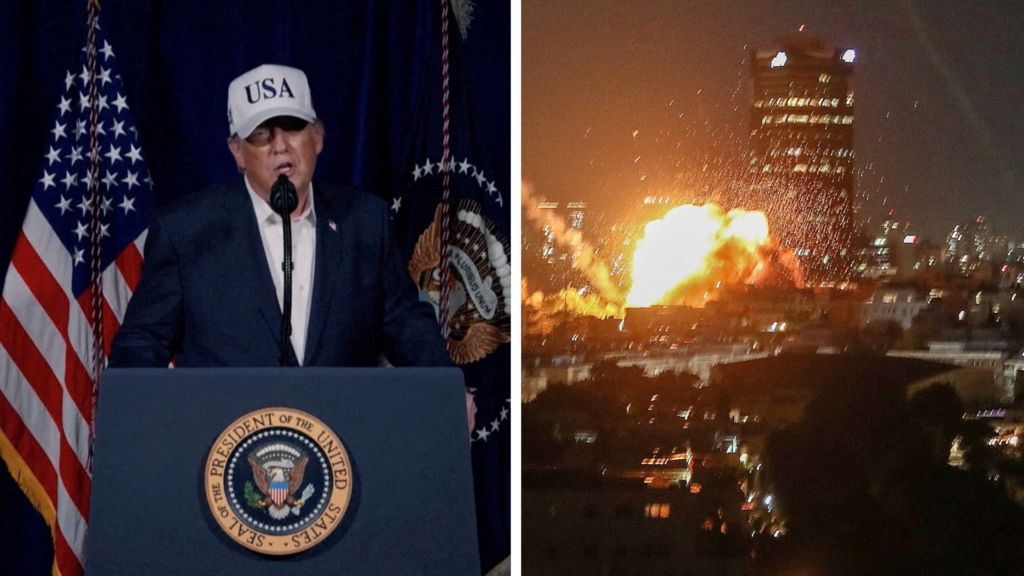
    One particularly successful account under the name ‘Magamyman’ transformed an $87,000 investment into over $515,000 in profits by correctly predicting that ‘US strikes Iran by February 28, 2026’ – the exact date President Donald Trump announced bombing campaigns against Iran.

    The extraordinary financial gains have drawn sharp criticism from lawmakers. Senator Chris Murphy (D-Conn.) characterized the situation as ‘insane’ and announced immediate legislation to prohibit such betting practices. ‘People around Trump are profiting off war and death,’ Murphy alleged via social media, though no concrete evidence has emerged connecting administration officials to the trades.

    Representative Mike Levin (D-Calif.) emphasized that ‘prediction markets cannot be a vehicle for profiting off advance knowledge of military action,’ demanding answers, transparency and oversight. Levin notably highlighted that Donald Trump Jr. sits on Polymarket’s advisory board, with his firm having invested ‘double-digit millions’ into the platform the previous year. He further noted that Justice Department and Commodity Futures Trading Commission investigations into Polymarket were discontinued following Trump’s assumption of office.

    This incident follows similar suspicious betting activity regarding U.S. actions toward Venezuela, raising broader concerns about insider trading on prediction markets. Current Polymarket offerings include wagers on Iran’s leadership changes, ceasefire agreements, and potential invasion timelines.

    Adding to the controversy, TMZ reported that individuals in a Washington, D.C. restaurant bar were openly discussing the impending military action hours before it occurred, suggesting possible information leaks beyond official channels. As journalist David Bernstein noted, this opens the possibility that ‘these insider bets have been placed by any rich person with good ears in DC.’
  • Michael B Jordan upends Oscars race as Sinners wins big at Actor Awards

    Michael B Jordan upends Oscars race as Sinners wins big at Actor Awards

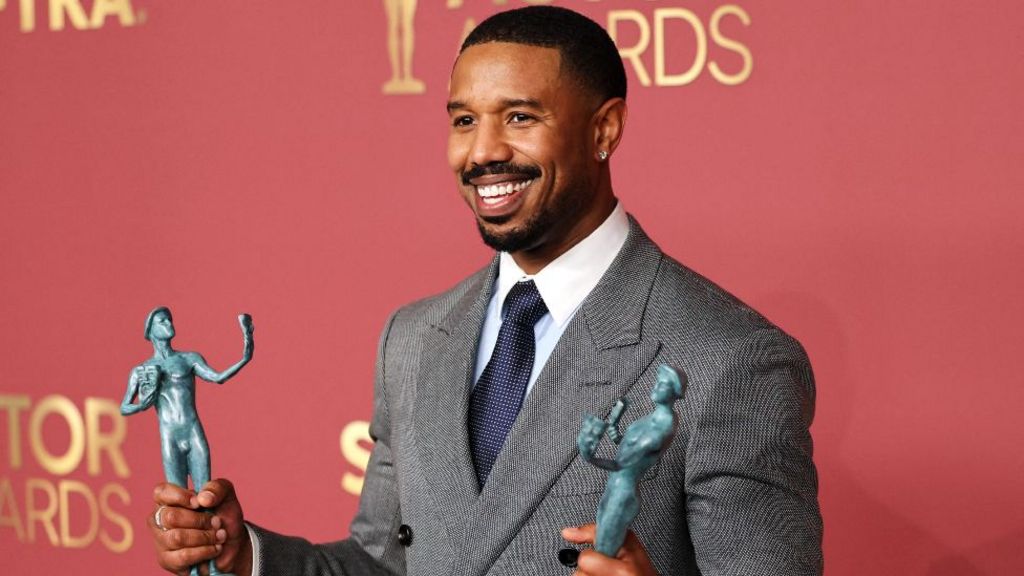
    In a dramatic twist just weeks before the Academy Awards, Michael B. Jordan secured a stunning victory for Best Actor at the prestigious Actor Awards ceremony (formerly SAG Awards), fundamentally reshaping the Oscar landscape. Jordan triumphed for his compelling performance in the vampire horror film ‘Sinners,’ which also captured the night’s top honor for Best Ensemble Cast.

    The actor appeared genuinely astonished during his acceptance speech, stating, ‘I don’t even know where to begin, I wasn’t expecting this at all.’ He expressed profound gratitude for the nomination and dedicated the award to his mother Donna, recalling her sacrifices during his early career: ‘Mom, thank you for driving me back and forth to New York when we didn’t have enough money to go through the Harlem tunnel.’

    ‘Sinners’ co-star Delroy Lindo, while accepting the Ensemble award, described the filmmaking process as an ‘incredible journey’ where ‘every single day we brought ourselves, our hearts, our souls, to this endeavor.’ The victory comes just one week after both actors demonstrated remarkable professionalism when a Tourette’s campaigner involuntarily shouted a racial slur during their BAFTA stage appearance.

    The ceremony featured several notable moments, including a posthumous win for Catherine O’Hara (The Studio), accepted emotionally by Seth Rogen who praised her ability to be ‘a genius, and be kind.’ Harrison Ford received the lifetime achievement award, joking that it felt ‘a little early’ at what he called ‘the half-point of my career.’

    With the Oscars approaching on March 15th, Jordan’s surprise win has created unprecedented uncertainty in the Best Actor category, where he previously trailed behind competitors like Timothée Chalamet and Wagner Moura in precursor awards. ‘Sinners’ enters the Academy Awards with a record-breaking 16 nominations, positioning it as a strong contender against ‘One Battle After Another,’ which has dominated other major ceremonies.

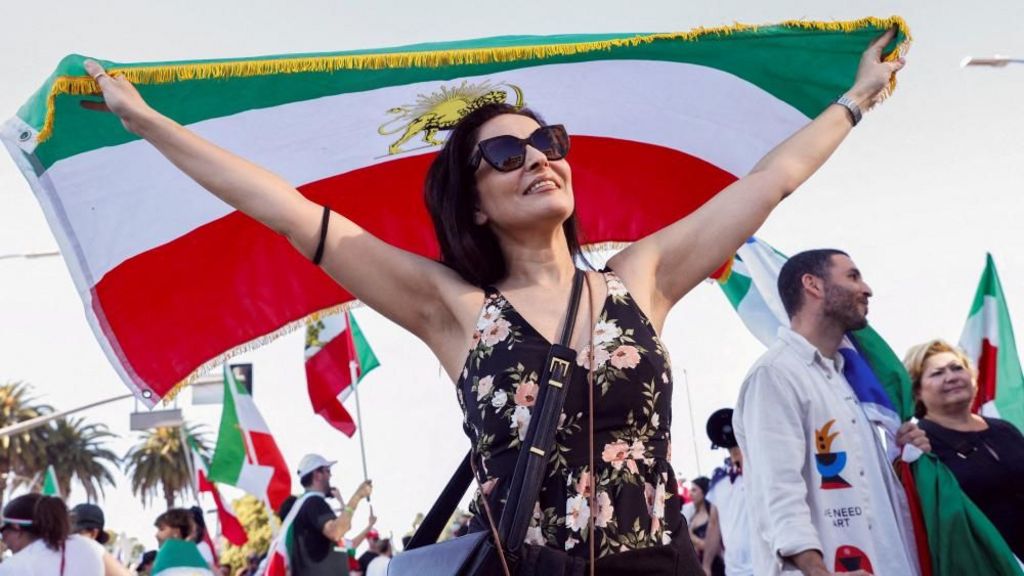
  • Hopes and fears as US Iranians take to streets after toppling of supreme leader

    Hopes and fears as US Iranians take to streets after toppling of supreme leader

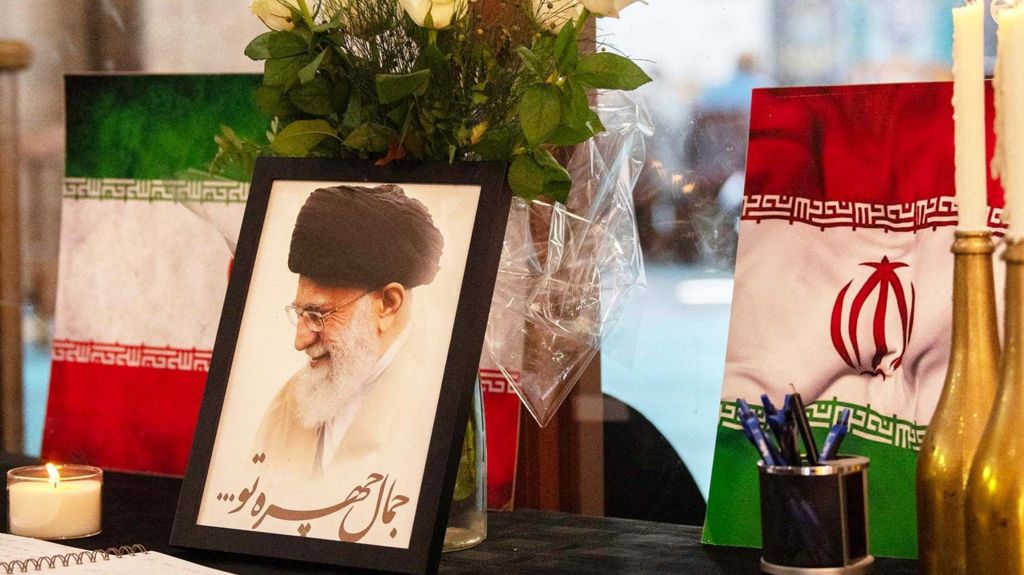
    The Iranian-American community across the United States has responded with complex and divided emotions following the joint U.S.-Israel military operation that resulted in the death of Iranian Supreme Leader Ayatollah Ali Khamenei over the weekend.

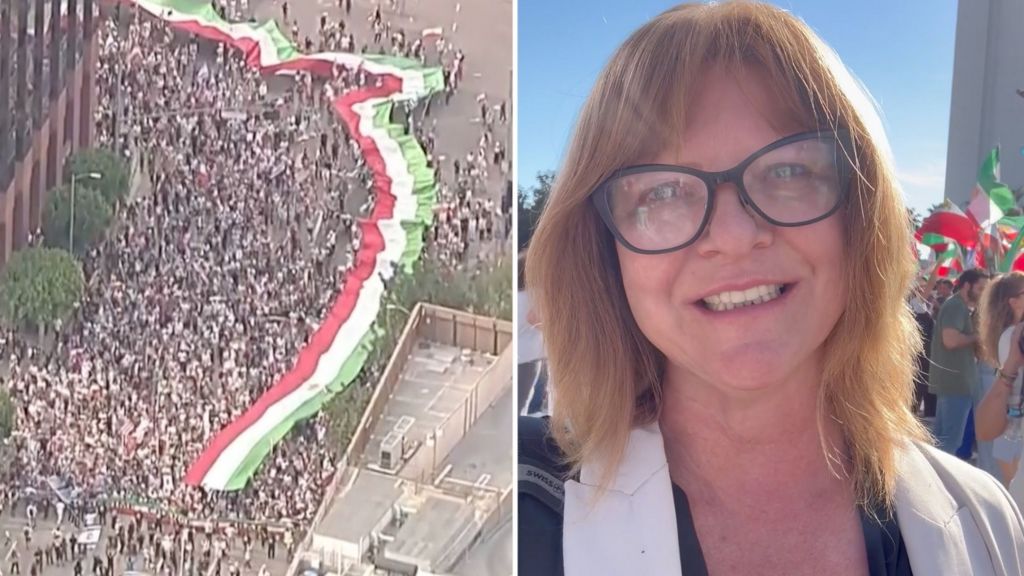
    In Los Angeles, home to the largest concentration of Iranian immigrants in America, police closed streets outside federal buildings to accommodate celebratory demonstrations. The city witnessed emotional scenes as thousands waved flags and danced in celebration. A plane circled overhead displaying a banner reading “THANK U TRUMP,” capturing the sentiment of many exiles who have long opposed the Tehran regime.

    Fatemeh Shams, an Iranian-American in Philadelphia since 2009, expressed the conflicted feelings shared by many: “We all have very mixed feelings about what’s happening. On the one hand, we are extremely happy that our killers… they no longer breathe. The fact that Khamenei was killed in less than a moment, after 38 years of corruption and crime, it kind of feels that we didn’t have any control over the justice we had been fighting for.”

    Hoda Zeaighamnia celebrated with her three children, one of whom was just days old when the family fled Iran. Her daughter Donya Cheshmaghil stated: “My family was forced to flee because we’re not Muslim and they’re very oppressive against anyone that’s not Muslim. We’re hoping this leads to regime change. We’re very grateful for the US for finally intervening.”

    However, not all responses were celebratory. Anti-war protests emerged in several cities, including Los Angeles where actress and activist Jane Fonda, 88, addressed hundreds of demonstrators. “You may wage this war in our name, but not with our consent,” she declared.

    The division was also evident among U.S. Congress members with Iranian heritage. Republican Congresswoman Stephanie Bice called for Iranians to “stand up and take back their nation,” while Democratic Representative Yassamin Ansari expressed concerns about potential U.S. involvement in “another endless war in the Middle East.”

    Despite uncertainties about the future, many Iranian-Americans chose to focus on the immediate outcome—the removal of a leader whose regime has been responsible for thousands of deaths during recent protests. As one celebrator in LA expressed: “This is a great day. Our country has been wanting this for a while. It’s beautiful. It really is.”

  • Watch: Iranian Americans celebrate on the streets of Los Angeles

    Watch: Iranian Americans celebrate on the streets of Los Angeles

    The streets of Los Angeles witnessed vibrant celebrations as members of the Iranian American community gathered publicly for the second consecutive day following the outbreak of regional hostilities. Demonstrating a complex geopolitical stance, expatriates and their descendants expressed support for Israel’s defensive measures through spontaneous street gatherings characterized by dancing, singing, and waving Israeli flags.

    This public display in one of America’s largest Iranian diaspora communities reflects deep-seated opposition to the Tehran regime rather than endorsement of conflict itself. The celebrations, concentrated in West Los Angeles neighborhoods traditionally associated with Persian Jewish populations, represent a political statement against Iran’s current leadership and its proxy networks.

    Community leaders emphasized that the demonstrations symbolize solidarity with democratic values and opposition to authoritarian regimes, highlighting the nuanced perspectives within immigrant communities regarding their nations of origin. The gatherings occurred peacefully without reported incidents, though they present striking visual contrasts to protests occurring simultaneously in other global cities.

    These events underscore how international conflicts frequently trigger transnational responses within diaspora communities, where geopolitical tensions become locally performed through public expression. The demonstrations also reveal the multifaceted nature of immigrant identity politics, where homeland conflicts become reinterpreted through the lens of American civic values and experiences.

  • Trump warns ‘there will likely be more’ US deaths in Iran conflict

    Trump warns ‘there will likely be more’ US deaths in Iran conflict

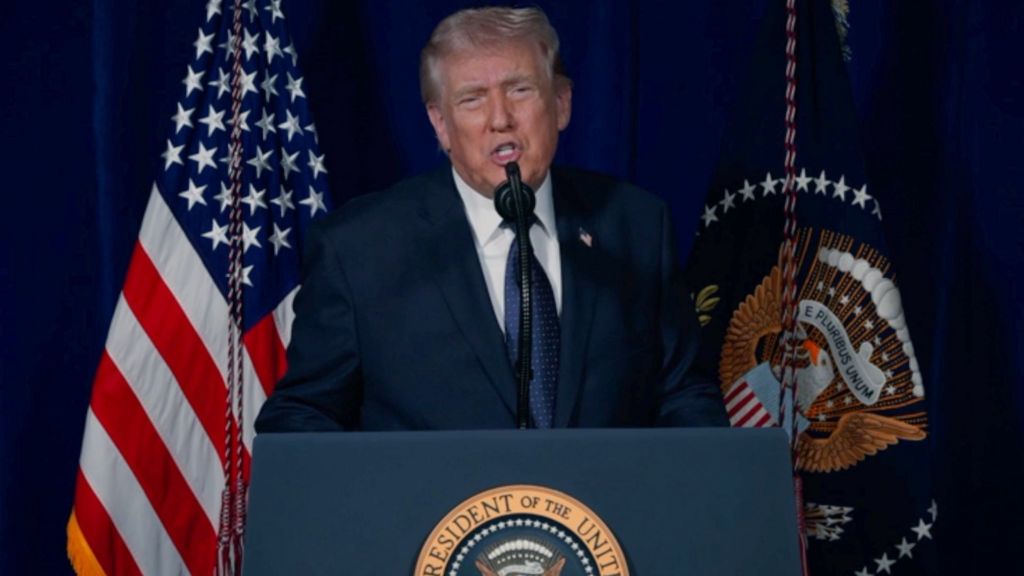
    In a sobering address delivered via his Truth Social platform, former U.S. President Donald Trump issued a stark warning regarding the escalating tensions with Iran, indicating that additional American fatalities should be anticipated. The video statement came in direct response to recent military engagements, marking a significant moment in the ongoing conflict between the two nations.

    Trump’s message framed the situation with grave seriousness, emphasizing the volatile nature of international military actions. Without delving into specific operational details, the former commander-in-chief underscored the inherent dangers faced by U.S. personnel stationed in the region. His remarks reflected the complex geopolitical landscape that has characterized Middle Eastern relations throughout multiple administrations.

    The public communication strategy, bypassing traditional media channels, represents a continuing evolution in how political figures engage with the public on matters of national security. This development occurs against the backdrop of longstanding tensions between Washington and Tehran, which have periodically flared into open confrontation. The statement’s tone balanced resolve with realism, acknowledging the human cost of foreign policy decisions while maintaining a stance of strategic determination.

    Analysts suggest such pronouncements may influence both domestic political discourse and international perceptions of U.S. foreign policy direction. The warning arrives amid broader discussions about America’s role in global conflicts and the protection of its military assets abroad.

  • In maps: Strikes across Iran and the Middle East

    In maps: Strikes across Iran and the Middle East

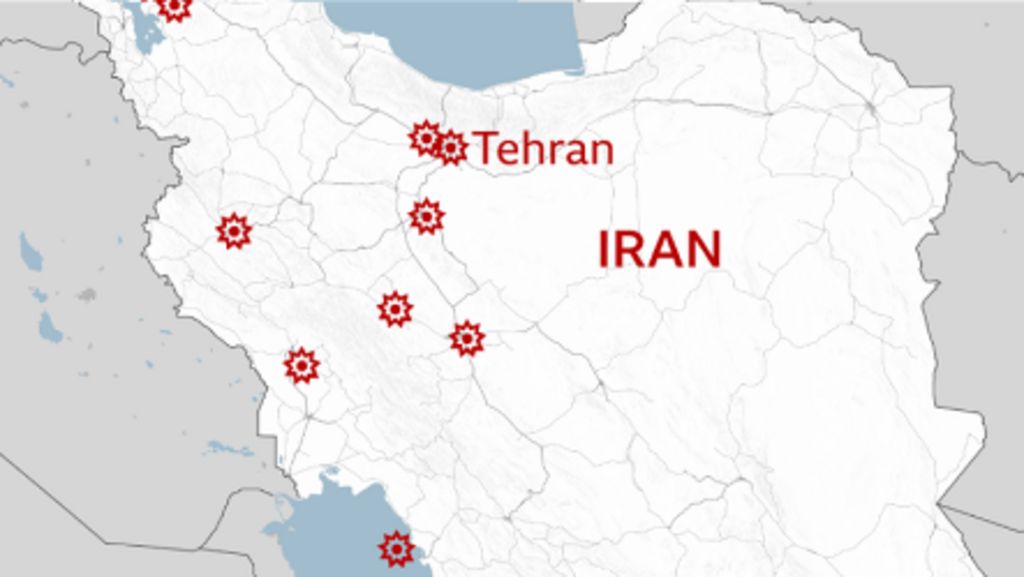
    The Middle East confronts an unprecedented military escalation as coordinated US-Israeli operations against Iran continue into their second consecutive day. Israeli forces confirm striking targets “in the heart of Tehran,” including the compound of Supreme Leader Ayatollah Ali Khamenei, while Iran has intensified retaliatory attacks across Israel and Gulf Arab nations.

    Satellite imagery and verified footage reveal significant damage to Leadership House, Khamenei’s official compound in Tehran, following precision strikes. Additional strikes targeted the Narmak neighborhood, residence of former president Mahmoud Ahmadinejad, and areas surrounding Iran’s intelligence ministry. The Israel Defense Forces stated these operations specifically targeted locations housing senior political and security figures.

    Beyond Tehran, military installations in Kermanshah, Qom, Isfahan, Tabriz, and Karaj sustained damage, with Israeli forces reporting the destruction of two fighter aircraft in Tabriz. US President Donald Trump announced the sinking of nine Iranian naval vessels and substantial damage to Iranian naval headquarters. US Central Command deployed B-2 stealth bombers armed with 2,000-lb bombs against ballistic missile facilities.

    Iran’s retaliatory measures have produced devastating consequences across the region. A missile strike on Beit Shemesh, Israel, killed at least nine people, while three US service members died in action according to Pentagon reports. Gulf states including UAE, Kuwait, Bahrain, and Qatar experienced sustained attacks, with Bahrain’s US Navy Fifth Fleet service center suffering missile damage. The UAE reported three fatalities and multiple injuries, while Kuwait confirmed one death.

    Civilian infrastructure has not been spared, with Dubai International Airport and educational facilities becoming casualties of the conflict. Iranian state media reported at least 153 fatalities at a girls’ school in Minab, though international verification remains challenging due to visa restrictions for foreign journalists.

    The conflict has drawn in previously uninvolved nations, with Jordan intercepting ballistic missiles targeting its territory and Oman’s Duqm commercial port suffering drone attacks that injured one worker. Regional tensions continue to mount as both sides vow to escalate military operations further.

  • Deadly Texas bar shooting is ‘potentially an act of terrorism’, FBI says

    Deadly Texas bar shooting is ‘potentially an act of terrorism’, FBI says

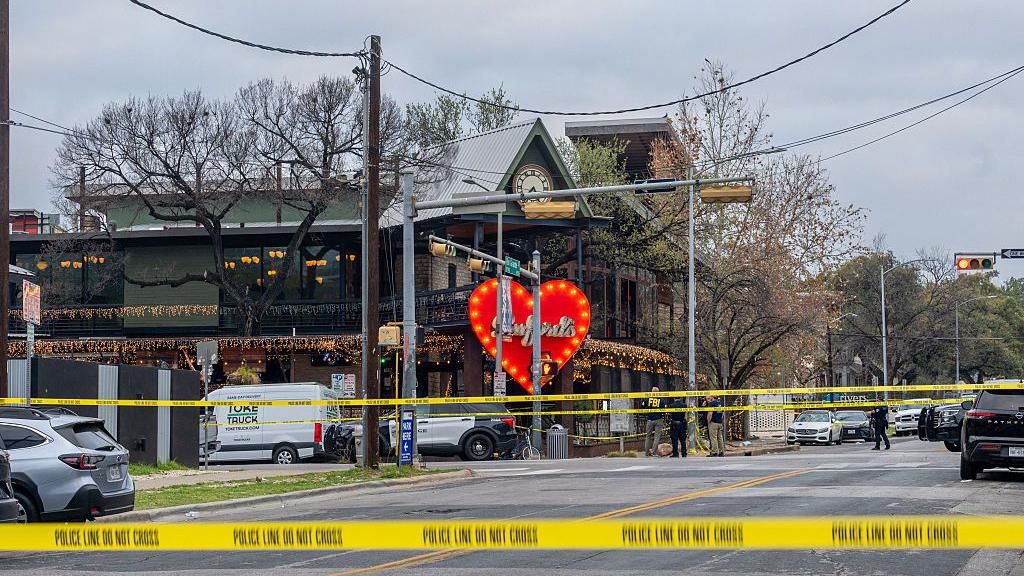
    AUSTIN, Texas – A deadly shooting outside a popular Austin bar early Sunday morning has prompted an FBI terrorism investigation after two civilians were killed and fourteen others injured in a violent attack. The incident occurred approximately at 2:00 a.m. local time (0700 GMT) in the city’s bustling West Sixth Street entertainment district.

    According to Austin Police Chief Lisa Davis, law enforcement responded rapidly to reports of an active shooter near Buford’s Bar. The suspect, operating from a large SUV with emergency flashers activated, initially fired a pistol through the vehicle’s window, striking patrons on the outdoor patio and sidewalk. The assailant subsequently parked nearby and advanced toward the establishment armed with a rifle.

    Three police officers confronted the suspect at a nearby intersection, resulting in the shooter being fatally wounded during the exchange. The swift police response, made possible by increased weekend patrols in the entertainment district, occurred within 57 seconds of the initial emergency call.

    Acting Special Agent in Charge Alex Doran from the FBI’s San Antonio field office revealed that evidence recovered from the vehicle and suspect indicated a ‘nexus to terrorism,’ though investigators have not released specific details pending further examination. The SUV was thoroughly searched and determined not to contain explosives.

    Austin-Travis County Emergency Management Services confirmed three of the fourteen transported victims remain in critical condition. Authorities have not yet disclosed the identities of the deceased victims or the suspected shooter, nor have they commented on potential motives.

    Austin Mayor Kirk Watson praised the exceptional response time of emergency personnel, stating unequivocally that their rapid intervention ‘definitely saved lives’ despite the tragic outcome.

  • Day two of US strikes on Iran: What Americans are asking

    Day two of US strikes on Iran: What Americans are asking

    Washington D.C. witnessed heightened political and public discourse as the United States entered its second consecutive day of military operations against Iranian targets. The ongoing strikes, authorized by the Trump administration, have triggered widespread discussion among American citizens regarding the strategic implications and potential consequences of these actions.

    According to reports from the BBC’s Washington correspondent, the military campaign has evolved into a multi-day operation, suggesting a sustained approach rather than a singular retaliatory measure. This development has prompted serious questions from the American public about the long-term objectives and expected duration of the engagement.

    Citizens across the nation are expressing concerns about several critical aspects of the conflict, including potential escalation patterns, regional stability implications, and the safety of military personnel deployed in the Middle East. The administration’s communication strategy and the clarity of its strategic objectives have become subjects of intense scrutiny among policymakers and the general public alike.

    The geopolitical ramifications extend beyond immediate military considerations, touching upon diplomatic relationships with European allies, the impact on global oil markets, and the broader balance of power in the Middle East. Experts are analyzing how these strikes might affect ongoing nuclear negotiations and regional proxy conflicts involving Iranian-backed militias.

    As the situation continues to develop, the American public remains particularly attentive to congressional responses and the legal authorization underpinning extended military operations. The White House’s next steps and Iran’s potential countermeasures are being closely monitored by national security experts and international observers.

  • Months of planning behind US-Israeli mission to target Iran’s supreme leader

    Months of planning behind US-Israeli mission to target Iran’s supreme leader

    In an unprecedented daylight operation, US and Israeli forces successfully targeted and eliminated Iran’s Supreme Leader Ayatollah Ali Khamenei through precisely coordinated military action. The strike occurred at approximately 09:40 local time on Saturday morning at a compound in central Tehran, marking a significant departure from conventional nighttime special operations.

    The operation culminated from months of sophisticated intelligence gathering involving advanced tracking systems and pattern-of-life analysis of high-value Iranian targets. According to intelligence sources, the Central Intelligence Agency provided crucial real-time information about Khamenei’s movements, which was subsequently operationalized by Israeli defense forces.

    Israeli jets deployed approximately thirty specialized munitions to penetrate underground bunker facilities where the Supreme Leader had sought protection. The attack also simultaneously targeted other senior Iranian officials, including Defence Council secretary Ali Shamkhani, Defence Minister Brig Gen Aziz Nasirzadeh, and IRGC commander Gen Mohammad Pakpour, all confirmed deceased by Iranian authorities.

    President Donald Trump and senior administration officials monitored the operation from a makeshift situation room at the Mar-a-Lago estate in Florida, receiving confirmation of the mission’s success hours after the strike. The operation represents an escalation in the ongoing conflict between Western allies and Iranian leadership, though Iranian authorities had reportedly established succession plans for key government positions.

    The daylight timing appears to have exploited Iranian security assumptions about attack probability, while the use of multiple penetrating munitions suggests intelligence about the compound’s underground infrastructure. The strike methodology indicates advanced capabilities in real-time tracking and precision targeting developed through previous operations against Iran’s nuclear program.

    This event represents a significant evolution in targeted strike operations and intelligence collaboration between allied nations, with potentially profound implications for Middle Eastern geopolitics and the ongoing conflict between Iran and Western powers.

  • Watch: How US-Israel strikes on Iran unfolded… in two minutes

    Watch: How US-Israel strikes on Iran unfolded… in two minutes

    The Middle East has witnessed a significant escalation in military confrontations as Iranian forces initiated retaliatory strikes across the region. This development comes in direct response to coordinated military operations conducted by United States and Israeli forces targeting multiple locations within Iranian territory.

    The retaliatory measures represent a substantial escalation in the ongoing regional tensions, marking one of the most direct confrontations between Iran and the US-Israel alliance in recent years. Security analysts indicate that these exchanges could potentially alter the strategic balance in the Middle East, with implications for global security and energy markets.

    Military experts are closely monitoring the situation as both sides demonstrate heightened readiness for potential further engagements. The rapid sequence of events began with precision strikes against Iranian assets, followed within hours by Tehran’s calculated response against strategic targets in neighboring territories.

    International observers have expressed concern over the potential for further escalation, with diplomatic channels working to de-escalate tensions. The United Nations Security Council is expected to convene an emergency session to address the deteriorating security situation in the region.