标签: North America

北美洲

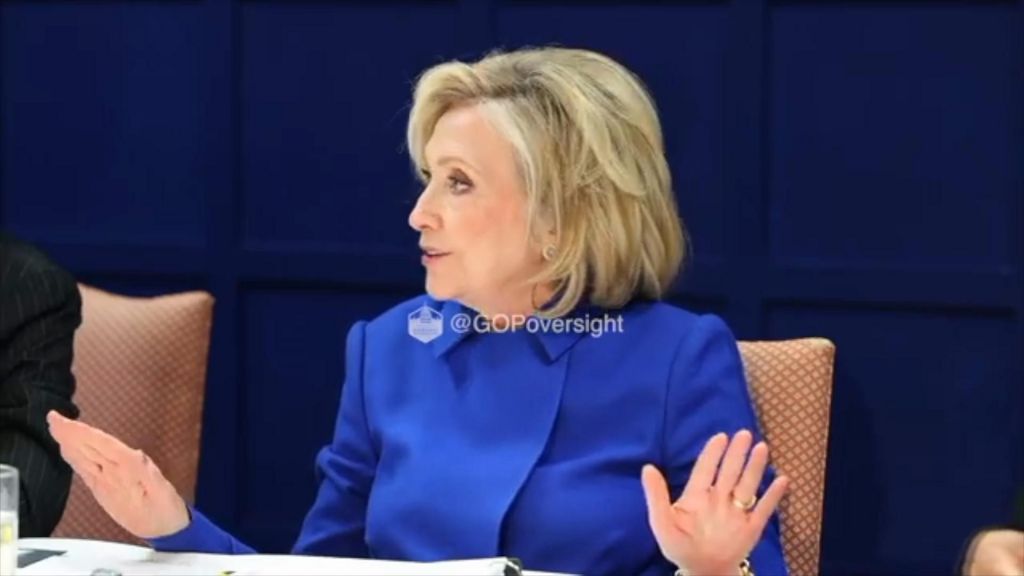
  • ‘I’m done’ – Hillary Clinton upset as deposition pauses over leaked photo

    ‘I’m done’ – Hillary Clinton upset as deposition pauses over leaked photo

    Former Secretary of State Hillary Clinton exhibited visible frustration during her congressional deposition before the House Oversight Committee, declaring “I’m done” after proceedings were abruptly halted. The interruption occurred when committee members became aware that a confidential photograph from the closed-door testimony had been leaked to the public.

    The deposition, which centered on Clinton’s connections to the late financier and convicted sex offender Jeffrey Epstein, represents the latest development in the committee’s extensive investigation into elite networks associated with Epstein. Clinton appeared voluntarily to address questions about her limited interactions with Epstein during her tenure as First Lady and Senator.

    Committee Chairman Rep. James Comer (R-KY) confirmed the breach of protocol, stating: “The unauthorized disclosure of protected deposition materials represents a serious violation of congressional rules and procedures. We are investigating the source of this leak.”

    The released video footage shows Clinton expressing exasperation as lawmakers paused the testimony to address the security breach. Democratic members of the committee have joined their Republican colleagues in condemning the leak, highlighting the rare bipartisan agreement on maintaining the integrity of congressional investigations.

    This incident raises significant questions about the security protocols surrounding sensitive depositions and the potential politicization of investigations into the Epstein case. Legal experts suggest the leak could complicate future cooperation from witnesses concerned about confidentiality breaches.

  • Watch dramatic hot air balloon rescue 900ft in the air

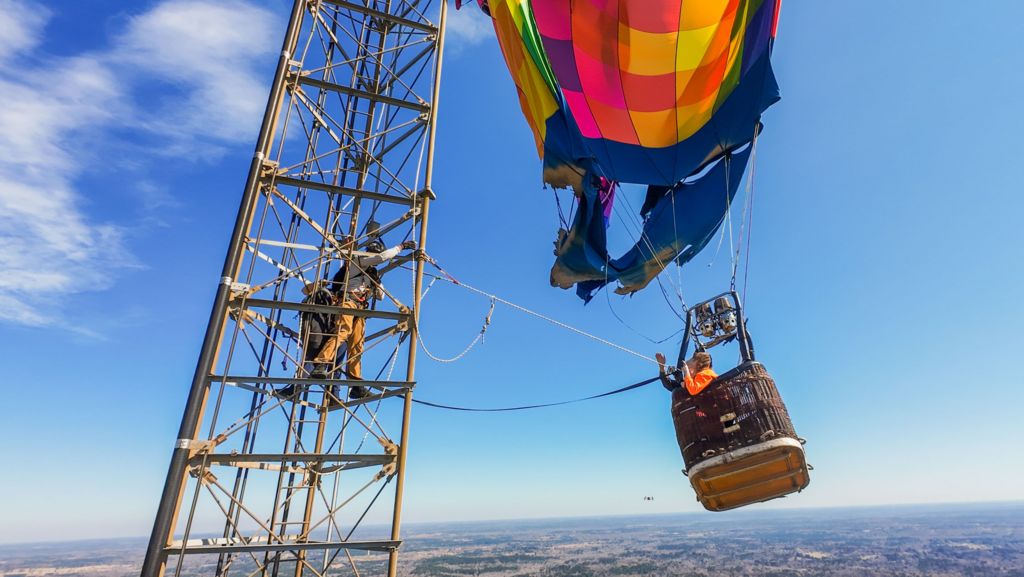
    Watch dramatic hot air balloon rescue 900ft in the air

    Emergency response teams in Longview, Texas, successfully executed a perilous high-altitude rescue operation after a recreational hot air balloon became entangled with a telecommunications tower approximately 920 feet (280 meters) above ground level. The incident, which occurred under challenging atmospheric conditions, required specialized technical rescue expertise and precise coordination among multiple emergency service units. Witnesses reported the balloon drifting off-course before making contact with the tower structure, creating a potentially catastrophic scenario that threatened the safety of all occupants. Rescue personnel utilized advanced aerial apparatus and safety equipment to secure the damaged balloon basket while carefully extracting passengers from their precarious position. The operation concluded without serious injuries, though several individuals were transported to medical facilities for evaluation as a precautionary measure. Local authorities have initiated an investigation to determine the exact circumstances that led to the collision, including weather patterns, pilot decision-making, and possible equipment malfunction. Aviation safety experts emphasize that while such incidents remain extremely rare, they demonstrate the critical importance of emergency preparedness for all forms of aerial recreation.

  • What did Trump say in his first live remarks since Iran attack?

    What did Trump say in his first live remarks since Iran attack?

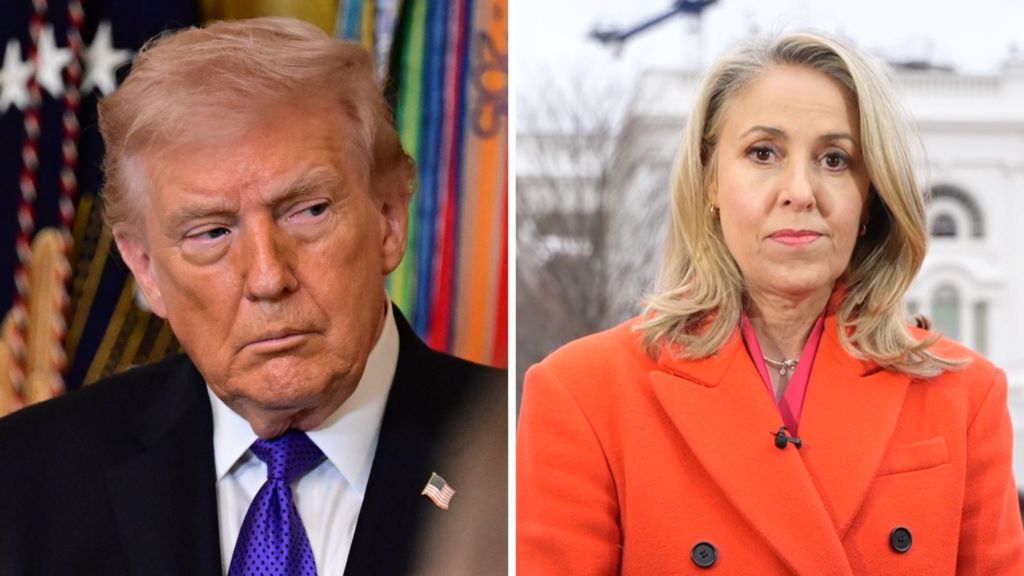
    In his first public address following Iran’s retaliatory missile strikes, President Donald Trump presented a surprisingly scripted response during a White House event, diverging from his characteristic improvisational style. BBC correspondent Sarah Smith, who witnessed the remarks firsthand, reported the President maintained unusual discipline by adhering to prepared talking points throughout the appearance.

    The address marked a critical moment in escalating U.S.-Iran tensions, coming shortly after Tehran launched ballistic missiles at Iraqi bases housing American troops. Observers noted the President’s deliberate tone signaled a potential de-escalation approach contrary to expectations of aggressive rhetoric. The carefully constructed delivery avoided explicit threats of military escalation while reaffirming American strength.

    This performance represents a notable departure from Trump’s typical extemporaneous speaking style, particularly during international crises. The structured messaging suggests coordinated strategy sessions with national security advisors and communications staff prior to the public appearance. The administration’s response framework balanced assertions of military capability with diplomatic overtures, reflecting complex internal deliberations about appropriate escalation thresholds.

    The calibrated presentation indicates recognition of the situation’s gravity and the international community’s close scrutiny of American leadership during volatile Middle East tensions. This methodical approach may signal administration efforts to project stability to global markets and allied nations while reserving options for future policy decisions.

  • Carney to push his middle power strategy during Australia visit

    Carney to push his middle power strategy during Australia visit

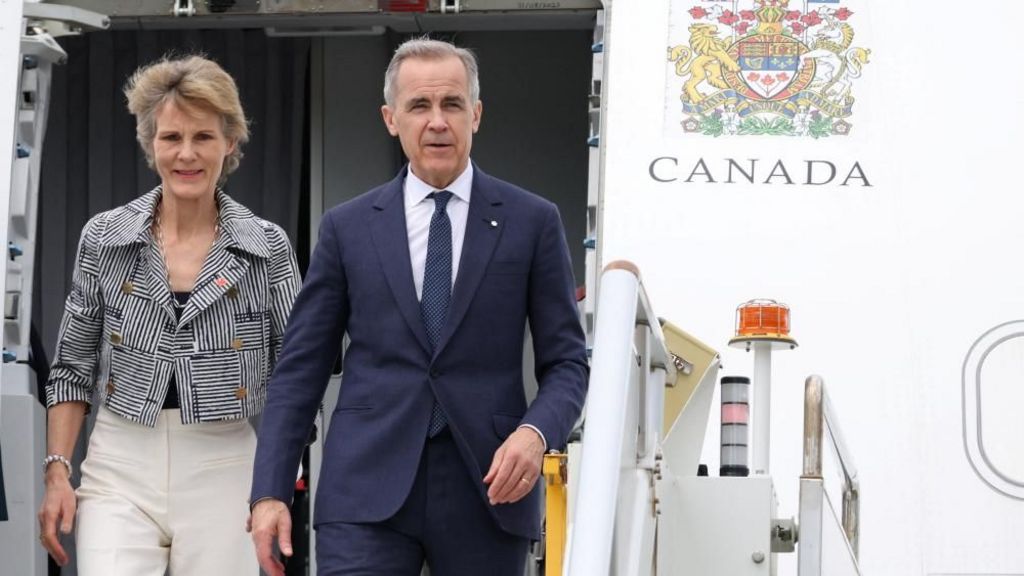
    Canadian Prime Minister Mark Carney arrived in Sydney on Tuesday for a pivotal diplomatic mission aimed at strengthening Canada’s Indo-Pacific partnerships. This visit marks a significant moment in bilateral relations as Carney becomes the first Canadian leader in nearly two decades to address Australia’s parliamentary assembly.

    The Australian leg of Carney’s Indo-Pacific tour follows his successful four-day visit to India, where he secured billion-dollar agreements representing a major diplomatic achievement. In Australia, the agenda focuses on enhancing cooperation across multiple strategic sectors including defense coordination, maritime security protocols, critical mineral supply chains, and artificial intelligence development.

    Prime Minister Carney shares notable political alignment with his Australian counterpart Anthony Albanese. Both center-left leaders benefited from what political analysts term the ‘Trump effect’ – the global uncertainty following Donald Trump’s second inauguration that propelled both to electoral victory within days of each other last year.

    The timing of this diplomatic mission carries added significance amid recent global tensions following U.S. military actions against Iran. Both leaders are expected to discuss the geopolitical implications and potential impacts on their respective nations.

    Carney’s parliamentary address will expand upon themes from his widely-discussed Davos speech, where he advocated for middle powers to develop ‘strategic autonomy’ against economic coercion from superpowers. ‘Middle powers must act together, because if we’re not at the table, we’re on the menu,’ Carney emphasized in Switzerland.

    The visit includes substantive discussions on building upon the critical minerals agreement signed last October, alongside defense coordination planning. Canada and Australia have established military cooperation through joint naval deployments in the South China Sea and technological exchanges for Arctic radar systems.

    This meeting also represents Carney’s first engagement with a Commonwealth leader since the controversial arrest of Andrew Mountbatten-Windsor on February 19th. While Albanese has publicly supported removing the former prince from succession, Carney has maintained diplomatic silence on the matter.

    The Prime Minister’s itinerary includes policy addresses at Sydney’s Lowy Institute before proceeding to Canberra, with departure scheduled for March 6th followed by diplomatic meetings in Japan.

  • We still have no idea where this war is heading

    We still have no idea where this war is heading

    The third day of intensified hostilities between the United States, Israel, and Iran has rapidly evolved into a full-scale regional conflict. Iran’s strategic decision to target Arab nations allied with the US across the Gulf has prompted significant geopolitical shifts, including the United Kingdom reversing its stance on permitting American utilization of its military installations.

    Military developments continue to unfold at a rapid pace, with US Central Command confirming the tragic loss of three F-15E Strike Eagles to Kuwaiti air defenses in an apparent friendly fire incident. This revelation underscores the chaotic nature of the escalating conflict, where additional missile launches and casualties are anticipated even as this analysis is being prepared.

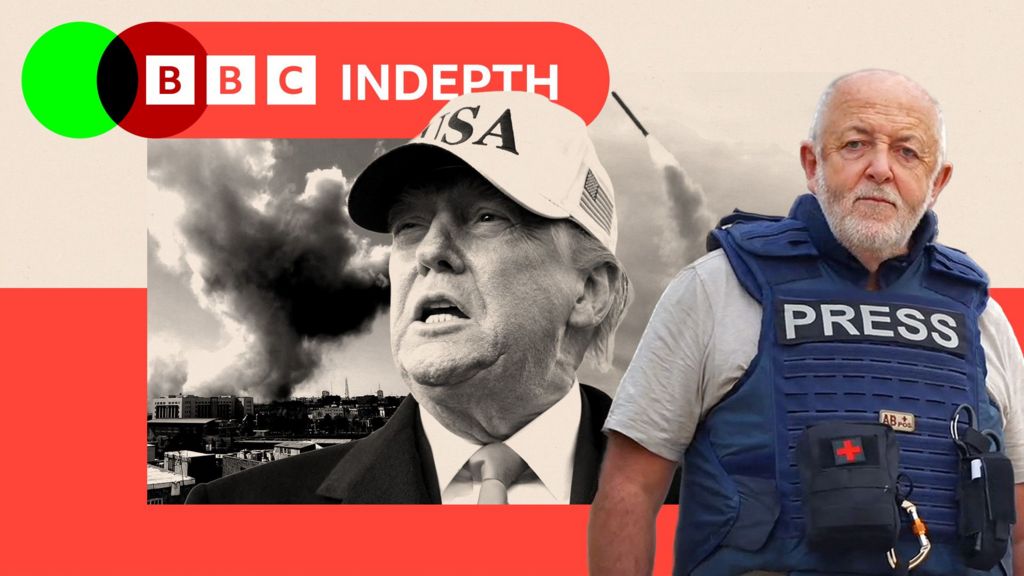
    President Donald Trump, delivering his initial war declaration from his Mar-a-Lago estate rather than the traditional Oval Office setting, presented an unconventional vision in casual attire. His address outlined an extensive indictment against Iran, characterizing the nation as an enduring threat since the 1979 Islamic Revolution. Trump’s victory criteria encompass the comprehensive destruction of Iran’s missile capabilities, naval forces, and regional proxy networks.

    Contradicting established intelligence assessments, Trump asserted Iran was developing long-range missiles capable of reaching American territory and nearing nuclear weapons capability—claims that directly conflict with his previous statements regarding the elimination of Iran’s nuclear infrastructure.

    The administration’s strategic approach involves debilitating military strikes against Tehran’s regime while explicitly encouraging civilian uprising. Trump’s direct appeal to the Iranian populace to seize governmental control represents a high-risk strategy that simultaneously creates potential deniability should the regime endure. This methodology relies exclusively on aerial bombardment without ground troop deployment, diverging from previous interventions in Iraq and Libya.

    Israeli Prime Minister Benjamin Netanyahu, facing domestic political pressures following security failures during Hamas’s October 2023 offensive, has aligned with Trump’s objectives. Netanyahu envisions the complete dismantling of what he terms “the regime of terror,” a goal he has pursued for decades.

    The elimination of Supreme Leader Ayatollah Ali Khamenei constitutes a significant blow to Iran’s leadership structure. However, the Islamic Republic’s institutional design—featuring redundant political and religious hierarchies—provides resilience against decapitation strategies. The regime’s survival mechanisms include the Islamic Revolutionary Guards Corps (IRGC), comprising 190,000 active personnel and 600,000 reservists, supplemented by the Basij paramilitary force with approximately 450,000 members.

    Historical precedents suggest caution regarding regime change outcomes. The power vacuums following Saddam Hussein’s removal in Iraq and Muammar Gaddafi’s overthrow in Libya resulted in prolonged instability and humanitarian crises. Iran’s considerable size—nearly triple Iraq’s territory—and diverse population of over 90 million people present even greater challenges for post-conflict stabilization.

    The conflict’s trajectory remains highly uncertain, with the Iranian regime demonstrating determination to endure despite massive military pressure. The ultimate consequences of this confrontation could reshape Middle Eastern geopolitics for generations, regardless of whether the current regime survives or collapses.
  • Austin residents react to bar shooting

    Austin residents react to bar shooting

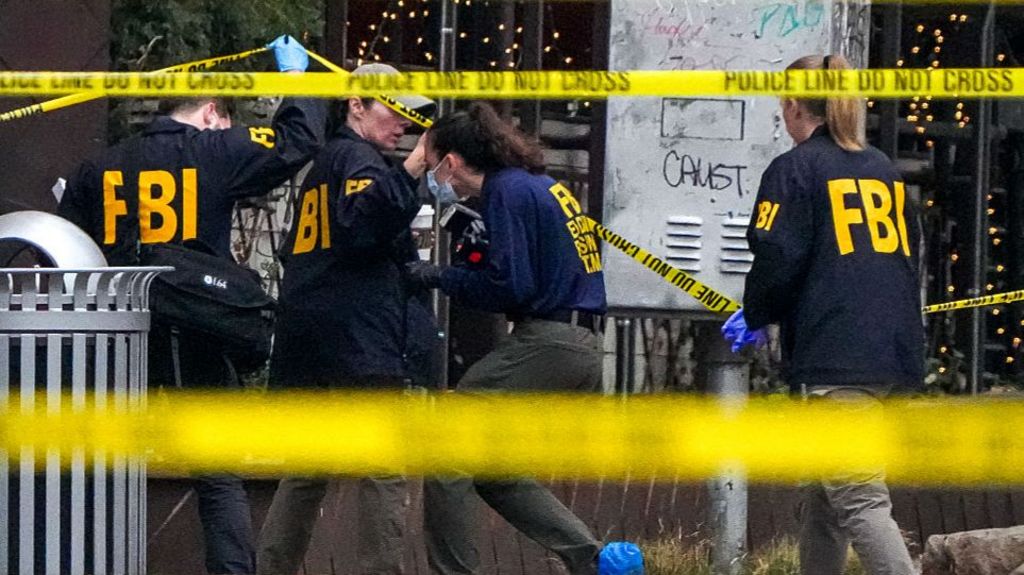
    Federal authorities are investigating a recent Austin bar shooting as a potential act of terrorism after discovering critical evidence linking the suspect to extremist ideologies. The FBI confirmed that both the SUV utilized during the attack and items found on the suspect’s person displayed clear indications of a “nexus to terrorism,” marking a significant development in the case that has left the local community in shock.

    Residents of Austin expressed a complex mixture of fear, resilience, and concern following the violent incident that disrupted the city’s normally vibrant nightlife. Community leaders have organized vigil events and support networks while simultaneously calling for increased security measures in public spaces. Local businesses near the shooting location have reported heightened anxiety among patrons, though many have also demonstrated solidarity through community gatherings.

    The investigation continues to unfold as federal and local law enforcement agencies collaborate to determine the precise motivations behind the attack. Authorities have increased patrols in entertainment districts while maintaining that no additional credible threats have been identified. The case has sparked broader conversations about domestic security protocols and community preparedness in addressing potential terrorism threats at the local level.

  • US jets shot down over Kuwait in ‘apparent friendly fire incident’, officials say

    US jets shot down over Kuwait in ‘apparent friendly fire incident’, officials say

    A significant friendly fire incident resulted in the downing of three US F-15 fighter jets over Kuwait on Monday, according to an announcement from US Central Command (Centcom). Preliminary reports indicate the aircraft were mistakenly engaged by Kuwaiti air defense systems during a mission in support of ongoing US-Israeli military operations against Iran. All six crew members successfully ejected and were safely recovered without life-threatening injuries. Centcom has confirmed an immediate investigation into the precise circumstances surrounding the tragic incident.

    This event occurred against the backdrop of intensifying regional violence. Centcom also reported the death of a fourth US service member on Monday, who succumbed to wounds sustained during Iran’s initial retaliatory strikes. This follows the previously announced deaths of three Americans on Sunday, with five others seriously wounded in the conflict.

    The joint US-Israeli operation, dubbed ‘Epic Fury’ by defense officials, commenced on Saturday with targeted strikes that resulted in the death of Iranian Supreme Leader Ayatollah Ali Khamenei and other senior Iranian figures. During a press conference, Defense Secretary Pete Hegseth characterized the operation not as ‘regime change’ but stated the regime had ‘surely changed and the world is better off for it.’

    Regional conflict continues to escalate dramatically. The Iranian Red Crescent Society reported 555 fatalities across more than 130 Iranian cities. Meanwhile, hostilities expanded into Lebanon, where Israeli strikes on Beirut and southern targets, purportedly against Hezbollah, killed at least 31 people and injured 149 according to Lebanon’s health ministry. Retaliatory missile strikes on the Israeli city of Beit Shemesh killed at least nine. Apparent Iranian strikes were also reported in Bahrain, Dubai, and a Saudi oil refinery was set ablaze.

    Amid the turmoil, diplomatic prospects appear bleak. President Trump, who had previously warned of potential American casualties, suggested in interviews that joint strikes with Israel could continue for weeks. Iran has firmly denied Trump’s suggestions that it is prepared to enter into fresh negotiations with the United States.

  • Greetings from Shanghai, echoes in New York

    Greetings from Shanghai, echoes in New York

    Shanghai has launched a sophisticated international branding campaign by illuminating New York’s iconic Times Square with a vibrant digital display on the Nasdaq MarketSite Tower screen. The visually striking presentation, characterized by its distinctive “Shanghai red” color scheme, served as a dynamic greeting to New Yorkers while strategically positioning the Chinese metropolis as a premier global destination.

    The high-profile digital exhibition showcased Shanghai’s multifaceted appeal across business, culture, education, and tourism sectors. This transcontinental visual communication spanned over 12,000 kilometers, symbolizing Shanghai’s commitment to strengthening its international connections and expanding its global influence.

    According to the presentation, Shanghai aims to project an image of openness, confidence, and opportunity to international audiences. The carefully orchestrated display highlighted the city’s modern infrastructure, vibrant urban life, and economic vitality, emphasizing its readiness to engage with global partners across multiple sectors.

    The strategic timing of this initiative aligns with Shanghai’s ongoing efforts to enhance its status as an international hub for finance, trade, and innovation. This digital outreach represents part of a broader campaign to attract foreign investment, international talent, and global recognition as the city continues to develop its worldwide networks and partnerships.

  • Tariff pain to stay despite court ruling

    Tariff pain to stay despite court ruling

    In a significant legal development, the US Supreme Court’s February 20 ruling struck down President Donald Trump’s utilization of emergency powers to implement sweeping tariffs, yet economic experts warn that relief for importers and consumers will prove temporary at best. The court’s decision specifically invalidated the administration’s application of the International Emergency Economic Powers Act (IEEPA) as justification for broad-based tariffs affecting imports from numerous countries.

    Patrick T. Childress, a former Office of the United States Trade Representative official and current partner at Holland & Knight, characterized the ruling as a substantial reconfiguration of presidential tariff authorities. While acknowledging the decision as a setback for rapid, large-scale tariff implementation, Childress noted the administration’s swift pivot to Section 122 of the 1974 Trade Act, implementing temporary tariffs of 10-15% for up to 150 days while initiating multiple Section 301 investigations to establish permanent, country-specific measures without rate limitations.

    Elena Patel, co-director of the Urban-Brookings Tax Policy Center, revealed that the invalidated IEEPA tariffs represented what the Congressional Budget Office estimated as a $3 trillion tax increase, with over $130 billion already collected. Patel emphasized that the ruling reaffirmed Congress’s constitutional authority over taxation, though delegated powers under Sections 301 and 232 remain available to the executive branch.

    Dartmouth College economics professor Douglas Irwin welcomed the court’s decision as a necessary check on executive overreach, warning that ignoring constitutional limitations on taxation could yield catastrophic consequences. Meanwhile, trading partners continue to view US trade policy as unpredictable, with many Asian economies advancing regional agreements like the CPTPP following the US withdrawal from the TPP in 2017.

    Emily J. Blanchard of Dartmouth’s Tuck School of Business emphasized that the ruling materially impacts business expectations, potentially causing firms to adjust sourcing strategies and reconsider long-term investments. Tariffs continue to mechanically increase living costs while simultaneously hampering economic activity and complicating reshoring objectives.

    Despite the legal setback, President Trump reaffirmed tariffs as essential for revitalizing US manufacturing and reducing trade deficits during his recent State of the Union address, signaling continued adherence to protectionist trade policies regardless of judicial opposition.

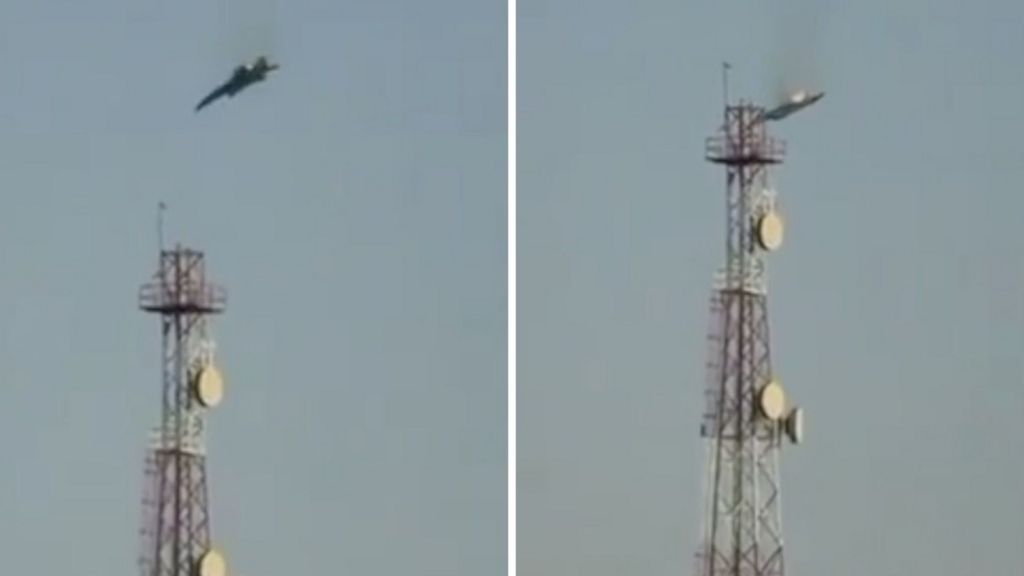
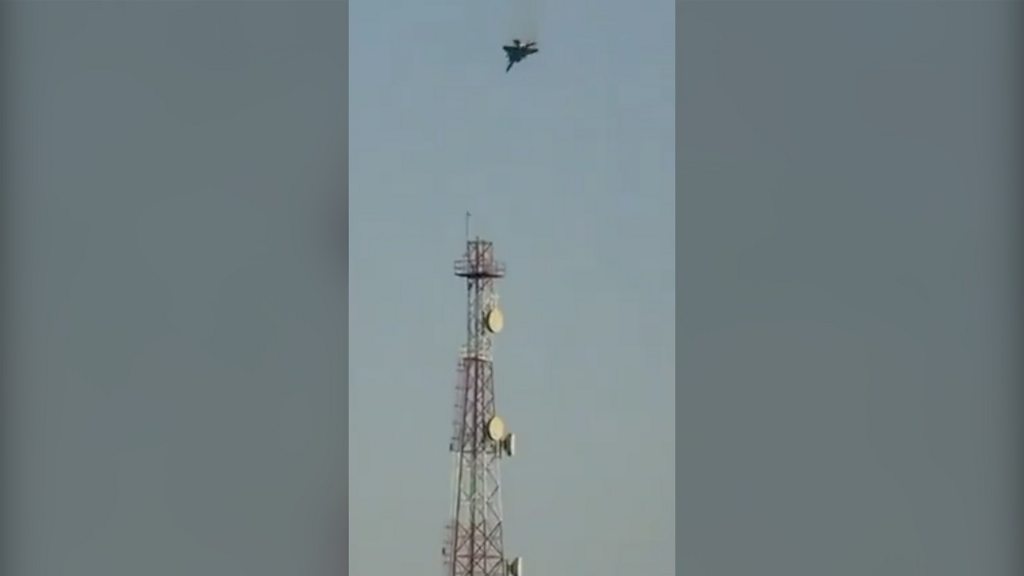
  • Video appears to show US F-15 fighter jet crashing in Kuwait

    Video appears to show US F-15 fighter jet crashing in Kuwait

    A significant military incident has occurred during joint training exercises in Kuwait, resulting in the accidental destruction of six US F-15 fighter jets by Kuwaiti air defense systems. Video footage circulating online appears to capture the dramatic moment of at least one aircraft crashing.

    According to official US military statements, the sophisticated fighter jets were ‘mistakenly shot down’ by Kuwait’s defensive systems during what was described as routine training operations. The incident represents one of the most substantial friendly-fire losses of advanced aircraft in recent memory.

    In a positive development amid the disastrous equipment loss, all crew members involved in the incident survived and are reported to be in stable condition. Military officials have confirmed that rescue operations proceeded successfully despite the complex nature of the multiple crashes.

    The geopolitical implications of this accident are being carefully assessed, as Kuwait serves as a crucial strategic partner for the United States in the Middle East. Such incidents, while rare, highlight the inherent risks of complex multinational military exercises involving live-fire components.

    Defense analysts note that the loss of six F-15s represents a substantial financial and operational impact, with each aircraft valued at approximately $30 million. An immediate investigation has been launched by both US and Kuwaiti authorities to determine the exact chain of events that led to the catastrophic error in air defense identification protocols.