标签: North America

北美洲

  • Building an education destination for non-resident Indians

    Building an education destination for non-resident Indians

    The southern Indian city of Coimbatore has undergone a remarkable transformation from its industrial roots to become a leading destination for higher education, particularly attracting Non-Resident Indian families from Gulf regions. This evolution stems from the city’s unique combination of robust industry presence, academic excellence, and exceptional quality of life that creates an ideal ecosystem for globally-relevant education.

    Central to Coimbatore’s educational appeal is its strong integration with thriving engineering, manufacturing, healthcare, IT, and emerging deep-tech sectors. This industrial connectivity provides students with unparalleled opportunities for industry-linked learning, applied research, and practical problem-solving experiences. The city offers academic distinction within a culturally grounded, safe environment without the excessive pressures and costs associated with larger metropolitan centers.

    For Gulf-based NRI families, Coimbatore presents particular advantages including cultural familiarity, English-medium instruction, robust infrastructure, and strong academic outcomes that ease the transition from overseas schooling to Indian higher education. The city delivers global standards and employability while maintaining affordability and traditional values that resonate with international Indian families.

    Karunya University stands at the forefront of this educational transformation, having established itself as a benchmark for private higher education in South India. The institution’s impressive credentials include NAAC A++ accreditation, UGC Category 1 status, QS I-GAUGE Platinum rating, and recognition in the Times Higher Education World University Rankings 2025. These accolades reflect sustained investments in research infrastructure, faculty development, and global engagement initiatives.

    The university’s industry-integrated programs represent a significant draw for international students. Notable collaborations include B.Tech in Computer Science with Google, Robotics and Automation with FESTO, MBA integrated with Zoho, Energy Science with AMARON, and Biomedical Engineering with Phoenix Medical Systems. These partnerships ensure academic learning remains aligned with real-world market requirements.

    Financial accessibility is enhanced through scholarship programs offering up to 70% support for eligible NRI students, complemented by structured assistance for accommodation, mentorship, and visa processing. This combination of affordability and credibility creates a compelling proposition for international families.

    Beyond teaching excellence, Karunya has established itself as a research-intensive institution, securing over ₹600 million in funded projects from prestigious agencies including DST, DRDO, ISRO, DBT, and ICMR. Research focuses address critical global challenges through advanced AI, robotics, renewable energy, water sustainability, biomedical innovation, and precision agriculture.

    The university’s technological infrastructure includes an Nvidia DGX Supercomputer supporting advanced AI and deep learning research. Centers of Excellence with industry leaders such as Siemens, IBM, Nvidia, CISCO, Microsoft, and Novell bridge theoretical knowledge with practical application.

    Karunya’s research initiatives have generated substantial societal impact through collaborations with international partners. These include developing desalination and wastewater treatment systems with Ben-Gurion University and SUEZ India, creating AI-based assistive technologies for the visually impaired in partnership with Harvard Medical School, and designing precision farming solutions with Israel’s Agricultural Research Organization.

    Global engagement forms a core component of Karunya’s educational philosophy. The university maintains active collaborations with prestigious institutions worldwide including Technion and Hebrew University in Israel, RWTH Aachen in Germany, University of Wisconsin Milwaukee, and numerous partners across Europe, North America, Asia, and Australia. Students benefit from semester-abroad programs, international internships, joint research opportunities, and academic exchanges spanning more than 90 countries.

    While maintaining a 100% placement record across all departments, Karunya measures success beyond conventional employment metrics. The university’s comprehensive incubation ecosystem—comprising the Karunya Technology Business Incubation Park (K-TBIP), Karunya Incubation Foundation (KIF), and Karunya Innovation Design Studio (KIDS)—supports student startups, patent development, and entrepreneurial ventures. This approach cultivates not just employable graduates but ethical innovators and change-makers prepared for global leadership roles.

  • Empowering NRIs with long-term financial security

    Empowering NRIs with long-term financial security

    In an exclusive Republic Day interview, Debashis Prasad Pattanaik, CEO and Executive Director of LIC International BSC, detailed the company’s remarkable 36-year journey serving non-resident Indians across GCC nations. The insurance giant has established a formidable presence since commencing operations in 1989, providing dollar-denominated financial solutions specifically tailored for expatriate requirements.

    The United Arab Emirates represents a particularly strategic market for LIC International, hosting one of the largest Indian diaspora communities globally. Pattanaik emphasized the UAE’s combination of robust regulatory frameworks, financial transparency, and rapid technological adoption as key factors making it an ideal environment for long-term financial planning. The dollar-denominated policies offered in the region provide customers with currency stability when planning for education, retirement, and intergenerational wealth transfer.

    Despite significant market volatility throughout 2025, the company achieved sustainable growth through a disciplined long-term investment strategy. Rather than reacting to short-term market fluctuations, LIC International focused on appropriate asset allocation within their Unit Linked Insurance Plans (ULIPs) aligned with individual risk profiles and life stages. This approach enabled policyholders to continue building wealth in US dollars while maintaining essential life insurance coverage.

    Digital transformation played a pivotal role in the company’s 2025 success story. Enhanced digital onboarding processes, online policy management systems, and real-time fund performance tracking capabilities allowed customers worldwide to manage their investments with unprecedented convenience. The organization is now advancing its technological infrastructure through artificial intelligence integration to further streamline product accessibility and service delivery.

    Social media engagement has emerged as a crucial component of LIC International’s outreach strategy, particularly for connecting with younger NRI demographics. These platforms serve as educational tools that help potential customers make informed financial decisions through better product understanding.

    Pattanaik highlighted that trust remains the cornerstone of their relationship with the Indian diaspora, earned through 36 years of consistent service delivery, transparent processes, and reliable claim settlements. This trust factor proves especially critical for NRIs who must navigate complex cross-border financial planning involving multiple currencies and regulatory environments.

    Concluding with Republic Day greetings, the CEO encouraged global Indian communities to continue contributing positively to both their host countries and homeland while preserving India’s rich cultural heritage for future generations.

  • Watch: Olympic snowboarder Shaun White pulls tricks in NYC snowstorm

    Watch: Olympic snowboarder Shaun White pulls tricks in NYC snowstorm

    Five-time Olympic snowboarding medalist Shaun White transformed New York City’s recent heavy snowfall into an extraordinary public demonstration, captivating spontaneous spectators with an awe-inspiring display of aerial maneuvers in Central Park. The legendary athlete, renowned for his halfpipe dominance across multiple Winter Games, leveraged the blizzard conditions to execute a series of perfectly landed flips and technically advanced tricks typically reserved for competitive slopes and specialized terrain parks. This unexpected urban exhibition occurred as a powerful winter storm blanketed the Northeast, depositing several inches of snow across the metropolitan area and creating unusually favorable conditions for winter sports enthusiasts. White’s masterful performance, shared widely across his social media platforms, showcased his enduring athletic prowess and signature style years after his final Olympic appearance. The viral video documentation reveals both the three-time gold medalist’s undiminished technical mastery and his genuine enthusiasm for engaging directly with fans in unconventional settings, effectively turning a weather disruption into a memorable sporting spectacle that blurred the lines between competitive athletics and urban recreation.

  • India’s $5 trillion sprint: Will incomes keep up?

    India’s $5 trillion sprint: Will incomes keep up?

    India’s remarkable economic expansion positions the nation firmly on course to achieve a monumental $5 trillion economy, potentially surpassing Germany to claim the title of world’s third-largest economy within the coming years. This accelerated growth trajectory, outpacing most major economies, represents a significant geopolitical milestone that underscores India’s emergence as a formidable global economic power.

    However, beneath this impressive macroeconomic achievement lies a crucial socioeconomic question: Will this national output surge genuinely elevate living standards and income levels for India’s vast population of over 1.4 billion? The fundamental paradox remains that a nation can ascend global economic rankings while simultaneously grappling with stagnant wages, widespread informal employment, and escalating living costs for millions of households.

    Current economic indicators reveal both the strength and structural imbalances within India’s growth model. While international institutions consistently project growth rates exceeding global averages, driven by robust domestic demand, substantial infrastructure investments, and rapid digital transformation, per capita income continues to lag significantly behind advanced economy benchmarks.

    Economists emphasize that India’s next phase of development must transition from pure output expansion to income-centered growth that generates substantial formal employment. The critical challenge involves ensuring economic gains are distributed across labor-intensive manufacturing, infrastructure-linked construction, logistics networks, and agricultural processing sectors beyond metropolitan centers.

    Manufacturing competitiveness must evolve through productivity enhancements rather than protectionist measures, with export integration and global supply chain participation serving as crucial drivers for sustainable income growth. This requires addressing infrastructural bottlenecks, streamlining regulatory approvals, ensuring reliable power supply, and reducing logistics costs to capitalize on shifting global trade patterns.

    Human capital development emerges as the fundamental determinant of whether economic growth translates into tangible income improvements. Despite advancements in digital infrastructure, the nation must prioritize educational quality, vocational training pipelines, and workforce reskilling initiatives to prepare for an AI-driven economic landscape.

    Furthermore, elevating female workforce participation represents both a social imperative and economic opportunity, potentially unlocking substantial household income growth through improved urban mobility, accessible childcare, and flexible work arrangements. Simultaneously, bridging the rural-urban productivity divide by enhancing agricultural processing capabilities and rural logistics could unlock significant earnings potential without triggering destabilizing migration patterns.

    India’s economic narrative thus transcends mere statistical achievements, evolving into a complex story about transforming national scale into shared prosperity. The ultimate measure of success will be whether the coming decade delivers substantial real wage growth, comprehensive job creation, and sustained income mobility across all demographic segments and geographic regions.

  • Pakistanis in UAE can continue using their home country SIMs without blocking

    Pakistanis in UAE can continue using their home country SIMs without blocking

    In a significant policy shift benefiting millions abroad, the Pakistan Telecommunication Authority (PTA) has implemented new measures allowing overseas citizens to maintain active mobile SIM connections indefinitely during foreign residency. This regulatory change specifically assists Pakistan’s substantial diaspora population across Gulf Cooperation Council (GCC) nations, particularly the 1.7 million nationals residing in the United Arab Emirates.

    The telecommunications regulator announced that subscribers must formally notify their respective service providers to activate this continuity feature, which may involve applicable service charges. This initiative marks a departure from previous protocols where SIM cards would automatically deactivate after prolonged international non-use.

    Technical requirements differ between prepaid and postpaid subscribers. Prepaid users must generate at least one network activity—including outgoing calls, text messages, mobile data usage, or balance top-ups—within any 180-day period to maintain connection validity. Postpaid subscribers must ensure consistent and timely payment of monthly line rentals and outstanding dues to prevent service interruption.

    The Pakistani diaspora community in the UAE has welcomed this development as transformative. Sajid Ahmed, a 33-year-old Lahore native, noted the practical benefits: “This government initiative resolves the persistent issue of SIM deactivation abroad. Previously, I faced complete service disruption requiring constant number migration between devices.”

    Additional advantages include uninterrupted access to Pakistani digital services requiring local number verification, particularly useful during international travel. Sameena Noor, a decade-long Sharjah resident, emphasized the social connectivity benefits: “Eliminating SIM swapping means I no longer lose precious contact information during transitions between countries.”

    With approximately 10 million Pakistani citizens living overseas—including 5.5 million throughout Gulf nations—this policy represents one of the largest telecommunications facilitation programs for expatriates globally. The PTA advises all overseas subscribers to maintain regular communication with their providers and adhere strictly to usage requirements to ensure seamless service continuity.

  • Trump administration defends killing American in Minneapolis, contradicts videos

    Trump administration defends killing American in Minneapolis, contradicts videos

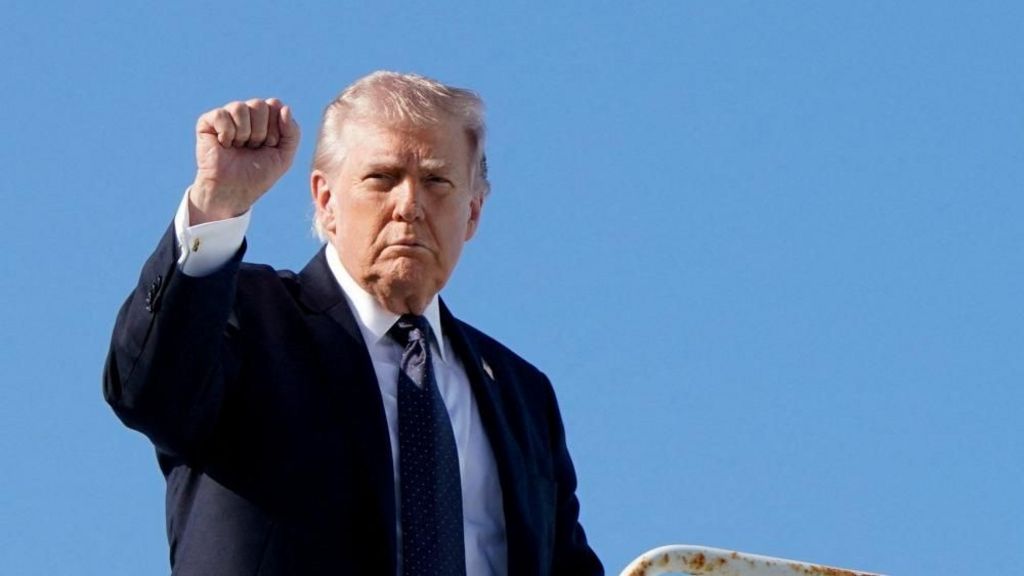
    The Trump administration is facing intensified criticism and mounting tensions following the fatal shooting of American citizen Alex Pretti by federal immigration agents in Minneapolis, with video evidence directly contradicting official accounts of the incident.

    Administration officials maintained that Pretti, 37, assaulted officers during Saturday’s confrontation, necessitating the use of lethal force in self-defense. However, multiple verified videos depict Pretti holding only a cellphone while attempting to assist fellow protesters before being pepper-sprayed, wrestled to the ground, and shot at close range by federal agents.

    This incident marks the second fatal shooting of a U.S. citizen by immigration officers in Minneapolis this month, following the January 7th killing of Renee Good. The escalating situation has prompted Minnesota Governor Tim Walz to repeatedly demand the withdrawal of federal agents from the state, while a federal judge has issued a temporary order prohibiting the administration from destroying or altering evidence related to Pretti’s death.

    The videos, which have sparked widespread outrage, show agents removing a handgun from Pretti’s waistband area after he was already subdued. Minnesota officials confirm Pretti held a valid state permit for concealed carry—a constitutional right affirmed by the Supreme Court in 2022.

    Minneapolis Police Chief Brian O’Hara characterized the administration’s version of events as ‘deeply disturbing,’ stating that ‘the videos speak for themselves.’ The shooting has drawn condemnation from former Presidents Barack Obama and Bill Clinton, while triggering mass protests and prompting leading Minnesota corporations to call for immediate de-escalation.

    Pretti, an intensive care nurse at a Veterans Affairs hospital, is remembered by colleagues as ‘caring and kind,’ with over 200 healthcare workers gathering at the site of his killing to pay tribute. The Justice Department has withdrawn cooperation from the investigation into Good’s killing, resulting in the resignation of at least a dozen federal prosecutors protesting the handling of the case.

  • Pegula dethrones Keys to reach Australian Open quarterfinals

    Pegula dethrones Keys to reach Australian Open quarterfinals

    Melbourne witnessed a day of stunning upsets and masterful performances at the Australian Open on Monday, as two American contenders experienced vastly different fates. Sixth seed Jessica Pegula delivered a commanding performance to dethrone defending champion and compatriot Madison Keys with a decisive 6-3, 6-4 victory on Rod Laver Arena.

    The match between the close friends and podcast co-hosts began with Pegula’s blistering intensity, establishing an immediate 3-0 lead and securing the opening set in just 31 minutes. Despite Keys’ aggressive comeback attempt in the second set, Pegula maintained her composure, leveraging strategic serve variations and tactical awareness to overcome the challenging sun conditions that briefly affected her service game.

    Keys, the ninth seed, struggled with consistency throughout the match, committing 28 unforced errors and six double faults that ultimately hampered her defense of the title. Pegula’s victory marks her fourth appearance in the Australian Open quarterfinals, where she will face either fourth seed Amanda Anisimova or Chinese dark horse Wang Xinyu.

    In simultaneous action, Italian sensation Lorenzo Musetti produced a spectacular display of tennis artistry to dismantle American Taylor Fritz 6-2, 7-5, 6-4. The fifth seed demonstrated remarkable recovery from his previous five-set battle, breaking Fritz’s powerful serve twice in the opening set and maintaining authority throughout the contest.

    Musetti’s victory propels him into his first Australian Open quarterfinal, where he will face the ultimate challenge against ten-time champion Novak Djokovic. The Italian credited his transformed mentality and aggressive forehand strategy for his breakthrough performance, acknowledging his coach’s persistent emphasis on taking control of rallies.

    Both matches highlighted the evolving dynamics of professional tennis, with established champions making way for a new generation of contenders ready to claim their place in Grand Slam history.

  • US storm leaves 1 million without power, forces 10,000 flight cancellations

    US storm leaves 1 million without power, forces 10,000 flight cancellations

    A catastrophic winter storm has plunged the eastern United States into a state of emergency, triggering what officials are calling historic disruptions to power infrastructure and transportation networks. The massive weather system, delivering a dangerous combination of snow, sleet, and freezing rain across two-thirds of the nation, has left more than one million customers without electricity and forced the cancellation of over 10,000 flights.

    PowerOutage.us data revealed extensive blackouts stretching from the Southeast to the Southwest, with Tennessee experiencing the most severe impact at approximately 330,000 customers without power. Mississippi and Louisiana each reported over 100,000 outages, while Texas, Kentucky, Georgia, West Virginia, and Alabama faced significant electrical infrastructure failures.

    The aviation sector experienced unprecedented disruptions, with FlightAware reporting more than 10,800 cancelled flights on Sunday alone. Major airports including New York’s metropolitan facilities, Philadelphia International, and Charlotte Douglas International saw cancellation rates exceeding 80%. Washington’s Ronald Reagan National Airport suspended all operations entirely.

    Delta Air Lines implemented emergency measures, operating a reduced schedule and deploying cold-weather experts from northern hubs to assist with de-icing operations at southern airports. The airline cited ‘real-time frozen precipitation and afternoon storm conditions’ as continuing challenges.

    The National Weather Service issued grave warnings of ‘bitterly cold temperatures and dangerously cold wind chills’ extending from the Southern Plains to the Northeast. Forecasters predicted accumulation of up to 18 inches of snow in New England regions, with freezing rain expected across much of the Southeast and Mid-Atlantic.

    Federal and state authorities mobilized emergency responses, with President Donald Trump approving federal disaster declarations for twelve states. The Department of Homeland Security confirmed seventeen states and the District of Columbia had declared weather emergencies.

    Energy Secretary officials authorized emergency measures for grid operators, allowing bypass of environmental restrictions to maintain critical power supply. Homeland Security Secretary Kristi Noem warned of particular vulnerability to power lines due to accumulating ice, noting ‘this ice that has fallen will keep those lines heavy, even if they haven’t gone down immediately.’

    Dominion Energy, which operates Virginia’s extensive data center network, indicated the storm could rank among the most significant winter events in the company’s history if current ice accumulation forecasts prove accurate.

  • Dubai gears up for largest edition of Gulfood; commute, parking explained

    Dubai gears up for largest edition of Gulfood; commute, parking explained

    Dubai is poised to host the most expansive iteration of Gulfood in its history, marking a significant milestone by simultaneously utilizing two premier venues for the first time. The 2026 edition of this globally recognized food and beverage sourcing exhibition will unfold across both the Dubai Exhibition Centre (DEC) at Expo City and the Dubai World Trade Centre (DWTC) from January 26 to 30.

    This strategic expansion facilitates an unprecedented scale, featuring over 8,500 exhibitors from 195 countries presenting more than 1.5 million products. The event introduces several innovative programs, including curated discovery tours designed to connect investors with buyers. Prestigious competitions, such as the Gulfood Innovation Awards and the World Agri Food-tech Startup Challenge, will spotlight groundbreaking products and services within the industry.

    Attendees are advised on logistical arrangements to navigate the dual-venue format. The Dubai Metro is highly recommended for access to both locations, complemented by a complimentary shuttle bus service operating between DEC and DWTC. Paid parking is available at DWTC facilities, starting at Dh100 for the first hour, while DEC offers entirely free visitor parking. Organizers have implemented enhanced security protocols at both sites, including bag checks and screenings, and encourage pre-printing of badges and use of the official event app to streamline entry and improve the visitor experience.

    The event programming is strategically divided between the two venues. DWTC will host exhibitors from core categories like beverages, meat, seafood, and dairy, alongside the Future Food 500, NXT stage, and startup investor lounges. The Dubai World Cuisine program will feature culinary demonstrations from seven Michelin-starred chefs and 80 masterclasses. Conversely, DEC will serve as the global hub for international country pavilions and multi-commodity suppliers, housing the Gulfood Fresh exhibit, a new dedicated Grocery Trade sector, and the pivotal Gulfood World Economy summit.

  • 11 dead in armed attack at soccer field in central Mexico

    11 dead in armed attack at soccer field in central Mexico

    A horrific armed assault on a soccer field in central Mexico has left at least 11 people dead and 12 others wounded, marking another episode of brutal violence in the region. The attack occurred Sunday in a residential neighborhood of Salamanca, a town within the state of Guanajuato, according to local municipal authorities.

    The mayor’s office confirmed the devastating toll in an official statement, noting that ten victims died at the scene while another succumbed to injuries while receiving medical care. All wounded individuals are currently undergoing treatment for gunshot injuries. In a disturbing development, investigators reported discovering four bags containing human remains in the same town on Saturday night, though it remains unclear if this discovery is connected to Sunday’s massacre.

    Guanajuato’s State Attorney General’s office has launched a comprehensive investigation into the soccer field shooting. Despite being a thriving industrial center and popular tourist destination, Guanajuato consistently ranks as Mexico’s deadliest state due to persistent turf wars between competing criminal organizations.

    The latest violence comes despite Mexican President Claudia Sheinbaum’s recent announcement that the country’s homicide rate had reached its lowest point in a decade during 2025, attributing this improvement to her administration’s national security strategy. This incident starkly contrasts with those claims, highlighting the ongoing security challenges facing the region.