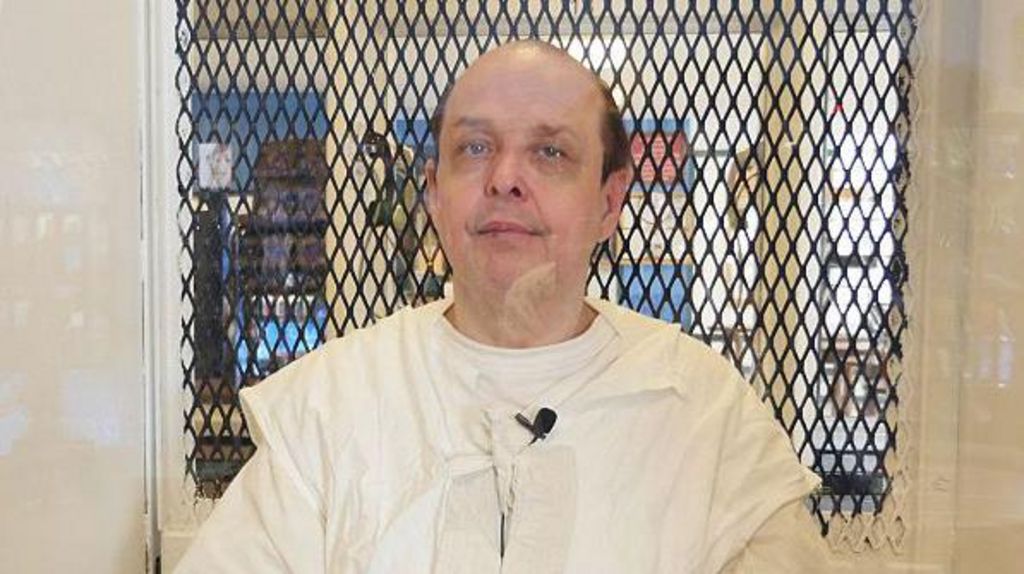
A Texas court has intervened to stop the execution of Robert Roberson, a man convicted of killing his two-year-old daughter in a case centered on shaken baby syndrome. Roberson, who has consistently argued that his daughter’s death was caused by medical complications and a prescribed medication rather than abuse, was scheduled to face execution on October 16. The Texas Court of Criminal Appeals issued an emergency stay on Thursday, invoking the state’s 2013 ‘junk science’ law, which permits courts to revisit convictions based on outdated or discredited scientific evidence. Shaken baby syndrome, a diagnosis that describes severe brain injuries from forcefully shaking a child, has faced increasing scrutiny in recent years. Roberson’s case has drawn bipartisan support for re-examination, with lawmakers and legal experts questioning the validity of the medical theories used to convict him. This is not the first time Roberson’s execution has been delayed; last October, a bipartisan group of state lawmakers intervened to pause the process. Texas Attorney General Ken Paxton, however, continues to support the execution, asserting that Roberson abused his daughter. Roberson maintains that his daughter died after falling out of bed and suffering complications from prescribed medications, which are no longer administered to children due to their risks. Brian Wharton, the lead detective in the case, has publicly expressed regret, stating that he believes Roberson is innocent. The case highlights ongoing debates about the reliability of shaken baby syndrome diagnoses and the broader implications for justice.
标签: North America
北美洲
-
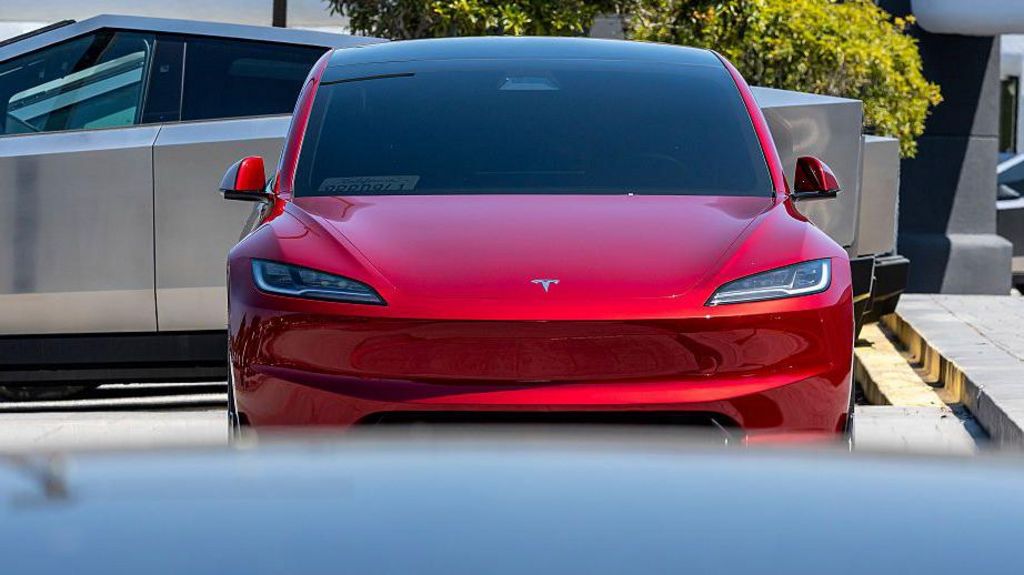
Tesla investigated over self-driving cars driving on wrong side of road
Tesla is under scrutiny by the US government following reports that its self-driving vehicles have allegedly violated traffic laws, including instances of driving on the wrong side of the road and failing to stop at red lights. The National Highway Traffic Safety Administration (NHTSA) has identified 58 such incidents in a recent filing, prompting a preliminary evaluation of Tesla’s ‘Full Self-Driving (Supervised)’ mode. This advanced feature, which requires an additional fee, allows vehicles to perform lane changes and turns autonomously, though drivers are expected to remain vigilant and ready to intervene. Approximately 2.9 million Tesla vehicles equipped with this technology are now part of the investigation. The NHTSA report highlights six crashes caused by vehicles stopping at red lights before proceeding prematurely, four of which resulted in injuries. Tesla has reportedly taken corrective measures to address recurring issues at a specific intersection in Maryland. Additionally, the agency is examining reports of vehicles entering opposite lanes during turns, with some incidents offering drivers minimal time to react. This probe adds to Tesla’s existing investigation concerning door-locking mechanisms in Model Y vehicles, where children were allegedly trapped inside, leading some owners to break windows for rescue. Amid these challenges, Tesla has introduced more affordable versions of its popular models to compete with cost-effective electric vehicles, particularly those manufactured by Chinese companies. Elon Musk, Tesla’s CEO and former ally of President Donald Trump, recently launched the America Party, aiming to challenge the dominance of the Republican and Democratic parties. For more updates on global tech developments, subscribe to the Tech Decoded newsletter.
-
PepsiCo, fresh off a strong third quarter, says new products will soon boost customer demand
PepsiCo remains optimistic about its future, banking on a wave of innovative products to reinvigorate consumer interest. The company announced on Thursday that it is launching new offerings, such as protein-infused Starbucks coffee, low-sugar Gatorade, and all-natural Doritos, to counter declining demand. This move comes as PepsiCo grapples with shifting consumer preferences, which have impacted its North American food business, leading to a 3% revenue drop in the third quarter. However, CEO Ramon Laguarta emphasized the company’s swift action to phase out underperforming products and reinvest in healthier, more natural alternatives. A new line of Doritos and Cheetos, branded as “NKD,” will feature no artificial flavors or colors, while Tostitos and Lay’s chips without artificial dyes are set to hit U.S. shelves soon. Laguarta highlighted the urgency of innovation to capture growing market segments. On the beverage front, PepsiCo has already seen success with Pepsi Zero Sugar, which experienced double-digit revenue growth, and Mountain Dew, boosted by new flavors like Summer Freeze and Dragon Fruit. North American beverage revenue rose 2% in the same quarter. Despite a 11% decline in net income to $2.6 billion, adjusted earnings of $2.29 per share exceeded analysts’ expectations. PepsiCo’s shares climbed nearly 3% in afternoon trading. The company also faces pressure from activist investor Elliott Investment Management, which holds a $4 billion stake and has urged PepsiCo to streamline its portfolio and refranchise its North American bottlers. Laguarta described discussions with Elliott as constructive, with both parties agreeing on PepsiCo’s undervaluation. He also hinted at potential refranchising and emphasized the importance of adapting to future demands, including increased online sales and warehouse efficiency. In a leadership update, PepsiCo appointed Walmart executive Steve Schmitt as its new CFO, replacing Jamie Caulfield, who will retire after over 30 years with the company.
-
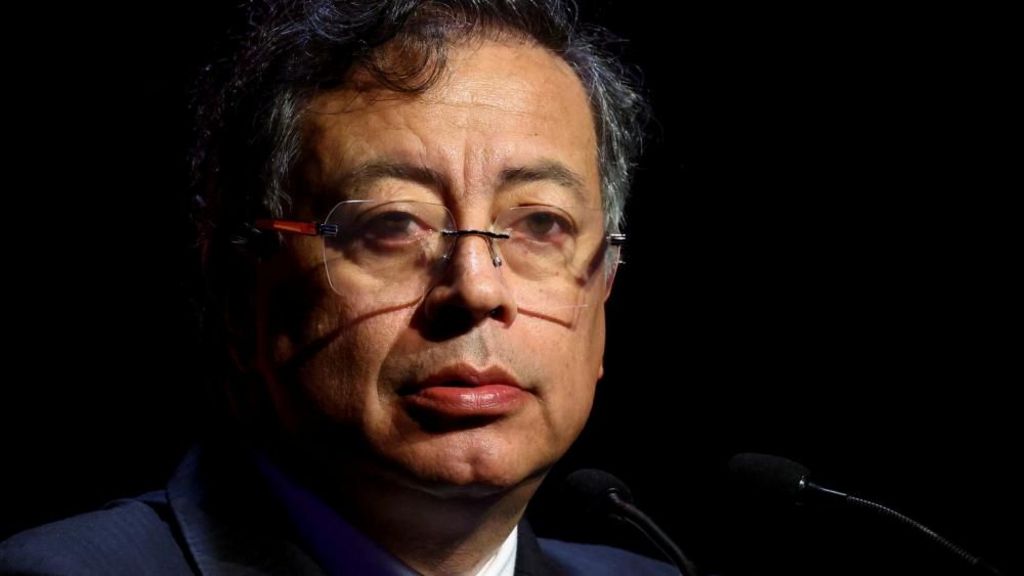
Colombia’s president says boat struck by US was carrying Colombians
Colombian President Gustavo Petro has accused the United States of bombing a vessel carrying Colombian citizens in the Caribbean, a claim the White House has dismissed as ‘baseless.’ The US has conducted at least four strikes in the region in recent weeks, resulting in 21 fatalities. The US government asserts that these operations, carried out in international waters, targeted ‘narco-traffickers.’ However, it has not provided evidence or detailed information about the individuals or cargo aboard the vessels, sparking widespread condemnation across Latin America and concerns over potential violations of international law. On Wednesday, the US Senate rejected a measure that would have required President Donald Trump to seek congressional approval before launching such strikes. The proposal, introduced by Democratic Senators Adam Schiff and Tim Kaine, was defeated in a 48-51 vote, largely along partisan lines. Petro responded to Schiff’s social media post about the measure, warning of a ‘new war scenario in the Caribbean.’ He claimed that the latest vessel bombed was Colombian and urged affected families to come forward. Petro criticized the US actions, stating, ‘There is no war against smuggling; there is a war for oil, and it must be stopped by the world. The aggression is against all of Latin America and the Caribbean.’ The White House, in a statement, denied Petro’s allegations and emphasized its commitment to cooperation with Colombia on regional security. The US has framed its strikes, which began on September 2, as part of an effort to combat drug trafficking, particularly targeting vessels off Venezuela’s coast. A leaked memo to Congress revealed that the US now considers itself in a ‘non-international armed conflict,’ a designation that could justify the use of wartime powers, including targeting ‘enemy fighters’ without immediate threats. Trump has previously labeled several cartels in Mexico, Ecuador, and Venezuela as terrorist organizations, expanding US authority to act against them.
-
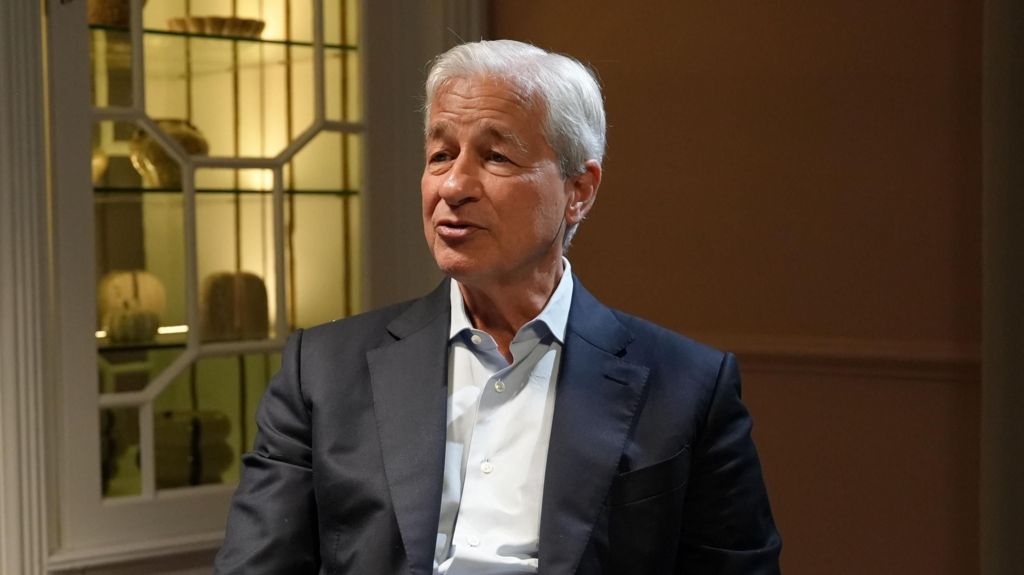
America’s top banker sounds warning on US stock market fall
Jamie Dimon, the CEO of JP Morgan, has expressed heightened concerns about a potential significant downturn in the US stock market, suggesting that the risk is greater than what is currently reflected in market valuations. In a comprehensive interview with the BBC, Dimon indicated that a serious market correction could occur within the next six months to two years. He emphasized that the current geopolitical climate, fiscal spending, and global remilitarization are contributing to an atmosphere of uncertainty, which he believes is underappreciated by most investors.
Dimon also touched on the rapid growth of the stock market, largely driven by investments in artificial intelligence (AI). He drew parallels to the dot-com boom of the late 1990s, cautioning that the valuations of AI tech companies appear stretched and could lead to a sharp correction. While he acknowledged the transformative potential of AI, he warned that not all investments in the sector would yield positive returns, with some likely resulting in losses.
In addition to his market concerns, Dimon highlighted the US’s declining reliability as a global partner, attributing some of this to the Trump administration’s actions. He noted, however, that these actions have spurred Europe to address underinvestment in NATO and improve its economic competitiveness. Dimon also shared optimism about potential progress in US-India trade negotiations, suggesting that a deal to reduce tariffs on India could be imminent.
On the domestic front, Dimon reiterated his concerns about inflation but expressed confidence in the Federal Reserve’s independence, despite ongoing criticisms from the Trump administration. He also dismissed speculation about his political ambitions, stating that his primary focus remains on maintaining JP Morgan’s health and vitality.
During his visit to Bournemouth, Dimon announced a £350 million investment in JP Morgan’s campus there, alongside a £3.5 million philanthropic commitment to local non-profits. UK Chancellor Rachel Reeves praised the investment, noting its positive impact on the local economy and employment.
Dimon’s broader reflections included a call for increased military investment to address global security risks, emphasizing the importance of preparedness in an increasingly dangerous world.
-
California bans loud ads on streaming platforms
California has introduced a groundbreaking law targeting the volume of commercials on streaming services, ensuring they are no louder than the primary video content being viewed. This legislation extends the scope of the federal Commercial Advertisement Loudness Mitigation (CALM) Act, which originally regulated ad volumes on broadcast TV and cable stations, to now include streaming platforms. Governor Gavin Newsom signed the bill into law on Monday, marking a significant step in addressing consumer complaints about excessively loud streaming ads. The law, set to take effect from July 1, 2026, mandates that streaming services comply with the same volume standards as traditional broadcasters. Critics, including major players in the entertainment industry, argued that implementing such controls on streaming platforms would be challenging due to the diverse sources of ads and lack of direct control over device volume settings. However, the bill was amended to include a provision preventing private lawsuits against streaming services for violations, leading industry groups to adopt a neutral stance. The legislation was inspired by personal anecdotes, such as that of State Senator Thomas Umberg’s legislative director, whose infant daughter was awakened by a loud streaming ad. This law aims to protect consumers from disruptive advertising practices, reflecting California’s role as a hub for streaming giants like Netflix, Hulu, and Amazon Prime Video.
-

Escaped New Orleans inmate captured after 5 months on the run
After a five-month nationwide manhunt, the last of 10 inmates who escaped from the Orleans Parish Justice Center in Louisiana has been apprehended. Derrick Groves, 28, was captured in Atlanta, Georgia, following a tense standoff with law enforcement. Authorities deployed gas canisters into a residence where Groves was believed to be hiding, eventually discovering him concealed in a crawl space. The dramatic escape in May involved the inmates tearing a toilet from a wall, breaking metal bars, and fleeing across a highway. Messages left on the wall, including ‘To Easy LoL’ and a taunting smiley face, underscored the audacity of their breakout. Orleans Parish Sheriff Susan Hutson attributed the escape to a combination of staffing shortages and structural vulnerabilities. While three inmates were captured within 24 hours, Groves remained at large until a tip led investigators to Atlanta. Groves, convicted of second-degree murder in 2024 for a deadly Mardi Gras shooting, now faces additional charges for his role in the escape. Louisiana Attorney General Liz Murrill vowed to prosecute him to the fullest extent of the law. He will be extradited to Louisiana for processing.
-
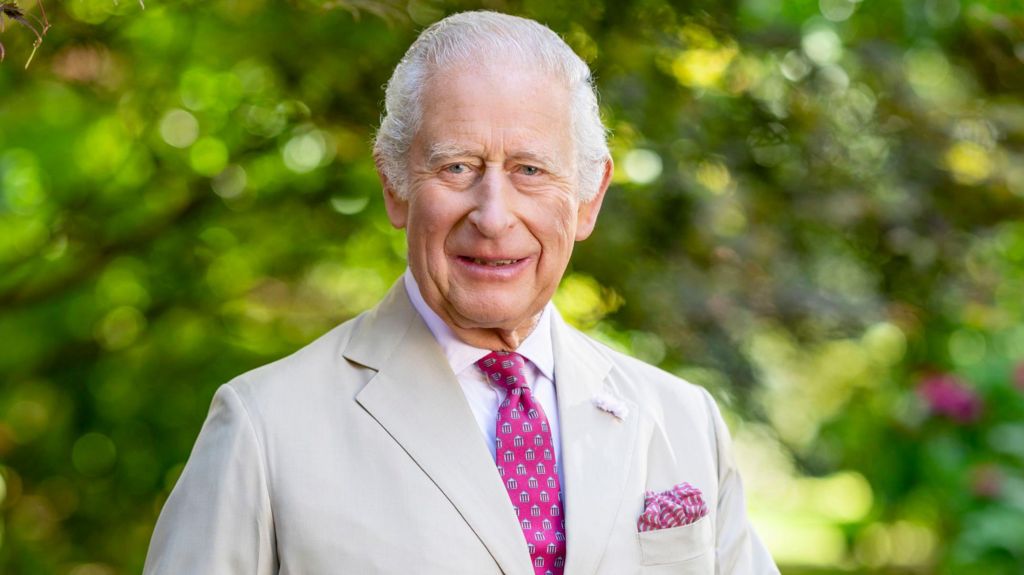
King Charles hopes nature film will ‘inspire’ viewers
King Charles III is set to share his profound environmental philosophy in an upcoming Amazon Prime Video documentary titled *Finding Harmony: A King’s Vision*. Scheduled for release early next year, the feature-length film will delve into the monarch’s lifelong commitment to sustainability and his belief in working *with* rather than *against* nature. The documentary aims to inspire global audiences to prioritize environmental protection and restore humanity’s relationship with the planet.
-
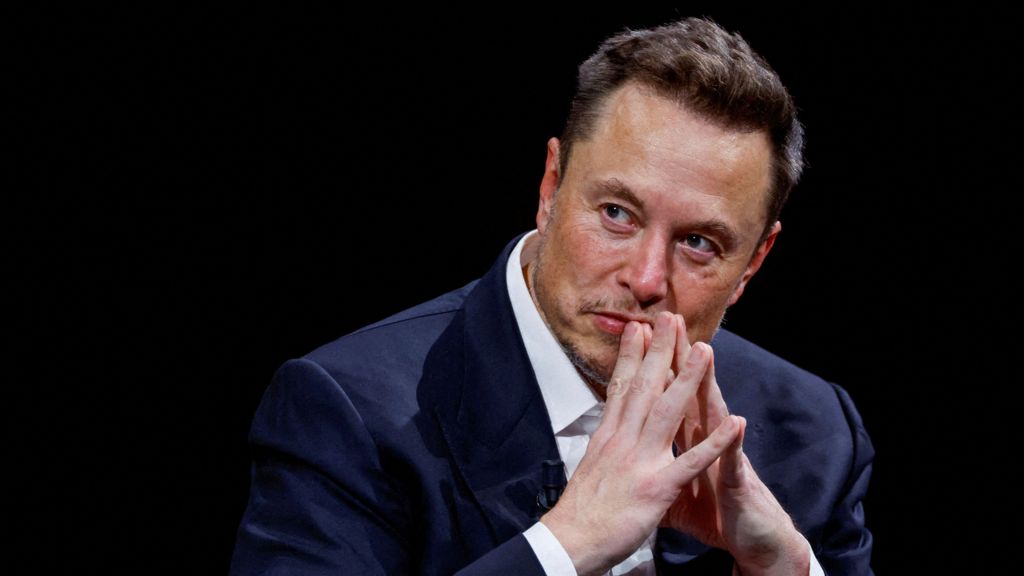
Musk settles former Twitter executives’ suit over unpaid severance
Elon Musk, the CEO of SpaceX and Tesla and owner of X (formerly Twitter), has agreed to settle a $128 million lawsuit filed by four former top executives of the social media platform. The lawsuit, initiated by ex-CEO Parag Agrawal, former CFO Ned Segal, former chief legal officer Vijaya Gadde, and former general counsel Sean Edgett, alleged that Musk fired them without cause after acquiring Twitter in 2022 and denied them severance payments. The executives claimed they were entitled to one year’s salary and stock awards under a pre-existing severance plan. The settlement, disclosed in a court filing last week, requires certain conditions to be met in the near term, though specific terms remain undisclosed. This case is one of several legal disputes Musk has faced over unpaid severance since taking over Twitter. In August, Musk and X settled a separate $500 million lawsuit with approximately 6,000 former employees who argued they were owed severance pay. Musk’s acquisition of Twitter for $44 billion in 2022 was followed by significant layoffs, reducing the workforce by more than half. The former executives also contended that Musk falsely accused them of misconduct to justify their termination, allegedly due to his frustration over being compelled to complete the purchase.
-
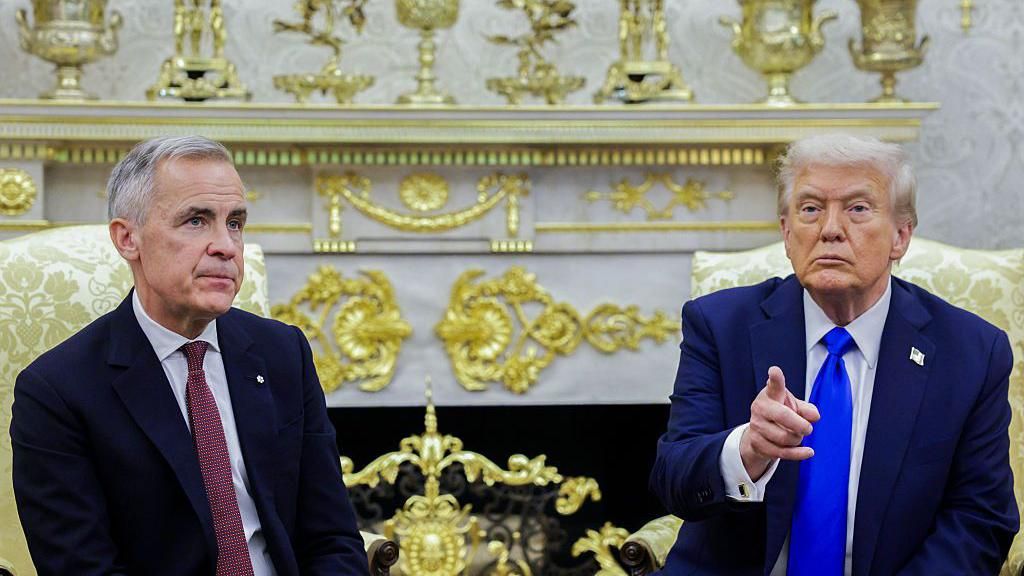
Carney and Trump discussed Keystone XL pipeline revival, source says
In a high-stakes meeting on Tuesday, Canadian Prime Minister Mark Carney and US President Donald Trump convened in Washington to address pressing trade and security issues. Among the key topics discussed was the potential revival of the Keystone XL pipeline, a contentious project that would transport oil from Alberta, Canada, to Nebraska, USA. Sources close to the discussions revealed that Carney brought up the pipeline during broader talks on US tariffs imposed on Canadian steel and aluminium, to which Trump reportedly responded positively. The Keystone XL pipeline, initially approved in 2010, has faced significant opposition, including vetoes by both the Obama and Biden administrations due to environmental concerns. Trump, however, has consistently expressed support for the project, reiterating his stance as recently as February. Despite this, TC Energy, the company behind the pipeline, has stated it has ‘moved on’ from the project after losing billions, including a C$1.5 billion investment from the Alberta government. The discussions between Carney and Trump were described as preliminary, with both leaders directing their teams to continue negotiations in the coming days. In a statement, Carney emphasized the focus on ‘key priorities in trade and defence,’ highlighting opportunities for progress in steel, aluminium, and energy trade. Alberta Premier Danielle Smith welcomed the talks, advocating for Alberta oil as a cornerstone in renegotiating the USMCA trade agreement. However, the project faces opposition from environmentalists, indigenous groups, and political leaders like British Columbia Premier David Eby and Bloc Québécois Leader Yves-François Blanchet, who criticize its environmental impact.