标签: North America

北美洲

  • Gold price likely to hit $6,000 this year, seen heading towards $10,000, analysts say

    Gold price likely to hit $6,000 this year, seen heading towards $10,000, analysts say

    Financial markets are witnessing an unprecedented rally in gold prices, with leading analysts projecting a potential ascent to the unprecedented $10,000 per ounce mark. After consolidating near $5,100 per ounce, the precious metal is poised for a significant surge as Asian trading hubs resume operations following the Chinese New Year hiatus, expected to inject renewed volatility and upward momentum.

    The current bullish trajectory is underpinned by a confluence of powerful fundamental drivers. Senior research strategist Michael Brown of Pepperstone identifies the recent market calm not as stagnation, but as a highly bullish indicator. He suggests the speculative frenzy has subsided, allowing core market fundamentals to reassert control. These fundamentals include sustained geopolitical risk premiums from ongoing Middle Eastern tensions, relentless demand from central banks diversifying their reserves, and increasing retail investor allocations into gold as a portfolio safeguard.

    Further bolstering the long-term outlook are deep-seated concerns over the unsustainable fiscal policies of developed nations. Brown emphasizes that any price dips should be viewed as strategic buying opportunities, with key support levels established at $4,850 and $4,700 per ounce. A decisive break above the recent high of $5,100 is anticipated to trigger a fresh wave of long positions.

    Zaheer Anwari, CEO of The Revacy Fund, echoes this cautiously optimistic sentiment. He confirms that gold’s status as the premier safe-haven asset is being reinforced by a broad shift away from U.S. assets and persistent central bank accumulation, which collectively act as a robust floor for prices. The prospect of U.S. monetary policy easing continues to serve as a significant tailwind.

    However, analysts caution that the rally is not without potential headwinds. A de-escalation of global conflicts, a more hawkish-than-expected Federal Reserve, or a slowdown in institutional buying could trigger short-term volatility and profit-taking. Anwari’s fund has adopted a more cautious stance, tightening risk parameters and realizing gains near the $5,000 threshold while awaiting clearer directional confirmation.

    This analysis aligns with projections from major global institutions. JPMorgan forecasts gold reaching $6,300 per ounce by the end of 2026, while AuAg Funds predicts the metal will surpass $6,000 within the year, building on its record-breaking performance earlier in 2026 that saw it cross the $5,500 milestone.
  • US says it struck vessel in the eastern Pacific, killing three men

    US says it struck vessel in the eastern Pacific, killing three men

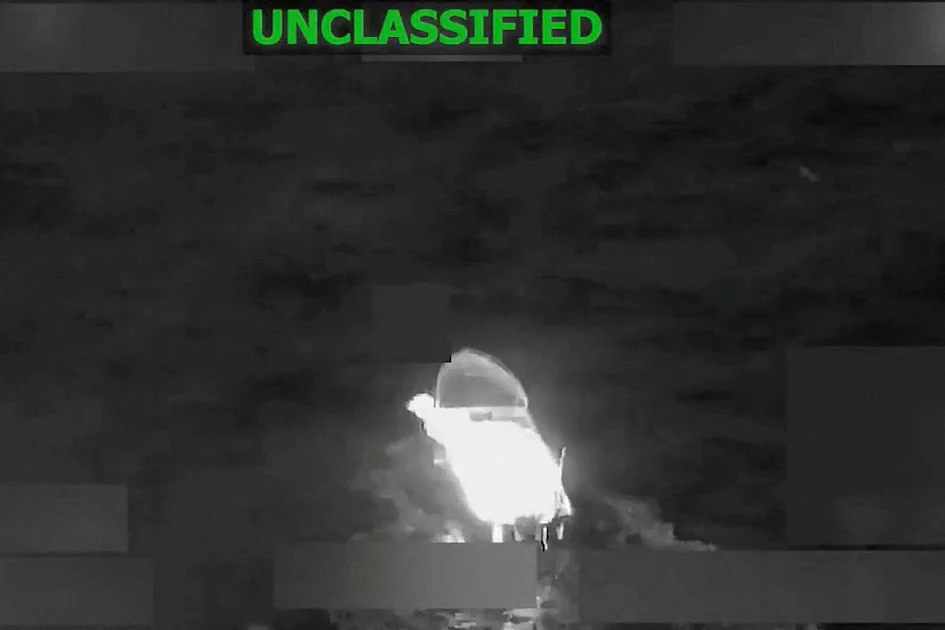
    In a targeted operation on Friday, the United States military conducted a strike on a vessel navigating the eastern Pacific Ocean, resulting in the deaths of three individuals aboard. The action represents the latest in a series of similar engagements undertaken by US forces in the region over recent months.

    The operation was officially disclosed through a post on the social media platform X (formerly Twitter), where the US military asserted that the targeted vessel was actively ‘engaged in narco-trafficking operations.’ This incident aligns with the longstanding policy and public messaging of the Trump administration, which has consistently promoted and celebrated the successes of its counter-narcotics initiatives in international waters, often highlighting the disruption of illicit drug trafficking networks.

    The information, initially reported by Reuters, notes that the news agency could not immediately independently verify the precise details surrounding the strike or the allegations against the vessel. Such military actions are complex and typically involve coordination between various US departments and are based on intelligence gathering. The eastern Pacific corridor is a known route for the transportation of narcotics, primarily cocaine, originating from South America and destined for North American markets, making it a high-priority area for US counter-drug patrols and interdiction efforts.

  • Trump pivots to new 10% global tariff, new probes after Supreme Court setback

    Trump pivots to new 10% global tariff, new probes after Supreme Court setback

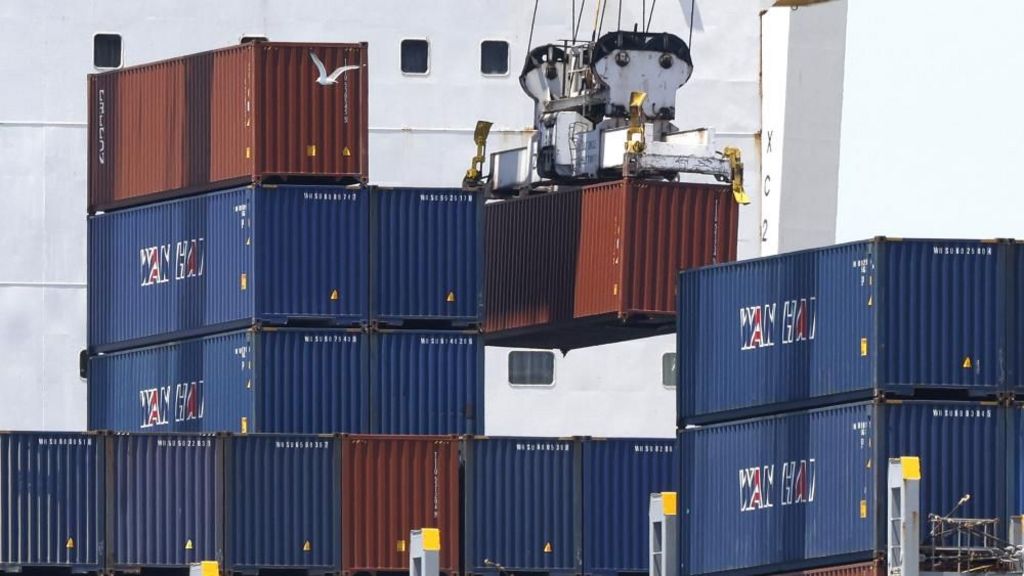
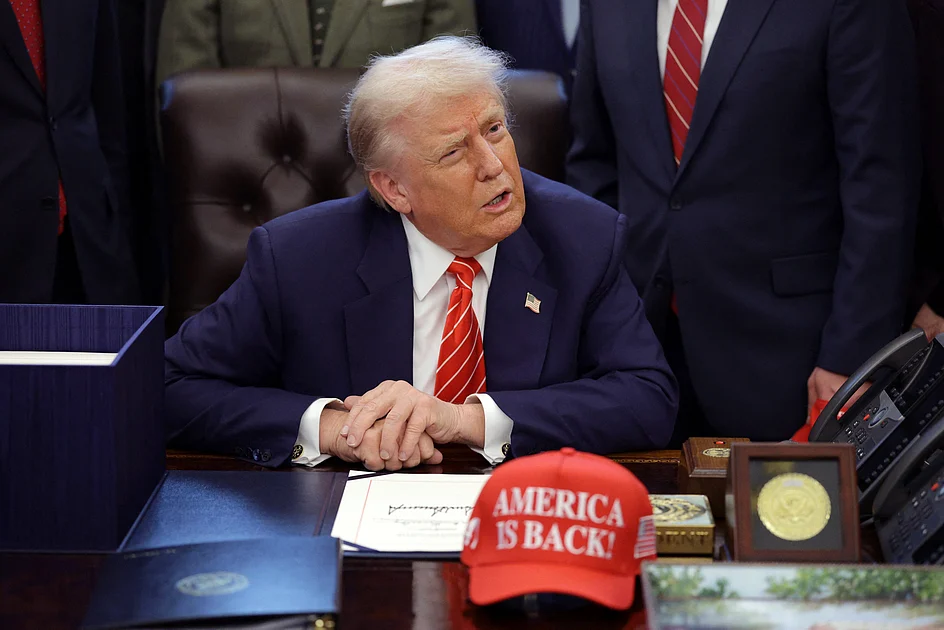
    In a swift response to a Supreme Court ruling that invalidated his previous tariff regime, President Donald Trump has enacted a new economic strategy centered on a temporary 10% global import duty. The executive action, signed late Friday, utilizes Section 122 of the Trade Act of 1974—a rarely invoked statute granting presidential authority to address balance of payments deficits.

    The temporary tariff measure will remain effective for 150 days, providing the administration breathing room to initiate multiple investigations under more conventional trade statutes. Treasury Secretary Scott Bessent confirmed the strategic shift would maintain comparable revenue levels despite the judicial setback, though through what he characterized as ‘a less direct and slightly more convoluted manner.’

    This transitional period enables the Office of the U.S. Trade Representative to launch fresh probes under Section 301 of the Trade Act targeting ‘unreasonable and discriminatory’ trade practices. While specific nations weren’t identified in the executive order, ongoing investigations concerning China and Brazil suggest continued focus on major trading partners, with Vietnam and Canada potentially facing increased scrutiny.

    The administration’s legal maneuvering leaves approximately $175 billion in previously collected tariffs subject to potential refunds, though officials indicated resolution would likely require extensive litigation lasting several years. Trade experts note that while the new approach creates prolonged uncertainty, it introduces more procedural regularity through established investigation frameworks requiring research, public commentary, and defined timelines.

    Former U.S. Trade Representative Robert Lighthizer advocated for congressional action to modernize trade tools, reflecting broader administration intentions to institutionalize more durable tariff authorities beyond temporary measures.

  • US business groups, lawmakers welcome Supreme Court ruling against Trump tariffs

    US business groups, lawmakers welcome Supreme Court ruling against Trump tariffs

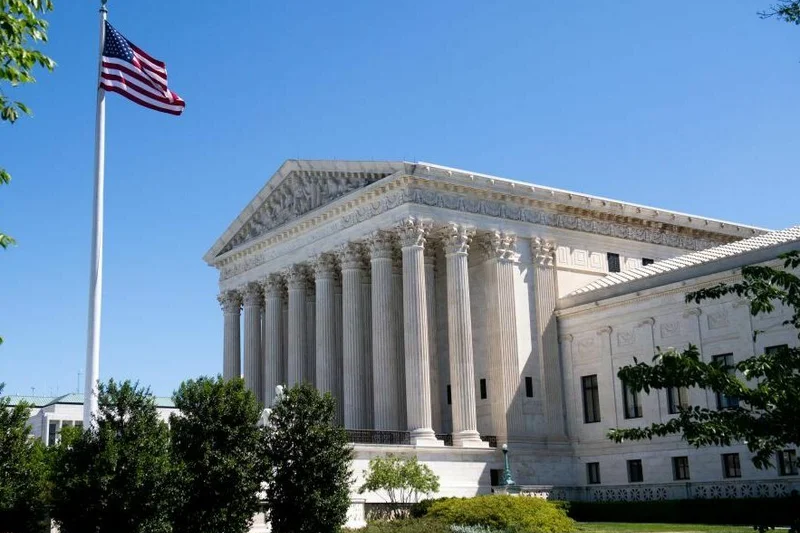
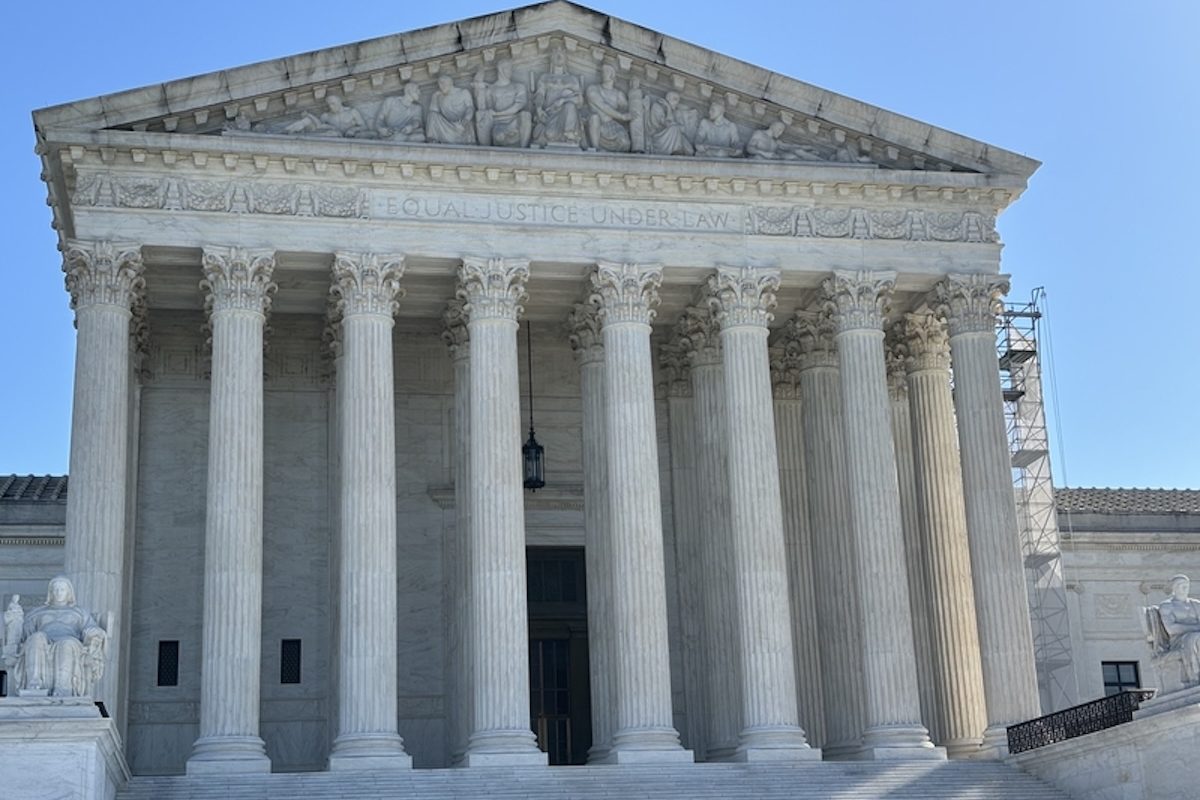
    In a landmark judicial decision with profound implications for executive power, the U.S. Supreme Court has invalidated former President Donald Trump’s utilization of emergency authorities to impose sweeping tariffs. The 6-3 ruling, delivered on Friday, represents a significant judicial check on presidential trade policy and has been met with widespread approval from business communities and legislators across the political spectrum.

    The court determined that the executive branch had significantly overstepped its constitutional boundaries by declaring national emergencies to justify tariffs against numerous trading partners. This judicial finding renders a substantial portion of tariffs enacted the previous year unlawful, potentially triggering billions in duty refunds to affected companies.

    Neil Bradley of the U.S. Chamber of Commerce characterized the decision as “welcome news for businesses and consumers alike,” highlighting how the tariffs had precipitated substantial cost escalations and severe supply chain disruptions throughout the American economy. The Chamber immediately called upon the administration to expedite reimbursement of unlawfully collected duties and undertake a comprehensive overhaul of national tariff policy to foster economic expansion and reduce household expenses.

    This sentiment was echoed by ‘We Pay the Tariffs,’ a coalition representing small business interests, which demanded “full, fast and automatic” refunds for its members who had paid billions in duties that were, according to the Court’s ruling, improperly levied.

    The decision received notable bipartisan support, with Republican Senator Mitch McConnell of Kentucky welcoming the judicial reaffirmation of congressional authority in trade matters. “The American people already understand that when Washington establishes artificial trade barriers, domestic construction and consumer purchasing become markedly more expensive,” McConnell stated.

    Foreign policy experts suggested the ruling could curtail the executive’s ability to deploy tariffs as a rapid-response geoeconomic instrument, though alternative statutory pathways for implementing tariffs through conventional trade negotiations remain available. Some industry representatives expressed lingering concerns about potential future tariff implementations through different legal mechanisms, indicating that certain policy uncertainties persist despite this decisive judicial intervention.

  • Trump signs 10 percent global tariff on all countries

    Trump signs 10 percent global tariff on all countries

    In a landmark economic policy shift, former President Donald Trump has enacted a comprehensive 10% tariff on imports from all trading partners worldwide. The sweeping measure, signed on February 21, 2026, represents one of the most extensive trade policy interventions in modern economic history, effectively applying uniform import duties across all nations without exemptions.

    The policy departure marks a significant escalation from previous targeted tariff approaches, establishing a blanket import tax that economists predict will trigger substantial adjustments in global supply chains and international trade relations. The uniform nature of the tariff structure eliminates country-specific trade preferences that have characterized international commerce for decades.

    Trade analysts anticipate immediate repercussions across multiple sectors, with consumer goods, automotive imports, and electronics expected to experience price increases. Manufacturing industries reliant on imported components face potential cost pressures, while domestic producers may benefit from reduced foreign competition.

    The implementation coincides with ongoing diplomatic engagements, as evidenced by recent high-level discussions between Chinese Foreign Ministry officials and European counterparts emphasizing cooperation. These parallel developments highlight the complex interplay between trade policy and international diplomacy in the current global landscape.

    Market observers are monitoring potential retaliatory measures from major trading partners, which could initiate a new phase of trade adjustments affecting trillions of dollars in global commerce. The policy’s long-term implications for inflation, economic growth, and international relations remain subjects of intense speculation among policymakers and economists worldwide.

  • Tumbler Ridge suspect’s ChatGPT account banned before shooting

    Tumbler Ridge suspect’s ChatGPT account banned before shooting

    In a significant revelation concerning AI platform accountability, OpenAI confirmed it had terminated a ChatGPT account belonging to Jesse Van Rootselaar approximately eight months prior to the devastating mass shooting in British Columbia. The artificial intelligence company disclosed that its internal monitoring systems identified the account in June 2025 through comprehensive abuse detection protocols designed to flag accounts potentially furthering violent activities.

    According to official statements, OpenAI opted against notifying law enforcement authorities at the time, determining that the account’s activity failed to meet the company’s threshold for credible or imminent threats of serious physical harm. Following the February 12th tragedy that claimed eight lives in rural Tumbler Ridge, OpenAI proactively reached out to Canadian police with relevant information about the suspect.

    The Wall Street Journal initially reported internal deliberations within OpenAI, revealing that approximately a dozen staff members had engaged in discussions regarding Van Rootselaar’s concerning posts. Some employees reportedly identified the suspect’s AI usage patterns as potential indicators of real-world violence and advocated for alerting authorities, though company leadership ultimately decided against taking this step.

    OpenAI maintains a policy of contacting authorities exclusively in cases presenting imminent risk, expressing concern that broader reporting could potentially cause unintended harm. The company emphasized its continuous efforts to train ChatGPT systems to discourage real-world harm when detecting dangerous situations and to refuse assistance for illegal activities.

    In the aftermath of Canada’s deadliest mass shooting in recent history, which left 27 additional individuals injured at Tumbler Ridge Secondary School, OpenAI has committed to reviewing its referral criteria with expert consultation. The suspect, who police confirmed was born male but identified as female, died from a self-inflicted gunshot wound at the crime scene. Among the victims were Van Rootselaar’s mother and step-brother, both discovered deceased at a local residence. Investigation into the motive continues as authorities work to comprehend the full circumstances surrounding the tragedy.

  • Top-tier international schools drive 35% surge in Dubai villa prices

    Top-tier international schools drive 35% surge in Dubai villa prices

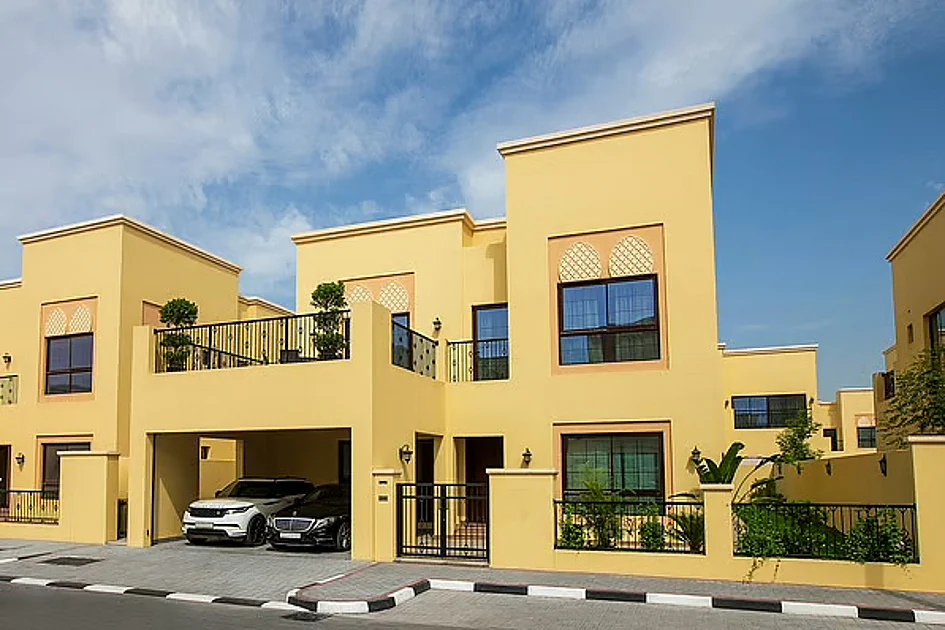
    Dubai’s residential real estate sector is experiencing a fundamental transformation as premium international schools emerge as the dominant factor driving capital appreciation in the villa market. According to comprehensive data from property advisory firm BlackBrick, established communities with superior educational access are significantly outperforming broader market trends.

    The Property Monitor Dynamic Price Index reveals that mature villa neighborhoods near top-tier international institutions are witnessing unprecedented price growth. Areas including Victory Heights, The Meadows, Jumeirah Islands, The Lakes, and The Greens have demonstrated the strongest appreciation metrics over the past twelve months, with some properties achieving remarkable 35% valuation increases.

    This trend reflects a structural shift in buyer behavior, with long-term resident families now dominating the villa segment and placing educational accessibility at the core of their property decisions. Industry analysts note that families are prioritizing convenience and lifestyle planning over short-term investment considerations, creating a more stable market foundation.

    Matthew Bate, Founder and CEO of BlackBrick, emphasized: ‘Dubai’s villa market is being driven by families planning five to ten years ahead, with education becoming a primary decision-making filter rather than a secondary consideration. School proximity is now materially influencing price performance as parents make property choices centered around the school run.’

    Victory Heights has emerged as a standout performer in this education-driven cycle, with non-renovated villas posting 25-35% annual appreciation. Even renovated properties have achieved 15-20% growth, while townhouses have seen more modest gains due to mortgage restrictions above the Dh5 million threshold.

    Arabian Ranches demonstrates similar resilience, supported by proximity to the prestigious Jumeirah English Speaking School (JESS). Despite slightly lower growth rates due to larger housing inventory, non-renovated villas have delivered solid 20-25% annual returns.

    The phenomenon mirrors established patterns in global markets like London and Singapore, where properties near elite educational institutions consistently command premium valuations. Knight Frank reports Dubai’s prime villa market maintained double-digit growth throughout 2025, driven primarily by end-user demand from expatriate families seeking long-term residency.

    Faisal Durrani, Partner and Head of Middle East Research at Knight Frank, observed: ‘The shift toward end-user driven buying is making the market more stable and sustainable. Communities offering lifestyle infrastructure including schools, parks, and retail are experiencing the strongest and most resilient price growth.’

    CBRE data corroborates this narrative, indicating Dubai’s average villa prices surged over 20% in 2025, substantially outpacing apartment growth. Taimur Khan, Head of Research for Middle East and Africa at CBRE, noted: ‘Villa communities with strong schooling options and established infrastructure continue to outperform, supported by limited supply and a growing base of long-term residents.’

    The education-driven dynamic is reinforcing market stability, with buyers committing to extended ownership horizons of five to ten years. This transition from speculative investment to genuine occupier demand reduces volatility and supports sustained capital appreciation, positioning Dubai’s established villa communities for continued price momentum through 2026 and beyond.

  • Ahmed bin Saeed launches Al Jalila Foundation’s ‘The Cancer Fund’

    Ahmed bin Saeed launches Al Jalila Foundation’s ‘The Cancer Fund’

    In a significant development for healthcare philanthropy, Sheikh Ahmed bin Saeed Al Maktoum, Chairman of the Dubai Health Board of Directors, has officially launched ‘The Cancer Fund’ under the Al Jalila Foundation. The ceremony, held at Dubai Hospital, was attended by Sheikh Mansoor bin Mohammed bin Rashid Al Maktoum, Vice Chairman of the Dubai Health Board of Directors, alongside senior officials and dignitaries.

    The newly established fund represents a strategic initiative designed to provide crucial financial assistance for cancer treatment throughout patients’ recovery journeys. By mitigating the substantial economic pressures associated with cancer care, the fund ensures continuous treatment access regardless of patients’ financial circumstances.

    Concurrently, Sheikh Ahmed unveiled ‘The Giving Wall’ at Dubai Hospital, a permanent installation recognizing the generosity of donors who have supported the hospital’s treatment programs. This visual tribute highlights the community’s collective commitment to healthcare advancement.

    During the launch event, Sheikh Ahmed emphasized the UAE’s deeply ingrained cultural values of generosity and compassion, noting that current leadership continues to build upon this legacy by prioritizing citizen health and wellbeing. He praised the collaborative efforts of individuals and institutions whose contributions strengthen community philanthropic initiatives.

    Dr. Raja Easa Al Gurg, Member of Dubai Health Board of Directors and Chairperson of Al Jalila Foundation, described the fund as “a strategic step towards building a sustainable support system for patients” that represents “a forward-looking model of collaboration” between community and institutional giving. She emphasized the role of sustainable philanthropy in creating a more cohesive society.

    Dr. Amer Al Zarooni revealed that the foundation’s Ramadan 2026 campaign will be dedicated to The Cancer Fund, building upon previous success that saw AED43 million in contributions through the ‘A’awen’ program, which provided care to 650 cancer patients over the past year. The foundation now encourages individuals and organizations to support this vital initiative through various donation channels.

  • Trump vows new tariffs, attacks Supreme Court justices for ruling

    Trump vows new tariffs, attacks Supreme Court justices for ruling

    WASHINGTON — In a striking defiance of judicial authority, former President Donald Trump announced his intention to preserve existing tariff structures through alternative legal mechanisms after the Supreme Court declared his previous use of presidential powers unconstitutional.

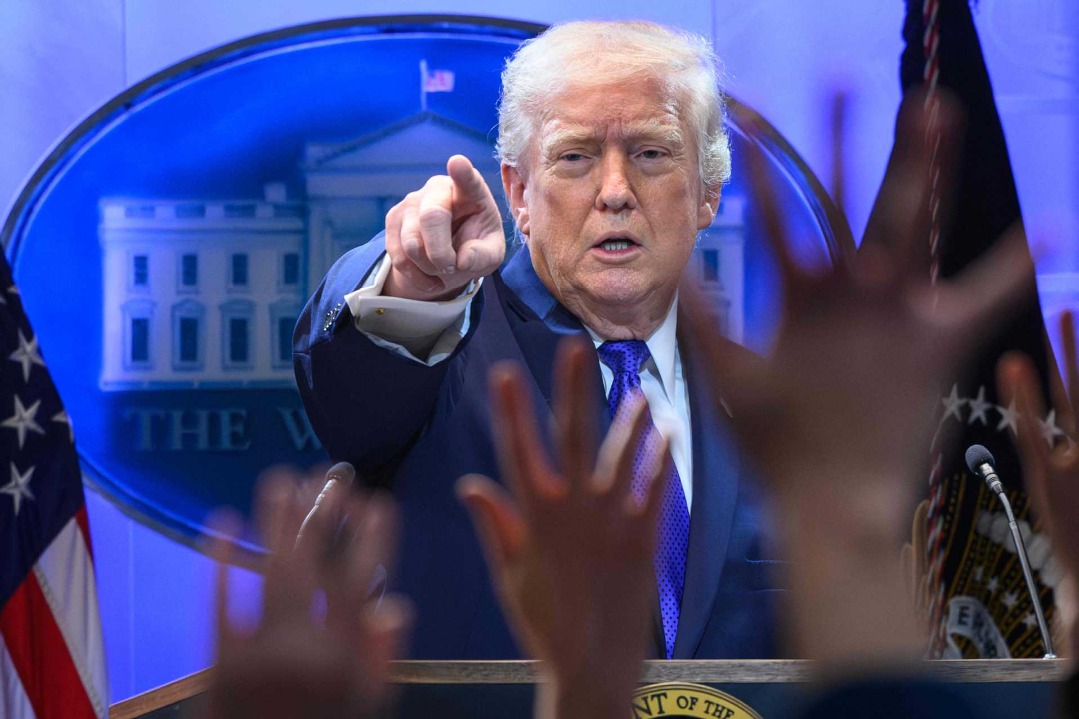
    The landmark 6-3 ruling determined that Trump had overstepped his authority under the International Economic Emergency Powers Act (IEEPA) when implementing tariffs. During an impassioned press conference at the White House briefing room, Trump delivered scathing criticism toward the six justices who formed the majority opinion, expressing profound disappointment in their decision.

    “The Supreme Court’s ruling on tariffs is deeply disappointing, and I’m ashamed of certain members of the Court—absolutely ashamed—for lacking the courage to do what’s right for our nation,” Trump stated. His condemnation extended specifically to Chief Justice John Roberts and Justices Amy Coney Barrett, Neil Gorsuch, Ketanji Brown Jackson, Elena Kagan, and Sonia Sotomayor, whom he described as “a disgrace to our nation” and “unpatriotic and disloyal to our Constitution.”

    Despite the judicial setback, Trump revealed plans to implement identical tariff measures under Section 122 authorities, asserting that alternative statutory frameworks provide even stronger presidential powers than IEEPA. He announced intentions to sign an executive order imposing a 10% global tariff overlay atop existing tariff structures.

    When questioned about restitution for billions collected under the invalidated tariffs, Trump indicated no immediate plans for reimbursement, noting that the Court’s opinion omitted specific guidance on redress. The matter would likely require extended litigation, potentially spanning years.

    The former president dismissed any necessity for congressional authorization, maintaining that existing statutes provide sufficient authority for tariff implementation. This development occurs amidst preparations for Trump’s upcoming address to a joint session of Congress, where several Supreme Court justices traditionally attend. Trump expressed indifference toward their potential attendance, suggesting they were “barely” still invited despite having no constitutional authority to exclude legislative branch guests.

  • How will Trump’s new 10% global tariffs work and what’s next?

    How will Trump’s new 10% global tariffs work and what’s next?

    In a landmark constitutional decision, the U.S. Supreme Court has delivered a significant check on presidential authority, ruling 6-3 that former President Donald Trump exceeded his executive powers when implementing sweeping global tariffs. The February 20th ruling specifically addressed tariffs enacted under the International Emergency Economic Powers Act (IEEPA) of 1977, which Trump had invoked citing national emergencies including fentanyl trafficking and the U.S. trade deficit.

    The court’s majority opinion emphasized that Congress alone holds the power to create new taxes, determining that IEEPA authorization for trade regulation did not extend to revenue-raising measures. This decision potentially opens the door to refund claims totaling approximately $130 billion collected through these tariffs, though the high court provided no specific guidance on reimbursement procedures, likely setting the stage for extended legal battles.

    Within hours of the ruling, President Trump issued a proclamation utilizing Section 122 of the 1974 Trade Act—a previously unused provision—to implement a new 10% temporary tariff on imports from nearly all trading partners. This emergency measure can remain in effect for 150 days before requiring congressional approval, creating a temporary solution while the administration explores permanent alternatives.

    The White House indicated that even countries with existing trade agreements (including the UK, EU, and India) would be subject to the new blanket tariff rather than their negotiated rates. Certain exemptions apply for critical materials including pharmaceuticals, electronics, vehicles, aerospace products, and agricultural commodities deemed essential to the U.S. economy.

    Treasury Secretary Scott Bessent projected that combining Section 122 tariffs with enhanced duties under Section 232 (national security) and Section 301 (unfair trade practices) authorities would essentially offset revenue losses from the overturned IEEPA tariffs. The administration continues to investigate additional legal avenues for maintaining its protectionist trade agenda.

    The ruling represents a substantial judicial constraint on Trump’s economic nationalism agenda, though numerous industry-specific tariffs implemented under other statutes remain unaffected. Business communities expressed cautious optimism while acknowledging potential complications from the new temporary tariffs and uncertain refund processes that may disadvantage smaller enterprises lacking legal resources.