标签: North America

北美洲

  • Trump’s war on Iran: Shifting stories and unanswered questions

    Trump’s war on Iran: Shifting stories and unanswered questions

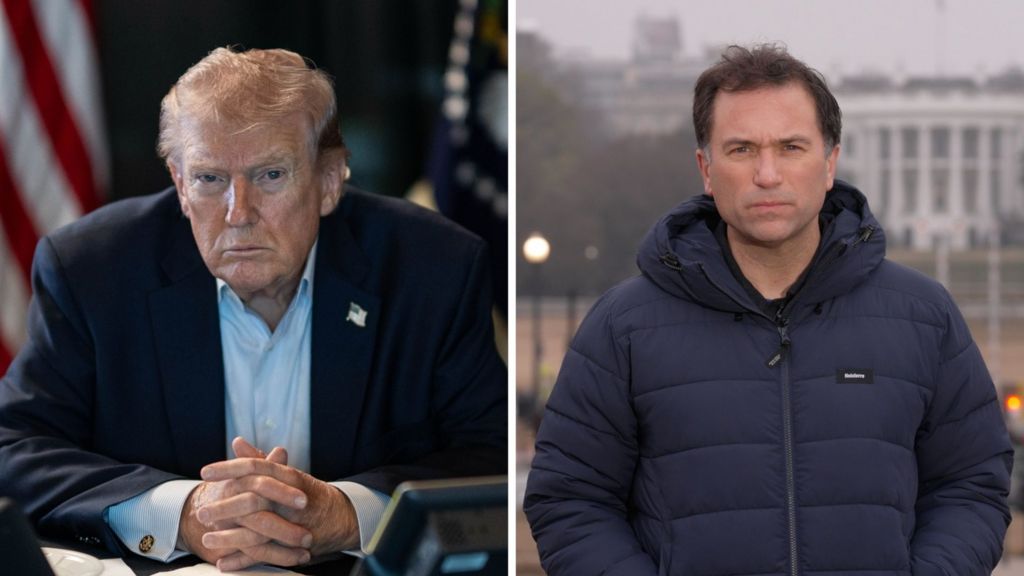
    The Trump administration’s conflicting communications regarding military engagements with Iran have drawn intense scrutiny from analysts examining the precision of governmental messaging during international crises. BBC Analysis editor Ros Atkins has dissected the divergent statements emerging from various officials within the administration, creating a mosaic of contradictory narratives that has complicated the understanding of U.S. actions and intentions toward Iran.

    This examination reveals a pattern of shifting justifications and evolving explanations that have left both allies and adversaries struggling to interpret American foreign policy objectives. The administration’s initial characterization of operations as ‘imminent threat’ responses subsequently faced modifications and qualifications from different government spokespersons, creating confusion about the factual basis for military decisions.

    This phenomenon represents a case study in how modern governments communicate during tense geopolitical situations, where traditional diplomatic clarity appears to have been supplanted by competing narratives from different power centers within the same administration. The resulting information vacuum has been filled with speculation and uncertainty about the true nature of events and the strategic thinking behind American actions in the volatile Middle East region.

    The analysis further explores how such mixed messaging affects international relations, alliance structures, and global perceptions of American leadership, raising fundamental questions about accountability and transparency in governmental communications during times of potential conflict.

  • West Coast ports brace for uncertainty after US tariff ruling

    West Coast ports brace for uncertainty after US tariff ruling

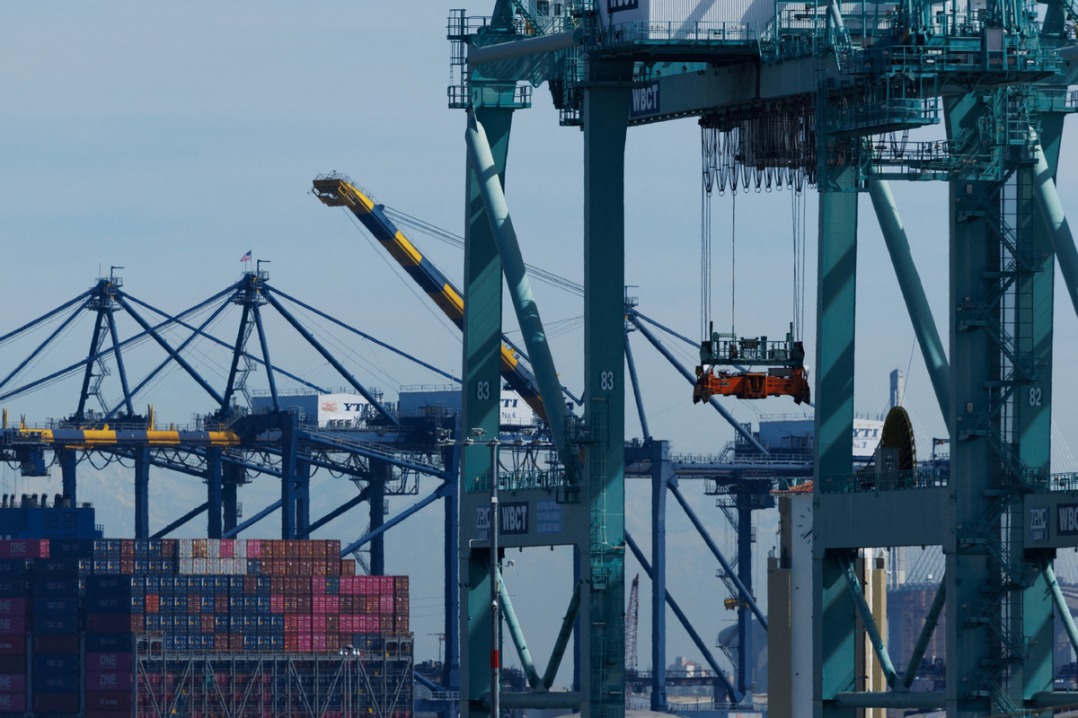
    The critical Southern California port complex, America’s primary gateway for trans-Pacific commerce, faces renewed supply chain instability following a landmark Supreme Court decision on tariff authority. The 6-3 ruling determined that the previous administration overstepped its legal powers by imposing extensive tariffs under emergency provisions not intended for such trade measures.

    Port executives at both Los Angeles and Long Beach—which collectively process nearly one-third of US containerized imports—report immediate operational uncertainties despite potential long-term benefits from the judicial intervention. The decision affects approximately two-thirds of tariffs collected under the International Emergency Economic Powers Act, totaling roughly $130 billion in duties already paid by importers.

    Chief Executive Noel Hacegaba of the Port of Long Beach acknowledged the paradoxical situation: ‘I hope the ruling brings greater certainty to the supply chain. For now, the only certainty is more uncertainty.’ His port handled 9.9 million twenty-foot equivalent units (TEUs) last year and anticipates moving at least 9 million containers in 2026, though these projections now require recalibration.

    Gene Seroka, Executive Director of the Port of Los Angeles, highlighted the supply chain’s hypersensitivity to policy changes: ‘Each time there’s a policy statement or adjustment out of Washington, we see immediate stops and starts across the supply chain.’ The nation’s largest container port recorded 10.2 million TEUs last year but began 2026 with a 13 percent year-over-year import decline in January.

    The ruling creates two immediate challenges: unclear refund procedures for previously paid duties and the administration’s announcement of a new 10 percent global tariff without implementation details. Importers of Chinese-connected goods—from electronics components to furniture, toys, and apparel—must now make rapid decisions about shipment timing to potentially avoid tariffs before new measures take effect.

    This development compounds existing trade weaknesses, particularly in exports. The Port of Los Angeles moved only 104,000 export TEUs in January—an 8 percent annual decrease representing its lowest export volume in nearly three years. US containerized exports to China plummeted 26 percent last year, with soybean shipments declining 80 percent at Los Angeles and 90 percent nationwide as Chinese buyers shifted to South American suppliers.

    Despite these challenges, Seroka emphasized China’s enduring importance: ‘China still represents approximately 40 percent of our business, more than two and a half times our next largest trading partner. There is no faster way to get cargo from China to the US than through LA.’ The port executive reaffirmed commitment to longstanding trade partnerships that have defined West Coast maritime operations for decades.

  • Runners to be given prize money after being led off course

    Runners to be given prize money after being led off course

    Three elite athletes who were mistakenly directed off course while leading the US Half Marathon Championships in Atlanta will receive financial compensation following a dramatic navigational error that cost them podium positions. Event organizers confirmed Tuesday that police officers assigned to route marking had to abruptly respond to an emergency call, creating confusion that ultimately altered the race outcome.

    Jess McClain, who had established a commanding lead in the women’s race, along with her closest competitors Ednah Kurgat and Emma Hurley, were incorrectly redirected by the lead vehicle during the critical final stages. The navigational deviation occurred when race-assigned police personnel responded to an ‘officer down’ emergency call. Replacement officers, unfamiliar with the course’s unusual route that included a footbridge not normally accessible to vehicles, inadvertently created confusion for the lead vehicle driver.

    The Atlanta Track Club announced it will award first-place prize money to McClain, while Hurley and Kurgat will split the combined winnings for second and third place. Race organizers stated the compensation decision reflects their commitment to competitive integrity, acknowledging the athletes’ performances warranted top-three recognition despite their official finishing positions of ninth, twelfth, and thirteenth respectively.

    The race ultimately concluded with Molly Born claiming victory after trailing the leaders by more than a minute prior to the incident. USA Track & Field (USATF) had previously denied a formal appeal despite acknowledging inadequate course markings. The championship served as a qualifier for the World Road Running Championships in September, with USATF confirming selection remains open following the unprecedented circumstances.

  • Key takeaways from Texas primaries, as Talarico beats Crockett in Democratic race

    Key takeaways from Texas primaries, as Talarico beats Crockett in Democratic race

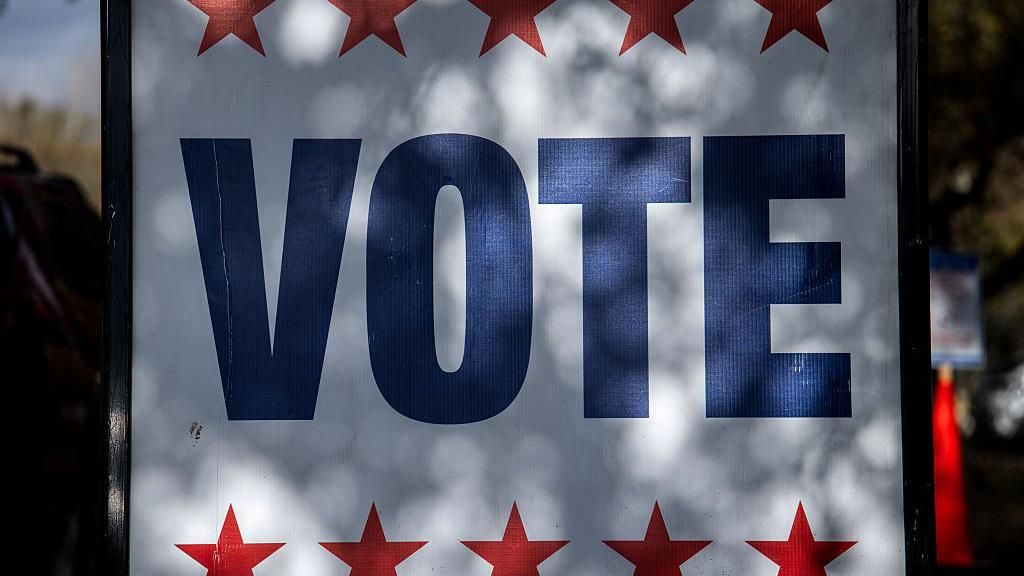
    The American political landscape witnessed its first major electoral test as Texas held primary elections that will shape the battle for control of Congress during the latter half of Donald Trump’s presidency. Tuesday’s voting established the contenders for November’s general election while revealing significant ideological shifts within both major parties.

    In the Democratic primary for U.S. Senate, State Representative James Talarico emerged victorious over Congresswoman Jasmine Crockett after a campaign that highlighted contrasting political styles. Talarico, who holds a Master of Divinity degree, promoted a message of bipartisan reconciliation and reclaiming religious values from conservative evangelicals. His approach resonated with suburban white liberals and Hispanic communities in regions like San Antonio and the Rio Grande Valley.

    Meanwhile, the Republican primary descended into a dramatic stalemate between establishment favorite Senator John Cornyn and insurgent challenger Ken Paxton. Despite Cornyn’s substantial financial advantage—outspending Paxton by over $70 million—the race concluded without either candidate securing the required 50% threshold. This forces a runoff election on May 26th that will test Trump’s enduring influence over the Republican base.

    The election process itself faced significant challenges as new Republican-backed voting restrictions in Dallas County created widespread confusion. The county’s election website crashed amid heavy traffic as voters struggled to identify their designated polling locations. Subsequent legal battles resulted in conflicting court orders regarding extended voting hours, prompting allegations of voter disenfranchisement from Democratic candidates.

    Despite thirty-two years of Democratic losses in statewide Texas elections, early voting numbers suggest unusually high engagement from Democratic voters. More than 400,000 Texans participated in their first Democratic primary, potentially signaling shifting political dynamics in the traditionally red state. Voters consistently cited economic concerns—including rising grocery bills, gas prices, and childcare costs—as their primary motivation rather than international events like recent military strikes against Iran.

    The Texas primaries have established the framework for a grueling three-month runoff campaign that will test the resilience of establishment politics against insurgent movements within both parties.

  • Carney says he supports Iran strikes ‘with regret’

    Carney says he supports Iran strikes ‘with regret’

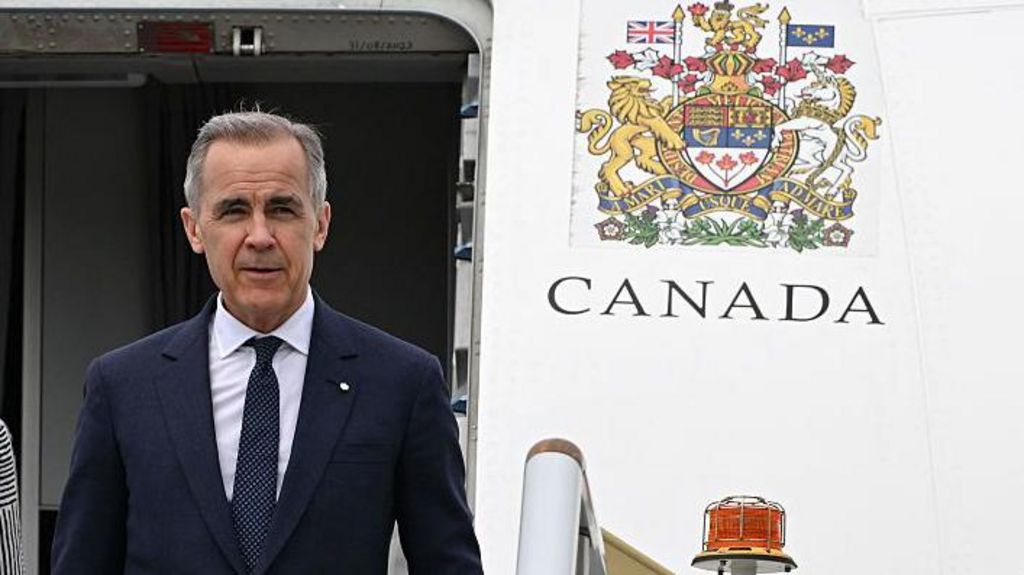
    Canadian Prime Minister Mark Carney has issued a complex diplomatic stance regarding the escalating Middle Eastern conflict during his Indo-Pacific tour, calling for rapid de-escalation while maintaining support for military actions against Iran—a position he characterized as being held “with regret.”

    Speaking to journalists in Sydney on Tuesday, Carney articulated Canada’s longstanding position regarding Iran’s nuclear program, describing it as “a grave global threat” that necessitates neutralization. The Prime Minister notably criticized the methodology of the strikes initiated by the United States and Israel, highlighting their failure to consult with the United Nations or key allies, including Canada, before launching operations over the weekend.

    “We take this position with regret because the current conflict represents another failure of the international order,” Carney stated, emphasizing the tragic nature of the escalating violence. He characterized Iran’s regime as “the biggest exporter of terror in the world” and referenced its nuclear ambitions as particularly concerning, noting that “nobody has a civil nuclear programme that’s buried a mile beneath the desert.”

    The Prime Minister’s press conference also addressed Canada’s delicate diplomatic re-engagement with India, following significant tensions that arose after former Prime Minister Justin Trudeau publicly accused Delhi of involvement in the 2023 assassination of Sikh separatist Hardeep Singh Nijjar. Carney described his recent discussions with Indian Prime Minister Narendra Modi as “frank” and indicated that high-level security dialogues had been reestablished.

    Despite Canadian officials previously suggesting that Indian-linked threats on Canadian soil had ceased, some Canadian Sikh communities continue to express concerns about ongoing risks—claims that India consistently denies. The diplomatic thaw has yielded concrete results, with both nations announcing a landmark nuclear energy agreement alongside partnerships in critical minerals, space, defense, and education sectors.

  • US citizens in the Middle East face ‘mayhem’ trying to get home

    US citizens in the Middle East face ‘mayhem’ trying to get home

    American travelers across the Middle East are facing unprecedented chaos and logistical nightmares as escalating military tensions between the US-Israel alliance and Iran disrupt regional stability. The US State Department has issued urgent advisories for citizens in 14 countries—including Saudi Arabia, UAE, Israel, Qatar, and several neighboring nations—to evacuate immediately via commercial transportation. However, numerous travelers report being effectively stranded due to canceled flights, closed airspace, and insufficient governmental guidance.

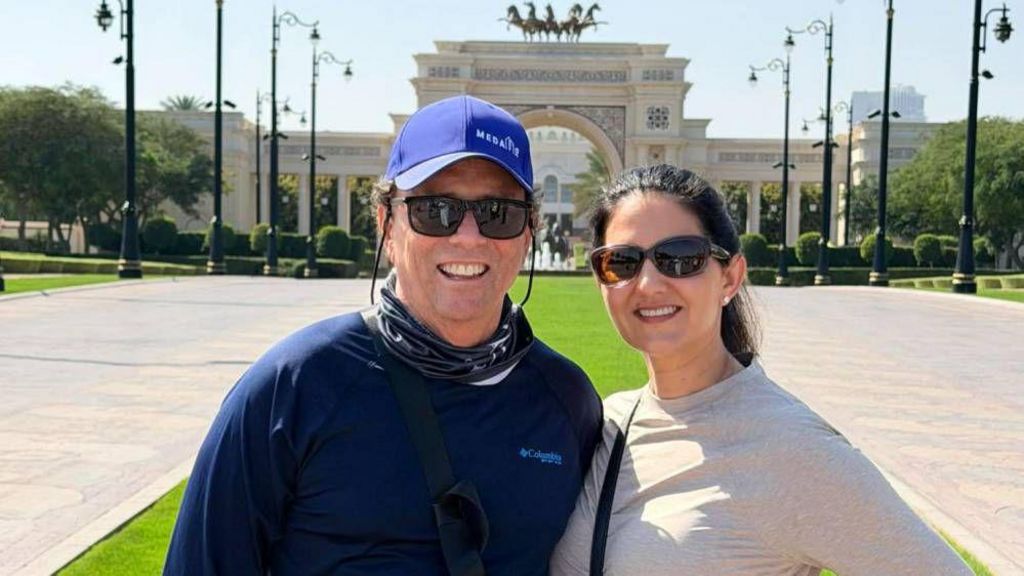
    In Dubai, Florida residents Krista Hickman and her husband experienced their vacation devolving into what she described as ‘absolute mayhem.’ After multiple unsuccessful attempts to secure assistance through official channels, the couple resorted to paying $1,000 for a private driver to transport them across the border into Oman. Their experience mirrors that of former Army Major General Randy Manner, who remains trapped at Dubai International Airport amidst operational chaos and uncertain flight availability.

    The State Department acknowledges contact with approximately 3,000 Americans currently seeking evacuation, though spokesperson Dylan Johnson confirmed that nearly 9,000 citizens have successfully returned from the region in recent days. Charter flights are being organized for evacuation from UAE, Saudi Arabia, and Jordan, with President Trump encouraging citizens to register online for government-assisted repatriation efforts.

    The human impact extends beyond tourism. Texas resident Harsheet Kummaraguntla revealed his mother became trapped during a layover in Doha when her flight to Dallas abruptly returned to Qatar following airspace closures. Meanwhile, consultant Greg Arnold described the financial strain of securing last-minute flights from Riyadh for his visiting parents, with ticket prices escalating by hundreds of dollars during payment processing.

    Canada has similarly advised against travel to the region, with Foreign Minister Anita Anand seeking Omani airspace access for potential evacuations of its 85,000 registered citizens. The situation remains particularly dire in Lebanon, where NGO worker Nathan Devereaux faces agonizing decisions about evacuating from Beirut amid cross-border strikes between Israel and Hezbollah forces.

    With an estimated 500,000 to one million US nationals residing throughout the Middle East, the evacuation effort represents one of the largest peacetime repatriation challenges in recent history, testing both government response capabilities and the resilience of citizens caught in geopolitical crossfire.

  • US commerce secretary to testify before Congress about Epstein ties

    US commerce secretary to testify before Congress about Epstein ties

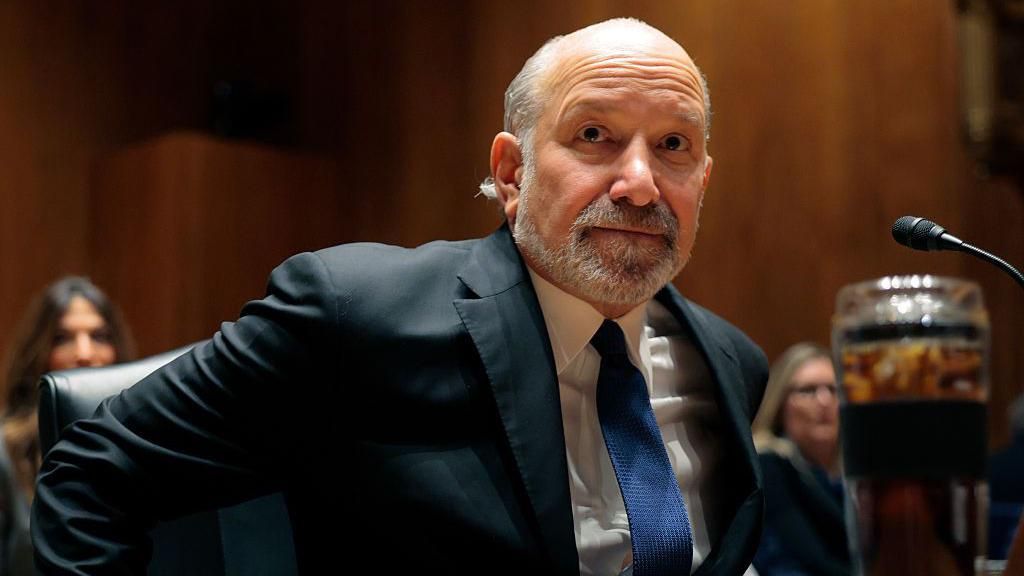
    U.S. Commerce Secretary Howard Lutnick will provide voluntary testimony before the House Oversight Committee as part of its ongoing investigation into connections with convicted sex offender Jeffrey Epstein. Committee Chairman James Comer (R-KY) announced on Tuesday that Lutnick had “proactively agreed to appear voluntarily” for a transcribed interview.

    The development follows recent depositions from former President Bill Clinton and former Secretary of State Hillary Clinton, who both testified about their associations with Epstein. While Lutnick has acknowledged visiting Epstein’s private Caribbean island in 2012—years after Epstein’s conviction for sex crimes—the commerce secretary has not been accused of any wrongdoing by Epstein’s victims.

    Justice Department documents released earlier this month confirm Lutnick’s December 23, 2012 visit to Little St. James Island. Correspondence shows Lutnick’s wife, Allison, emailed Epstein’s assistant on the eve of their visit: “We are looking forward to visiting you” and “We would love to join you for lunch.”

    Lutnick previously testified to Congress that he severed ties with Epstein in 2005 after the financier—then his New York neighbor—used sexual innuendo to explain why he kept a massage table in a room of his home. The commerce secretary, recognized as the architect of Trump’s global tariffs policy, maintains this position despite the documented 2012 visit.

    No specific date has been announced for Lutnick’s testimony. Chairman Comer commended Lutnick’s “demonstrated commitment to transparency” and expressed appreciation for his willingness to cooperate with the committee’s investigation.

  • Trump says US Navy will protect ships in Middle East ‘if necessary’

    Trump says US Navy will protect ships in Middle East ‘if necessary’

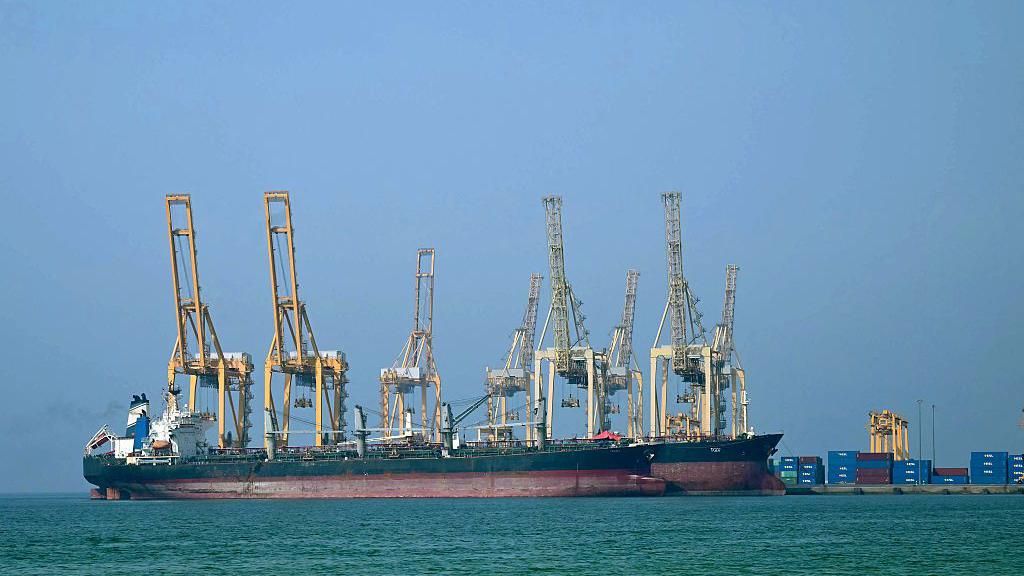
    In response to escalating tensions in the Middle East, U.S. President Donald Trump has announced a dual strategy of military protection and financial guarantees to secure vital energy shipments through the Strait of Hormuz. The strategic waterway, which handles approximately 20% of global oil and gas transit, has become a flashpoint following Iranian threats to target commercial vessels.

    President Trump declared via social media that the U.S. Navy stands ready to provide military escorts ‘if necessary’ to ensure the uninterrupted flow of energy resources. Simultaneously, he directed the United States Development Finance Corporation to offer political risk insurance to shipping companies at ‘very reasonable prices’ for all maritime trade, particularly energy transportation, in the Gulf region.

    This announcement comes as Lloyd’s List Intelligence reports approximately 200 crude oil and product tankers are currently stranded in the Gulf area. Insurance providers have significantly increased premiums following incidents of Iranian forces firing upon several vessels and explicit threats from Iranian officials to ‘set fire’ to any ship attempting passage through the strait.

    While global oil prices momentarily retreated after Trump’s statement, industry experts remain skeptical about the effectiveness of these measures. Richard Meade, Editor-in-Chief of Lloyd’s List, noted that previous military interventions failed to fully reassure shipping companies during Houthi attacks in the Red Sea, with many opting for longer, costlier alternative routes despite protection offers.

    Analysts warn that prolonged disruption could drive crude prices above $100 per barrel, significantly impacting consumer fuel costs worldwide. Even the United States, which has historically been somewhat insulated from global price fluctuations due to substantial domestic production, would face considerable economic pressure.

    Defending the ongoing conflict with Iran, Trump acknowledged potential short-term price increases but predicted a dramatic price decline once tensions resolve: ‘As soon as this ends, those prices are going to drop, I believe lower than even before.’

  • Jurassic Park palaeontologist parts ways with university after Epstein emails

    Jurassic Park palaeontologist parts ways with university after Epstein emails

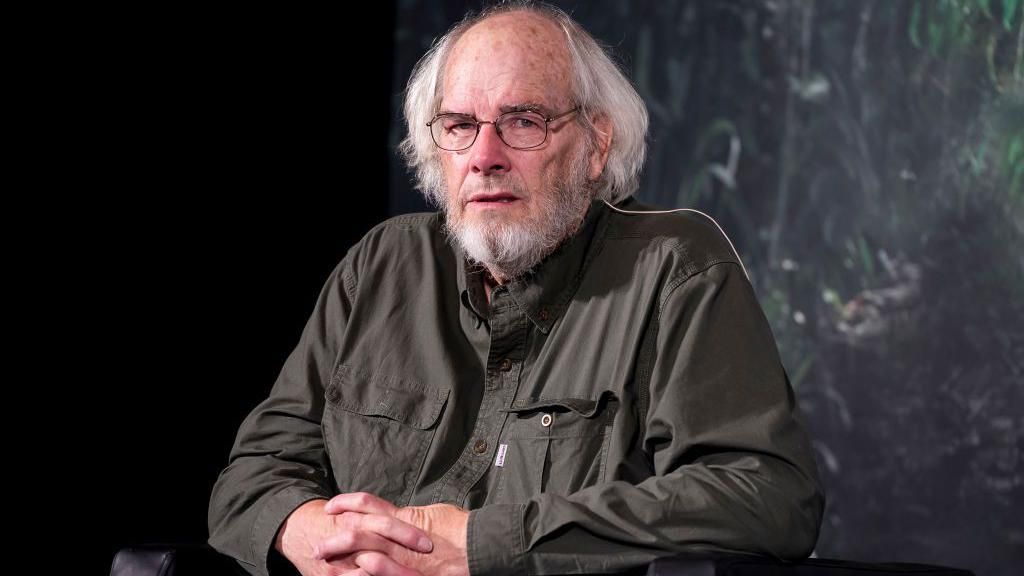
    Dr. Jack Horner, the celebrated paleontologist who served as technical advisor for the Jurassic Park film franchise and inspired the character Alan Grant, has parted ways with Chapman University following the release of emails documenting his connections with convicted sex offender Jeffrey Epstein.

    The disclosure, originating from the latest batch of Epstein-related documents released by the US Justice Department, reveals correspondence from 2012 showing Horner’s visit to Epstein’s New Mexico ranch and his subsequent pursuit of research funding from the financier. At the time of these exchanges, Horner held a lecturer position at Montana State University.

    In a detailed public statement, Horner expressed regret for not conducting deeper background checks on Epstein, acknowledging this as ‘a lesson learned.’ He maintained that during his brief interactions, he observed nothing ‘weird or suspicious’ that would have indicated the criminal conduct that later emerged. Horner specifically apologized for referring to four women present at the ranch as ‘girls’ in his email, clarifying they had been introduced to him as college students.

    The correspondence includes Horner’s funding request for a research project, initially estimated at $15,000 before being revised to $8,650. Epstein responded with willingness to provide a check, though the ultimate disposition of the proposed donation remains unclear. Horner confirmed receiving a separate $10,000 contribution from Epstein for his research.

    Chapman University officials confirmed Horner’s departure without specifying whether he resigned or was terminated. The university spokesperson simply stated Horner ‘is no longer with the university,’ marking a professional setback for the scientist whose work profoundly influenced both academic paleontology and popular culture through the Jurassic Park phenomenon.

    Horner emphasized that his limited interactions with Epstein were based on his perception of the financier as a science-interested philanthropist who had supported major academic institutions, noting awareness only of Epstein’s previous prostitution-related charge rather than the more serious allegations that later emerged.

  • Kristi Noem grilled over Alex Pretti statement, and other key takeaways from Senate hearing

    Kristi Noem grilled over Alex Pretti statement, and other key takeaways from Senate hearing

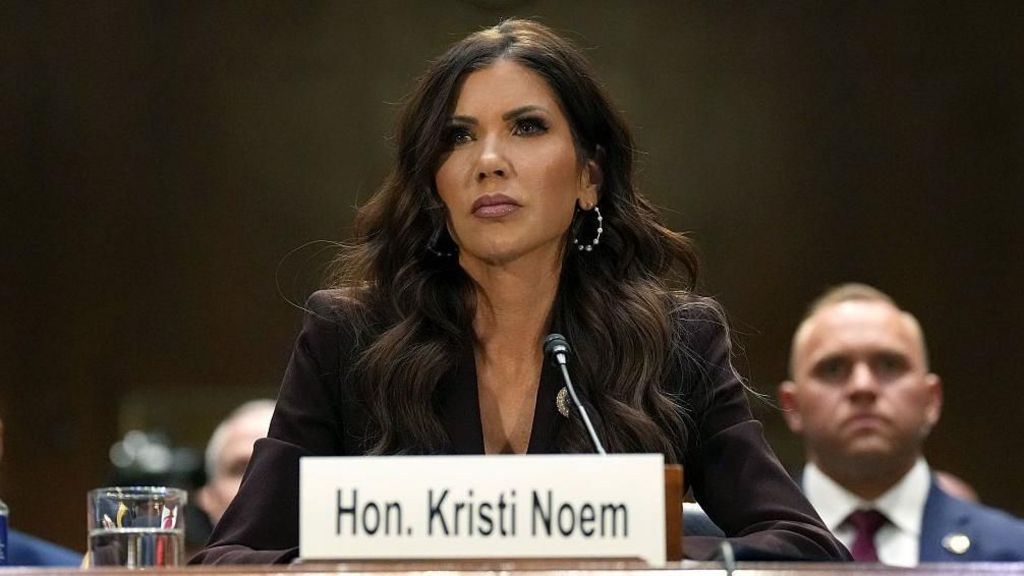
    Homeland Security Secretary Kristi Noem encountered intense bipartisan interrogation during a Senate committee hearing on Tuesday, defending her department’s controversial immigration enforcement strategies amid a partial government shutdown and allegations of excessive force.

    The hearing revealed deep divisions over the Department of Homeland Security’s current operations, with Democrats withholding funding pending reforms while Republicans largely supported the department’s border security objectives. Noem maintained that DHS was achieving “historic results” in enhancing community safety through President Trump’s immigration agenda.

    The most contentious moment emerged during questioning by Senator Amy Klobuchar (D-MN) regarding January’s Operation Metro Surge, where immigration raids triggered widespread protests in Minneapolis. Klobuchar highlighted the fatal shooting of two American citizens—Renee Good and Alex Pretti—by DHS agents during the operation. Government officials claimed the officers acted in self-defense, though video evidence appeared to contradict initial reports about Pretti’s actions.

    Noem faced particular criticism for previously characterizing Pretti’s presence at the scene as “domestic terrorism” without substantiating evidence. When pressed to apologize to Pretti’s grieving parents, Noem acknowledged their tragedy but declined to retract her earlier statements, explaining she had relied on preliminary information.

    Republican senators expressed their own concerns about departmental management. Senator John Kennedy (R-LA) questioned a $220 million advertising campaign encouraging self-deportation, particularly regarding contracts allegedly awarded to firms with connections to Noem’s associates. Noem denied involvement in contractor selection, emphasizing a “competitive bid process” approved by the administration.

    Senator Thom Tillis (R-NC) voiced unusual Republican criticism, arguing that the department’s deportation methods were creating public perception problems. “Americans were beginning to think that deporting people is wrong,” Tillis stated. “It’s the exact opposite. The way you’re going about deporting them is wrong.”

    The hearing concluded without resolution regarding the department’s funding stalemate or policy direction, reflecting the ongoing national debate over immigration enforcement methodologies.