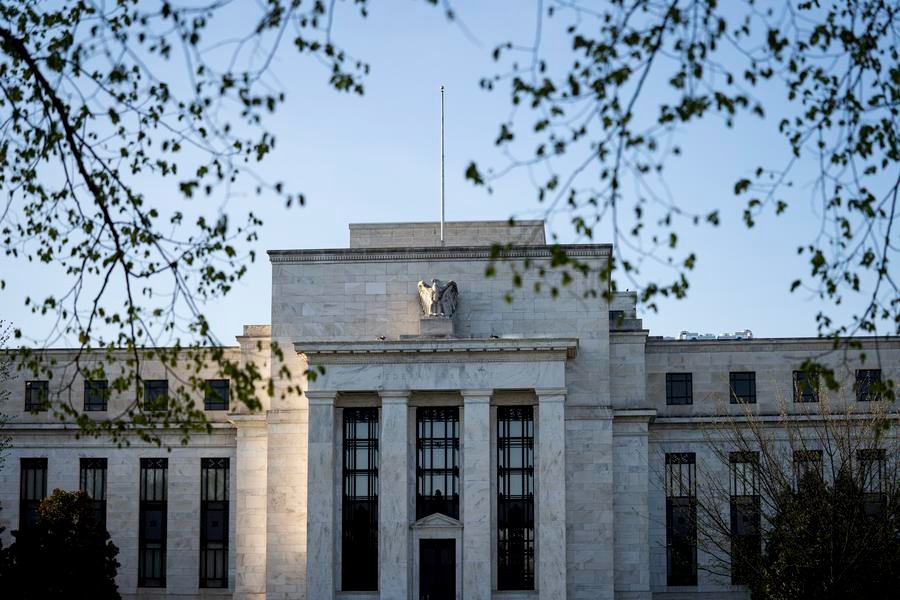
In a significant monetary policy move, the US Federal Reserve announced on Wednesday, October 30, 2025, a reduction in the federal funds rate by 25 basis points, bringing the target range to 3.75 to 4 percent. This decision marks the second interest rate cut by the Fed this year, reflecting its ongoing efforts to navigate economic challenges and stimulate growth. The rate adjustment was made during the Federal Open Market Committee (FOMC) meeting, where policymakers assessed the current economic landscape and determined the necessity of easing monetary conditions. The move is expected to influence borrowing costs across the economy, impacting consumers, businesses, and financial markets. Analysts suggest that the rate cut could provide a boost to economic activity, particularly in sectors sensitive to interest rate changes, such as housing and automotive industries. However, concerns remain about the potential long-term effects on inflation and financial stability. The Fed’s decision underscores its commitment to balancing economic growth with price stability, as it continues to monitor global economic trends and domestic indicators.
标签: North America
北美洲
-
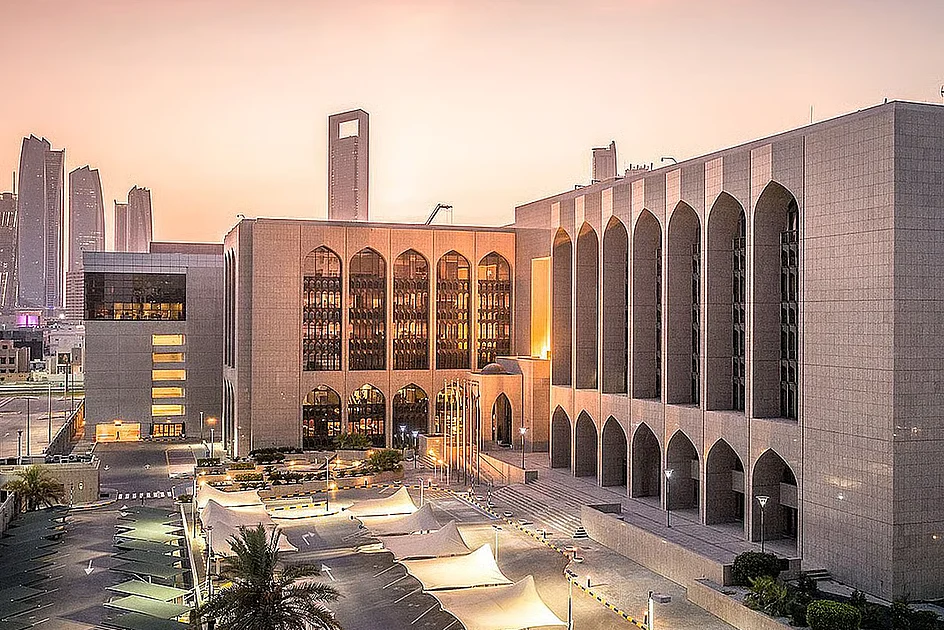
UAE Central Bank lowers key benchmark rate to 3.90%
In a significant monetary policy move, the UAE Central Bank announced a reduction in its key benchmark rate to 3.90%, effective October 30. This decision, which lowers the base rate on overnight deposit facilities by 25 basis points from 4.15%, comes in direct response to the US Federal Reserve’s decision to cut interest rates by 25 basis points earlier on Wednesday. This marks the second rate cut by the Fed this year. The UAE’s monetary policy is closely tied to the US due to the dirham’s peg to the US dollar, necessitating alignment with Federal Reserve actions. Additionally, the UAE Central Bank has opted to maintain the interest rate for short-term liquidity borrowing at 50 basis points above the base rate for all standing credit facilities. The base rate, which is anchored to the US Federal Reserve’s Interest Rate on Reserve Balances, serves as a critical indicator of the UAE’s monetary policy stance and sets a floor for overnight money market rates. The US rate cut aims to stimulate the economy amid ongoing challenges, including the lingering effects of former President Donald Trump’s tariffs and the prolonged government shutdown, which has disrupted the publication of official economic data. Fed officials have expressed concerns about a cooling labor market, prompting a focus on bolstering employment despite inflation remaining above target. While financial markets had anticipated the October and December rate cuts, Fed Chair Jerome Powell has indicated that the Federal Open Market Committee (FOMC) remains open to future decisions. Analysts, including EY chief economist Gregory Daco, suggest that Powell has not yet committed to a December rate cut, though two quarter-point reductions this year are widely expected. Amid these developments, Trump’s efforts to exert greater control over the Federal Reserve and plans to replace Powell add further complexity to the economic landscape.
-
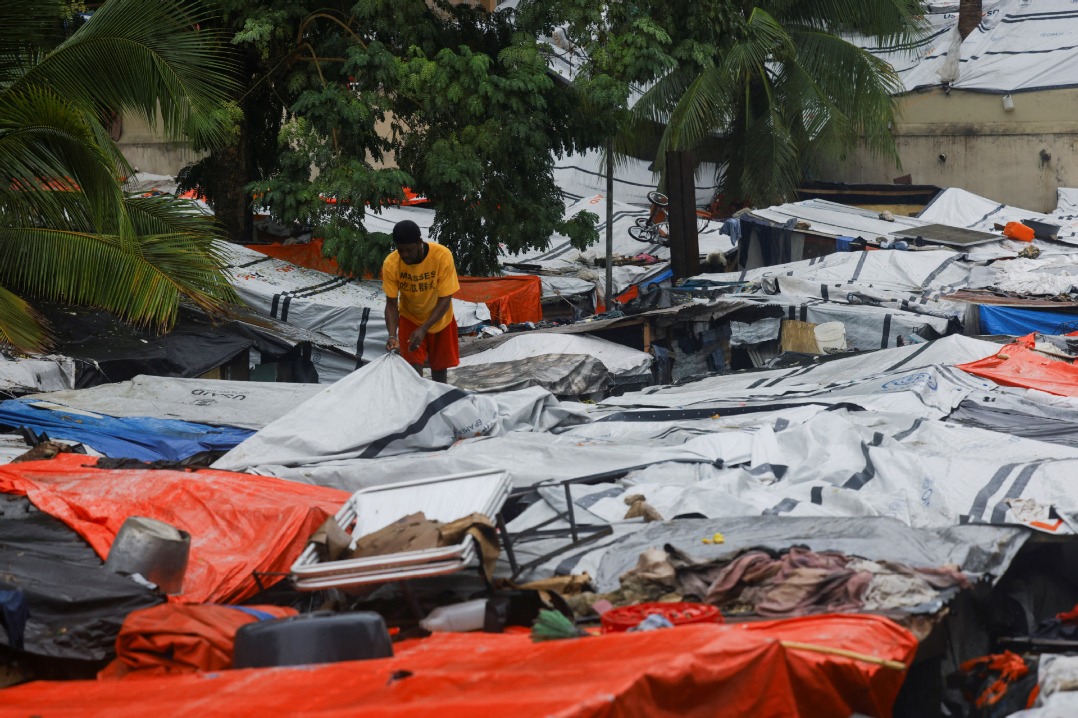
At least 20 dead as Hurricane Melissa hits Haiti
Hurricane Melissa has left a trail of destruction in Haiti, claiming at least 20 lives and causing widespread devastation, according to local media reports. The hurricane, one of the most powerful to hit the Caribbean in recent years, brought torrential rains and severe flooding to multiple regions, particularly impacting the southwestern coastal town of Petit-Goave. Jean Bertrand Subreme, the mayor of Petit-Goave, described the scene as catastrophic, with entire neighborhoods reduced to rubble and debris. Footage from the area revealed extensive damage, with victims’ remains still buried under collapsed structures. The hurricane has exacerbated the already dire situation in Haiti, where over 1.3 million people have been displaced due to gang violence. Many of these displaced individuals sought refuge in shelters, such as the Church of Jesus Christ of Latter-day Saints in Port-au-Prince, where makeshift homes with plastic sheet roofs were inspected during the storm. The international community is closely monitoring the situation, as Haiti faces yet another humanitarian crisis in the wake of this natural disaster.
-

Rio police raids kill at least 132, corpses line street
In what has been described as the deadliest police operation in Brazil’s history, at least 132 people were killed during a large-scale raid in Rio de Janeiro. The operation, which targeted the Comando Vermelho drug gang, was meticulously planned over two months and aimed to corner suspects in a forested hillside where a special police unit lay in wait. The aftermath saw residents of the Penha neighborhood lining the streets with dozens of corpses recovered from the surrounding area. Among the dead were four police officers, while 113 suspects were arrested, and 118 firearms were seized. Rio Governor Claudio Castro defended the operation, stating that those killed were criminals engaged in gunfire from the forest. However, the high death toll has drawn sharp criticism from civil society groups and the United Nations, which called for a prompt and effective investigation into the incident. The federal government, led by President Luiz Inacio Lula da Silva, was reportedly caught off guard by the operation, with Justice Minister Ricardo Lewandowski expressing concerns over the lack of prior notification. The incident has reignited debates over police violence in Brazil’s marginalized communities, particularly as Rio prepares to host global climate events next week.
-
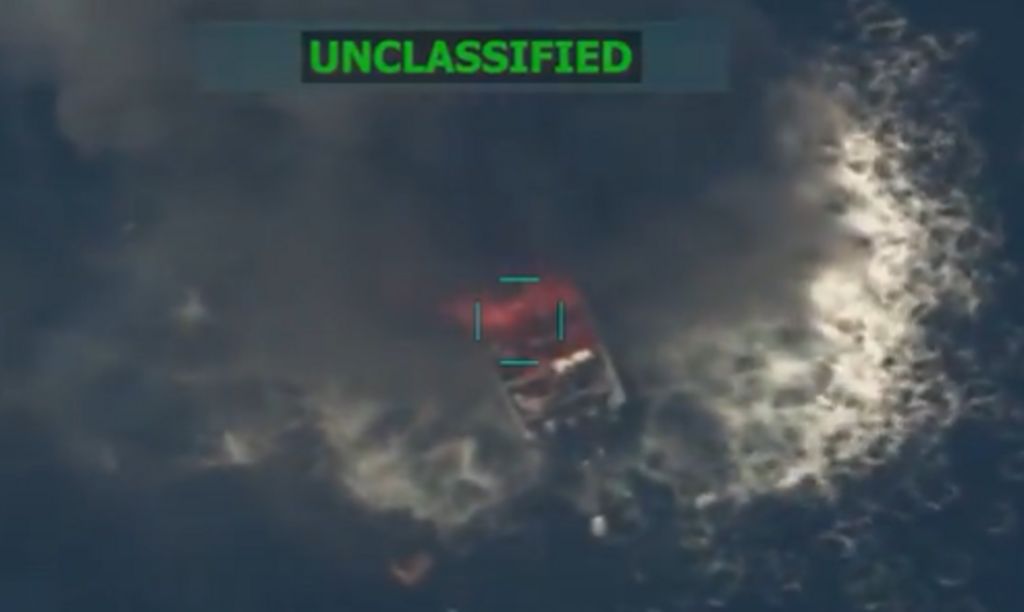
Latest US boat strike kills four in the Pacific, Hegseth says
The United States has intensified its campaign against maritime drug trafficking with a series of lethal strikes in the eastern Pacific Ocean, resulting in multiple fatalities. US Defense Secretary Pete Hegseth announced on X that a recent operation, authorized by President Donald Trump, targeted a vessel suspected of transporting illegal drugs, killing four men. This follows a similar strike earlier in the week that claimed 14 lives. The White House has framed these actions as part of a broader strategy to curb the flow of narcotics into the US via the Pacific and Caribbean. Hegseth emphasized that the Western Hemisphere will no longer be a sanctuary for drug traffickers, vowing to continue such operations. The strikes, conducted in international waters, have drawn criticism from regional governments and legal experts, with concerns raised about their legality and the president’s authority to order them. The US has also bolstered its military presence in the Caribbean, deploying advanced assets like the USS Gerald R Ford. Tensions have escalated with Colombia and Venezuela, the latter accusing the US of attempting to overthrow President Nicolas Maduro and exploit the country’s natural resources. The US does not recognize Maduro as Venezuela’s legitimate leader following the disputed 2024 election.
-

UAE: How ex-marines bring military grit to local fitness scene with bootcamp
A groundbreaking fitness initiative in Dubai and Abu Dhabi is redefining the local exercise scene by introducing civilians to the rigors of military training. Spearheaded by four seasoned military veterans from the US and UK, the ZD30 programme blends authentic combat-inspired workouts with amphibious training, emphasizing mental resilience and real-life readiness. Founded by former US Marine Scott Blydenburgh, alongside retired US Marine Corps Scout Sniper Akim Jones and Royal Marines veterans Jordan Penman and Jordan Riley, ZD30 has quickly gained traction, attracting over 100 participants since its launch in mid-September. The programme’s unique structure includes four core training modules: amphibious exercises focusing on water-based resilience and breath control, military calisthenics for body-weight strength, operational strength drills involving carrying and lifting, and combat fit sessions simulating high-intensity scenarios. Patricia Jimenez, a co-founder, highlights the programme’s focus on practical skills and mental fortitude, stating, ‘We’re not building bigger muscles or better abs — we’re working on mental resilience.’ Participants like Brian Hogan, an IT project manager and athlete, praise the programme’s emphasis on discipline and teamwork, noting that punctuality and accountability are non-negotiable. The bootcamp’s amphibious sessions, inspired by US Marines’ water operations, are particularly challenging, designed to teach participants to remain calm and coordinated under pressure. Upcoming events include a special community workout on November 15 to commemorate the 250th anniversary of the US Marine Corps. Classes are held weekly in both cities, with monthly community events and specialised sessions available. Each class costs Dh80 and can be booked through the Meet and Train app. The programme’s founders aim to create a meaningful fitness community focused on real-life preparedness rather than vanity. ‘Real fitness means being ready for life,’ Patricia added, reflecting on her personal motivation to stay strong for her daughter. The ZD30 initiative is a testament to the UAE’s thriving fitness culture, offering a unique blend of military discipline and civilian fitness aspirations.
-
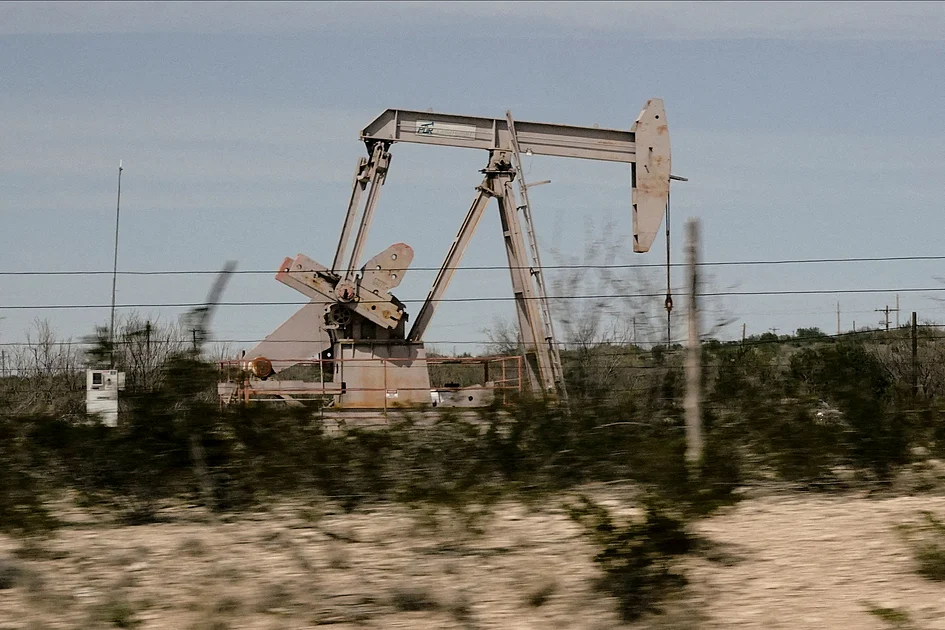
Tariffs to raise costs, delay oil and gas projects in 2026, report says
A recent report by Deloitte highlights that sweeping tariffs imposed by the US government under President Donald Trump are poised to significantly impact the oil and gas industry by 2026. The energy sector, which depends extensively on global supply chains for essential materials like drilling rigs, valves, compressors, and specialized steel, faces rising operational costs and disrupted supply chains due to these tariffs. The report estimates that material and service costs across the value chain could surge by 4% to 40%, potentially squeezing industry margins. The US has levied tariffs ranging from 10% to 50% on key imports such as steel, aluminum, and copper, as well as crude feedstocks not covered by the United States-Mexico-Canada Agreement. These measures are expected to reshape the industry’s cost structure and introduce uncertainty in feedstock sourcing. Additionally, inflation and financial instability triggered by the tariffs may delay final investment decisions (FIDs) and offshore greenfield projects worth over $50 billion until 2026 or later. Operators may find it challenging to offset higher costs, which could dampen investment activity in the sector. To mitigate risks, oil and gas companies are likely to renegotiate contracts with escalation and force majeure clauses. Moving forward, companies may prioritize supply chain resilience over cost efficiency, shifting to domestic or non-tariffed suppliers and leveraging foreign trade zones or tariff reclassification to manage duties. This shift is particularly significant given the US’s reliance on imports, with nearly 40% of oil country tubular goods demand in 2024 met through foreign sources.
-
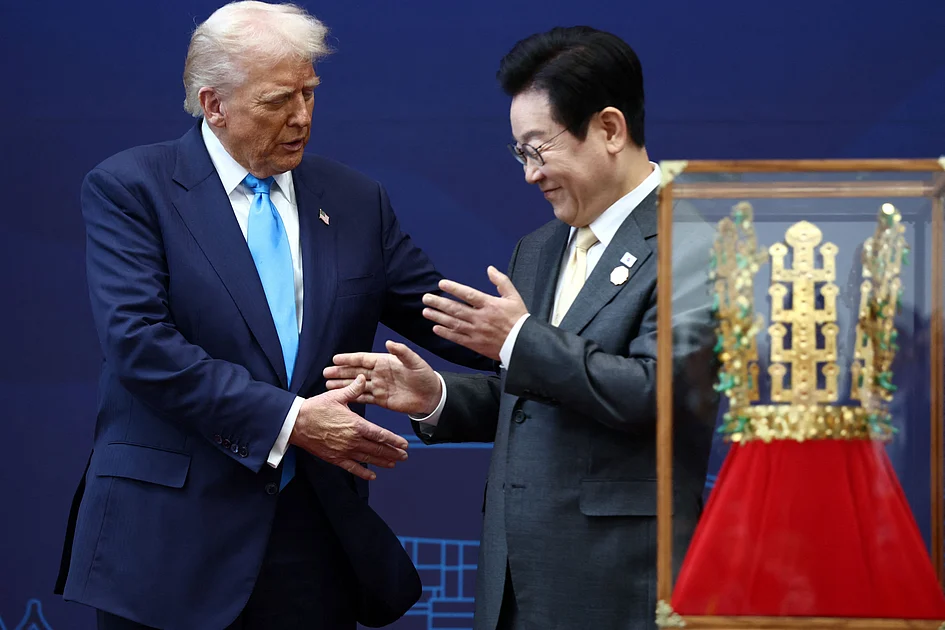
Trump announces trade breakthrough with South Korea on Asia trip
U.S. President Donald Trump concluded his five-day Asia trip with a significant trade breakthrough during a summit with South Korean President Lee Jae Myung in Gyeongju. The two leaders finalized details of a previously contentious trade agreement, which had been in limbo since July. Under the deal, South Korea will invest $350 billion in the U.S., split into $200 billion in cash payments and $150 billion in shipbuilding investments. The agreement also includes a 50/50 profit-sharing arrangement until initial investments are recouped, with U.S. Commerce Secretary Howard Lutnick overseeing project assessments. The deal awaits ratification by South Korea’s parliament. Trump expressed optimism about his upcoming meeting with Chinese President Xi Jinping, hinting at potential tariff reductions on Chinese goods in exchange for Beijing’s commitment to curb fentanyl precursor exports. The U.S. could halve its current 20% tariffs on Chinese goods, according to reports. Meanwhile, South Korea rolled out an extravagant welcome for Trump, presenting him with a gold crown and the nation’s highest honor, the ‘Grand Order of Mugunghwa.’ Despite the diplomatic fanfare, protests erupted near the summit venue, with critics decrying the focus on tariff negotiations. Trump also addressed North Korea’s recent missile test, reiterating his commitment to resolving tensions on the Korean Peninsula.
-

‘I was a Trump-era beauty queen’: Former Miss Universe Lara Dutta recalls her meeting with the US President
At the ‘We The Women’ event in Dubai, hosted by Khaleej Times and WKND Magazine, Bollywood star and former Miss Universe Lara Dutta shared a captivating account of her defining encounter with former US President Donald Trump. Dutta, who humorously referred to herself as a ‘Trump-era beauty queen,’ recounted the moment when Trump introduced her to his associates at his mother’s wake. ‘He called me over and said, ‘This is my Miss Universe. She’s not only beautiful, she’s also intelligent.’ And then he turns to me and says, ‘Say something,’’ Dutta recalled. The incident, she explained, was a turning point that ignited her determination to challenge stereotypes and redefine her identity beyond beauty pageants. Dutta’s candid reflections on her journey from Miss Universe to actress and entrepreneur resonated deeply with the audience. She also opened up about her parenting philosophy, emphasizing the importance of discipline and resilience in raising her 13-year-old daughter, Saira. Despite criticism from other parents, Dutta and her husband, tennis legend Mahesh Bhupathi, prioritize teaching their daughter the value of hard work and humility. ‘We’re not pushing her to make grades or be the perfect daughter — we’re teaching her discipline,’ she said. Dutta’s story is a testament to her unwavering commitment to breaking societal norms and empowering the next generation.
-

DAE nine-month profit doubles as global aviation rebounds
Dubai Aerospace Enterprise (DAE) has announced a remarkable financial performance for the first nine months of 2025, with profits doubling as the global aviation sector rebounds. The company reported a pre-tax profit of $653 million, a 100% increase compared to $326.6 million in the same period last year. Total revenue also surged by 26%, reaching $1.28 billion, up from $1.02 billion, driven by robust fleet utilization and the integration of Nordic Aviation Capital (NAC), acquired earlier this year. Operating cash flow rose to $1.13 billion, while adjusted pre-tax profit margins improved to 26.7%. DAE’s total assets expanded to $16.36 billion, reflecting the successful incorporation of NAC’s portfolio. CEO Firoz Tarapore highlighted the company’s strengthened position in the global leasing market, emphasizing the full integration of NAC and sustained financial health. DAE’s fleet grew significantly, with 263 aircraft acquired, including 249 for its owned portfolio. The company also signed 162 new lease agreements and expanded its engineering services arm, Joramco, which saw a 56.3% increase in profitability. With $3.44 billion in available liquidity and $2.75 billion raised from regional and Asian banks, DAE is well-positioned to capitalize on the ongoing recovery in commercial aviation and the global push for fleet modernization.