标签: North America

北美洲

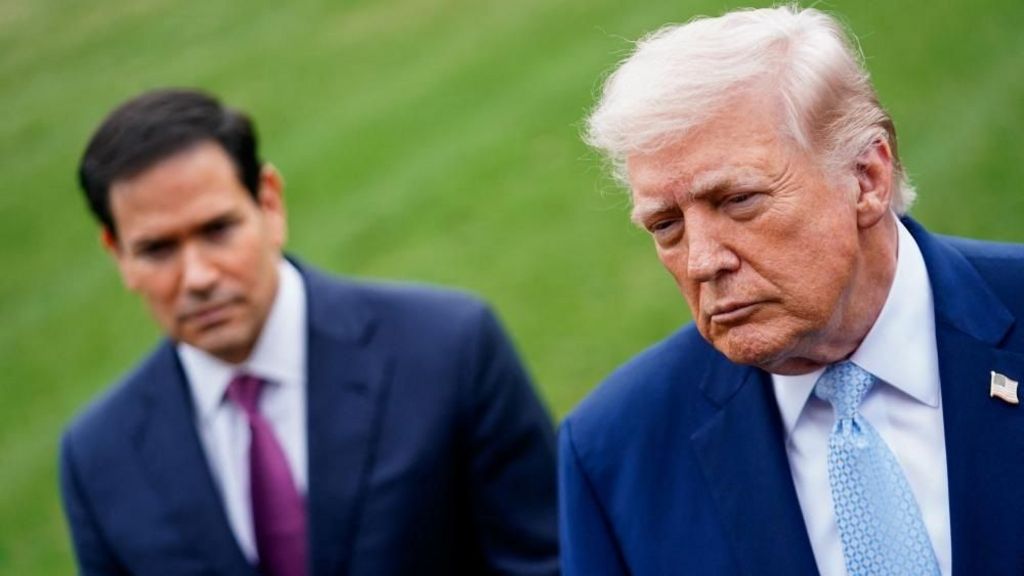
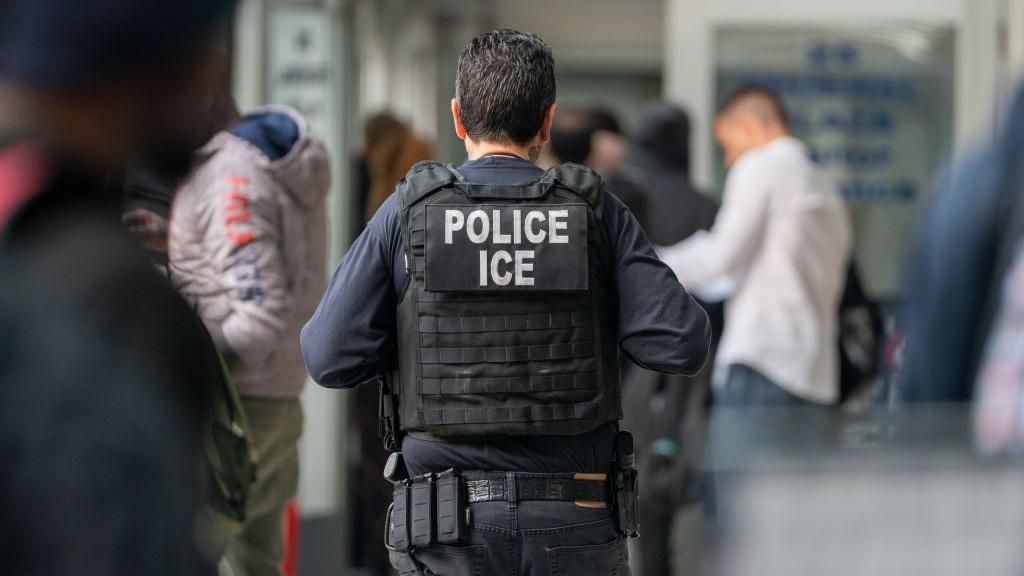
  • Trump threatens to send ICE into airports unless funding deal reached

    Trump threatens to send ICE into airports unless funding deal reached

    A severe funding crisis at the Department of Homeland Security (DHS) has prompted an extraordinary security proposal from President Donald Trump, who has threatened to deploy Immigration and Customs Enforcement (ICE) agents to assume airport security duties. The President announced on his Truth Social platform that he would mobilize “brilliant and patriotic ICE Agents to the Airports where they will do Security like no one has ever seen before” if congressional Democrats continue blocking DHS funding legislation.

    The funding stalemate originated in mid-February when Congress failed to pass appropriations for DHS, leaving thousands of Transportation Security Administration (TSA) employees working without pay for over a month. The situation reached a critical point Friday when Senate Democrats rejected a funding bill that would have compensated TSA agents, citing demands for ICE reforms before approving any funding measures.

    This political deadlock has created operational chaos at airports nationwide. Reports indicate more than 300 TSA employees have resigned during the funding gap, while unscheduled absences have more than doubled according to US media. Lengthy security lines have become commonplace, and union officials report many officers are taking second jobs to survive financially. Some airports have organized donation drives, collecting gift cards and food parcels for struggling TSA staff.

    Johnny Jones, a Dallas-based official with the American Federation of Government Employees, revealed to USA Today that numerous employees have reached financial breaking point: “No funds for daycare, no funds for food. They just want to know why the hell they can’t get paid when we have money to shoot missiles into other countries.”

    The proposed ICE deployment represents a significant escalation in the political battle over immigration enforcement. ICE has been central to the Trump administration’s immigration crackdown, making thousands of arrests since January 2025. Democratic opposition to ICE funding stems from recent controversies, including the January deaths of two Minneapolis residents during immigration protests. Democrats are demanding reforms including prohibitions on agents wearing face masks, improved identification protocols, and stricter warrant requirements.

    Notably, ICE agents lack specific training for airport security operations, and the agency has remained funded throughout the partial government shutdown due to separate congressional appropriations. President Trump has set a Monday deadline for the potential ICE deployment, intensifying pressure on congressional Democrats to accept the funding legislation without their demanded reforms.
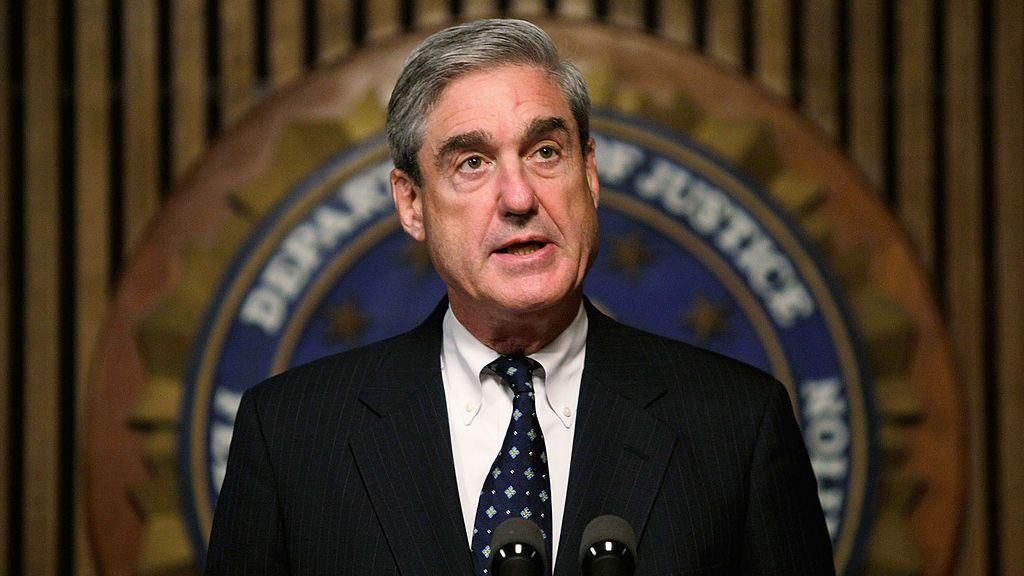
  • Robert Mueller, ex-FBI chief who led Trump-Russia investigation, dies at 81

    Robert Mueller, ex-FBI chief who led Trump-Russia investigation, dies at 81

    Robert Swan Mueller III, the formidable former FBI Director and Special Counsel whose investigation into Russian election interference dominated American political discourse, has passed away at age 81. His death was confirmed by multiple news organizations on Friday night, though the specific cause remains undisclosed.

    Mueller’s distinguished career spanned military service, legal practice, and law enforcement leadership. After graduating from Princeton University, he served with distinction as a Marine Corps officer in Vietnam, receiving the Bronze Star for valor and suffering combat wounds on two separate occasions. Following his military service, he earned his law degree from the University of Virginia in 1973.

    His most significant professional chapter began in August 2001 when he assumed leadership of the Federal Bureau of Investigation, a position he held for an unprecedented 12 years. His tenure began mere days before the catastrophic September 11 attacks, during which he spearheaded the agency’s transformation into a modern counterterrorism organization.

    Mueller returned to the national spotlight in May 2017 when appointed as Special Counsel to investigate Russian interference in the 2016 presidential election and potential connections to the Trump campaign. His meticulously conducted probe consumed American politics for nearly two years, generating intense speculation and political polarization. The resulting Mueller Report documented extensive Russian meddling efforts but reached no definitive conclusion regarding criminal conspiracy involving the Trump campaign.

    The announcement of his passing prompted strong reactions across the political spectrum. Former President Donald Trump posted harsh criticism on his Truth Social platform, while many in the law enforcement community praised Mueller’s decades of public service and integrity. Mueller’s family has requested privacy during this period of mourning, stating simply that he passed away with deep sadness felt by those who knew him.

  • Bodycam footage of Justin Timberlake’s drink-driving arrest released

    Bodycam footage of Justin Timberlake’s drink-driving arrest released

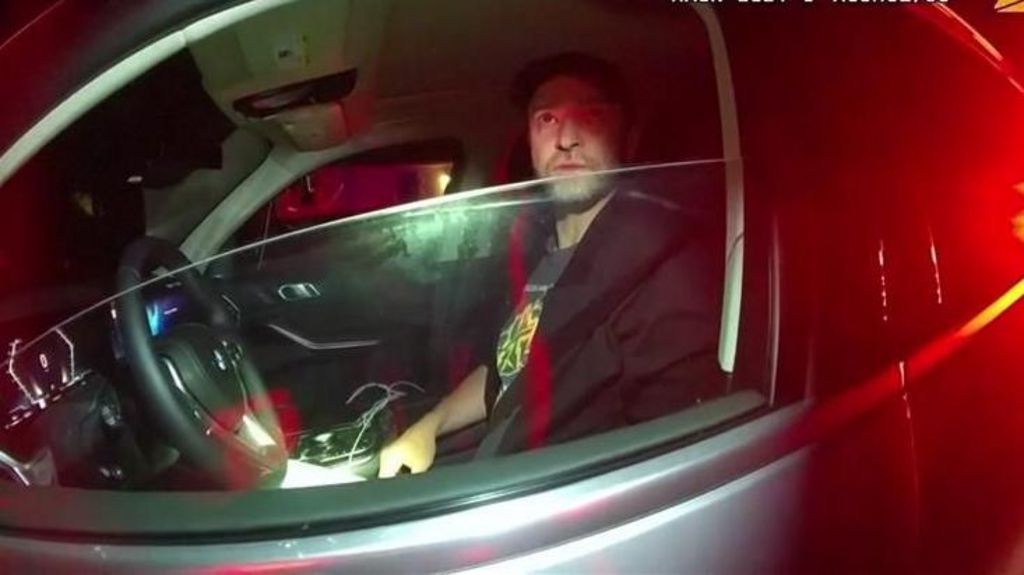
    Previously unreleased police bodycam footage documenting pop icon Justin Timberlake’s June 2024 arrest for driving under the influence has been made public following a legal settlement. The extensively redacted video, spanning over eight hours, captures the entire incident from the initial traffic stop in New York’s exclusive Sag Harbor community to processing at the police station.

    The visual record shows officers pulling over Timberlake’s rented grey BMW after observing traffic violations including failure to stop at signage and crossing into oncoming lanes. During the subsequent interaction, the performer exhibited visible signs of impairment including bloodshot eyes, unsteady movement, and slurred speech according to official reports.

    The footage documents Timberlake attempting to explain his celebrity status to questioning officers, stating ‘I’m on a world tour’ and identifying himself when met with apparent non-recognition. The video evidence shows the entertainer struggling through standardized field sobriety assessments, including the walk-and-turn and horizontal gaze nystagmus tests, while commenting on their difficulty.

    Despite legal efforts by Timberlake’s representation to block the video’s release under claims of potential reputational damage and invasion of privacy, a judicial ruling determined the material constituted public record. The finalized settlement permitted publication with appropriate redactions to protect procedural integrity.

    The resolution of the case saw Timberlake plead guilty to a reduced charge of impaired driving rather than the original driving while intoxicated allegation. The court imposed penalties including financial sanctions totaling $760, mandated community service, and required the creation of a public service announcement regarding drunk driving prevention.

  • Pentagon restrictions on press violate First Amendment, judge rules

    Pentagon restrictions on press violate First Amendment, judge rules

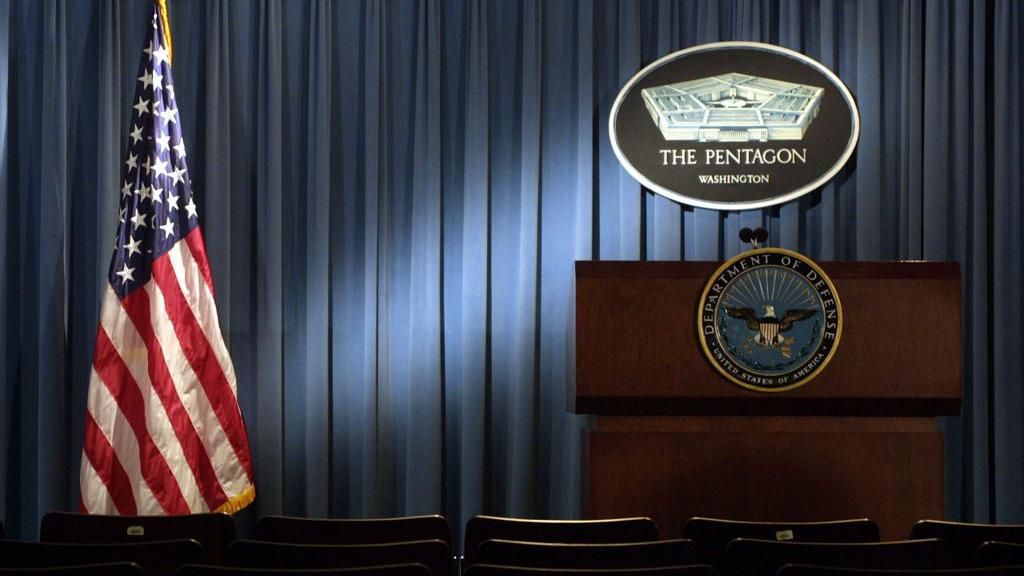
    In a landmark ruling for press freedom, a U.S. federal court has invalidated key components of the Department of Defense’s controversial media access policy. District Judge Paul L. Friedman determined that the Pentagon’s regulations, enacted in October, infringed upon constitutional protections under the First and Fifth Amendments.

    The legal challenge was initiated by The New York Times after the department implemented stringent controls limiting journalists’ ability to gather and publish information from defense facilities. The policy mandated that reporters sign an agreement requiring pre-approval for all information releases, including unclassified material. Major news organizations including CBS News, ABC News, NBC News, CNN, Fox News, and BBC News refused to comply and consequently lost their access privileges.

    Judge Friedman’s decision specifically targeted provisions that allowed the Pentagon to bar journalists for ‘soliciting’ sensitive information—a fundamental aspect of reporting. ‘To state the obvious, obtaining and attempting to obtain information is what journalists do,’ Friedman noted in his opinion, emphasizing that routine journalistic practices could be misinterpreted as security risks under the vague policy.

    The court also rejected the Defense Department’s characterization of press access as a ‘privilege’ rather than a right, asserting that the Pentagon cannot deny access ‘unreasonably or on the basis of viewpoint.’ However, the ruling maintained certain practical restrictions, including the requirement for escorted access to secure areas of the building.

    The Pentagon expressed disagreement with the decision, with spokesman Sean Parnell announcing plans for an immediate appeal. The department had originally defended the policy as necessary for national security protection and preventing unauthorized leaks of sensitive information.

    The Pentagon Press Association celebrated the ruling, calling it a victory for constitutional principles and requesting the immediate reinstatement of credentials for all affected members. The case highlights ongoing tensions between government security concerns and media freedom in the United States.

  • Thousands evacuated as Hawaii faces worst flooding in 20 years

    Thousands evacuated as Hawaii faces worst flooding in 20 years

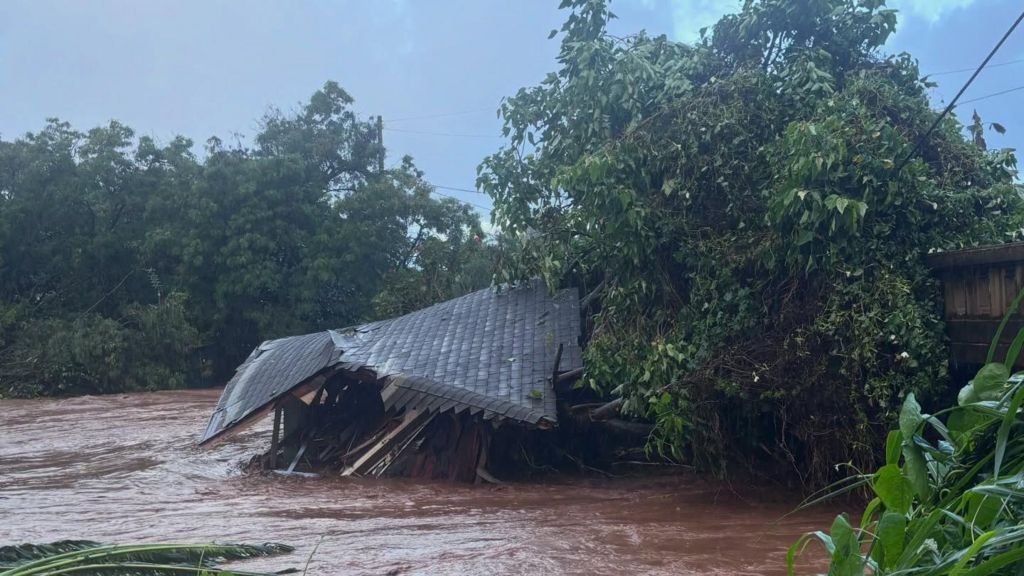
    Hawaii is confronting its most severe flooding event in two decades, prompting urgent evacuation orders for thousands of residents as a powerful ‘Kona Low’ storm system continues to batter the archipelago. This marks the second major storm to strike the islands within a single week, with Honolulu Mayor Rick Blangiardi projecting potential damages exceeding $1 billion.

    Emergency response teams have executed more than 230 rescues since the crisis began, with operations continuing through Saturday morning as heavy rainfall persisted. Authorities have issued grave warnings about structural integrity at an Oahu dam, urging residents in vulnerable areas to seek higher ground immediately.

    The meteorological phenomenon responsible for the devastation—a Kona Low—is characterized as a slow-moving low-pressure system that draws warm, moisture-saturated air across the islands. This has resulted in extraordinary rainfall exceeding 10 inches (25cm) in some regions and destructive winds reaching 100mph (160km/h). The resulting floodwaters have displaced vehicles, compromised infrastructure, and even caused building collapses amid dangerously muddy conditions.

    Governor Josh Green confirmed no storm-related fatalities to date, praising emergency workers while acknowledging the storm’s severe impact on critical infrastructure including airports, schools, and hospitals. Approximately 5,500 residents north of Honolulu received mandatory evacuation orders as floodwaters inundated neighborhoods.

    The Honolulu Department of Emergency Management maintains active flash flood warnings for multiple islands including Maui, Molokai, and The Big Island. While the most intense weather has passed, forecasters anticipate continued heavy showers and thunderstorms through the weekend, complicating recovery efforts.

    This natural disaster represents another severe challenge for Hawaii, still recovering from the devastating 2023 Lahaina wildfires that claimed over 100 lives. The state’s vulnerability to extreme weather events continues to test its emergency response capabilities and infrastructure resilience.

  • Louise Minchin taken to hospital with frostbite during Artic challenge

    Louise Minchin taken to hospital with frostbite during Artic challenge

    BBC presenter Louise Minchin has been hospitalized after developing frostbite during an extreme Arctic cycling expedition in Canada’s Northwestern Territories. The 57-year-old journalist was participating in the Inuvik Weekend Warrior Fat Bike Challenge—a three-day, 300-mile (483km) race across frozen rivers and remote Arctic wilderness—to raise funds for the Duke of Edinburgh’s Award.

    Minchin and her teammate, Guinness World Record endurance athlete Mimi Anderson, 61, were forced to abandon the challenge just 14 hours into the event after encountering life-threatening conditions. Despite extensive preparation for sub-zero temperatures, they faced wind chills plummeting to -36°C (-33°F), with ambient temperatures reaching -40°C (-40°F).

    The broadcaster announced their withdrawal on Friday evening, noting that the team had completed approximately 140 kilometers before determining that continuing would pose ‘a huge risk.’ Minchin shared updates from her hospital bed via Instagram, stating: ‘We are out of the race but we are safe, warm and being well looked after. Turns out we were right to stop. We both have frostbite.’

    Medical authorities indicate that frostbite can develop within minutes under such extreme conditions, particularly affecting extremities like fingers and toes. Symptoms progress from numbness and skin discoloration to severe tissue damage if exposure continues.

    Fellow television personalities, including Susanna Reid and Helen Skelton, have expressed support and admiration for the attempt. Minchin and Anderson remain hospitalized but are reported to be ‘in good spirits’ while receiving treatment.

  • Trump remark mars US-Japan talks

    Trump remark mars US-Japan talks

    A high-stakes meeting between Japanese Prime Minister Sanae Takaichi and US President Donald Trump at the White House on Thursday was marred by diplomatic awkwardness and concerns over escalating military cooperation in the Asia-Pacific region. The discussions, primarily focused on the ongoing US-Iran conflict and Japan’s potential role, took an unexpected turn when Trump invoked Japan’s 1941 attack on Pearl Harbor to justify lack of consultation with allies regarding recent strikes against Iran.

    During an Oval Office press conference, Trump responded to a Japanese reporter’s question about allied consultation with startling historical analogy: “We wanted surprise. Who knows better about surprise than Japan? Why didn’t you tell me about Pearl Harbor?” Prime Minister Takaichi’s visibly surprised reaction captured the diplomatic discomfort of the moment.

    Despite this strained exchange, Trump expressed appreciation for Japan’s support regarding Iran, contrasting it favorably with NATO’s response, though without specifying Japan’s potential contributions. Earlier, Takaichi had made the controversial assertion that Trump alone could bring world peace, drawing immediate criticism from Japanese opposition leaders who characterized the statement as “shocking” and “a serious problem.”

    The meeting produced significant bilateral agreements, including over $70 billion in new US energy investments and enhanced defense cooperation. The White House announced Japan’s commitment to rapidly strengthening its defense capabilities and increasing its military budget. Both nations affirmed plans to deploy advanced capabilities in Japan and advance joint missile production initiatives.

    Regional security experts expressed deep concern about these developments. Da Zhigang of the Heilongjiang Provincial Academy of Social Sciences warned that US-Japan military collaboration “is driven by ulterior motives and severely undermines security in the Asia-Pacific region.” Professor Zhang Yulai of Nankai University noted that the partnership serves mutual interests: the US seeks to reduce financial burdens of troop deployment, while Japan aims to overcome post-war military constraints toward becoming a “normal country.”

    The so-called “denial defense posture”—a recent Japanese military development goal—represents a significant departure from the nation’s traditional exclusively defense-oriented policy. Analysts caution that this shift, combined with joint missile development and advanced military deployments, will likely intensify regional arms races and increase conflict risks throughout the Asia-Pacific.

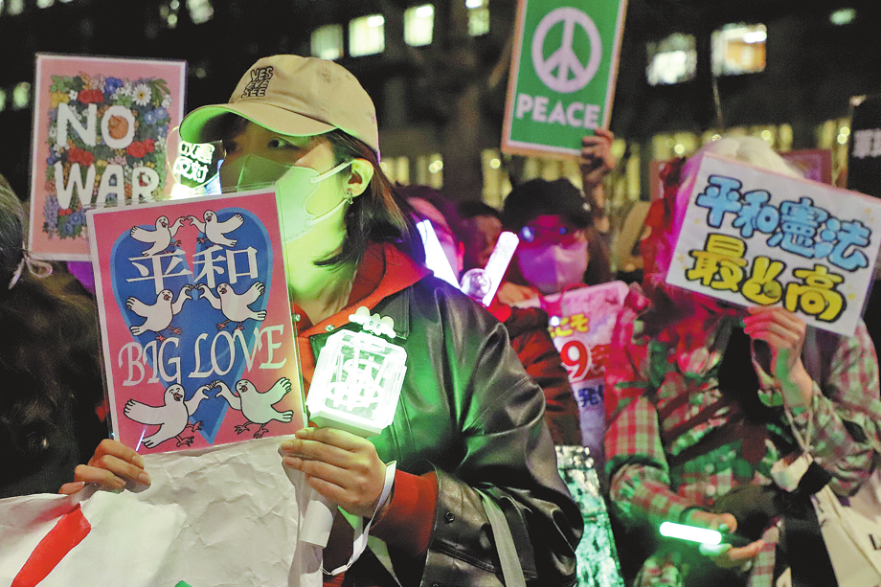
    The meeting occurred against a backdrop of domestic opposition in Japan, where over 10,000 citizens rallied outside Tokyo’s Diet building protesting constitutional revisions and long-range missile plans, highlighting the contentious nature of Japan’s military expansion.

  • US issues 30-day sanctions waiver for sale of Iranian oil at sea

    US issues 30-day sanctions waiver for sale of Iranian oil at sea

    In a significant policy adjustment, the United States government has authorized a temporary sanctions waiver permitting transactions involving Iranian oil currently positioned at sea. The authorization, issued on Friday, provides a 30-day window for the purchase of these maritime energy shipments.

    This strategic decision emerges against a backdrop of mounting global energy supply pressures and market instability. The limited-duration waiver represents a calibrated approach to address immediate economic concerns while maintaining the broader framework of sanctions against Iran.

    Analysts interpret this move as a pragmatic response to current market realities rather than a fundamental shift in foreign policy. The carefully measured exemption acknowledges the complex interplay between geopolitical objectives and economic necessities in global energy markets.

    The waiver specifically applies to oil already in transit or storage at sea, creating a narrow pathway for these existing resources to enter markets without violating U.S. sanctions regime. This temporary measure provides breathing room for energy markets while preserving the structural integrity of the sanctions program.

    This development occurs alongside other significant international engagements, including upcoming diplomatic visits by Chinese officials to multiple African nations and ongoing adjustments in global trade projections influenced by Middle East conflicts.

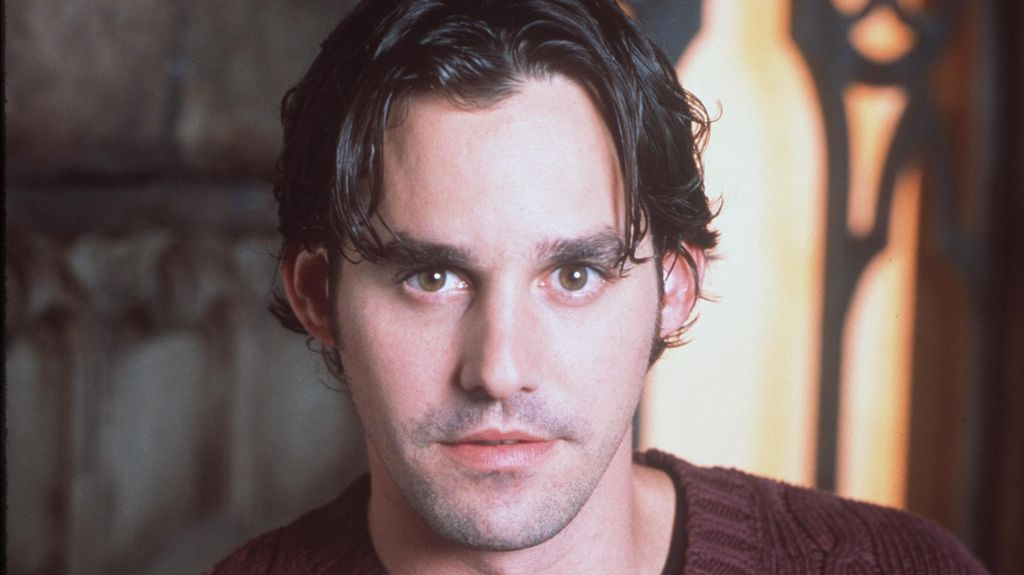
  • Buffy the Vampire Slayer actor Nicholas Brendon dies aged 54

    Buffy the Vampire Slayer actor Nicholas Brendon dies aged 54

    The entertainment world mourns the loss of Nicholas Brendon, the acclaimed actor best known for his iconic portrayal of Xander Harris in the seminal television series Buffy the Vampire Slayer, who passed away peacefully in his sleep at age 54. His family confirmed the tragic news through an official social media statement, attributing his death to natural causes.\n\nBrendon’s family memorialized him as \”passionate, sensitive, and endlessly driven to create,\” noting that his artistic endeavors represented \”one of the purest reflections of who he was.\” While millions recognized him for his acting career, the statement highlighted his recent creative passion for painting and visual arts.\n\nThe Los Angeles-native actor achieved television immortality through his seven-season arc (1997-2003) as the quick-witted and loyal best friend to Sarah Michelle Gellar’s vampire slayer. His performance earned three Emmy nominations—two for Outstanding Television Actor and one for Outstanding Supporting Actor. Brendon’s twin brother, Kelly Donovan Schultz, occasionally served as his body double during the series’ production.\n\nFellow cast members including Alyson Hannigan, who played his on-screen love interest Willow Rosenberg, shared heartfelt tributes. Hannigan’s Instagram post remembered \”years of laughter, love and Dodgers,\\” adding she would cherish his memory \”every time I see a rocking chair.\”\n\nPost-Buffy, Brendon maintained an active television career with appearances in Criminal Minds, Private Practice, and Kitchen Confidential, alongside film roles in Psycho Beach Party and Big Gay Love.\n\nThe actor courageously navigated multiple health challenges throughout his life, including two spinal surgeries for cauda equina syndrome, a heart attack, and a persistent stutter that led him to become a spokesperson for the Stuttering Foundation of America. He also openly discussed his battles with substance addiction, alcoholism, and mental health issues.\n\nHis family emphasized to Hollywood Reporter that despite past struggles, Brendon was actively managing his conditions through medication and treatment, maintaining optimism about his future at the time of his passing.

  • Trump says he is considering ‘winding down’ Iran war

    Trump says he is considering ‘winding down’ Iran war

    In a significant shift in rhetoric, President Donald Trump has indicated the United States may be preparing to scale back military operations against Iran, declaring that Washington is “getting very close” to achieving its strategic objectives. The announcement comes alongside escalating tensions in the Persian Gulf, where Iran’s effective closure of the Strait of Hormuz has triggered a global energy crisis.

    Speaking to reporters outside the White House before departing for Florida, Trump explicitly rejected calls for a ceasefire, asserting, “You don’t do a ceasefire when you’re literally obliterating the other side.” However, on his Truth Social platform, the president suggested a different trajectory, posting that administration officials were “considering winding down our great Military efforts in the Middle East with respect to the Terrorist Regime of Iran.”

    The contradictory messaging extends to critical shipping lanes, with Trump demanding that other nations assume responsibility for securing the Strait of Hormuz. “It will have to be guarded and policed, as necessary, by other Nations who use it – The United States does not!” he declared. The president specifically criticized NATO allies for refusing assistance in reopening the strategic waterway, labeling them “COWARDS” in a social media post and vowing the U.S. would “REMEMBER” their reluctance.

    Despite these de-escalatory signals, multiple reports indicate continued military preparations. According to CBS News, Pentagon officials have developed detailed plans for potential ground force deployments into Iran, including protocols for handling captured Iranian soldiers. Reuters additionally reported the U.S. military is preparing to deploy approximately 2,500 Marines and additional warships to the region, while Axios revealed administration discussions about occupying or blockading Kharg Island, Iran’s crucial oil terminal already targeted by U.S. airstrikes this month.

    The conflict has already reshaped global energy markets, with oil prices surging approximately 50% since joint U.S.-Israel military strikes commenced on February 28. Facing a looming energy shock, the Trump administration announced sanctions waivers to permit the sale of 140 million barrels of stranded Iranian oil, attempting to mitigate economic pressures that threaten political consequences for Republicans in upcoming congressional elections.

    Meanwhile, Iran’s new Supreme Leader Mojtaba Khamenei broke his public silence since succeeding his father—killed on the war’s first day—with a defiant Nowruz (Persian New Year) message claiming Iranians had “dealt the enemy a dizzying blow” that left them “uttering contradictory words and nonsense.” His statement coincided with fresh Iranian drone and missile attacks targeting Saudi Arabia and Israel, demonstrating Tehran’s continued capacity for regional escalation despite significant military losses.