
A false online report claiming the demise of martial arts icon and Hollywood actor Chuck Norris has been categorically debunked. The viral misinformation, which incorrectly stated the 86-year-old action star had passed away, was swiftly addressed by representatives and fact-checking organizations. The origin of the hoax appears to be a misinterpretation or malicious alteration of a genuine BBC interview from 1985, which has recently recirculated on digital platforms. Norris, renowned for his tough-guy persona in films like “Missing in Action” and his television series “Walker, Texas Ranger,” remains alive and well. This incident highlights the persistent challenge of celebrity death hoaxes in the digital age, where unverified claims can gain rapid traction across social media, causing unnecessary distress to fans and families alike. The Norris family has not issued any statements, as no actual event has occurred to warrant one.
标签: North America
北美洲
-

Record-breaking heatwave hits the US West
An unprecedented heat dome is intensifying across the Western United States, shattering temperature records and prompting widespread heat advisories from the National Weather Service. Meteorological data indicates this extreme weather event will not only persist in its current trajectory but is projected to expand eastward in the coming days, affecting millions of residents from California to the Great Plains.
The current heatwave has already produced dangerously high temperatures, with numerous locations reporting all-time highs. Phoenix, Arizona, recorded temperatures exceeding 115°F (46°C), while Las Vegas, Nevada, approached its historical maximum. The intensity and duration of this event have raised significant concerns among public health officials regarding heat-related illnesses, particularly among vulnerable populations.
Critical infrastructure is under strain as energy grids face unprecedented demand for cooling. Utility companies have issued alerts urging consumers to conserve electricity during peak hours to prevent rolling blackouts. The agricultural sector is also reporting severe stress on crops and livestock, potentially impacting national food supplies.
Climate scientists note that this event fits patterns of increasingly frequent and intense heatwaves attributed to broader climate change trends. The expansion of this heat dome eastward suggests communities unaccustomed to such extreme temperatures may face unique challenges in response and adaptation.
Emergency management agencies have activated cooling centers in major metropolitan areas while recommending that residents stay hydrated, limit outdoor activities, and check on elderly neighbors. This developing situation represents one of the most significant heat events to affect the continental United States in recent decades.
-
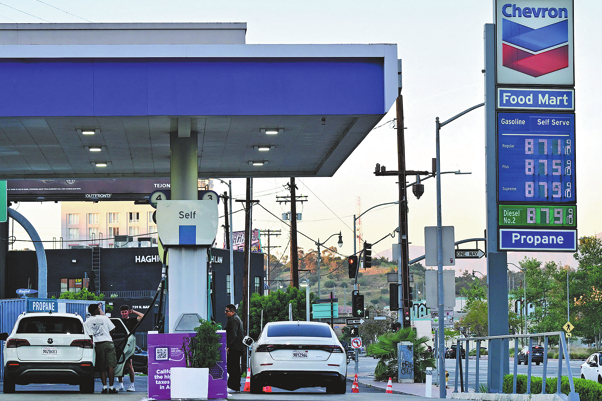
Crisis threatens more supply chain snarls: Experts
The escalating military confrontation between the US-Israel alliance and Iran has precipitated a severe disruption to global supply networks, creating unprecedented challenges for international commerce. According to supply chain experts, the strategic Strait of Hormuz—a critical maritime corridor handling approximately 20% of global oil shipments—has become effectively impassable despite lacking official closure status, triggering a cascade of logistical complications worldwide.
Professor Mohammad Elahee of Quinnipiac University’s International Business program warns that contemporary just-in-time inventory systems lack the resilience to withstand prolonged regional conflicts. “In an era when firms carry minimal buffer stock and rely on highly optimized supply chains,” Elahee emphasized, “a prolonged war that creates disruptions in air and shipping routes would most likely cause severe supply chain shocks with ripple effects reverberating throughout the world.”
The strategic waterway facilitates far more than petroleum products, transporting substantial volumes of essential commodities including one-third of global seaborne fertilizer, petrochemicals, plastics, and aluminum. Container vessels also move critical supplies of food, pharmaceuticals, consumer goods, and industrial machinery along the vital Asia-Europe trade corridor.
Current operational data reveals alarming developments: over 100 commercial vessels remain immobilized in the Gulf region since hostilities intensified in mid-March. Major shipping conglomerates including A.P. Moller-Maersk and Hapag-Lloyd have implemented temporary suspensions of Middle Eastern operations citing safety concerns. Concurrently, freight rates for Asia-Middle East routes have experienced dramatic increases, compounding existing logistical challenges.
The supply chain deterioration compounds recovery efforts from previous disruptions, including COVID-related logistical failures and recent tariff implementations. Retail and e-commerce sectors face particular vulnerability due to their dependence on extensive logistics networks. Elahee projects that “cost increases [will become] embedded in nearly every product they move, resulting in price escalation for consumers.”
While the United States maintains substantial domestic oil production capacity, industry experts caution against assumptions of immunity from global disruptions. Robert Kaufmann of Boston University’s Global Development Policy Center notes that transportation costs will inevitably rise across all moved commodities, potentially impacting prices for clothing, food, and travel services for American consumers.
The current crisis echoes recent supply chain challenges, including the two-year Red Sea blockage from 2023-2026 due to Houthi militant activities, which forced rerouting via Africa’s Cape of Good Hope. The present conflict has additionally forced closure of Middle Eastern airspace, creating critical delays for time-sensitive air cargo shipments, particularly perishable goods requiring precise logistical coordination.
Industry analysts confirm that numerous shipping companies have begun diverting Gulf-bound cargo to alternative ports, while regional airports remain shuttered to commercial transit. This multidimensional logistics crisis demonstrates the profound interconnectedness of global supply networks, where regional disturbances rapidly propagate through international economic systems.
-
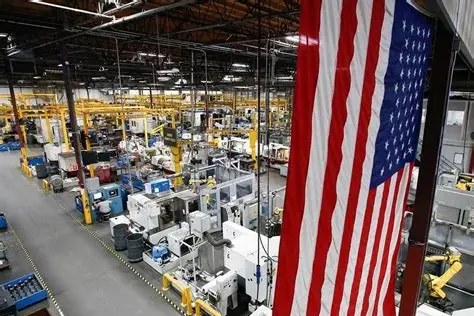
Tariffs hurting domestic manufacturing
WASHINGTON — The Trump administration’s tariff-centered economic agenda is producing severe unintended consequences for American manufacturing, contrary to its stated objectives. Jay Allen, a Trump supporter and owner of Allen Engineering in northeast Arkansas, exemplifies this troubling trend as his company struggles under the weight of import taxes.
Allen’s manufacturing operation, which produces high-end industrial concrete equipment selling for up to $100,000 per unit, has been severely impacted by increased costs for imported components including engines, steel, gearboxes, and clutches. Despite his initial support for the president’s economic policies, Allen reported operating at a loss in 2025 directly attributable to tariffs, forcing workforce reductions from 205 to 140 employees and price increases of 8-10% that risk further depressing sales.
This case study reflects broader economic data showing 98,000 manufacturing jobs lost during Trump’s first year back in office. The administration’s core rationale—that tariffs would stimulate domestic factory growth and generate sufficient revenue to reduce federal deficits—has failed to materialize. Instead, U.S. companies are now seeking over $130 billion in tariff refunds through litigation against the government.
The White House maintains that positive indicators including construction spending, factory construction hiring, and manufacturing productivity gains will eventually yield benefits. Pierre Yared, acting chairman of the White House Council of Economic Advisers, stated via email that production timelines mean “it will be some more time before we fully materialize the benefits of the president’s policies.”
However, economic analysts challenge this optimism. Joseph Steinberg of the University of Toronto notes that even under ideal conditions, manufacturing employment would require a decade to recover to pre-tariff levels. The current situation falls far short of this best-case scenario due to persistent policy uncertainty that discourages business expansion.
The challenge is particularly acute for small and medium manufacturers, who comprise 98% of U.S. manufacturing establishments but lack the lobbying power or brand recognition of corporate giants to mitigate tariff impacts. Industry groups are advocating for targeted tax credits and exemptions for raw materials and components not available at scale domestically, as the U.S. continues to lag severely behind China in global manufacturing share.
-
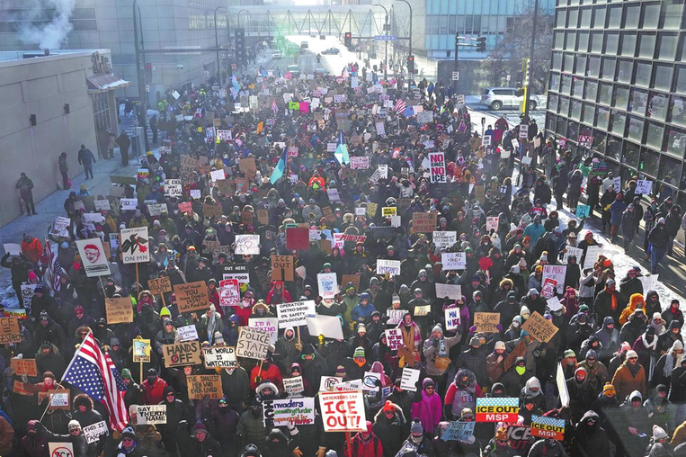
ICE arrests of Asians, Pacific Islanders nearly quadruple
A dramatic escalation in US immigration enforcement has disproportionately targeted Asian and Pacific Islander communities, with arrest figures surging nearly 400% during President Donald Trump’s second administration according to newly analyzed government data.
The research conducted by Stop AAPI Hate, a coalition addressing anti-Asian racism, reveals that between January 20 and mid-October of last year, US Immigration and Customs Enforcement (ICE) arrested 7,752 individuals of Asian and Pacific Islander descent. This represents a staggering increase from the 1,998 arrests recorded throughout 2024 under the previous administration. The enforcement actions resulted in 7,243 detentions and 2,776 deportations within these communities.
Chinese nationals constituted the largest demographic among those arrested at 26%, followed closely by Indian citizens at 25%. Vietnamese nationals accounted for 12% of arrests, with Laotian and South Korean citizens each representing 4% of the total.
The human toll of these enforcement measures extends beyond statistics. Government records indicate 33 fatalities occurred within immigration detention facilities last year. Human rights observers attribute these deaths to multiple factors including deprivation of liberty, isolation, psychological distress, and substandard physical conditions compounded by inadequate medical and mental healthcare services.
The intensified enforcement has generated widespread anxiety throughout Asian American communities nationwide. In October, ICE operations on New York’s historic Canal Street effectively emptied Chinatown of its typical vibrant street vendors. Similar enforcement actions targeted Asian-owned businesses including grocery stores, massage parlors, salons, and restaurants in Sacramento, California, prompting community vigils.
The psychological impact is profound. A University of Chicago National Opinion Research Center survey found 34% of Asian and Pacific Islander adults feel less secure in the United States, with 39% reporting they have withdrawn from public life to varying degrees. Approximately 36% of over 1,300 respondents expressed concern about their immigration status being questioned or revoked, while 30% reported fear of arrest, detention, or deportation.
The climate of fear has altered daily behaviors, with some long-term residents like Jessica, a Chinese immigrant and retired teacher in Dallas, now carrying identification documents despite four decades of residence. ‘I know I’m not required by law to carry my passport as an American citizen,’ she explained, ‘but news of wrongful detentions has made me fearful that ICE agents might question me based on my appearance.’
-
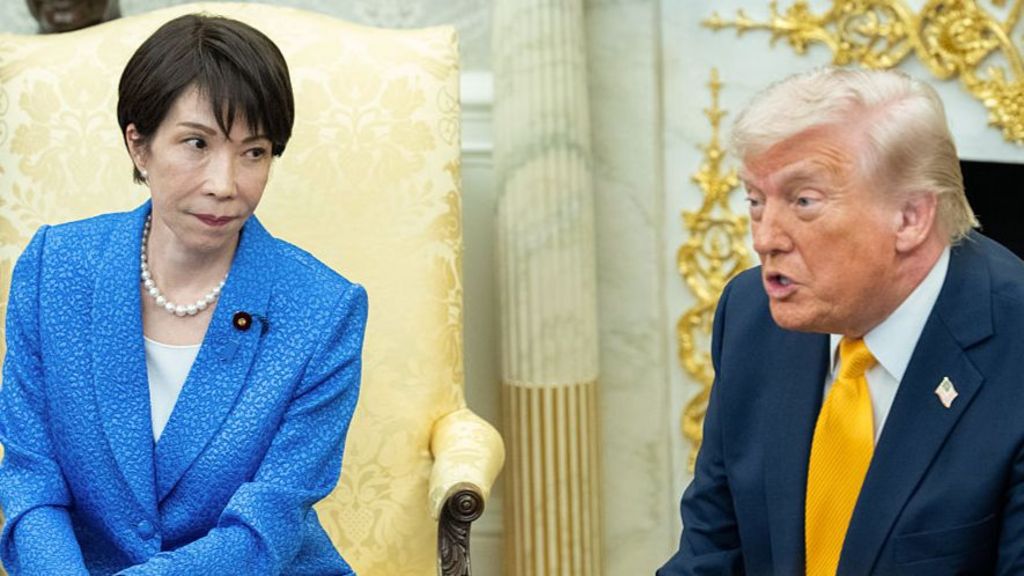
Trump’s Pearl Harbor remark overshadows Japan PM visit
During Japanese Prime Minister Sanae Takaichi’s official visit to Washington, President Donald Trump invoked one of the most painful chapters in U.S.-Japan history to justify his administration’s surprise military strike against Iran. When questioned by Japanese journalists about why allies weren’t forewarned of the February 28th operation, Trump retorted: “Who knows better about surprise than Japan? Why didn’t you tell me about Pearl Harbor?”
The remark created visible discomfort for Prime Minister Takaichi, who according to eyewitnesses from Japan’s Yomiuri Shimbun newspaper, “viscerally reacted, her eyes widening and her smile disappearing as she leaned back, drawing her hands in, clearly taken aback.” The comment drew some laughter from others in the Oval Office, but highlighted the delicate nature of historical references between the two nations.
The Pearl Harbor attack on December 7, 1941, resulted in 2,403 American deaths and propelled the United States into World War II. The conflict culminated with the atomic bombings of Hiroshima and Nagasaki in 1945, which killed hundreds of thousands of Japanese civilians. Since the 1952 peace treaty, both countries have consciously focused on reconciliation rather than historical grievances.
This diplomatic encounter occurred against the backdrop of ongoing tensions in the Strait of Hormuz, where Iran has blocked oil shipments in retaliation for U.S.-Israeli attacks. Japan had previously declined Trump’s request to help reopen the vital waterway, though Takaichi later indicated Tokyo would provide support within its legal framework. The blockade has caused global oil prices to skyrocket, affecting approximately 20% of the world’s oil supply.
The incident underscores the ongoing challenges in the U.S.-Japan alliance, where historical memory continues to influence contemporary diplomacy despite seven decades of partnership.
-

Couple blends tradition with contemporary in New York
In the heart of Manhattan, a culinary revolution is quietly unfolding at Yingtao, a Michelin-starred establishment challenging conventional perceptions of Chinese cuisine in America. Founded by the husband-wife duo Bolun and Linette Yao, this innovative restaurant merges traditional Chinese flavors with contemporary fine-dining techniques through an elaborate tasting menu format.
Bolun Yao, who grew up in Xi’an, China before moving to New Zealand and eventually New York, brings a unique cross-cultural perspective to his role as owner and founder of August Hospitality Group. His partner Linette serves as managing partner, together creating what they describe as ‘elevated Chinese cuisine’ that breaks from the static categorization often associated with Chinese food in New York.
The restaurant’s journey began with significant challenges. American diners initially struggled to understand refined interpretations of Chinese flavors, while some Chinese patrons found the departure from traditional preparations unfamiliar. However, persistence and innovation gradually built a loyal following, culminating in the prestigious Michelin star recognition—a rarity for Chinese restaurants in the United States.
Yingtao’s culinary approach involves creative reinterpretations of classic dishes. One standout example transforms the Cantonese dim sum staple lo mai gai (sticky rice wrapped in lotus leaf) into an inventive composition featuring sticky rice, Chinese sausage, and salted egg yolk stuffed inside a chicken wing.
The Yaos emphasize that their mission extends beyond prestige-seeking. ‘It’s about visibility and representation,’ Linette explains. ‘We’re creating a platform for Chinese cuisine to stand alongside other celebrated Asian culinary traditions in New York.’ Bolun adds, ‘We don’t seek to replace traditional Chinese restaurants—we want to showcase another possibility.’
Named in honor of Bolun’s grandmother, Yingtao represents both personal heritage and culinary innovation, demonstrating how cultural traditions can evolve while maintaining their essential character in a global context.
-
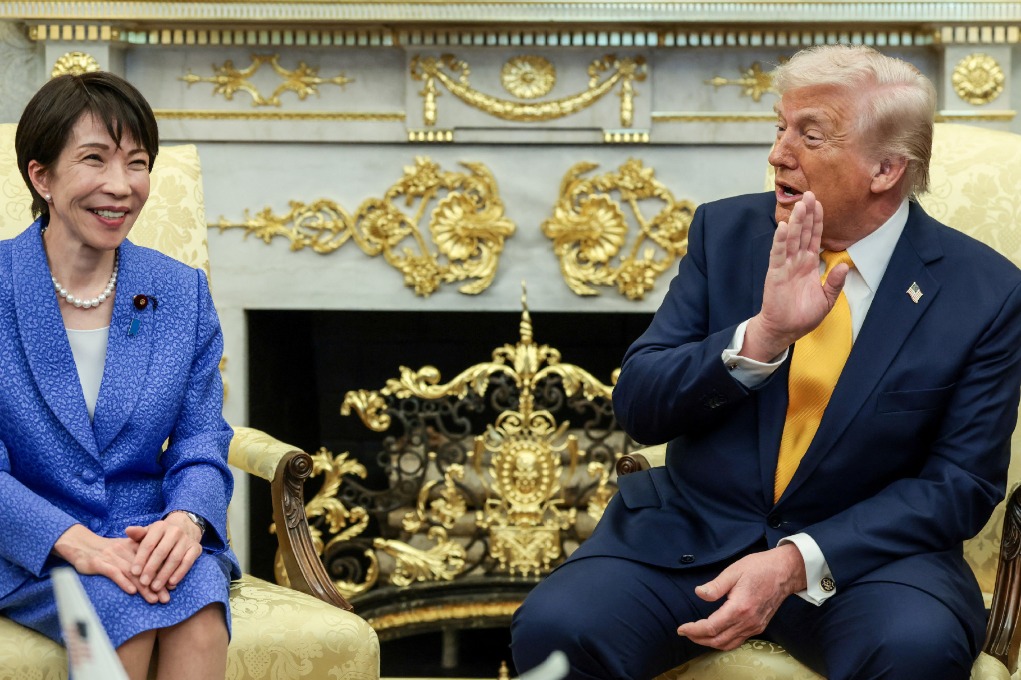
Trump says he will not put troops in Iran
In a significant statement addressing the escalating military confrontation with Iran, U.S. President Donald Trump explicitly ruled out deploying American ground forces to the conflict zone. The declaration came during a bilateral meeting with Japanese Prime Minister Sanae Takaichi at the White House on Thursday.
When questioned by journalists about potential troop deployments to Iran, Trump responded unequivocally: “I’m not putting troops anywhere.” This position emerges amid intensifying hostilities between the United States, Israel, and Iran that began with large-scale strikes on February 28th.
The ongoing military engagement has already produced substantial global repercussions, including significant disruptions to international shipping routes, a sharp increase in oil prices, and noticeable tremors throughout the world economy. These developments have raised concerns among international observers about the potential for broader regional destabilization.
The meeting with Prime Minister Takaichi, held in the Oval Office, primarily focused on strengthening bilateral relations between the United States and Japan. However, the escalating situation in the Middle East inevitably dominated discussions, given its implications for global security and economic stability.
Trump’s statement represents a notable clarification of U.S. military strategy amid the conflict, suggesting a preference for aerial and naval capabilities over ground operations. This position may signal a calculated approach to managing regional tensions while attempting to limit American military exposure in the complex geopolitical landscape of the Middle East.
-
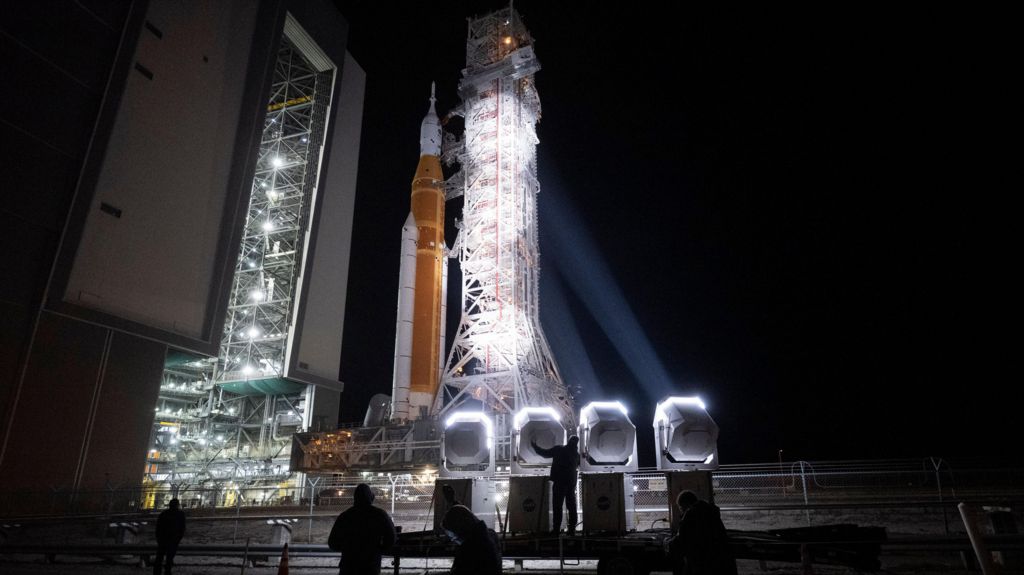
Nasa’s Moon rocket Artemis rolls back to pad for possible April launch
NASA has initiated the meticulous transport of its colossal Space Launch System (SLS) rocket for a second rollout to Launch Pad 39B at Florida’s Kennedy Space Center. This critical maneuver follows extensive repairs to resolve a technical issue that previously halted launch preparations.
The 98-meter (322-foot) rocket, paired with the Orion spacecraft, embarked on its slow four-mile journey from the Vehicle Assembly Building (VAB) to the coastal launch complex. The massive Crawler-Transporter-2, a veteran NASA vehicle dating back to 1965, carries the approximately 5,000-tonne assembly at a deliberate pace not exceeding 1 mph. This cautious speed minimizes structural stress on the multi-billion dollar system during transit.
Engineering teams recently completed repairs addressing a helium system malfunction in the rocket’s upper stage that forced the mission’s postponement in March. Specialists working within the VAB replaced suspect components and renewed batteries in critical systems before conducting comprehensive retests.
Upon reaching the launch pad, technicians will perform several days of verification procedures including reconnecting the launch tower, conducting pressure tests on the revised helium system, and executing simulated countdown sequences using the actual flight computers and networks.
The Artemis II mission represents humanity’s first crewed lunar flyby in over five decades, featuring astronauts Reid Wiseman, Victor Glover, Christina Koch, and Jeremy Hansen. The crew has entered pre-flight quarantine protocols and will participate in final rehearsals at Kennedy Space Center as NASA targets early April launch opportunities beginning April 1st.
Mission managers will review all test data before making a final launch decision. If successful, this ten-day mission will orbit the Moon’s far side before returning to Earth, paving the way for subsequent Artemis missions including planned lunar surface landings.
-
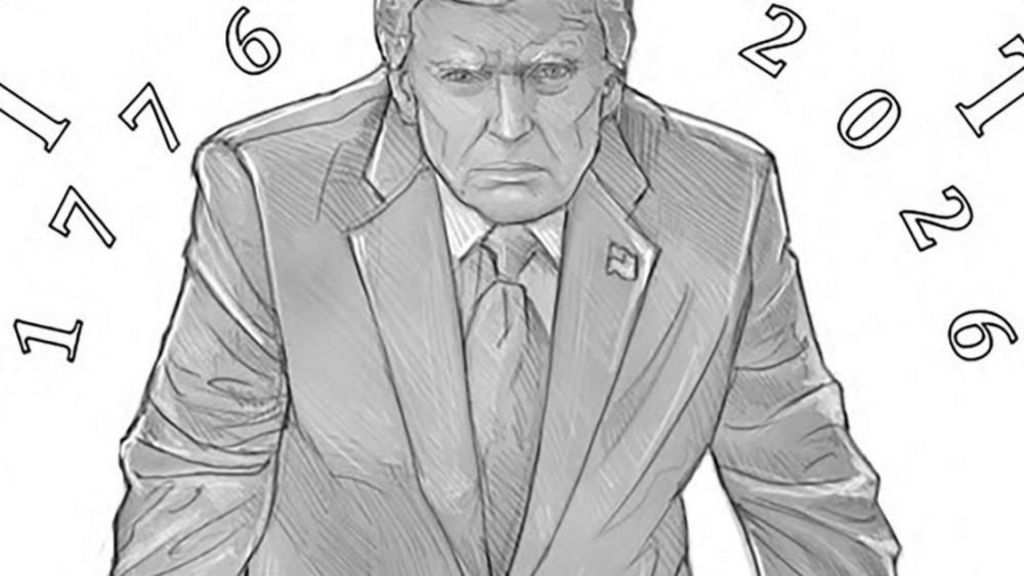
Trump 24-karat gold coin approved by hand-picked federal panel
A federal arts commission has unanimously approved the design of a 24-karat gold coin featuring President Donald Trump, intended to commemorate America’s 250th anniversary this Fourth of July. The controversial coin depicts Trump with his fists pressed against a desk in a pose derived from an official White House photograph.
The U.S. Commission of Fine Arts endorsed the design following a presentation by the U.S. Mint, despite apparent conflicts with federal regulations that typically prohibit living presidents from appearing on U.S. currency. The issuance proceeds under the authority of Treasury Secretary Scott Bessent, who holds discretionary power to authorize proof gold coins.
Commission Vice-Chairman James McCrery not only moved to approve the design but enthusiastically recommended maximizing its dimensions, suggesting a potential diameter of up to three inches—significantly larger than the standard quarter dollar’s sub-one-inch width.
This development occurs against a contentious backdrop: Trump replaced the commission’s entire membership with allies last year, while Democratic Congressman Ritchie Torres of New York previously proposed legislation—the Trump (The Restrict Ugly Money Portraits) Act—specifically designed to prevent presidents from issuing currency bearing their own likeness. The bill failed to advance through Congress.
If minted as expected following Bessent’s anticipated order, Trump would become only the second U.S. president after Calvin Coolidge to appear on coinage during his lifetime. The U.S. Mint has declined to comment on the proceedings.