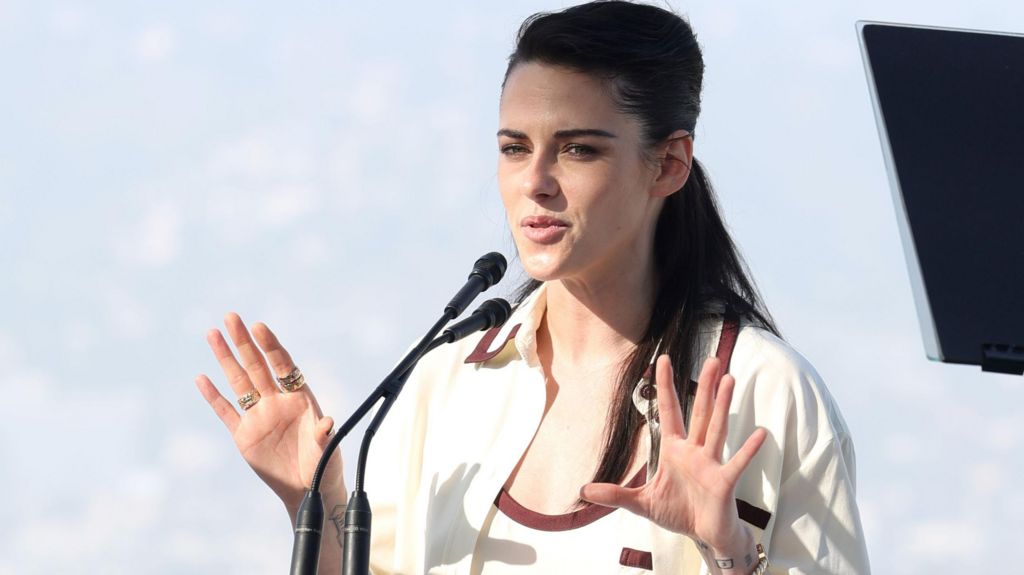
In a fervent address at a women’s luncheon hosted by the Academy of Motion Picture Arts and Sciences, acclaimed actress and director Kristen Stewart expressed her profound frustration over the stagnation and regression of progress for female filmmakers in Hollywood. The event, held in Los Angeles, saw Stewart, known for her role in the Twilight series and her directorial work on the upcoming film *The Chronology of Water*, delivering a powerful critique of the industry’s treatment of women post-MeToo. ‘The backsliding from a brief moment of progress is statistically devastating,’ Stewart lamented. ‘Such a pitiful number of films from the past year have been made by women.’ Citing *The Celluloid Ceiling* report, she highlighted that only 11 of the top 100 grossing films in 2024 were directed by women, a decline from 16 in 2020. Stewart recounted the initial optimism following the MeToo movement, which had spurred a reckoning in Hollywood regarding gender representation both on and off-screen. However, she emphasized the ongoing challenges faced by women in the industry, particularly when their work delves into darker or taboo subjects. ‘The violence of silencing is pervasive,’ she stated. ‘It’s like we’re not even supposed to be angry. But I can eat this podium with a fork and knife. I’m so angry.’ Her speech, which lasted seven minutes, was met with multiple rounds of applause from attendees, including prominent figures like Sarah Paulson, Julia Louis-Dreyfus, and Tessa Thompson. Stewart concluded with a call to action, urging women to resist tokenism and assert their creative autonomy. ‘Let’s try and not be tokenized. Let’s start printing our own currency,’ she declared. Despite the presence of films by acclaimed female directors such as Chloé Zhao, Kathryn Bigelow, and Mona Fastvold in the upcoming Oscars race, the best director category is once again anticipated to be predominantly male.
标签: North America
北美洲
-
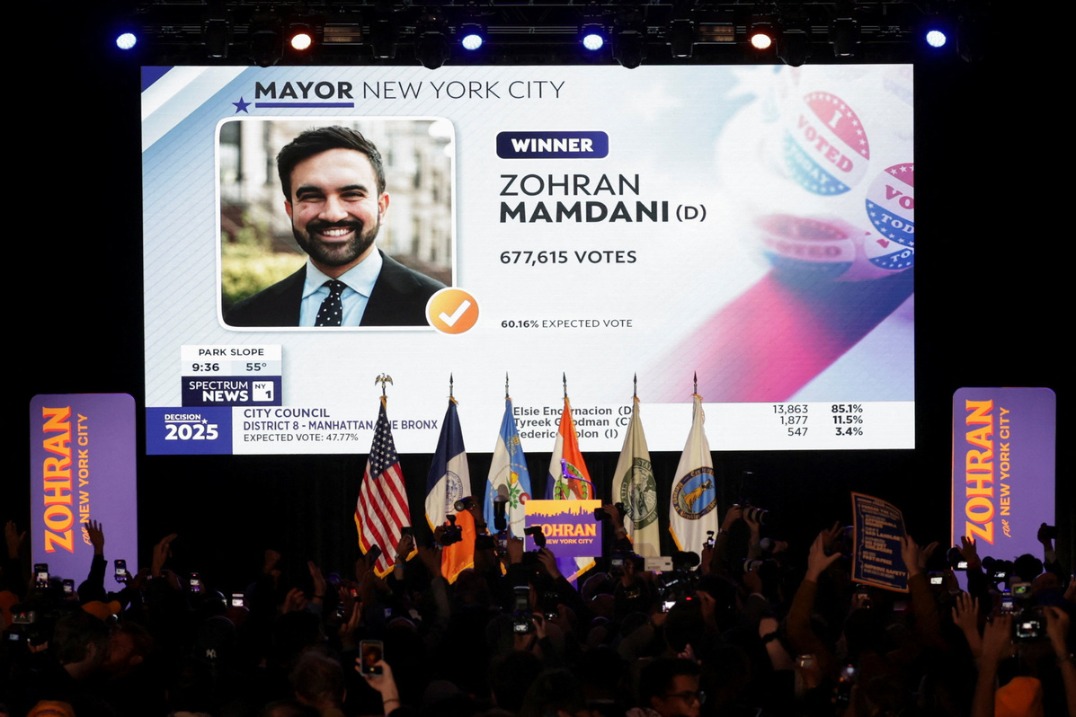
Zohran Mamdani makes history becoming youngest mayor of New York City in over a century
In a historic victory, Zohran Mamdani, a 34-year-old Democratic socialist, has been elected as the youngest mayor of New York City in over a century. Mamdani, who is also the first Muslim and South Asian to hold the position, triumphed over seasoned opponents Andrew Cuomo and Curtis Sliwa. His campaign, centered on prioritizing working-class citizens and taxing the wealthy to fund progressive policies, resonated strongly with younger voters. Mamdani’s proposals included free bus services, rent freezes for a million tenants, and government-subsidized grocery stores. The election saw a record-breaking voter turnout, with over 2 million New Yorkers casting their ballots, the highest since 1969. Mamdani’s win is seen as a significant boost for the Democratic Party, which has been seeking a unified voice following recent electoral setbacks. His victory also comes ahead of the 2026 midterms, positioning him as a rising star in national politics. Despite criticism from older candidates and former President Donald Trump, Mamdani garnered endorsements from prominent figures like Alexandria Ocasio-Cortez and Bernie Sanders. His success marks a generational shift in New York City’s leadership and signals a new era of progressive governance.
-
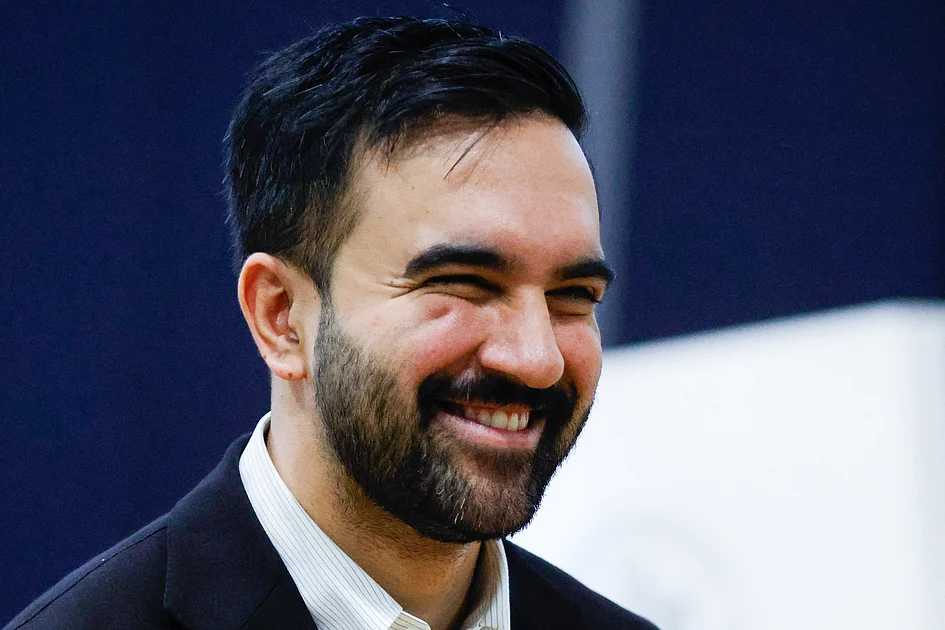
Zohran Mamdani elected New York mayor; Democrats win in New Jersey, Virginia
In a historic election, Zohran Mamdani has been elected as the next mayor of New York, marking a significant victory for the Democratic Party. Mamdani, a state lawmaker from Queens, overcame intense criticism and attacks on his policies and Muslim heritage from former President Donald Trump, business elites, and conservative media. His campaign focused on addressing the rising cost of living, promising free city bus travel, childcare, and city-run grocery stores, which resonated deeply with voters. Mamdani’s victory, alongside Democratic wins in the governor’s races in Virginia and New Jersey, signals a potential shift in the political landscape as the nation looks toward next year’s midterm elections. Despite being a self-described socialist and relatively unknown before his primary win, Mamdani’s grassroots campaign and social media strategy propelled him to success. His election also highlights the ongoing ideological debate within the Democratic Party between centrist and progressive factions. Meanwhile, in New Jersey, Democratic candidate Mikie Sherrill, a former Navy helicopter pilot, defeated Republican Jack Ciattarelli, while in Virginia, Democrat Abigail Spanberger unseated Republican incumbent Winsome Earle-Sears. Both races saw high-profile endorsements, with former President Barack Obama supporting the Democratic candidates and Trump rallying for Republicans. Mamdani’s victory, however, comes with challenges, as he will face significant political opposition in a city known for its complex governance.
-
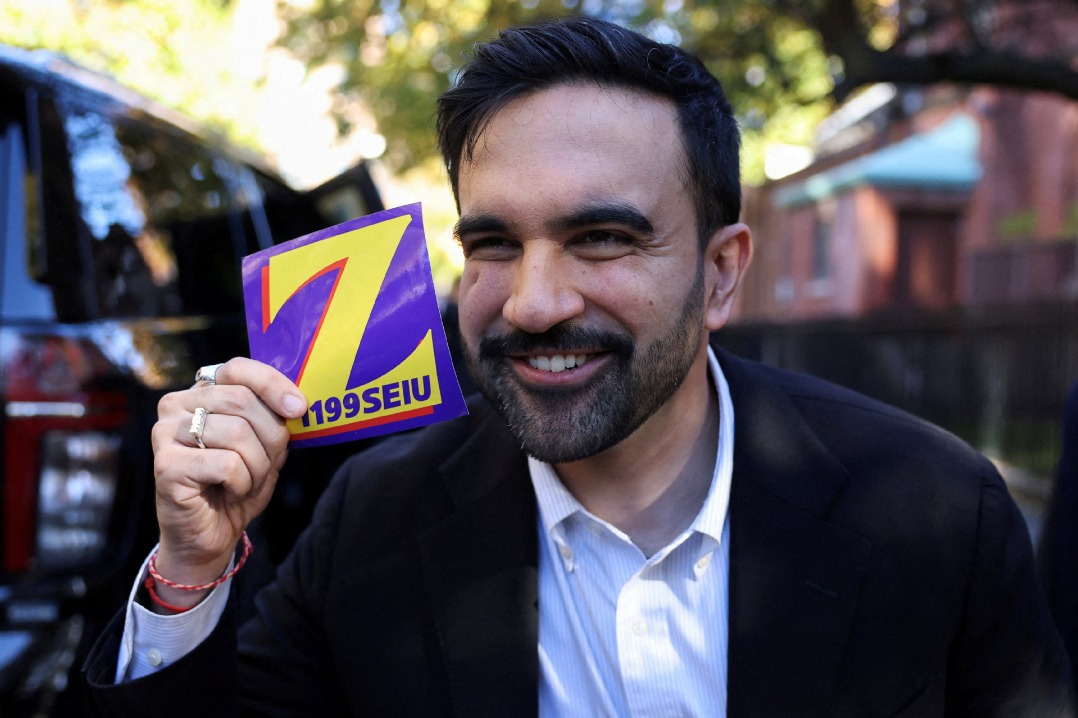
Zohran Mamdani elected as NYC mayor
In a historic turn of events, Zohran Mamdani has been elected as the next mayor of New York City, marking a significant milestone in the city’s political landscape. At just 34 years old, Mamdani, a Ugandan-born immigrant, becomes the youngest mayor in over a century and the first Muslim to hold the position. His campaign resonated deeply with working-class New Yorkers, focusing on making life more affordable and addressing economic disparities. Mamdani’s victory comes despite earlier opposition from former President Donald Trump, who endorsed his opponent, Andrew Cuomo, and threatened to cut federal funding to the city if Mamdani won. This election not only underscores a shift in New York City’s political priorities but also highlights the growing influence of diverse voices in American politics.
-

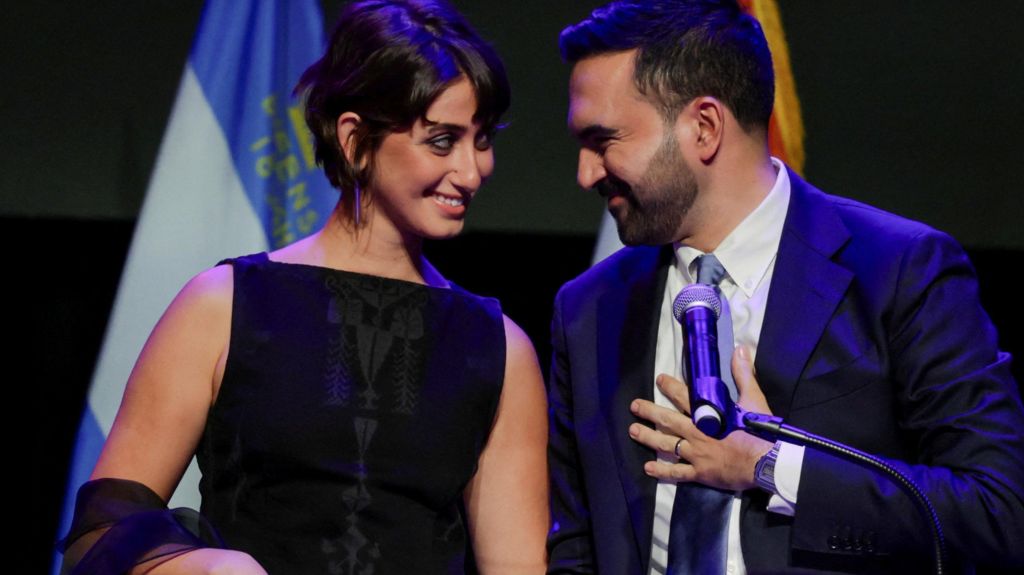
Rama Duwaji: Who is the wife of NYC’s mayor-elect Zohran Mamdani?
At just 28 years old, Rama Duwaji is set to become the youngest First Lady in New York City’s history, following her husband Zohran Mamdani’s victory in the mayoral race. Mamdani, a 33-year-old state assemblyman, publicly acknowledged his wife’s unwavering support during his victory speech, affectionately referring to her as “hayati,” the Arabic term for “my life.” Duwaji, a New York-based artist of Syrian descent, has gained recognition for her work that often explores Middle Eastern themes. Her art has been featured in prominent outlets such as BBC News, The New York Times, The Washington Post, Vice, and London’s Tate Modern museum. Despite her husband’s rising political profile, Duwaji has largely remained out of the public eye, choosing to focus on her art and personal life. However, she played a significant behind-the-scenes role in shaping Mamdani’s campaign brand identity, according to CNN. Friends and acquaintances have described her as a modern-day Princess Diana, highlighting her grace and influence. Duwaji’s work often addresses political issues, including American imperialism, Israeli war crimes, and the plight of Palestinians, aligning with some of her husband’s policy positions. She has also used her platform to advocate for individuals like Mahmoud Khalil, a Columbia University graduate facing deportation for his pro-Palestinian activism. Duwaji, who spent much of the COVID-19 pandemic in Dubai with her family, believes in the artist’s responsibility to reflect the times and speak out against injustice. Her journey from a Texas-born artist to New York City’s First Lady is a testament to her resilience and commitment to using art as a medium for change.
-

Up to Dh1 billion fine as UAE boosts Central Bank powers under new financial law
The UAE has implemented a groundbreaking financial law, Federal Decree Law No. (6) of 2025, significantly enhancing the Central Bank’s regulatory powers and introducing stringent penalties for non-compliance. The law, which came into effect on November 5, 2025, aims to bolster financial stability, protect consumers, and regulate emerging financial technologies. It applies to a broad spectrum of the financial ecosystem, including banks, insurers, fintech firms, payment system providers, and other financial service entities. Administrative fines for violations can now reach up to Dh1 billion, with the Central Bank authorized to withdraw penalties directly from violators’ accounts before a final judicial ruling. Additionally, the law mandates public disclosure of penalties and settlement decisions to enhance transparency and market discipline. The legislation also empowers the Central Bank to intervene early in distressed institutions, imposing corrective measures, replacing management, or taking control if necessary. Furthermore, the law consolidates consumer complaints under the Sanadak platform, streamlining dispute resolution for banking and insurance services. The Central Bank’s role as the national Resolution Authority is reinforced, enabling it to manage crises effectively, including restructuring capital and ensuring continuity of essential services. The law also integrates environmental, social, and governance (ESG) principles into the Central Bank’s operations, aligning with global sustainability trends. Financial institutions have one year to comply with the new requirements, with potential extensions granted as needed.
-
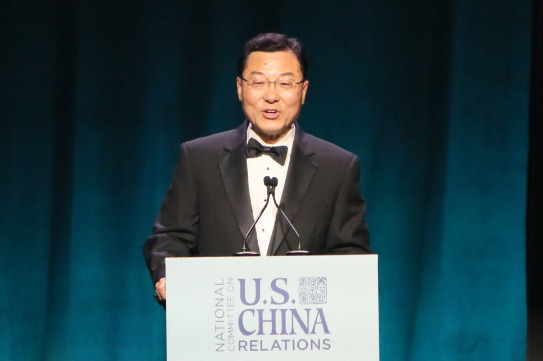
Envoy: China, US can build on momentum
In a pivotal moment for global diplomacy, China and the United States are being encouraged to build on the positive momentum generated by their leaders’ recent meeting in Busan, South Korea. Ambassador Xie Feng, China’s top envoy in Washington, emphasized the need to steer the ‘giant ship’ of bilateral relations toward a stable and cooperative future. Speaking at the US-China Business Council 2025 China Operations Conference & Dinner via video link, Xie highlighted the significance of the meeting, which recalibrated relations at a critical juncture. He acknowledged the challenges but stressed the importance of maintaining hope and fostering mutual understanding. The meeting, preceded by trade talks in Malaysia, addressed concerns from US business and agricultural sectors, leading to tangible outcomes such as reduced tariffs and expanded cooperation in areas like anti-drug efforts and agricultural trade. Xie urged both nations to follow through on their commitments, warning against actions that could disrupt progress. He also pointed to China’s upcoming 15th Five-Year Plan (2026-30) as a catalyst for deeper collaboration, particularly in innovation and sustainable development. With China’s economy projected to grow significantly, Xie emphasized the country’s role as a global growth engine and its commitment to high-standard opening-up. He called on US companies to seize new opportunities and act as bridges for mutual understanding, highlighting the China International Import Expo as a key platform for partnership. The US-China Business Council echoed optimism, describing the latest trade announcements as ‘very encouraging’ and expressing hope for long-term predictability in bilateral ties.
-
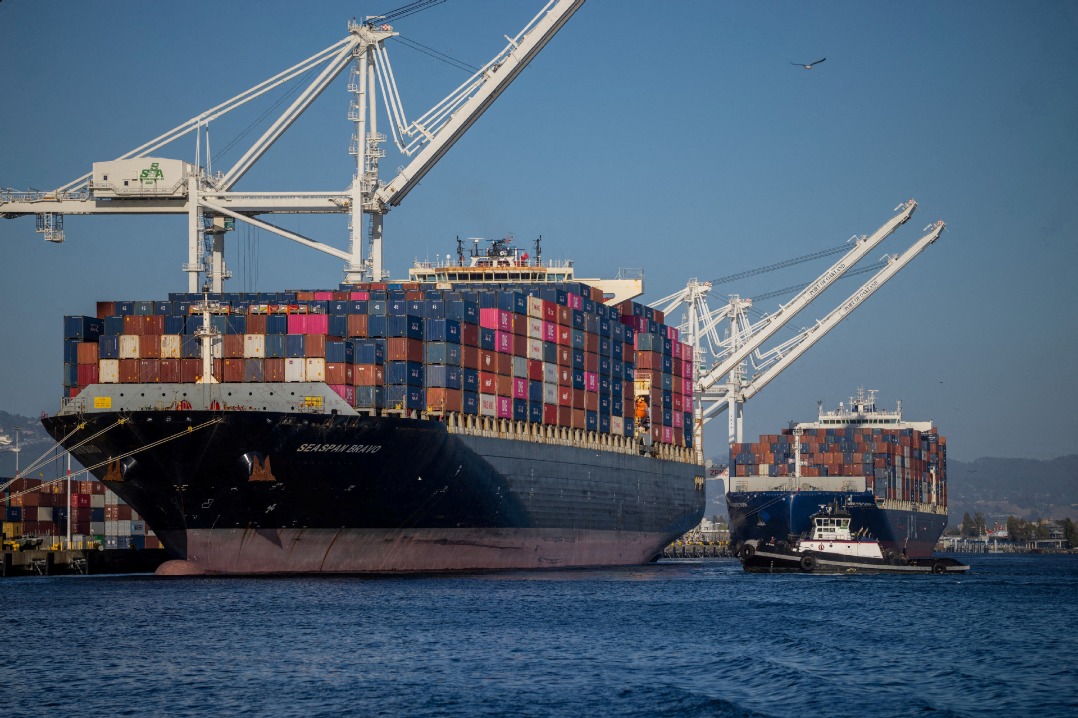
Allies weigh options amid uncertainties
In the face of escalating unpredictability in US trade and foreign policies, key Commonwealth nations such as Canada and New Zealand are actively pursuing strategies to diversify their economic partnerships. Radhika Desai, a political studies professor at the University of Manitoba, highlighted Canada’s precarious position following decades of deepening reliance on the United States. Desai noted that Canadian elites have historically concentrated their economic focus on the US, a strategy she described as a ‘silent surrender.’ This dependence has proven increasingly costly, particularly under the Trump administration, which renegotiated the North American Free Trade Agreement to Canada’s disadvantage. With the potential of a second Trump term, Prime Minister Mark Carney’s perceived inability to challenge Washington has left many Canadians disenchanted. Desai identified two major obstacles to Canada’s shift away from the US: entrenched economic integration and a ruling class resistant to diversification, especially if it involves closer ties with China. Concurrently, Canadian public sentiment has grown increasingly critical of aligning too closely with the US. Desai attributed Washington’s volatility to deeper structural issues within the US, including decades of financialization and deindustrialization, which have made it politically untenable for any candidate to claim economic success. Trump’s focus on tariffs and blame towards trade, China, and immigrants, rather than addressing neoliberalism, has further exacerbated global uncertainties. Desai emphasized that this unpredictability has lasting consequences, with governments worldwide recognizing that the US is unlikely to become a stable economic partner, even under a future Democratic administration. While Canada remains closely tied to the US, Desai believes a gradual realignment towards a multipolar world is inevitable. In a recent move, Prime Minister Carney attended the ASEAN Summit in Kuala Lumpur, aiming to strengthen trade, technology, and energy partnerships with Southeast Asian nations, signaling Canada’s intent to diversify its economic relationships. Meanwhile, the European Union and Australia are advancing their long-awaited Free Trade Agreement, reflecting a shared commitment to an open, rules-based trading system. New Zealand has also been proactive in diversifying its trade partnerships, recently concluding agreements with the UK and the Gulf Cooperation Council, and engaging in negotiations with India. These efforts underscore a broader trend among global allies to enhance supply chain resilience and reduce vulnerability to market-specific shocks.
-
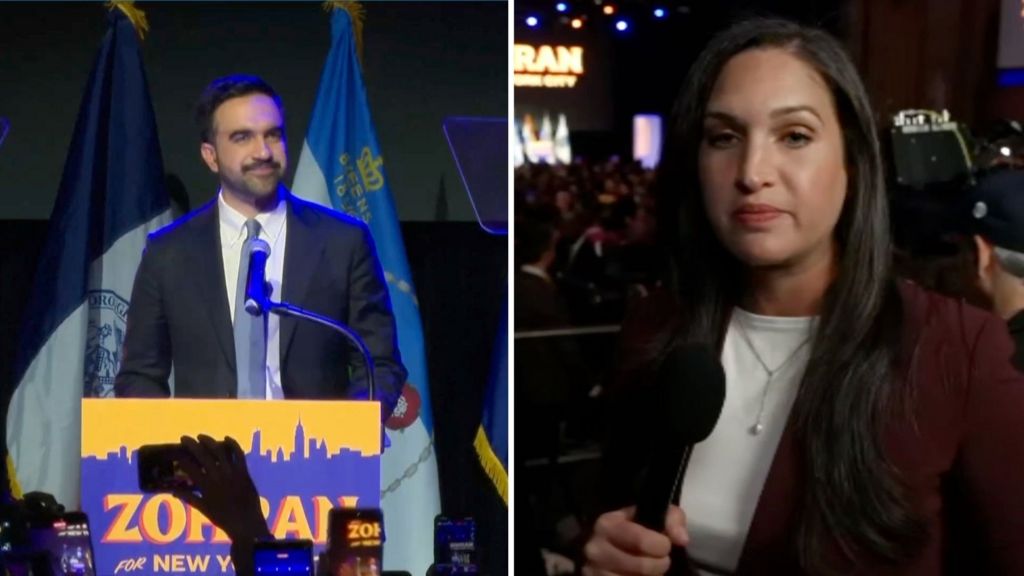
Joy precedes scrutiny: Inside Mamdani’s victory party
Amidst an atmosphere of jubilation and anticipation, BBC News correspondent Nada Tawfik provided an exclusive glimpse into the victory celebration of Zohran Mamdani, the newly elected mayor. The event, held in a vibrant venue, was marked by enthusiastic supporters, lively music, and a palpable sense of triumph. Mamdani, a progressive candidate, delivered a heartfelt speech, expressing gratitude to his campaign team and voters while outlining his vision for the city’s future. However, the festivities were not without an undercurrent of scrutiny, as questions about policy implementation and governance challenges loomed. Tawfik’s report highlighted the dual narrative of joy and responsibility that accompanies such a significant political milestone, offering a balanced perspective on the evening’s events.
-
What to know about Zohran Mamdani and what he wants to do in NYC
In a historic victory, Zohran Mamdani has been elected as the first Muslim and South Asian mayor of New York City, marking a significant shift in the political landscape of the nation’s largest metropolis. The 34-year-old Democratic socialist, who rose from relative obscurity to national prominence, secured the mayoral seat with a bold, progressive platform that resonated deeply with voters seeking change. His victory speech on Tuesday night was a rallying cry for hope and unity, as he declared, ‘Today we have spoken in a clear voice: Hope is alive.’ Mamdani’s campaign, fueled by grassroots support and a strong social media presence, focused on addressing critical issues such as housing affordability, public safety, and economic inequality. His proposals, including a four-year rent freeze for rent-stabilized apartments and the creation of city-owned grocery stores, have sparked both enthusiasm and debate. Critics, however, question the feasibility of his ambitious plans, particularly in light of the city’s complex economic and logistical challenges. Despite facing criticism from President Donald Trump and Republican opponents, Mamdani’s authenticity and ability to connect with younger voters proved decisive. His election signals a new era for New York City, as he aims to transform City Hall into a beacon of compassion and clarity. As Mamdani prepares to take office, the nation watches closely to see how his progressive vision will shape the future of the Big Apple.