
In a historic move marking the end of a 230-year tradition, the United States has officially ceased the production of its one-cent coin, commonly known as the penny. The decision comes as the cost of minting each penny has surged to nearly four cents, rendering its production economically unsustainable. The penny, first introduced in 1793, has long been a symbol of American currency but has faced increasing scrutiny in recent years due to its declining purchasing power and rising production costs. Economists and policymakers have debated its relevance in modern commerce, with many arguing that its discontinuation could streamline transactions and reduce unnecessary expenses. While the penny will remain legal tender, its production halt signifies a significant shift in the nation’s monetary landscape. The final minting of the coin was captured in a poignant video, symbolizing the end of an era in US financial history.
标签: North America
北美洲
-

Starbucks union workers go on strike over pay and staffing
Starbucks employees at 65 unionized stores across the United States have initiated a strike, intensifying their campaign for improved wages and staffing levels. The action, organized by Starbucks Workers United, comes after prolonged negotiations with the coffee giant reached an impasse. The union is also demanding the resolution of hundreds of unfair labor practice charges. Talks for a contract agreement collapsed earlier this year, leaving both parties at odds over critical economic issues. Starbucks has downplayed the impact of the strike, stating that fewer than 1% of its stores will be affected, with the majority continuing normal operations. The union, established four years ago, has successfully organized elections at over 600 stores, representing approximately 5% of Starbucks’ company-owned U.S. locations. More than 1,000 baristas in over 40 cities are participating in the strike, strategically timed to coincide with Starbucks’ Red Cup Day, a major sales event. The union has warned that the strike could expand if negotiations remain unresolved. Baristas like Dachi Spoltore from Pittsburgh emphasized the personal stakes involved, stating, ‘Jobs, our livelihoods, our economic security—this might be a game to Starbucks, but this isn’t a game for us.’ The strike, though limited in scope, could draw unwanted attention to Starbucks during a challenging period marked by consumer boycotts, rising competition, and leadership turmoil. New CEO Brian Niccol, who joined last year, has implemented a ‘Back to Starbucks’ strategy, including stricter policies and a $500 million investment in staffing and training. However, baristas argue that these changes have increased their workload without addressing staffing shortages. Union leaders acknowledge some progress in relations but highlight persistent disagreements over pay and unresolved labor charges. Starbucks has criticized the union for stalling talks, claiming that its demands would disrupt store operations. Despite the company’s assertions of offering competitive wages and benefits, baristas remain steadfast in their fight for fair treatment and livable wages.
-
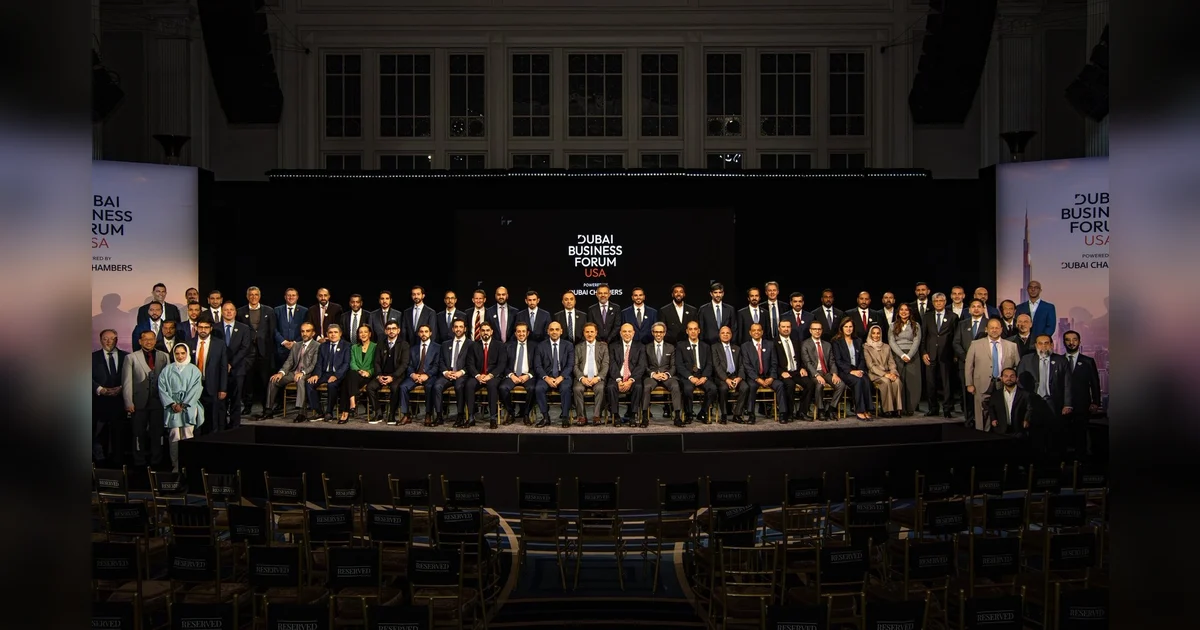
Dubai becomes key US investment hub, supporting 184,000 American jobs
Dubai has solidified its position as a pivotal hub for American investments, supporting approximately 184,000 jobs in the United States, according to UAE government estimates. This significant figure underscores Dubai’s growing role as a gateway for US businesses expanding into the Middle East, Africa, Central Asia, and beyond. The findings were highlighted during the Dubai Business Forum – USA in New York, which attracted around 700 attendees and showcased the deepening economic ties between Dubai and the US. A report by Dubai Chambers further revealed that trade between the two regions has surged, with Dubai’s exports to the US increasing by 76% from $5.2 billion in 2018 to $9.3 billion in 2024, while imports grew by 34% to $22.3 billion. Over the past decade, the US has become Dubai’s top source of foreign direct investment (FDI), with $21.7 billion channeled into 1,474 projects across sectors such as tourism, IT, business services, and communications. Dubai’s strategic advantages, including its world-class logistics, connectivity, and business-friendly policies, have made it an attractive destination for American companies. Additionally, Dubai’s leadership in digital transformation and blockchain regulation has drawn significant interest from US tech firms and entrepreneurs, further cementing its status as a global innovation hub.
-
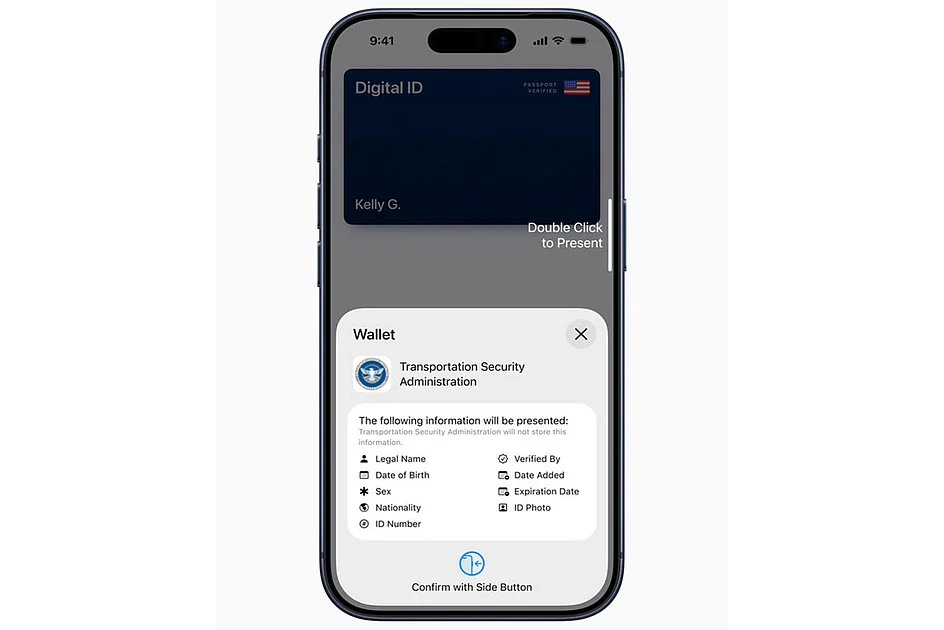
Apple launches Digital ID feature in Wallet for US customers
Apple has launched a groundbreaking Digital ID feature in its Wallet app, enabling US customers to create and present a digital identification using their passport information. This innovation, currently in beta, is initially accepted at Transportation Security Administration (TSA) checkpoints across over 250 US airports for domestic travel. While the feature offers a secure and convenient way to carry identification on iPhones or Apple Watches, Apple emphasizes that it does not replace physical passports and is not valid for international travel or border crossings.
-

Bridge to a Shared Future: Carrying on the Snow legacy to bridge China and US
The documentary ‘Bridge to a Shared Future,’ which premiered on November 7 and 8 in Los Angeles, California, and Salt Lake City, Utah, revisits the historic journey of Edgar Snow, Helen Foster Snow, and other international friends who documented China’s societal transformations during the 1930s amid the Chinese People’s War of Resistance Against Japanese Aggression (1931-45). Through the lens of Adam Foster, chairman of the Helen Foster Snow Foundation and a modern-day torchbearer of the Snows’ legacy, the film retraces their path, highlighting the enduring spirit of cross-cultural understanding and cooperation. The event underscores the importance of fostering mutual respect and collaboration between China and the United States, building on the Snows’ pioneering efforts to bridge the two nations. The documentary serves as a timely reminder of the power of shared narratives in strengthening international ties.
-

Dubai Chambers opens New York office to strengthen UAE-US business ties
Dubai Chambers has unveiled its inaugural office in New York City, marking a significant milestone in strengthening economic and investment ties between the United Arab Emirates (UAE) and the United States (US). The announcement, made during the Dubai Business Forum-USA, highlights Dubai’s growing global influence and its strategic ambition to serve as a bridge between Eastern and Western markets. This move aligns with Dubai’s broader vision to channel $1.4 trillion in planned investments across emerging sectors, positioning the New York office as a pivotal hub for fostering international business opportunities. Eng Sultan bin Saeed Al Mansoori, Chairman of Dubai Chambers, emphasized that the office will deepen engagement with US businesses and investors, leveraging New York’s status as a global financial capital. The city’s proximity to major markets like Canada and Mexico, coupled with its concentration of multinational corporations, makes it an ideal location for Dubai’s expansion. The office will facilitate easier access for US companies to explore Dubai’s business potential while serving as a gateway for Emirati investors in the US. Notably, 787 new US companies joined the Dubai Chamber of Commerce in the first nine months of 2025, bringing the total number of active American members to 3,690. This surge underscores Dubai’s increasing appeal to the American business community. Dubai’s foreign direct investment (FDI) reached $14.2 billion in 2024, cementing its position as a top global destination for new projects. The city’s business-friendly environment, characterized by zero personal income tax, over 200 global flight connections, and thriving sectors like fintech, clean energy, and digital innovation, further enhances its attractiveness. Al Mansoori highlighted the potential for strategic partnerships in high-growth sectors, including the digital economy, infrastructure, oil, and gas. He also reiterated Dubai’s ambition to become a global leader in artificial intelligence (AI), citing initiatives like the AI-driven expansion of Dubai’s airport and DP World’s BoxBay automation system as examples of innovation in action. With a focus on fostering bilateral trade and investment, the UAE-US partnership is poised for continued growth, driven by emerging technologies and shared economic goals.
-

Table tennis on the rise in America
The United States is witnessing a significant surge in the popularity of table tennis, thanks to the strategic partnership between Major League Table Tennis (MLTT) and the China National Tourist Office New York (CNTO.NY). This collaboration marks a pivotal moment for the sport, as CNTO.NY steps in as the sponsor for the New York Slice, one of MLTT’s latest expansion teams. The alliance not only highlights the cultural importance of table tennis in China but also emphasizes the increasing international influence and growing appeal of MLTT within the American sports landscape. This partnership is set to enhance the visibility and accessibility of table tennis in the US, fostering a deeper appreciation for the sport across diverse communities.
-
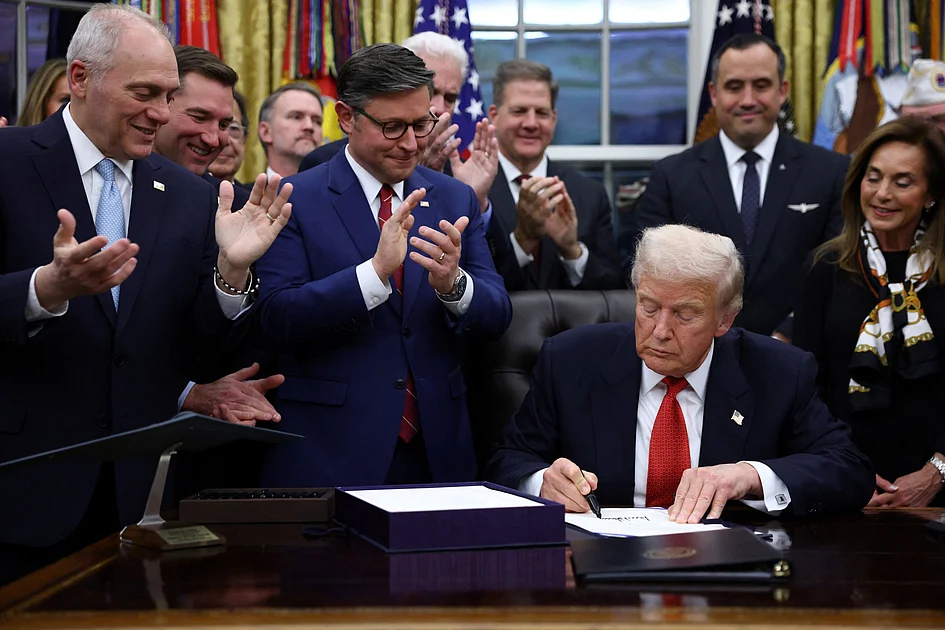
Trump signs deal to end longest US government shutdown in history
President Donald Trump has signed a bill to conclude the longest government shutdown in U.S. history, lasting 43 days. The legislation, which passed the House of Representatives with a 222-209 vote, aims to restore federal operations, including food assistance programs, air-traffic control systems, and the salaries of hundreds of thousands of federal workers. The shutdown, which began due to a standoff over federal health insurance subsidies, has left critical government services disrupted and economic data unreported. The new funding extends through January 30, 2026, but questions remain about the speed of full service restoration and the long-term economic impact. Economists estimate the shutdown reduced GDP growth by over 0.1 percentage points weekly, though most losses are expected to be recovered in the coming months. The deal also sets the stage for a December Senate vote on healthcare subsidies, though House Speaker Mike Johnson has not committed to a similar vote. The shutdown’s end comes just ahead of the Thanksgiving holiday, offering hope for the recovery of air travel services and food aid programs. However, the political fallout remains unresolved, with public opinion divided over which party bears responsibility for the crisis. The House also faces renewed scrutiny over its handling of the Jeffrey Epstein case and privacy violations related to the January 6 Capitol attack.
-
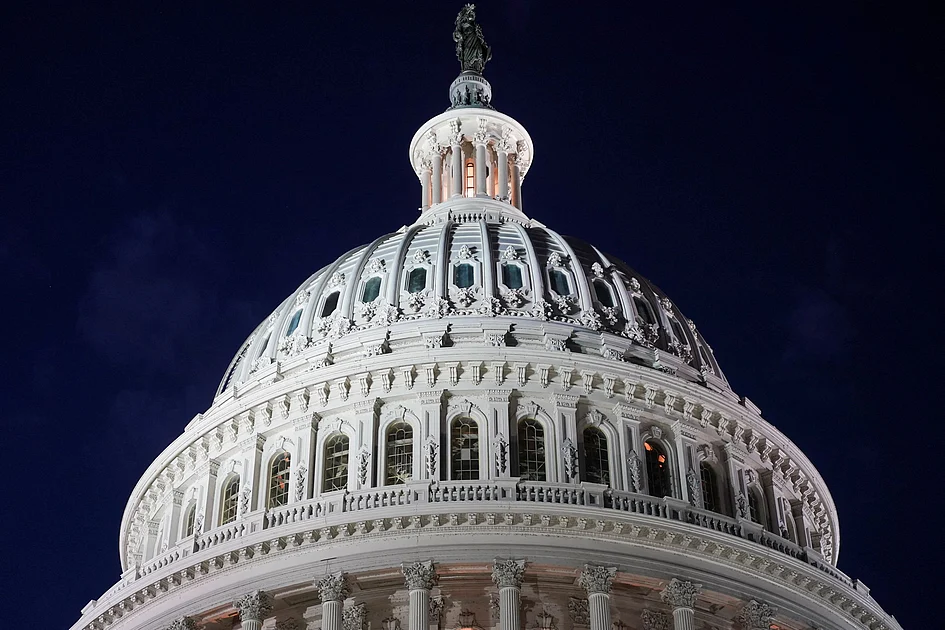
Record-breaking US shutdown ends as political fallout begins
The United States has emerged from its longest government shutdown in history, a 43-day standoff that left federal agencies paralyzed and hundreds of thousands of workers unpaid. The Republican-controlled House of Representatives voted largely along party lines to pass a Senate-approved funding package, reopening government operations and ending the political impasse that had gripped Washington. The shutdown, which began amid a bitter blame game between Democrats and former President Donald Trump’s Republicans, has left a trail of economic and political consequences. The approved package funds military construction, veterans’ affairs, the Department of Agriculture, and Congress through next fall, with other government agencies funded until the end of January. Approximately 670,000 furloughed federal employees are set to return to work, while those who worked without pay—including over 60,000 air traffic controllers and airport security staff—will receive back pay. The deal also reinstates federal workers dismissed during the shutdown and aims to restore normalcy to disrupted air travel. President Trump, who is scheduled to sign the bill, accused Democrats of costing the country $1.5 trillion through their actions, a claim widely disputed. The Congressional Budget Office estimates the shutdown caused $14 billion in lost economic growth. Politically, the shutdown has deepened divisions within the Democratic Party, with moderates breaking ranks to broker a deal that failed to secure significant health care concessions. While Democratic leaders argue they successfully highlighted Republican failures in health care, progressive factions are critical of their leadership’s inability to maintain unity. The fallout from the shutdown is expected to shape the political landscape leading up to the 2026 midterm elections.
-
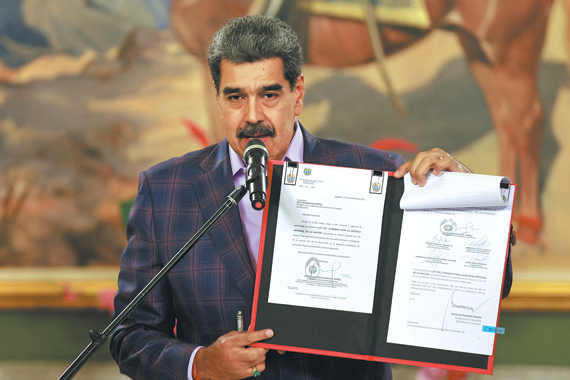
Arrival of vessel sparks fears of strike in Venezuela
The arrival of the USS Gerald R. Ford, the world’s largest aircraft carrier, in Latin America has heightened military tensions in the region, sparking fears of a potential conflict with Venezuela. The vessel, part of a US Naval Forces Southern Command deployment, entered the area on Tuesday, following orders issued nearly three weeks ago to combat drug trafficking. However, Venezuelan President Nicolas Maduro has accused the US of fabricating a pretext for war, vowing that Venezuela is prepared to defend its sovereignty. Maduro emphasized the nation’s readiness for an armed struggle to protect its legacy. The US has conducted strikes on approximately 20 vessels in international waters since early September, resulting in at least 76 fatalities. While Washington claims these actions target drug traffickers, no evidence has been provided to substantiate these claims. Human rights experts have condemned the strikes as extrajudicial killings. In response, Colombia’s President Gustavo Petro has suspended intelligence sharing with the US, a decision he announced on X, stating it would remain in effect as long as the missile attacks continue. Similarly, the UK has reportedly ceased intelligence cooperation with the US on suspected drug-trafficking vessels in the Caribbean, citing concerns over the legality of the strikes. A spokesperson for UK Prime Minister Keir Starmer declined to comment on the matter, reiterating the government’s policy of not discussing security or intelligence issues. The escalating military presence and actions in the region have raised alarms over the potential for a broader conflict.