标签: North America

北美洲

  • UAE: Du announces free 54 GB data ahead of Eid Al Etihad

    UAE: Du announces free 54 GB data ahead of Eid Al Etihad

    In celebration of the UAE’s 54th National Day, telecommunications provider Du has unveiled an extensive package of promotional offerings for its customer base. The initiative, timed to coincide with the Eid Al Etihad festivities, represents one of the company’s most substantial customer appreciation efforts to date.

    The comprehensive promotion package includes multiple tiered benefits for both postpaid and prepaid subscribers. Beginning December 1, 2025, all postpaid customers will automatically receive 54GB of complimentary national 5G data without requiring any activation procedures. Prepaid users opting for the Flexi Yearly plan will similarly benefit from 54GB of free national data, coupled with a 50% discount on the plan’s standard subscription fee when enrolling under this limited-time National Day promotion.

    For Emirati families, Du introduces a specialized Emirati Family Plan featuring a 54% discount applicable across three billing cycles during the promotional window, typically spanning December 1-3, 2025. International travelers will benefit from specially configured roaming bundles containing 54GB of roaming data, while customers purchasing select devices through Du during the promotion period may receive complimentary accessories.

    The company’s strategic decision to align the data amount (54GB) with the nation’s 54th anniversary demonstrates a symbolic connection to the national celebration. This telecommunications initiative coincides with other Eid Al Etihad announcements across the UAE, including free parking in Sharjah and various celebratory activities throughout Dubai.

  • Experts call for year-round commitment as DFC ends

    Experts call for year-round commitment as DFC ends

    As Dubai’s annual fitness initiative concludes its 30-day campaign, healthcare professionals are emphasizing the critical importance of maintaining physical activity and nutritional balance throughout the year. Viktor Ristic, a prominent Dubai-based nutritionist and fitness trainer, asserts that while the Dubai Fitness Challenge (DFC) successfully generates widespread participation, lasting health benefits require ongoing commitment rather than temporary engagement.

    Ristic challenges the conventional mindset surrounding short-term fitness programs, stating: “The fundamental question transcends what participants accomplished during November. What truly matters is their sustained effort throughout the subsequent months. Physical movement represents a biological necessity rather than a monthly project.”

    The health expert detailed the scientific advantages of consistent exercise, noting its proven benefits for cardiovascular function, blood sugar regulation, and muscle preservation. These physiological improvements, he emphasized, result from steady behavioral patterns rather than sporadic high-intensity interventions.

    Addressing nutritional aspects, Ristic cautioned against extreme dietary restrictions that often follow challenge-based fitness programs. “Attempting complete lifestyle overhauls frequently leads to unsustainable practices. Individuals eliminate sugar, avoid oils, and abandon cultural foods, but such drastic measures typically prove counterproductive,” he explained. “Gradual, achievable modifications yield more lasting results than radical approaches.”

    Ristic provided specific guidance regarding fat consumption, highlighting the importance of selecting quality sources that deliver both energy and nutritional value. He cited palm oil as containing beneficial compounds like carotenoids and tocopherols, which demonstrate antioxidative, anti-inflammatory, and cholesterol-managing properties.

    The nutritionist further debunked ingredient-focused health myths, stating: “No single food component singularly causes health deterioration. We must examine comprehensive dietary patterns, physical activity levels, and overall lifestyle factors. Focusing exclusively on ingredient elimination while neglecting sedentary behavior misses the complete health picture.”

    Ristic recommends incorporating daily walking routines, regular strength training, and balanced meal preparation as sustainable practices. These approaches enable individuals to enjoy diverse cuisines while maintaining physiological wellness.

    With the DFC’s conclusion, Ristic reframes the event as a motivational starting point rather than a finish line. “The genuine victory manifests not in November’s achievements, but in continued dedication during December, January, and all subsequent months—including holiday seasons and ordinary days alike,” he concluded. “Consistent practice represents both the fundamental challenge and ultimate solution for long-term wellness.”

  • US: FDA attributes 10 children’s deaths to Covid vaccines

    US: FDA attributes 10 children’s deaths to Covid vaccines

    A confidential memorandum from the Food and Drug Administration’s vaccine division has revealed that agency officials have attributed the deaths of at least ten children to COVID-19 vaccinations. Dr. Vinay Prasad, director of the division, indicated in the Friday communiqué that these fatalities were connected to myocarditis, a form of heart inflammation recognized as a rare vaccine side effect.

    The internal document, obtained by The New York Times but not formally released to the public, lacked critical details regarding the children’s ages, pre-existing health conditions, or the methodology used to establish causation between vaccination and death. The memo similarly omitted identification of the vaccine manufacturers involved in these cases.

    This development represents a significant policy shift under Health Secretary Robert F. Kennedy Jr., a longstanding vaccine skeptic who has frequently characterized COVID-19 vaccines as unsafe. The current administration has implemented new policies restricting vaccine access primarily to individuals over 65 and younger populations with underlying medical conditions.

    The scientific community remains divided on these findings. Dr. Paul Offit of Children’s Hospital of Philadelphia criticized the memo as ‘science by press release,’ noting the absence of contextual data comparing mortality rates between vaccinated and unvaccinated children. Medical experts emphasize that while vaccine-related myocarditis typically resolves quickly, virus-induced myocarditis often requires intensive care treatment.

    The timing of the memo’s circulation precedes next week’s meeting of the CDC’s vaccine advisory committee, now populated with Kennedy-appointed members who support medical freedom principles. The committee is expected to review childhood vaccine schedules, including the hepatitis B vaccine for newborns, alongside COVID-19 vaccines.

    Dr. Peter Marks, former FDA vaccine regulation chief, expressed concern about the memo’s ‘clearly political tone’ while acknowledging the need for further scrutiny of these complex cases. The FDA’s internal review was reportedly led by Dr. Tracy Beth Hoeg, a senior adviser with documented vaccine skepticism, and reviewed by agency teams.

  • ‘Blank Space’: Why US culture is stagnating

    ‘Blank Space’: Why US culture is stagnating

    The opening lyrics from Tenacious D’s musical tribute to Bach serve as an ironic prelude to a pressing contemporary question: Has Western culture, particularly in the United States, entered a period of creative stagnation? This question has sparked vigorous debate among cultural commentators, with thinkers like Adam Mastroianni and Ted Gioia presenting compelling evidence of declining innovation across multiple creative domains.

    Mastroianni attributes this cultural stagnation to increasing societal risk aversion, arguing that longer lifespans and reduced background risk have made creators and consumers more cautious. Meanwhile, Gioia points to entertainment conglomerates that prioritize intellectual property exploitation and algorithmic content delivery over genuine innovation. Both theorists support their arguments with data showing the dominance of legacy content—sequels, remakes, and adaptations—across books, films, music, television, and gaming.

    Counterarguments suggest that creativity has merely migrated to new formats like memes, short-form videos, and podcasts. However, this perspective fails to explain why reduced production costs haven’t yielded more original feature films instead of endless franchise extensions.

    Amid this debate, cultural theorist David Marx offers a unique perspective through his recent work ‘Blank Space: A Cultural History of the Twenty-First Century.’ Marx, author of the acclaimed ‘Ametora’ exploring Japanese fashion history, delivers a narrative account of American pop culture since 2000. The book chronicles everything from New York’s hipster scene and Pharrell Williams’ influence to the rise of reality television celebrities and internet memes.

    Marx’s central thesis posits that internet culture has driven toward homogenization and commercialism, though his narrative brilliance sometimes undermines his argument by vividly resurrecting the very cultural moments he characterizes as bland. The book notably overlooks significant cultural developments including the 2000s indie film renaissance and the massive influence of Japanese cultural imports—an ironic omission given Marx’s expertise in Japanese fashion.

    The discussion inevitably turns to the ‘long tail’ theory and whether niche cultural production compensates for mainstream stagnation. Evidence suggests creativity flourishes unevenly—while television and graphic novels have experienced creative explosions, film, literature, and music show concerning declines in innovative output.

    Ultimately, technological factors may provide the most compelling explanation for this uneven cultural landscape. New technologies typically unlock creative possibilities that eventually become exhausted—much as electric guitars revolutionized music for decades before conventions solidified. This technological determinism suggests that cultural innovation may be inherently temporary without new technological catalysts.

    The fragmentation of internet culture away from mass social media toward private communities may offer hope for renewed subcultural development. As Marx suggests, cultural innovation requires spaces where creativity can develop away from immediate commercial pressures and algorithmic optimization.

    While ‘Blank Space’ excels as cultural history, its prescriptions for revitalizing creativity remain preliminary. The conversation about cultural stagnation continues, with technology, economics, and social dynamics all contributing to complex creative challenges that defy simple solutions.


  • ‘Born to chase’: Why Arabian Saluki is timeless hunting companion

    ‘Born to chase’: Why Arabian Saluki is timeless hunting companion

    The inaugural Al Ain International Hunting and Equestrian Exhibition 2025 has cast a well-deserved spotlight on the Arabian Saluki, celebrating this iconic desert hound as both a master hunter and cultural treasure. This graceful yet powerful breed continues to captivate breeders, hunting enthusiasts, and cultural preservationists across the UAE and beyond with its unique combination of speed, intelligence, and loyalty.

    For centuries, the Saluki has served as more than merely a hunting companion—it has evolved as a desert-native breed meticulously shaped by the harsh demands of its environment. Its exceptional terrain navigation capabilities, breathtaking sprinting speed, and profound loyalty to handlers have secured its permanent place within Emirati heritage. Modern breeders now dedicate themselves to maintaining the breed’s purity and traditional characteristics.

    Renowned breeder Abduljalal Samina, exhibiting at the event, emphasized to Khaleej Times that genuine Salukis are ‘born with the passion for the chase.’ He clarified that the breed’s value derives not from monetary price but from documented lineage, proven performance capabilities, and the quality of the bond formed with its owner. ‘Some dogs are priceless,’ Samina noted, referencing top-tier specimens that excel in both aesthetic competitions and speed trials.

    The exhibition showcases Salukis across multiple categories, including show-quality presentations and those specifically trained for high-velocity hunting and racing competitions. Judges employ comprehensive evaluation criteria examining physical attributes and behavioral characteristics: overall body structure, agility, stance, muscle definition, and the dog’s innate responsiveness to its handler.

    Beyond physical prowess, the event highlights the Saluki’s deep cultural significance. For many Emirati families, raising and training these dogs represents an intergenerational tradition. The breed embodies cherished cultural values including patience, strength, and humanity’s historical connection to the desert environment.

    As visitors explore Hall 2, they encounter living representations of Emirati history—each Saluki serves as a testament to loyalty, specialized skills, and enduring desert heritage. With growing international interest in the breed, exhibitions like this play an increasingly vital role in preserving and promoting this iconic symbol of UAE national identity.

  • Airbus A320 major recall: Which airlines will be affected ahead of holiday season?

    Airbus A320 major recall: Which airlines will be affected ahead of holiday season?

    In an unprecedented move that threatens global air travel during the peak holiday season, European aerospace giant Airbus has issued an immediate recall directive affecting approximately 6,000 of its A320 series aircraft. This sweeping safety mandate impacts more than half of the worldwide A320 fleet, compelling airlines to perform urgent software modifications before these aircraft can resume flight operations.

    The recall, which requires reverting to previous software versions according to an internal bulletin reviewed by Reuters, has triggered widespread operational disruptions across international aviation networks. The timing coincides with the busiest travel weekend of the year in the United States, amplifying potential passenger inconvenience.

    American Airlines, operating the world’s largest A320 fleet, confirmed that 340 of its 480 A320 aircraft require remediation. The carrier anticipates completing most updates by Saturday, with each plane requiring approximately two hours of maintenance.

    Global carriers have reported varying levels of impact. Colombian carrier Avianca faces particularly severe challenges, with over 70% of its fleet affected. The airline has suspended ticket sales for travel through December 8, anticipating significant operational disruptions. Similarly, Air New Zealand expects multiple Saturday cancellations as it updates its A320neo fleet.

    European operators including Lufthansa, Wizz Air, and Air France have reported anticipated delays and cancellations, with Air France having already cancelled 35 flights on Friday. British Airways and Aer Lingus expect minimal disruption, citing limited affected aircraft.

    Indian carriers Air India and IndiGo anticipate operational delays due to extended turnaround times, while Mexican airlines Volaris and Viva expect cancellations within the next 72 hours. Turkish Airlines reported eight aircraft requiring updates but maintained normal operations.

    Several carriers, including United Airlines, Delta Airlines, and Brazil’s Azul SA, indicated minimal or no impact from the recall directive. The disparity in effects stems from variations in aircraft configurations and previous software installations across the global A320 fleet.

    Aviation authorities worldwide are monitoring the situation as airlines race to implement mandatory software changes while minimizing holiday travel disruption.

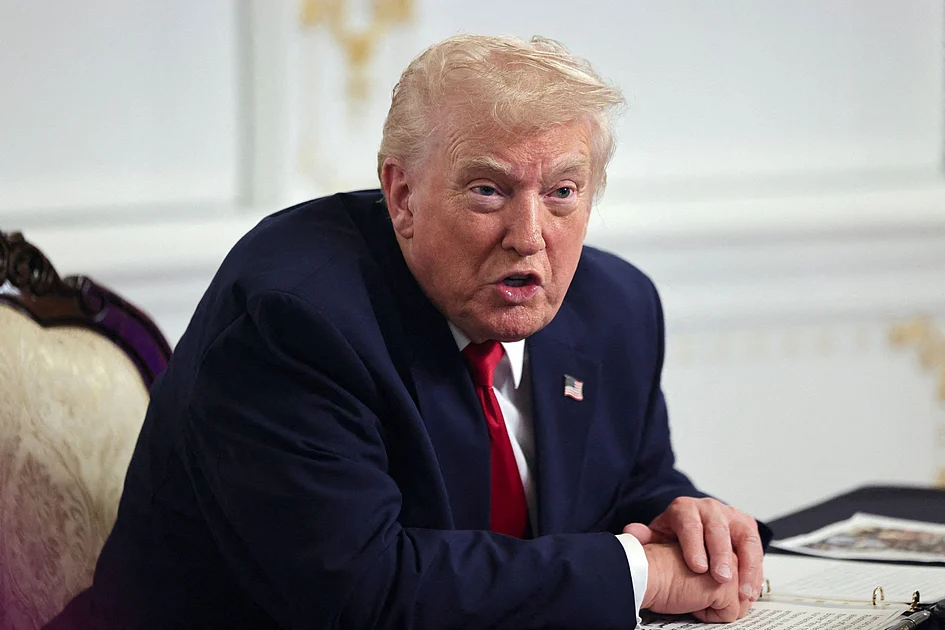
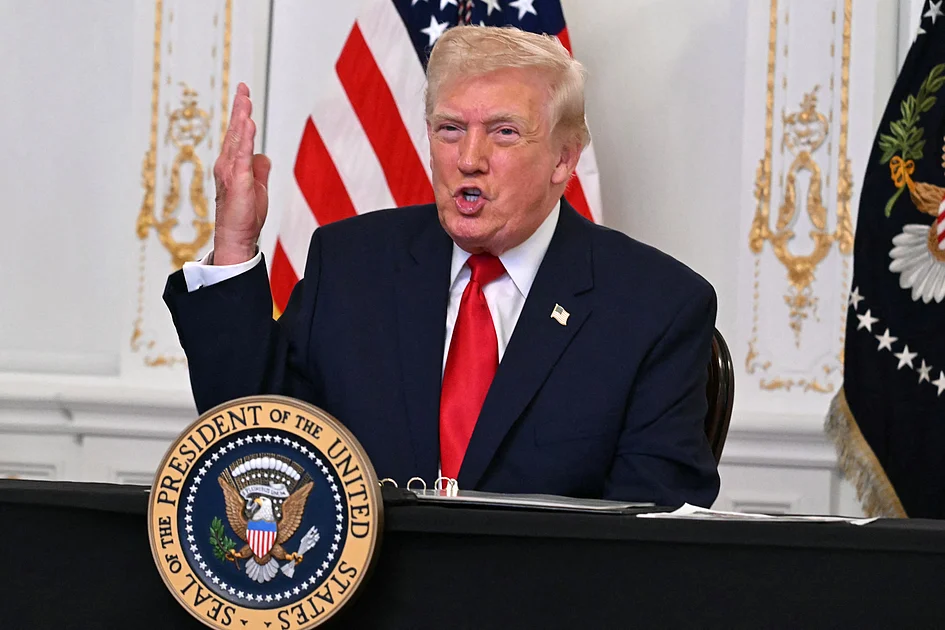
  • Trump vows to halt ‘3rd world’ migration flow

    Trump vows to halt ‘3rd world’ migration flow

    In a dramatic policy announcement with far-reaching implications, former President Donald Trump has declared his intention to implement a comprehensive suspension of migration from what he termed “Third World Countries.” This decisive move comes in direct response to a recent ambush near the White House that resulted in the death of a National Guard member and critical injuries to another.

    The attack, which investigators attribute to an Afghan national who entered the United States through a Biden-era resettlement program, has rapidly evolved into a significant political flashpoint. Trump utilized his Truth Social platform to outline his proposed measures, which include terminating millions of immigration approvals granted during the Biden administration and eliminating federal benefits for noncitizens.

    According to government documents reviewed by Reuters, the alleged perpetrator, 29-year-old Rahmanullah Lakanwal, entered the country in 2021 under a program established following the U.S. military withdrawal from Afghanistan. Trump characterized the evacuation effort as “horrendous,” claiming it allowed hundreds of thousands of individuals to enter the country “unvetted and unchecked.”

    In addition to the migration pause, Trump’s proposal includes provisions to denaturalize migrants deemed to “undermine domestic tranquility” and deport foreign nationals classified as public charges or security risks. The U.S. Citizenship and Immigration Services has already indefinitely halted processing immigration requests from Afghan nationals.

    The policy announcement has generated considerable concern among immigrant communities and advocacy groups. Many Afghans currently residing in the United States reportedly fear both official retaliation and xenophobic attacks despite having no connection to the incident. Advocacy leaders emphasize that one individual’s actions should not endanger entire communities who fled persecution and supported U.S. interests abroad.

    The White House and relevant immigration authorities have not yet responded to requests for comment regarding Trump’s proposals. This development signals a potential return to the hardline immigration policies that characterized Trump’s previous administration and is expected to intensify debates surrounding national security, immigration vetting procedures, and humanitarian obligations.

  • ‘This path is for the bold’: Why I’m holding my crypto conviction despite losses

    ‘This path is for the bold’: Why I’m holding my crypto conviction despite losses

    Amid a severe cryptocurrency market downturn that has decimated altcoin portfolios by 70-90%, a cohort of determined investors continues to uphold their long-term convictions despite staggering losses. The current market environment presents a radically different landscape from previous cycles in 2017 or 2021, characterized by increased institutional participation and heightened susceptibility to macroeconomic forces and geopolitical shifts.

    Market veterans are implementing strategic pivots in response to these changed conditions, with some influential group leaders abandoning previously recommended small-cap projects in favor of more promising mid-cap alternatives. This repositioning has created disorientation among followers who initially felt misled, yet acknowledges the market’s fundamental transformation.

    The psychological toll of sustained portfolio declines evokes comparisons to marathon running with receding finish lines or excessive work hours without compensation. Despite this emotional strain, core believers maintain their positions based on foundational principles rather than short-term gain expectations.

    These investors perceive cryptocurrency as analogous to early internet investment opportunities, with blockchain technology positioned to revolutionize financial systems, real estate, scientific research, and artistic expression. Prominent macroeconomic expert Raoul Pal reinforces this perspective by comparing blockchain investing to acquiring early stakes in internet infrastructure rather than individual companies.

    A growing demographic of financially frustrated women, particularly those concerned about retirement security within traditional systems, is increasingly exploring cryptocurrency alternatives. They seek empowerment through financial self-education and alternative retirement strategies, confronting cautious warnings from those unfamiliar with the crypto ecosystem.

    The prevailing wisdom within dedicated investment circles emphasizes boldness—distinct from recklessness or delusion—as essential for altering financial trajectories. This approach requires maintaining curiosity and self-trust during periods of apparent market collapse, with many investors focusing on the anticipated mainstream adoption horizon of 2030 while developing supplementary income streams and reaffirming their original investment theses.

  • Trump says not inviting South Africa to next year’s G20 in Miami

    Trump says not inviting South Africa to next year’s G20 in Miami

    In a significant escalation of diplomatic tensions, former US President Donald Trump has declared South Africa will be excluded from the 2026 G20 Summit scheduled for his Miami golf resort. The announcement marks the latest development in an ongoing confrontation between Trump’s administration and the African nation.

    Trump justified the exclusion through a post on his Truth Social platform, citing alleged ‘horrific Human Right Abuses’ against white farmers and South Africa’s breach of diplomatic protocol regarding the G20 presidency transition. This decision follows the Trump administration’s boycott of the recent G20 summit hosted in Johannesburg, which concluded without the traditional symbolic handover of presidency to the United States as next host.

    The diplomatic rift deepened when President Cyril Ramaphosa declined to formally transfer the G20 presidency to the United States, breaking with established convention. Trump’s administration has further intensified tensions by propagating controversial claims of ‘white genocide’ targeting Afrikaner communities, allegations that the South African government vehemently denies.

    The confrontation reached a notable point during a May meeting at the White House, where Trump presented President Ramaphosa with a video purportedly documenting these allegations, though the material contained numerous factual inaccuracies according to independent verification.

    The 2026 gathering of the world’s twenty largest economies is set to occur at the Trump National Doral Miami resort in Florida, presenting unique ethical considerations given the former president’s continued ownership of the venue.

  • DHS points to US travel ban list when asked about ‘Third World’ countries

    DHS points to US travel ban list when asked about ‘Third World’ countries

    In a significant policy shift following a fatal shooting incident near the White House, the Trump administration has declared a permanent suspension of migration from all nations classified as ‘Third World Countries.’ The announcement came late Thursday after an Afghan national, identified as 29-year-old Rahmanullah Lakanwal, shot two U.S. National Guard members, resulting in the death of 20-year-old Sarah Beckstrom and critical injuries to 24-year-old Andrew Wolfe.

    The Department of Homeland Security, when pressed for clarification regarding which nations fall under the ‘Third World’ designation, directed inquiries to the existing travel ban list encompassing 19 countries. This policy expansion builds upon the recent suspension of all U.S. immigration applications from Afghan nationals implemented after the Washington shooting.

    President Trump characterized the measure as a necessary security precaution, though the administration provided no specific timeline for implementation or detailed criteria for the ‘Third World’ classification. The policy represents one of the most restrictive immigration measures undertaken by the administration, potentially affecting migration patterns from dozens of developing nations across multiple continents.

    The tragic shooting incident that precipitated this policy change occurred in proximity to the presidential residence, amplifying security concerns and triggering immediate governmental response. The administration’s reference to the existing travel ban list suggests alignment with previously identified countries of concern, though the broader ‘Third World’ terminology implies a potentially much wider scope of affected nations.