标签: North America

北美洲

  • Cherries from Latin America land in China

    Cherries from Latin America land in China

    The 2025-26 cherry season has commenced with Argentine fruits making their inaugural arrival in China, signaling intensified competition within the world’s largest cherry import market. This strategic move positions Argentina as a quality-focused challenger to Chile’s volumetric dominance in the Chinese fresh fruit sector.

    Harvested in mid-November, these early-season Argentine cherries are targeting premium supermarket chains and e-commerce platforms ahead of the main Southern Hemisphere shipment wave in December. The timing capitalizes on cherries’ status as coveted Chinese New Year gifts and festive delicacies, creating lucrative pre-holiday demand.

    Agustina Quiroga of Buenos Aires-based exporter Extraberries articulated Argentina’s competitive strategy: “Our operational advantage lies in the early production window commencing mid-November, enabling us to deliver precisely what the market demands—optimal size, color, and quality. While we cannot match Chile’s volume, we compete effectively on quality parameters from season commencement through initial fruit vessel arrivals.”

    Extraberries leverages specialized cultivation techniques in Chimpay and Rio Negro regions, emphasizing rapid cold chain logistics. The company prioritizes air freight to maintain fruit firmness, color integrity, and sugar levels, creating a comparative advantage over maritime shipments. Quiroga emphasized China’s unique export protocols, noting that shipments prepared for Chinese markets require specific sampling methods and cannot be readily diverted to other destinations like European-bound consignments.

    Despite Argentina’s quality-focused approach, Chile maintains overwhelming market dominance with projected 2025-26 exports reaching 131 million boxes (approximately 655,000 metric tons), according to University of Chile agricultural engineer Marcela Molina. Chile’s diversified varieties and extended growing seasons enable prolonged shipping windows, with sea freight operations scaling up through mid-November depending on regional climatic conditions.

    The decade-long expansion of Chinese cherry demand catalyzed the creation of the specialized “Cherry Express” maritime service, reducing transit time to 22-23 days direct from Valparaiso and San Antonio ports to Chinese destinations. Originally focused on Hong Kong, the service has expanded to include Nansha, Shanghai, and Tianjin ports to prevent congestion.

    Market data from iQfruits indicates robust pricing dynamics, with January wholesale prices peaking at 47.20 yuan/kg ($6.67), significantly higher than the previous year’s 32.10 yuan/kg. This price surge demonstrates how constrained early and mid-season supply generates premium returns, though values typically decline to 26.20 yuan/kg by March as availability increases.

    Climate change introduces additional complexity, prompting producers to implement protective orchard covers, relocate plantations to cooler southern regions, and develop low-chill requirement varieties. These adaptations reflect the industry’s commitment to maintaining quality standards amid evolving environmental challenges in competitive global markets.

  • China delivers another letter to UN chief over Japan’s remarks on Taiwan

    China delivers another letter to UN chief over Japan’s remarks on Taiwan

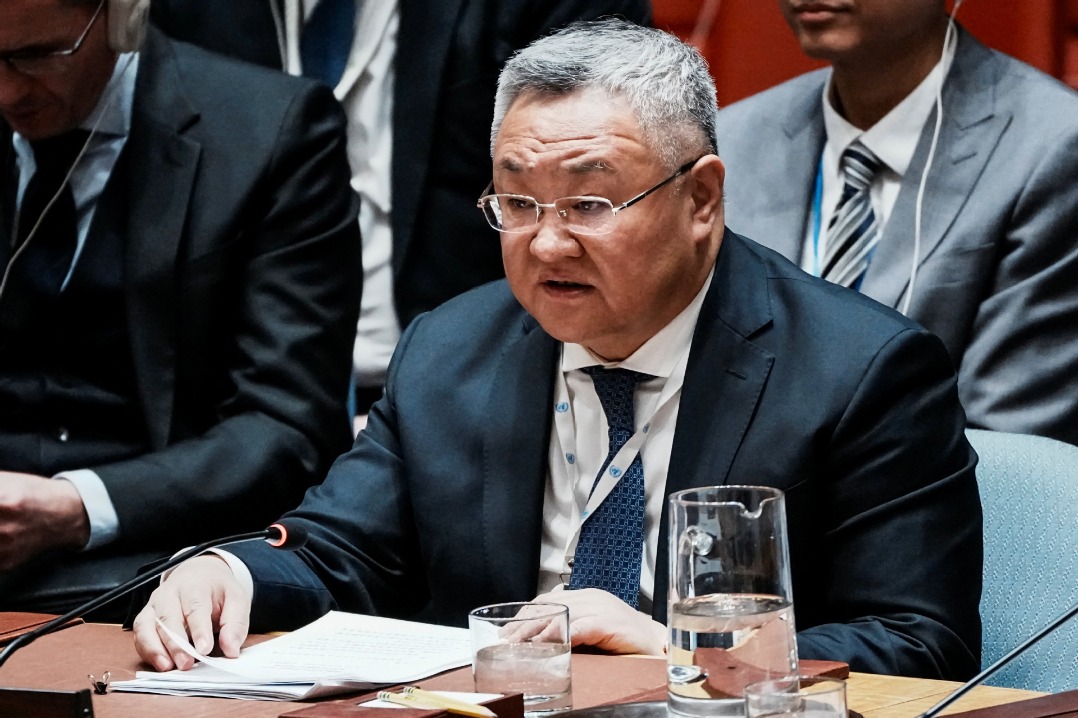
    In a significant diplomatic escalation at the United Nations, China’s Permanent Representative Ambassador Fu Cong has delivered a second formal communication to Secretary-General António Guterres, vehemently rejecting Japan’s position regarding Taiwan. This development marks the latest chapter in an ongoing exchange of diplomatic correspondence between the two Asian powers at the international forum.

    The controversy stems from November 7th remarks by Japanese Prime Minister Sanae Takaichi, who suggested during a Diet session that a potential ‘Taiwan contingency’ could constitute a ‘survival-threatening situation’ for Japan, implying possible military involvement. Ambassador Fu characterized these statements as fundamentally challenging the outcomes of World War II, undermining the post-war international order, and violating core principles of the UN Charter.

    In his meticulously argued communication, the Chinese diplomat challenged Japan’s claim of maintaining a ‘consistent position’ on Taiwan, demanding Tokyo provide the international community with a ‘complete and accurate explanation’ of its stated policy. Fu substantiated China’s sovereignty claims by invoking foundational legal instruments including the Cairo Declaration, Potsdam Proclamation, and the Japanese Instrument of Surrender.

    The ambassador further referenced the landmark 1972 Sino-Japanese Joint Statement, wherein Japan explicitly recognized the People’s Republic of China as the sole legitimate government and acknowledged Taiwan as ‘an inalienable part of China’s territory.’ Fu dismissed Japan’s assertion that Prime Minister Takaichi’s remarks aligned with an ‘exclusively defense-oriented’ strategy, noting that linking Japan’s survival to Taiwan scenarios ‘clearly goes beyond passive defense’ and represents ‘self-contradictory arguments intended to mislead the international community.’

    The communication concluded with a stern warning against Japan’s perceived attempts to ‘expand its military capabilities and revive militarism,’ citing increased defense spending, adjusted arms-export principles, and ongoing nuclear policy debates. Ambassador Fu demanded Japan ‘clearly reaffirm the one-China principle,’ uphold bilateral political documents, immediately retract the controversial remarks, and take concrete steps to honor its commitments.

    Adding international perspective, seasoned Pakistani diplomat Munir Akram characterized Prime Minister Takaichi’s comments as ‘not appropriate,’ noting that Japan particularly should have demonstrated greater sensitivity given the historical context between the nations.

  • Costco sues Trump administration for ‘full refund’ of tariffs

    Costco sues Trump administration for ‘full refund’ of tariffs

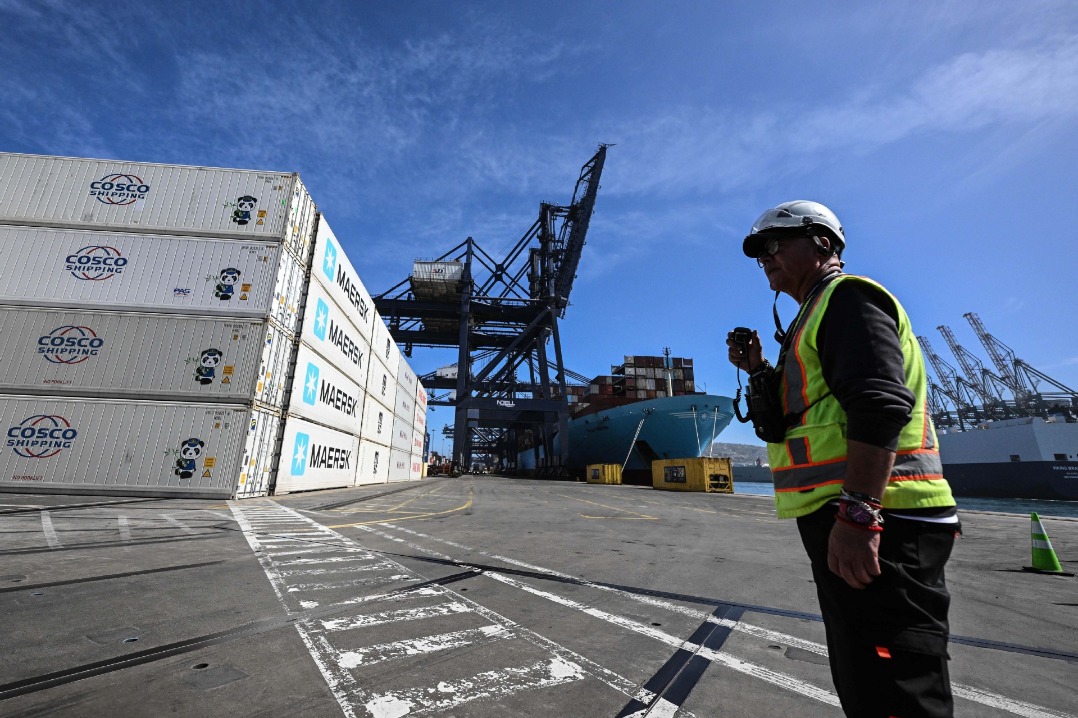
    In a significant legal confrontation with far-reaching implications for U.S. trade policy, multinational retail giant Costco has initiated litigation against the federal government to secure comprehensive refunds of import duties paid under President Donald Trump’s controversial tariff regime. The lawsuit, filed during the Thanksgiving holiday period, represents a critical challenge to presidential authority in international trade matters.

    The legal action centers on whether President Trump overstepped his executive powers by imposing emergency tariffs without congressional approval under the International Emergency Economic Powers Act (IEEPA). Costco’s filing with the U.S. Court of International Trade argues that these tariffs were unlawfully implemented and seeks judicial declaration of their illegality.

    This development comes as the Supreme Court prepares to rule on the fundamental constitutional question of presidential tariff authority. Two lower courts have already determined that Trump exceeded his authority, with the U.S. Court of International Trade first ruling the tariffs unlawful in May, a decision subsequently affirmed by the U.S. Court of Appeals.

    Costco’s legal team contends that separate judicial action is necessary because refunds are not automatically guaranteed even if the Supreme Court upholds previous rulings against the tariffs. The company expressed concern that without specific court-ordered relief, it might not recover substantial funds already paid to the government.

    According to U.S. customs data, importers have paid approximately $90 billion in IEEPA-related tariffs as of late September 2025. While Costco hasn’t specified the exact amount it seeks to recover, the company filed before a critical December 15, 2025 deadline after which recouping funds would become significantly more difficult.

    The White House has vigorously defended the tariffs, with spokesperson Kush Desai warning that an unfavorable ruling would hamper negotiation capabilities and cost the treasury billions already collected. ‘The economic consequences of the failure to uphold President Trump’s lawful tariffs are enormous,’ Desai stated, emphasizing the administration’s expectation of a ‘speedy and proper resolution’ from the Supreme Court.

    The case represents a pivotal moment in the ongoing debate over executive power versus congressional authority in trade policy, with numerous businesses awaiting the outcome to determine their own refund eligibility.

  • India orders smartphone makers to preload state-owned cyber safety app

    India orders smartphone makers to preload state-owned cyber safety app

    In a significant move to combat rising cybercrime, India’s telecommunications ministry has issued a directive requiring all smartphone manufacturers to pre-install the government’s Sanchar Saathi application on new devices. The order, dated November 28 and privately communicated to major technology companies, mandates that the cybersecurity app cannot be disabled or removed by users.

    The directive affects industry giants including Apple, Samsung, Vivo, Oppo, and Xiaomi, giving them a 90-day compliance window for new devices. For existing phones already in distribution channels, manufacturers must deploy the application through software updates. This development places India alongside other nations like Russia in implementing state-backed digital security measures.

    Sanchar Saathi, launched in January, has demonstrated substantial impact in India’s telecommunications landscape. Government statistics reveal the app has facilitated the recovery of over 700,000 lost mobile devices, including 50,000 in October alone. The platform operates through a central registry system that enables tracking and blocking of stolen smartphones across all networks while identifying fraudulent mobile connections.

    The ministry emphasized that the measure addresses serious cybersecurity threats posed by duplicate or spoofed International Mobile Equipment Identity (IMEI) numbers, which enable various scams and network misuse. India’s massive telecom market, serving more than 1.2 billion subscribers, makes such security measures particularly significant.

    Industry analysts note potential challenges, especially from Apple, which maintains strict policies against pre-installing third-party or government applications on its devices. Counterpoint Research indicates iOS powers approximately 4.5% of India’s 735 million smartphones, with Android dominating the remainder. Historical precedent suggests Apple may seek negotiated alternatives rather than full compliance with the pre-installation requirement.

    Privacy advocates have expressed concerns about the mandatory nature of the implementation. Technology lawyer Mishi Choudhary noted that ‘the government effectively removes user consent as a meaningful choice,’ echoing criticisms previously directed at similar measures in Russia regarding their state-backed MAX messenger app.

    As of the latest reports, affected companies and the telecommunications ministry have not issued public statements regarding the directive. The development represents a notable intersection of government security initiatives, digital privacy considerations, and corporate policy in one of the world’s largest mobile markets.

  • Indian rupee hits all-time low, holds above 90/USD mark with central bank help

    Indian rupee hits all-time low, holds above 90/USD mark with central bank help

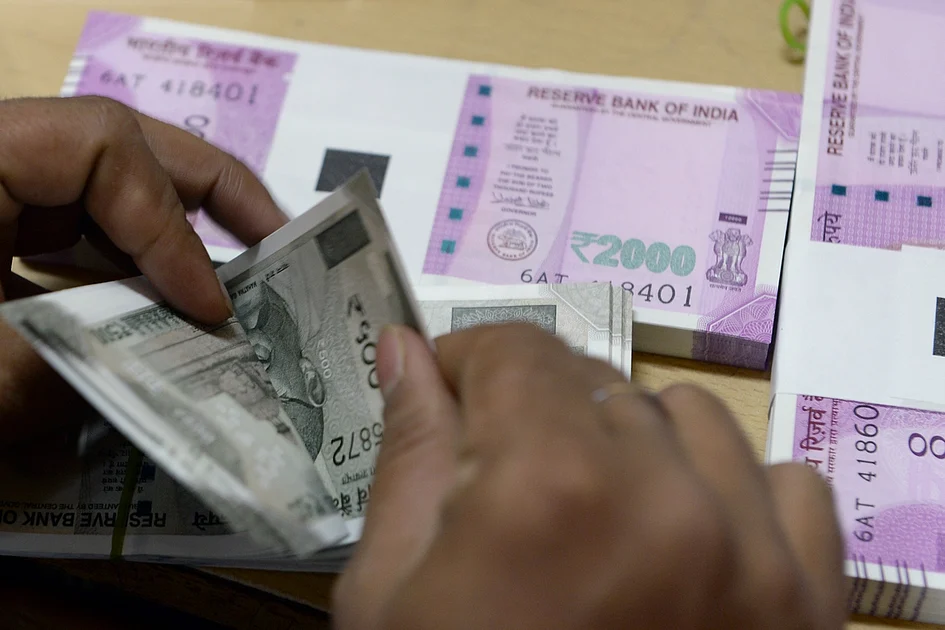
    The Indian rupee plummeted to an unprecedented record low during Monday’s trading session, intensifying concerns over the currency’s stability amidst challenging global trade dynamics. Despite intervention efforts from the Reserve Bank of India (RBI), the currency briefly touched 89.7575 against the US dollar before settling at 89.5475, reflecting a 0.1% daily decline.

    Market analysts attribute this deterioration primarily to India’s unique position as one of the few major economies without a comprehensive trade agreement with the United States. This structural disadvantage has created persistent bearish pressure on the currency throughout 2025, even as India maintains its status as the world’s fastest-growing major economy.

    The currency’s vulnerability was exacerbated by maturing non-deliverable forward (NDF) positions that triggered substantial selling pressure. Traders confirmed that only aggressive dollar-selling interventions by the central bank prevented the rupee from breaching the psychologically critical 90-per-dollar threshold.

    Recent data reveals the RBI’s intensified efforts to stabilize the currency, with short forward dollar positions surging to $63.6 billion in October. This represents the central bank’s most robust defensive maneuver against currency depreciation pressures.

    ANZ Bank analysts warn that without tariff reductions, the rupee could weaken further to approximately 91.30 by late 2026. They note that slowing export growth combined with tariffs reaching 50% on Indian exports creates significant risks to India’s current account and balance of payments. The analysis suggests that a potential trade deal reducing tariffs to 15-20% could catalyze a recovery to 88-88.50 levels, though the RBI might counter such strength to rebuild foreign exchange reserves, which currently stand at $688.1 billion.

    The rupee’s weakness extended to cross-currency benchmarks, hitting a record low of 12.69 against the offshore Chinese yuan. Meanwhile, the dollar index registered modest declines while Asian currencies displayed mixed performance throughout the trading session.

  • With Constellation frigates canceled, save Ticonderoga cruisers

    With Constellation frigates canceled, save Ticonderoga cruisers

    In a major strategic reversal, the US Navy has terminated its Constellation-class frigate program, opting to complete only two vessels currently under construction. This decision follows a cascade of program delays totaling 36 months, pushing the first frigate’s completion to 2029 with anticipated fleet deployment not expected until 2032-2034 after extensive testing.

    The Constellation-class was intended to replace the controversial Littoral Combat Ships (LCS), which naval experts previously deemed combat-unsurvivable despite their $500 million per unit cost with mission packages. The Navy maintains 25 LCS vessels despite known deficiencies, with annual operating costs reaching $70 million per ship.

    Compounding the crisis, the Navy has been rapidly decommissioning its capable Ticonderoga-class cruisers while the frigate program faltered. Fifteen cruisers have already been decommissioned, with five scrapped and six more scheduled for removal. This dismantling occurred despite a $3.7 billion modernization program for seven cruisers, four of which were decommissioned before returning to service, resulting in approximately $1.84 billion in wasted investments.

    The Constellation program’s failure stemmed from fundamental design flaws. Despite beginning with an proven Italian FREMM frigate design, numerous modifications reduced commonality to just 15%, while critical components including the power plant remained unfinished and untested—particularly concerning given previous propulsion failures in LCS vessels and British carriers.

    With only six new Arleigh Burke destroyers expected by 2029 at $2.5 billion each, naval analysts suggest reactivating modernized Ticonderoga cruisers as a stopgap solution. These cruisers boast formidable capabilities including AEGIS defense systems, 122-missile vertical launch capacity, and multi-mission versatility that could rapidly augment fleet strength while saving billions by retiring vulnerable LCS vessels.

  • Why more young US women appear ready to move abroad

    Why more young US women appear ready to move abroad

    A growing demographic shift is emerging among American women, with unprecedented numbers considering permanent relocation abroad. Recent data from analytics firm Gallup reveals that 40% of women aged 15-44 would move overseas given the opportunity—the highest migration aspiration rate ever recorded and more than double the percentage of young men expressing similar desires.

    This trend, developing over the past decade, represents a significant reversal from historical patterns where American women were less likely than their international peers to envision futures abroad. The phenomenon cuts across political affiliations, with women feeling caught between competing expectations from both conservative and progressive perspectives.

    Personal narratives illustrate the multifaceted reasons behind this emerging exodus. Aubrey and her wife, homeowners from upstate New York, are preparing for relocation to Costa Rica in January after months of unease about the political climate and concerns about basic safety. Their story echoes that of Kaitlin, 31, who abandoned her Los Angeles 9-to-5 job four years ago for Portugal, citing inadequate work-life balance and seeking cultural immersion. Similarly, Alyssa, a 34-year-old mother from Florida, relocated to Uruguay earlier this year following the Supreme Court’s reversal of Roe v. Wade, explaining that ‘the increasing governance of women’s bodies terrified me.’

    Beyond political concerns, economic pressures including student debt, rising healthcare costs, and housing affordability are contributing factors. A Harris Poll survey confirms that 40% of Americans have considered moving abroad, with Gen Z and Millennials being the most likely demographics. Lower living costs abroad frequently feature as primary motivators.

    The institutional trust crisis further compounds these migration considerations. Gallup data indicates confidence in national institutions has plummeted to historic lows, with only 26% of Americans trusting the presidency and 14% trusting Congress. This decline has been most precipitous among young women, whose scores on the National Institutions Index have dropped 17 points since 2015—the sharpest decline of any demographic group.

    Additional factors influencing relocation decisions include healthcare accessibility, climate concerns, and gun violence prevention. Marina, planning to move to Portugal with her boyfriend next May, notes: ‘Healthcare not being a human right in this country is a huge part of why we’re leaving.’ She also cites Portugal’s stricter gun laws and increasing extreme weather events in the US as determining factors.

    Georgetown University Professor Nadia E Brown emphasizes that these pressures reflect broader global challenges facing women, though they appear particularly acute in the American context. The absence of robust social supports—including maternal care, parental leave, and healthcare systems comparable to those in Europe—frequently becomes apparent only after women have experienced alternatives abroad, creating a potentially irreversible brain drain of young American women seeking autonomy, dignity, and safety elsewhere.

  • Watch: Melania Trump reveals White House Christmas decorations

    Watch: Melania Trump reveals White House Christmas decorations

    First Lady Melania Trump has officially revealed the 2020 White House Christmas decorations, establishing a festive atmosphere throughout the executive residence with the theme ‘Home Is Where The Heart Is.’ The elaborate displays incorporate both traditional elements and modern technological touches, creating a distinctive holiday aesthetic for the final Christmas season of the Trump administration.

    The decor spans multiple rooms, featuring 41 Christmas trees, extensive garlands, and wreaths adorned with gold ribbons. Among the most notable installations are large-scale portraits of President Donald Trump and first President George Washington, meticulously crafted from Lego bricks. Adding a contemporary twist, many ornaments throughout the residence were produced using 3D printing technology.

    In her official statement, the First Lady emphasized that this year’s theme is intended to celebrate the profound meaning of home and the shared heart of the American people. The decorations aim to honor frontline workers and military families who have made significant sacrifices throughout the year. Public tours of the holiday displays will be conducted with adapted safety protocols in place due to ongoing health considerations.

    The overall design scheme maintains the gold color palette that has characterized Melania Trump’s previous holiday decorations, while introducing new elements that reflect both American heritage and innovation. The blend of traditional craftsmanship with Lego art and 3D-printed components represents a unique approach to White House holiday traditions.

  • Watch: Dubai’s City Walk transforms with massive Eid Al Etihad parade

    Watch: Dubai’s City Walk transforms with massive Eid Al Etihad parade

    Dubai’s City Walk district underwent a remarkable transformation on Monday afternoon as thousands of residents converged to celebrate Eid Al Etihad through one of the year’s most vibrant cultural parades. The spectacle commenced at 4 PM from the Coca-Cola Arena junction, featuring the Dubai Police band leading the procession with synchronized drum and brass performances that set the rhythmic foundation for the entire event.

    The parade evolved into a moving exhibition of Emirati heritage, with Dubai Police officers on horseback proudly displaying the national flag, followed by the popular K9 unit and an impressive display of police supercars. Interior roads of City Walk were temporarily closed to accommodate the diverse crowd of families, tourists, and long-term residents, many adorned in traditional Emirati attire or UAE flag-colored clothing.

    The cultural segment showcased Al-Ayyala dancers performing traditional stick dances, performers in historical fishermen’s outfits demonstrating early fishing techniques, and participants carrying wooden falcons symbolizing the nation’s strength and heritage. One of the most poignant moments occurred when performers carried individual foam maps of each emirate, assembling them beneath a massive UAE flag to form the complete national map.

    Attendees from across the UAE and various nationalities expressed overwhelming pride in the unifying atmosphere. Fatima, who traveled from Fujairah with her family, noted the special energy that brought people of every nationality together. Rashid al Hussam from Umm Al Quwain emphasized the importance of exposing children to traditional heritage groups, while Indian resident Maria Sebastian highlighted the unique community atmosphere where Emiratis, Russians, Filipinos, Pakistanis, and Chinese celebrated together.

    The event successfully transformed City Walk into a dynamic festival of culture, color, and national pride, demonstrating the UAE’s ability to blend tradition with modernity while fostering cross-cultural unity.

  • Trump-backed conservative holds knife-edge lead in Honduras vote

    Trump-backed conservative holds knife-edge lead in Honduras vote

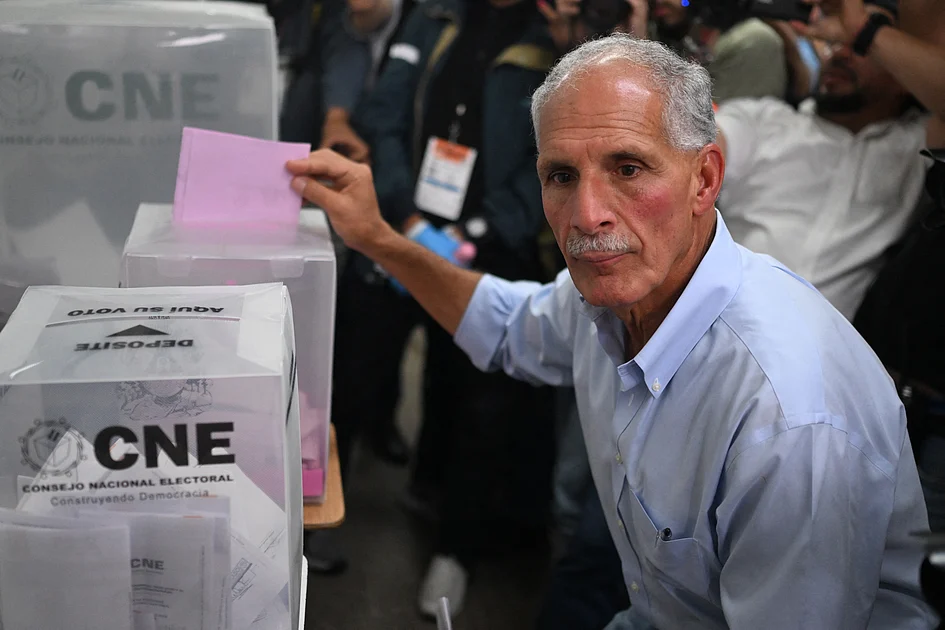
    In a nail-biting presidential election that has captured international attention, conservative candidate Nasry Asfura maintains a precarious 0.4 percentage point lead with approximately 56% of votes counted. The 67-year-old former Tegucigalpa mayor, who campaigns under the folksy slogan “Grandad, at your service,” has received a controversial last-minute endorsement from U.S. President Donald Trump.

    The American president has dramatically intensified his engagement in Latin American politics, explicitly threatening to cut foreign aid to both Honduras and Argentina should his preferred candidates fail to secure victory. This interventionist approach recently proved successful in Argentina, where Trump-backed Javier Milei triumphed in mid-term elections.

    Trump’s endorsement came with explicit conditions, as he declared on his Truth Social platform: “If he (Asfura) doesn’t win, the United States will not be throwing good money after bad.” The U.S. president further stunned observers by announcing his intention to pardon former Honduran president Juan Orlando Hernández, who is currently serving a 45-year sentence in the United States for narcotics trafficking and related charges. Hernández was previously described by U.S. authorities as central to “one of the largest and most violent drug trafficking conspiracies in the world.”

    The election represents a significant rejection of the ruling leftist Libre party, whose candidate trails with less than 20% of the vote. Supporters of the incumbent party have already called for protests, raising concerns about potential civil unrest amid preemptive allegations of electoral fraud from multiple factions.

    Beyond the presidential race, Hondurans are also selecting legislators and hundreds of mayors in what has been described as a fiercely polarized political environment. The outcome could significantly shift the country’s international alignment, with a conservative victory likely to strengthen U.S. influence in a nation that has recently developed closer ties with China.

    The painstakingly slow vote count continues, with officials indicating final results may require several days to confirm. Political analyst Carlos Calix noted that with current data, “It is impossible to know the winner.”

    The campaign notably avoided substantive discussion of Honduras’ most pressing challenges: rampant drug trafficking, extreme poverty, and systemic violence. Instead, Trump’s threats and promised pardon dominated political discourse, highlighting the growing influence of external actors in the nation’s democratic processes.

    For ordinary Hondurans, the election carries profound implications. Many express hope that improved relations with the United States might ease immigration restrictions that have resulted in nearly 30,000 deportations since January, dealing a devastating blow to an economy where remittances constitute 27% of GDP. Others resent the perceived foreign interference, insisting their votes reflect domestic concerns rather than international pressure.