标签: North America

北美洲

  • UAE aviation growth: Dubai Airshow spurs record passenger milestones and airport investments

    UAE aviation growth: Dubai Airshow spurs record passenger milestones and airport investments

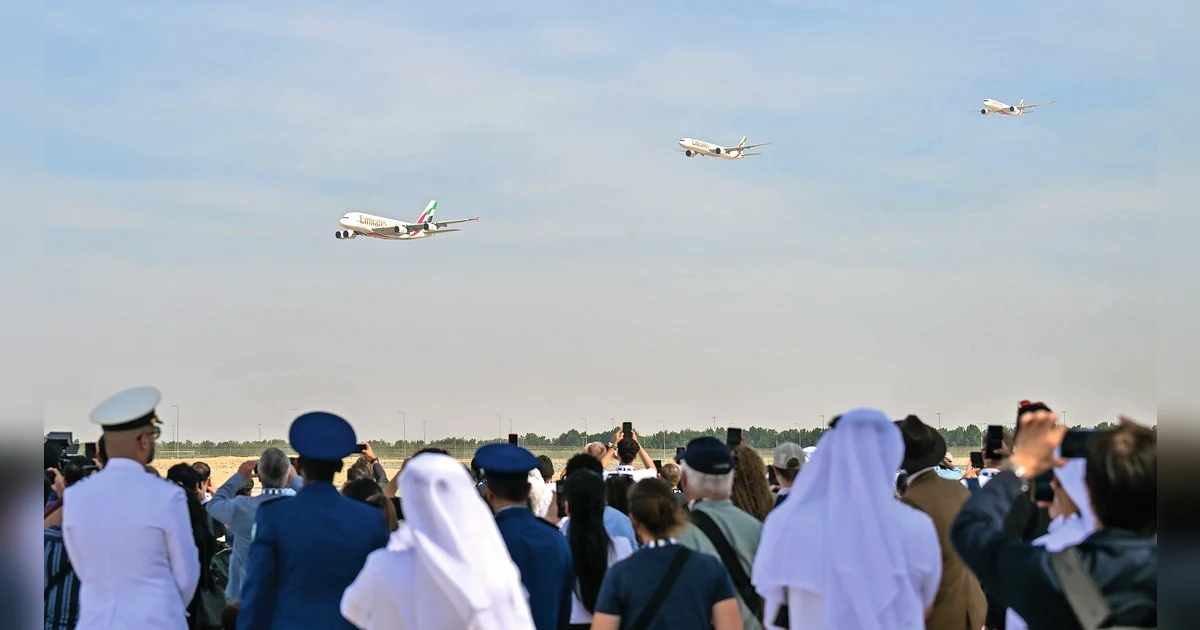
    The recently concluded 19th Dubai Airshow has positioned the United Arab Emirates for unprecedented aviation growth, with record-breaking aircraft orders and massive infrastructure investments setting the stage for global industry leadership. Aviation experts confirm the event has established new benchmarks for the industry, with implications stretching far beyond the November 2027 edition.

    Dubai International Airport (DXB) is poised to achieve a historic milestone in 2026 by becoming only the second airport globally, after Atlanta International, to handle 100 million passengers. This achievement contributes to projected UAE-wide passenger traffic of approximately 160 million next year. Current statistics reveal robust growth, with UAE airports collectively handling 147.8 million travelers in 2024, representing a 10.7% year-on-year increase from the previous year.

    The aviation expansion is underpinned by massive fleet investments unveiled at the Airshow. Emirates’ landmark $40 billion Boeing 777X order and flydubai’s acquisition of over 300 Airbus A321neo and Boeing 737 MAX aircraft demonstrate the region’s aggressive growth strategy. These developments are complemented by multi-billion dollar airport expansion projects designed to ultimately handle more than 300 million passengers annually.

    Critical to this growth is the development of Dubai World Central (DWC), which will eventually provide capacity for up to 260 million passengers with five runways. Industry expert John Strickland of JLS Consulting emphasized Dubai’s strategic geographic advantage, noting its ability to service global traffic flows while maintaining a strong point-to-point market that reduces reliance on transfer traffic compared to competitors.

    Aviation analysts highlight several factors driving UAE aviation’s resilience and competitive edge. Saj Ahmad, Chief Analyst at StrategicAero Research, identified Emirates’ hub connectivity capabilities, superior product offerings across UAE carriers, and streamlined airport operations free from excessive bureaucracy as key differentiators from US and European competitors.

    The UAE’s aviation success story extends beyond infrastructure and equipment. Andrew Charlton of Aviation Advocacy cited location advantages, progressive competition attitudes, and embrace of future technologies as fundamental to market resilience. The upcoming Dubai World Airport project represents a blank canvas for reimagining the entire passenger experience from start to finish.

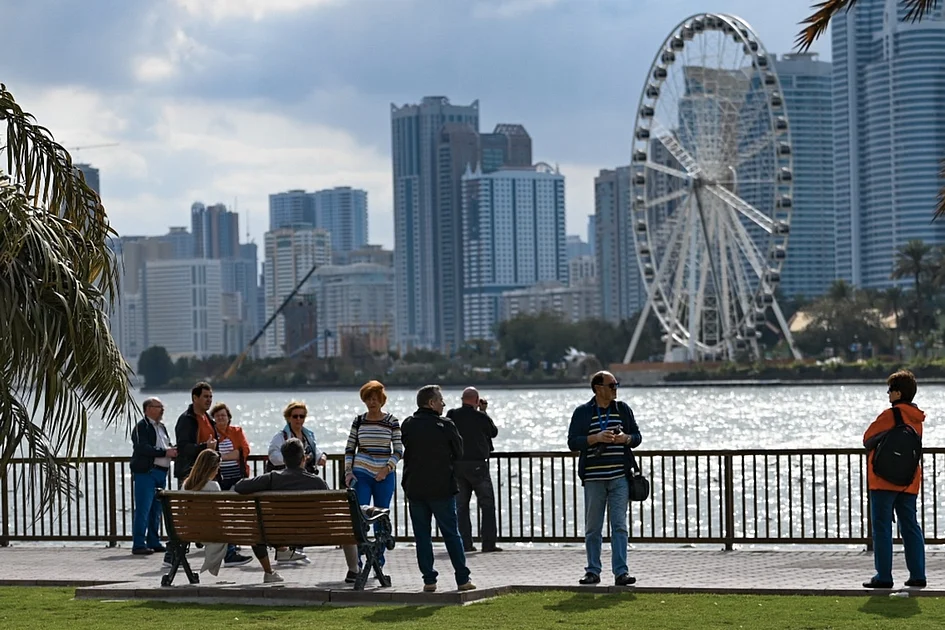
    As the UAE aims to host 40 million visitors by 2031, the aviation sector’s growth appears inextricably linked to broader economic development. The country’s remarkable post-pandemic recovery across real estate, financial markets, employment, and transport sectors creates a virtuous cycle that continues to attract global travelers and businesses alike.

    The Dubai Airshow’s emergence as the premier venue for aviation deals signals a broader shift in industry dynamics, with manufacturers and airlines increasingly choosing Dubai over traditional European venues for major announcements. This transition reflects the region’s growing influence in shaping the future of global aviation.

  • UAE renewable energy breakthrough: Hatta hydropower project transforms desert power

    UAE renewable energy breakthrough: Hatta hydropower project transforms desert power

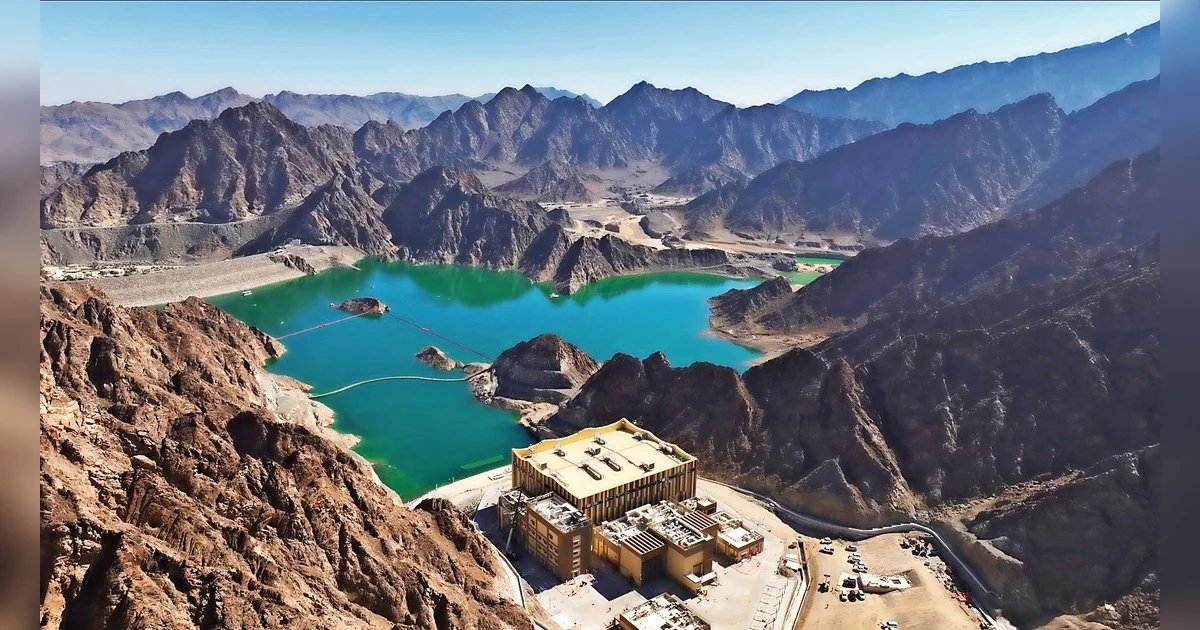
    In an extraordinary engineering achievement that defies conventional wisdom about renewable energy in arid regions, Dubai has successfully implemented a groundbreaking hydropower facility in the Hatta region. The $387 million pumped-storage hydroelectric plant represents the first such installation on the Arabian Peninsula, demonstrating innovative solutions for sustainable power generation in water-scarce environments.

    The facility utilizes advanced pumped-storage technology that recirculates water between the existing Hatta Dam and a newly constructed upper reservoir situated in mountainous terrain. During periods of low energy demand, surplus solar power drives turbines that pump water to the elevated reservoir. When electricity demand peaks, water released through a 1.2-kilometer underground canal generates power with remarkable 79% efficiency and a rapid 90-second response capability.

    With a production capacity of 250 megawatts and storage capacity of 1,500 megawatt-hours, the project has already generated over 17,900 megawatt-hours during trial operations. The system’s 80-year lifespan and minimal water consumption make it particularly suitable for desert environments where traditional hydropower would be impractical.

    This pioneering initiative forms part of Dubai’s comprehensive Clean Energy Strategy and Net Zero Carbon Emissions Strategy 2050. The emirate has already achieved 2,027 megawatts of clean energy production through photovoltaic and concentrated solar power technologies, representing approximately 14% of its total energy capacity. The adjacent Mohammed bin Rashid Al Maktoum Solar Park, the world’s largest single-site solar facility using the Independent Power Producer model, will expand to 5,000MW by 2030.

    Energy experts highlight that the project establishes a new paradigm for renewable integration in water-stressed regions worldwide. The combination of hydropower storage with solar generation addresses the critical challenge of energy intermittency while providing grid stability. Environmental considerations have been paramount in the project’s design, with innovative approaches such as potential floating solar panels on reservoirs to simultaneously reduce evaporation and generate additional clean energy.

    The Hatta facility transcends mere engineering accomplishment to become a symbol of sustainable innovation, offering a replicable model for other arid nations pursuing climate goals while addressing growing energy demands.

  • Suspect arrested in pipe bomb incident on eve of Jan 6, ending years-long manhunt

    Suspect arrested in pipe bomb incident on eve of Jan 6, ending years-long manhunt

    Federal authorities have apprehended a suspect in connection with the placement of two pipe bombs outside the headquarters of both major political parties on the eve of the January 6th Capitol riot, marking a significant breakthrough in a nearly five-year investigation. The arrest was confirmed by multiple sources to CBS News, with the individual expected to face federal charges in Washington D.C.

    The devices were strategically planted outside the Republican and Democratic National Committee buildings on January 5, 2021. While equipped with kitchen timers and homemade black powder, both bombs were successfully deactivated by authorities without detonation. The investigation, which included a $500,000 reward for information, culminated in this arrest after an extensive nationwide manhunt.

    The context of the bomb placement coincides with the certification process of the 2020 presidential election results. On January 6th, as lawmakers convened to formalize Joe Biden’s victory, then-President Donald Trump addressed supporters at the ‘Save America’ rally, where he repeated unsubstantiated claims of electoral fraud while encouraging a march to the Capitol.

    Subsequent riots involved thousands of participants, including members of far-right groups, who breached the Capitol building, overwhelming police forces for several hours. The pipe bombs were discovered by a passerby as these events unfolded, creating a compound security crisis that day.

    This arrest stands in contrast to recent developments in other January 6 cases. Earlier this year, during his second term, President Trump issued pardons or commutations for over 1,500 individuals convicted or charged in relation to the Capitol riot, referring to them as ‘hostages’ whose lives had been ‘destroyed.’ He additionally directed the Department of Justice to drop all pending cases against remaining suspects.

  • US Senator proposes ending dual citizenship, says Americans ‘have to choose’

    US Senator proposes ending dual citizenship, says Americans ‘have to choose’

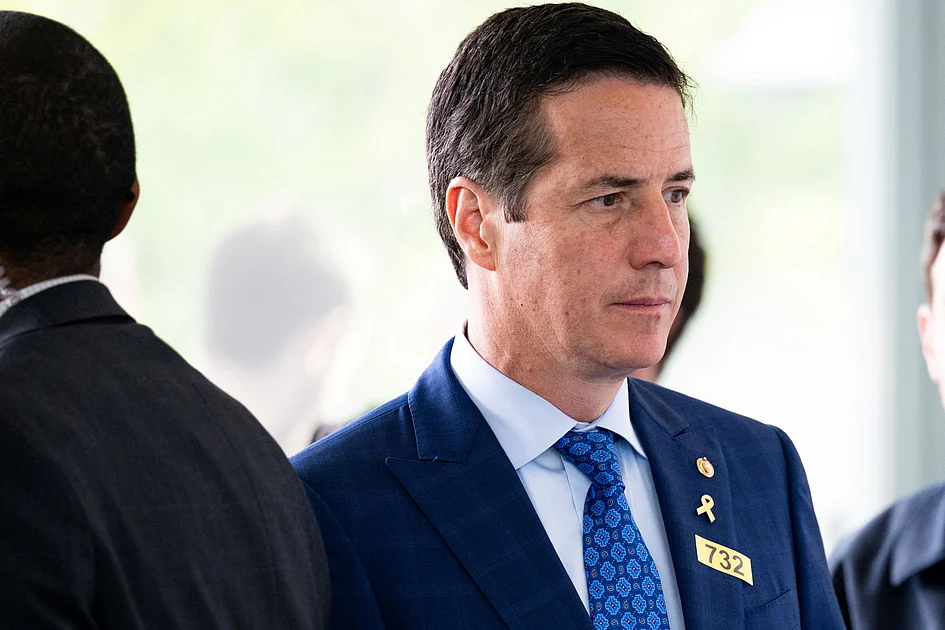
    In a significant legislative move, US Republican Senator Bernie Moreno of Ohio has announced plans to introduce the “Exclusive Citizenship Act of 2025,” which would fundamentally alter America’s approach to dual nationality. The proposed legislation would compel all US citizens currently holding foreign citizenship to make a definitive choice between retaining their American status or maintaining their alternative nationality.

    The bill, scheduled for introduction on Monday, represents one of the most comprehensive challenges to dual citizenship in recent American history. Under its provisions, current dual citizens would have exactly one year from enactment to formally renounce either their US citizenship or their foreign nationality. Those failing to comply within the designated timeframe would automatically be considered to have relinquished their American citizenship status.

    Senator Moreno, who himself renounced his Colombian citizenship upon naturalizing as an American at age 18, articulated his rationale in a statement to Fox News: “One of the greatest honors of my life was when I became an American citizen. It was an honor to pledge an Oath of Allegiance to the United States of America and only to the United States of America. Being an American citizen is an honor and a privilege—and if you want to be an American—it’s all or nothing.”

    The proposed legislation would mandate the State Department and Department of Homeland Security to establish comprehensive databases and enforcement mechanisms to implement these changes. Individuals who voluntarily or involuntarily relinquish their US citizenship would be systematically recorded in federal systems and thereafter treated as aliens under immigration laws.

    This initiative aligns with broader immigration policy shifts observed during the Trump administration, though the administration has not previously taken an official stance on dual citizenship specifically. The proposal faces significant legal hurdles, as Supreme Court precedents from the 1950s have consistently upheld the legality of dual citizenship. Previous attempts to eliminate dual citizenship, including recent moves in the House to restrict dual citizens from serving in Congress, have encountered substantial opposition and legal challenges.

  • Cheapest gold price in UAE: Who will gain most from 14K rate in Dubai?

    Cheapest gold price in UAE: Who will gain most from 14K rate in Dubai?

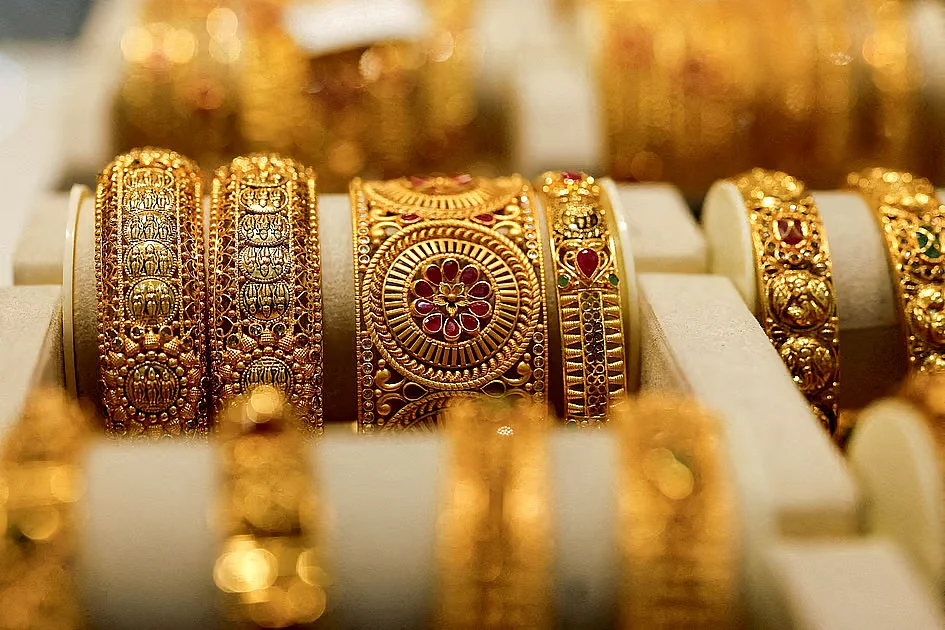
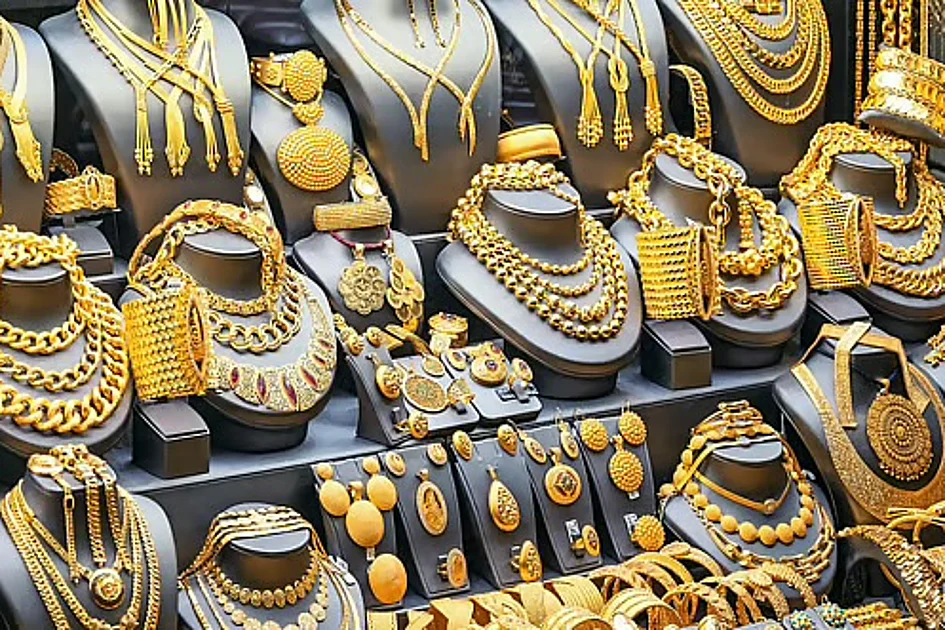
    Dubai, renowned globally as the ‘City of Gold,’ has officially introduced 14K gold pricing for the first time in its history, a strategic move aimed at revitalizing consumer interest in the jewelry market. The initiative, announced by the Dubai Jewellery Group (DJG) — the largest trade body representing approximately 600 members in the industry — comes as gold prices soared to unprecedented levels in October 2025, both in the UAE and worldwide.

    As of Thursday morning, 14K gold was trading at Dh300.25 per gram, positioning it as the most affordable variant available in the UAE. This price point is over Dh200 cheaper than 24K gold and nearly Dh85 less than 18K gold, making it an attractive option for budget-conscious consumers.

    Industry experts highlight that the introduction of 14K gold primarily targets two key segments: customers purchasing diamond-studded jewelry and those seeking more affordable, everyday ornaments. Anil Dhanak, Managing Director of Kanz Jewels, explained that 14K gold offers enhanced durability for mountings and lower entry prices without compromising aesthetic appeal, particularly for pieces where gold serves as a supporting metal rather than the core value.

    The timing of this initiative is critical. Data from the World Gold Council reveals that gold jewelry demand in the UAE plummeted to a five-year low of 6.3 tonnes in the third quarter of 2025, marking a 10% year-on-year decline and an 18% quarter-on-quarter drop. Rising prices have rendered traditional gold ornaments unaffordable for many, prompting a shift in consumer behavior.

    Chirag Vora, Managing Director of Bafleh Jewellers, noted that lower-priced options like 14K gold could attract younger buyers, first-time purchasers, and expatriates familiar with this karatage. Retailers can now offer tiered options: 22K for traditional value, 18K for luxury fashion, and 14K for accessible everyday pieces.

    Concurrently, consumer preferences are evolving. Shamlal Ahamed, Managing Director for International Operations at Malabar Gold and Diamonds, observed a growing trend toward lightweight, lifestyle jewelry driven by design sensibilities rather than mere price considerations. Millennials and Gen Z customers are leading this shift, seeking versatile, contemporary pieces that align with their daily lives.

    The introduction of 14K gold is poised to stimulate unit sales, support retailers and manufacturers, and cater to a broader demographic, ensuring Dubai’s continued prominence in the global gold market.

  • Dubai gold prices drop ahead of Fed’s rate cut decision

    Dubai gold prices drop ahead of Fed’s rate cut decision

    Gold markets in Dubai opened with notable declines on Thursday morning as investor caution intensified ahead of the US Federal Reserve’s critical policy meeting. According to the Dubai Jewellery Group’s market data, 24-karat gold dropped by Dh1.25 per gram to reach Dh505.75. Corresponding decreases affected other variants: 22K fell to Dh468.25, 21K to Dh449.0, 18K to Dh384.75, and 14K to Dh300.25 per gram. The international spot gold market mirrored this trend, trading at $4,193.1 per ounce with a 0.2 percent decline.

    Market analysts attribute this cautious trading pattern to heightened anticipation surrounding the Federal Reserve’s impending interest rate decision. Linh Tran, market analyst at xs.com, emphasized that the US interest rate cycle remains the dominant factor influencing gold’s medium-term trajectory. ‘Recent indicators showing cooling US growth and consumption patterns have strengthened market expectations that the Federal Reserve will initiate rate reductions in the foreseeable future,’ Tran noted.

    The analyst further explained that declining bond yields, which retreated to approximately 4.02 percent in late November before modestly recovering to 4.088 percent, have created favorable conditions for gold appreciation. This dynamic reduces the opportunity cost associated with holding non-yielding assets like gold. Historical patterns suggest that periods of declining real interest rates typically generate supportive environments for precious metals, with current market conditions following this established pattern.

    Looking toward 2026, Tran projected significant upside potential for gold if the Fed enters a sustained rate-cutting cycle. ‘Gold maintains substantial room to establish new record highs, potentially reaching $4,500 per ounce within a monetary easing environment that appears increasingly probable for the coming year,’ Tran added.

    Alex Kuptsikevich, Chief Market Analyst at FxPro, highlighted growing market focus on global monetary policy divergence. While the Federal Reserve is expected to reduce rates to three percent throughout 2026, the Bank of Japan simultaneously forecasts rate increases to 1.25 percent. This policy contrast creates complex dynamics for currency markets and precious metal valuations.

    Kuptsikevich referenced additional uncertainty stemming from political developments, noting that President Donald Trump’s announcement regarding the new Fed chair appointment timeline—now expected in early 2026 rather than by Christmas—has introduced further dollar volatility. Market expectations surrounding Kevin Hassett’s potential leadership appointment at the Federal Reserve have amplified concerns about expanded monetary easing measures, creating additional downward pressure on the US dollar that could ultimately benefit gold prices.

  • US Institute of Peace renamed after Trump

    US Institute of Peace renamed after Trump

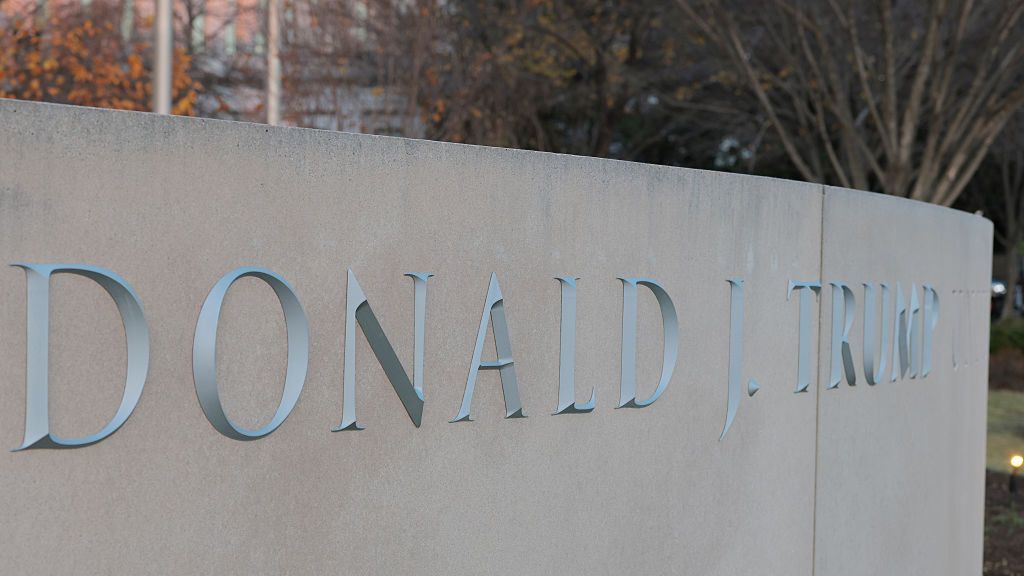
    The U.S. Institute of Peace building in Washington has been formally rebranded as the “Donald J. Trump Institute of Peace” following a directive from the Department of State. The renaming occurred on Wednesday, just ahead of a scheduled peace agreement signing ceremony between Rwanda and the Democratic Republic of Congo at the venue.

    Founded as an independent, Congressionally-funded nonprofit think tank, USIP has recently become embroiled in legal battles with the Trump administration over attempts to cut staff and budgets. The State Department announced the change on social media, stating the move was made “to reflect the greatest dealmaker in our nation’s history” and adding that “the best is yet to come.”

    White House deputy press secretary Anna Kelly shared the announcement with the comment “Congratulations, world,” while Secretary of State Marco Rubio endorsed the decision by calling Trump the “President of Peace” and noting it was time for the department to “display that.”

    The rebranding represents a significant shift in the administration’s approach to the institute, which earlier this year was at the center of controversy when the Trump administration removed staff and replaced leadership until judicial intervention halted the changes. The future of the organization remains uncertain as legal proceedings continue.

    This renaming is part of a broader pattern of high-profile rebrandings since Trump began his second term in January. Previous changes include redesignating the Department of Defense as the Department of War, renaming the Gulf of Mexico as the Gulf of America, and reverting Denali to Mount McKinley. Additionally, Republican lawmakers have proposed various tributes including a $500 bill featuring Trump’s portrait and renaming Dulles International Airport in his honor.

    The modern-day USIP website currently describes the institute as “the nation’s independent, nonpartisan institute that supports the Executive Branch in resolving violent conflict abroad,” though its future direction under the new name remains unclear.

  • Trump orders increased vetting of resumes, LinkedIn profiles of H-1B visa applicants

    Trump orders increased vetting of resumes, LinkedIn profiles of H-1B visa applicants

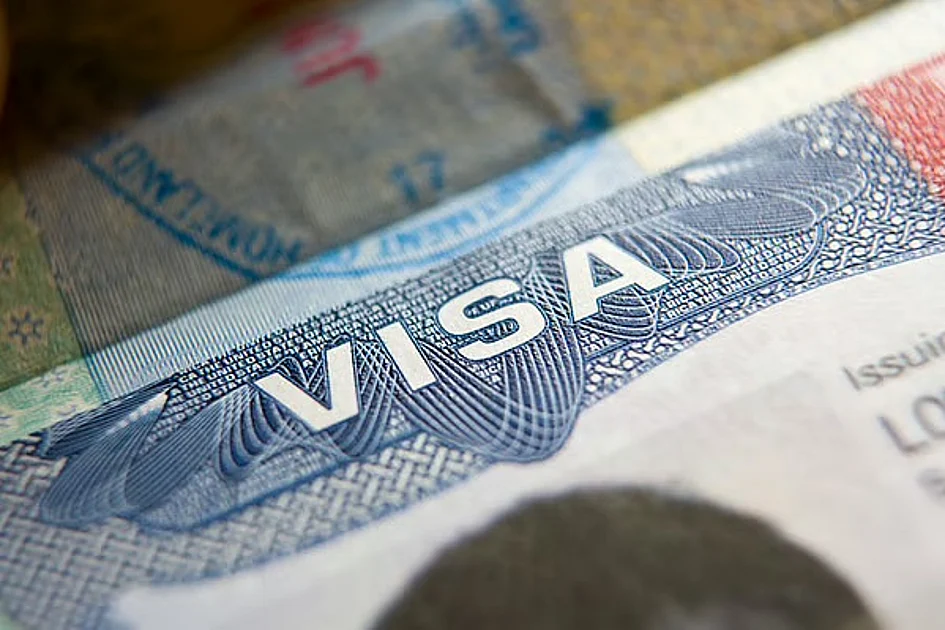
    In a significant policy shift impacting international tech recruitment, the Trump administration has instituted rigorous new screening protocols for H-1B visa applicants. A recently disclosed State Department directive mandates comprehensive review of professional backgrounds, including detailed examination of resumes and LinkedIn profiles, to identify individuals involved in content moderation activities.

    The diplomatic cable, circulated to all U.S. missions on December 2, 2025, instructs consular officers to scrutinize applicants’ employment histories for evidence of involvement in misinformation management, disinformation mitigation, fact-checking operations, or online safety enforcement. The policy specifically targets those who have participated in what the administration characterizes as ‘censorship of protected expression’ within the United States.

    Under the new guidelines, consular officials are directed to pursue visa ineligibility findings under the Immigration and Nationality Act for applicants deemed complicit in speech suppression practices. The enhanced vetting applies to both initial applicants and renewal cases, with particular emphasis on technology sector professionals employed by social media and financial services companies.

    A State Department spokesperson confirmed the administration’s position, stating: ‘We do not support aliens coming to the United States to work as censors muzzling Americans.’ The spokesperson referenced President Trump’s personal experiences with social media platform restrictions as motivation for the policy, adding that ‘allowing foreigners to lead this type of censorship would both insult and injure the American people.’

    This development represents the latest escalation in the administration’s broader campaign against perceived suppression of conservative voices online. The policy aligns with previous actions including heightened student visa screenings and new fee structures for H-1B visas, continuing Trump’s extensive immigration reform agenda. The administration has previously engaged with European governments regarding right-wing speech limitations, with officials like Marco Rubio having threatened visa bans for foreign nationals involved in regulating American tech companies.

  • They contracted hepatitis before the vaccine was given at birth – now the shot may be delayed again

    They contracted hepatitis before the vaccine was given at birth – now the shot may be delayed again

    A potential overhaul of America’s newborn vaccination protocol has ignited fierce debate among medical experts and patients who have experienced hepatitis B’s devastating consequences firsthand. The Advisory Committee on Immunization Practices (ACIP) is poised to vote on delaying hepatitis B vaccinations from birth to an unspecified later date—a move that contradicts three decades of established medical practice.

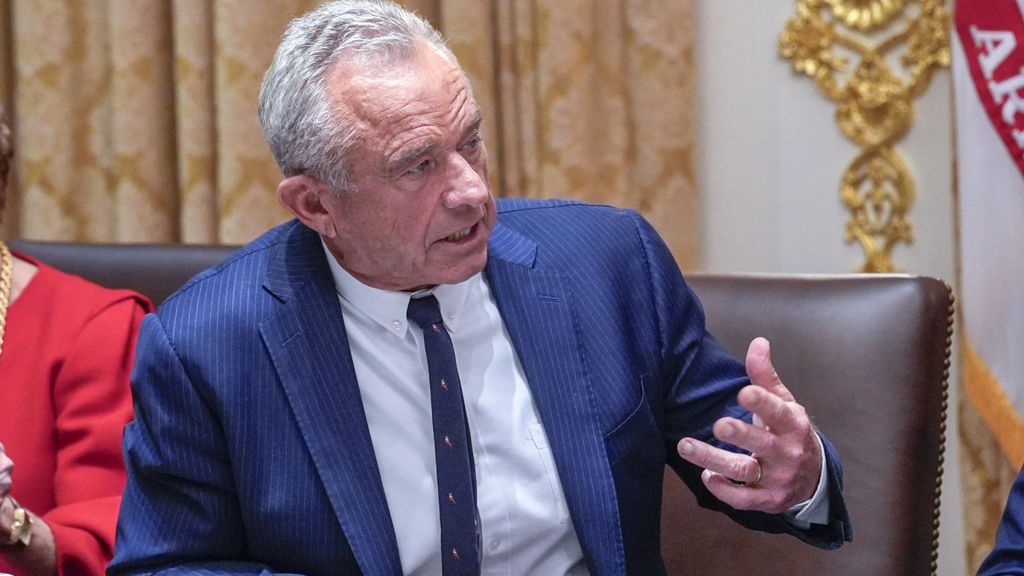
    The controversy stems from recent appointments by Health Secretary Robert F. Kennedy Jr., who replaced the entire ACIP committee with vaccine-skeptical members. During September meetings, new appointees questioned the necessity of vaccinating infants against what they characterized as an ‘adult problem,’ despite overwhelming evidence that early immunization prevents mother-to-child transmission and provides crucial early protection.

    Medical professionals warn that even a two-month delay could have catastrophic consequences. Northwestern University’s Dr. Claudia Hawkins projects that such a change could result in ‘hundreds of additional deaths from liver disease and liver cancer’ over time. Since universal birth-dose vaccination began in 1991, childhood hepatitis B infections have plummeted by 95%, preventing approximately 90,000 deaths according to CDC data.

    The human impact of hepatitis B is illustrated through patients like John Ellis, who contracted the virus before receiving his delayed vaccination at age 12. Despite his mother’s 30 years of nursing experience, the diagnosis shocked their family. ‘That was kind of a dark time for me,’ Ellis recalled. ‘Having to navigate conversations about this chronic illness that people aren’t familiar with.’

    Phil Shin’s story reveals the silent danger of the virus. Diagnosed before middle school, he remained asymptomatic until age 48, when doctors discovered a racketball-sized tumor in his liver. After emergency surgery and a life-saving transplant, Shin now serves on the American Liver Foundation board, advocating for awareness.

    The virus’s indiscriminate nature is underscored by Helen Ouyang’s childhood tragedy. Her father died from hepatitis B-related liver cancer when she was three, experiencing only vague symptoms before his rapid decline. As an emergency physician at Columbia University, Dr. Ouyang understands both the personal and medical implications of the disease.

    Medical experts emphasize that hepatitis B spreads through bodily fluids, including shared household items like toothbrushes, contradicting claims that it’s not ‘casually contagious.’ They also note that relying solely on maternal testing creates vulnerability, as some patients receive false negatives or lack reliable healthcare access.

    The policy change could also affect insurance coverage and create loopholes for parents to opt out of vaccination entirely. For those living with hepatitis B, the potential regression of vaccination guidelines represents both a public health threat and a dismissal of their suffering. ‘I’m a living, breathing testament to what could happen,’ Ellis stated. ‘I didn’t get the vaccine at birth. I got it later, and I still contracted hepatitis B.’

  • UAE: Cooler, humid winter days in December; average temperatures 17.7°C to 21.8°C

    UAE: Cooler, humid winter days in December; average temperatures 17.7°C to 21.8°C

    The United Arab Emirates is experiencing a significant meteorological shift as December marks the official transition into the winter season, according to the latest climate summary from the National Centre of Meteorology (NCM). Temperature patterns show a notable decline, with mean maximum and minimum readings dropping by 3 to 6 degrees Celsius compared to November levels.

    Meteorological data reveals average temperatures now range between 17.7°C and 21.8°C across the Emirates. Daytime highs typically settle between 21.7°C and 27.4°C, while nighttime temperatures frequently drop to between 12.9°C and 17.4°C. Historical extremes include a record high of 37°C documented in Sweihan during 2016 and a remarkable low of -0.7°C recorded at Jabal Jais in 2004.

    The changing weather patterns result from a strengthening high-pressure system extending from northern regions, accompanied by northwesterly winds that drive nighttime temperatures lower, particularly across inland and mountainous areas. Simultaneously, upper-level westerly troughs contribute to the formation of low and medium cloud cover, creating conditions conducive to rainfall that occasionally intensifies into thunderstorms.

    Humidity patterns undergo significant transformation during December, with mean humidity levels reaching approximately 63%. Maximum humidity frequently climbs to between 79% and 90%, while minimum levels range from 32% to 49%. These conditions emerge as moist air masses move from the Arabian Gulf toward the UAE, creating ideal circumstances for fog and mist formation during early morning hours.

    Wind patterns remain generally light to moderate with an average speed of 11 km/h, though historical data shows occasional strong gusts, including a record 87 km/h documented at Makassib in 2019. Fog occurrence becomes notably more frequent, with 2014 standing as particularly remarkable with 20 fog days and 5 mist days recorded throughout the month.

    Precipitation, while occasional, can reach intense levels as demonstrated by the 208.4 mm rainfall recorded in Dhudna during 2006—the highest December measurement on record. The winter solstice, occurring around December 23, reinforces the cooling trend as the UAE solidifies its entry into the meteorological winter season.