标签: North America

北美洲

  • Paramount launches rival bid for Warner Brothers Discovery

    Paramount launches rival bid for Warner Brothers Discovery

    In a dramatic escalation of the streaming wars, Paramount Skydance has launched a direct counter-offer to acquire Warner Bros Discovery, challenging Netflix’s previously announced bid. Backed by the billionaire Ellison family, Paramount is proposing a $30-per-share cash offer directly to shareholders, valuing the entire company at approximately $108.4 billion.

    The move positions Paramount’s proposal as a ‘superior alternative’ to Netflix’s $83 billion offer, which specifically targets Warner’s studio assets and streaming networks including HBO. Paramount emphasizes that its bid delivers more immediate cash to shareholders and presents a clearer path to regulatory approval—a significant consideration given growing antitrust concerns.

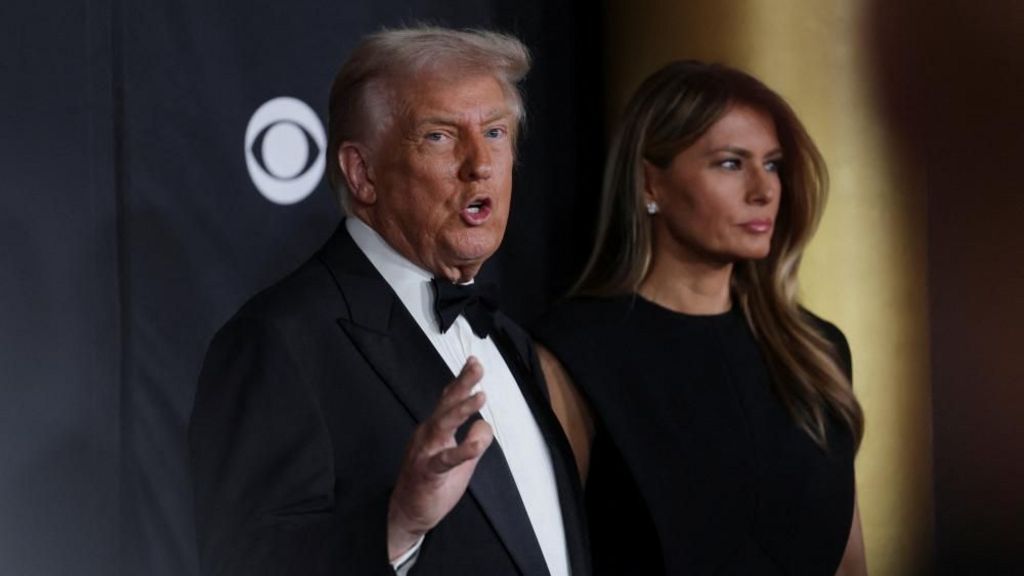
    Political dimensions entered the corporate battle as President Donald Trump expressed reservations about Netflix’s potential acquisition, stating ‘there could be a problem’ with competition implications. Paramount CEO David Ellison amplified these concerns in a CNBC interview, characterizing Netflix’s bid as ‘anti-competitive’ and warning that it would grant the streaming giant excessive control over industry talent and distribution channels.

    ‘It’s a horrible deal for Hollywood,’ Ellison asserted, revealing he has held ‘great conversations’ with Trump regarding competition policy. The Paramount executive simultaneously criticized Warner’s planned spin-off of non-core assets as part of the Netflix deal, predicting the separated entities would struggle independently and diminish shareholder value.

    Despite both Netflix and Warner Bros Discovery boards endorsing the original acquisition framework on Friday, Paramount’s aggressive counterbid—coupled with regulatory headwinds—introduces substantial uncertainty into what would represent one of the largest media consolidations in history.

  • Golden Globes: The full list of nominees

    Golden Globes: The full list of nominees

    Hollywood’s awards season commenced with significant momentum as the Hollywood Foreign Press Association unveiled the complete roster of nominees for the 2025 Golden Globe Awards on Monday. The announcement sets the stage for the prestigious ceremony scheduled for January 11th, serving as a crucial precursor to the Academy Awards in March.

    Leading this year’s nominations with remarkable presence across multiple categories are Paul Thomas Anderson’s epic drama ‘One Battle After Another’ and Joachim Trier’s critically acclaimed ‘Sentimental Value,’ each demonstrating exceptional artistic merit through their widespread recognition.

    The competitive landscape reveals intriguing developments in both dramatic and comedic spheres. The Best Film – Drama category features formidable contenders including ‘Frankenstein’ directed by Guillermo del Toro, ‘Hamnet’ helmed by Chloe Zhao, and Michael B. Jordan’s performance-driven ‘Sinners.’ Meanwhile, the Musical or Comedy division showcases Timothée Chalamet’s ‘Marty Supreme’ alongside Ethan Hawke’s ‘Blue Moon’ and Lee Byung-Hun’s ‘No Other Choice.’

    Notable performances recognized include Jennifer Lawrence’s compelling work in ‘Die, My Love,’ Dwayne Johnson’s transformative role in ‘The Smashing Machine,’ and Jeremy Allen White’s dual nominations for both his dramatic portrayal in ‘Springsteen: Deliver Me From Nowhere’ and his comedic excellence in television’s ‘The Bear.’

    The television categories continue to reflect the golden age of streaming content with HBO’s ‘The White Lotus’ receiving multiple acting nominations, while ‘Severance’ and ‘The Bear’ maintain their awards season momentum with several key nominations.

    International cinema receives significant acknowledgment with ‘It Was Just an Accident,’ ‘No Other Choice,’ and ‘The Secret Agent’ all earning spots in the Non-English Language Film category, demonstrating the Globes’ continued commitment to global storytelling.

    The complete nominations list reveals both expected frontrunners and surprising inclusions across all categories, setting the stage for what promises to be one of the most competitive awards seasons in recent memory.

  • US shifts strategy from global role, resets security priorities

    US shifts strategy from global role, resets security priorities

    The United States has formally unveiled a transformative foreign policy framework through its newly released National Security Strategy, signaling a profound shift from its traditional global leadership role. The document articulates an approach characterized as ‘flexible realism,’ fundamentally reprioritizing American security interests with an intensified focus on hemispheric dominance.

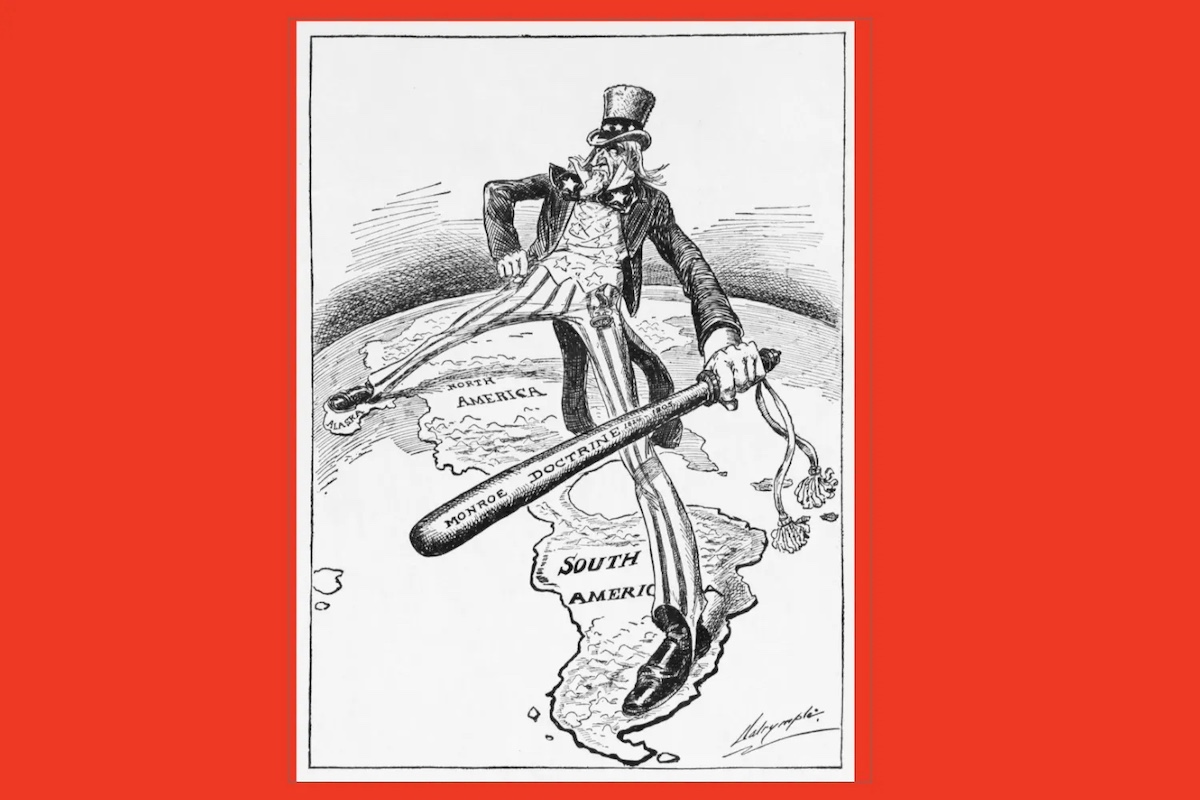
    Central to this strategic recalibration is the revival of the 19th-century Monroe Doctrine, explicitly declaring the Western Hemisphere as Washington’s exclusive zone of influence. The administration terms this updated approach the ‘Trump Corollary,’ presenting it as a commonsense restoration of American power that aligns with national security interests. The document emphasizes that substantial U.S. military deployments in the region represent a permanent strategic commitment rather than temporary positioning.

    The strategy delivers strikingly critical assessments of traditional European allies, issuing stark warnings about the continent’s potential ‘civilizational erasure’ unless significant policy changes occur. This perspective fundamentally challenges post-World War II assumptions about transatlantic relations, suggesting that within decades, certain NATO members may become majority non-European populations.

    Regarding the Ukraine conflict, the strategy advocates for rapid diplomatic resolution and reestablishment of ‘strategic stability’ with Russia, framing this as a core American strategic interest. The 29-page document presents President Trump’s foreign policy as pragmatically principled and muscular yet restrained—above all motivated by practical outcomes benefiting American interests.

    This comprehensive strategic vision represents the administration’s most systematic effort to redefine international relationships through an ‘America First’ lens, potentially reshaping global power dynamics and alliance structures for decades to come.

  • Trump and the return of hemispheric nationalism

    Trump and the return of hemispheric nationalism

    The Trump administration’s recently unveiled National Security Strategy marks a profound transformation in American foreign policy philosophy rather than merely another periodic adjustment. This document formally institutionalizes a worldview that fundamentally challenges the core principles guiding U.S. grand strategy for the past thirty years.

    While critics of America’s perpetual interventions and post-Cold War missionary zeal might find some appealing elements—such as the explicit rejection of permanent global domination and reduced emphasis on Middle Eastern conflicts—the strategy presents concerning contradictions. It distances itself from previous administrations’ approaches while embracing what analysts describe as ‘transactional nationalism’ combined with assertive hemispheric interventionism.

    The strategy’s treatment of Europe represents an extraordinary departure from traditional diplomacy. It warns of Europe’s ‘civilizational erasure’ due to migration patterns and explicitly supports right-wing nationalist movements within allied nations—a stark contrast to previous administrations’ relationships with European partners.

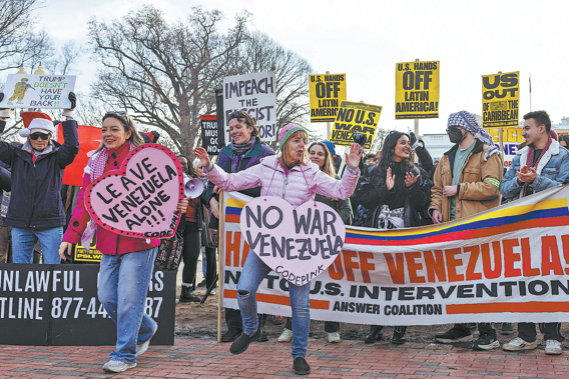
    Perhaps most revealing is the articulation of a ‘Trump Corollary’ to the Monroe Doctrine, advocating military reorientation toward the Western Hemisphere, including potential lethal operations against drug trafficking and military buildup around Venezuela. This creates a fundamental contradiction: while criticizing past interventions, the administration proposes expansive military involvement in Latin America.

    The document’s approach to China similarly breaks from recent bipartisan consensus, de-emphasizing strategic competition in favor of maintaining ‘mutually advantageous economic relationships.’ While potentially representing welcome realism, this shift appears driven more by immediate economic concerns than coherent long-term strategy.

    Analysts note the strategy’s fundamental weakness lies in its nature as a collection of grievances rather than a coherent vision. It clearly identifies what it opposes—post-Cold War consensus, European policies, immigration, and unfair trade practices—but offers limited positive framework for international order.

    The administration’s approach creates a dilemma for advocates of foreign policy restraint: while claiming to share skepticism about endless interventions, its execution contradicts non-intervention principles through military actions in the Caribbean and political interference in allied nations.

    What emerges is not strategic restraint but strategic incoherence masked by nationalist rhetoric. America requires recalibration—reduced Middle East focus, better burden-sharing with allies, and more balanced trade relationships—but not at the cost of abandoning alliances, embracing civilizational politics, or reasserting hemispheric hegemony through military force.

  • Presidents of Venezuela and Turkiye discuss military deployment in Caribbean

    Presidents of Venezuela and Turkiye discuss military deployment in Caribbean

    In a significant diplomatic development, Venezuelan President Nicolas Maduro and Turkish President Recep Tayyip Erdogan held a strategic phone conversation on Saturday addressing escalating military tensions in the Caribbean region. The discussion centered on what both leaders characterized as aggressive military posturing by external powers threatening regional stability.

    Venezuelan Foreign Minister Yvan Gil disclosed that President Erdogan expressed profound concern regarding recent threats facing Venezuela, specifically referencing military deployments and actions purportedly designed to undermine peace and security in the Caribbean basin. The two leaders engaged in comprehensive dialogue about contemporary global geopolitics and international developments with implications for worldwide stability and humanity’s future.

    President Maduro condemned ongoing military maneuvers in the Caribbean as “illegal, disproportionate, unnecessary and even extravagant” acts of aggression. He reaffirmed Venezuela’s commitment to peaceful resolution despite mounting pressures. Concurrently with the diplomatic exchange, Venezuela conducted a swearing-in ceremony for 5,600 new soldiers at Fuerte Tiuna, the nation’s largest military complex in Caracas.

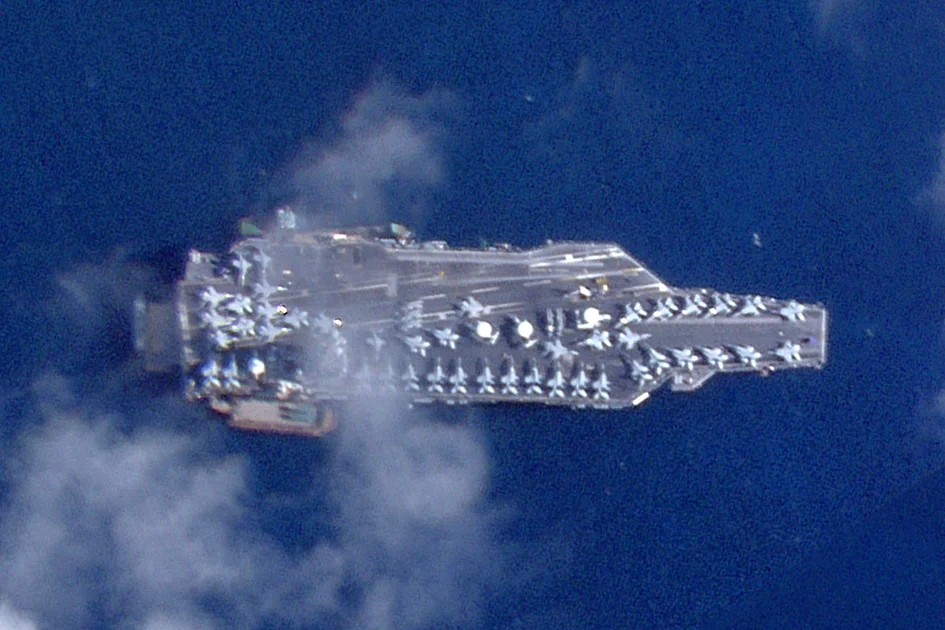
    The military expansion comes in response to the United States deploying a substantial naval contingent to the region, including the world’s largest aircraft carrier, under the justification of combating narcotics trafficking. Recent operations have resulted in US forces striking over 20 vessels with reported casualties exceeding 87 lives.

    Colonel Gabriel Rendon, during the military ceremony, emphatically stated: “Under no circumstances will we allow an invasion by an imperialist force.” Venezuela maintains approximately 200,000 active troops with an additional 200,000 police officers according to official statistics.

    Beyond security matters, the bilateral discussion encompassed enhanced economic cooperation. President Maduro expressed Venezuela’s determination to advance trade relations with Turkey toward a mutual goal of $3 billion in annual commerce. Both parties acknowledged the importance of reestablishing direct flight connectivity between Caracas and Istanbul to facilitate tourism and investment flows. This follows Turkish Airlines’ recent suspension of Venezuelan operations due to US Federal Aviation Administration safety advisories.

    President Maduro extended a formal invitation for President Erdogan to visit Venezuela in the upcoming year for the fifth Joint Cooperation Commission meeting, signaling continued alignment between the two nations.

  • Trump raises potential concerns over $72bn Netflix-Warner Bros deal

    Trump raises potential concerns over $72bn Netflix-Warner Bros deal

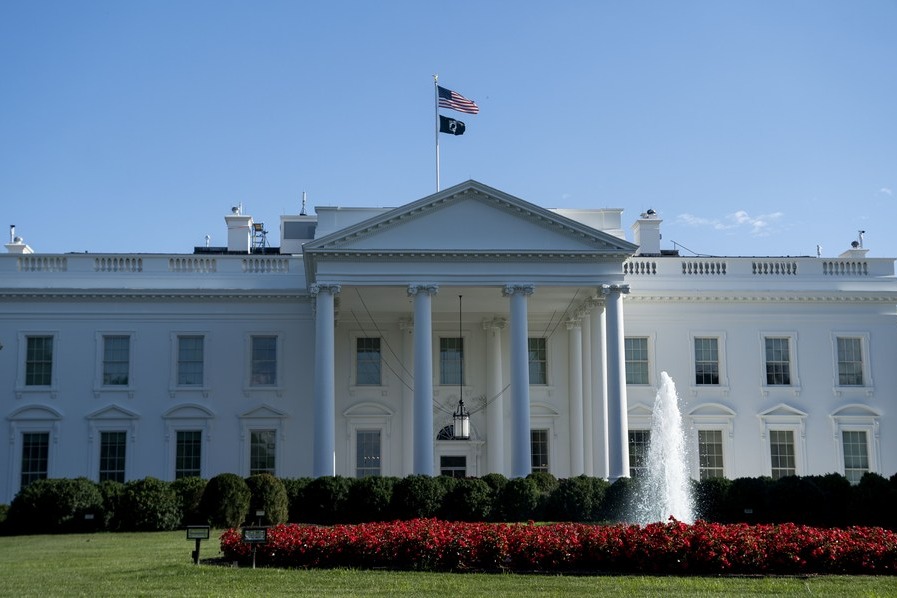
    Former President Donald Trump has raised significant antitrust concerns regarding Netflix’s monumental $72 billion proposal to acquire Warner Bros Discovery’s studio assets and HBO streaming services. Speaking at a Washington DC event on Sunday, Trump emphasized that Netflix already commands a “very big market share” that would expand substantially through this consolidation, potentially creating competitive issues.

    The landmark agreement, announced Friday, would merge Warner Bros’ iconic franchises including Harry Potter and Game of Thrones with Netflix’s dominant streaming platform, potentially reshaping the media landscape. The deal requires approval from U.S. competition authorities, with the Justice Department’s antitrust division evaluating whether the combined entity would control an excessive portion of the streaming market.

    Trump revealed his personal involvement in the approval process, noting that Netflix co-CEO Ted Sarandos recently visited the Oval Office. The former president expressed admiration for Sarandos, stating, “I have a lot of respect for him. He’s a great person who’s done one of the greatest jobs in the history of movies.”

    The proposed acquisition has generated industry-wide concerns about market concentration, with regulators examining potential violations of antitrust legislation. The combination would create an unprecedented media conglomerate with extensive control over both content production and distribution channels.

  • Wicked or Avatar? Hollywood gears up for Golden Globe nominations

    Wicked or Avatar? Hollywood gears up for Golden Globe nominations

    The entertainment industry turns its attention to the 2026 Golden Globe Awards as nominations prepare to unveil Hollywood’s first major honors of the awards season. Scheduled for announcement on Monday at 13:15 GMT by actors Marlon Wayans and Skye P Marshall, the shortlists will set the stage for a months-long campaign culminating with the Oscars in March.

    This year’s competition features an impressive array of cinematic achievements across multiple genres. Blockbuster contenders include ‘Wicked: For Good,’ the concluding chapter of the Wicked Witch’s origin story, and James Cameron’s anticipated ‘Avatar: Fire and Ash,’ which introduces the Na’vi to an aggressive new tribe. Historical adaptations also feature prominently, with ‘Hamnet’ bringing Maggie O’Farrell’s novel about Shakespeare’s son to the screen, while ‘One Battle After Another’ explores the kidnapping of a former revolutionary’s daughter.

    The sports biopic category demonstrates particular strength with three major contenders: ‘Marty Supreme’ following a table-tennis player’s pursuit of greatness, ‘Christy’ chronicling boxer Christy Martin’s career, and ‘The Smashing Machine’ depicting UFC fighter Mark Kerr’s journey. These compete against diverse offerings including conspiracy theory drama ‘Bugonia,’ a fresh ‘Frankenstein’ adaptation, Hollywood satire ‘Jay Kelly,’ and Bruce Springsteen biopic ‘Springsteen: Deliver Me from Nowhere.’

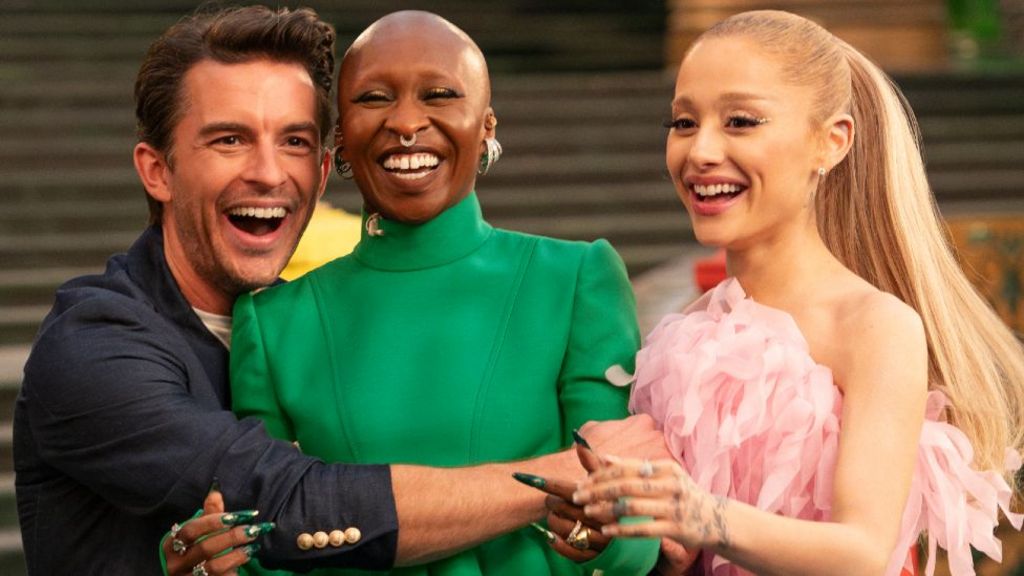
    Acting categories promise fierce competition with numerous A-list performers in contention. Leonardo DiCaprio may earn recognition for his role as a former revolutionary in ‘One Battle After Another,’ while Timothée Chalamet could receive nomination for his portrayal of table tennis player Marty Mauser in ‘Marty Supreme.’ ‘Wicked: For Good’ stars Cynthia Erivo and Ariana Grande might repeat their previous nominations, with Sydney Sweeney generating buzz for her transformative performance as boxer Christy Martin.

    Notable contenders include Dwayne Johnson’s awards play in MMA drama ‘The Smashing Machine,’ George Clooney and Adam Sandler’s collaboration in ‘Jay Kelly,’ and Irish actors Jessie Buckley and Paul Mescal’s work in ‘Hamnet.’ Additional recognition may go to Emma Stone and Jesse Plemons for ‘Bugonia,’ Julia Roberts for ‘After The Hunt,’ and Jeremy Allen White for his portrayal of Springsteen.

    The Globes maintain their unique position in awards season with 36 acting nomination slots—nearly double the Oscars’ 20—by separating categories between drama and musical or comedy. This approach allows for broader recognition and ensures a star-packed ceremony scheduled for January 11th in Los Angeles, with comedian Nikki Glaser returning as host following her critically acclaimed performance last year.

    Television categories also command attention, particularly whether British drama ‘Adolescence’ will replicate its Emmy Awards success. The limited series about a teenage boy accused of stabbing a classmate faces competition from ‘The Pitt,’ ‘Severance,’ ‘Slow Horses,’ and ‘The White Lotus’ in drama categories, while comedy frontrunners include ‘The Studio,’ ‘Hacks,’ ‘Nobody Wants This,’ and ‘Abbott Elementary.’

    This year introduces a new category recognizing podcast excellence, expanding the Globes’ traditional focus on film and television. The ceremony maintains its reputation as awards season’s ‘drunk uncle’—a more relaxed affair where celebrities mingle over drinks and meals, though the outcomes significantly influence Oscar trajectories. Last year’s winners Fernanda Torres and Sebastian Stan, along with Best Picture recipients ‘I’m Still Here’ and ‘Flow,’ demonstrated the Globes’ predictive power when they continued to Oscar success.

  • Canadian airline to start cancelling flights ahead of planned strike

    Canadian airline to start cancelling flights ahead of planned strike

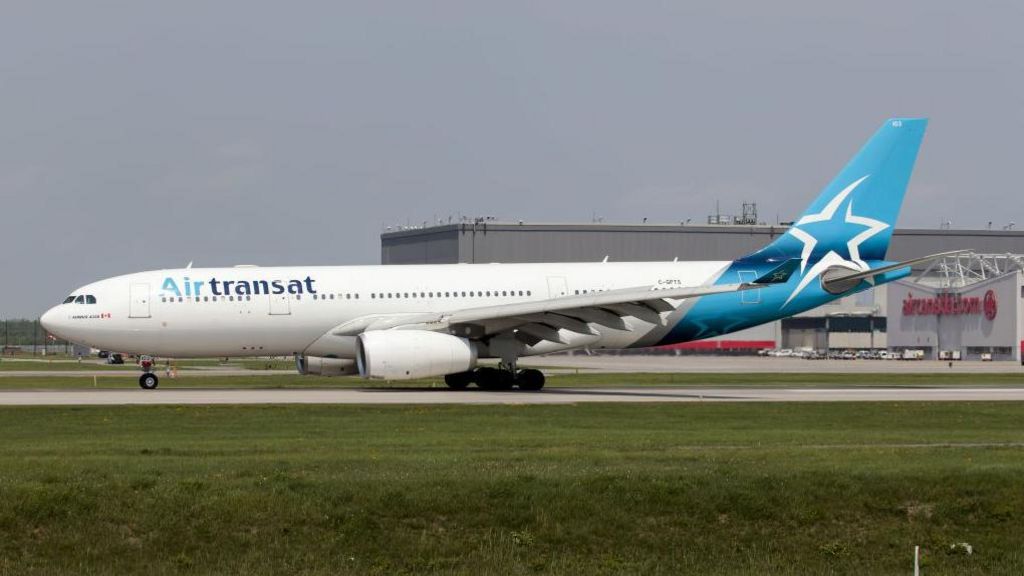
    Canadian carrier Air Transat has initiated a phased suspension of its flight operations in anticipation of an imminent pilot strike scheduled to commence Wednesday. This preventive measure follows a 72-hour strike notice issued Sunday by the Air Line Pilots Association (ALPA), representing approximately 750 pilots employed by the airline.

    The conflict stems from prolonged contract negotiations that have persisted for nearly a year, with pilots seeking substantial improvements to their 2015 agreement. Key demands include industry-standard compensation packages, enhanced benefits, revised work regulations, and strengthened job security provisions. The union reported an overwhelming 99% authorization vote among its members supporting potential strike action.

    Air Transat management has characterized the strike notice as premature, citing recent progress in negotiations and what they describe as generous offers presented to pilots. Julie Lamontagne, the airline’s human resources officer, expressed disappointment with the union’s decision, accusing them of demonstrating indifference toward the company through what she termed a reckless authorization that misrepresents the current state of discussions.

    In contrast, union representative Captain Bradley Small asserted that management had left pilots with no alternative after months of unproductive bargaining. He emphasized that no pilot desires to strike but maintained that airline executives would bear responsibility for any resulting flight cancellations and passenger disruptions should an agreement remain elusive.

    This labor dispute represents the second significant confrontation between Air Transat and its workforce in recent years, following a narrowly averted strike by flight dispatchers in 2024 under similar circumstances. The airline’s proactive cancellation strategy aims to prevent crews, aircraft, and passengers from becoming stranded internationally should the strike proceed as threatened.

  • Trump criticises Democrat he pardoned over not switching political parties

    Trump criticises Democrat he pardoned over not switching political parties

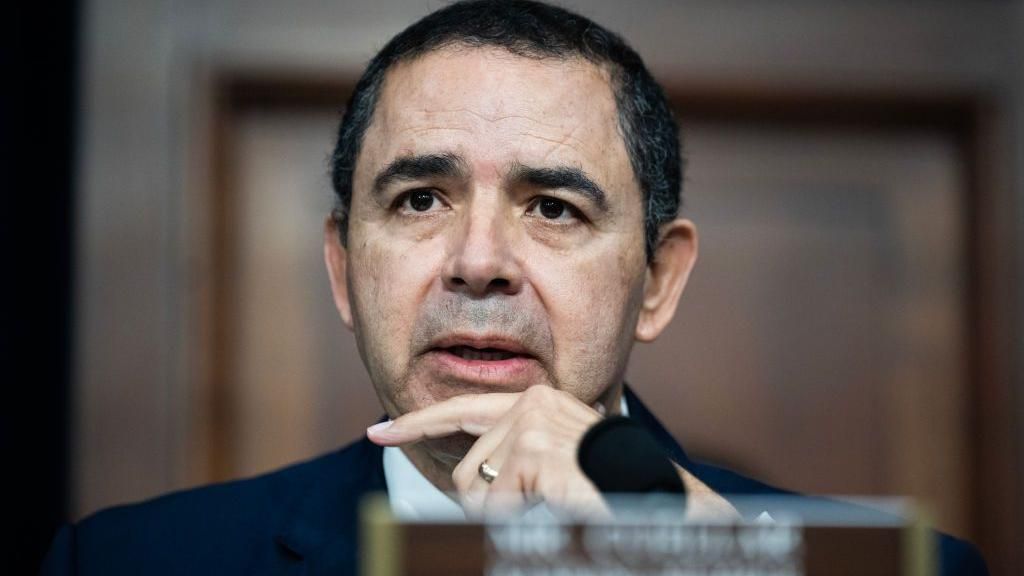
    Former President Donald Trump has publicly condemned Democratic Representative Henry Cuellar for what he termed a “lack of LOYALTY” after the Texas congressman chose to remain with the Democratic party despite receiving a presidential pardon. Trump issued the full pardon on Wednesday for Cuellar, who faced 14 federal charges including bribery, money laundering, and conspiracy related to allegations of accepting $600,000 from Azerbaijan’s state oil company and a Mexican bank.

    In his social media post, Trump expressed disappointment that Cuellar filed for re-election as a Democrat just hours after receiving clemency, thwarting Republican hopes that he would switch parties and bolster their narrow House majority. “Oh’ well, next time, no more Mr. Nice guy!” Trump wrote, emphasizing his expectation of political allegiance in return for the pardon.

    The Justice Department had accused Cuellar and his wife of acting as foreign agents by accepting payments in exchange for advancing interests of Azerbaijan and Mexico in Congress. Both maintained their innocence throughout the legal proceedings.

    Trump framed the prosecution as politically motivated, claiming Biden’s administration targeted Cuellar specifically because the moderate Democrat had “bravely spoken out against Open Borders” and supported border security measures. He described the case as an “evil quest” by “radical left” Democrats to destroy Cuellar and his family.

    Despite never having spoken with Cuellar or his family, Trump stated he “felt very good about fighting” for them because they were “treated sooo BADLY!” He particularly noted that the congressman’s daughters had written a personal letter appealing for their father’s pardon.

    Cuellar, in response to Trump’s comments, affirmed his commitment to the Democratic party while expressing willingness to collaborate across party lines. “I’m an American, I’m a Texan and I’m a Democrat in that order,” he told Fox News, adding that he had prayed for Trump and his family during church services, believing that “if the president succeeds, the country succeeds.”

    This incident highlights Trump’s longstanding emphasis on loyalty, which has previously manifested in official contexts including federal job applications that asked applicants to describe how they would advance Trump’s agenda. The expectation of political allegiance following presidential pardons represents a new dimension in this pattern of behavior.

  • Venezuela swears in 5,600 troops after US military build-up

    Venezuela swears in 5,600 troops after US military build-up

    In a significant show of military readiness, Venezuela formally inducted 5,600 new soldiers into its armed forces during a ceremony held Saturday at Fuerte Tiuna, the nation’s largest military complex in Caracas. This mobilization comes as a direct response to what Caracas perceives as escalating military aggression from the United States.

    The United States has recently deployed a substantial naval presence to the Caribbean, including the world’s largest aircraft carrier, under the official justification of intensifying anti-narcotics operations. Washington has designated President Nicolas Maduro’s government as a terrorist organization, labeling it the ‘Cartel of the Suns,’ and has conducted strikes on over 20 vessels, resulting in at least 87 fatalities.

    Colonel Gabriel Rendon, speaking at the swearing-in ceremony, declared a firm stance against foreign intervention, stating, ‘Under no circumstances will we allow an invasion by an imperialist force.’ President Maduro has characterized the US military build-up as a transparent attempt to orchestrate a coup d’état and seize control of Venezuela’s vast oil reserves, prompting his call for accelerated military recruitment.

    This external tension is shadowed by deepening internal political strife. The nation continues to grapple with the aftermath of July’s highly contested presidential election. A recent tragic development saw the death of Alfredo Diaz, a former opposition governor, in prison. He was detained on charges of terrorism and incitement, becoming at least the sixth opposition figure to die in custody since November 2024. Human rights NGO Foro Penal, which defends political prisoners, reported that Diaz had been held in isolation for a year with severely restricted access.

    Nobel Peace Prize laureate and opposition leader Maria Corina Machado, alongside opposition candidate Edmundo Gonzalez Urrutia, issued a joint statement condemning a ‘sustained pattern of state repression.’ They alleged that these deaths involved the denial of medical care, inhumane detention conditions, isolation, and torture. According to Foro Penal, Venezuela currently holds at least 887 individuals as political prisoners, many arrested following protests that resulted in 28 deaths and approximately 2,400 arrests, though nearly 2,000 have since been released.