标签: North America

北美洲

  • Judge rules Epstein grand jury records from 2019 case can be released

    Judge rules Epstein grand jury records from 2019 case can be released

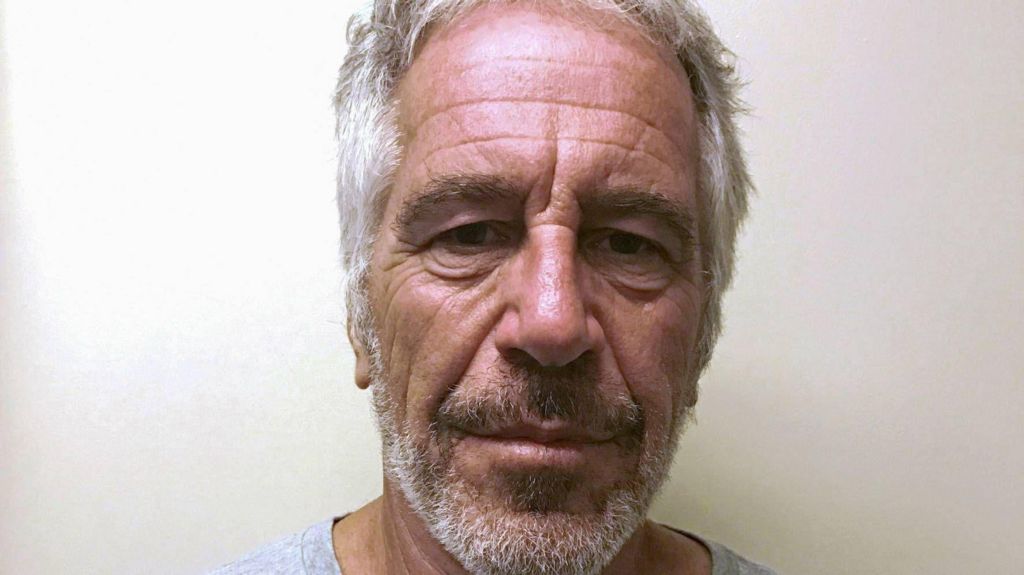
    A New York federal judge has authorized the public disclosure of grand jury materials from the 2019 Jeffrey Epstein sex trafficking investigation, reversing his previous position on sealing the documents. U.S. District Judge Richard Berman issued Wednesday’s ruling in response to congressional legislation mandating transparency in the Epstein case.

    The judicial reversal comes precisely one day after a separate ruling granted similar transparency measures in the case of Ghislaine Maxwell, Epstein’s accomplice convicted in 2021 for facilitating his sexual abuse network. Judge Berman’s decision directly references the Epstein Files Transparency Act, recently signed into law by President Donald Trump, which compels the Justice Department to release investigative materials by December 19th.

    Epstein’s case timeline shows he faced sex trafficking charges in July 2019 before dying in a New York prison cell one month later while awaiting trial. The financier’s death sparked numerous conspiracy theories and heightened scrutiny of the justice system’s handling of high-profile cases.

    While ordering the release, Judge Berman emphasized protecting victims’ rights, stating that their “safety and privacy are paramount.” The ruling permits the Justice Department to redact materials that might compromise active investigations or create privacy concerns for victims. This balanced approach attempts to reconcile congressional demands for transparency with the judicial system’s duty to protect vulnerable parties.

    The released materials are expected to include previously sealed grand jury records, unclassified documents, and internal communications related to the Epstein investigation, potentially shedding new light on one of the most notorious sexual abuse cases in recent American history.
  • US judge blocks Trump’s National Guard deployment in Los Angeles

    US judge blocks Trump’s National Guard deployment in Los Angeles

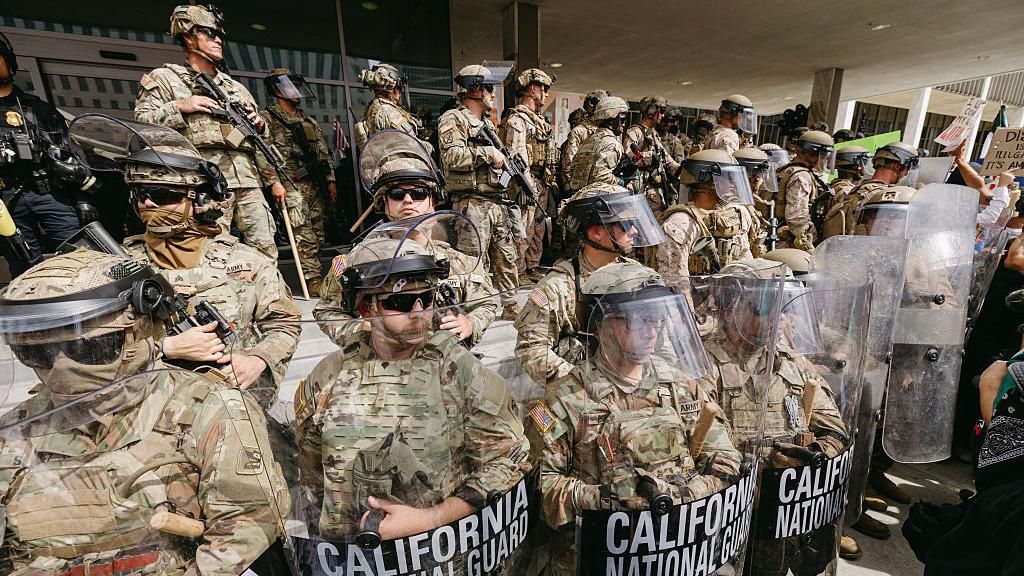
    A federal court has delivered a significant legal setback to the Trump administration’s domestic military deployment strategy. U.S. District Judge Charles Breyer issued a ruling on Wednesday prohibiting President Trump’s continued federal control of National Guard troops in Los Angeles and mandating their return to California Governor Gavin Newsom’s authority.

    The judicial decision addresses the contentious deployment initiated in June 2020 when thousands of National Guard personnel were federalized and dispatched to Los Angeles following protests against intensified immigration enforcement operations. Judge Breyer determined the administration failed to demonstrate that ongoing protest activities justified maintaining federal command over state guard units six months after their initial mobilization.

    In a robust defense of constitutional principles, Judge Breyer rejected the administration’s position that courts should refrain from reviewing presidential emergency authority over state guard units. “The Founders designed our government to be a system of checks and balances,” Breyer stated in his ruling. “Defendants, however, make clear that the only check they want is a blank one.”

    The implementation of the order has been stayed until December 15 to allow the administration opportunity to appeal. This ruling represents the latest development in an ongoing legal confrontation between federal and state authorities that has unfolded across multiple jurisdictions.

    The Los Angeles deployment forms part of a broader pattern that has seen National Guard units deployed to various cities including Portland, Oregon and Washington D.C., with similar legal challenges emerging nationwide. While an earlier appellate decision had sided with the administration in June, Governor Newsom renewed legal efforts in November arguing that diminished protest activity eliminated the justification for continued military presence.

    Administration lawyers contended during recent hearings that troops remained necessary due to ongoing targeting of federal immigration officials, but Judge Breyer questioned the persistence of emergency conditions months after initial unrest. “I think experience teaches us that crises come and crises go,” the judge remarked during proceedings.

    The ruling further criticized the administration’s practice of deploying California National Guard personnel to other states, characterizing it as “effectively creating a national police force made up of state troops.” This marks the second judicial finding that the administration’s deployment methodology violated legal standards, following Breyer’s earlier determination that summer deployments were conducted illegally.

  • Canada’s ambassador to the US to step down ahead of key trade talks

    Canada’s ambassador to the US to step down ahead of key trade talks

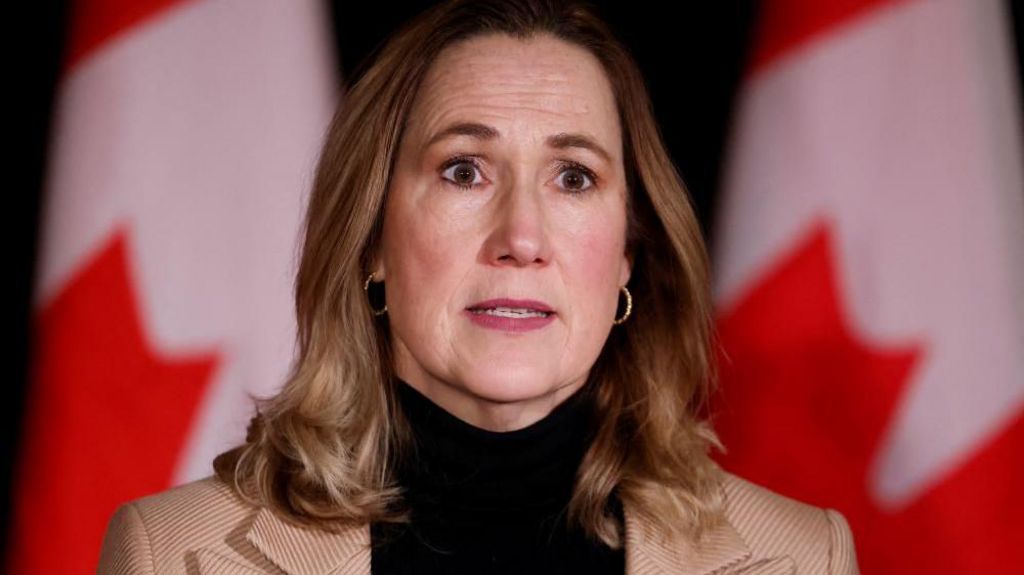
    In a significant diplomatic development, Canada’s Ambassador to the United States Kirsten Hillman has declared her intention to resign from her position in the coming year. The announcement comes during a particularly delicate phase in Canadian-American relations, with the crucial review of the Canada-United States-Mexico Agreement (CUSMA) currently underway.

    Ambassador Hillman, who assumed her role in March 2020, communicated her decision through social media platform X on Monday evening. While acknowledging that no ideal moment exists for such transitions, she expressed confidence in the timing, stating this period allows for the establishment of a new team that will shepherd the trade agreement through its comprehensive review process.

    The veteran trade lawyer and career diplomat emphasized her continued availability to Canada’s negotiation team during the challenging months ahead. Her diplomatic tenure encompassed navigating the complex COVID-19 pandemic landscape and playing an instrumental role in securing the release of Canadian citizens Michael Kovrig and Michael Spavor from detention in China.

    Reactions to her departure have been notably positive from both sides of the border. United States Trade Representative Jamieson Greer characterized Ambassador Hillman as ‘a class act,’ while former Canadian Prime Minister Justin Trudeau praised her as ‘a real patriot who has served Canadians proudly,’ specifically acknowledging her contributions to resolving trade disputes and strengthening economic ties.

    The resignation occurs against the backdrop of substantial trade tensions initiated by President Donald Trump’s imposition of tariffs on Canadian metals, lumber, and automotive products. These measures form part of a broader protectionist policy agenda that includes a sweeping 35% tariff on all goods, though most Canadian products have remained exempt under the current trade agreement.

    Trade negotiations faced additional complications in late October when President Trump suspended talks following his objection to an anti-tariff advertisement commissioned by Ontario and broadcast in American markets. The ongoing CUSMA review process involves public hearings and stakeholder consultations, with all three nations potentially agreeing to renew, renegotiate, or allow the agreement to expire.

    While both Canadian and Mexican authorities have indicated their preference for maintaining the existing agreement, and U.S. business interests have expressed similar support during December hearings, President Trump has suggested openness to either letting the pact expire or negotiating an entirely new arrangement. Market analysts and diplomatic observers are closely monitoring the situation, as the outcome will significantly impact North American trade dynamics and economic cooperation.

  • Venezuela opposition leader Machado to miss Nobel Peace Prize ceremony

    Venezuela opposition leader Machado to miss Nobel Peace Prize ceremony

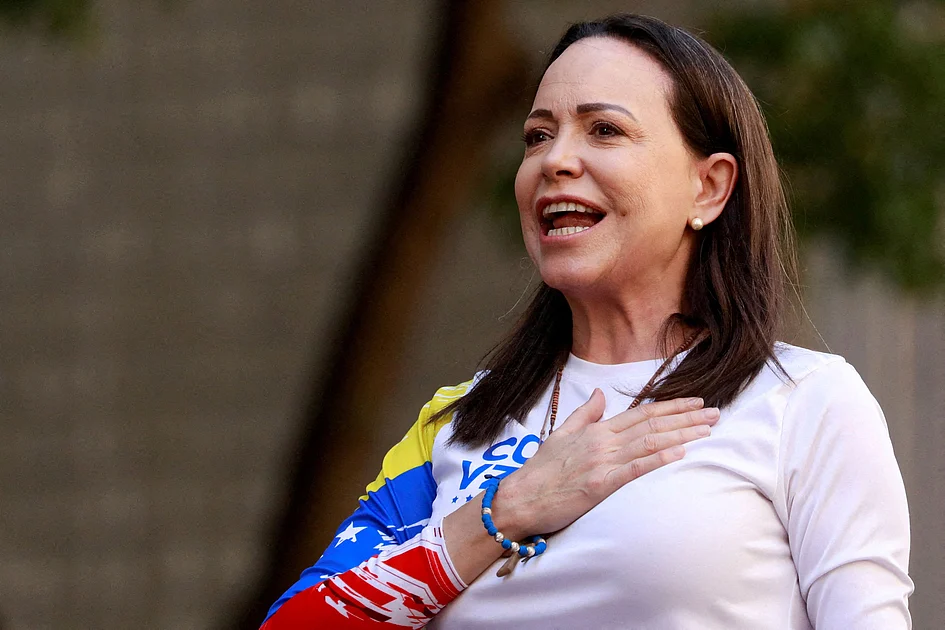
    In a development highlighting Venezuela’s ongoing political tensions, opposition leader Maria Corina Machado will be conspicuously absent from Wednesday’s Nobel Peace Prize ceremony in Oslo. The Nobel Institute confirmed to AFP that the 58-year-old activist, who currently lives in hiding, will not personally accept the prestigious award.

    Erik Aasheim, spokesperson for the Nobel Institute, stated ahead of the 1:00 PM (1200 GMT) event that ‘She is not coming to the ceremony.’ Instead, Machado will be represented by her daughter at the formal proceedings honoring her achievements in promoting democracy and human rights.

    The absence underscores the precarious situation facing Venezuelan opposition figures. Machado’s current whereabouts remain undisclosed, and it was uncertain prior to the ceremony whether she had successfully exited Venezuela amid the country’s political repression. Her inability to travel to Norway personally to receive one of the world’s highest honors serves as a stark reminder of the challenges facing democratic movements in authoritarian states.

    The Nobel Peace Prize recognition represents a significant international endorsement of Machado’s pro-democracy efforts against the Maduro government, even as she remains constrained within her nation’s borders.

  • Watch: Toronto’s trash-filled basin gets a dramatic lakeside revival

    Watch: Toronto’s trash-filled basin gets a dramatic lakeside revival

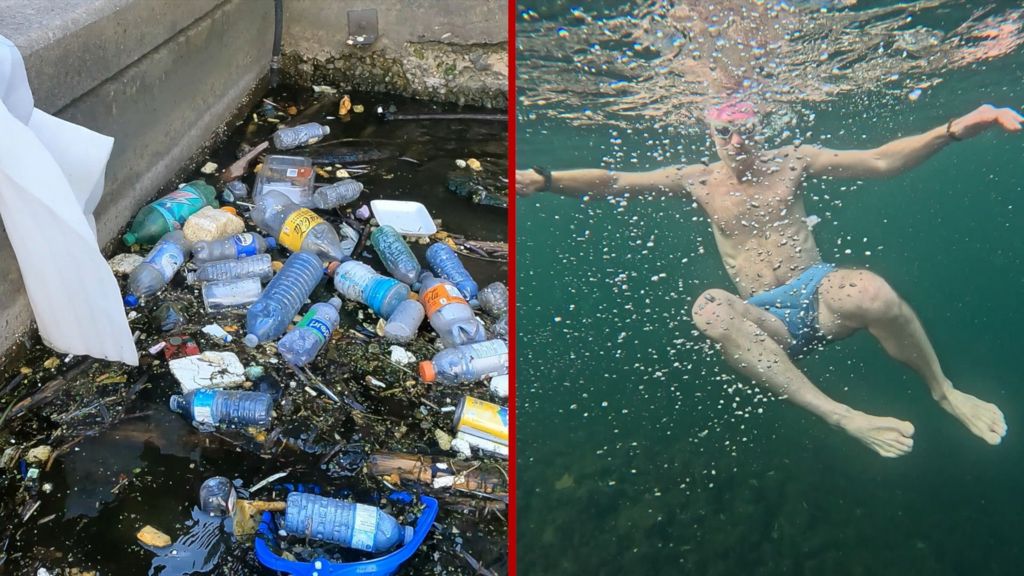
    In a remarkable environmental turnaround, a dedicated university professor and his team of students have successfully revitalized Toronto’s severely polluted Peter Street Basin after a three-year cleanup initiative. The project, which began as an academic exercise, has yielded tangible ecological results, transforming what was once a trash-filled urban eyesore into a swimmable waterfront area.

    The restoration effort involved systematic removal of accumulated debris and pollutants that had plagued the basin for decades. Through coordinated clean-up drives and environmental rehabilitation techniques, the academic team addressed both surface-level waste and underlying water quality issues. Their work demonstrates how targeted intervention can reverse environmental degradation in urban water systems.

    This lakeside revival represents more than just aesthetic improvement—it marks a significant achievement in urban ecological restoration. The project’s success has drawn attention from city officials and environmental organizations, potentially serving as a model for similar rehabilitation efforts in other urban waterways. The transformation from contaminated basin to functional aquatic space highlights the powerful impact of community-academic partnerships in addressing environmental challenges.

    The team’s approach combined scientific methodology with practical fieldwork, creating valuable learning experiences for students while delivering measurable environmental benefits to the community. Their achievement underscores the importance of sustained effort in environmental conservation and the potential for academic institutions to drive meaningful urban improvement projects.

  • Tariffs add strain to US holiday season

    Tariffs add strain to US holiday season

    The traditional period from Thanksgiving through Christmas and New Year’s celebrations, typically marked by robust consumer spending in the United States, is experiencing unprecedented pressure due to ongoing tariff implementations. Recent policy measures have begun translating into tangible economic effects, with American shoppers confronting higher prices across numerous product categories during what is historically the nation’s most significant retail period.

    Market analysts observe that the cumulative impact of tariff structures is now permeating consumer markets, creating financial strain for households attempting to maintain their holiday shopping traditions. The increased costs, originating from international trade policy decisions, are affecting a wide spectrum of goods including electronics, clothing, and household items that typically see heightened demand during seasonal celebrations.

    Economic observers note that this development introduces additional complexity to consumer decision-making processes, potentially altering spending patterns and budget allocations for festive purchases. Retail sector representatives have expressed concern regarding the potential long-term implications for consumer confidence and spending behavior, particularly during this critical revenue generation window for many businesses.

    The situation presents a challenging environment for both retailers and consumers, as adaptation strategies are being implemented across the market ecosystem. Some retailers are absorbing portions of the cost increases while others are passing them along to consumers, creating a varied landscape of pricing approaches throughout the industry.

  • Man charged with attempted murder over shooting of NFL player

    Man charged with attempted murder over shooting of NFL player

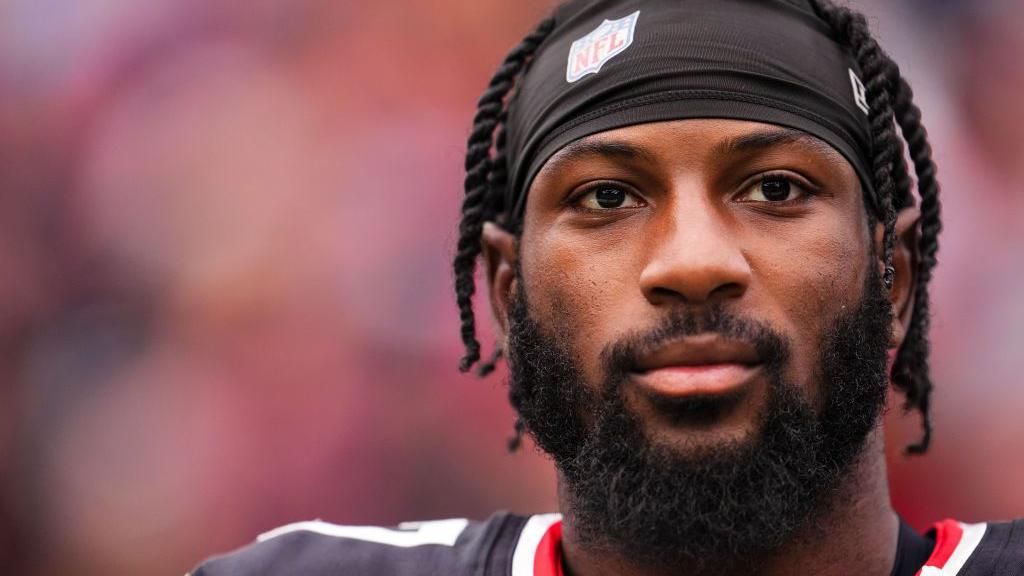
    In a dramatic conclusion to a three-week manhunt, law enforcement authorities have apprehended 20-year-old Frederick Green from the Bronx, charging him with the attempted murder of New York Jets cornerback Kris Boyd. The shocking incident unfolded in the early hours of November 16th outside a prominent Midtown Manhattan restaurant, where what began as verbal taunting escalated into a violent physical confrontation.

    According to police reports obtained by CBS News, the altercation occurred when Boyd and two fellow Jets players, accompanied by an additional friend, were confronted by a group of strangers. The situation rapidly deteriorated into physical violence, during which Green allegedly discharged his weapon twice, striking Boyd in the abdominal region. One bullet penetrated the athlete’s lung before becoming lodged in his pulmonary artery, creating life-threatening injuries that required immediate critical care hospitalization.

    Surveillance footage from the vicinity captured Green fleeing the scene and entering a vehicle operated by an accomplice, initiating an extensive search operation. The breakthrough came on December 8th when U.S. Marshals tracked Green to his girlfriend’s apartment in Buffalo, approximately 360 miles from the crime scene. Law enforcement officials noted that Green had substantially altered his physical appearance in an attempt to evade detection.

    The arrest operation involved tactical teams surrounding the residential building, with marshals observing Green “peeking out the apartment window seeking potential escape routes before retreating upon noticing the presence of law enforcement and canine units.” The standoff concluded peacefully when Green surrendered with his hands raised.

    Boyd, who has since been discharged from medical care, recently visited his Jets teammates at their practice facility, signaling positive progress in his recovery. The 29-year-old defensive back joined the Jets earlier this year following two seasons with the Houston Texans, preceded by tenures with the Arizona Cardinals and Minnesota Vikings. Boyd had been on injured reserve since August due to a shoulder injury sustained during team practice.

    The case continues to develop as prosecutors prepare additional charges, including assault and criminal weapon possession, against the apprehended suspect.

  • US could ask foreign tourists for five-year social media history before entry

    US could ask foreign tourists for five-year social media history before entry

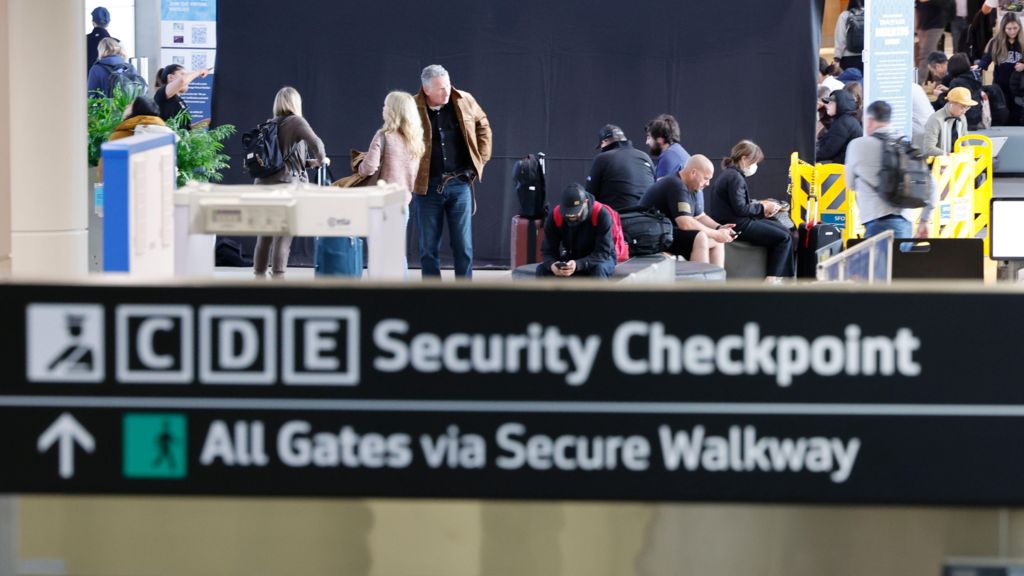
    The United States Department of Homeland Security (DHS) and Customs and Border Protection (CBP) have introduced a controversial proposal mandating visa-free tourists to submit five years of social media history as a new condition for entry. This significant policy shift, published in the Federal Register, would impact citizens from approximately 40 countries participating in the Visa Waiver Program, including the United Kingdom, Australia, Japan, and European Union nations.

    The proposed regulation expands the existing Electronic System for Travel Authorization (ESTA) requirements beyond the current $40 fee and basic biographical information. Applicants would now need to provide comprehensive digital footprints including all social media identifiers used over the past five years, telephone numbers from the previous decade, and extended family member details. The measure specifically affects those eligible for 90-day visa-free visits under the ESTA program.

    This initiative stems from President Donald Trump’s January executive order titled ‘Protecting the United States From Foreign Terrorists and Other National Security and Public Safety Threats.’ The administration has previously implemented similar requirements for student and H1B skilled worker visas, now extending digital scrutiny to tourist admissions. Officials cite enhanced national security screening as the primary motivation, particularly following recent security incidents including a Washington DC shooting involving an Afghan suspect.

    The proposal emerges as the United States prepares for major international events including the 2026 FIFA World Cup (co-hosted with Canada and Mexico) and the 2028 Los Angeles Olympics, potentially affecting millions of prospective visitors. A 60-day public comment period has commenced, during which privacy advocates and immigration experts are voicing substantial concerns.

    Digital rights organizations including the Electronic Frontier Foundation have condemned the measure as potentially exacerbating civil liberties violations. Immigration law firm Fragomen warns of practical consequences including extended ESTA processing times and administrative complications. The proposal follows documented declines in international tourism to the United States, with industry analysts noting a concerning trend of reduced visitor spending and Canadian boycott movements protesting Trump administration policies.

  • Elon Musk says Doge was ‘somewhat successful’ but he would not do it again

    Elon Musk says Doge was ‘somewhat successful’ but he would not do it again

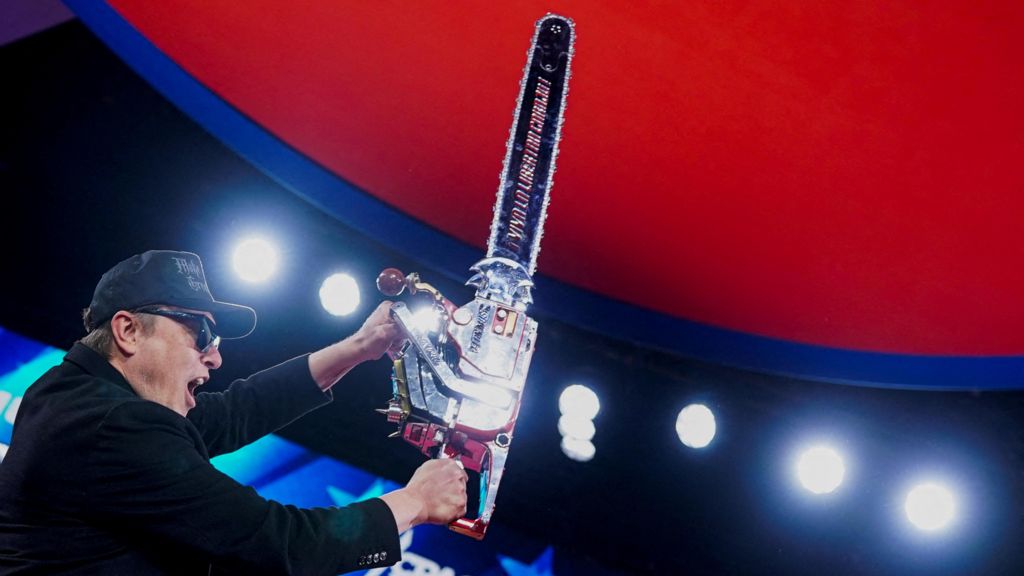
    In a revealing podcast interview, Elon Musk disclosed he would not reassume leadership of the Department of Government Efficiency (Doge) if given the opportunity, citing negative consequences for his corporate empire. The Tesla and SpaceX CEO made these remarks during an hour-long conversation on The Katie Miller Podcast, reflecting on his tumultuous tenure leading the Trump administration’s cost-cutting initiative.

    Musk departed Doge in May after initially pledging to save approximately $2 trillion annually through aggressive federal workforce reductions and program eliminations. The organization’s website claims $214 billion in savings this year, though Musk characterized the overall effort as only “a little bit successful” in achieving its objectives.

    When asked by host Katie Miller—a former White House adviser and Doge spokesperson—whether he would repeat his government service, Musk responded unequivocally: “I mean no, I don’t think so.” He indicated he would have preferred focusing exclusively on his companies, noting “they wouldn’t have been burning the cars” in reference to vandalism attacks targeting Tesla facilities and vehicles earlier this year.

    The billionaire’s high-profile political role sparked global protests and consumer boycotts against Tesla, contributing to the company’s sales plummeting to their lowest level in three years. Tesla warned investors that “changing political sentiment” continued to negatively impact demand.

    Despite his regrets, Musk defended Doge’s mission, stating: “You really want the least amount done by government as possible.” He asserted the advisory group—created through executive order on Trump’s first day back in office—had “stopped a lot of funding that really just made no sense,” including pushing for massive federal workforce reductions and attempting to shutter agencies like USAID.

    Musk revealed the unconventional name “Doge” originated from “internet suggestions,” acknowledging the group’s unofficial status within government. Several of its initiatives faced legal challenges or swift reversals, including the firing and subsequent rehiring of USDA bird flu officials.

    The Tesla CEO’s government service also strained his relationship with President Trump, culminating in a June falling-out when Musk criticized a Trump-backed spending bill. This triggered a public war of words on social media, with Trump threatening to investigate Musk’s government contracts.

    The relationship has since mended, with Musk attending a White House dinner in November and speaking positively of Trump’s “great sense of humor” during the podcast interview.

  • The Group of Friends of Global Governance established at the UN

    The Group of Friends of Global Governance established at the UN

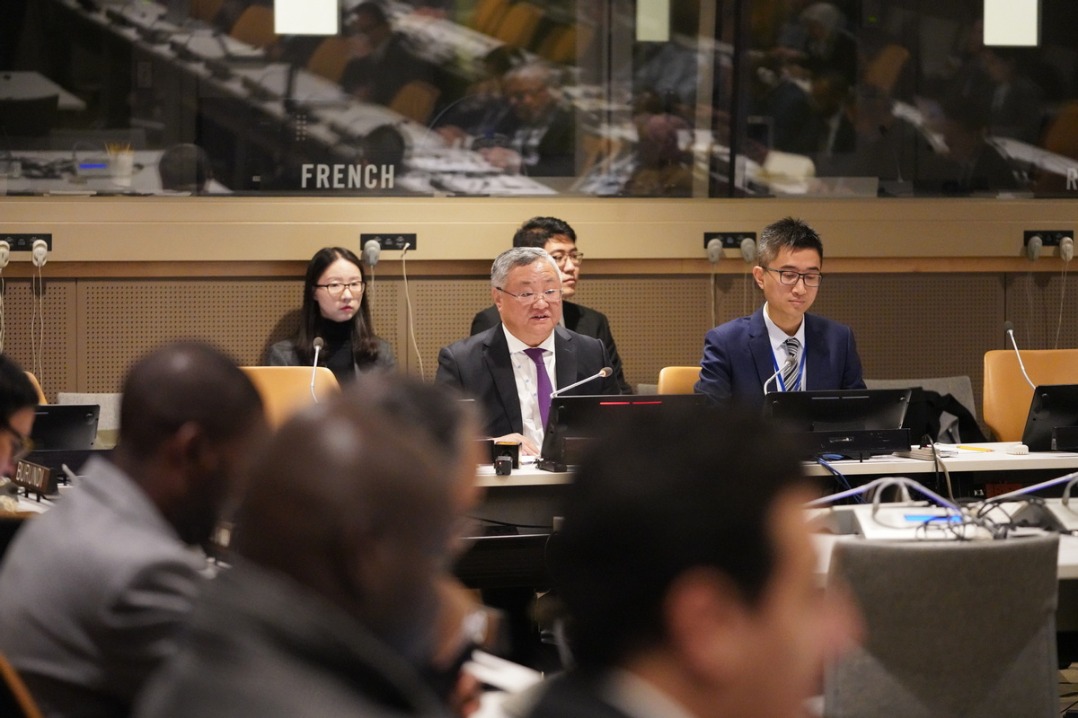
    In a significant move to strengthen multilateral cooperation, the Group of Friends of Global Governance was formally established at United Nations Headquarters in New York on December 9, 2025. The initiative brings together 43 founding member countries including Cuba, Iran, Kenya, Kazakhstan, Morocco, and Malaysia, representing a collective effort to address growing challenges in international governance.

    Chinese Ambassador Fu Cong, the nation’s permanent representative to the UN, announced that the group operates under the guidance of the Global Governance Initiative (GGI) proposed by Chinese President Xi Jinping. This marks the fourth major global initiative launched by President Xi, following previous frameworks focused on development, security, and civilization.

    Ambassador Fu emphasized the timely nature of this collaboration, noting that multilateralism and the UN’s role face unprecedented strain amid what he described as ‘a new period of turbulence.’ The initiative has already garnered support from more than 140 countries and international organizations since its introduction in September 2025.

    The Chinese diplomat framed the establishment within the context of the UN’s 80th anniversary, reminding attendees of the organization’s founding principles following the devastation of two world wars. He outlined five core principles anchoring the GGI: sovereign equality, international rule of law, multilateralism, a people-centered approach, and emphasis on tangible actions.

    Fu stressed the critical importance of preserving historical accuracy regarding World War II outcomes, warning against attempts to ‘whitewash aggression, distort history, or revive militarism.’ He called for strengthened commitment to the UN Charter’s foundational principles and emphasized the inseparable connection between security and development, particularly for developing nations seeking to bridge economic divides and achieve sustainable stability.