标签: North America

北美洲

  • What we know about US seizure of oil tanker off Venezuela

    What we know about US seizure of oil tanker off Venezuela

    In a dramatic display of military force, United States special operations units have intercepted and seized a massive crude oil tanker off the Venezuelan coast, escalating tensions between Washington and the government of Nicolás Maduro. The operation, captured in official footage released by US authorities, shows camouflaged soldiers fast-roping from helicopters onto the deck of the vessel identified as the Skipper.

    The Trump administration justifies the seizure as part of its campaign against international terrorism financing, claiming the tanker was involved in an ‘illicit oil shipping network supporting foreign terrorist organizations.’ According to US Attorney General Pam Bondi, the vessel had been under sanctions for years for allegedly generating revenue for Hezbollah in Lebanon and Iran’s Islamic Revolutionary Guard Corps-Quds Force.

    Venezuelan Foreign Minister Yvan Gil has condemned the action as ‘international piracy,’ accusing President Trump of attempting to plunder Venezuela’s energy resources. The South American nation possesses the world’s largest known crude oil reserves, though extraction is complicated by the oil’s heavy viscosity and aging infrastructure exacerbated by US sanctions.

    The operation involved coordinated efforts between multiple US agencies including the Coast Guard, FBI, Homeland Security Investigations, and Department of Defense. A specialized Maritime Security and Response Team—trained in counterterrorism and high-risk enforcement procedures—conducted the boarding from the USS Gerald Ford, the world’s largest warship currently deployed in the Caribbean.

    Maritime intelligence firms indicate the Skipper had been spoofing its location for an extended period while operating as part of the ‘dark fleet’ used to transport sanctioned commodities. The vessel, measuring 333 meters with a capacity of approximately 1.8 million barrels, had recently transferred about 200,000 barrels to another ship before its interception. At current global crude prices around $61 per barrel, the remaining oil could be valued at over $95 million.

    This seizure represents the latest escalation in Washington’s pressure campaign against Maduro’s government, which has included designating Venezuelan criminal groups as Foreign Terrorist Organizations and deploying 15,000 troops to the region under the guise of combating drug trafficking. The administration claims it is engaged in a ‘non-international armed conflict’ with narco-terrorists, though legal experts question the legitimacy of military strikes that have killed more than 80 people in international waters since September.

  • Evacuations in Washington state as record-setting floods hit

    Evacuations in Washington state as record-setting floods hit

    The Pacific Northwest is confronting a severe flooding catastrophe, with Washington State at the epicenter of a worsening crisis. Unprecedented rainfall has caused multiple rivers to swell beyond their historical records, triggering urgent, large-scale evacuations. Emergency management teams are operating around the clock, assisting thousands of residents to safety as water levels continue to rise, inundating communities and infrastructure.

    The meteorological conditions behind the event are attributed to a powerful atmospheric river, a vast plume of concentrated moisture, which has been funneling immense amounts of precipitation into the region. This has resulted in rapid rises in river gauges, with several key waterways shattering all-time high marks set decades ago. The scale of the flooding has overwhelmed local drainage systems and compromised road networks, isolating some towns and complicating rescue efforts.

    Governor Jay Inslee has declared a state of emergency, mobilizing National Guard units to support local first responders. Shelters have been established in schools and community centers to accommodate displaced individuals and families. The immediate focus remains on life safety and preventing further tragedy, though the long-term impact on property, agriculture, and the local economy is expected to be substantial. Recovery efforts will likely extend for months as the region begins to assess the full extent of the damage once the waters recede.

  • US Fed cuts interest rate by 25 basis points

    US Fed cuts interest rate by 25 basis points

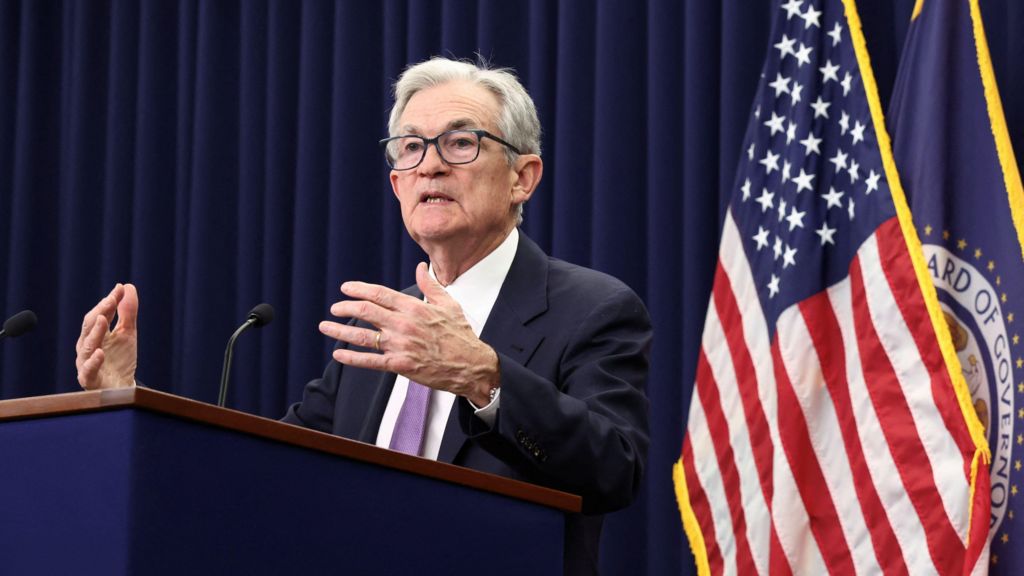
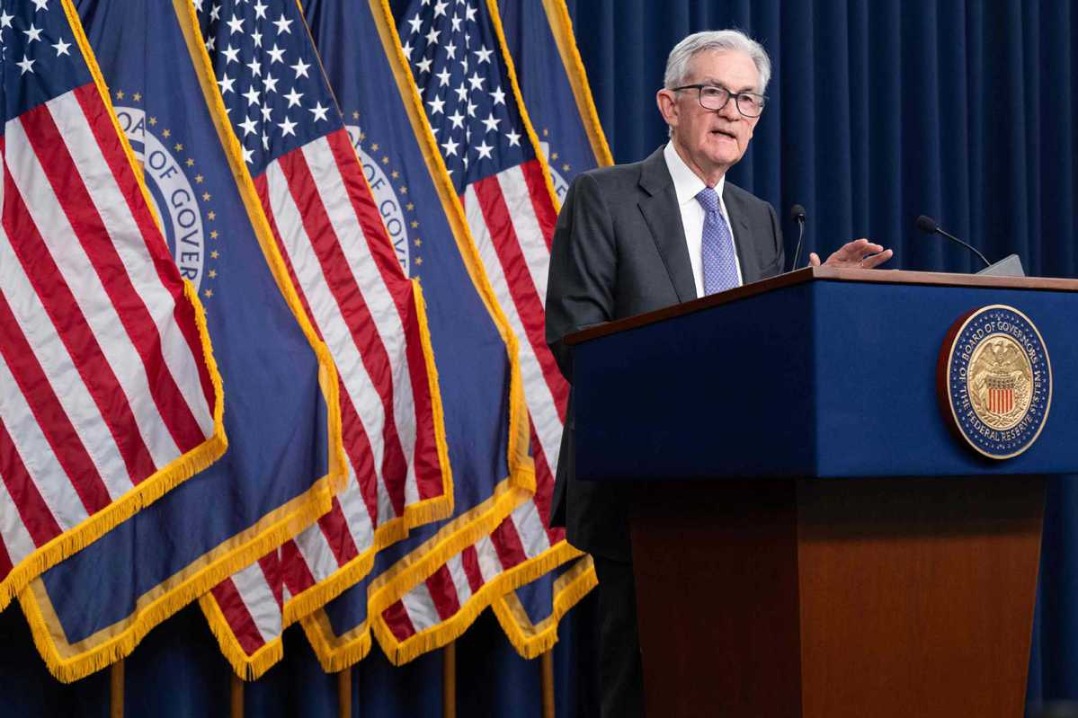
    In a pivotal monetary policy decision, the U.S. Federal Reserve announced a 25 basis point reduction in the federal funds rate on Wednesday, December 10, 2025, lowering the target range to 3.50-3.75 percent. This marks the third consecutive rate cut implemented by the central bank since September, bringing interest rates to their lowest level in approximately three years.

    The Federal Open Market Committee’s decision emerged from a divided governing body confronting competing economic pressures. While inflation remains persistently elevated, exceeding the Fed’s 2 percent target by approximately one percentage point, growing concerns about employment stability ultimately guided the committee’s action.

    Committee officials cited ‘elevated uncertainty about the economic outlook’ in their official statement, specifically noting that ‘downside risks to employment rose in recent months.’ This assessment follows troubling labor market indicators, including recent data from Automatic Data Processing, Inc. showing private companies unexpectedly cut 32,000 workers in November—a stark contrast to economists’ projections of a 40,000-job increase.

    The labor market deterioration has been particularly acute among small businesses, with establishments employing fewer than 50 workers shedding 120,000 positions in November. Mid-sized and large enterprises continued modest hiring during the same period, creating a bifurcated employment landscape.

    Compounding these challenges, the recent 43-day federal government shutdown significantly disrupted economic data collection and exacerbated labor market weaknesses. The statistical disruption means October unemployment data will remain unavailable, while November employment figures—scheduled for release on December 16—will provide crucial insight into the economy’s trajectory.

    The Fed’s unusual third consecutive rate cut reflects the complex balancing act facing policymakers as they navigate elevated inflation concerns against emerging employment vulnerabilities, all while contending with ongoing trade policy uncertainties that continue to influence economic conditions.

  • US seizes oil tanker off the coast of Venezuela, Trump says

    US seizes oil tanker off the coast of Venezuela, Trump says

    In a dramatic escalation of geopolitical tensions, United States military forces have intercepted and seized a massive oil tanker off the Venezuelan coastline. President Donald Trump confirmed the operation during a White House briefing, characterizing the vessel as “very large, the largest one ever seized actually.”

    The seized tanker, identified by maritime risk firm Vanguard Tech as the ‘Skipper,’ was allegedly transporting sanctioned petroleum from Venezuela and Iran. US Attorney General Pam Bondi released operational footage showing military helicopters hovering above the vessel while armed troops descended onto the deck via ropes. According to official statements, the interception involved coordinated efforts between the FBI, Department of Defense, Homeland Security, and Coast Guard, utilizing two helicopters, ten Coast Guard members, ten Marines, and special forces personnel.

    Venezuela’s government immediately condemned the action as “international piracy” and a “grave international crime” in an official statement. Interior Minister Diosdado Cabello drew comparisons to pirate films, asserting that while fictional pirates might be heroes, “these guys are high seas criminals, buccaneers.” President Nicolás Maduro, speaking at a rally before the seizure was publicly announced, performed an adapted version of ‘Don’t Worry, Be Happy’ with modified lyrics advocating peace: “Not war, be happy. Not, not crazy war, not, be happy.”

    The operation occurs amid significant US military buildup in the Caribbean region, including the deployment of the aircraft carrier USS Gerald Ford and thousands of troops within striking distance of Venezuela. The Trump administration maintains that such actions target narcotics smuggling networks, having conducted at least 22 strikes on boats in the region since September resulting in approximately 80 fatalities.

    Financial markets responded to the seizure with increased oil prices due to short-term supply concerns. Analysts warn that the escalation could further disrupt Venezuela’s oil exports and create risks for international shippers. When questioned about the disposition of the confiscated oil, President Trump indicated “We keep it, I guess… I assume we’re going to keep the oil.” Defense Secretary Pete Hegseth was aware of the operation, and administration sources suggest similar actions may be considered in the future.

  • Trump launches $1m ‘gold card’ immigration visas

    Trump launches $1m ‘gold card’ immigration visas

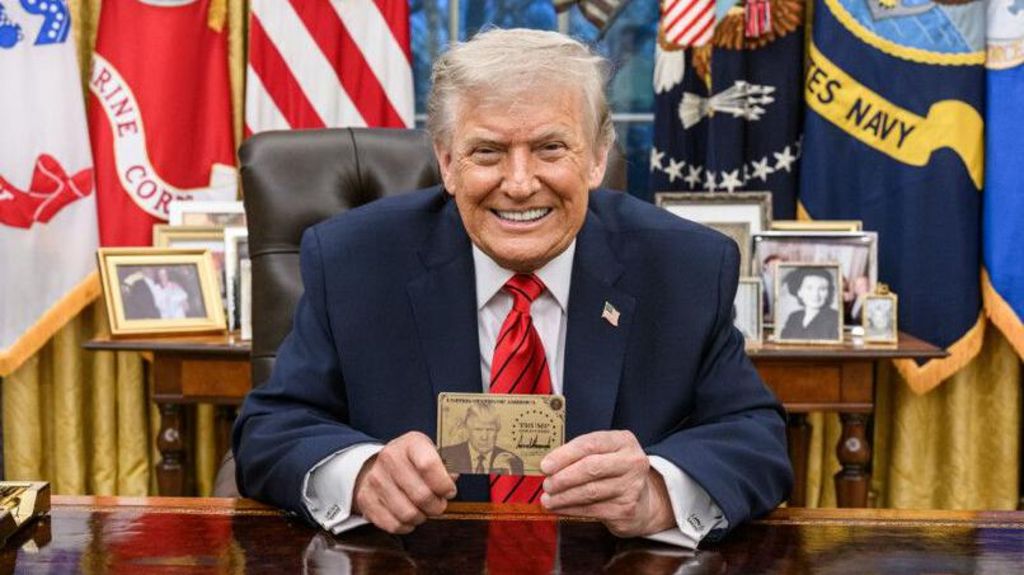
    The Trump administration has officially implemented its controversial premium immigration initiative, the Trump Gold Card program, creating a expedited pathway to U.S. residency for affluent foreign nationals. The program mandates a minimum investment of $1 million from individual applicants, while corporate sponsors must contribute $2 million plus additional fees.

    According to the program’s official website, the Gold Card provides qualified applicants with U.S. residency in “record time” and serves as “evidence that the individual will substantially benefit the United States.” President Trump promoted the initiative on social media, characterizing it as a “direct path to Citizenship for all qualified and vetted people” that will enable American companies to “keep their invaluable Talent.”

    The tiered program structure includes a forthcoming platinum version priced at $5 million that offers special tax advantages. All applicants must additionally pay a non-refundable $15,000 processing fee before their application undergoes review, with potential additional government fees depending on individual circumstances.

    This premium immigration pathway emerges alongside significant immigration policy restrictions implemented by the administration, including increased work visa fees, suspension of immigration applications from 19 countries predominantly in Africa and the Middle East, halted asylum application processing, and a $100,000 fee proposal for certain H-1B visa applicants currently abroad.

    The program has drawn substantial criticism since its initial announcement in February, particularly from Democratic opponents who argue it creates an inequitable immigration system favoring wealthy individuals. The administration maintains that the program specifically targets “high-level” professionals who will contribute to job creation and economic productivity.

  • Group of Friends initiated to boost global governance

    Group of Friends initiated to boost global governance

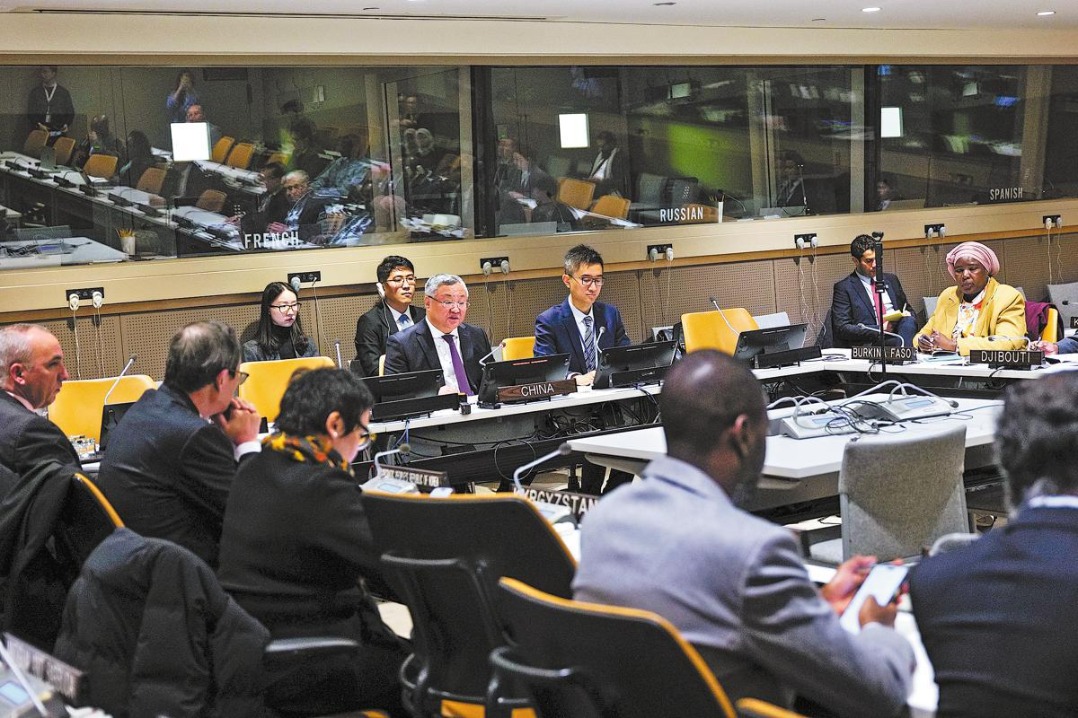
    UNITED NATIONS HEADQUARTERS – A significant new diplomatic coalition, the Group of Friends of Global Governance, was formally inaugurated on Tuesday at the United Nations in New York. The initiative, championed by China and guided by President Xi Jinping’s Global Governance Initiative, has drawn participation from 43 founding member states spanning diverse geographical regions, including Cuba, Iran, Kenya, Kazakhstan, Morocco, and Malaysia.

    The launch event, presided over by China’s Permanent Representative to the UN, Ambassador Fu Cong, signals a concerted effort to revitalize multilateral cooperation. Ambassador Fu contextualized the group’s establishment against a backdrop of mounting challenges to the international rules-based order, describing the current era as a ‘new period of turbulence’ where multilateralism faces ‘severe strain.’

    Central to the group’s mission is advancing the core tenets of the Global Governance Initiative, which is built upon five fundamental principles: sovereign equality, adherence to international rule of law, unwavering support for multilateralism, a people-centered development approach, and a focus on actionable results. The initiative, first proposed by President Xi at a Shanghai Cooperation Organization meeting in September 2025, has already garnered diplomatic support from over 140 countries and international organizations.

    Diplomats from founding nations voiced strong backing for the initiative. Cuban Ambassador Ernesto Soberon Guzman praised it as a vital contribution to ‘the democratization of international relations’ and a tool to combat ‘widening inequalities’ and ‘unilateral measures.’ Similarly, Burundi’s Ambassador Zephyrin Maniratanga emphasized the coalition’s importance in tackling modern challenges that no nation can solve alone. Kyrgyzstan’s representative, Aida Kasymalieva, highlighted the platform’s practical utility for unifying the voices of developing and landlocked states and fostering capacity-building.

    The group, described by Ambassador Fu as an ‘open and inclusive platform,’ released a joint statement committing to strengthen the UN-centric international system, uphold the UN Charter, and promote dialogue to achieve tangible outcomes. An invitation was extended to other like-minded UN member states to join the collective effort.

  • Watch: Top US lawmakers join annual Menorah lighting at Capitol

    Watch: Top US lawmakers join annual Menorah lighting at Capitol

    In a powerful display of interfaith solidarity and bipartisan unity, the hallowed halls of the U.S. Capitol witnessed its annual Hanukkah menorah lighting ceremony, drawing the nation’s most prominent legislative leaders. House Speaker Mike Johnson (R-LA), House Minority Leader Hakeem Jeffries (D-NY), and Senate Majority Leader Chuck Schumer (D-NY) stood together to kindle the lights, commemorating the eight-day Jewish Festival of Lights.

    The ceremony, a cherished tradition in the congressional calendar, symbolizes more than religious observance; it represents the American ideals of religious freedom and cultural diversity. The leaders’ participation underscores a rare moment of political concord, transcending partisan divides to honor a story of resilience and miracle central to Jewish heritage. The event served as a poignant reminder of the enduring spirit of hope and the triumph of light over darkness, themes that resonate deeply within the current global context. This public act by top U.S. lawmakers reinforces the institutional support for religious pluralism at the highest levels of government, sending a message of inclusivity to the nation and the world.

  • Fed Reserve cuts interest rates despite growing divisions

    Fed Reserve cuts interest rates despite growing divisions

    The U.S. Federal Reserve has implemented its third interest rate reduction of the year, lowering the benchmark rate by 25 basis points to a range of 3.50%-3.75%, marking the lowest level in three years. The decision reveals significant fractures within the central bank’s leadership as policymakers grapple with conflicting economic signals: a deteriorating labor market versus persistent inflationary pressures.

    The rate cut approval was not unanimous, with three Federal Reserve officials dissenting from the majority decision. Stephen Miran, currently on leave from leading Trump’s Council of Economic Advisers, advocated for a more aggressive 50 basis point reduction. Conversely, Austan Goolsbee of the Chicago Fed and Jeffrey Schmid of the Kansas City Fed preferred maintaining the existing rate structure.

    This policy divergence occurs against a backdrop of economic uncertainty exacerbated by the recent prolonged government shutdown, which created data gaps that have left policymakers operating with incomplete information. Recent labor market statistics show unemployment rising to 4.4% in September, while inflation remains elevated at 3%, exceeding the Fed’s 2% target.

    The central bank’s updated economic projections indicate expectations for one additional rate cut in 2026, unchanged from previous forecasts. However, analysts note that incoming data, particularly next week’s November labor market and inflation reports, could significantly alter this outlook.

    Compounding the policy uncertainty, the Fed faces impending leadership changes with Chair Jerome Powell’s term concluding in May 2026. President Trump is expected to announce his nomination for Powell’s successor within weeks, with Kevin Hassett emerging as the leading candidate. Hassett, a longtime Trump economic adviser and former Council of Economic Advisers chair, has consistently defended the president’s economic policies and questioned official economic statistics.

    Market observers express concerns about potential political influence on Fed independence, noting that other candidates including Kevin Warsh, Christopher Waller, and Scott Bessent remain under consideration. The appointment decision could significantly impact market stability depending on the perceived independence of the selected candidate.

  • Trump veers off-script and does little to calm Republican nerves

    Trump veers off-script and does little to calm Republican nerves

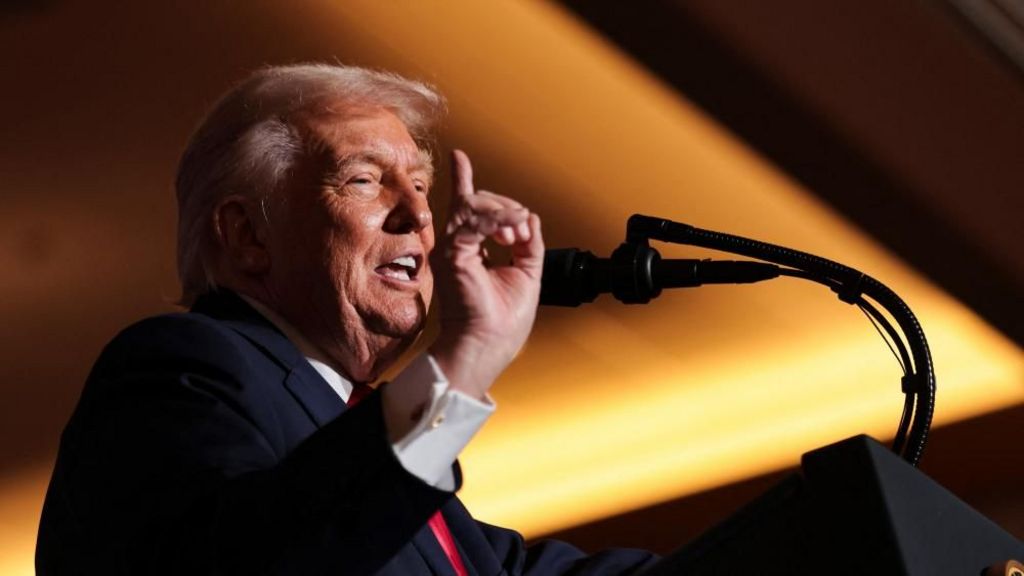
    In a highly anticipated campaign rally in Pennsylvania on Tuesday evening, former President Donald Trump delivered a characteristically wide-ranging 90-minute address that notably diverged from his advisors’ intended economic focus. Despite expectations from Republican officials and White House aides for a disciplined message countering Democratic attacks on economic issues, Trump embarked on extensive rhetorical tangents covering immigration, wind energy, golfing, and foreign policy concerns.

    The event, marking Trump’s return to the campaign trail in a crucial battleground state, was strategically planned to address voter concerns about affordability and living costs. Trump did present economic data comparing current indicators with those during the Biden administration, highlighting reductions in gas prices, interest rates, and inflation alongside increased wage growth. However, these economic points were overshadowed by inflammatory remarks about immigration and foreign nations.

    Trump openly defied his advisors’ instructions, acknowledging that Chief of Staff Susie Wiles (whom he referred to as ‘Susie Trump’) had urged him to maintain economic focus. ‘I haven’t read practically anything off the stupid teleprompter,’ Trump declared approximately one hour into his speech.

    The former president’s most controversial comments targeted immigration from specific nations, including explicit confirmation of previously reported 2018 remarks describing Haiti and African countries as ‘shithole countries.’ He specifically criticized Somalia as ‘about the worst country in the world’ and directed derogatory comments toward Democratic Congresswoman Ilhan Omar, a naturalized U.S. citizen of Somali descent, mocking her traditional headwear and calling for her expulsion from the country.

    These remarks, combined with renewed threats of military action against Venezuela, effectively shifted attention from economic messaging to inflammatory rhetoric that provided fresh ammunition to Democratic critics. Polling data suggests Trump’s optimistic economic assessment may not align with public perception, with approximately half of voters reporting the cost of living represents the worst financial pressure they’ve experienced.

    Political analysts note that Trump’s diversion from scripted economic messaging presents challenges for Republican candidates in upcoming midterm elections, potentially undermining efforts to address voter concerns about economic issues directly. The rally demonstrated Trump’s continued preference for improvisational speaking style and controversial statements, despite advisors’ attempts to maintain message discipline.

  • US State Department changes official font in latest anti-diversity move

    US State Department changes official font in latest anti-diversity move

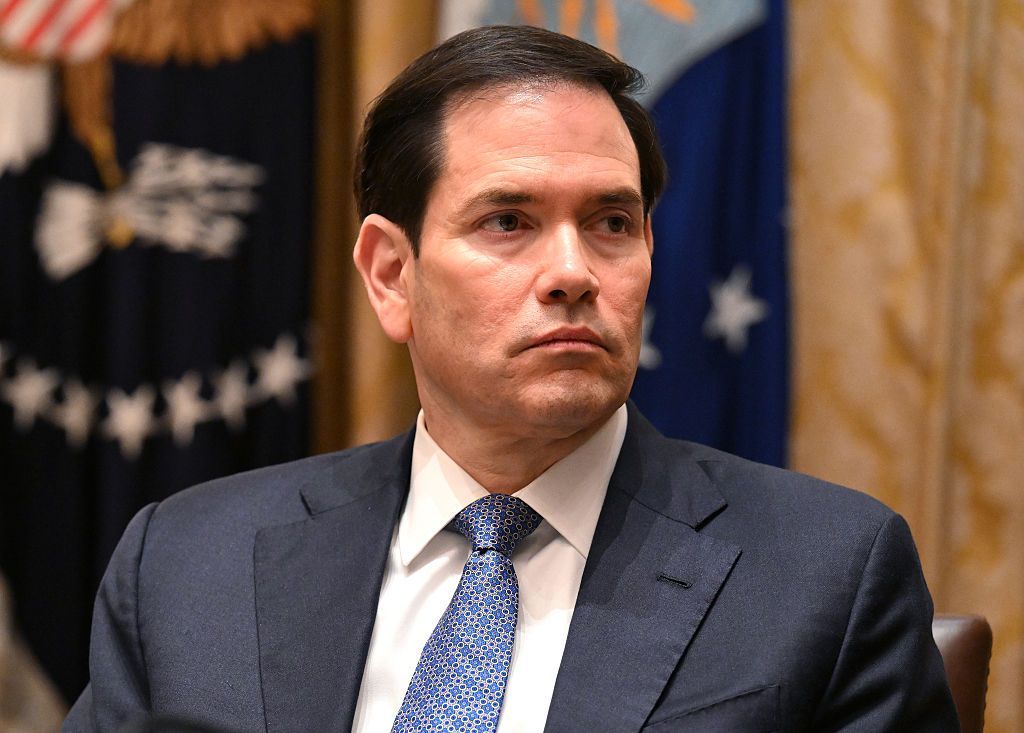
    In a significant policy reversal, U.S. Secretary of State Marco Rubio has mandated the State Department to abandon the Calibri font and return to using Times New Roman for all official documents. This decision overturns a previous directive implemented during the Biden administration under Secretary Antony Blinken, who had introduced Calibri to enhance accessibility for individuals with disabilities.

    The new font policy, effective December 10th, applies to both internal communications and external documents. Secretary Rubio justified the reversal as necessary to maintain ‘formality and professionalism’ in governmental correspondence. This change aligns with the Trump administration’s broader objective to present a unified, professional voice across all federal communications.

    Times New Roman, a traditional serif font characterized by small lines extending from letters, has long been standard in legal, legislative, and official government documents. In contrast, Calibri is a sans serif font without these embellishments, specifically designed for improved digital screen legibility, particularly benefiting those with visual impairments or reading difficulties.

    Dutch typeface designer Lucas de Groot, creator of Calibri, expressed mixed reactions to the policy shift, describing it as both ‘sad and hilarious.’ He noted that Calibri was originally developed to replace Times New Roman specifically for its superior performance on modern computer screens.

    According to an internal department cable obtained by Reuters, Secretary Rubio characterized the previous administration’s font choice as part of ‘wasteful’ diversity initiatives. This font policy change represents the latest in a series of actions by the Trump administration to eliminate diversity, equity, and inclusion programs across federal agencies, including recent decisions to alter free admission days at national parks.