标签: North America

北美洲

  • Trump Media to merge with nuclear fusion firm in $6bn deal

    Trump Media to merge with nuclear fusion firm in $6bn deal

    In an unexpected strategic pivot, Trump Media & Technology Group (TMTG) has announced a landmark merger with California-based energy firm TAE Technologies, creating a combined entity valued at over $6 billion. The agreement, unveiled Thursday through a joint statement, marks TMTG’s dramatic transition from social media and financial services into the advanced energy sector.

    The newly formed organization will position itself as one of the world’s first publicly traded nuclear fusion companies, with ambitious plans to commence construction of the inaugural utility-scale fusion power plant as early as next year. This venture represents a significant bet on fusion energy—a cutting-edge technology that generates power through nuclear fusion reactions, potentially producing enormous energy output with minimal radioactive byproducts.

    Under the merger terms, both companies will maintain equal 50% ownership stakes upon deal finalization, anticipated by mid-2026 pending regulatory reviews and shareholder approvals. TAE Technologies brings to the partnership substantial expertise in energy storage systems and power delivery solutions for batteries and electric vehicles, alongside its subsidiary TAE Life Sciences which focuses on cancer treatment technologies.

    Devin Nunes, CEO of TMTG, characterized the move as a transformative step toward securing American energy dominance through revolutionary technology. He emphasized that his organization would provide crucial capital markets access and financing to accelerate the commercialization of TAE’s fusion technology.

    The timing coincides with resurgent interest in reliable clean energy solutions, particularly driven by soaring electricity demands from artificial intelligence data centers. This energy crunch has revitalized nuclear power investments globally, including reactor restarts, facility expansions, and development of small modular reactors.

    TAE Technologies has previously secured more than $1.3 billion in funding from prominent investors including Google and Goldman Sachs, underscoring the technological credibility behind this unconventional partnership between political media and advanced energy innovation.
  • Two US presidents and their long associations with Jeffrey Epstein

    Two US presidents and their long associations with Jeffrey Epstein

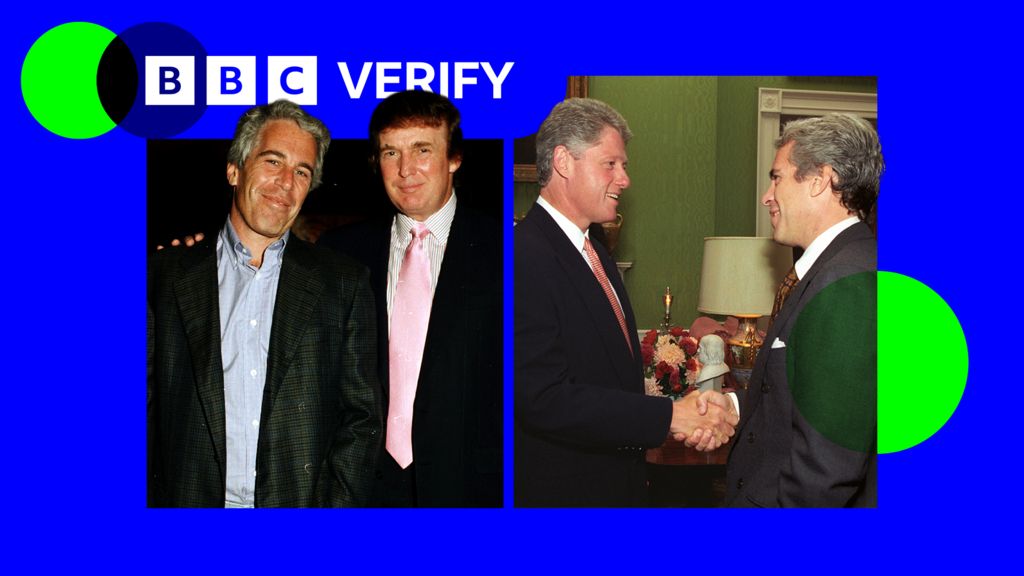
    A comprehensive archival investigation has uncovered detailed documentation of former U.S. Presidents Donald Trump and Bill Clinton’s social connections with convicted sex offender Jeffrey Epstein throughout the 1990s and early 2000s. Both presidents maintained documented associations with the financier for approximately 15 years before distancing themselves from him years prior to his criminal convictions.

    Photographic evidence and archival records indicate Trump’s relationship with Epstein began around 1987, with multiple documented interactions throughout the following decade. Footage from 1992 shows both men socializing at Trump’s Mar-a-Lago estate with Ghislaine Maxwell, Epstein’s convicted accomplice, visible in the background. Epstein attended Trump’s 1993 wedding to Marla Maples, and the two were photographed together at various high-profile events including a Victoria’s Secret fashion show in 1999.

    Clinton’s association with Epstein reportedly began in the early 1990s, with photographs capturing their interaction at a White House restoration donor event in September 1993. Public records show Epstein contributed $2,000 to Clinton’s 1992 presidential campaign. The former president reportedly took four trips on Epstein’s private jet between 2002-2003 for Clinton Foundation work, including a humanitarian trip to Africa.

    Both presidents contributed to Epstein’s 50th birthday book in 2003, though Trump has disputed the authenticity of his alleged contribution and filed a defamation lawsuit against the Wall Street Journal for publishing it. Clinton never publicly commented on his message in the book.

    According to statements from both parties, their relationships with Epstein ended around 2004-2005. Trump claims he banned Epstein from Mar-a-Lago for inappropriate behavior with staff, while Clinton stated he cut ties before Epstein’s first arrest in 2005. Both have consistently denied any knowledge of Epstein’s criminal activities during their associations.

    The White House has emphasized the Trump administration’s cooperation with Epstein-related investigations, stating they have released thousands of documents and supported congressional oversight requests regarding the case.

  • Peter Arnett, Pulitzer-winning war reporter, dies aged 91

    Peter Arnett, Pulitzer-winning war reporter, dies aged 91

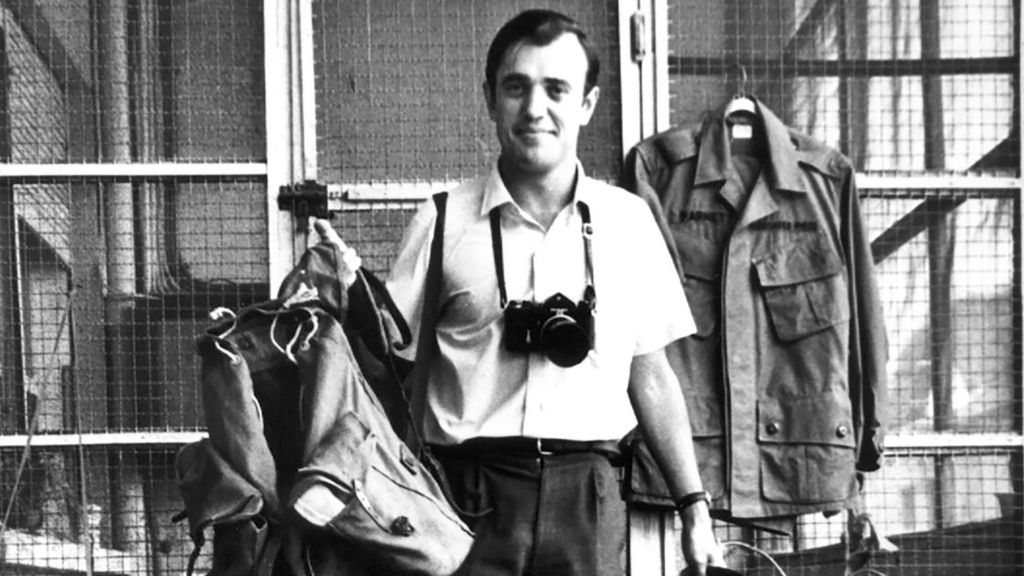
    Renowned Pulitzer Prize-winning journalist Peter Arnett, whose groundbreaking frontline reporting defined modern war correspondence, has died at age 91. The New Zealand-born reporter, who naturalized as a U.S. citizen, passed away surrounded by family and friends in California while receiving hospice care for prostate cancer.

    Arnett’s extraordinary career spanned over five decades, during which he provided unparalleled coverage of major global conflicts. He earned journalism’s highest honor in 1966 for his visceral Vietnam War reporting for The Associated Press, where he documented combat operations from 1962 until the conflict’s conclusion in 1975. His firsthand accounts included harrowing moments such as witnessing a colonel shot through a map just inches from his face.

    In 1981, Arnett transitioned to CNN, where he achieved household recognition during the first Gulf War. He distinguished himself as one of the few Western journalists who remained in Baghdad during coalition bombing campaigns, delivering historic broadcasts punctuated by missile explosions and air-raid sirens. His fearless approach to journalism led to a memorable interview with then-Iraqi President Saddam Hussein, whom he questioned with notable determination despite the leader’s fearsome reputation.

    Arnett’s groundbreaking work extended beyond the Middle East. In 1997, he secured the first Western interview with Osama Bin Laden in Afghanistan, during which the terrorist leader cryptically hinted at future attacks against the United States. His career also included significant photographic work, capturing compelling images from Vietnam, North Korea, and El Salvador.

    The journalist’s commitment to uncompromising reporting occasionally sparked controversy. His dismissal from NBC following an appearance on Iraqi state television, where he offered analysis perceived as critical of U.S. military strategy, demonstrated his unwavering dedication to reporting his perception of ground truth. He was swiftly hired by the UK’s Daily Mirror, where he defended his reporting integrity.

    Colleagues and contemporaries have paid tribute to Arnett’s legacy. Former AP colleague Edith Lederer described him as ‘one of the greatest war correspondents of his generation—intrepid, fearless, and a beautiful writer and storyteller.’ Retired photographer Nick Ut, who worked alongside Arnett in Vietnam, remembered him as ‘like a brother’ whose passing ‘will leave a big hole in my life.’

    Arnett is survived by his wife Nina Nguyen and their children, Andrew and Elsa. His extensive body of work remains a testament to courageous conflict journalism and continues to inspire aspiring reporters worldwide.

  • Along the Texas Coast, a new sanctuary aims to protect the endangered and rare whooping crane

    Along the Texas Coast, a new sanctuary aims to protect the endangered and rare whooping crane

    SEADRIFT, Texas — Conservationists have achieved a landmark victory in wildlife preservation with the establishment of a 3,300-acre sanctuary dedicated to protecting North America’s rarest crane species. The International Crane Foundation, in collaboration with The Conservation Fund and the Coastal Bend Bays & Estuaries Program, has secured vital winter habitat for the endangered whooping crane through an $8.4 million acquisition finalized this December.

    The whooping crane, standing at approximately 5 feet with a impressive 7.5-foot wingspan, represents one of the most dramatic conservation success stories in modern history. From a perilous population low of just 16 birds in the 1940s, the species has rebounded to over 550 individuals that annually complete a 2,500-mile migration from Canada’s Wood Buffalo National Park to Texas’ coastal wetlands.

    Carter Crouch, Director of Gulf Coast Programs at the International Crane Foundation, describes the conservation journey as “complicated with many successes and some setbacks,” but emphasizes the remarkable progress achieved through decades of dedicated effort. The newly protected lands, named the Wolfberry Whooping Crane Sanctuary after the birds’ favored berry food source, will serve as critical buffer against mounting environmental threats.

    These majestic birds face compounding challenges from urban development, climate change-induced sea level rise, energy infrastructure expansion, and wetland degradation. Globally, crane species are particularly vulnerable, with 10 of the world’s 15 crane species currently threatened with extinction. The United Nations reports that 35% of global wetlands have disappeared since the 1970s due to human activities.

    The sanctuary acquisition represents more than mere land preservation—it embodies a comprehensive ecological restoration initiative. Conservation teams will implement prescribed burns to reclaim prairie grasslands from invasive shrubs, plant smooth cordgrass to combat shoreline erosion, and create educational opportunities for public engagement. The protected area also provides habitat for other threatened species including the aplomado falcon and black rail bird.

    For communities along the Texas coast, the whooping crane migration has become both an ecological treasure and economic asset. Bird enthusiasts from around the world flock to the region, supporting local businesses in towns like Rockport and Port Aransas. Julie Shackelford, Texas director for The Conservation Fund, notes that the sanctuary offers “the only place in the U.S. where people can reliably see whooping cranes” in their natural habitat.

    As climate change accelerates habitat loss worldwide, this conservation achievement demonstrates how targeted land protection can create resilience for endangered species. The whooping crane’s continued recovery serves as both a testament to conservation dedication and a reminder that persistent threats require ongoing vigilance and intervention.

  • Price increases in the US ease in November

    Price increases in the US ease in November

    Recent economic indicators reveal a notable cooling of inflationary pressures across the United States, with official data confirming a deceleration in price growth for November. According to the Labor Department’s delayed Consumer Price Index (CPI) report, prices increased by 2.7% annually through November, marking a discernible decline from September’s 3% rate and falling below many economic forecasts.

    The moderation was driven by declining costs across multiple consumer categories including hotel accommodations, dairy products such as milk, and select apparel items. This development occurs against a backdrop of mounting public frustration over persistent price escalations that have placed political pressure on the Trump administration to deliver economic relief.

    Market analysts interpreted the data as potentially strengthening the Federal Reserve’s rationale for continuing its interest rate reduction strategy. Art Hogan, Chief Market Strategist at B. Riley Wealth, noted that the November figures reflected aggressive retail discounting during the early holiday shopping season, though he cautioned about drawing sweeping conclusions due to data limitations.

    The statistical release faced unprecedented delays caused by the recent federal government shutdown, which also disrupted the collection of October economic data. This gap complicates trend analysis, creating what Hogan described as ‘statistical errors that might have been present in today’s report.’ Despite these irregularities, the overall trajectory suggests a moderating inflationary environment that could shape both monetary policy and political discourse in coming months.

  • Trump again demands Venezuela ‘return’ assets to US

    Trump again demands Venezuela ‘return’ assets to US

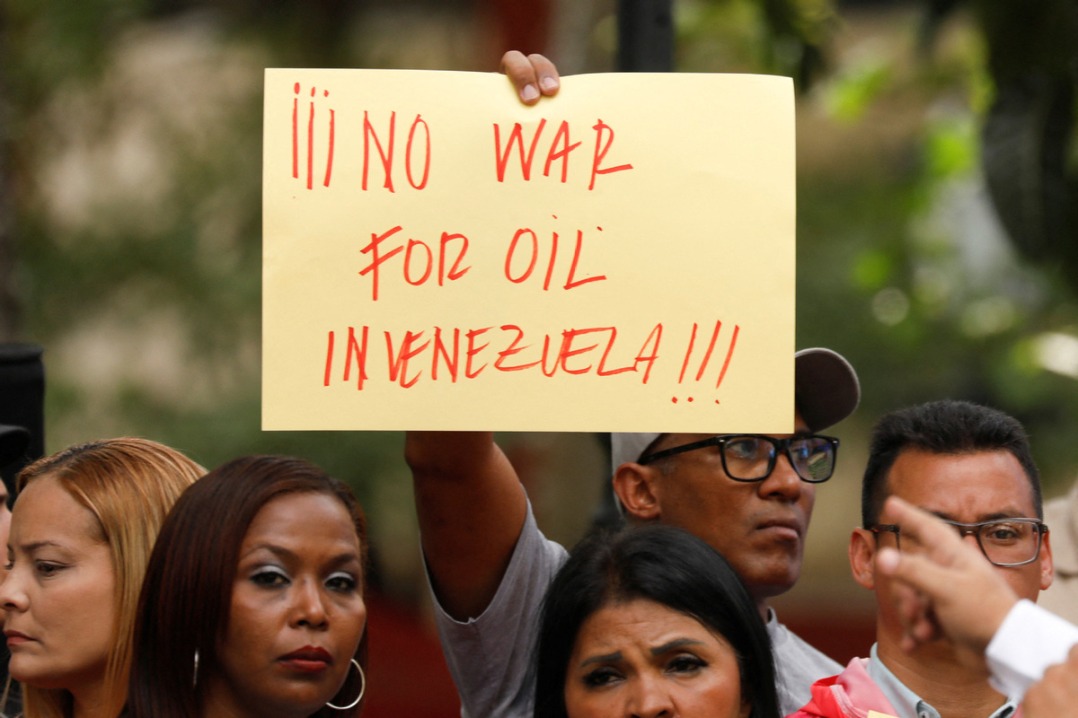
    WASHINGTON — U.S. President Donald Trump intensified pressure on Venezuela Wednesday by demanding the return of what he characterized as stolen American oil assets, while simultaneously enforcing a comprehensive naval blockade against the oil-rich nation.

    Addressing reporters at the White House, Trump asserted that Venezuela had unlawfully seized valuable oil rights from American corporations. “They confiscated our oil assets—we possessed substantial resources there. As everyone is aware, they expelled our companies, and we insist on their restitution,” Trump declared, referencing Venezuela’s historical nationalization of its oil industry during the 1970s and under the administrations of both Nicolás Maduro and Hugo Chávez.

    The administration’s rhetoric escalated further through social media channels. Stephen Miller, Trump’s deputy chief of staff, described Venezuela’s resource nationalization as “the most extensive documented theft of American wealth and property in history.” Miller additionally alleged that these appropriated resources had been utilized to “finance terrorist activities and inundate American communities with violent actors, mercenaries, and narcotics.”

    This verbal offensive follows Tuesday’s presidential directive implementing a full-scale blockade on all sanctioned oil tankers entering or departing Venezuelan waters. The administration has simultaneously designated Venezuela as a Foreign Terroristic Organization (FTO), though official registry updates remained pending as of Wednesday evening.

    The geopolitical confrontation intensified last week when Pentagon forces intercepted an oil tanker near Venezuela’s coastline, redirecting the vessel to a U.S. port. White House officials subsequently confirmed intentions to retain the confiscated petroleum—a maneuver condemned by Caracas as outright “piracy.”

    Despite Venezuela’s status as holder of the world’s largest proven oil reserves, U.S. crude imports from the South American nation have dramatically declined over the past decade due to escalating sanctions and diplomatic tensions. Chevron Corporation continues operations in Venezuela under special governmental authorization, reporting no current disruptions to its activities.

    The United States has maintained substantial naval deployment in the Caribbean for nearly four months, ostensibly for counter-narcotics operations—a justification Venezuelan authorities reject as pretext for forced regime change. Since September, U.S. forces have destroyed至少25 suspected drug-trafficking vessels in Caribbean and eastern Pacific waters, resulting in至少95 fatalities.

    Contrasting with official narratives, Drug Enforcement Administration data indicates Venezuela does not rank among primary sources of narcotics entering the United States. Domestic sentiment appears skeptical of administration strategies, with a Quinnipiac University poll revealing 63% of American adults oppose military actions against Venezuela, compared to 25% expressing support.

  • The elusive dream of rock-bottom US interest rates

    The elusive dream of rock-bottom US interest rates

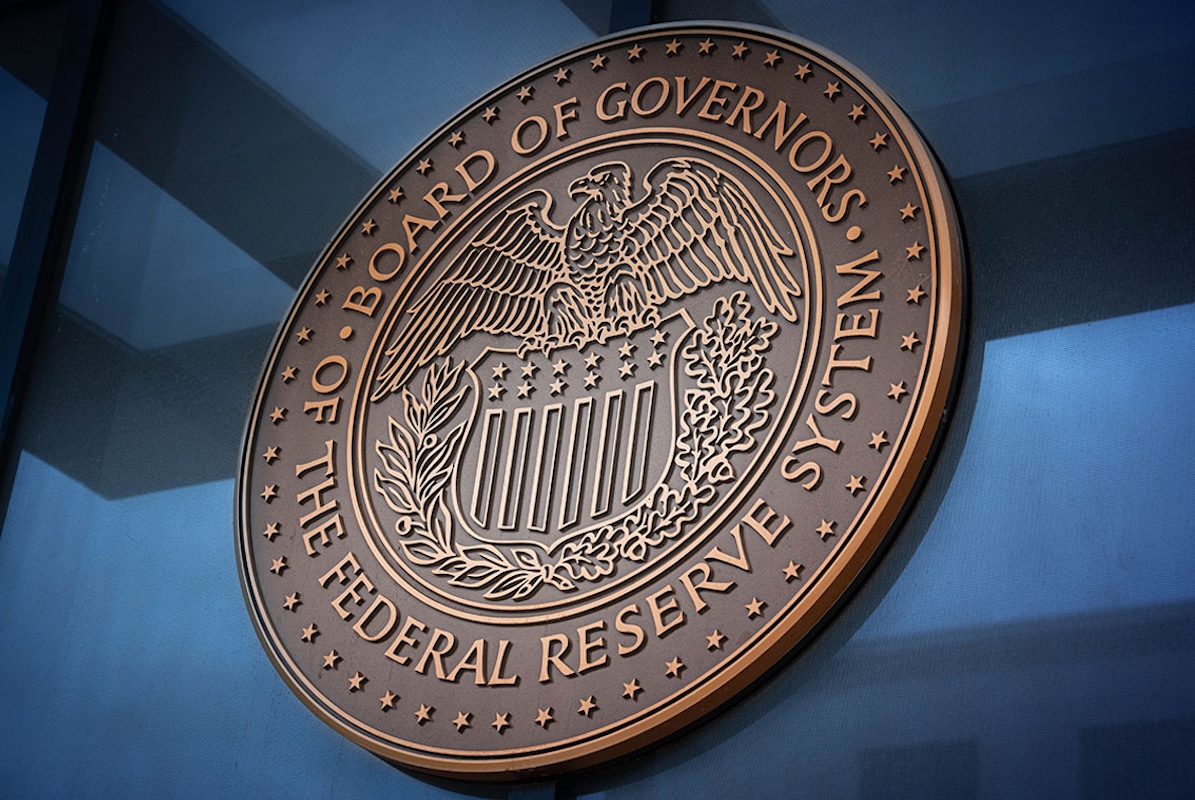
    As President Donald Trump prepares to appoint a new Federal Reserve Chair to succeed Jerome Powell in the coming months, expectations of dramatically lower interest rates for agricultural and business borrowers may prove overly optimistic. Despite Trump’s well-documented preference for substantially reduced rates—having previously suggested the federal funds rate should sit between 1% and 2%—structural and institutional constraints within the Federal Reserve system present significant obstacles.

    The Federal Open Market Committee (FOMC), which determines interest rate policy, comprises 12 voting members. Only six are presidential appointees subject to Senate confirmation, serving protected 14-year terms removable only ‘for cause.’ The remaining five voting members are regional Federal Reserve bank presidents selected by their respective boards, with voting privileges rotating annually among all 12 regional presidents.

    Recent FOMC deliberations reveal substantial resistance to aggressive rate cuts. The December meeting saw a 9-3 vote approving merely a quarter-point reduction, with dissents coming from both directions—one member advocating for a half-point cut while two others preferred maintaining current rates. The Fed’s latest ‘dot plot’ projections indicate that 11 of 19 committee members anticipate no further cuts in the coming year, while four foresee no more than one additional reduction.

    Market analysts note that current rates appear to be approaching what economists call R-star—the neutral interest rate that neither stimulates nor restrains economic growth. While estimates vary between 2% and 3%, most FOMC members project the federal funds rate will remain near or above the current 3.25%-3.5% range through 2026. Even if Trump appoints a chair sympathetic to his views, that individual would need to persuade a majority of committee members whose longer terms insulate them from presidential pressure.

    Attempts to dramatically reshape the Fed’s composition through legislation or executive action could backfire, potentially spooking bond markets and driving up long-term rates precisely opposite to Trump’s objectives. Historical precedent also suggests appointed chairs may not automatically align with presidential preferences, as demonstrated by Trump’s ongoing dissatisfaction with his own appointee Jerome Powell.

  • World’s tallest teen sets new basketball record

    World’s tallest teen sets new basketball record

    In a historic moment for collegiate basketball, 19-year-old Canadian center Olivier Rioux of the Florida Gators has become the tallest player ever to score a basket in NCAA history. Standing at an extraordinary 7 feet 9 inches (2.36 meters), Rioux achieved this milestone with a powerful dunk during Wednesday’s decisive 102-61 victory against Saint Francis.

    The monumental dunk marked Rioux’s first official field goal in college basketball, though he had previously scored a free throw against Merrimack on November 21st. The Canadian athlete had already made history last month when he became the tallest player ever to appear on a college basketball court.

    Rioux’s exceptional height has been documented since adolescence. Guinness World Records recognized him as the world’s tallest teenager in 2021 when he measured 7 feet 5 inches (2.26 meters) at just 15 years old.

    The basketball phenomenon’s unprecedented stature places him significantly above the NBA’s current tallest players. Should Rioux advance to professional basketball, he would surpass French sensation Victor Wembanyama of the San Antonio Spurs (7’4″) and Memphis Grizzlies’ Zach Edey (7’3″) by several inches. Historically, only Manute Bol and Gheorghe Muresan—both standing at 7 feet 7 inches—would approach Rioux’s remarkable height among professional basketball players.

  • US military says it hit a vessel in Eastern Pacific, killing 4

    US military says it hit a vessel in Eastern Pacific, killing 4

    The United States military has confirmed conducting a targeted operation in the Eastern Pacific Ocean that resulted in the destruction of a maritime vessel and four casualties. The incident occurred on December 18, 2025, though precise coordinates and additional operational details remain classified.

    According to military officials, the engagement was conducted under specific rules of engagement following intelligence assessments. The nature of the vessel and the identities of those aboard have not been officially disclosed, pending notification of next of kin and further investigation.

    The Eastern Pacific region has seen increased naval activity in recent months due to various security concerns. Pentagon representatives emphasized that the action was taken in accordance with international maritime law and represented a necessary response to a perceived threat. An internal review of the operation has been initiated to evaluate both the intelligence leading to the strike and its execution.

    Regional authorities and international maritime organizations have been notified of the incident. The operation has drawn attention to the complex security challenges present in international waters and raises questions about the protocols governing military engagements in such environments.

  • US, Russian negotiators to meet in Miami over peace deal to end Ukraine crisis: media

    US, Russian negotiators to meet in Miami over peace deal to end Ukraine crisis: media

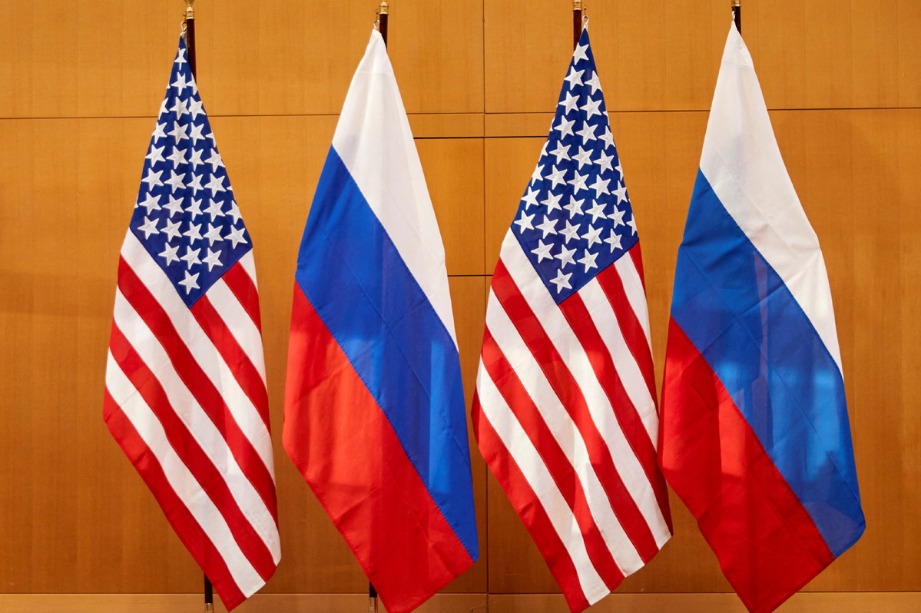
    High-level diplomatic negotiations between United States and Russian officials are scheduled to occur in Miami, Florida this weekend, signaling potential progress toward resolving the prolonged Ukraine conflict that has persisted for nearly four years, according to Politico reports.

    The anticipated meeting, while still subject to scheduling confirmation, would feature Trump administration officials presenting recent developments from trilateral discussions involving American, Ukrainian, and European representatives held in Berlin last weekend. Two informed sources indicated the Miami talks would build upon these preliminary negotiations.

    The American delegation is expected to include President Donald Trump’s special envoy Steve Witkoff and senior advisor Jared Kushner, while the Russian contingent would likely feature President Vladimir Putin’s special envoy Kirill Dmitriev. In a parallel diplomatic movement, Ukrainian National Security Adviser Rustem Umerov is arranged to conduct separate consultations with the US delegation either in Miami or an alternative American location during the same timeframe.

    Administration officials revealed that the Berlin negotiations produced substantial progress, with participants reaching consensus or significantly narrowing differences on approximately 90% of the twenty-point American draft peace proposal. This development suggests unprecedented alignment among the involved parties.

    In a notable concession, Ukrainian President Volodymyr Zelensky has indicated willingness to suspend NATO membership aspirations in exchange for Western security guarantees that would prevent renewed hostilities with Russia. Kyiv seeks protections equivalent to those afforded under NATO’s Article 5 collective defense clause, though the United States has not yet committed to such arrangements. According to Ukrinform news agency, Zelensky expressed readiness to accept Article 5-equivalent security guarantees as part of a comprehensive peace compromise.